

Summary:
- ABODI Transylvania releases The Chronicles, a collection combining wearable art with Transylvanian mythology and folklore
- The collection centers on Elisabeth Báthory reinterpreted as a symbol of demonized female power and resistance
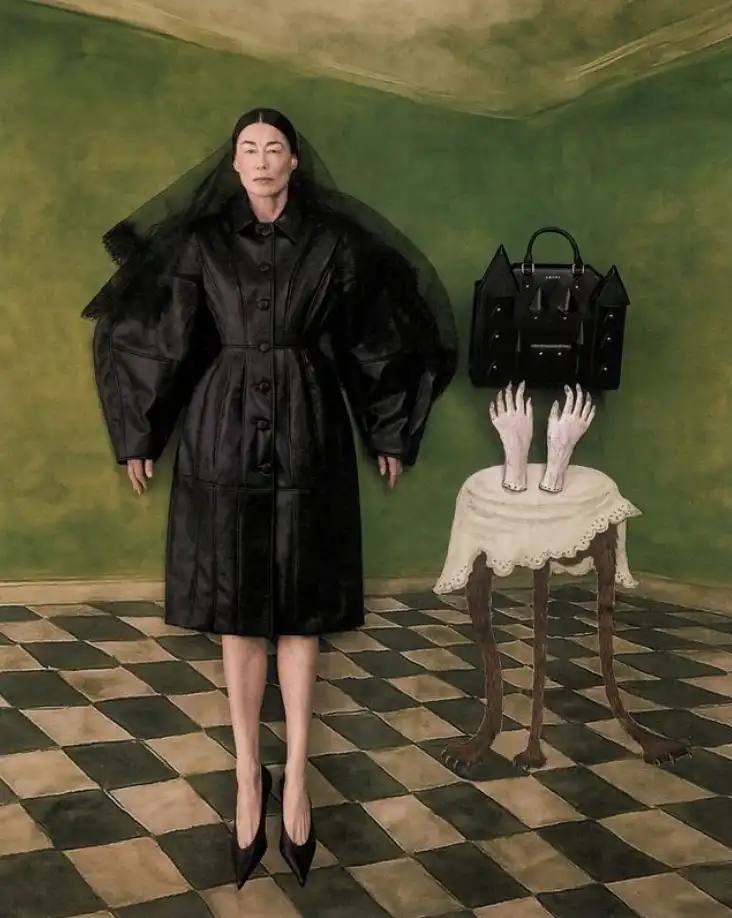
- Pieces include hand-painted garments, sculptural coats made from antique Transylvanian hemp fabrics, and the Vampire Castle accessories
ABODI Transylvania has released The Chronicles, a wearable art collection that pulls from Transylvanian mythology and positions ancient figures in modern contexts. The brand works exclusively with Transylvanian heritage, drawing from Eastern European and Balkan traditions.
The collection treats folklore as something to reactivate rather than preserve. Characters from old stories appear in contemporary settings, dealing with questions of dominance, resistance, and transformation. The garments exist somewhere between clothing and sculpture.
Elisabeth Báthory anchors the collection. The historical figure, often labeled as a witch and monster, appears here as a symbol of female power that society feared and tried to control. The brand uses her story to examine patriarchal structures and the pressure women face to stay young, controlled, and beautiful.
The collection includes The Saga, which features hand-painted pieces and a sculptural coat built from antique hand-woven Transylvanian peasant hemp fabrics. Antique laces appear on cotton garments. Transylvanian seamstresses contributed to production. The brand treats illustrations and paintings as textile prints, sculptural surfaces, and spatial elements at the same time.
Photographer Szilveszter Makó shot the campaign images. The visuals work as cinematic and ritualistic fragments rather than standard fashion photography. They position the garments as emotional artifacts instead of seasonal products.
Model Ursula Wangander appears as different archetypes throughout the series. She becomes Elisabeth Báthory, Dracula, a water vila, ghosts, the Cat Mermaid, and other figures from folklore. The images blur lines between fashion photography, fine art, and documentation of mythology.
The Vampire Castle headpiece gained attention online. Following that response, ABODI Transylvania introduced the Vampire Castle Bag in standard and mini versions. The brand has added a rotating wearable statue castle to the collection. The piece combines gothic elements with mid-century brutalist design.
ABODI Transylvania extends beyond garments into ceramic work and sculptural pieces. Creative Director Dora Abodi treats fashion, ceramics, painting, and sculpture as equal practices. Ceramic masks and sculptural pieces include vampire hands and a Dracula mask. The vampire hands appeared on Rama Duwaji for The Cut cover.
The brand plans to continue making collections that sit between clothing and sculpture. Future releases will include handbags, ceramics, and work across different artistic mediums. The approach treats Transylvanian legends as something alive and evolving rather than fixed historical material.
ABODI Transylvania builds each collection from specific cultural references. The brand avoids romanticizing folklore. Instead, the work examines how old stories connect to present conditions. The Chronicles looks at power dynamics, survival, and identity through garments that function as wearable statues.
The collection uses traditional craft methods. Hand-painted fabrics and antique textiles appear throughout. Collaboration with local seamstresses keeps production connected to the region that inspires the work. Materials include hemp fabrics, cotton, and lace, all sourced from Transylvanian traditions.
The brand positions itself as a time-traveling fashion house. This means pulling elements from different periods and recombining them for now. The approach lets old figures speak to current concerns. Elisabeth Báthory becomes relevant because the forces that demonized her still operate today.
ABODI Transylvania treats mythology as a living system. Stories change as people retell them. The brand applies this logic to fashion by making pieces that act as artifacts, sculptures, and clothing at once. Each garment carries narrative weight.
The Chronicles collection shows how fashion functions as a vehicle for cultural memory and criticism. The work questions who gets labeled as monstrous and why. The pieces ask viewers to reconsider historical narratives about power, gender, and resistance.
Kristin Kaye
Insatiably curious about human expression, she immerses herself in literature, theater, art, and dance. Her academic journey led to degrees in Modern Literature, where she delved into The Furioso, and Historical Sciences with a focus on Contemporary History. Her studies took her to the prestigious Erasmus University Rotterdam, broadening her international perspective.
Her passion for culture isn't confined to personal enjoyment—it spills onto the pages of various publications. There, she explores not only artistic endeavors but also civil rights issues and the myriad ways human culture manifests itself. For her, writing about these topics isn't just a profession; it's an irresistible calling that stems from her deep-seated fascination with the human experience.
Share this article
RELATED

FOOT LOCKER AND ANNA RELEASE NIKE TN TARTAN


