

Summary
- The Fondation Louis Vuitton will host an exhibition of 300 works by sculptor Alexander Calder from April 15 to August 16, 2026
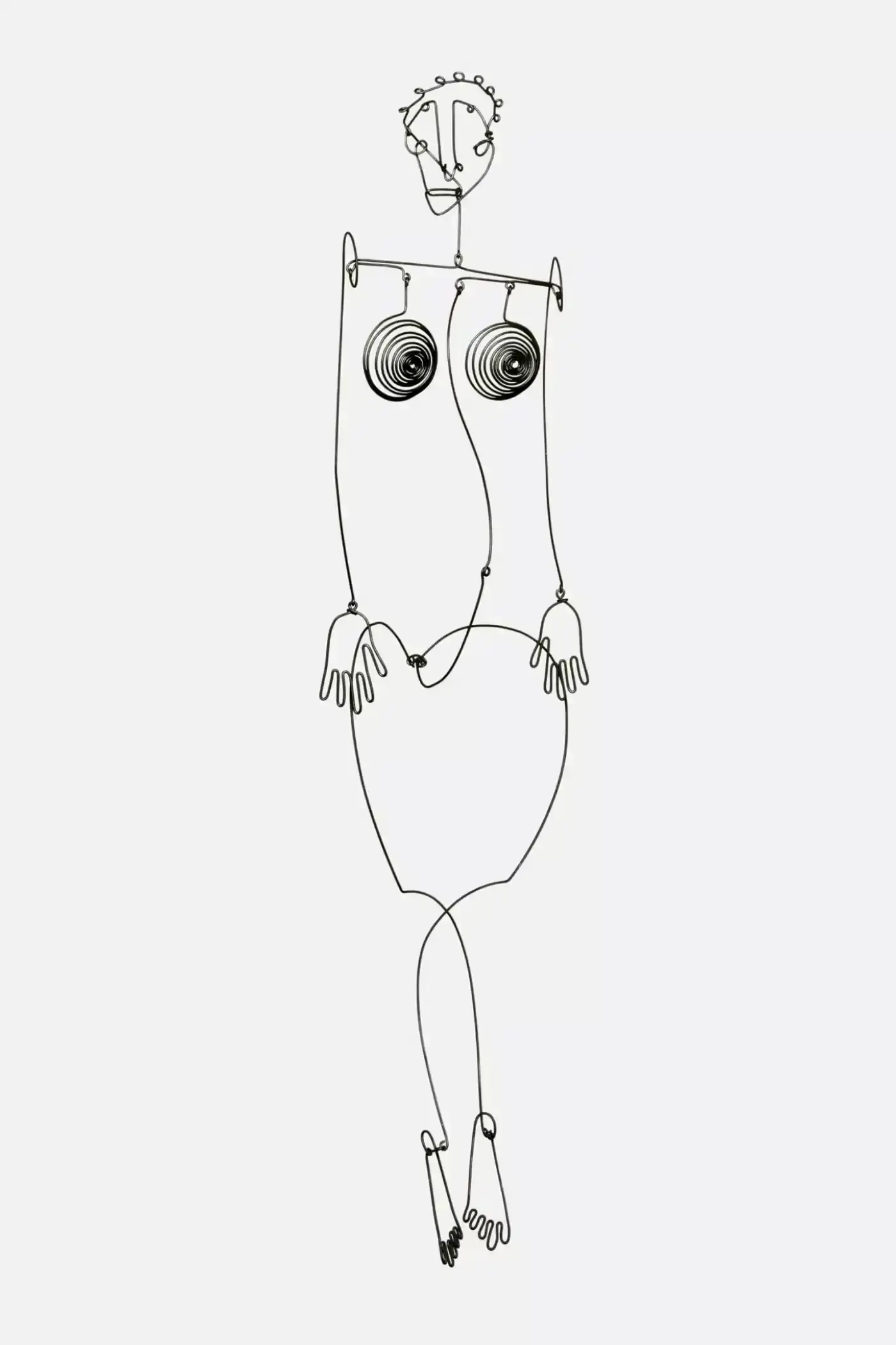
- The show includes mobiles, stabiles, wire portraits, paintings, drawings, wood sculptures, and jewelry spanning five decades
- Archival photographs and works by Calder's contemporaries provide context for his place in the avant-garde movement
The Fondation Louis Vuitton in Paris will dedicate its next major exhibition to Alexander Calder, the American sculptor who transformed modern art with his kinetic and static works. Titled "Calder. Rêver en Équilibre" (Calder. Dreaming in Balance), the show opens April 15, 2026, and runs through August 16.
The exhibition brings together 300 pieces from across Calder's career. Visitors will see his mobiles and stabiles, terms Calder himself coined to describe his kinetic and static sculptures. The show also features wire portraits, paintings, drawings, wood sculptures, and jewelry. These works document five decades of artistic output, from the 1920s through the 1970s.
One centerpiece of the exhibition is "Cirque Calder" from 1931. This miniaturized circus performance helped establish Calder's reputation among European avant-garde artists. The artist created small figures from wire and other materials, then performed live shows where he manipulated the characters through various circus acts. The piece combines sculpture, performance, and playfulness in ways that were unusual for the time.
The show also presents selections from Calder's "Constellation" series. Marcel Duchamp gave this group of hanging mobiles its name. These works demonstrate Calder's interest in movement and balance. The sculptures respond to air currents, creating compositions that shift and change. This kinetic approach set Calder apart from traditional sculptors who worked with fixed forms.
The exhibition places Calder's work alongside pieces by his peers. Works by Barbara Hepworth, Paul Klee, Jean Arp, Jean Hélion, Piet Mondrian, and Pablo Picasso appear in the show. These inclusions reveal how Calder's ideas fit within the larger avant-garde movement of the early to mid-20th century. The comparison shows both his shared interests with other artists and his distinct contributions.
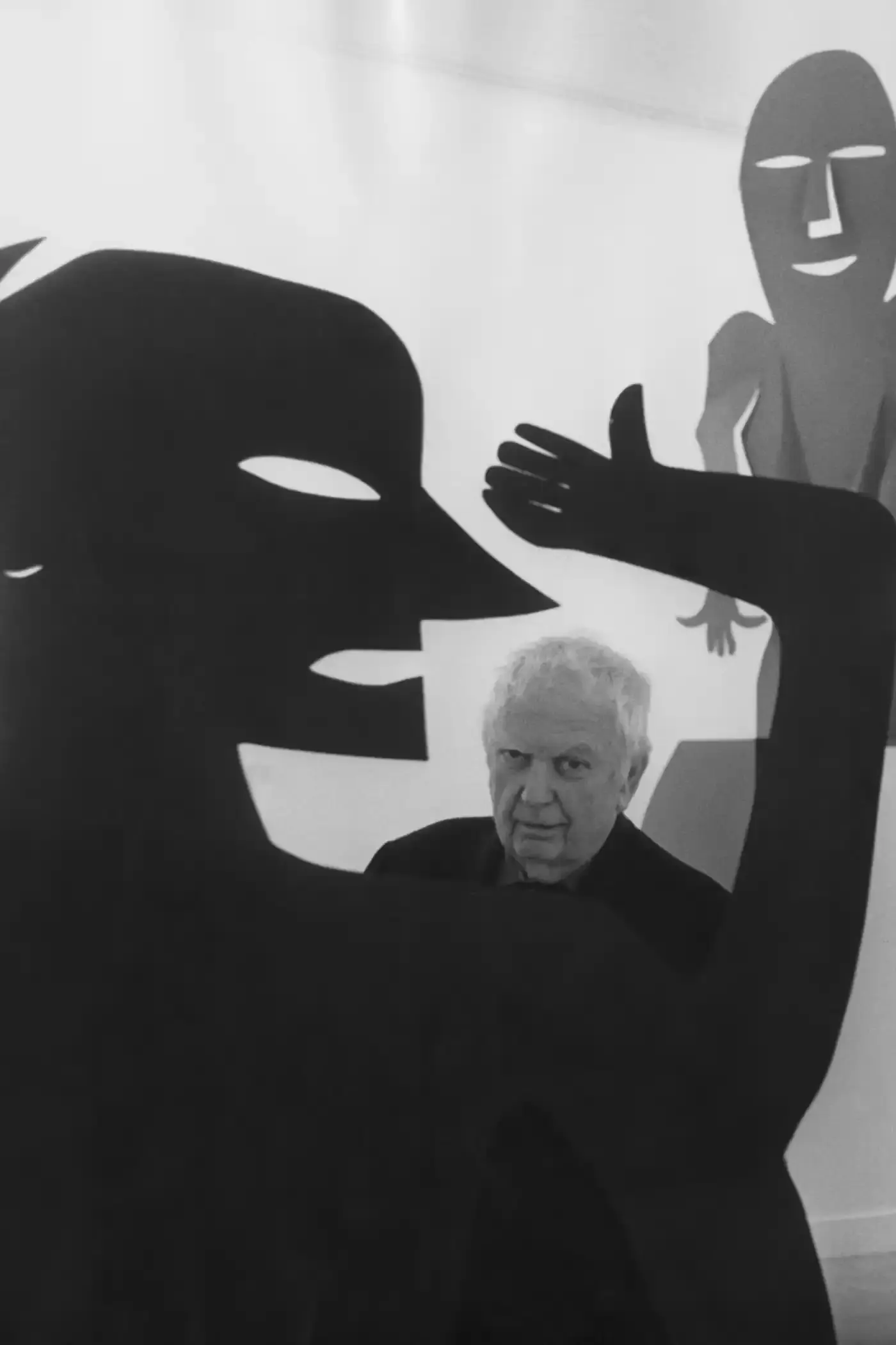
Thirty-four archival photographs add another dimension to the exhibition. Henri Cartier-Bresson, André Kertész, Gordon Parks, May Ray, Irving Penn, and Agnès Varda took these images. The photographs show Calder in his studio, at work, and in his daily life. They offer insight into the person behind the sculptures and his working methods.
Calder began his career as an engineer before turning to art. This background informed his approach to sculpture. He understood weight, tension, and balance in technical terms. These principles shaped his mobiles, which balance multiple elements suspended in space. The slightest air movement sets the pieces in motion, creating ever-changing visual relationships.
His stabiles, by contrast, remain fixed. These large metal sculptures stand on the ground, often in public spaces. They use bold shapes and bright colors. While they do not move, they still convey a sense of energy and lightness despite their size and weight.
Calder's work bridged abstract art and popular appeal. His sculptures attract viewers who might not otherwise engage with abstract art. The movement in his mobiles draws the eye. The playful forms invite longer looking. This accessibility aligns with Calder's own stated belief about art's purpose.
The Fondation Louis Vuitton provides a suitable venue for this retrospective. The building, designed by Frank Gehry, features expansive galleries with natural light. These spaces will accommodate both Calder's large-scale stabiles and his delicate mobiles. The architecture's own sense of movement and lightness complements Calder's aesthetic.
This exhibition marks a significant moment for viewing Calder's work in Europe. The 300-piece selection represents one of the most comprehensive surveys of his output in recent years. Visitors will have the chance to trace his artistic development and see both well-known pieces and lesser-seen works.
The show opens to the public April 15, 2026. Fondation Louis Vuitton is located at 8 Avenue du Mahatma Gandhi in the 16th arrondissement of Paris.
Andrea Darren
Born in Manchester, from a young age, she was passionate about art and design. She studied at the University of the Arts in London, where she developed her skills in these fields. Today, Andrea works as an editor for a renowned publishing house, combining her love for art and design with her editorial expertise.
Share this article
RELATED

6:AM LAUNCHES BATCH GLASS MODULES


MOTO GUZZI OPENS GREG LYNN MUSEUM IN MANDELLO

