Summary:
- Apple releases updated AirTag with longer Bluetooth range and louder speaker
- New second-generation Ultra Wideband chip extends Precision Finding range by 50%
- Precision Finding now works on Apple Watch for wrist-based tracking
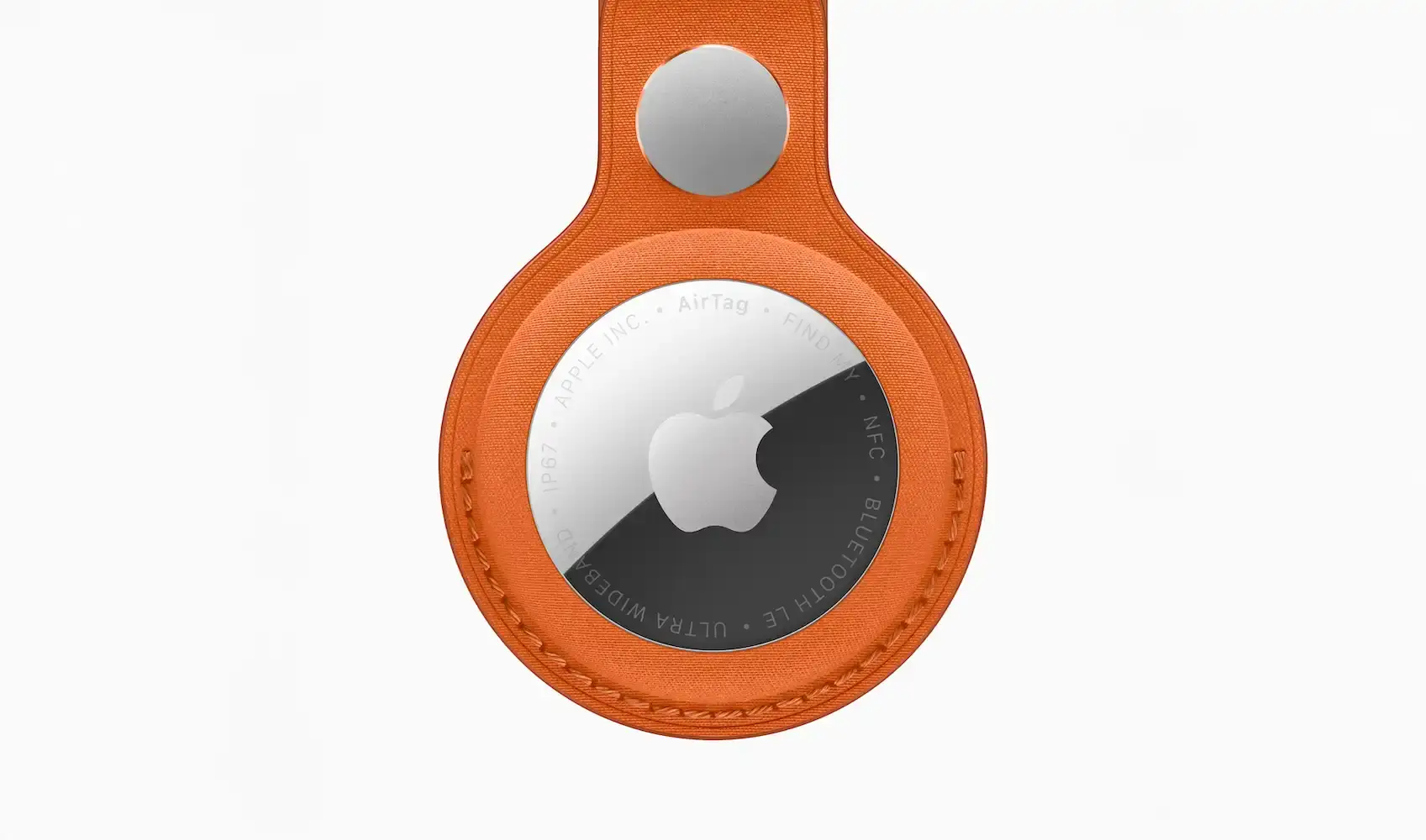
Apple has released an updated version of AirTag. The original tracker launched in 2021 and helped users locate lost bags, keys, bikes, and other personal items through the Find My network. The company now offers a revised model with technical improvements focused on range and audio output.
The updated AirTag includes a second-generation Ultra Wideband chip. This same chip appears in recent Apple devices including iPhone 17, iPhone Air, Apple Watch Ultra 3, and Apple Watch Series 11. The new chip extends the effective range of Precision Finding by up to 50% compared to the previous model.
Precision Finding uses haptic feedback, visual cues, and audio signals to guide users toward their lost items. The feature combines Bluetooth and Ultra Wideband technology to provide directional guidance on compatible devices. With the range extension, users will find items from greater distances than before.
The speaker has also received attention in this update. Apple designed the new speaker to produce louder and more distinct sounds. This helps users locate items in noisy environments or when AirTags end up buried under other objects. The audio improvements work alongside the extended wireless range to make recovery easier in various situations.
Apple Watch now supports Precision Finding for the first time. Users with compatible watches will receive the same directional guidance directly on their wrists. This adds convenience when phones are not immediately accessible or when users prefer wrist-based interaction during searches.
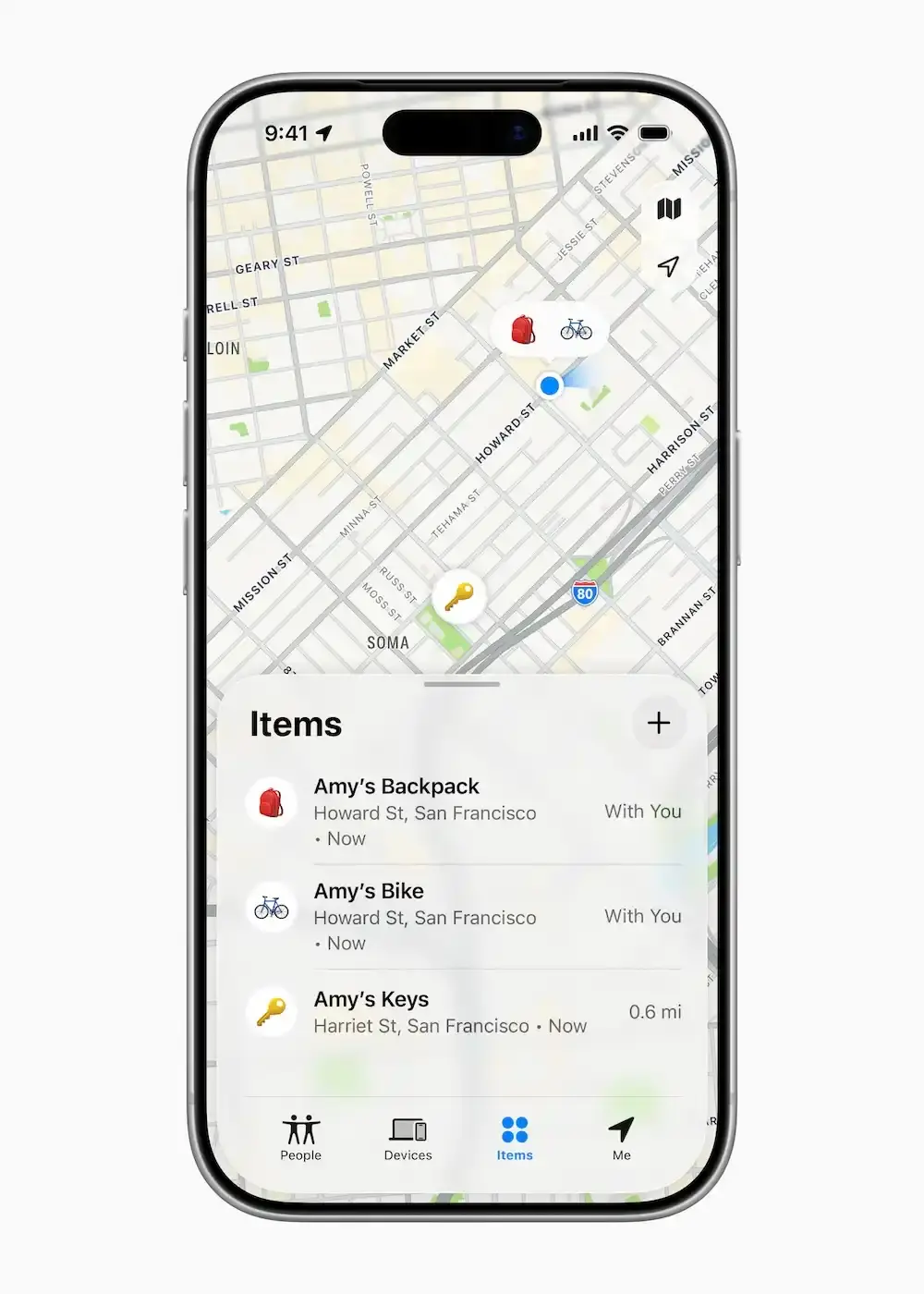
The Find My network remains central to AirTag functionality. When an AirTag moves out of Bluetooth range from its owner's device, other Apple devices in the area detect it anonymously and relay its location back to the owner. This crowdsourced approach has made AirTag effective in urban areas with high concentrations of Apple users.
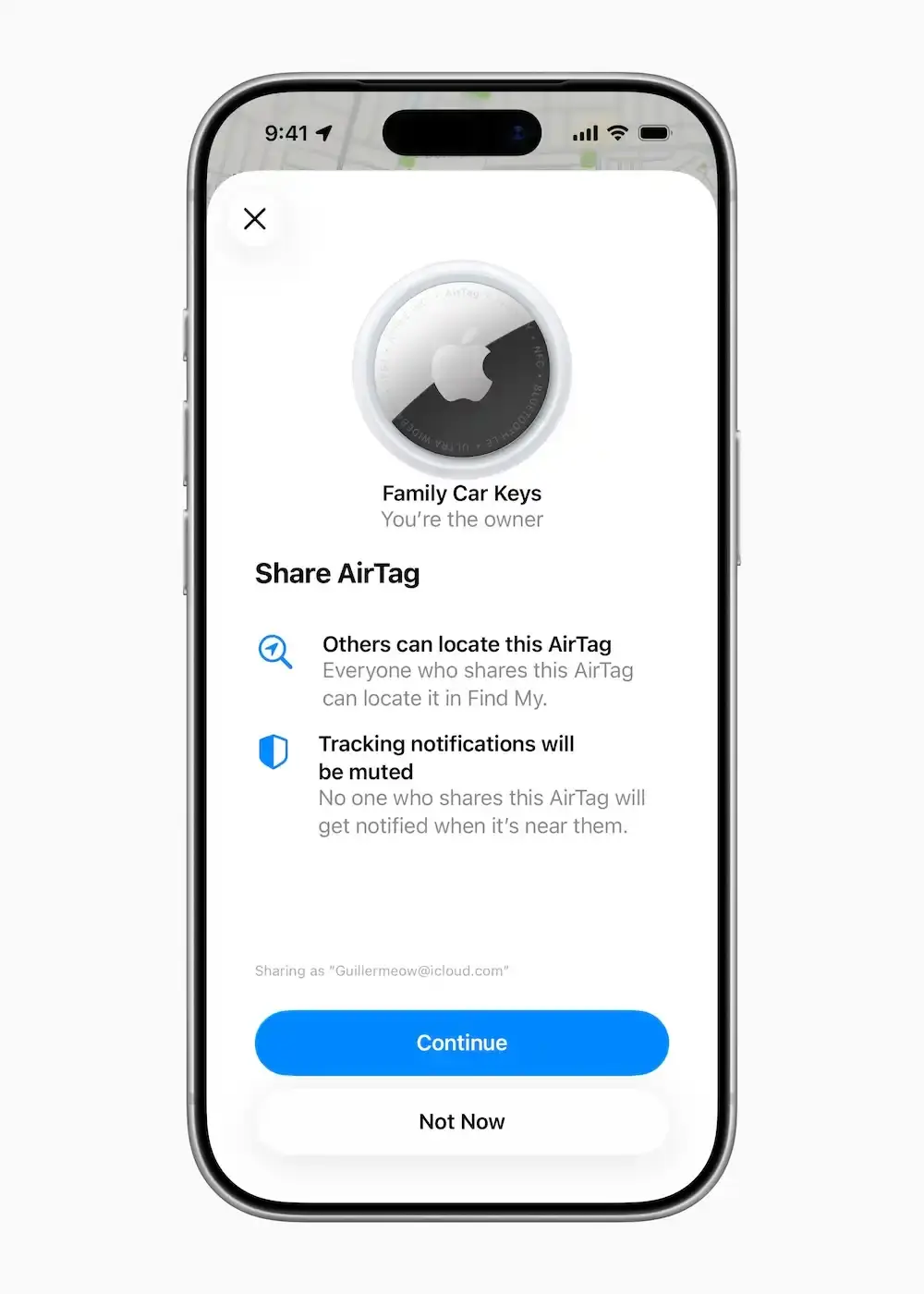
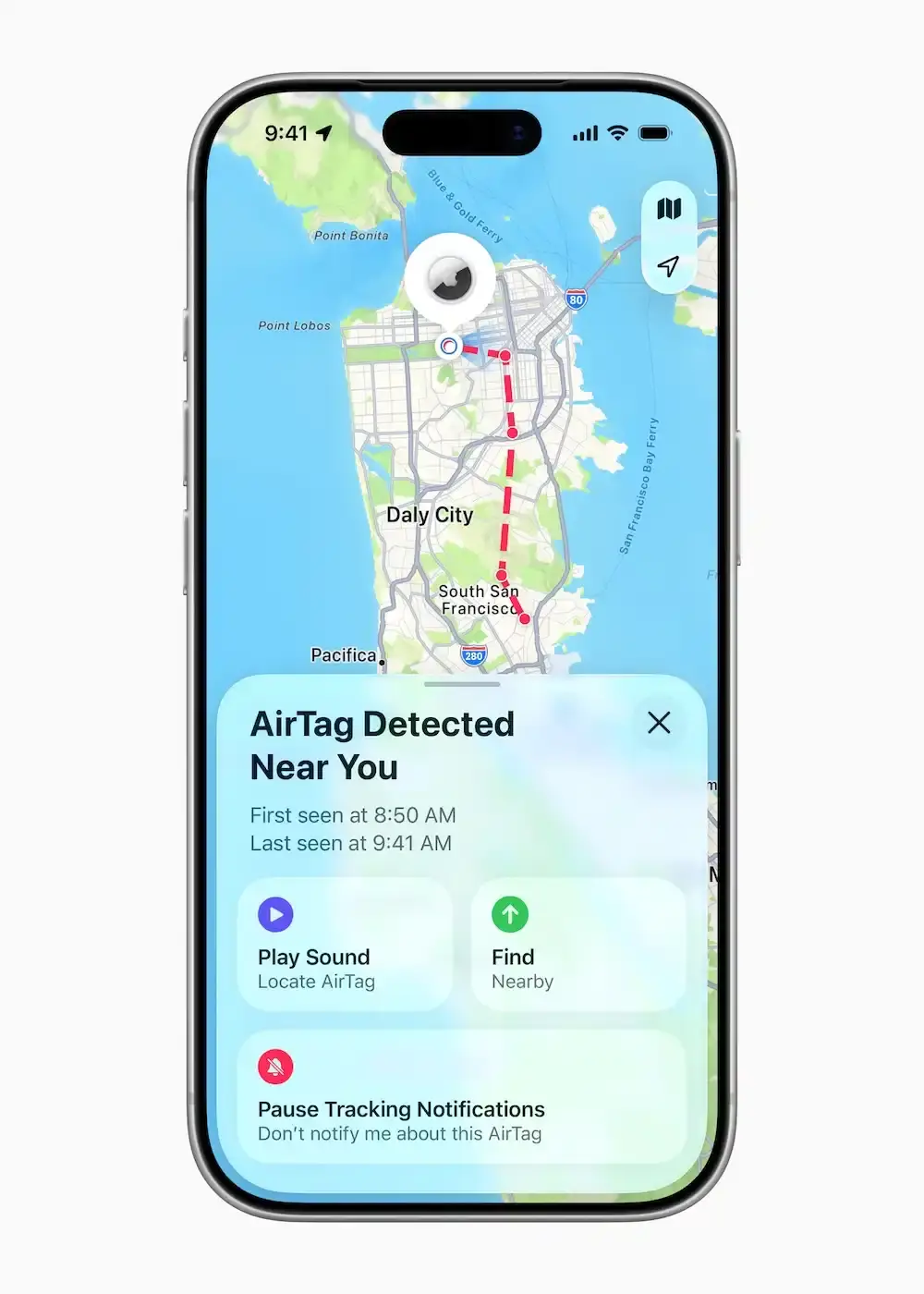
Privacy features continue from the original design. AirTags include safeguards against unwanted tracking. If an unknown AirTag travels with someone over time, their iPhone will alert them to its presence. Android users received similar protections through a dedicated app that Apple released after the initial launch.
The physical design appears unchanged from the original AirTag. The circular form factor measures 31.9mm in diameter and 8mm in thickness. Weight stays at 11 grams. The device maintains the same CR2032 battery, which Apple rates for about one year of use under typical conditions.
Compatibility requires iOS 18 or later for full feature access including Precision Finding. The extended range and Apple Watch support require devices with the second-generation Ultra Wideband chip. Older iPhones will still work with the updated AirTag but without the range improvements.
Apple has not announced pricing or availability dates for markets outside the initial release regions. The original AirTag retailed for $29 for a single unit or $99 for a four-pack. Accessories including leather and silicone holders remain available through Apple and third-party manufacturers.
The tracker market has expanded since AirTag's introduction. Samsung offers SmartTag, Tile continues producing various tracker shapes, and Chipolo has partnered with Google for Android-focused solutions. Each system relies on its own network of devices for location updates, with effectiveness varying by platform popularity in different regions.
Thomas Gabe
is a seasoned technology editor based in Berlin, Italy. With over 5 years of experience, Thomas excels at making complex tech topics. He holds a Computer Science degree and in his free time, he enjoys experimenting with gadgets and mentoring budding tech journalists.
Share this article
RELATED

PPLE DROPS IPHONE 18 PRO AND FOLDABLE DUO

JJJJOUND AND AIAIAI RELEASE AUDIO COLLECTION

INSTAGRAM UPDATES WORDMARK TEXT LOGO AFTER DECADE

MARSHALL STOCKWELL III SPEAKER FOCUSES ON REPAIR

ORIGINAL PLAYSTATION CONSOLE REBUILT AS CUSHION CASE
