
We met Arielle Assouline-Lichten during Milano Design Week 2026 to discuss her independent studio Slash Objects. We find her work located between industrial decay and high-end luxury. She studied architecture at Harvard where she petitioned the Pritzker Prize committee to recognize Denise Scott Brown. She spent time studying in Copenhagen and Tokyo before establishing her base in New York and Paris. These experiences shape her precise geometries. Below, in our conversation with her, she reflects on her process and what lies ahead.
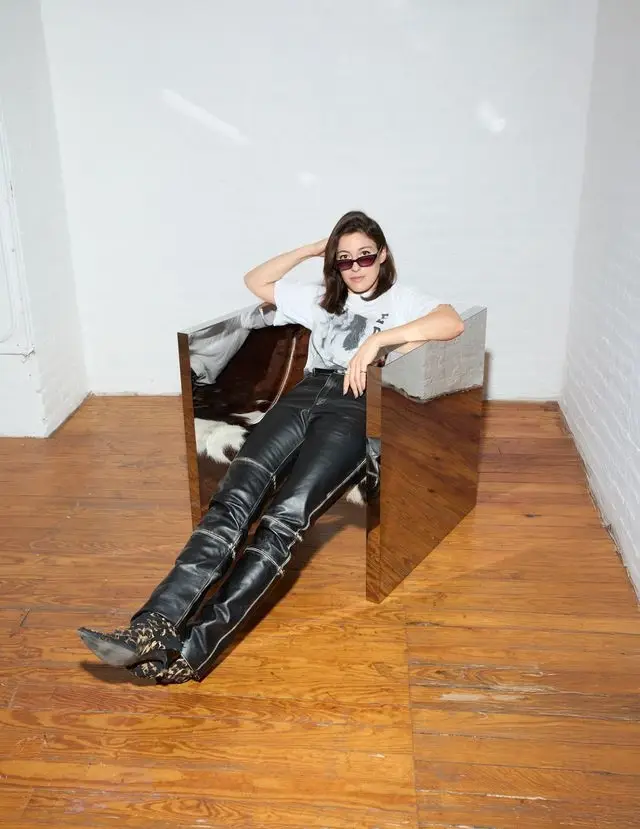
You studied architecture at Harvard and petitioned the Pritzker Prize committee to recognize Denise Scott Brown. How did this early push for equity in the architectural field influence your decision to launch your independent studio Slash Objects?
I always had a rebellious streak in me - straight out of the womb I wanted to do things my way. When I got to Harvard, I was very aware of the gender gap in architecture - thanks to my mother who is an architect and a fierce feminist. When I learned about the injustice that Denise faces from the Pritzker Prize who deny her recognition, I had to speak out. I think I have always gone my own way - a true Aquarius! Equality is very important to me. Part of starting my own studio was definitely driven by the desire to show the world it was possible and level the playing field.
Your background includes a French father and a Danish mother. You also spent time studying in Copenhagen and Tokyo before establishing your base in New York and Paris. How do these distinct cultural exposures inform the precise geometries in your current work?
I am very much a product of my background and each place I lived or studied informs the way I think about design. Tokyo was really mind altering because of the way materials are treated, and the fuzzy boundary between inside and outside. There is attention to nuance in Japanese design that I hadn’t seen articulated before I spent time there. The Parisian side celebrates the Art of Living for which the French are so well known - and the desire for luxury and decadence. I think the Danish side is where I am rooted in rigor and a minimalism of sorts. I’ve been calling it Glam Minimalism because there is a desire for clean lines but with extravagance.
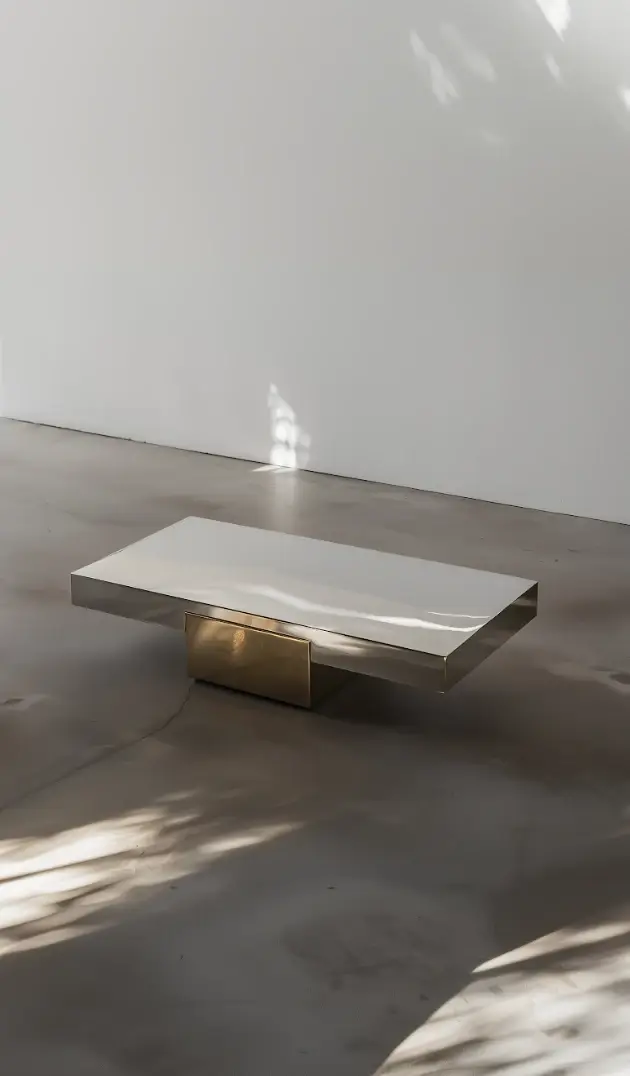
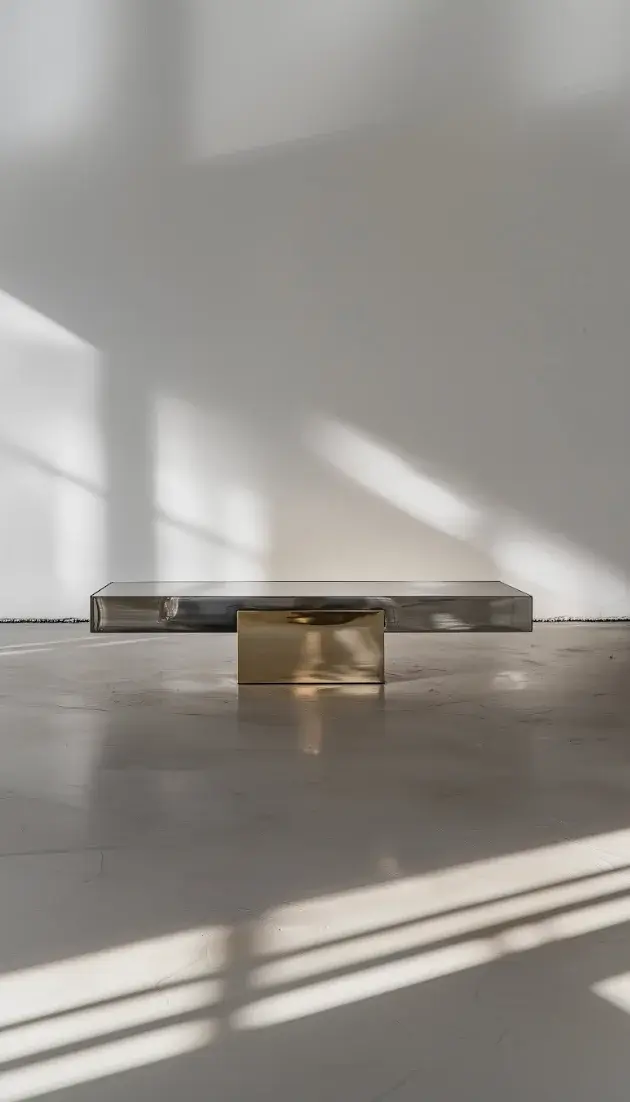
Your Coexist collection merges post consumer recycled rubber with high end materials like brass and marble. What technical steps do you take to balance these contrasting components into stable furniture pieces?
A lot of my work is about taking risks with materials meeting in precarious ways. I do a lot of little tests to see if something will work, but ultimately each time I create a piece for the first time, it is an experiment. It’s less about forcing the materials to match and more about letting each material do what it’s good at, then engineering the interface between them very precisely. The fabricators that I work with are incredibly knowledgeable about materials and construction, and a lot of the work is in tolerances and connections. I play a lot with weight and balance - The center of gravity has to be controlled so the piece feels grounded but not immovable, and stable.
Joseph Albers talked about his work in the sense that one plus one has a sum greater than two. That is something art can accomplish. I like to think about my combinations in the same way - an entirely new reality emerges when you put these contradictions together.
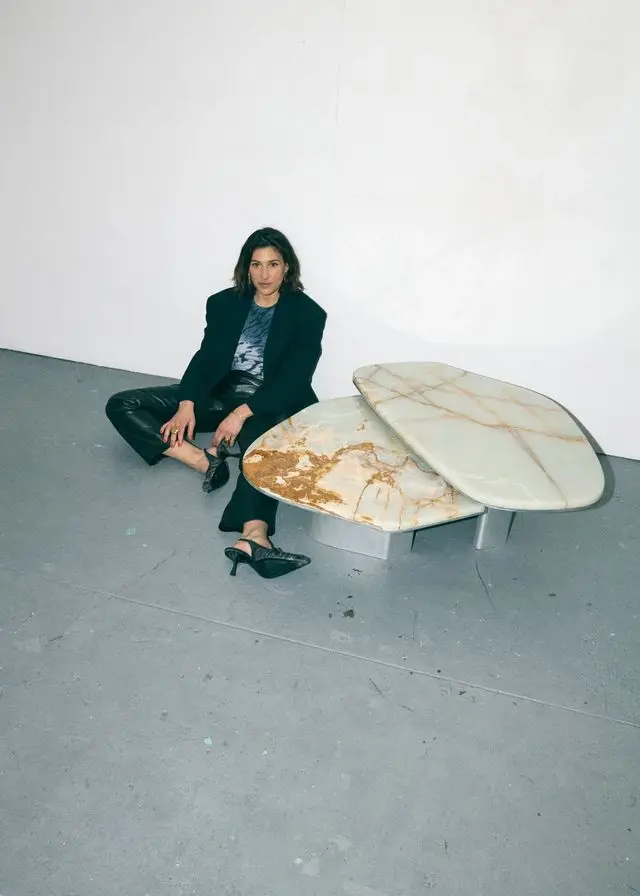
The Unbroken series incorporates fractured pieces of stone and onyx. How do you design around the specific constraints of broken source materials to create a functional piece of furniture?
In the Unbroken series, I really wanted to develop a way of designing that explicitly worked around imperfections. The idea was to highlight the cracks and crevices of the stone, and to find a system that could work despite the irregularities. I played with softening certain edges, and recessing others which were sharp so that you still had the beauty of the cracks but it would not interfere with functionality. I am also really interested in the passing of time, and the idea that materials change states of existence. To me, being able to show the material as something raw gives you a glimpse at another reality inside of it.
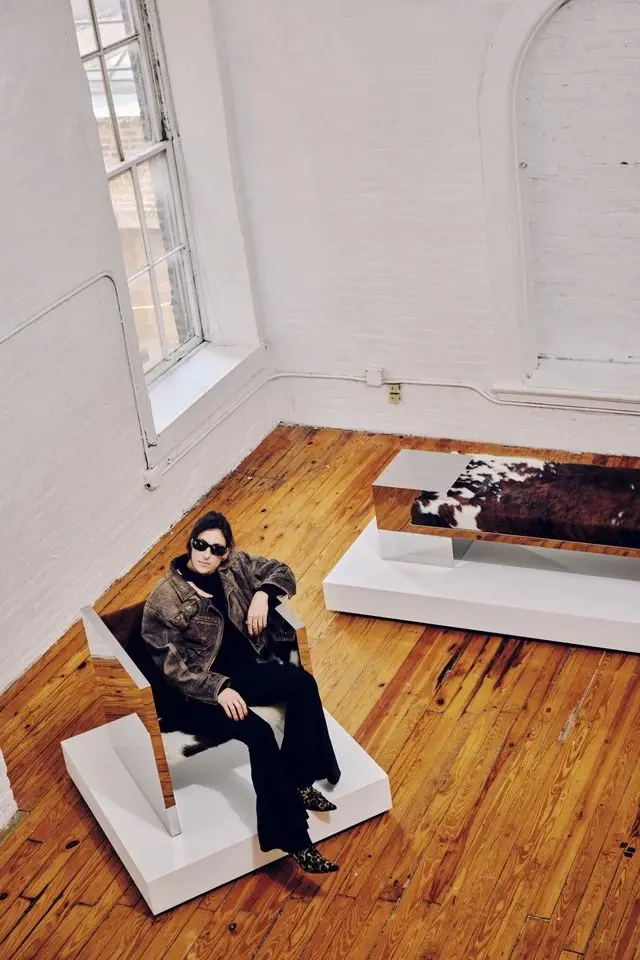
You recently opened a raw loft showroom in New York after spending time in Paris. How does placing your pristine steel and stone designs in an intentionally rough environment change the way people interact with your pieces?
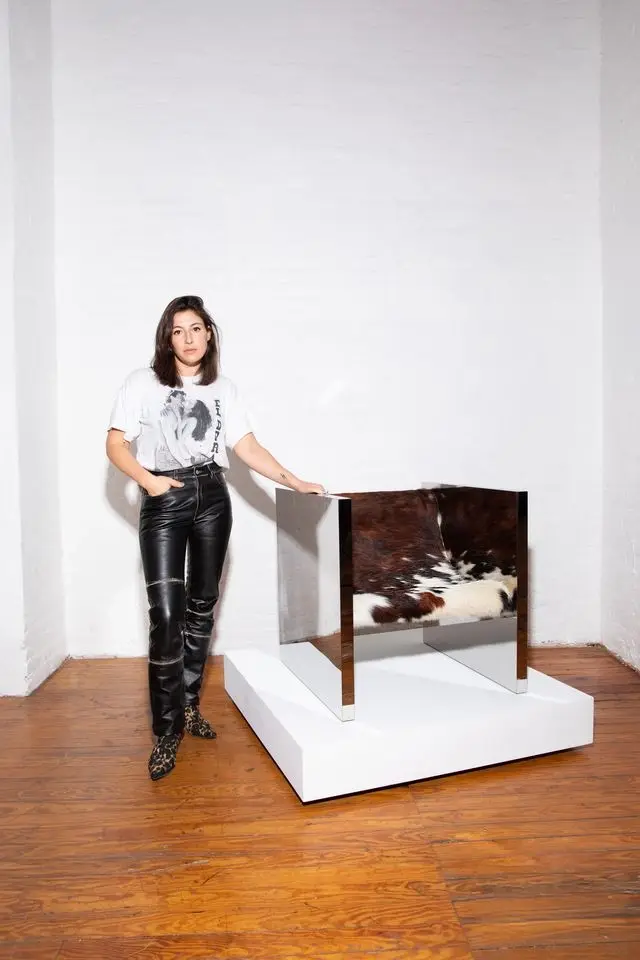
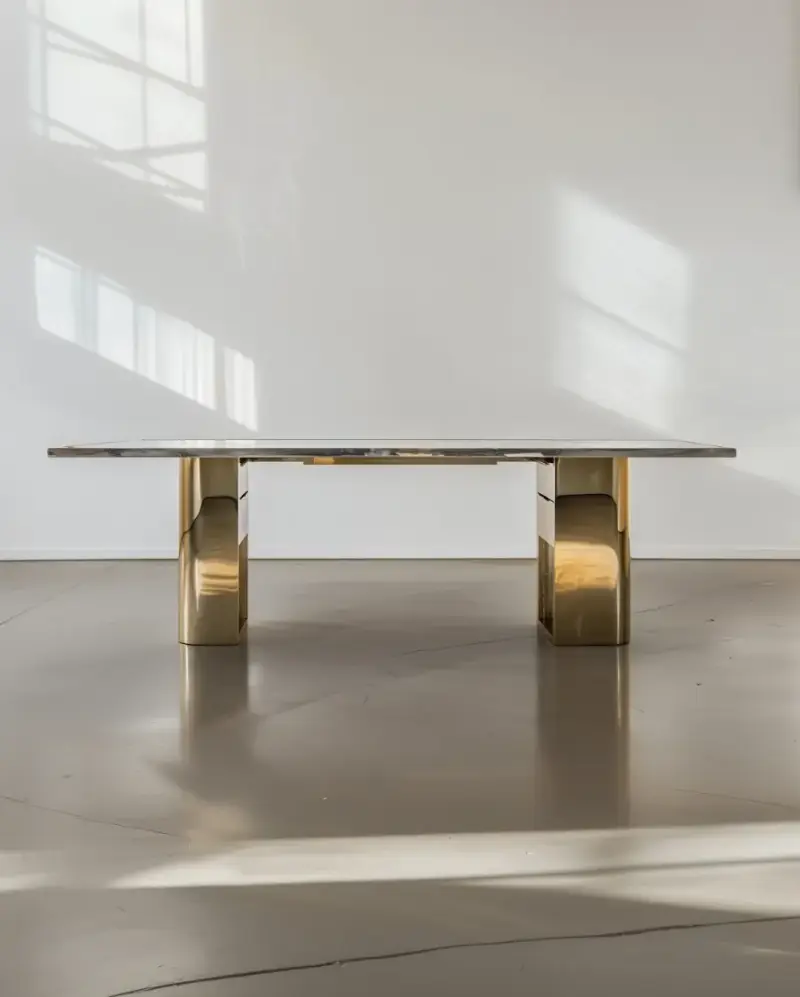
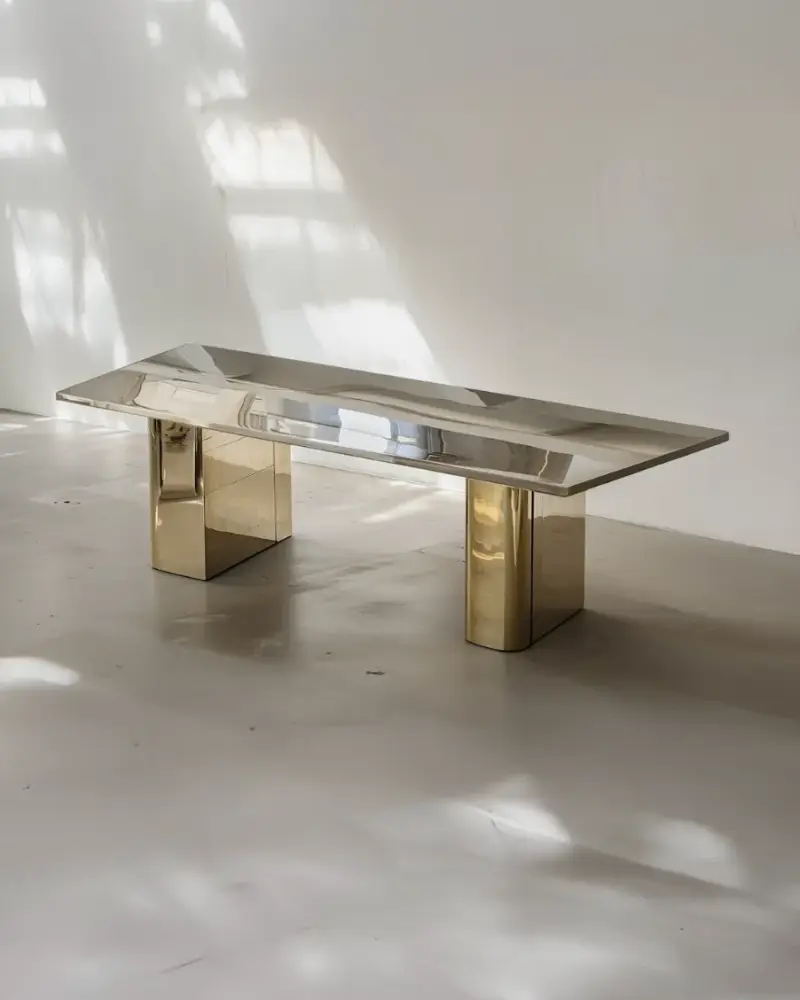
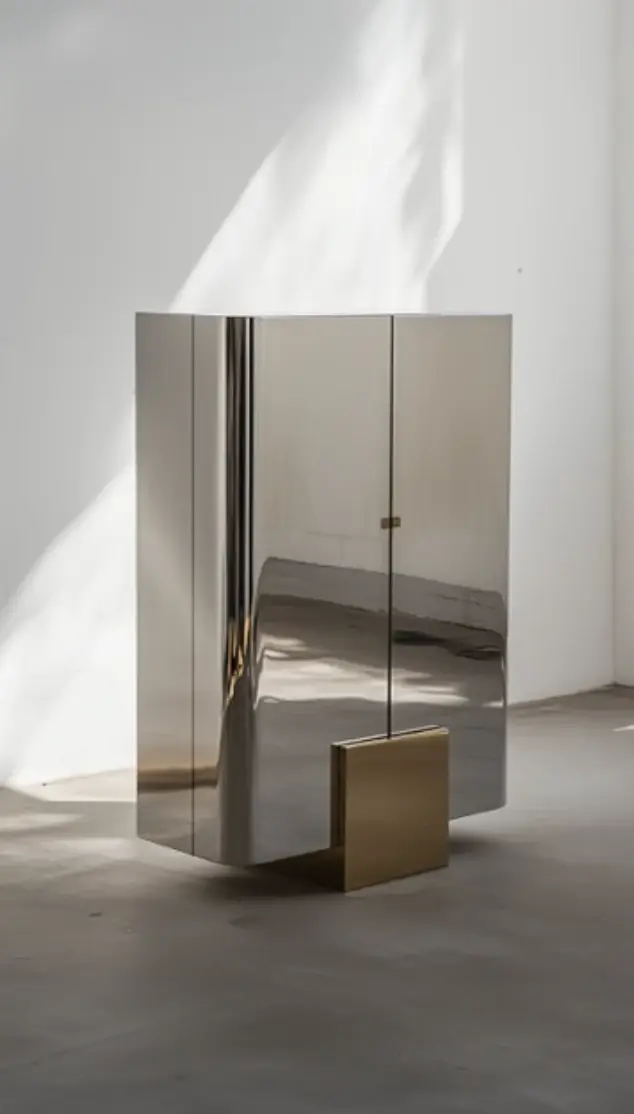
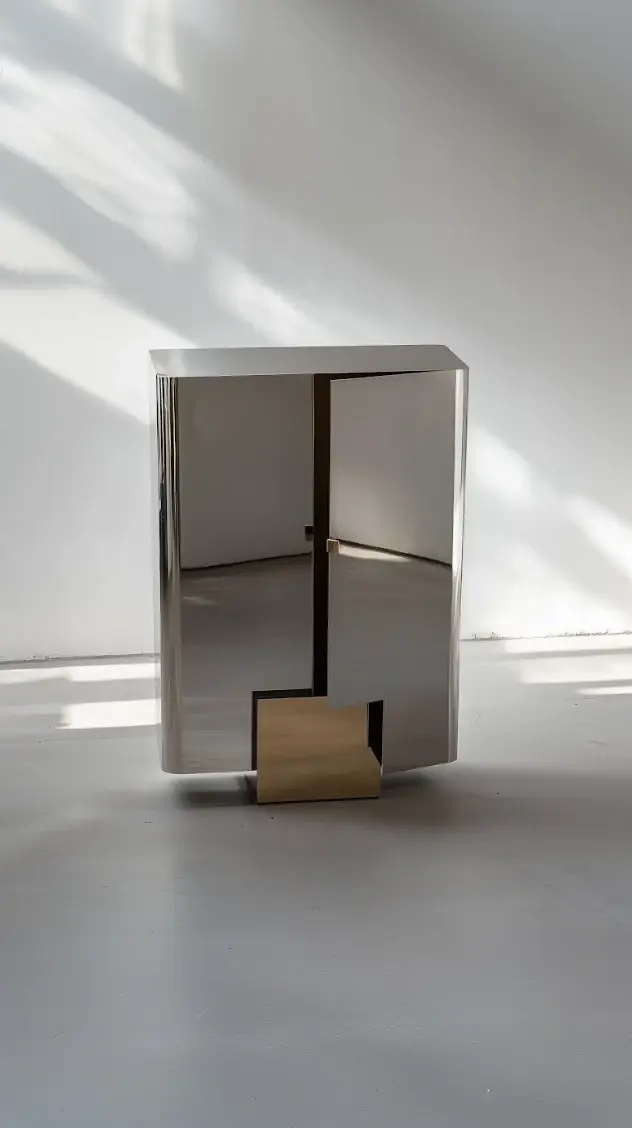
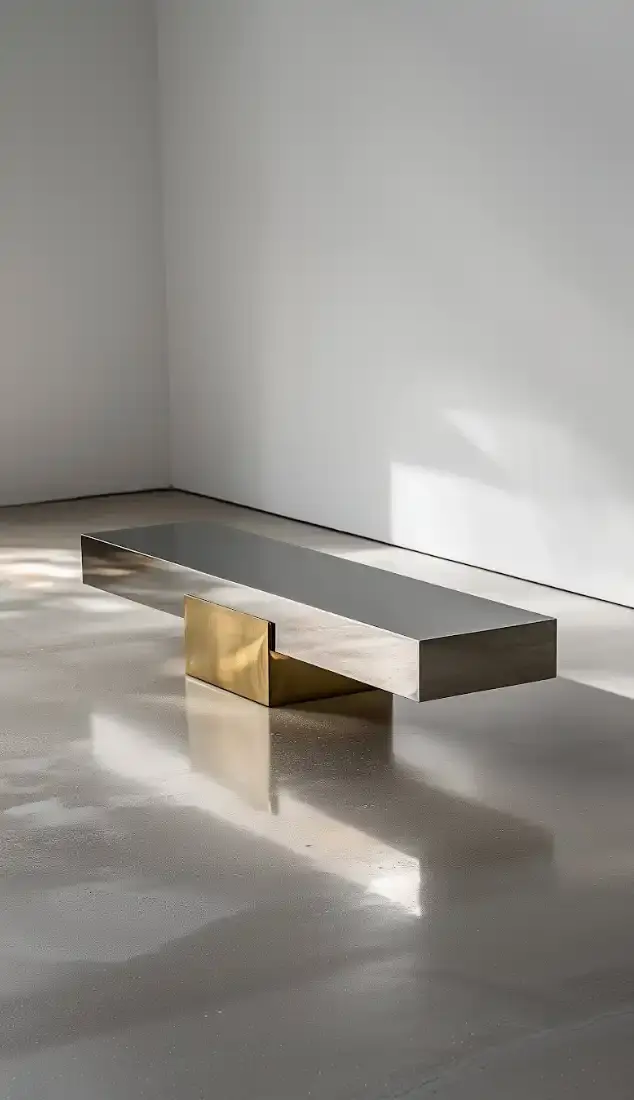
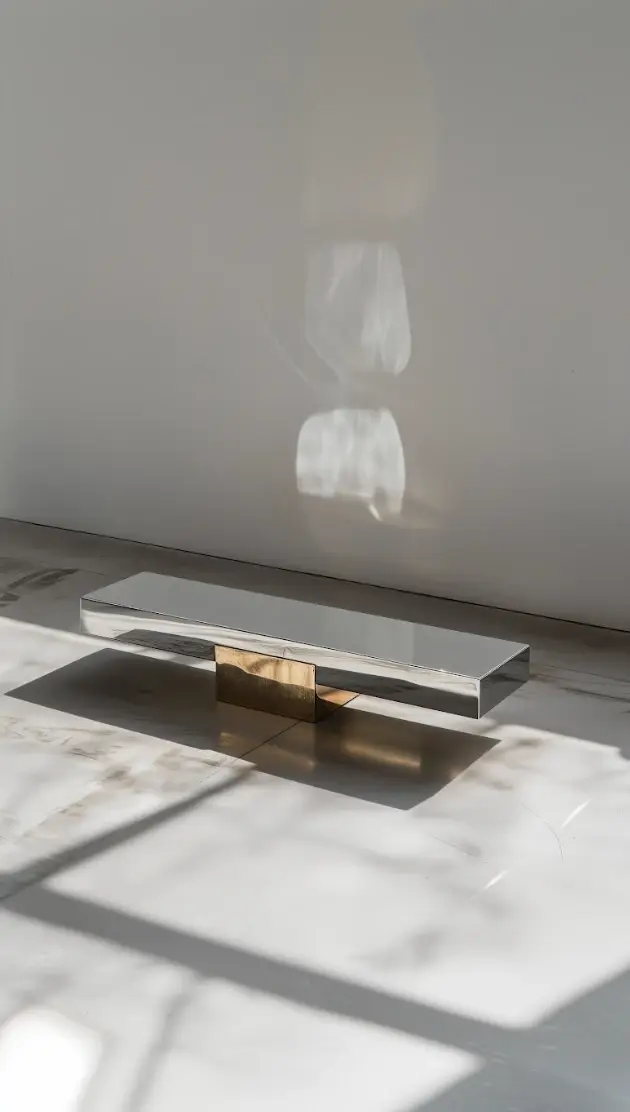
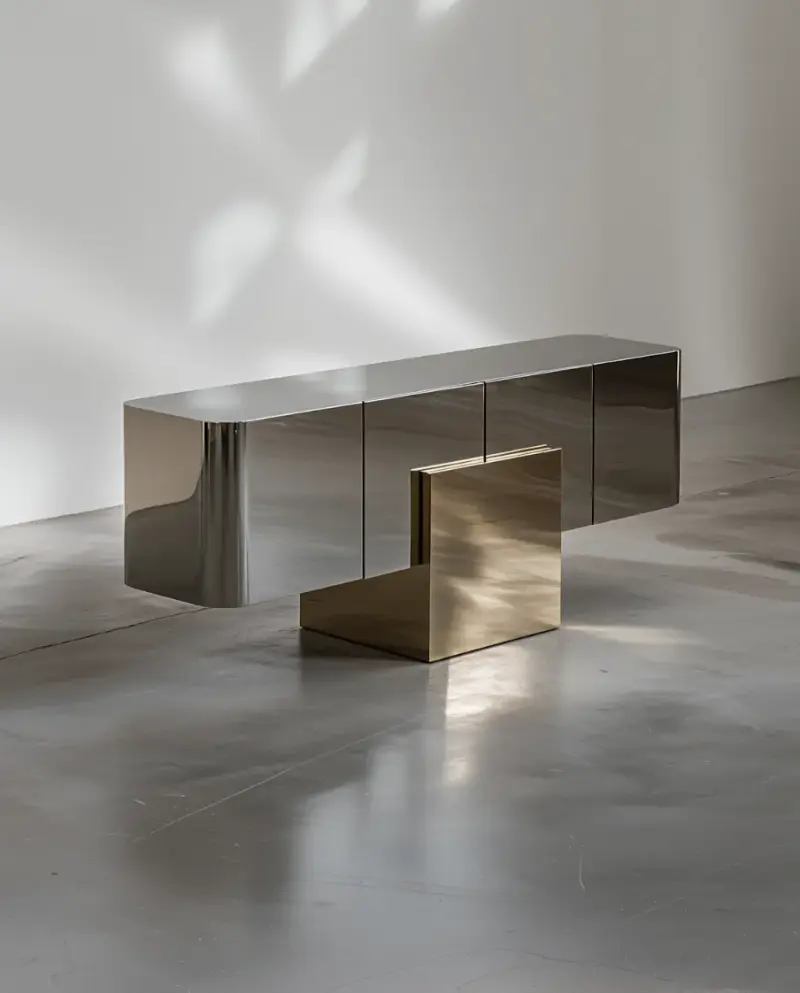
The contrast is the point. The loft is raw, imperfect, very New York in that way you don’t get to encounter anymore. When you place something highly polished and resolved into that context, it sharpens the perception of both. The pieces don’t just sit there as objects, they start to reflect the space, the people, the movement. They become active.
It also removes the preciousness. In a white cube, people tend to keep their distance. Here, the roughness gives permission to engage. You touch it, you see yourself in it, you understand scale and material in a more immediate way.
I’m interested in that tension—something very controlled meeting something completely uncontrolled. My work is so much about dualities - in materials but also in contrasted environments.
You often test new ideas by bringing prototypes into your own home to check their durability. What specific new furniture categories do you plan to introduce next to expand your existing catalog?
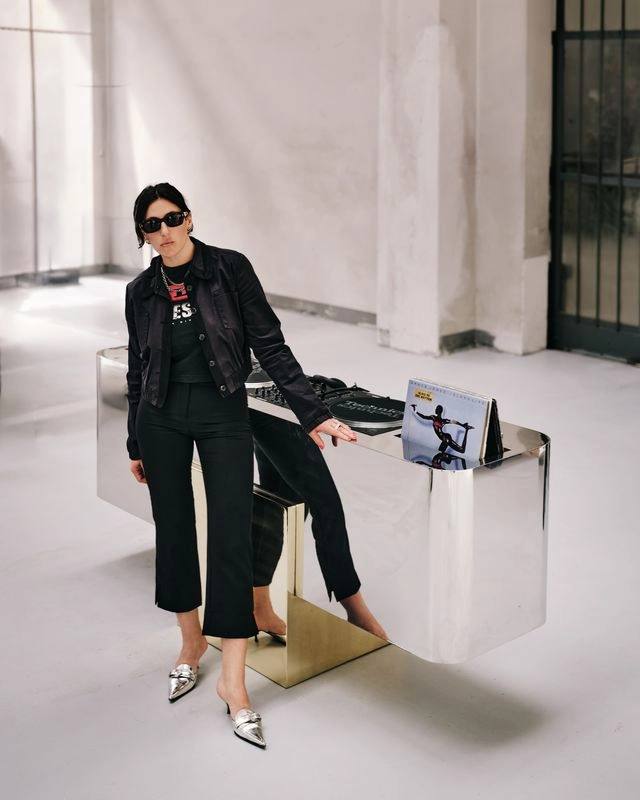
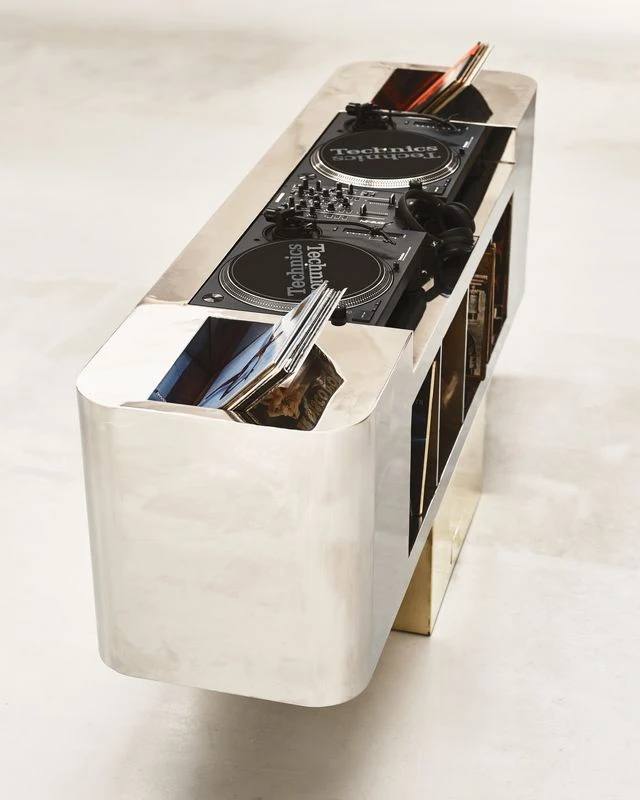
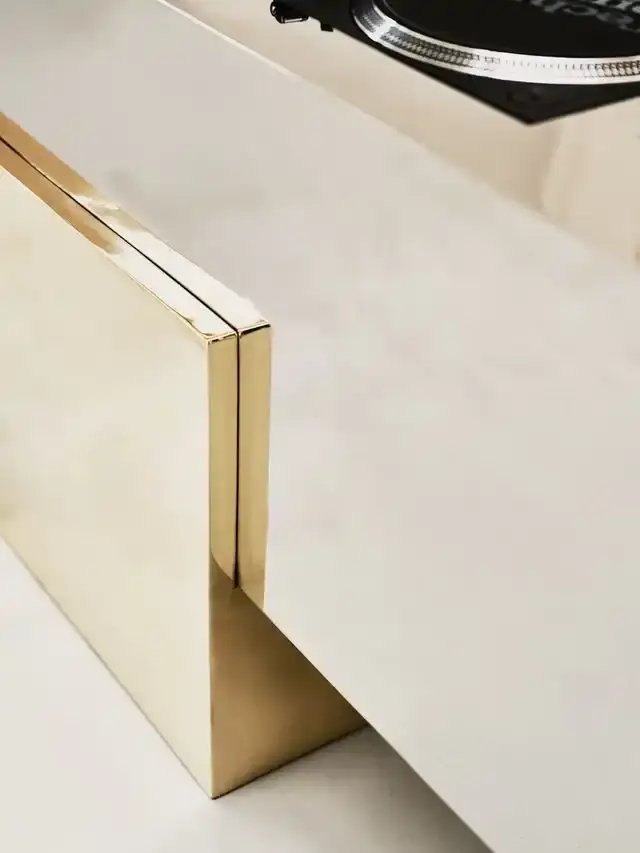
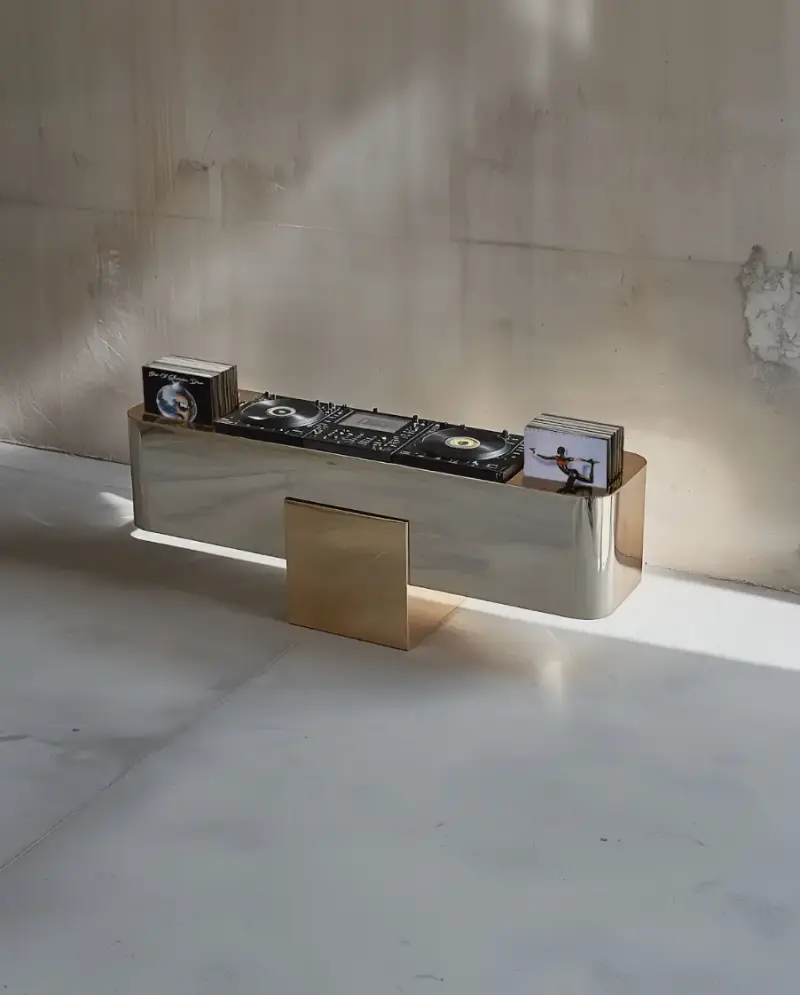
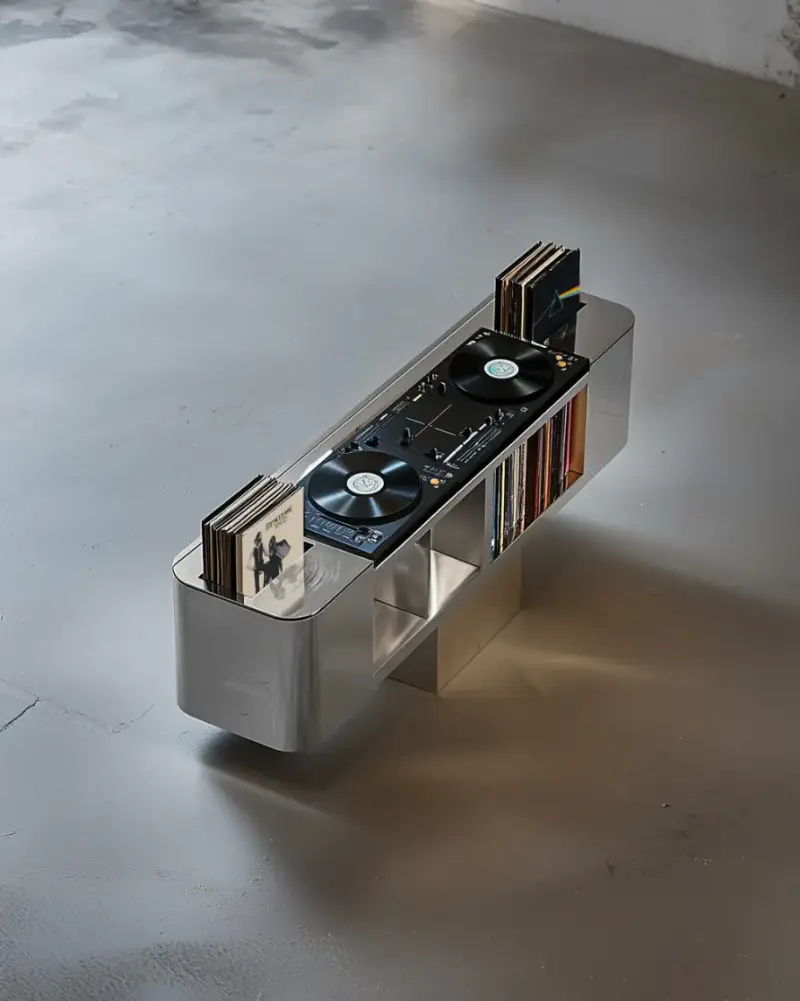
I am a huge fan of music and nightlife, which is what led me to start creating furniture at the intersection of design and sound. I designed the X Deck as a monument to nightlife - all that glitters and is sexy about the creation of music and the mystic nature of late nights embodied in a piece of design. I had never really seen anything like it, where vinyl and playback equipment all come together in a sleek way. I think in that piece I let myself dream of a place where it would live and that is what has resonated with so many people. I want to keep making these dream states come to life. I think there is more that can be done.
Staff
Casawi Magazine: based in Milan, we celebrate youth culture, creativity, and community across fashion, sports, music, art, design & more.
@casawi.magazineShare this editorial
RELATED


JIL SANDER AND THONET FURNITURE COLLECTION

MR STAR CITY ON TURNING PERSONAL EXPERIENCE INTO POWERFUL ART

WILDSIDE YOHJI YAMAMOTO BLACK BAMBOO CHAIR
