Summary:
- Art Basel debuts Zero 10, a dedicated section for digital and new media art at Miami Beach
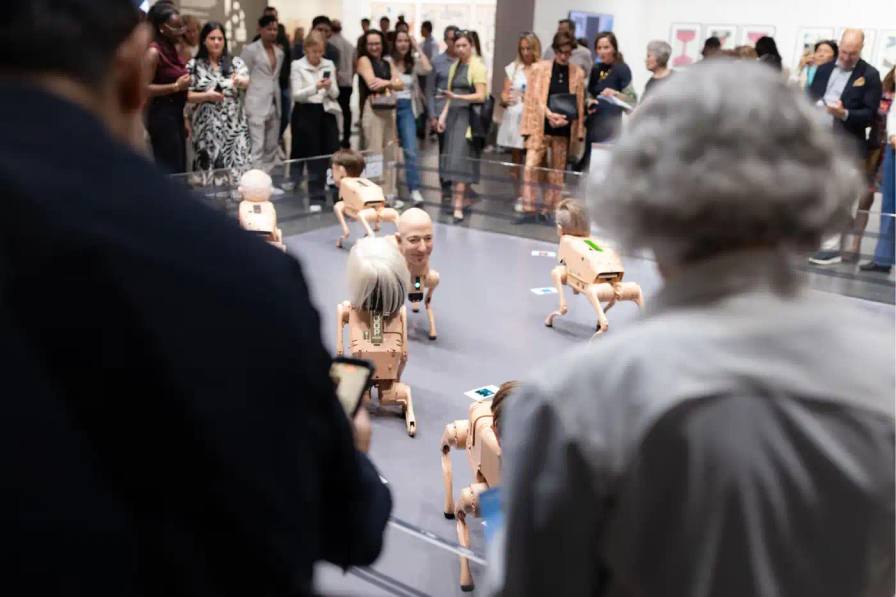
- Curator Eli Scheinman selected 12 international exhibitors featuring generative art, robotics, 3D printing, and light installations
- The section will appear at Art Basel Hong Kong and Basel fairs in 2026
Art Basel has introduced Zero 10, a section focused on digital and new media art, at its Miami Beach fair. Curator Eli Scheinman assembled 12 international exhibitors for the debut presentation.
The section arrives after the 2025 Art Basel & UBS Survey showed digital art ranking third in collector spending. The survey placed digital art nearly level with sculpture in total expenditure. This data reflects growing institutional and collector interest in the medium.
Zero 10 occupies dedicated space within the Miami Beach fairgrounds. The physical presence marks a shift from previous years when digital works appeared dispersed throughout various sections. Scheinman organized the presentations to showcase different approaches within new media practices.
The exhibitors present works across multiple formats. Generative art uses algorithms to create visual compositions. Robotics incorporates mechanical elements and automated movement. 3D printing produces sculptural forms through additive manufacturing. Light art employs illumination as a primary material.
Scheinman brings experience from previous curatorial projects in digital art. His selection process prioritized artists and galleries working at the intersection of technology and artistic practice. The roster includes participants from Europe, Asia, and the Americas.
Art Basel plans to bring Zero 10 to its Hong Kong fair in March 2026. The section will then appear at the Basel fair later that year. This expansion places digital art within the organization's three major annual events.
The timing reflects broader market movements. Auction houses have established departments for digital art. Museums have acquired works for permanent collections. Galleries have opened programs dedicated to new media artists. Collectors have allocated portions of their acquisition budgets to the category.
Zero 10 addresses technical requirements specific to digital works. The section provides appropriate power infrastructure, climate control, and display systems. These accommodations differ from traditional painting and sculpture presentations.
The fair environment tests how digital works function within commercial art contexts. Galleries must demonstrate edition structures, provenance systems, and conservation protocols. Collectors evaluate how these works fit within existing collections and display environments.
Scheinman's curatorial framework considers both established and emerging practices. Some exhibitors have shown at major institutions. Others represent newer galleries building programs around digital natives. The mix reflects the category's current state.
The section's name references the binary foundation of digital technology. Zero and one form the basic units of computer code. The number ten suggests completion and a new beginning.
Art Basel's commitment extends beyond a single fair. The organization has allocated resources for Zero 10's development across multiple editions. This sustained approach signals confidence in the category's commercial and cultural trajectory.
Miami Beach provides an appropriate launch venue. The fair draws international collectors, museum professionals, and advisors. The city's architecture and climate support outdoor and large-scale installations. The concentration of fairs and exhibitions creates sustained attention during the week.
The presentation coincides with ongoing discussions about digital art's role in the contemporary market. Questions persist about preservation, display, and value. Zero 10 provides a testing ground for these conversations within a commercial framework.
Scheinman's vision positions digital art within art historical continuity rather than as separate from traditional media. The works in Zero 10 engage with long-standing artistic concerns using contemporary tools. This framing helps collectors and institutions understand how to evaluate and contextualize the work.
Andrea Darren
Born in Manchester, from a young age, she was passionate about art and design. She studied at the University of the Arts in London, where she developed her skills in these fields. Today, Andrea works as an editor for a renowned publishing house, combining her love for art and design with her editorial expertise.
Share this article
RELATED


JIL SANDER AND THONET FURNITURE COLLECTION

MR STAR CITY ON TURNING PERSONAL EXPERIENCE INTO POWERFUL ART

WILDSIDE YOHJI YAMAMOTO BLACK BAMBOO CHAIR
