Summary:
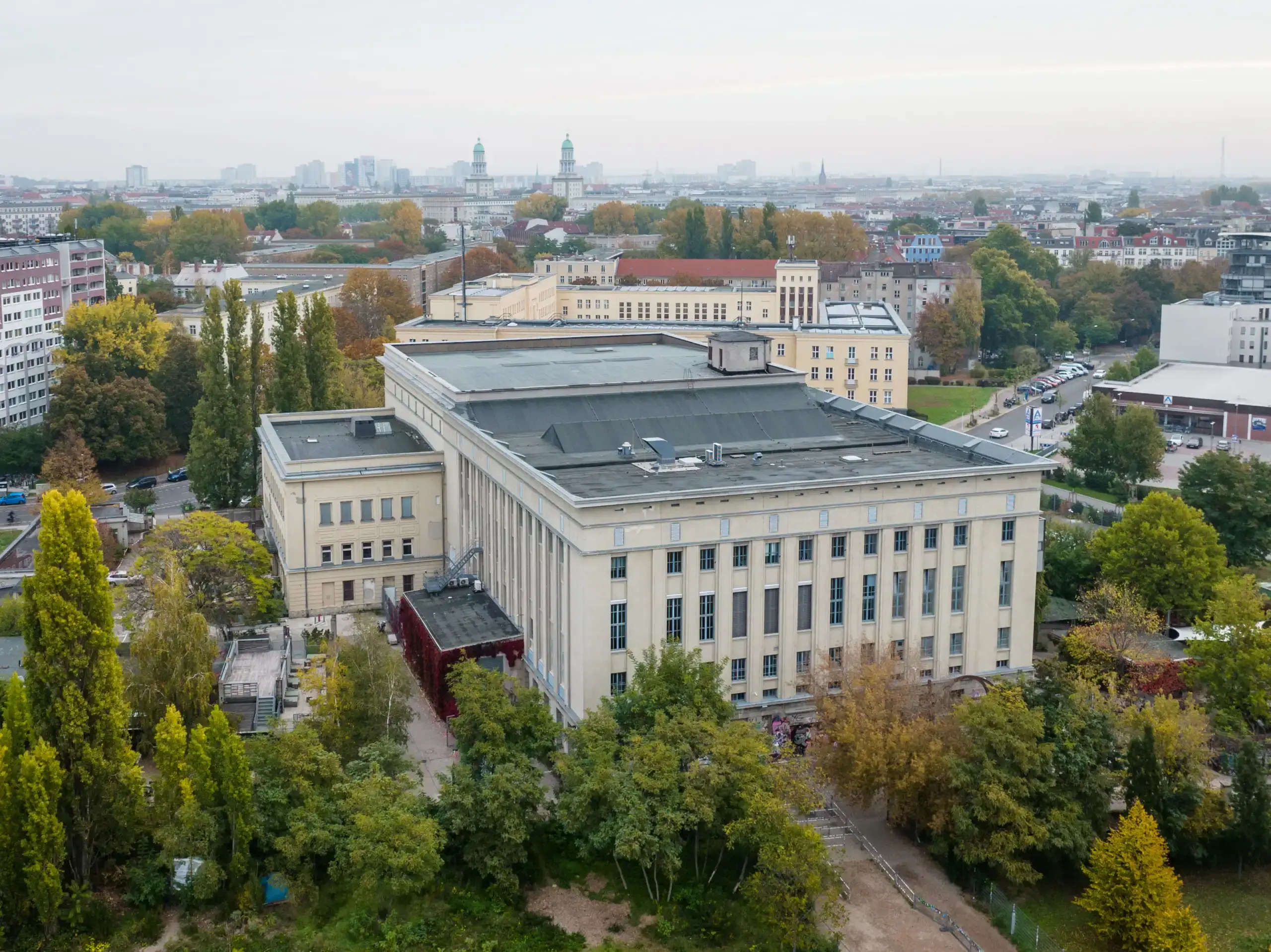
- Berghain nightclub in Berlin opens to public visitors for Pierre Huyghe's Liminals exhibition through March 8
- The installation combines moving images, sound, vibrations, light, and scientific research in an immersive experience
- The show takes place at Halle am Berghain, continuing the club's practice of hosting art during non-party hours
The world's most exclusive nightclub has temporarily dropped its entry requirements. Berghain in Berlin now welcomes anyone through its doors, though not for dancing. French artist Pierre Huyghe has made this happen with his new installation.
The exhibition runs from January 23 through March 8 at Halle am Berghain. LAS Art Foundation produced the show, titled Liminals. Visitors encounter a large scale immersive installation that mixes moving images, sound, vibrations, and light with elements of scientific research.
A film sits at the center of the work. The footage follows a faceless humanoid figure through different environments. Huyghe builds the installation around ideas of liminality, the state between what was and what comes next. The artist pushes past symbolic meaning into quantum physics territory.
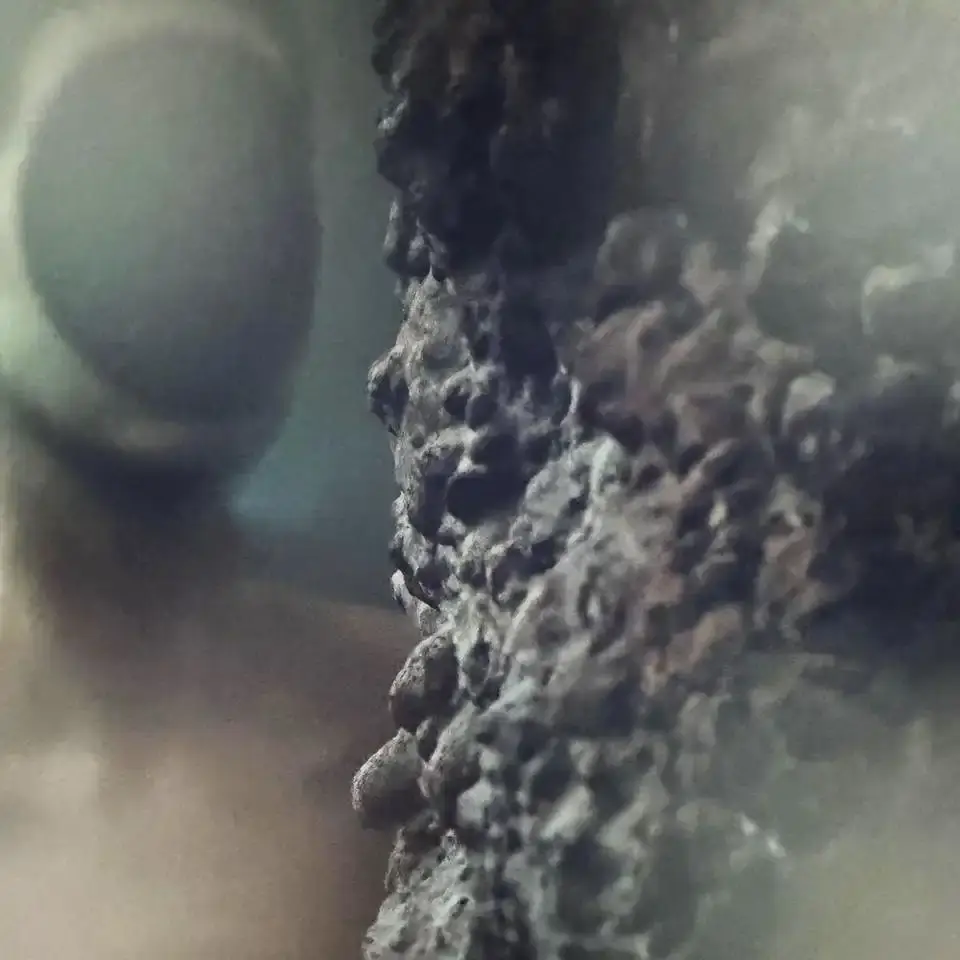
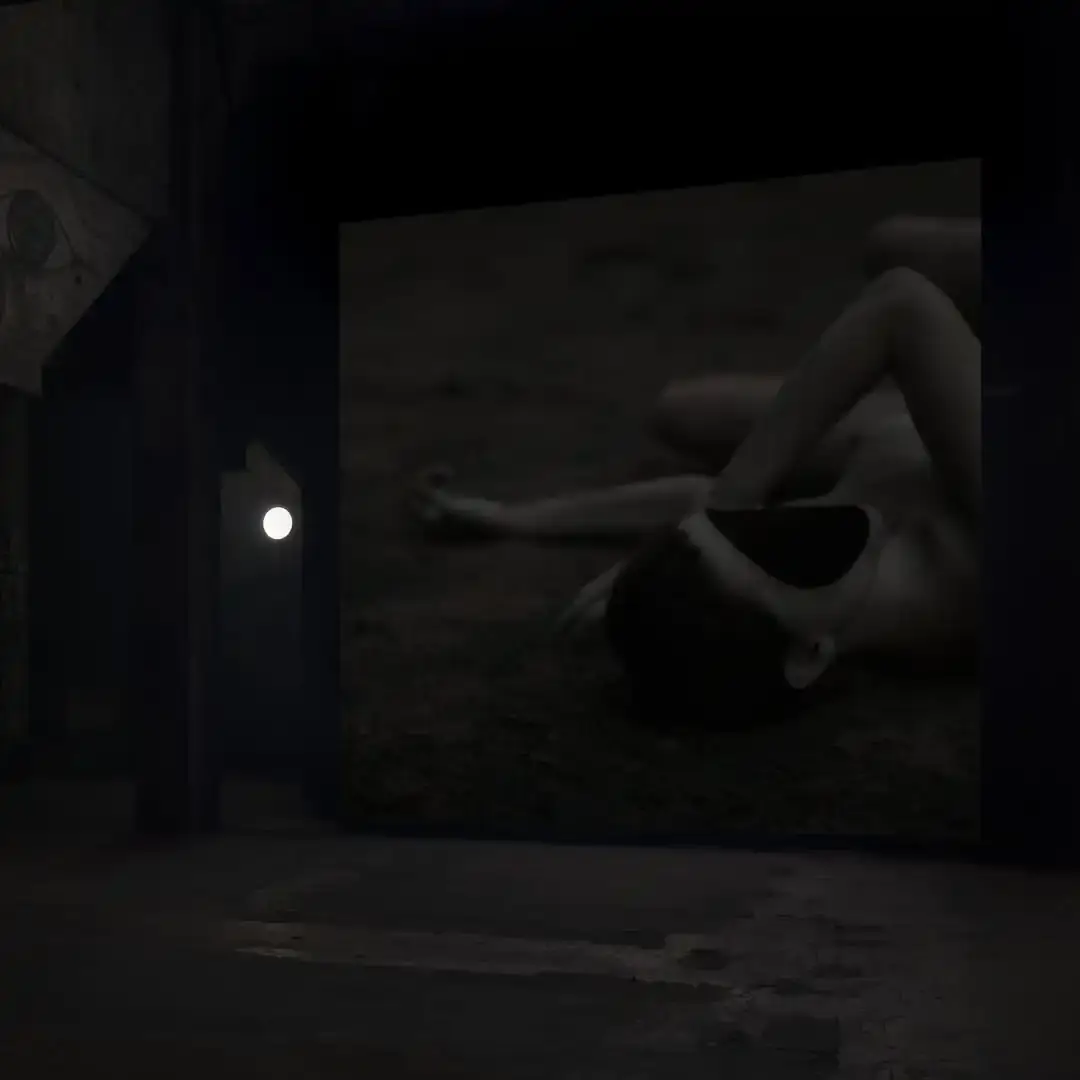
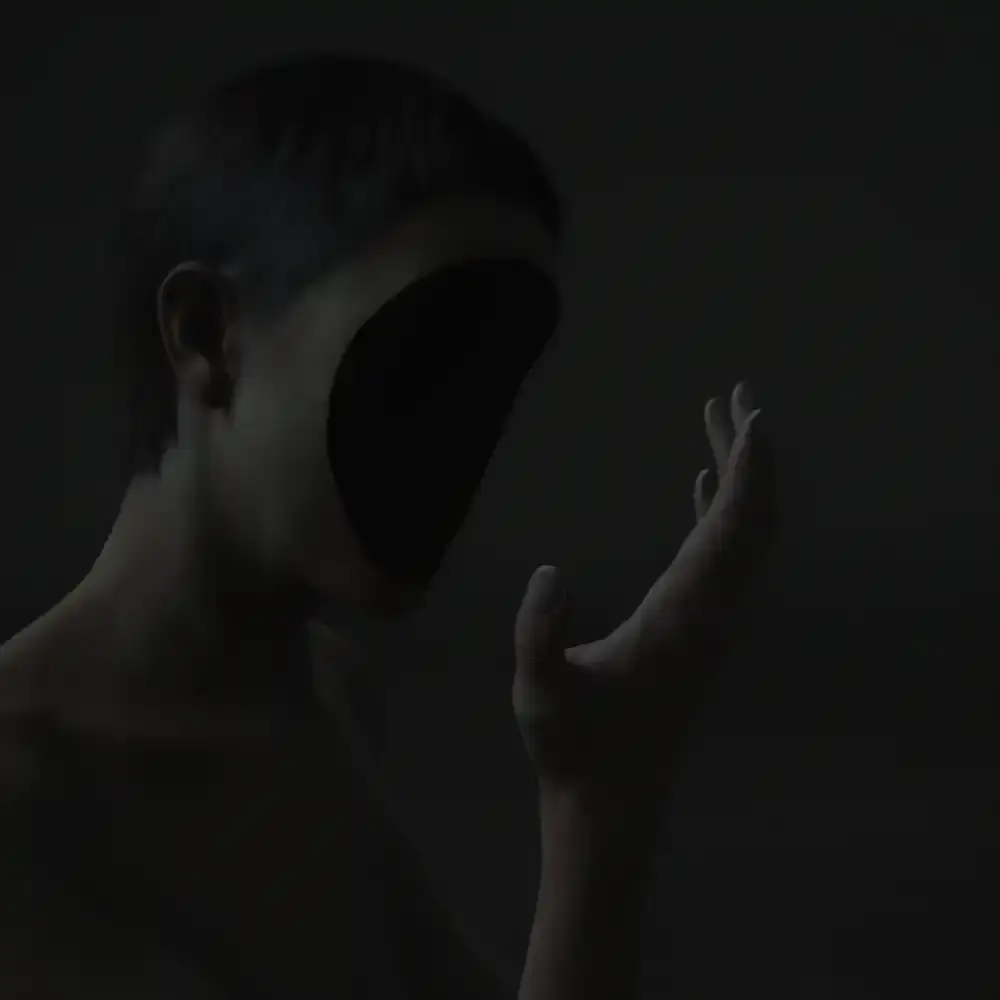
The work references quantum uncertainty. Subatomic particles exist in multiple states at once until observed. Huyghe applies this principle to the visitor experience. Your presence in the space changes what you perceive. Each person moves through the installation differently. What you hear, see, and feel shifts based on where you stand and how you move.
The title Liminals points to threshold states. These are the in-between moments, neither here nor there. Huyghe examines these transitions through both physical space and abstract concepts. The installation exists in constant flux.
This marks another instance of Berghain opening its spaces for art. The club hosted Studio Berlin in 2020 during pandemic closures. That exhibition gave purpose to empty rooms when dancing stopped. The venue has maintained this practice of allowing art into its spaces outside of club hours.
Berghain built its reputation on exclusivity. The door policy became legendary. People plan outfits, worry about their look, and still face rejection from the bouncer. Entry feels like winning a lottery. The club stands as a symbol of Berlin's techno culture and its gatekeeping.
For this exhibition, those barriers drop. You need no special clothing. No bouncer will judge your appearance. Anyone who wants to see the work gets in during gallery hours. The space that defines inaccessibility becomes accessible.
Huyghe works across installation, film, and sculpture. His practice often blurs boundaries between living systems and artificial ones. Past projects have included breeding aquatic creatures, growing bacterial cultures, and creating ice rinks that melt and reform. He treats exhibition spaces as environments where things grow, change, and decay.
The Liminals installation fits this approach. Sound vibrates through the space. Light shifts. The film loops but never feels repetitive because your position alters your perception. You become part of the system rather than an outside observer.
LAS Art Foundation focuses on contemporary art that pushes formal boundaries. The organization has backed projects that require unusual venues or extended timeframes. Berghain offers both. The industrial space and its cultural weight add context to Huyghe's work about threshold states.
The exhibition runs for six weeks. Gallery hours differ from club hours. You visit during the day or early evening, when the nightclub normally stays closed. The space looks different in this context. What functions as a dark dance floor under strobes becomes a gallery under controlled lighting.
Berlin's art scene and club culture have always overlapped. Many clubs host exhibitions, performances, and screenings. Berghain joining this practice feels natural despite its exclusive reputation. The building has room for both functions.
Visitors have until March 8 to see the show. After that, the club returns to its regular programming. The door policy resumes. The bouncer goes back to work. But for now, the threshold remains open.
Andrea Darren
Born in Manchester, from a young age, she was passionate about art and design. She studied at the University of the Arts in London, where she developed her skills in these fields. Today, Andrea works as an editor for a renowned publishing house, combining her love for art and design with her editorial expertise.
Share this article
RELATED


JIL SANDER AND THONET FURNITURE COLLECTION

MR STAR CITY ON TURNING PERSONAL EXPERIENCE INTO POWERFUL ART

WILDSIDE YOHJI YAMAMOTO BLACK BAMBOO CHAIR
