Summary:
- Bottega Veneta shoots Summer 2026 campaign in Venice with photographer Juergen Teller
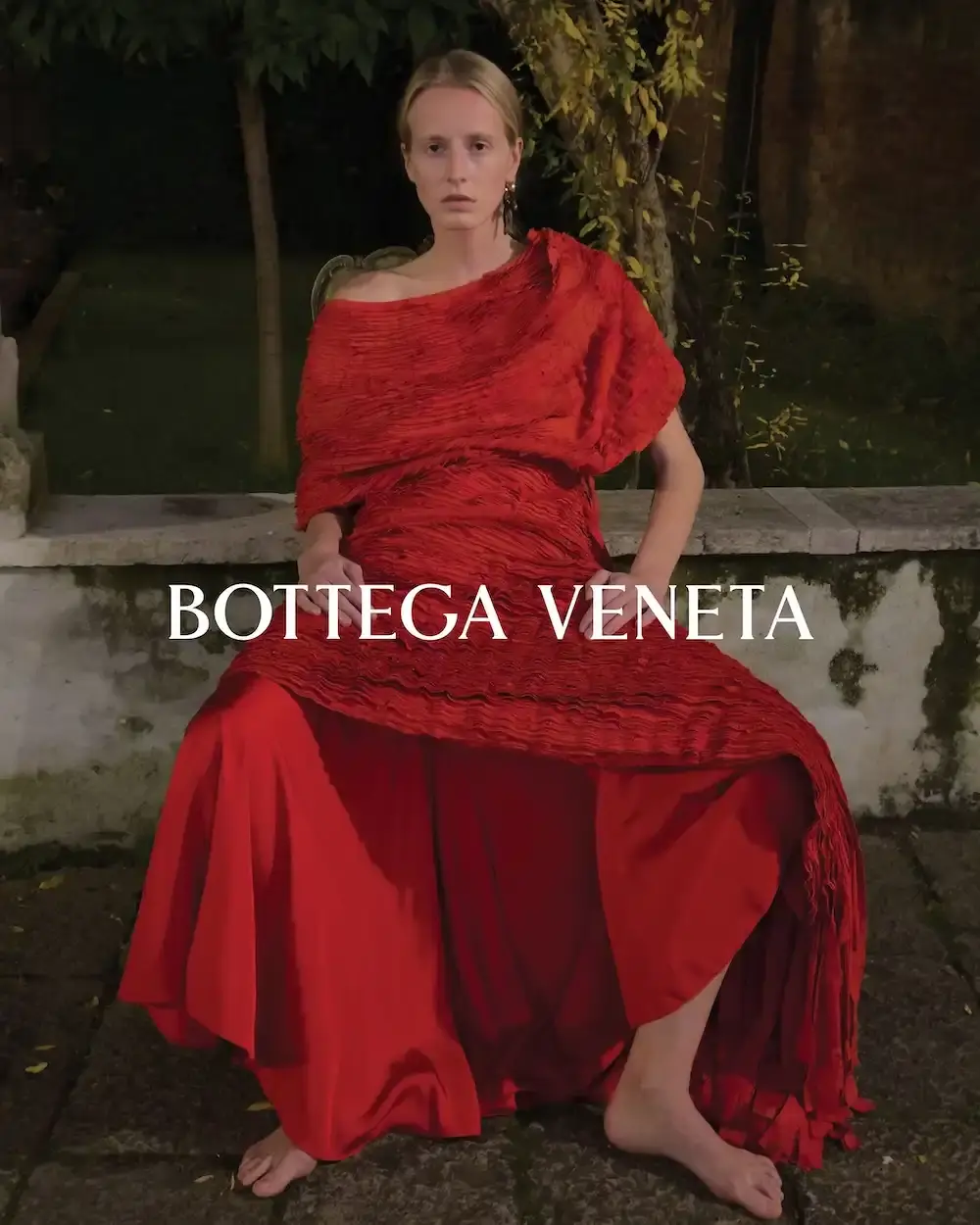
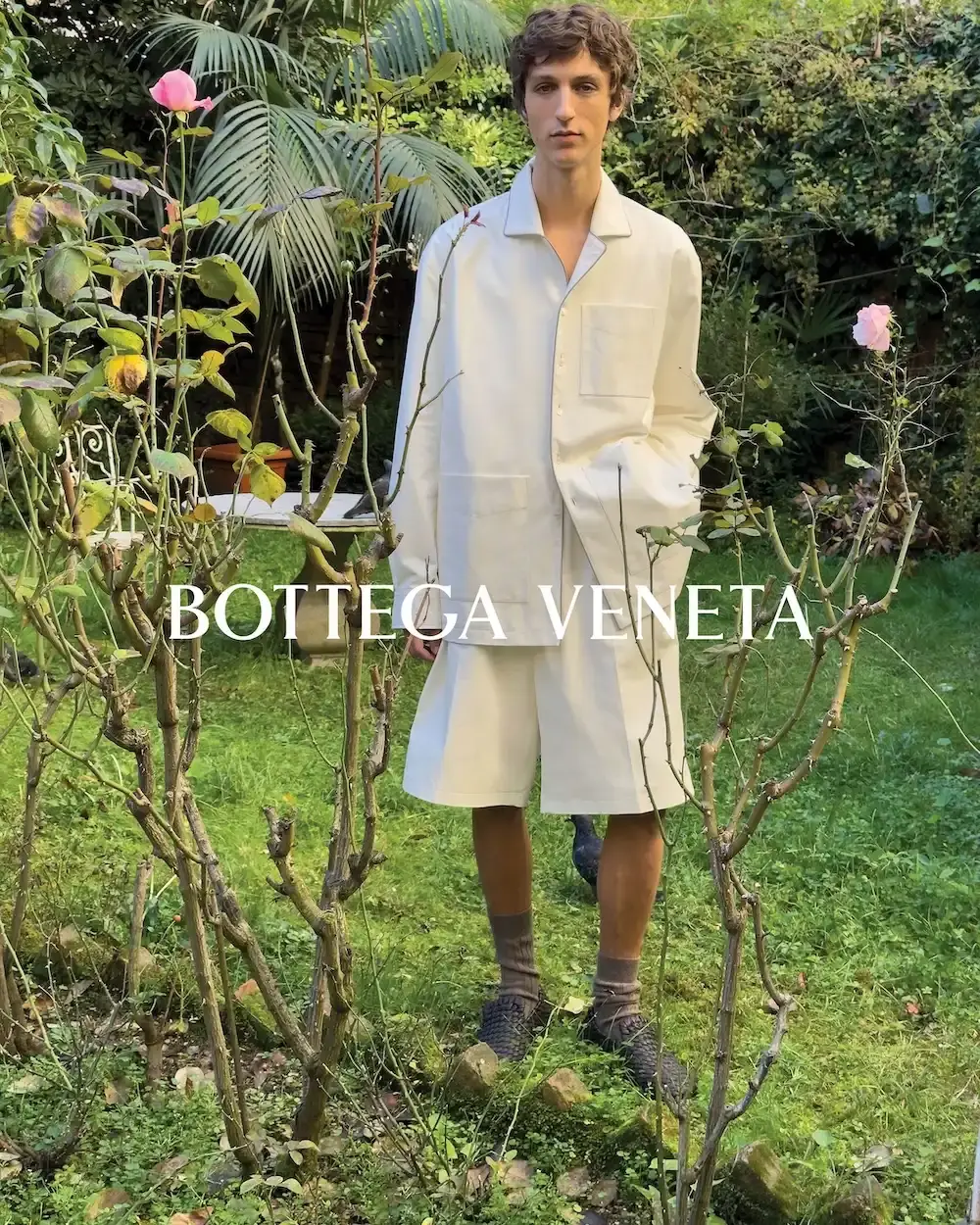
- Images feature historic locations including Napoleonic Gardens, Palazzo Rocca Contarini Corfù, and the Lido
- Collection under creative director Louise Trotter connects to brand's Veneto origins
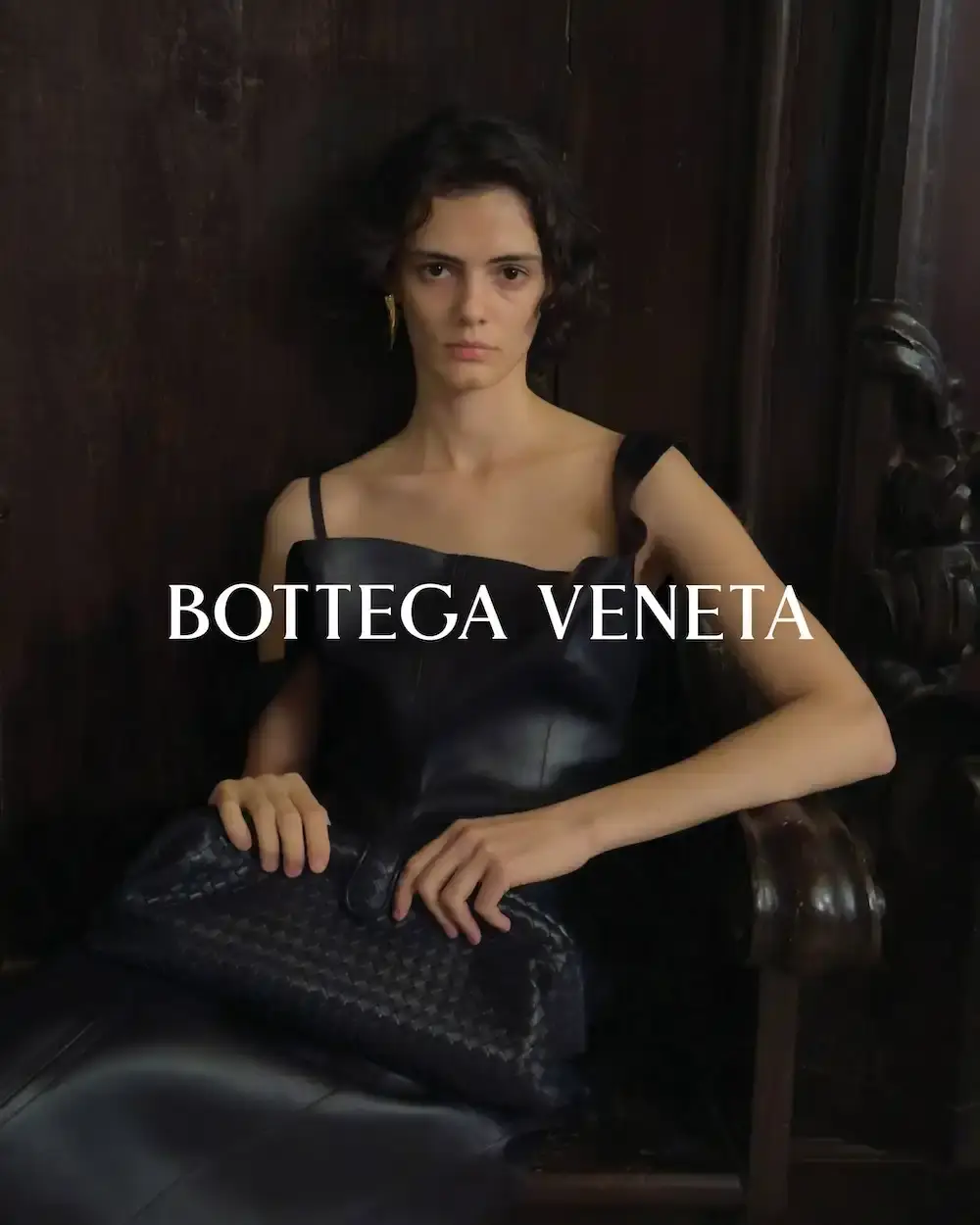
Bottega Veneta returns to its roots for the Summer 2026 campaign. The fashion house selected Venice as the backdrop for its latest collection under creative director Louise Trotter. Photographer Juergen Teller captured the campaign with his characteristic raw approach.
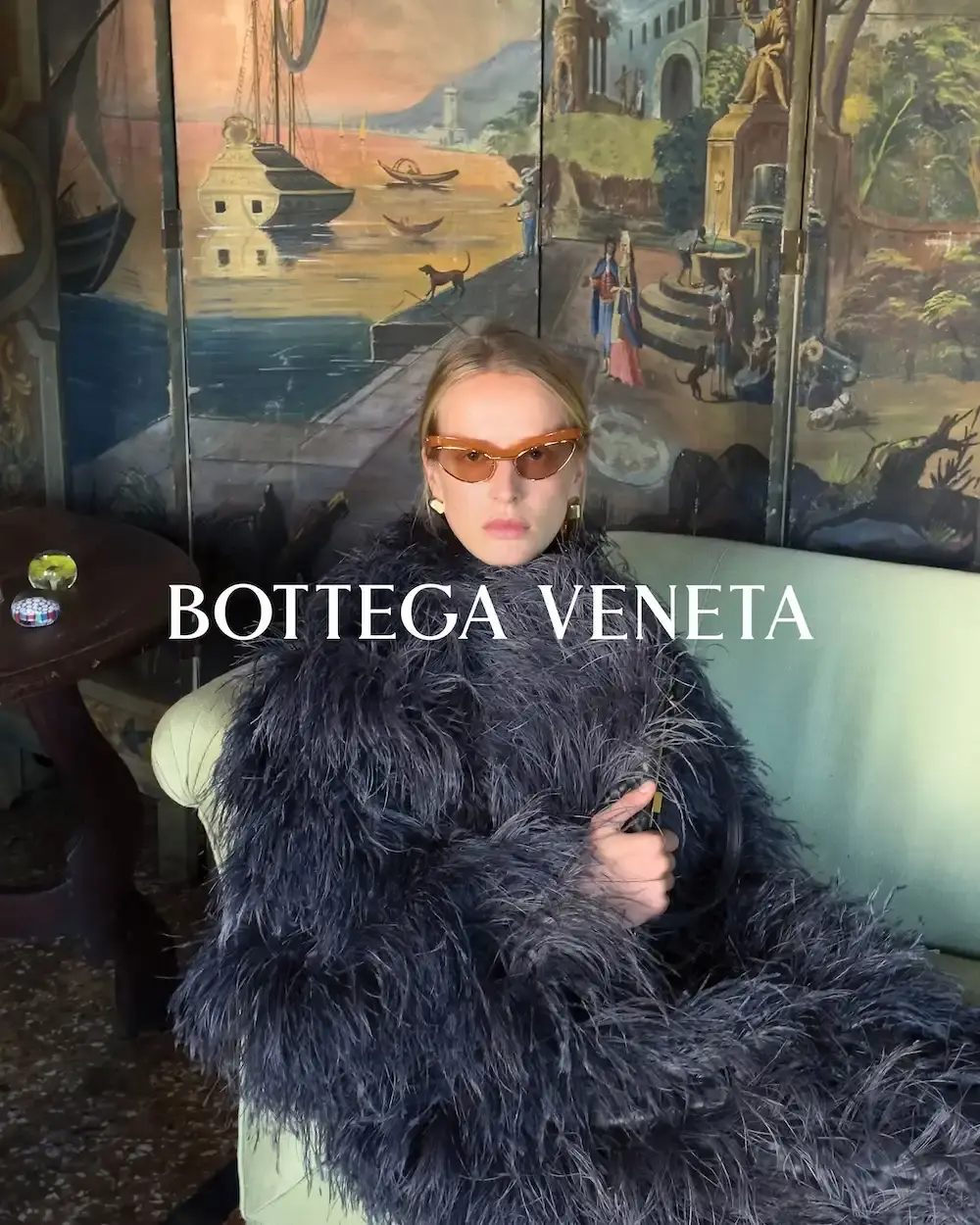
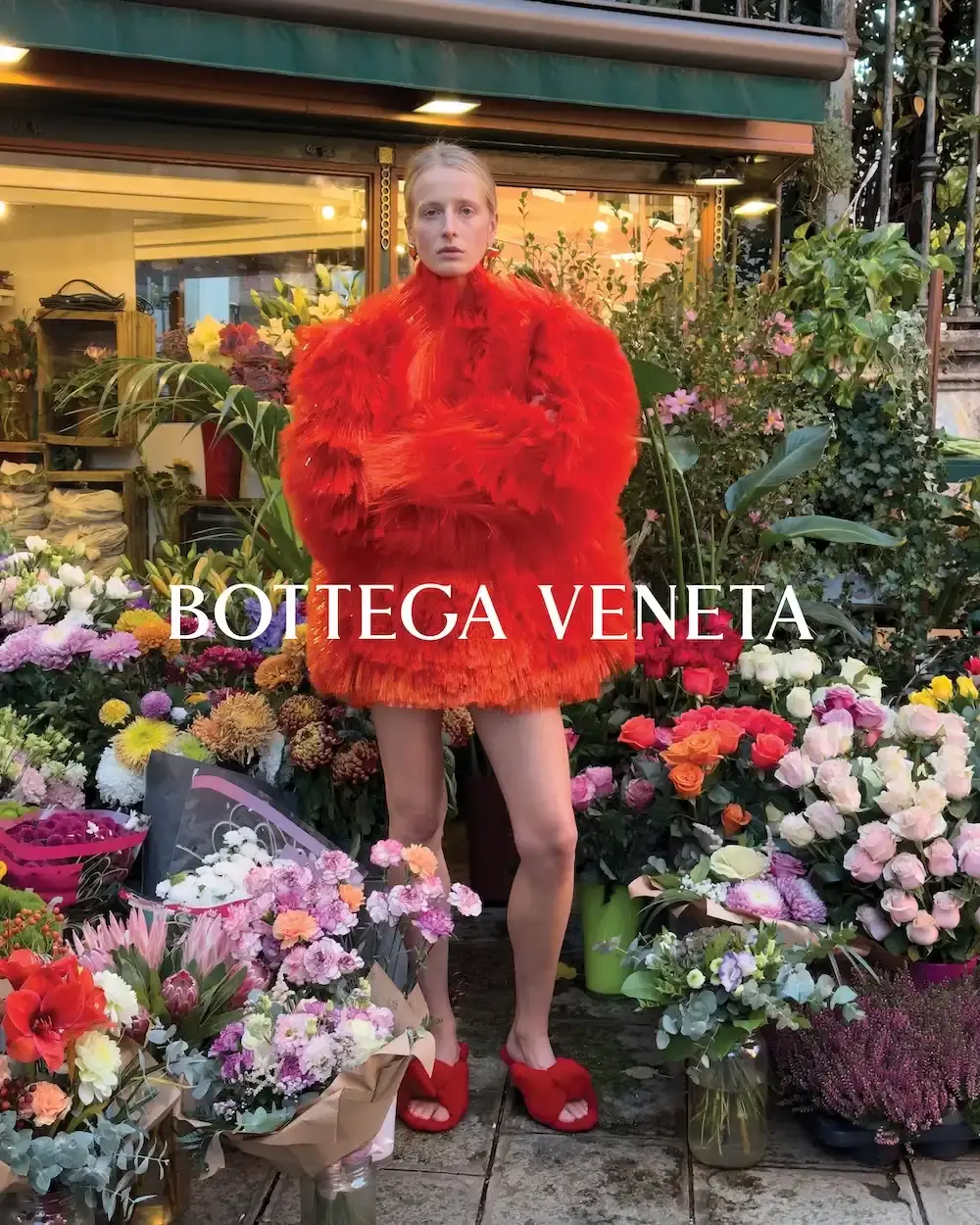
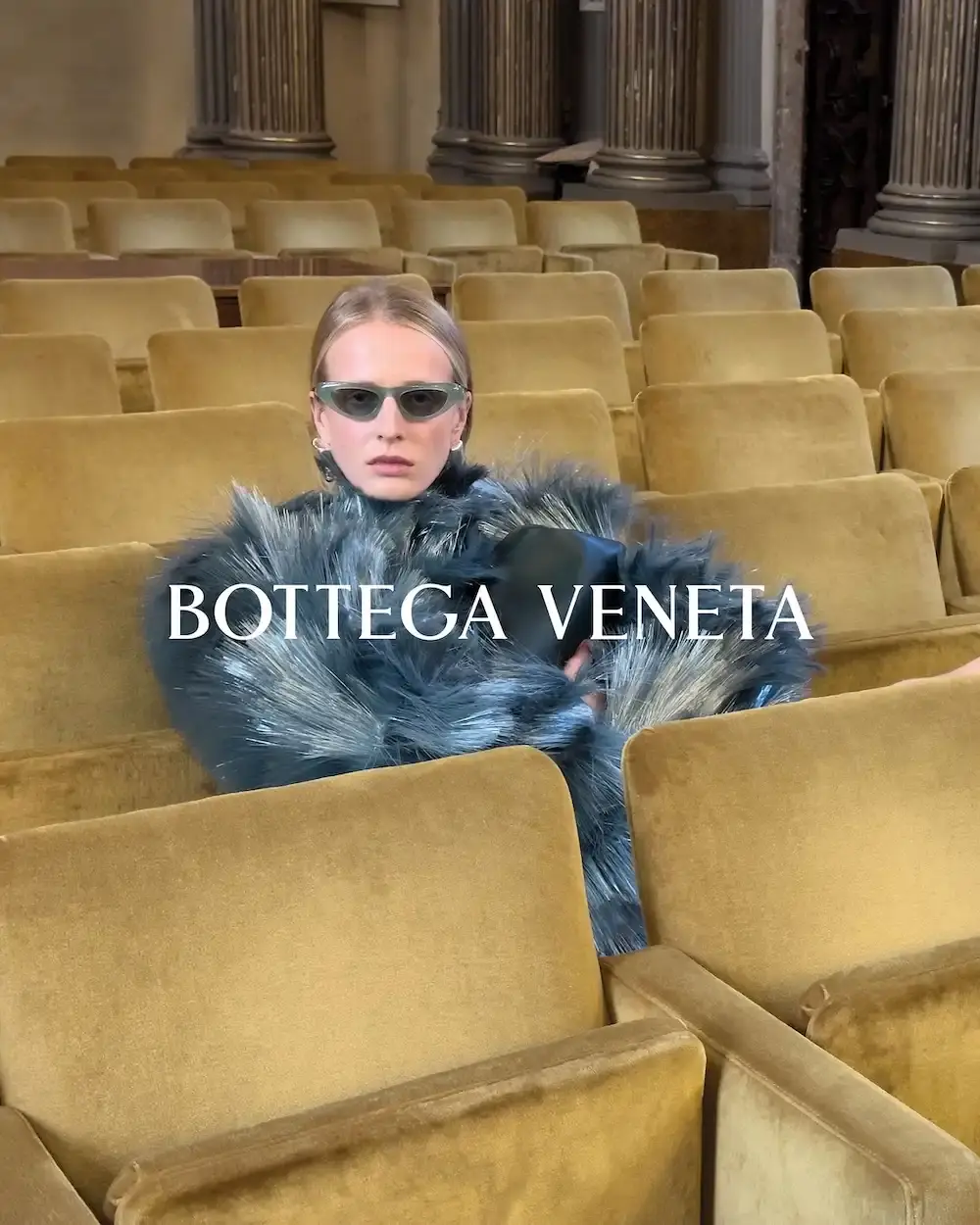
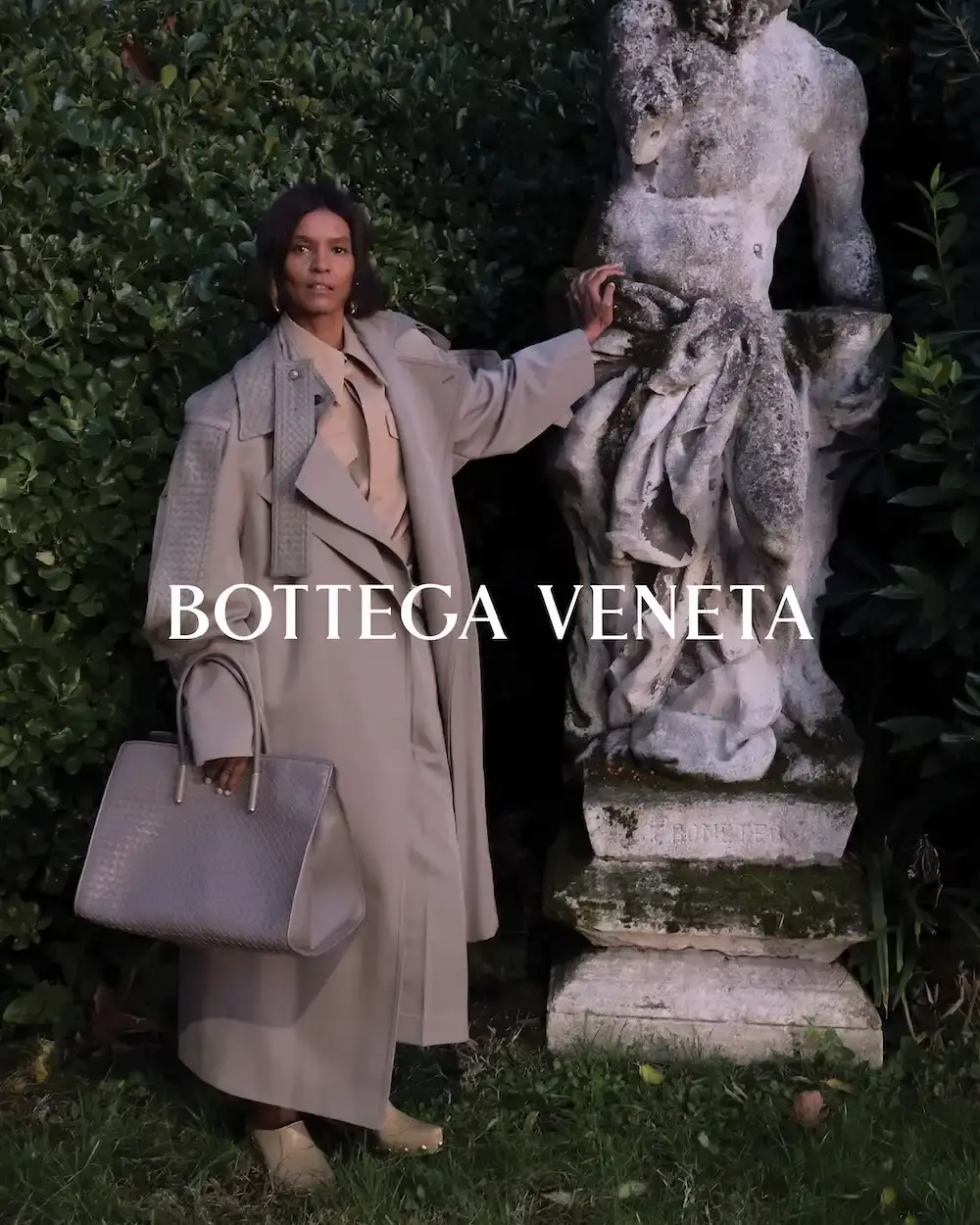
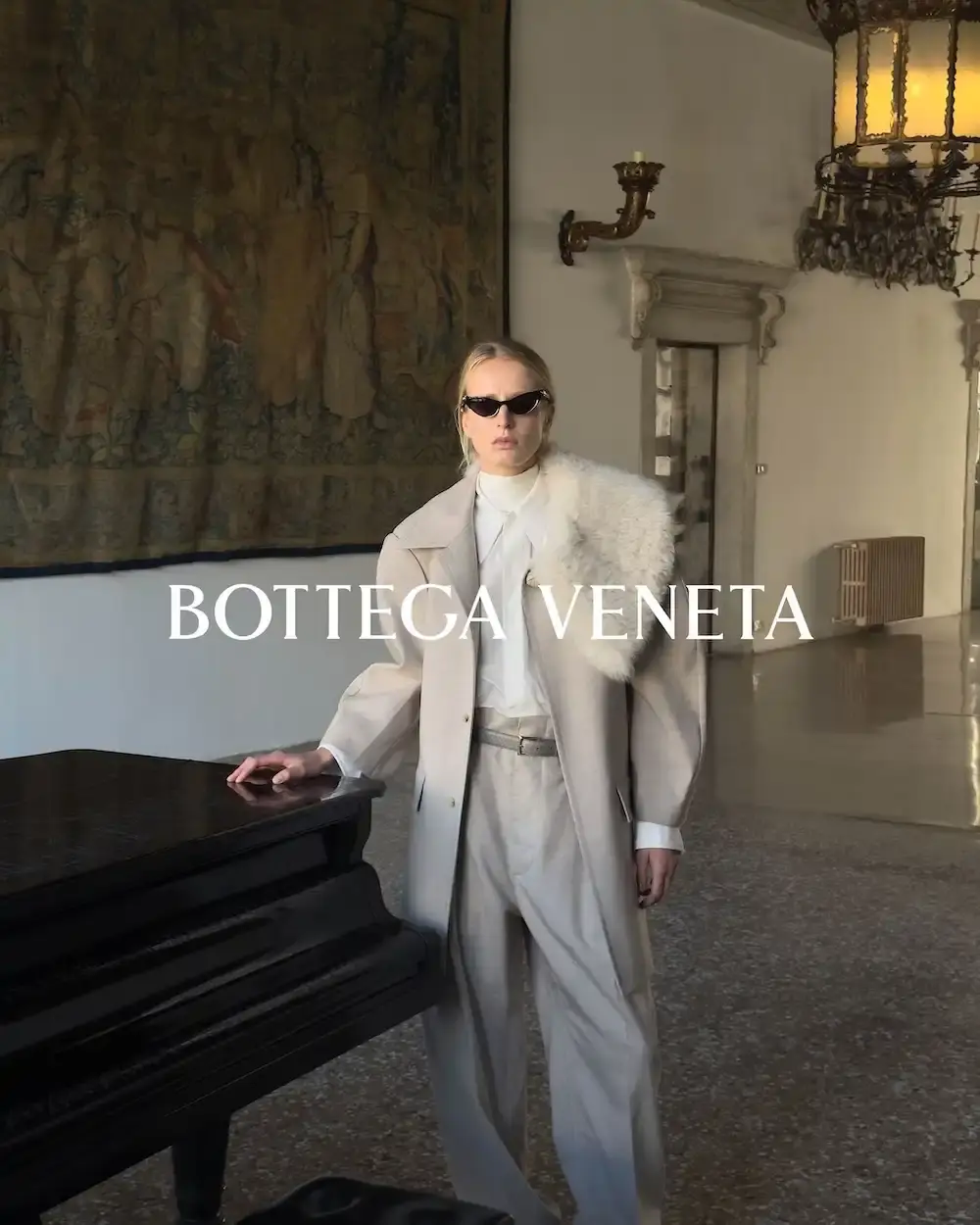
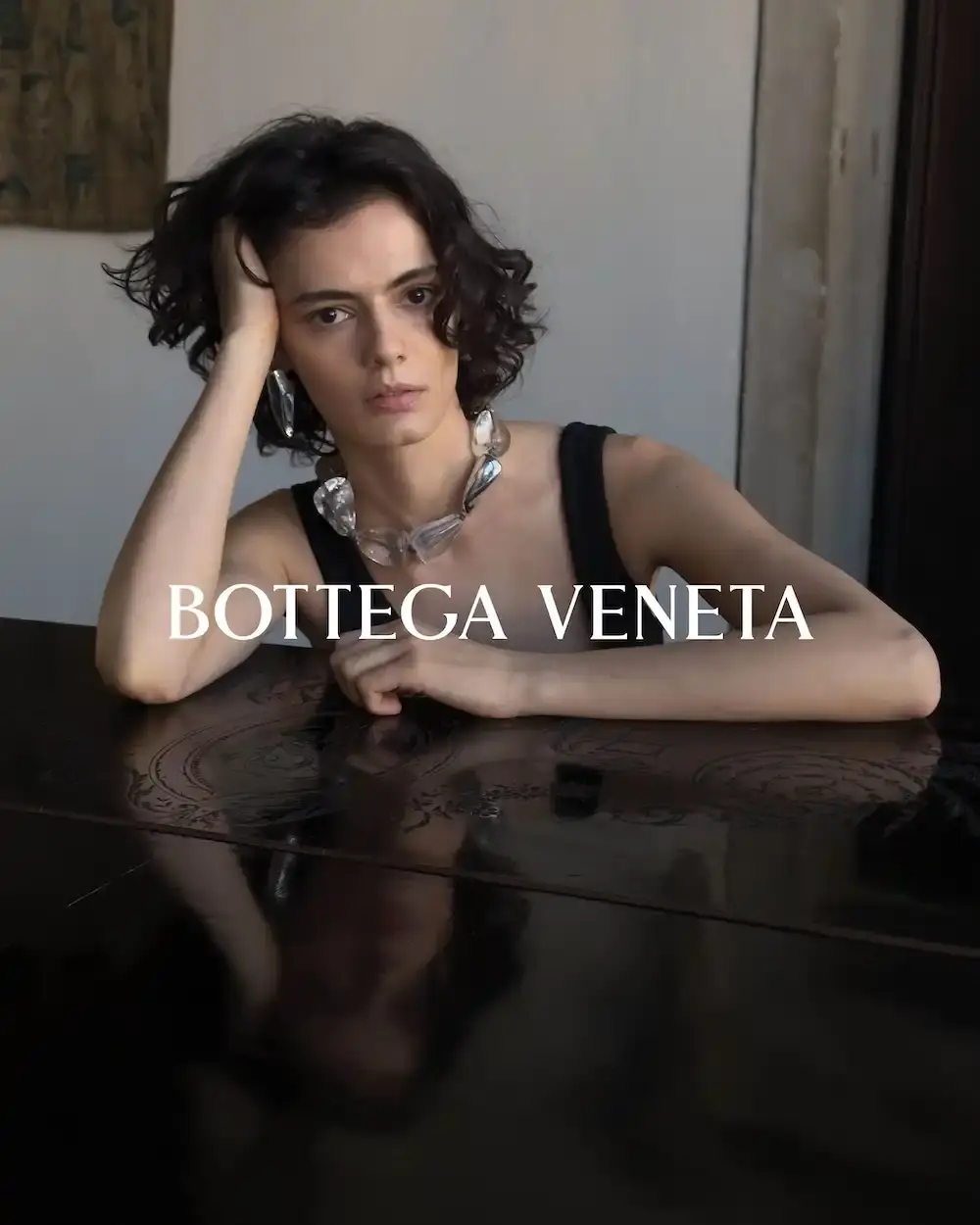
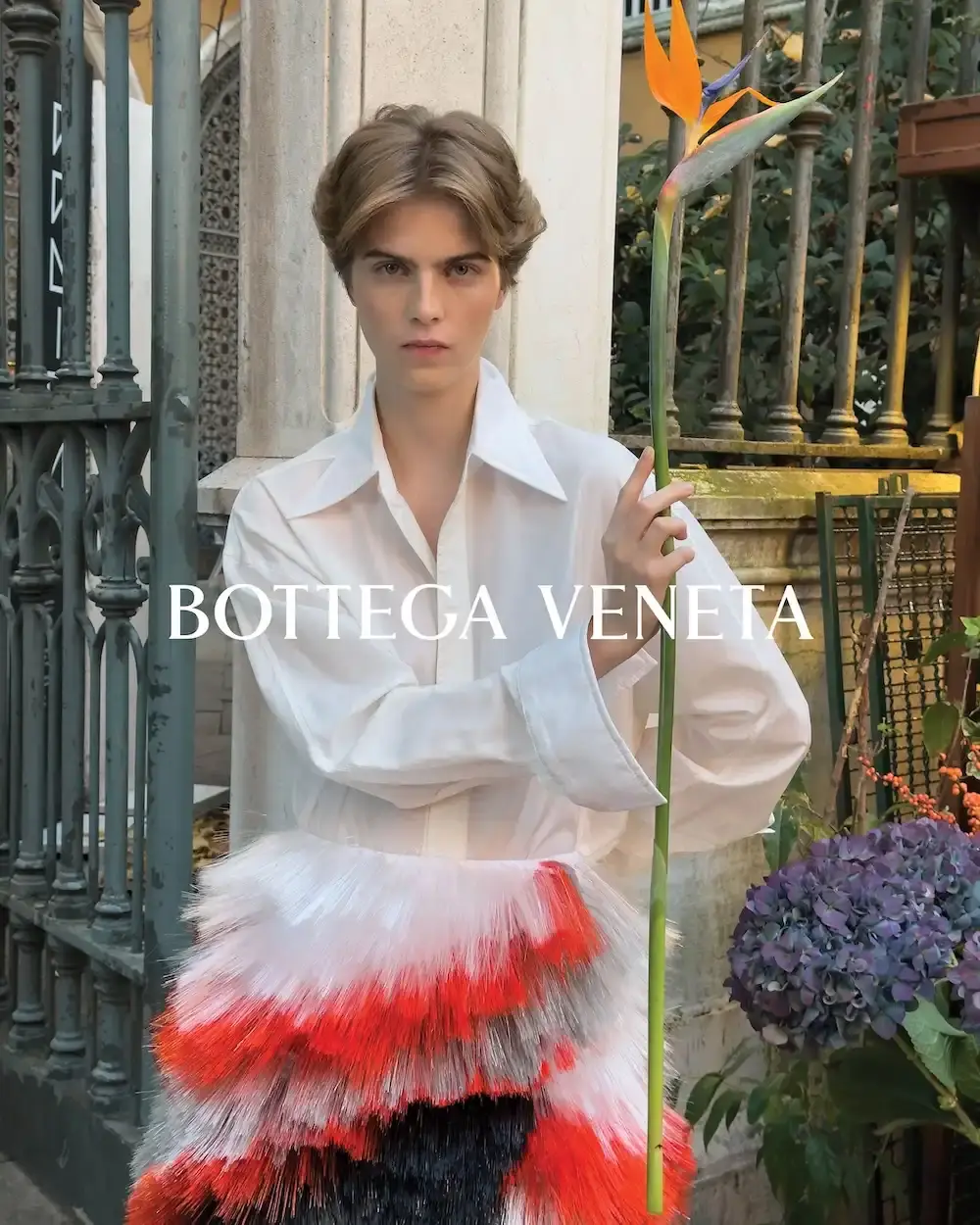
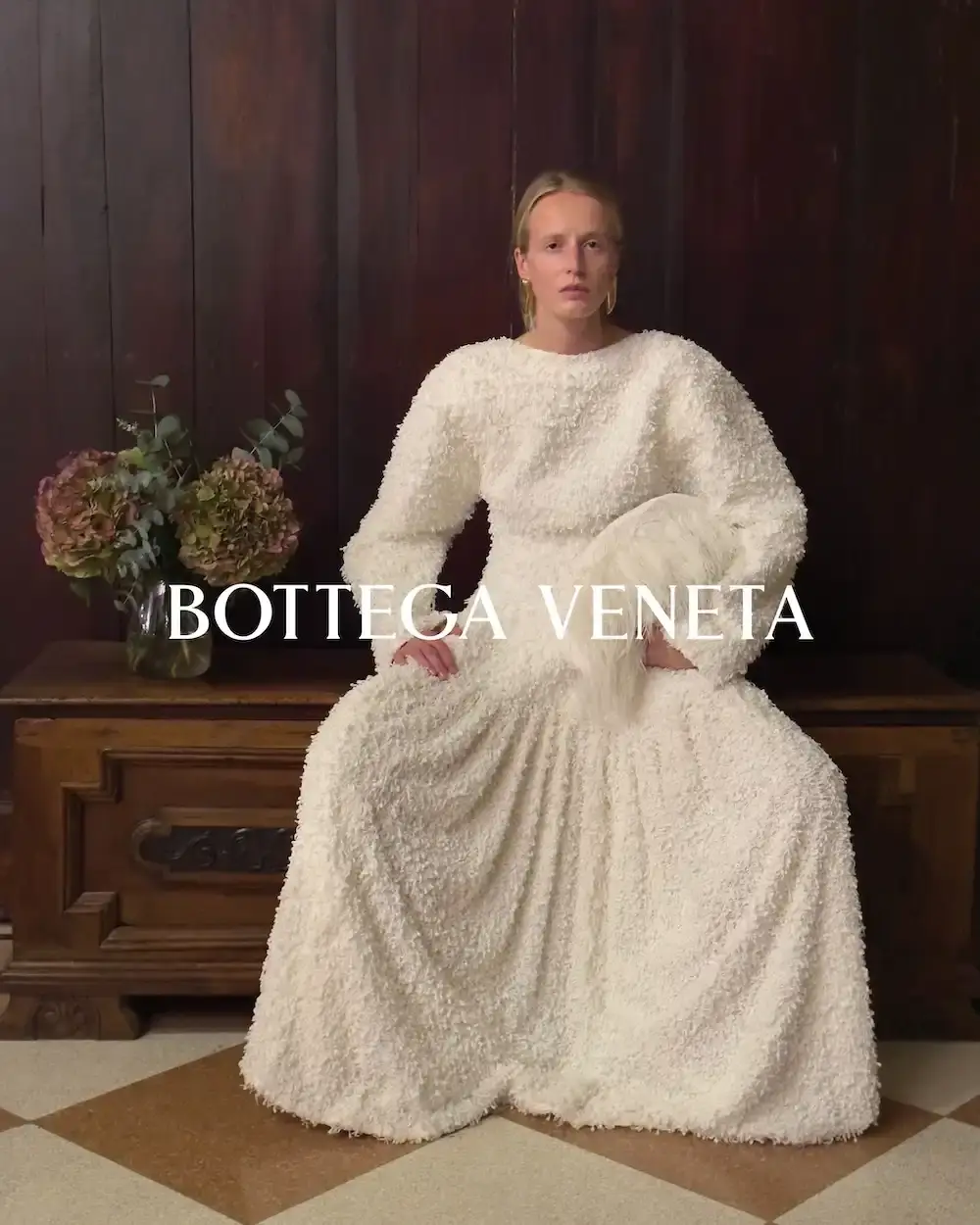
The brand chose several historic Venetian locations for the shoot. The Napoleonic Gardens provided one setting. Palazzo Rocca Contarini Corfù and Palazzo Contarini Polignac served as interior locations. The Conservatorio di Musica Benedetto Marcello added musical heritage to the visual narrative. The Lido beachfront offered coastal scenes. The campaign also features Angolo Fiorito, a flower shop near the Ponte dell'Accademia.
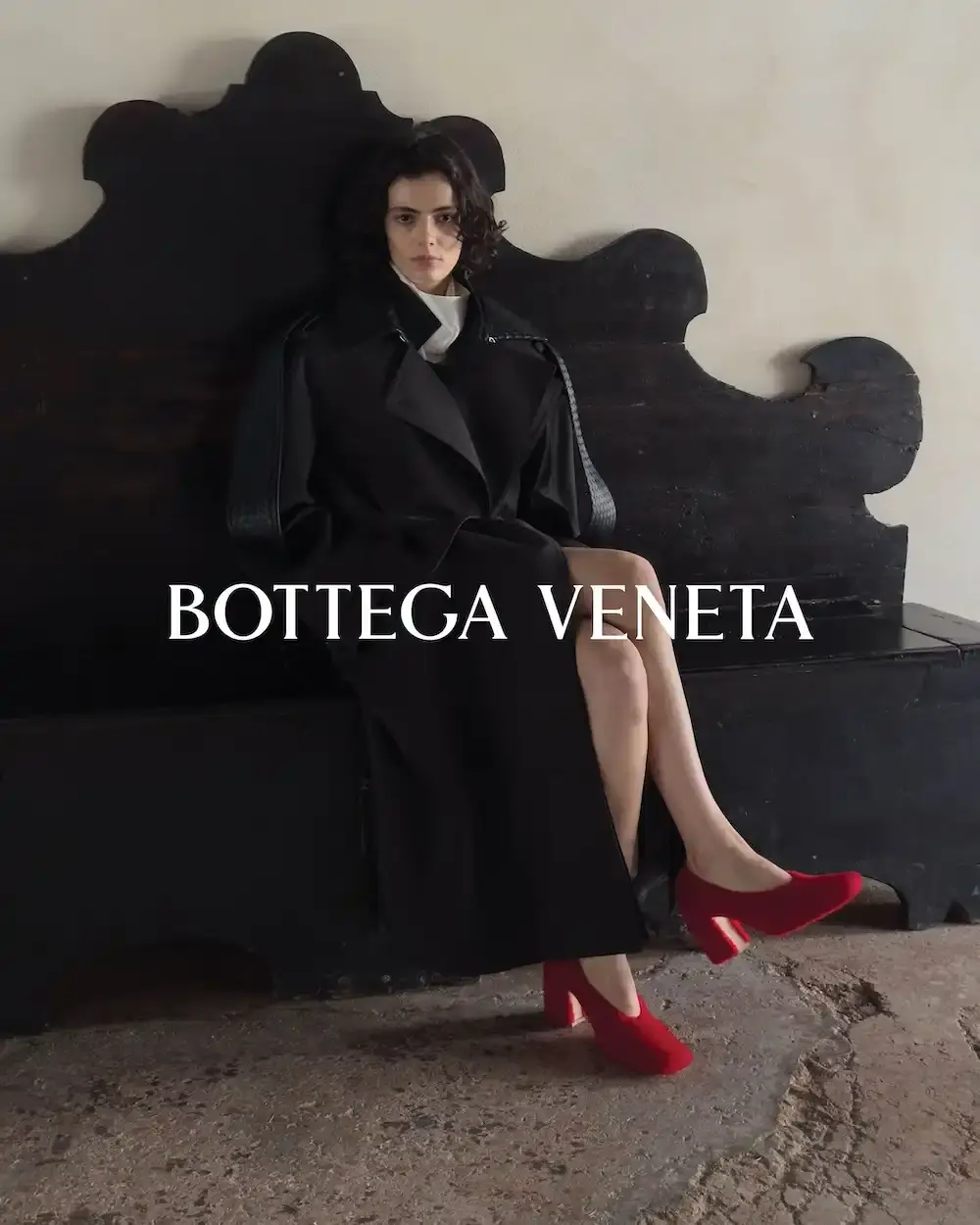
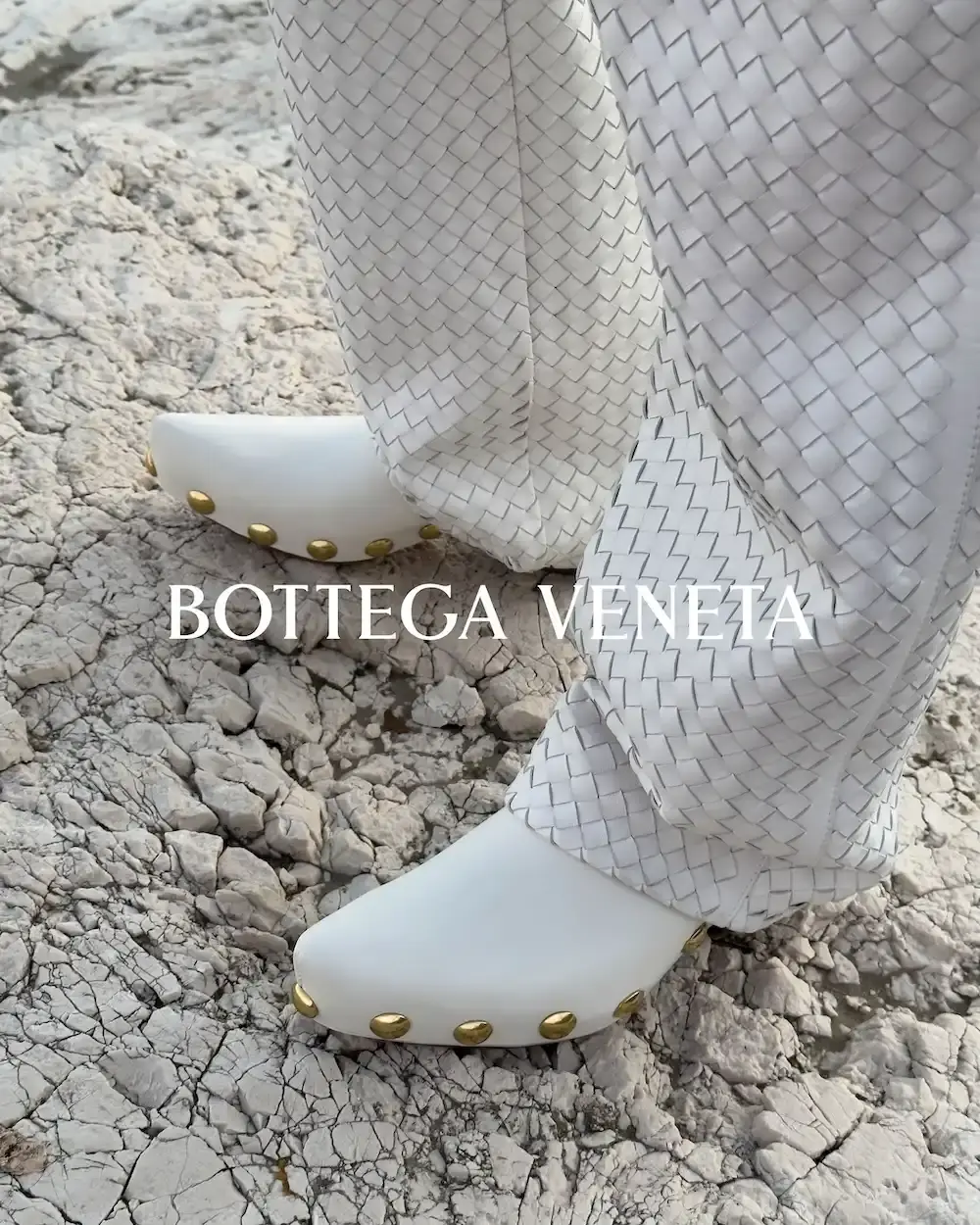
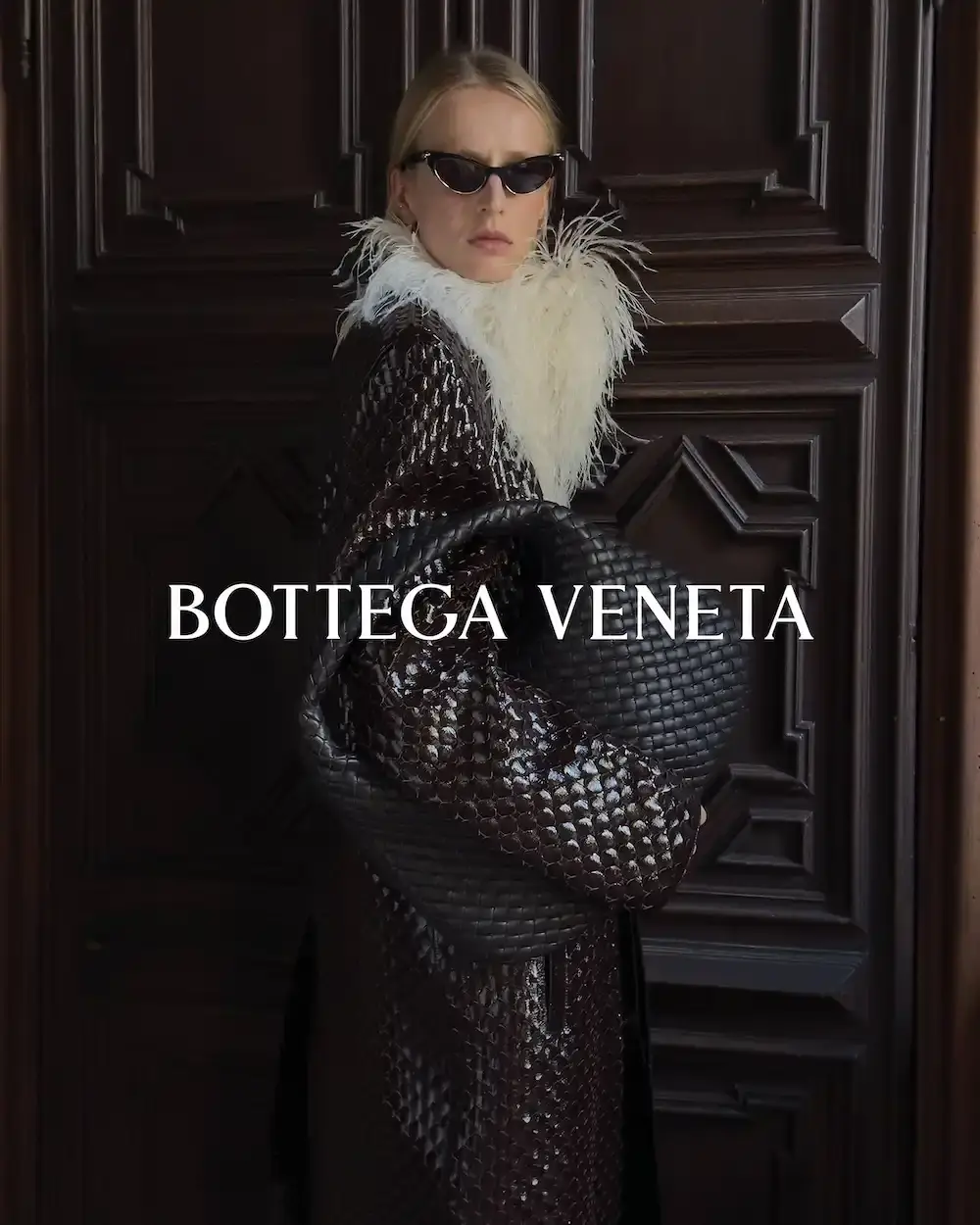
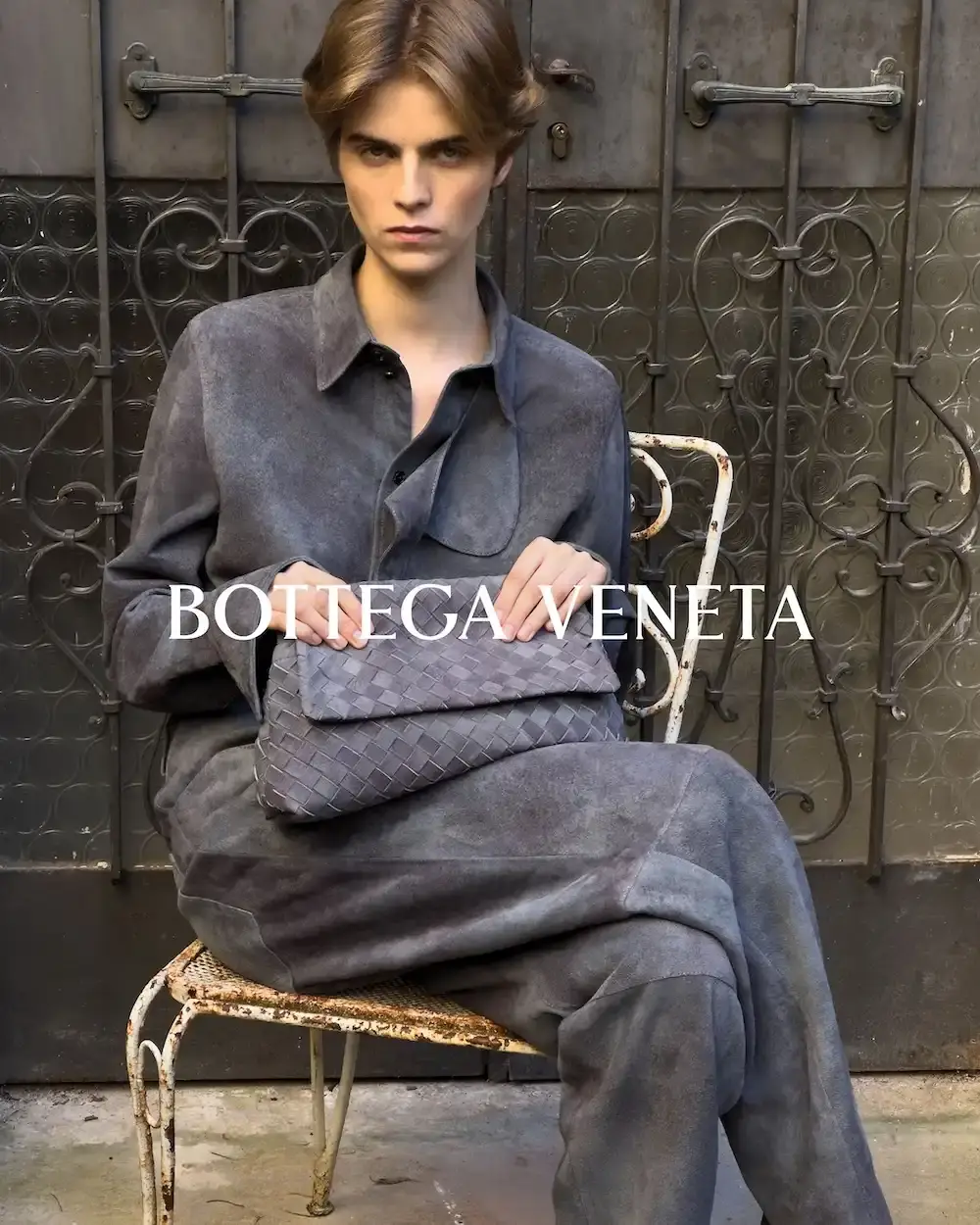
Teller photographed the collection across different times and spaces. Some images show public areas while others capture private interiors. Day and night scenes alternate throughout the campaign. The settings shift between enclosed spaces and open environments. This variety highlights how the garments adapt to different contexts.
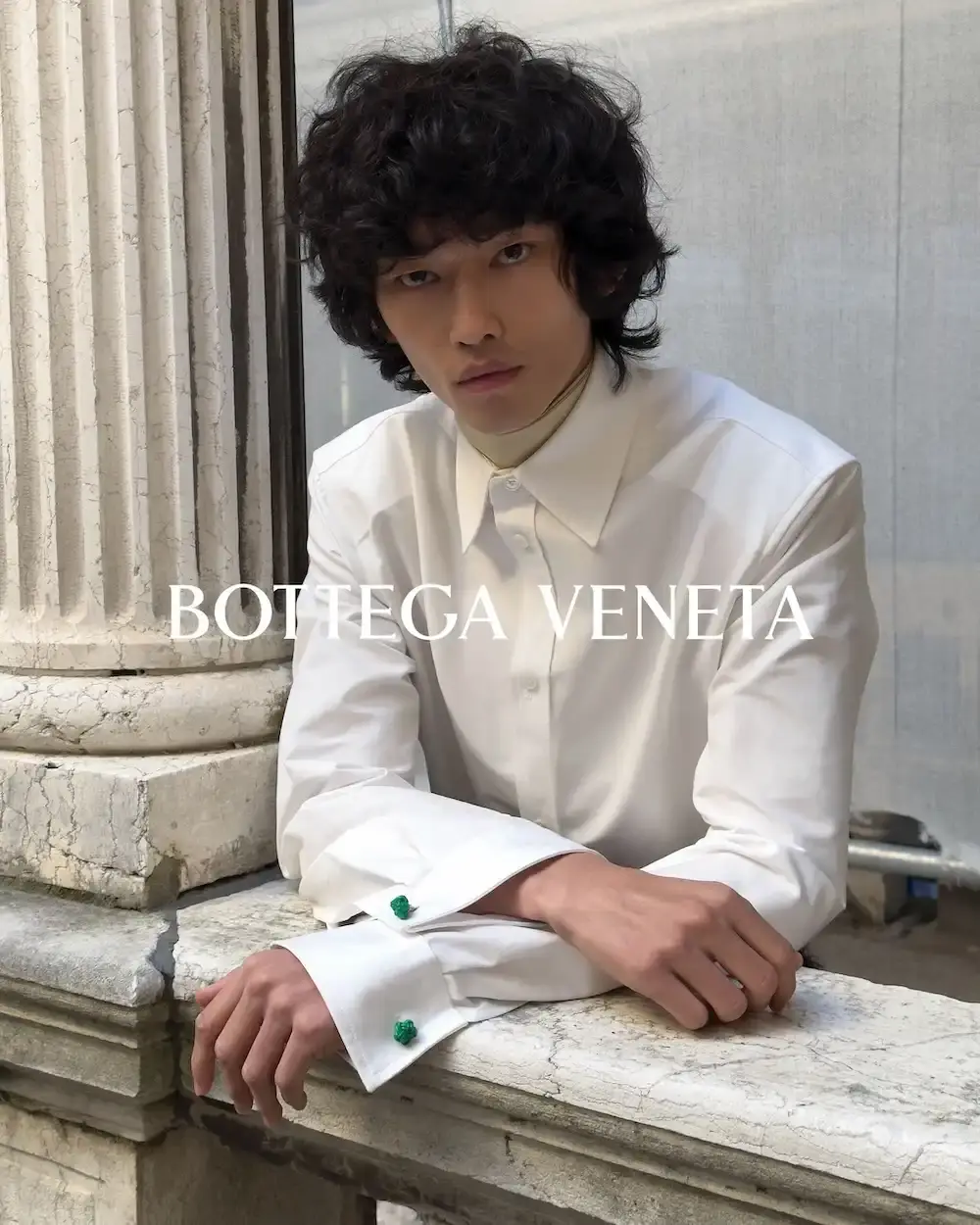
The tailoring details appear alongside rich textures and abundant decorative elements. The clothes occupy the spaces they were designed for. Each look responds to its environment. The precision of construction becomes visible against the architectural details of Venetian buildings.
The campaign references cultural figures who lived in Venice. Peggy Guggenheim made the city her home. Truman Capote spent significant time there. These connections appear through subtle visual cues rather than direct representation. The clothes enter into conversation with the artistic legacy these figures left behind.
Venice holds artistic expression at every corner. The campaign positions the collection within this aesthetic tradition. Paintings, sculptures, and architectural details appear alongside the fashion pieces. The relationship between garment and environment becomes central to how each look appears.
Louise Trotter marks a new creative phase for the house with this campaign. Her direction emphasizes the connection between the brand's Veneto origins and its contemporary vision. The choice to shoot in Venice makes this link explicit. The locations selected represent different aspects of the city's identity.
The Napoleonic Gardens offer green spaces and classical statuary. The palazzos provide examples of Venetian Gothic and Renaissance architecture. The conservatory adds musical culture to the visual mix. The Lido represents leisure and the relationship between the city and the Adriatic Sea. The flower shop brings everyday commercial life into the narrative.
Juergen Teller's photography style suits this approach. His work avoids excessive polish. The images show clothing in real spaces rather than abstract studio settings. This method aligns with how the collection functions. The pieces exist for wearing in actual environments rather than serving purely as display objects.
The campaign builds its message through accumulation of detail. Each location adds another layer of meaning. The time of day shifts the mood. Interior and exterior spaces create different relationships between body and environment. Public and private settings suggest different social contexts for the clothes.
The Summer 2026 collection appears through this lens of place and history. The campaign makes Venice more than a backdrop. The city becomes part of how the collection communicates. Architecture, light, water, art, and daily life all contribute to the visual language.
Bottega Veneta uses this campaign to reaffirm its geographic and cultural origins while presenting new creative work. The strategy connects heritage with current production. Venice provides both the literal and symbolic location for this connection.
Kristin Kaye
Insatiably curious about human expression, she immerses herself in literature, theater, art, and dance. Her academic journey led to degrees in Modern Literature, where she delved into The Furioso, and Historical Sciences with a focus on Contemporary History. Her studies took her to the prestigious Erasmus University Rotterdam, broadening her international perspective.
Her passion for culture isn't confined to personal enjoyment—it spills onto the pages of various publications. There, she explores not only artistic endeavors but also civil rights issues and the myriad ways human culture manifests itself. For her, writing about these topics isn't just a profession; it's an irresistible calling that stems from her deep-seated fascination with the human experience.
Share this article


