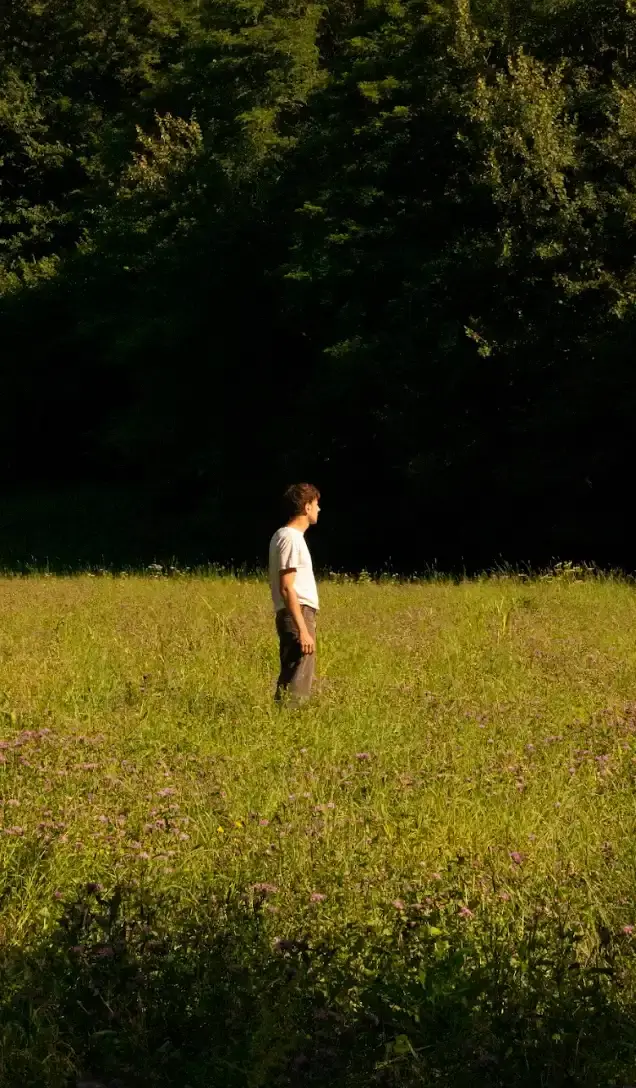
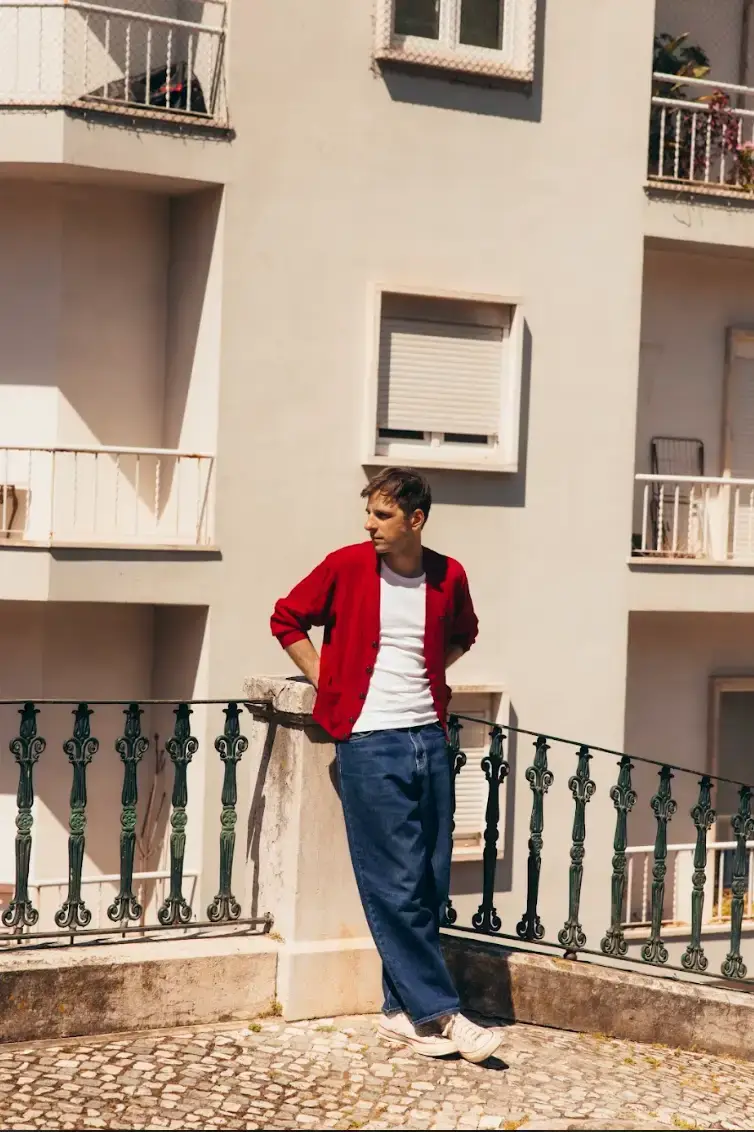
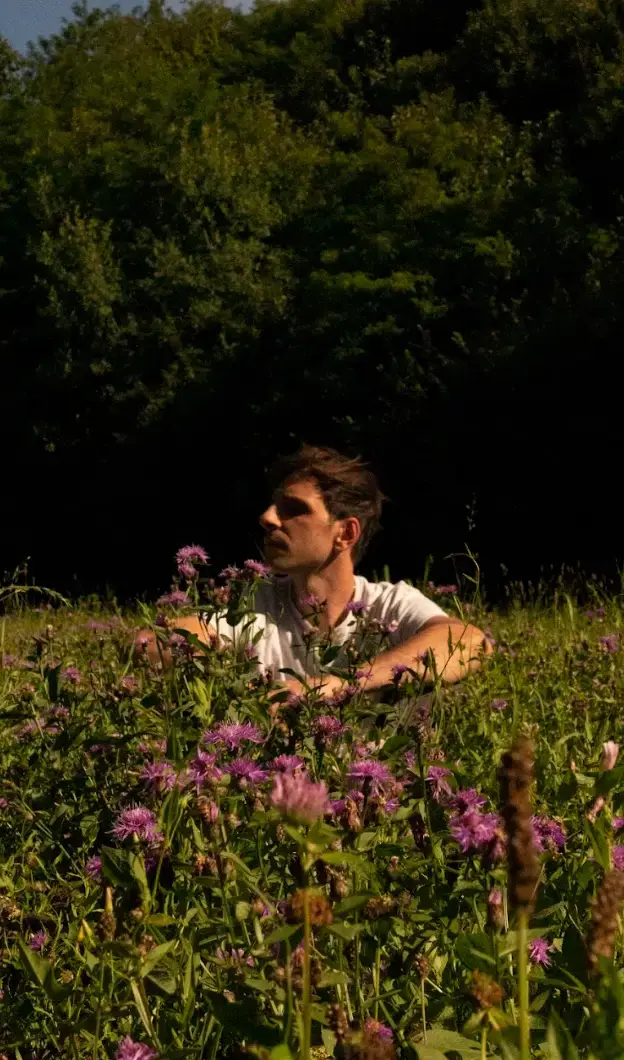
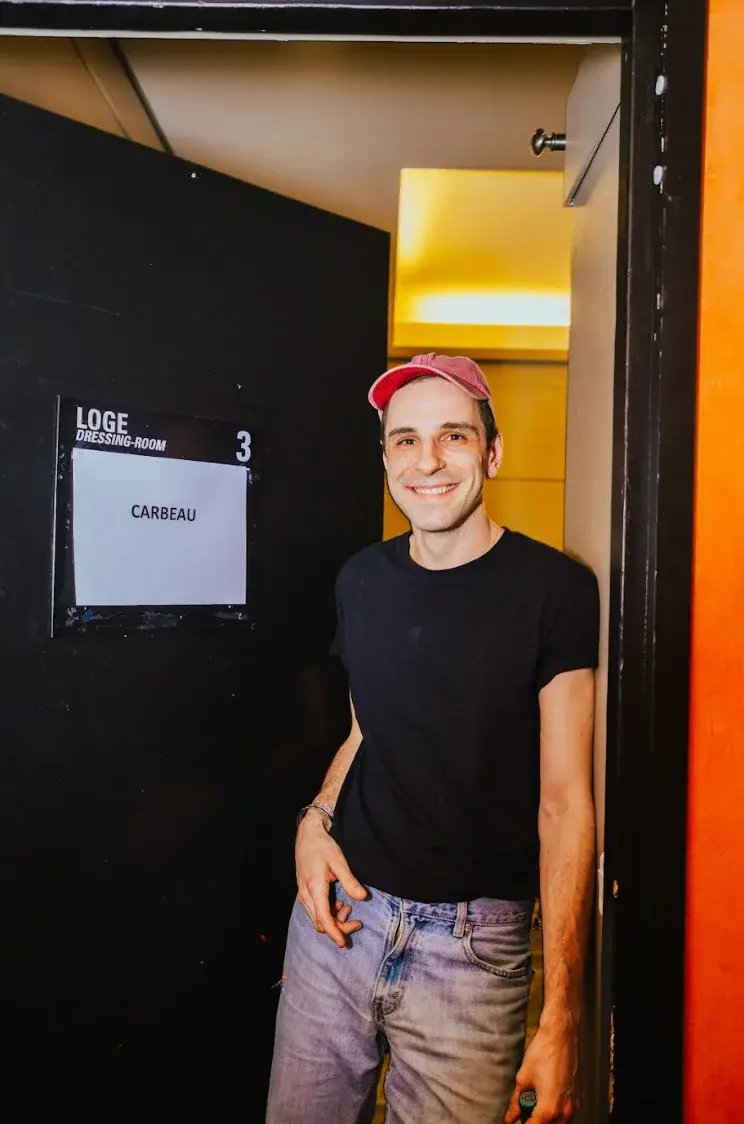
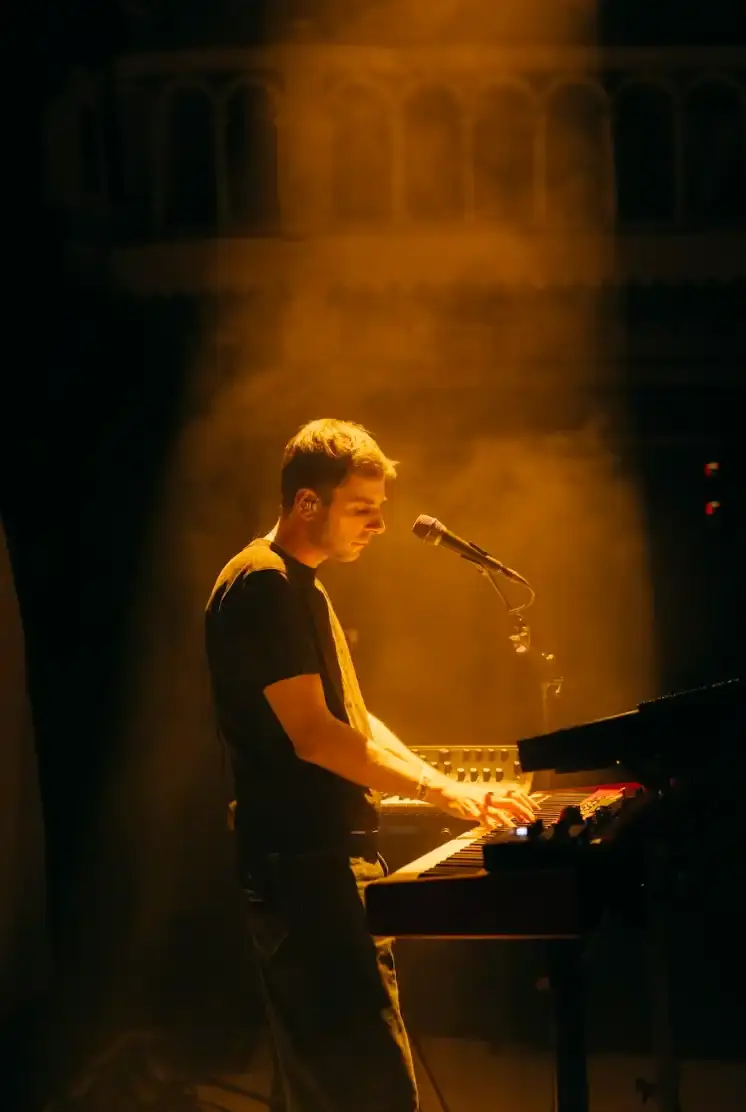
There is a moment before a track begins where you hear the room more than the music. A breath, a small delay, the sense of bodies sharing the same air. This is where carbeau starts.
carbeau moves between cities and sounds with a quiet precision. Born between cultures, shaped in Rio de Janeiro, now based in Paris, his work carries fragments of each place without ever settling into one. You hear it in Madrugada, his first album, where Brazilian rhythms slip into something softer, almost restrained, then open again.
Lately, his focus has shifted. Less polish, more presence. The kind of sound that holds onto imperfection, where voices feel close and instruments leave space. After months moving through London, Amsterdam, Paris, and across Italy, that live energy lingers in the background of his new material.
"Odore dell’Asfalto", out May 15 via NUDA, builds on this tension between movement and stillness. A record shaped by distance, but grounded in something physical. We spoke with him about translating that feeling into sound, and how places, people, and small moments find their way into his music.
-
Your childhood in Rio de Janeiro provides a rhythmic foundation to your work. How do the musical influences of your youth interact with the indie rock textures you developed while touring the United States?
My first instrument was drums, and learning it in a country that so deeply feels rhythm was such a privilege. I also grew up around Brazilian music as it was everywhere we would go (Bossa, Samba, Baiao etc…). I truly fell in love with all of it. Brazilians have this unique, contrasting way of singing very sad lyrics with the happiest rhythms and harmony and that’s something that I’ve tried to take with me. In my music nowadays, I always try to incorporate this somehow. Usually, in my approach to drums and rhythms.
In this new album, it’s really the case, the harmonies are more from a pop/rock background, but drums and percussions definitely feel more Brazilian influenced. The idea was also to incorporate some elements of classic Italian film music, and I’ve asked my friend Victor Gasq to record Tres (a traditional Cuban instrument) to imitate the sounds of “harpsichord” that Ennio Morricone would use. In my years in the US, I’ve played and toured in so many different styles as a pianist, and I’ve definitely carried this in my piano playing.
You spent two years on the road with The Lemon Twigs and performed on stages opening for Arctic Monkeys. Describe how the shift from studio production to live touring altered your approach to song structure.
Playing live is a very different experience than being in the studio, not only for the sounds you research but also for the energy. Many times in the studio, you end up making something that would be impossible to reiterate on a stage, but to me, that is the magic of it. It’s mostly about learning to grasp the energy and intention of the artist you’re playing for, and that’s the main lesson that I’ve taken from all the tours I’ve had the chance to participate in. So I guess my own songwriting is influenced by the artist I’ve had the chance to spend the most time with.
Madrugada reflects your multicultural background. Which memory from your time in Italy or France dictated the atmosphere of the track Mare Nero?
To me, Mare Nero is set in Bretagne (the west coast of France). It is where my mother is from and where I’ve spent a lot of my summers and Christmas holidays. It’s a very different setting from Italy; the coast is rougher and looks ominous. There’s more wind, and the water is deeper and scarier. But it’s something that I’ve always loved about it – it is a beautiful and fascinating coast.
Your collaborations include international artists like MARO and mokina. Describe your process for maintaining your production identity while adapting to the vocal styles of different collaborators.
Collaborating with other artists in the studio is a work of molding and adapting. Every artist has their own way of writing, and to me, it is always a beautiful moment of learning and discovering. When I’m playing piano for another artist, it always depends on what they want: sometimes they want me to experiment on my own, sometimes they want a very specific part. When I’m writing with someone, there’s no particular way. The more natural, the better, and I think that all my collaborations till now have been very natural and genuinely for the love of making music together. And I wish to continue like that.
carbeau shifts his focus to a new studio project. His second album bears the title Odore dell'Asfalto. The Parisian label NUDA releases the ten-track record on May 15. He wrote the songs from a single room in Paris during a solitary period. The artist favors a live acoustic approach. He recorded the instrumental layers live alongside friends and producer Perceval Carré. The lyrics confront personal flaws and sincere fears regarding old relationships. This workflow prioritizes human imperfection and collective breathing over sterile studio polish. You must apply this methodology to your own creative process. Lean into your specific influences instead of masking them. Let the physical environments you inhabit shape the audio textures of your output.
You can presave his new album here!
Eric Grischott
Born in Groningen in 1991, Eric Grischott is a linguist with a deep-rooted passion for art, music, and fashion. His academic journey led him to graduate in languages, further enriching his linguistic prowess. His thirst for knowledge and cultural immersion took him abroad, where he gained invaluable experience and insights. Eric’s linguistic expertise is not confined to just theory. He has honed his skills in French and German through specialized DELF and DELE courses, demonstrating his commitment to mastering these languages. His passions extend beyond languages, encompassing the creative realms of art, the rhythmic world of music, and the dynamic sphere of fashion.
Share this article
RELATED


AUDIO OBSCURA ADE 2026 AT G-STAR RAWFACTORY


OASIS ANNOUNCE TWO ROME CONCERTS FOR 2027
