Summary:
- Ferrari replaces the Roma Spider with the new Amalfi Spider featuring a twin-turbo V-8 engine.
- The fabric roof stows in 13.5 seconds at speeds reaching 37 mph.
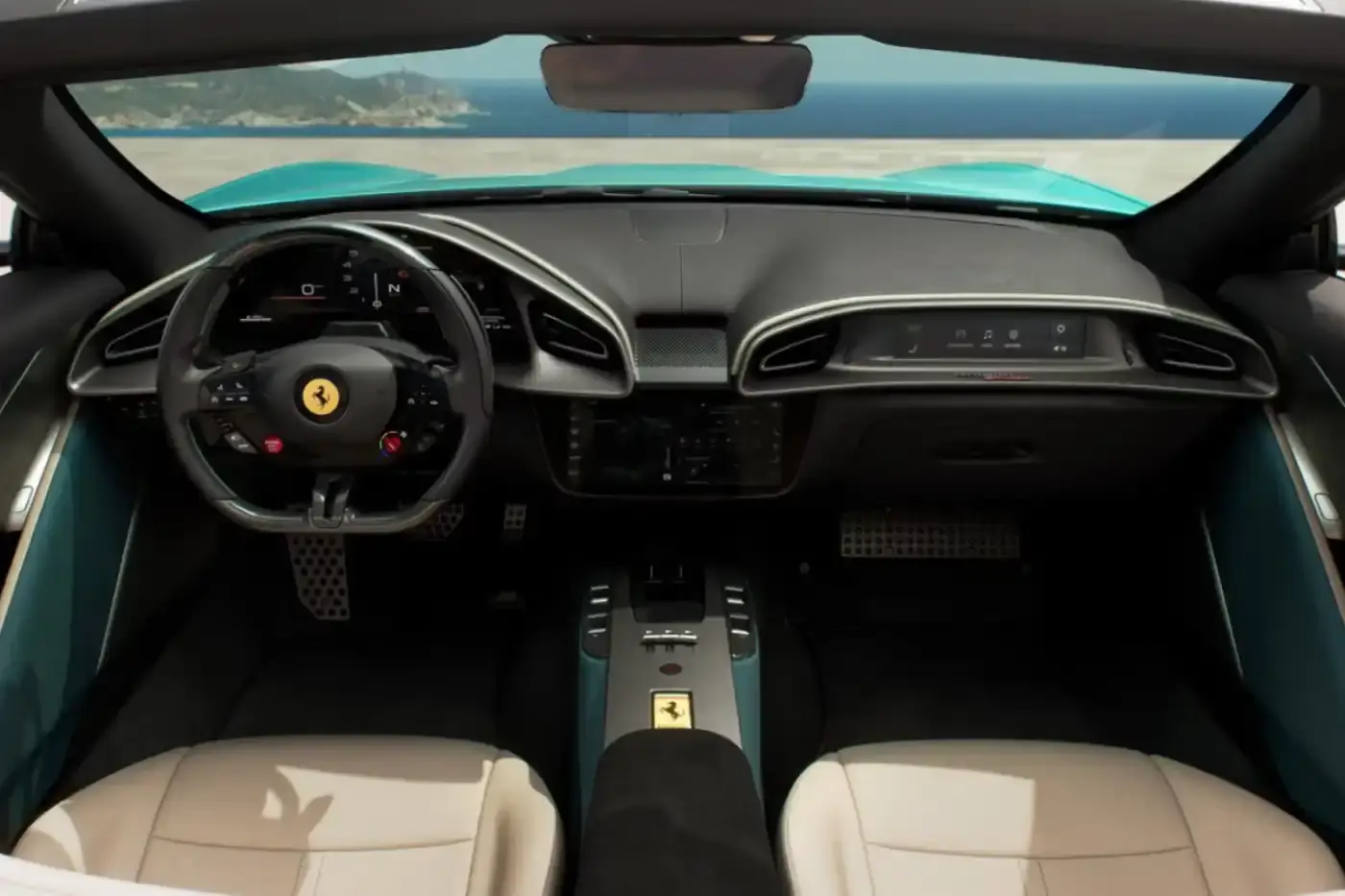
- The interior introduces physical steering wheel buttons and a revised dashboard layout.
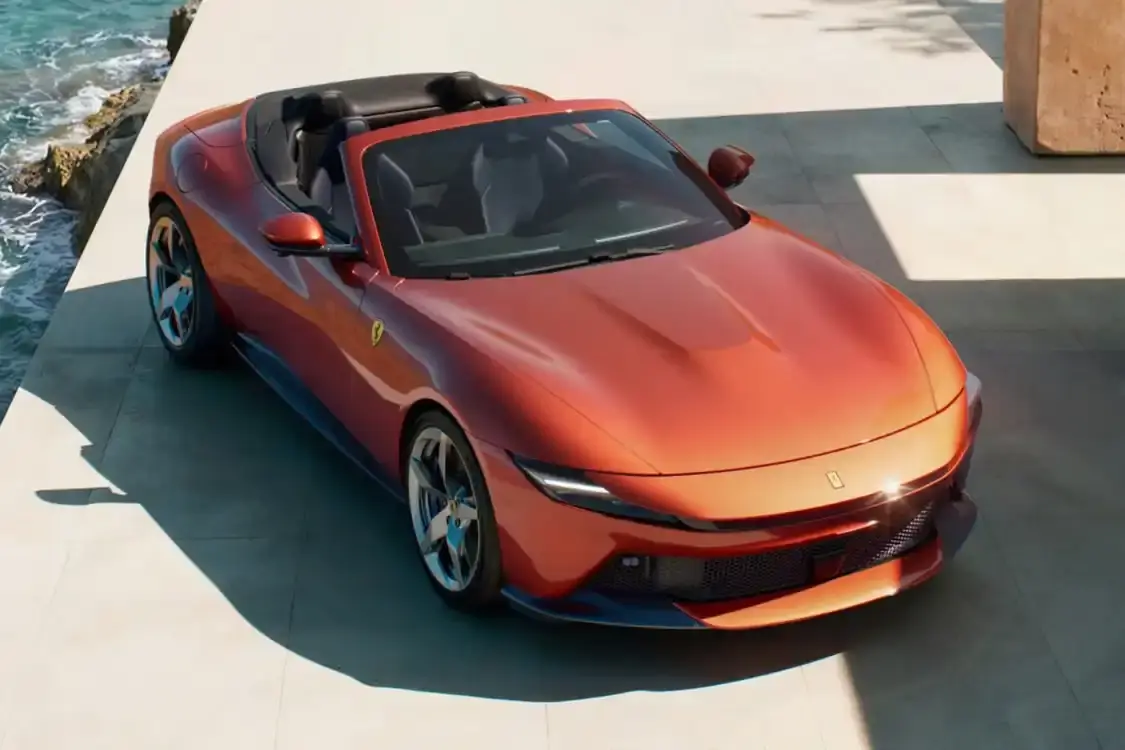
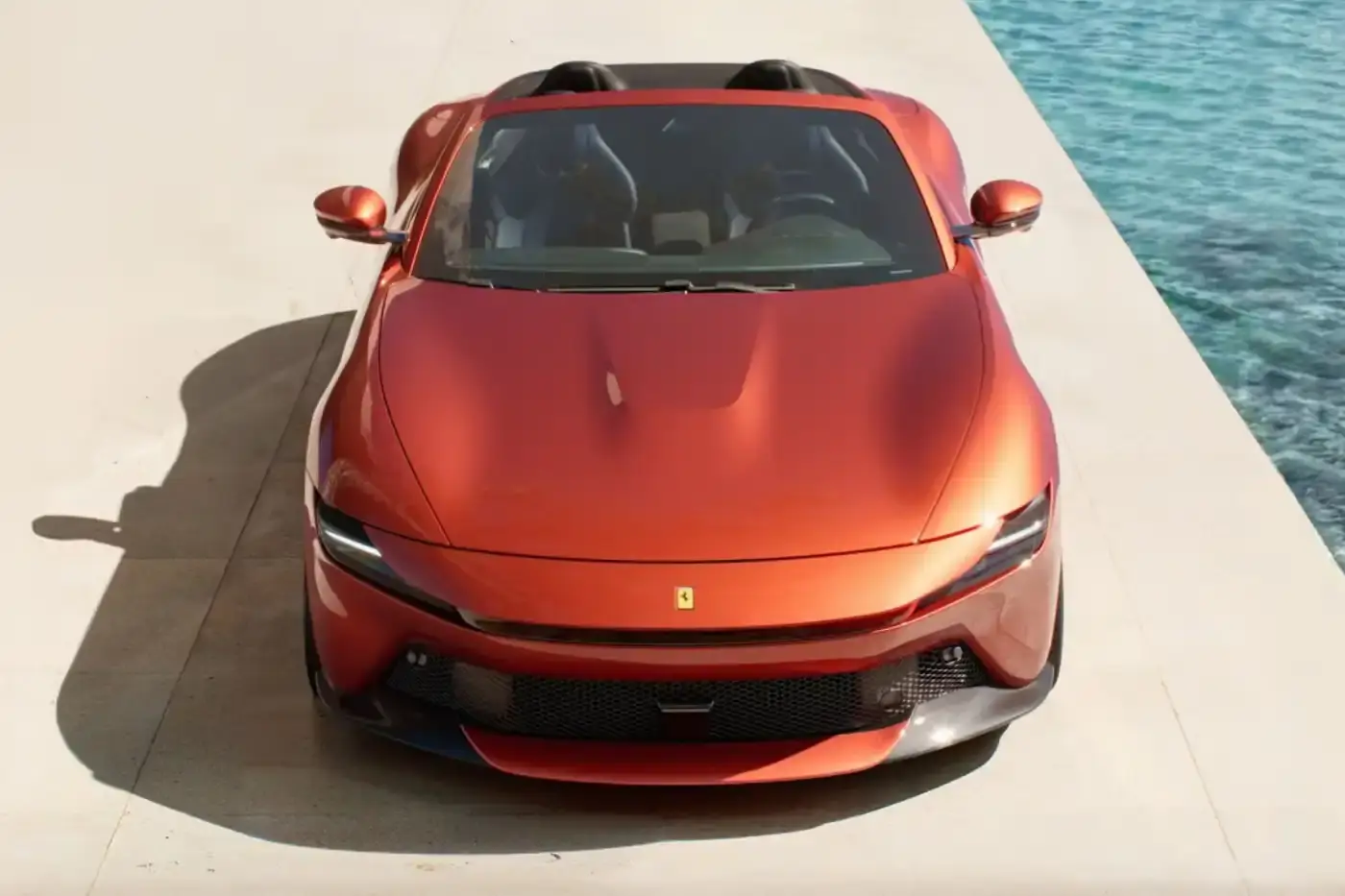
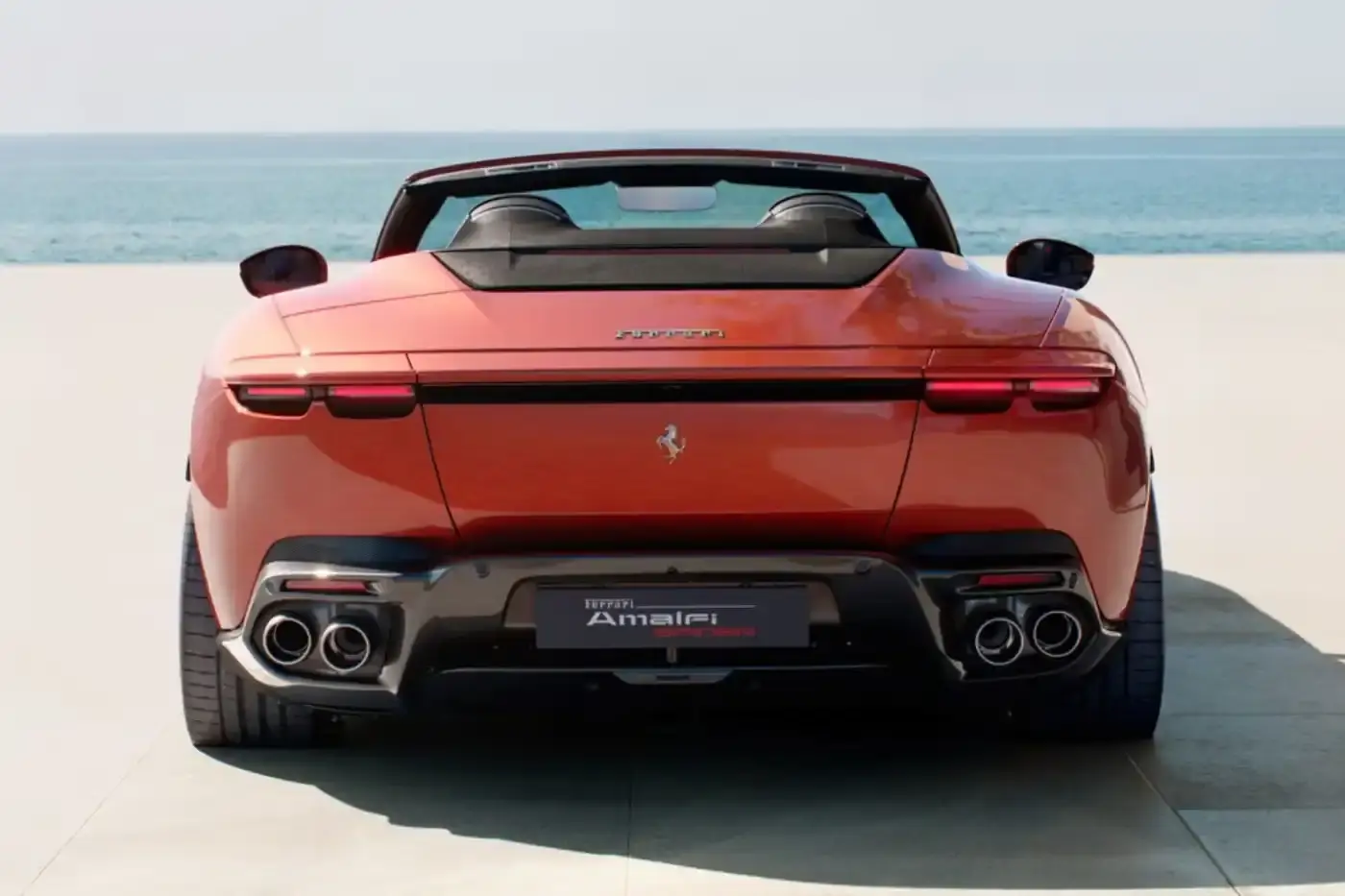
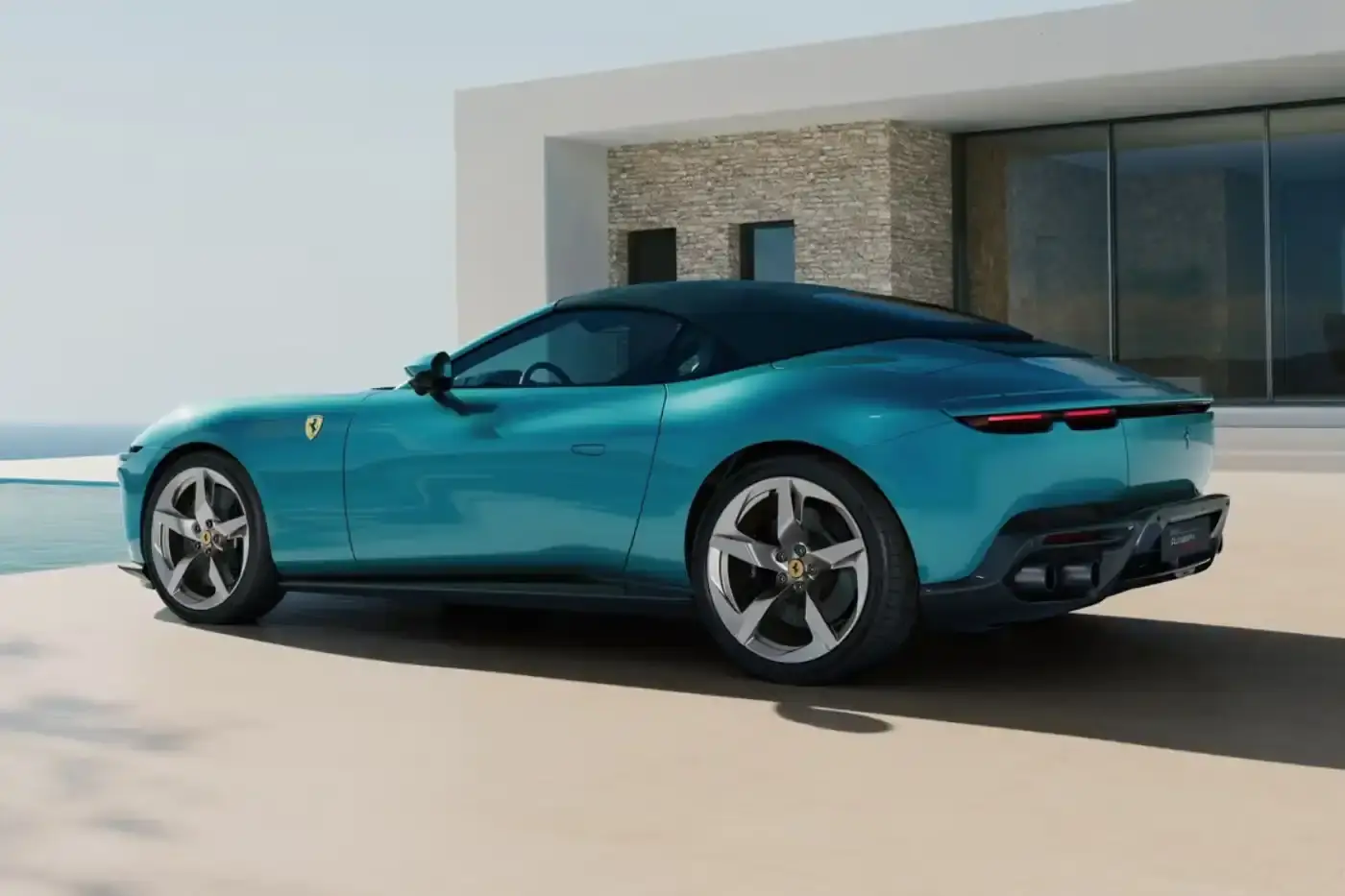
The Maranello factory replaces the Roma Spider with the new Amalfi Spider. The brand brings an open-air driving experience to their latest front-mid-engined grand tourer. The Amalfi Spider retains the sleek bodywork of the coupe version while adding a highly engineered soft-top roof.
Ferrari engineers designed the machine for strict utility and speed. The design team maintained the muscular exterior lines and made specific aerodynamic adjustments for the open roof. The convertible employs a five-layer acoustic fabric roof. This material mimics the sound-deadening and thermal properties of a standard hardtop. The mechanical system retracts the roof in 13.5 seconds at driving speeds up to 37 mph. When you fold the top down, the entire assembly measures a mere 8.7 inches thick. This compact size preserves vital luggage capacity in the trunk. For elevated comfort during open-air driving, you push a single button to deploy an integrated wind deflector from the vestigial rear seats. Buyers have the option to select a newly introduced exterior paint hue named Rosso Tramonto. The color provides a direct nod to the orange glow of a setting sun.
Underneath the hood, a 3.9-liter twin-turbo V-8 engine provides the necessary forward thrust. This updated motor produces 631 horsepower and 561 pound-feet of torque. A rear-mounted eight-speed dual-clutch transaxle routes power directly to the rear wheels. The mechanical setup pushes the convertible from zero to 62 mph in 3.3 seconds. The top speed reaches 199 mph. Ferrari engineers included an updated engine control unit and lighter camshafts. The turbochargers now spin up to 171,000 rpm. The redline rests high at 7,600 rpm. You experience an aggressive power delivery curve throughout the rev range.
Inside the cabin, the manufacturer introduces significant user interface changes. The Amalfi Spider strips away unnecessary digital clutter. Ferrari completely abandons the haptic touch controls found on previous models. The brand returns to real physical buttons on the steering wheel. You start the engine using an aluminum push-to-start mechanism. This tactile feedback provides a more direct connection to the vehicle. The design team focuses on physical engagement. You interact with the machine through precise mechanical inputs. The updated dashboard positions the 10.25-inch central touchscreen lower than before. This placement keeps your focus squarely on the road ahead. A 15.6-inch instrument cluster rests directly in your line of sight. The dual-cockpit layout separates the driver and passenger zones. This layout gives you a distinct command area while providing the passenger with their own dedicated screens. Your passenger gets an 8-inch display to monitor speed and media. The interior design blends a clean aesthetic with functional ergonomics. The seats feature premium leather with structural contouring to support you during aggressive cornering.
Aerodynamics play a crucial role in the vehicle engineering. The car retains an aggressive active rear wing integrated into the tail section. This mobile wing automatically assumes three distinct configurations. The settings include Low Drag, Medium Downforce, and High Downforce. The High Downforce position generates 110 kg of vertical load at 155 mph. This feature optimizes performance and stability during high-speed driving. The chassis features recalibrated magnetorheological dampers to handle rough road surfaces. A new brake-by-wire system improves stopping efficiency. The Electric Power Steering receives a new calibration. This steering update increases the grip estimation speed by 10 percent on the standard 20-inch wheels.
The Ferrari Amalfi Spider arrives in the automotive market in 2027. You will find a starting price estimated around $283,000 for the coupe variant. The convertible demands a higher premium. The introduction of this model marks a shift back to analog tactile controls. The decision to remove haptic feedback shows an awareness of driver preferences. The Amalfi Spider balances raw mechanical power with refined Italian design. The vehicle stands as a prime option for grand touring enthusiasts seeking fresh air and immense speed.
Kristin Kaye
Insatiably curious about human expression, she immerses herself in literature, theater, art, and dance. Her academic journey led to degrees in Modern Literature, where she delved into The Furioso, and Historical Sciences with a focus on Contemporary History. Her studies took her to the prestigious Erasmus University Rotterdam, broadening her international perspective.
Her passion for culture isn't confined to personal enjoyment—it spills onto the pages of various publications. There, she explores not only artistic endeavors but also civil rights issues and the myriad ways human culture manifests itself. For her, writing about these topics isn't just a profession; it's an irresistible calling that stems from her deep-seated fascination with the human experience.
Share this article
RELATED

BRABUS P 900 ROCKET EDITION: 900 HP G 63 PICKUP, 10 UNITS

DRAKE RECEIVES 1986 FERRARI TESTAROSSA MONOSPECCHIO AT 40


2027 JEEP WRANGLER SWITCHBACK ENDS SERIES

