Summary:
- Venice will host Fondazione Dries Van Noten in April 2026 at Palazzo Pisani Moretta, co-founded by designer Dries Van Noten and Patrick Vangheluwe
- The institution focuses on craft as cultural identity, creating connections between artisans, artists, and international creative communities
- Year-round programs include presentations, residencies, and educational initiatives designed to support emerging talent and preserve creative traditions through contemporary practice
Venice adds a new cultural institution to its historic landscape in April 2026. Fondazione Dries Van Noten will occupy Palazzo Pisani Moretta at San Polo, 2766, a building that dates back centuries. Designer Dries Van Noten and Patrick Vangheluwe co-founded the organization.
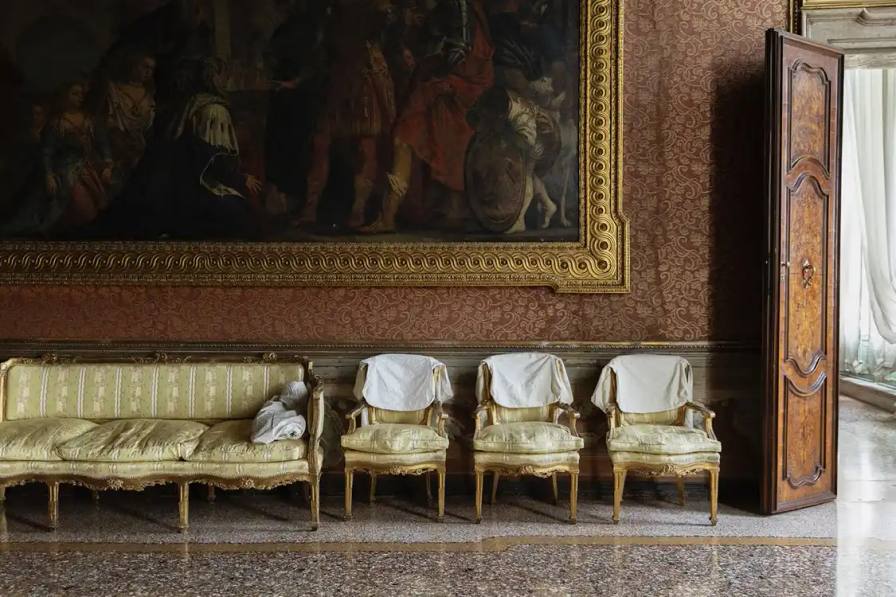
The palazzo becomes the physical foundation for this project. The building's architecture and history provide context for contemporary creative work. Venice has long served as a meeting point for craft traditions and artistic innovation. This institution continues that function.
The Fondazione positions craft as more than technical skill. The founders view craft as a form of cultural identity. Materials and methods carry meaning. The institution treats the palazzo as a working space rather than a museum. Programs will change throughout the year.
Local artisans will work alongside international artists and designers. The Fondazione seeks to create dialogue between different creative practices. These conversations aim to produce new approaches to traditional methods. The goal is reinvention rather than preservation alone.
Young creatives form a central focus. The institution plans multiple program types to serve this audience. Residencies will give emerging talent time and space to develop projects. Educational initiatives will provide structured learning opportunities. Collaborative projects will connect younger makers with established professionals.
The programming extends beyond exhibitions. Presentations will showcase work in various stages of development. The Fondazione wants to make creative processes visible. This approach differs from institutions that display only finished works.
Venice's existing cultural network will connect to the Fondazione. The institution plans to build relationships with local organizations and independent practitioners. These partnerships should expand opportunities for everyone involved. The founders believe this connected approach strengthens both the institution and the broader community.
Patrick Vangheluwe brings his experience to the co-founder role. His partnership with Van Noten shapes the institution's structure and mission. Together they developed the program vision and secured the palazzo location.
The Fondazione addresses multiple audiences. Visitors to Venice will find programs designed for general engagement. Creative professionals will access resources specific to their practice. Students and emerging talent will benefit from dedicated educational programming.
The palazzo location offers specific advantages. San Polo provides access to Venice's historic center while maintaining connection to working neighborhoods. The building itself demonstrates centuries of Venetian craft and design. This environment supports the institution's focus on material culture and artistic tradition.
April 2026 marks the public opening. The founders have structured a full calendar of programs to begin operations. The institution plans year-round activity rather than seasonal programming. This schedule reflects the commitment to serve as an active working space.
The Fondazione Dries Van Noten positions itself at the intersection of multiple concerns: heritage and innovation, local knowledge and international exchange, preservation and transformation. The success of this model will depend on how effectively the institution balances these elements in practice. Venice gains another cultural resource. The creative community gains another platform for work and collaboration.
Andrea Darren
Born in Manchester, from a young age, she was passionate about art and design. She studied at the University of the Arts in London, where she developed her skills in these fields. Today, Andrea works as an editor for a renowned publishing house, combining her love for art and design with her editorial expertise.
Share this article
RELATED


JIL SANDER AND THONET FURNITURE COLLECTION

MR STAR CITY ON TURNING PERSONAL EXPERIENCE INTO POWERFUL ART

WILDSIDE YOHJI YAMAMOTO BLACK BAMBOO CHAIR
