
Creative work rarely happens in a single place. Ideas form between locations. A fitting inside a small apartment. A quick adjustment backstage. A conversation late at night after rehearsal. The work takes shape during these transitions.
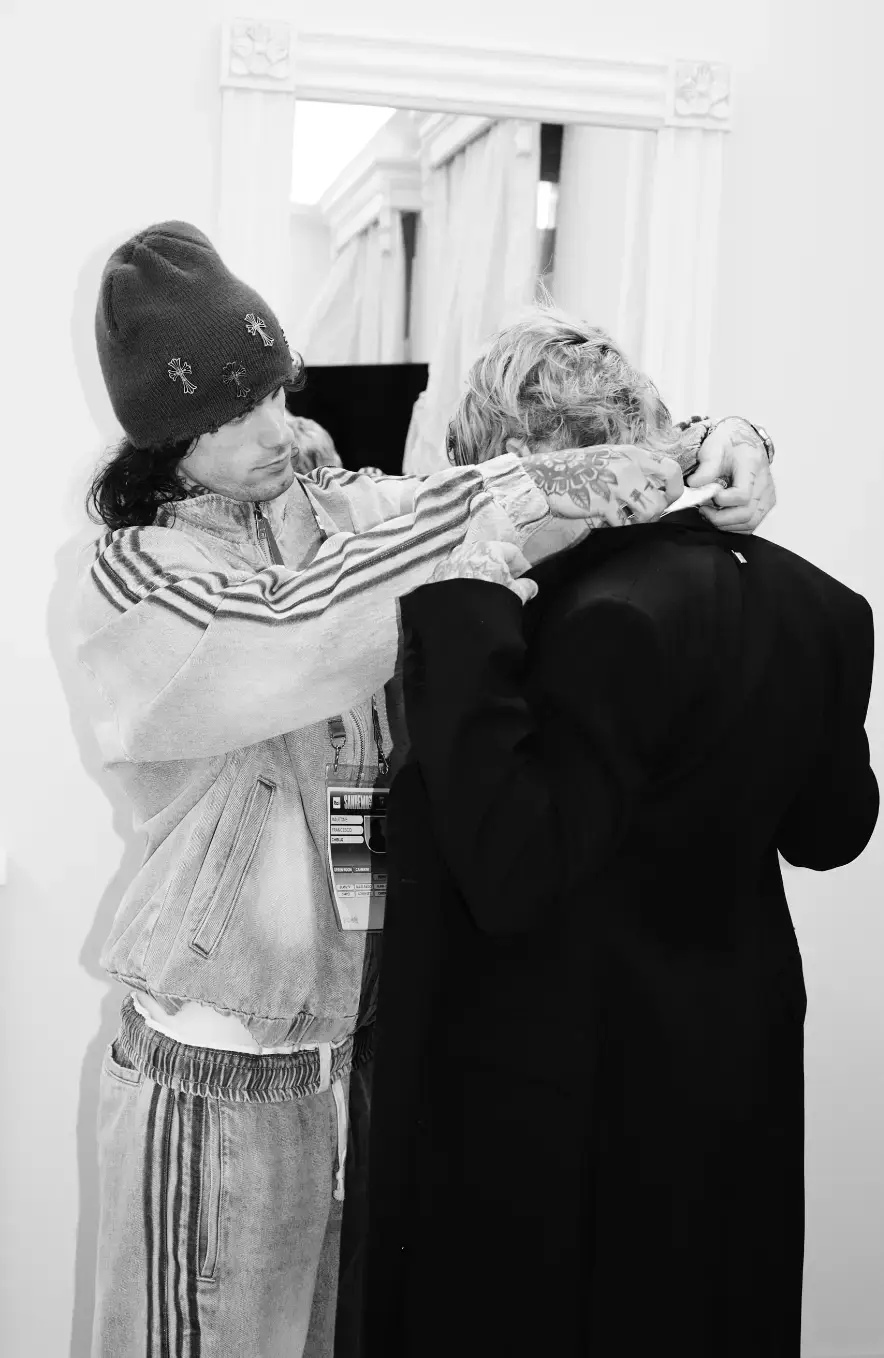
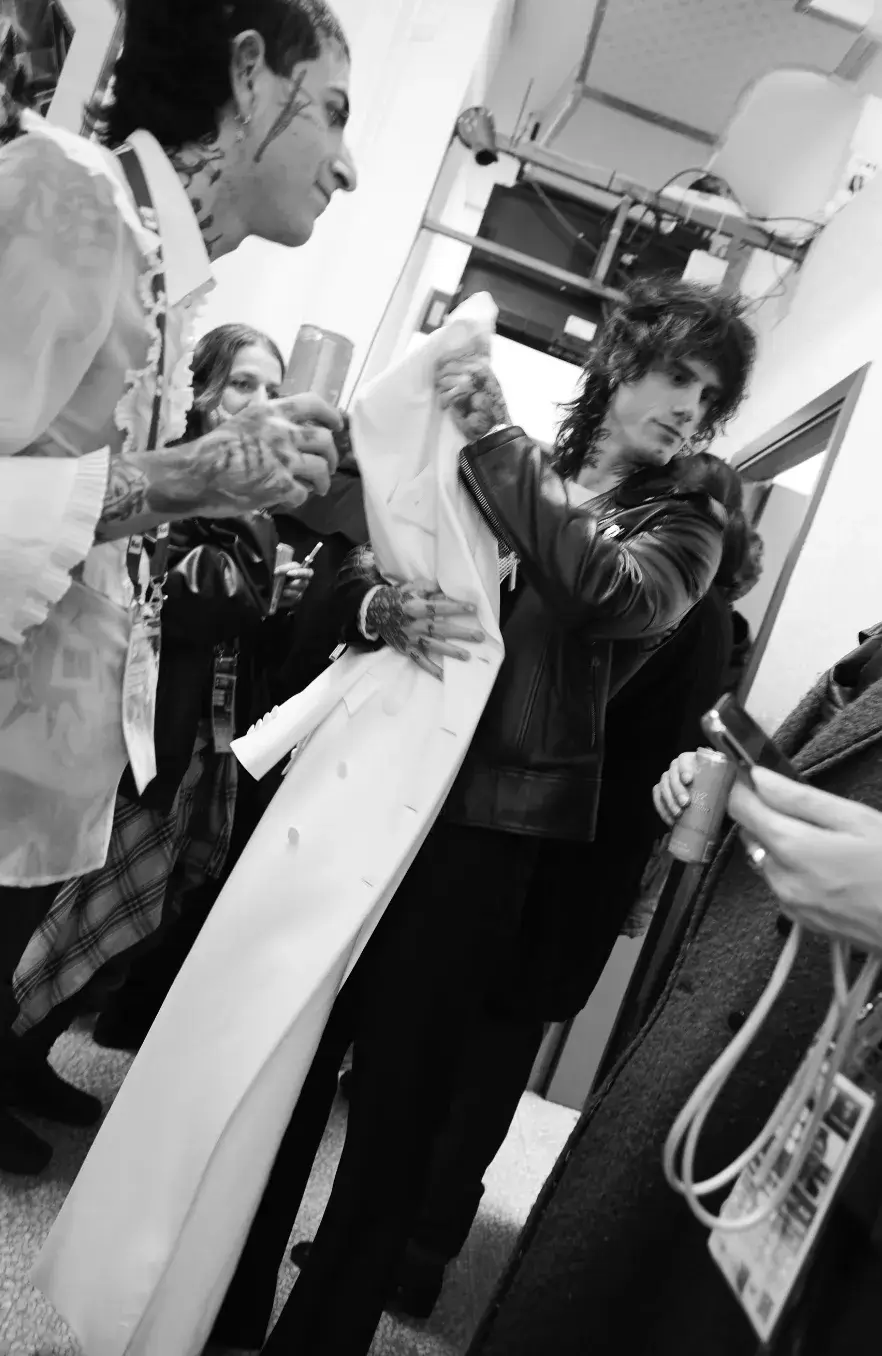
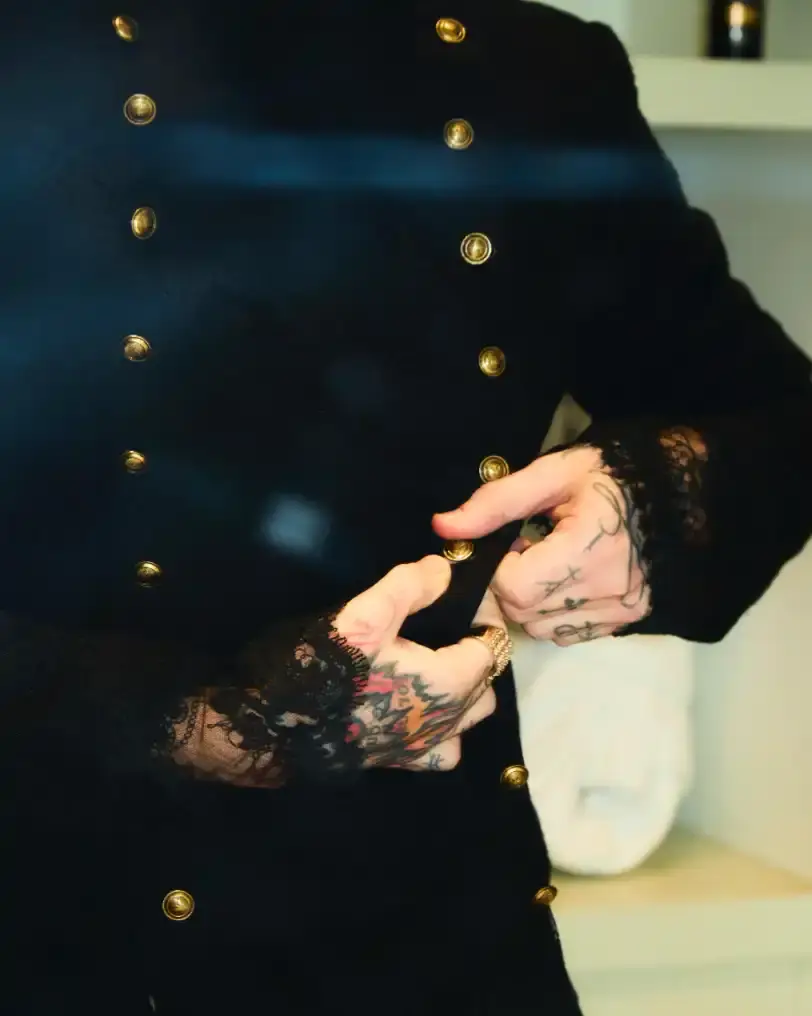
With Eastpak, we had the opportunity to follow stylist Francesco Mautone during several working days in Sanremo. Moving between studios, hotels, and backstage environments, one detail remained constant. The bag traveling with him. Inside it were clothes, references, styling tools, and personal objects collected during the process.
The experience revealed a simple truth about creative work. It unfolds while moving. A look might start as an idea in the afternoon and change again minutes before an appearance. The final image appears only after many small decisions.
We spoke with Francesco about his path into styling, how he approaches building an artist’s image, and what life looks like when creative work rarely stands still.
Your work sits between music and fashion. How did styling become your entry point into the music world?
"I usually introduce myself by saying that I work as a stylist. I prefer to explain that I work in music using fashion as a medium. Music has always been something that interested me deeply. Since I am not a musician or a singer, fashion became the way I could enter that world and participate in it.
I started about six years ago. I grew up in Rome and moved to Milan after finishing university because I wanted to work in styling. The beginning was not easy because it happened around the pandemic, when the industry felt uncertain and many opportunities slowed down.
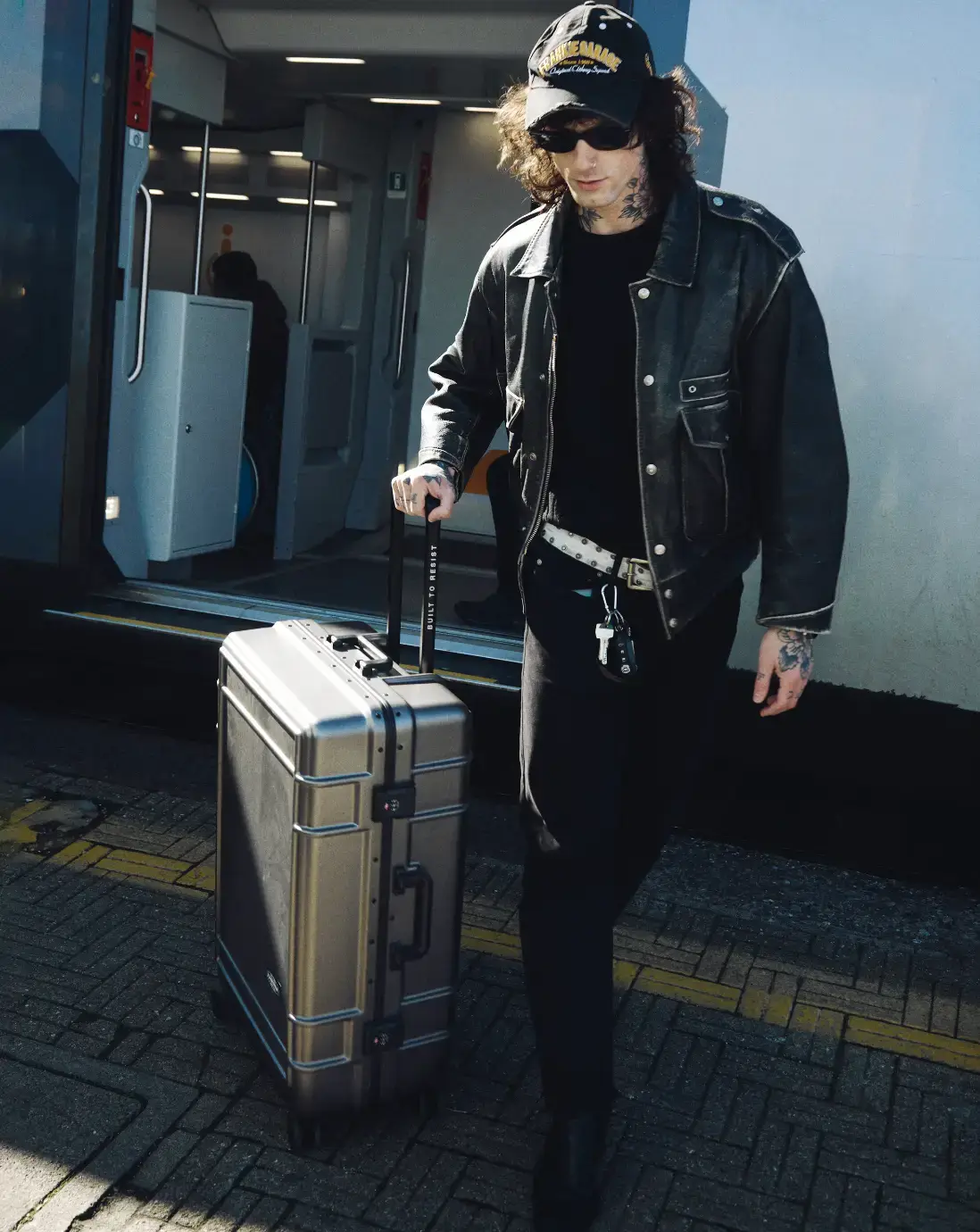
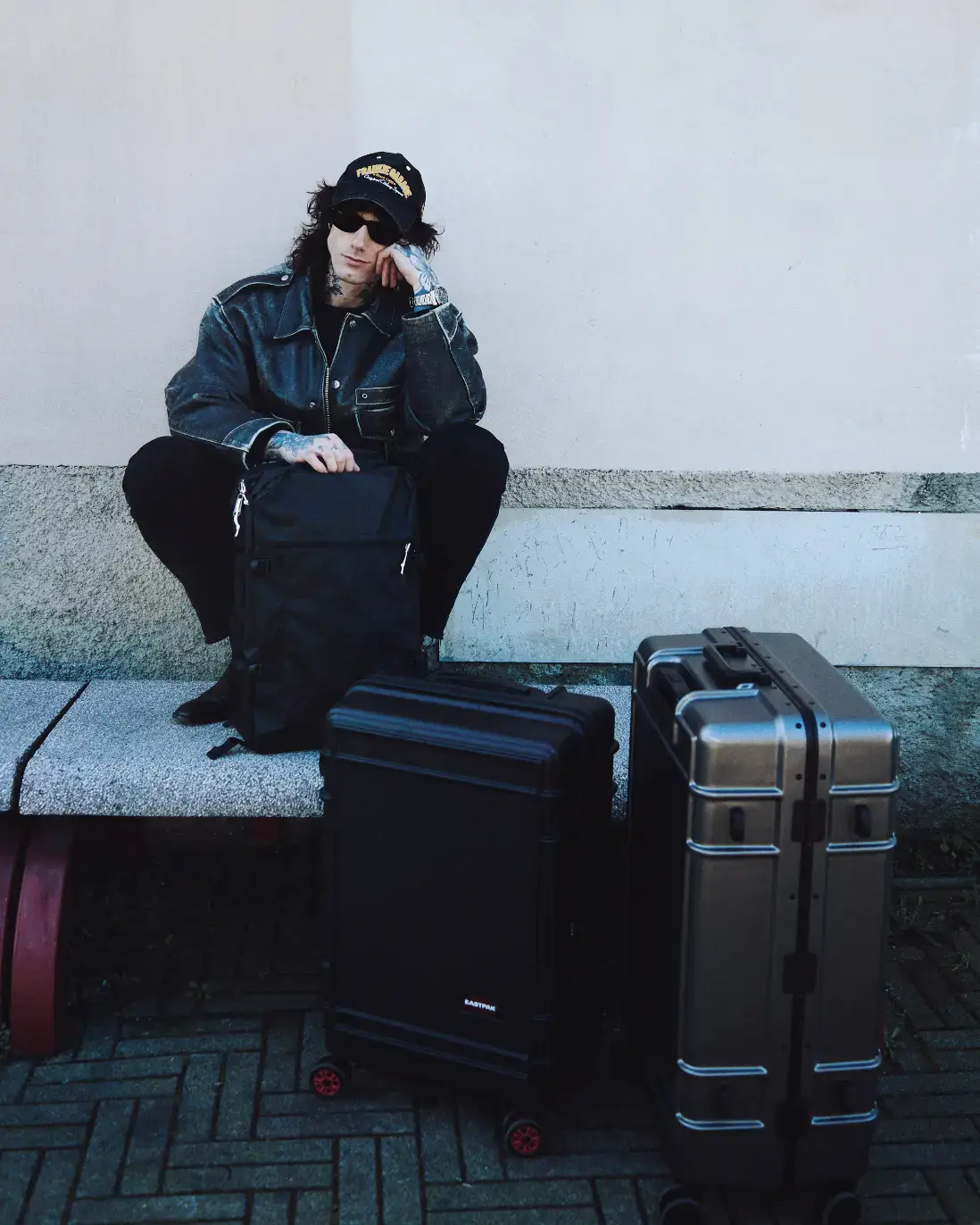
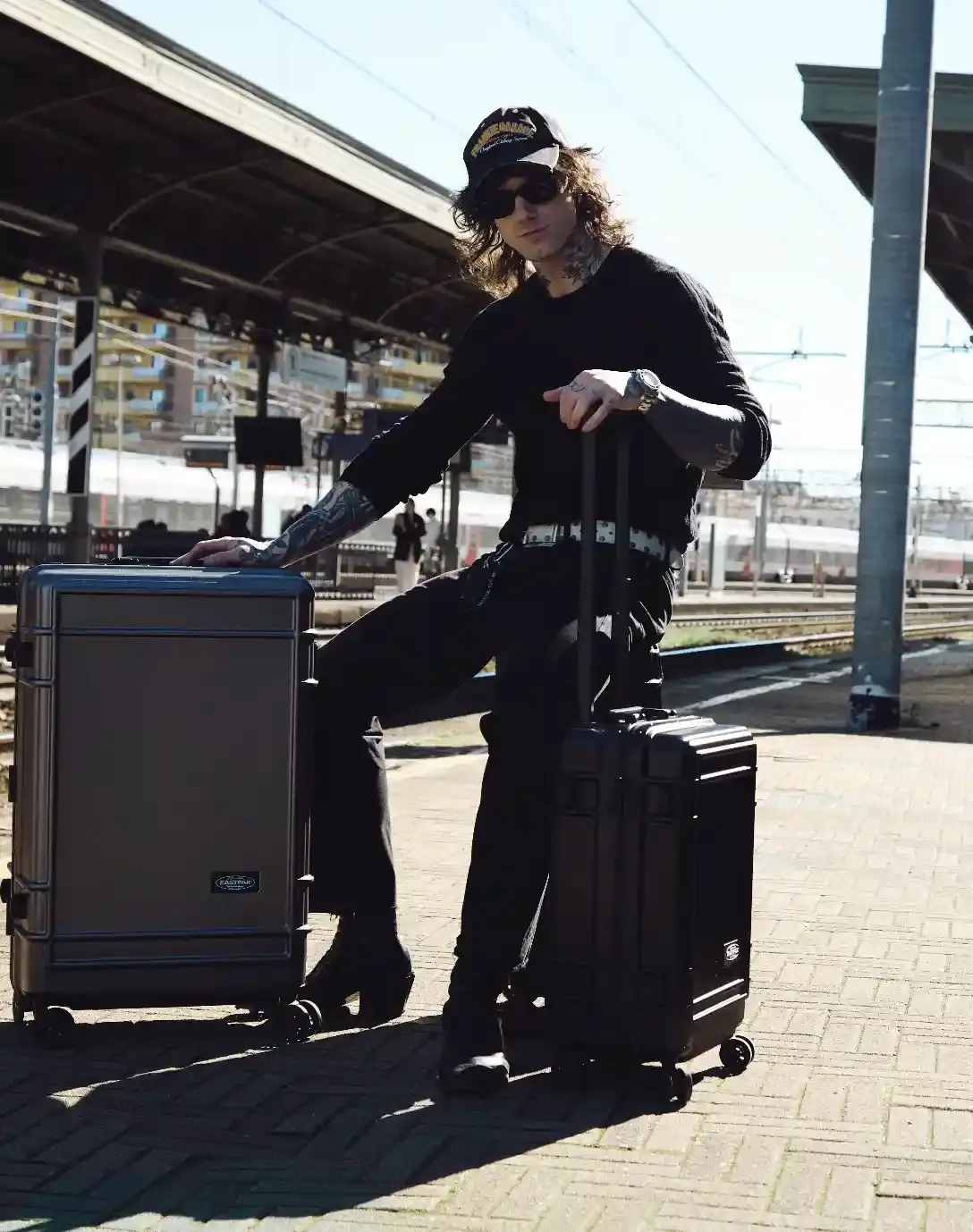
Many people enter this field thinking only about aesthetics, but the job also requires determination and patience. You face many moments where opportunities disappear or projects change direction. Hard work does not automatically lead to success, but without commitment it becomes impossible to move forward.
For me fashion remains a tool. The part I enjoy the most is creating looks and seeing them on artists. When a look suddenly feels right on the person wearing it, that moment gives me real satisfaction."
When you build an artist’s image, how do you recognize the moment when a look finally feels right?
"People often expect a structured method when they ask that question, but in reality my process is quite intuitive. I do not follow a strict system when I approach a project.
I prefer to see the person, understand how the clothes sit on their body, and react to what feels right in that situation.
When I work with artists, the starting point often becomes their music. If someone is preparing a new project, I listen to the songs repeatedly to understand the atmosphere they are creating. That helps me enter their world and think about how the visual side can support it.
Another important element is the relationship between the stylist and the artist. Trust and respect are essential in that process."
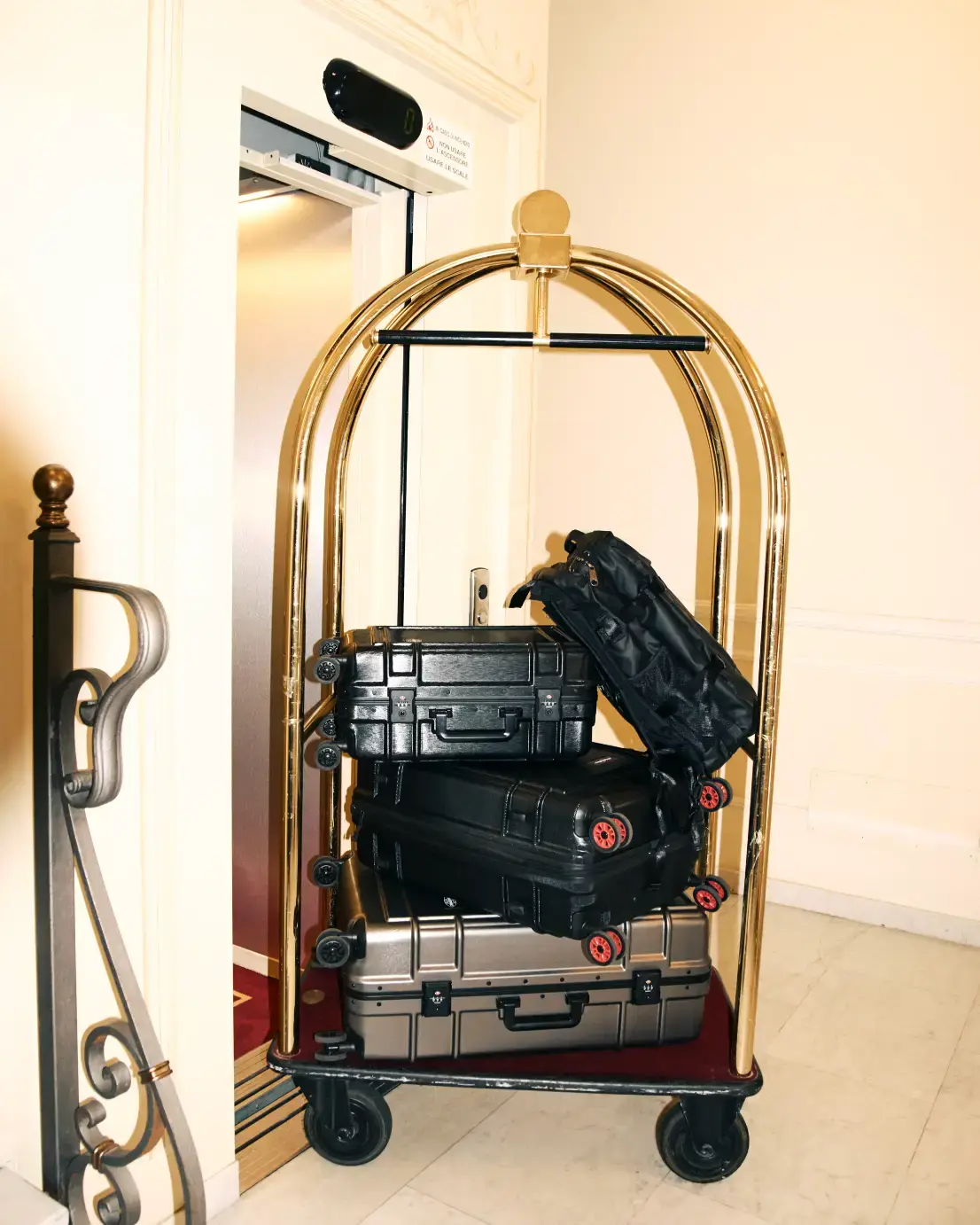
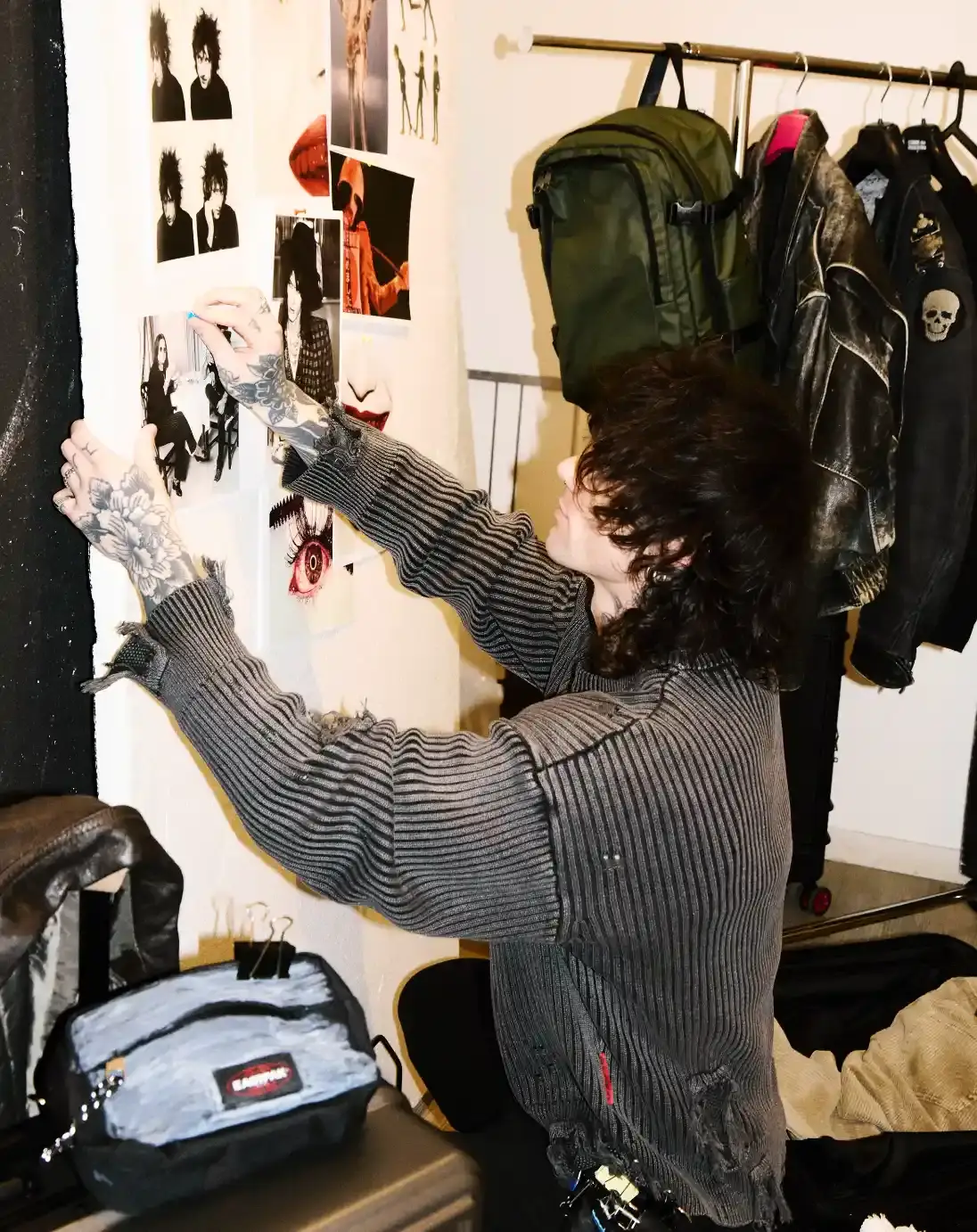
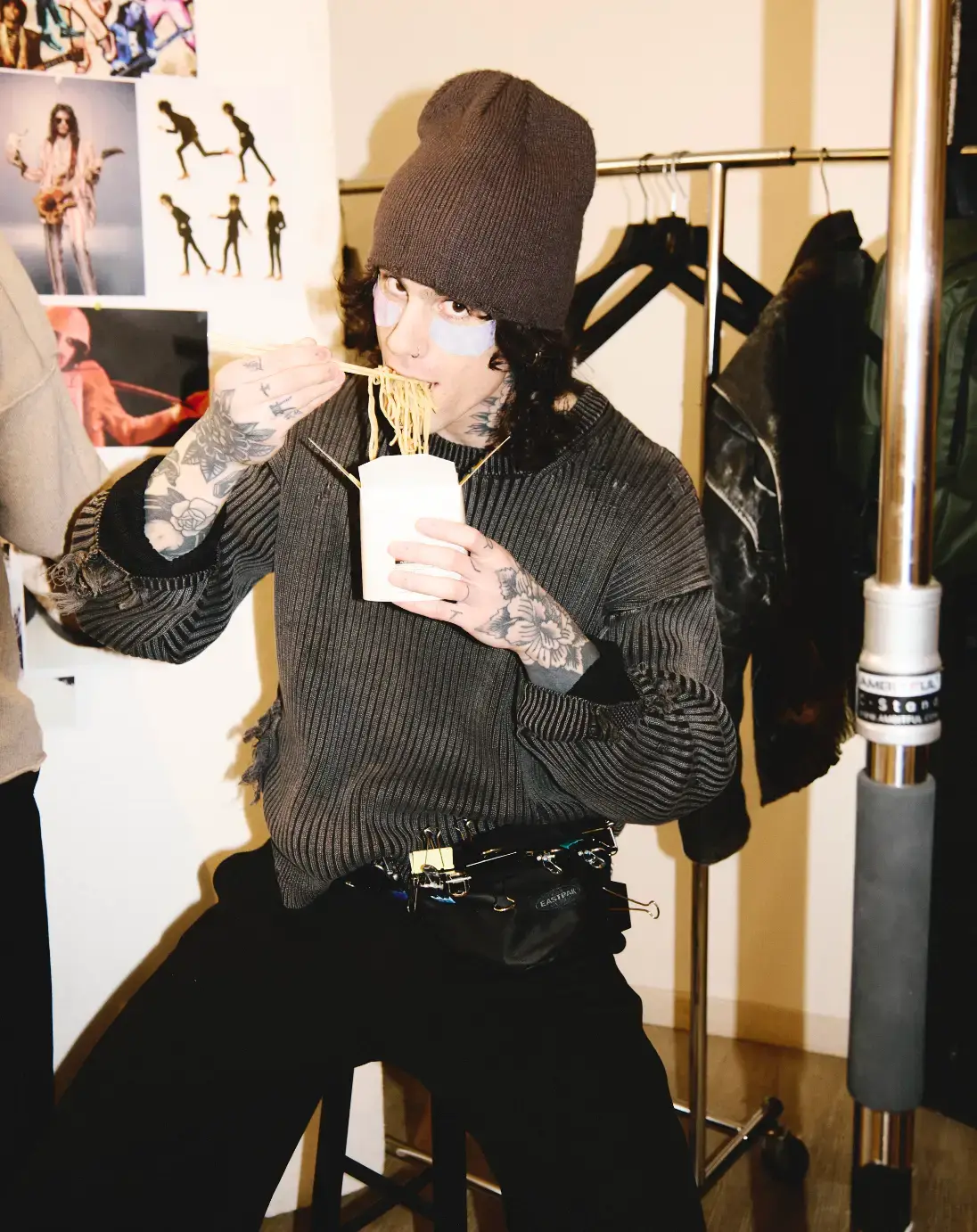
Your work moves constantly between studios, apartments, and backstage spaces. How would you describe that lifestyle?
"When you work with artists the schedule rarely follows a normal structure. Sometimes fittings happen late at night and the next day you still have to wake up early for another project.
In a traditional job you would never organize work in that way, but in this context it becomes part of the process. As long as I manage the rhythm and maintain some balance, I enjoy that aspect of the work because every day feels different."
"Traveling is part of the process. Most ideas don’t happen in a studio, they happen in between, in a hotel room, backstage, on the way somewhere. I always carry what I need with me. It’s not just about being organized, it’s about being ready. Creativity doesn’t wait."
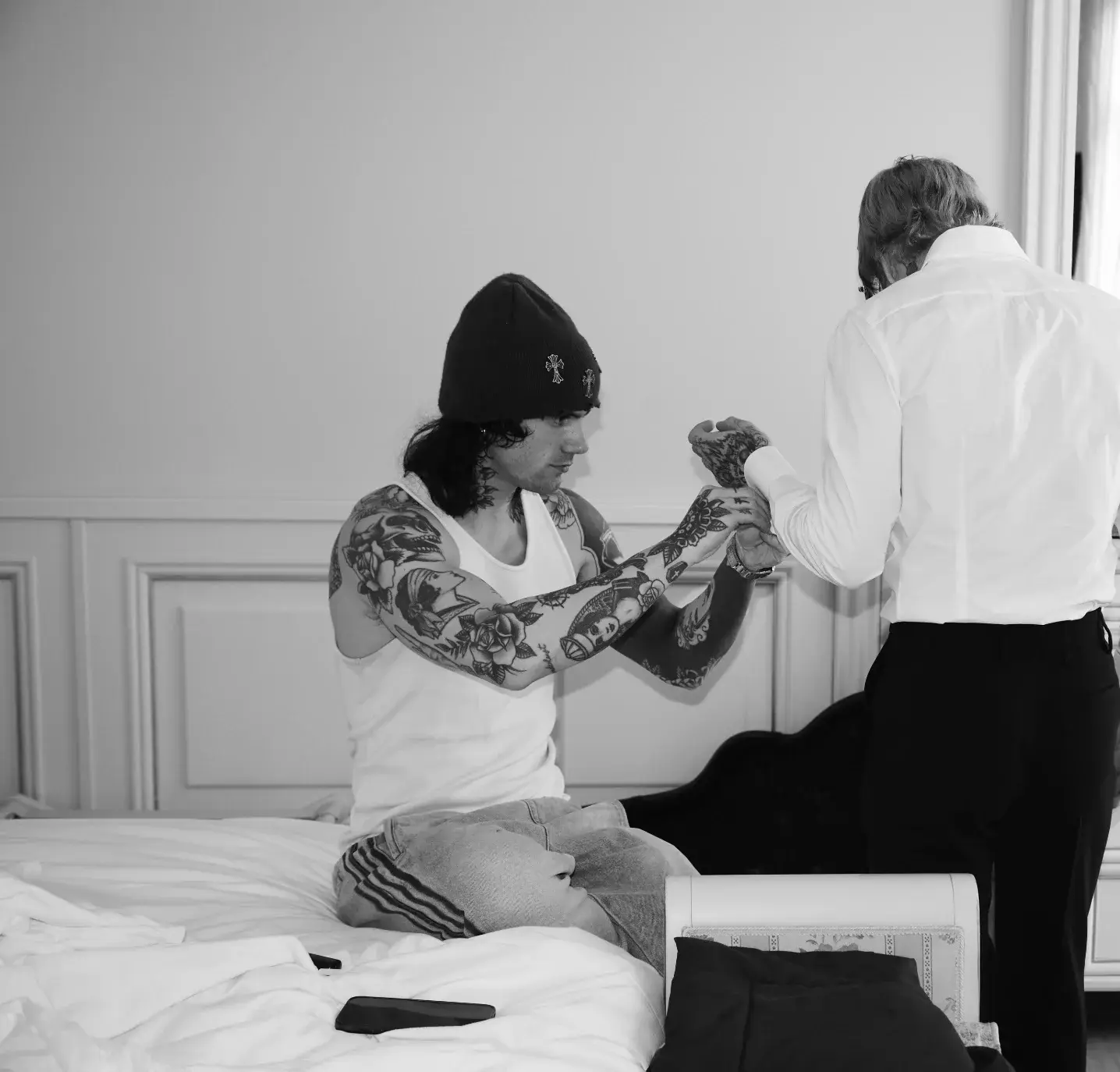
What does it feel like to build the visual identity of artists who receive so much public attention?
"It always feels rewarding when you see a positive reaction from the public. When I read comments where people say that someone looks great, I feel satisfied because it means the work connected with people.
At the same time I always remember that the artist already carries something unique. A stylist cannot create that presence from nothing. There are many people who look good, but what truly matters is the attitude and the confidence that the artist brings.
My role is to support that identity and help express it visually. When an artist understands their own presence, even very simple clothing can become powerful."
Staff
Casawi Magazine: based in Milan, we celebrate youth culture, creativity, and community across fashion, sports, music, art, design & more.
@casawi.magazineShare this editorial
RELATED

JW ANDERSON SHOWS THE “RUN RABBIT” TEAL SNEAKER


