Summary:
- Gabriele Tinti writes verses inspired by the ancient bronze Boxer at Rest sculpture.
- Performers like Abel Ferrara and Solange Smith read these poems in museums.
- The project explores themes of human fragility and the search for meaning in suffering.
Workers found the bronze sculpture known as the Boxer at Rest in 1885. This finding happened on the slopes of the Quirinal Hill in Rome where the Baths of Constantine once stood. The statue depicts an exhausted athlete sitting after a match while wounds cover the face. Blood flows from the right side of the body. Some experts believe the school of Lysippos created the work in the 4th century BCE. Other scholars place the creation in a late Hellenistic production from the 1st century BCE. The athlete looks towards the side with an anxious gaze directed at the judges. This movement suggests the boxer waits for a crowning victory from the goddess.
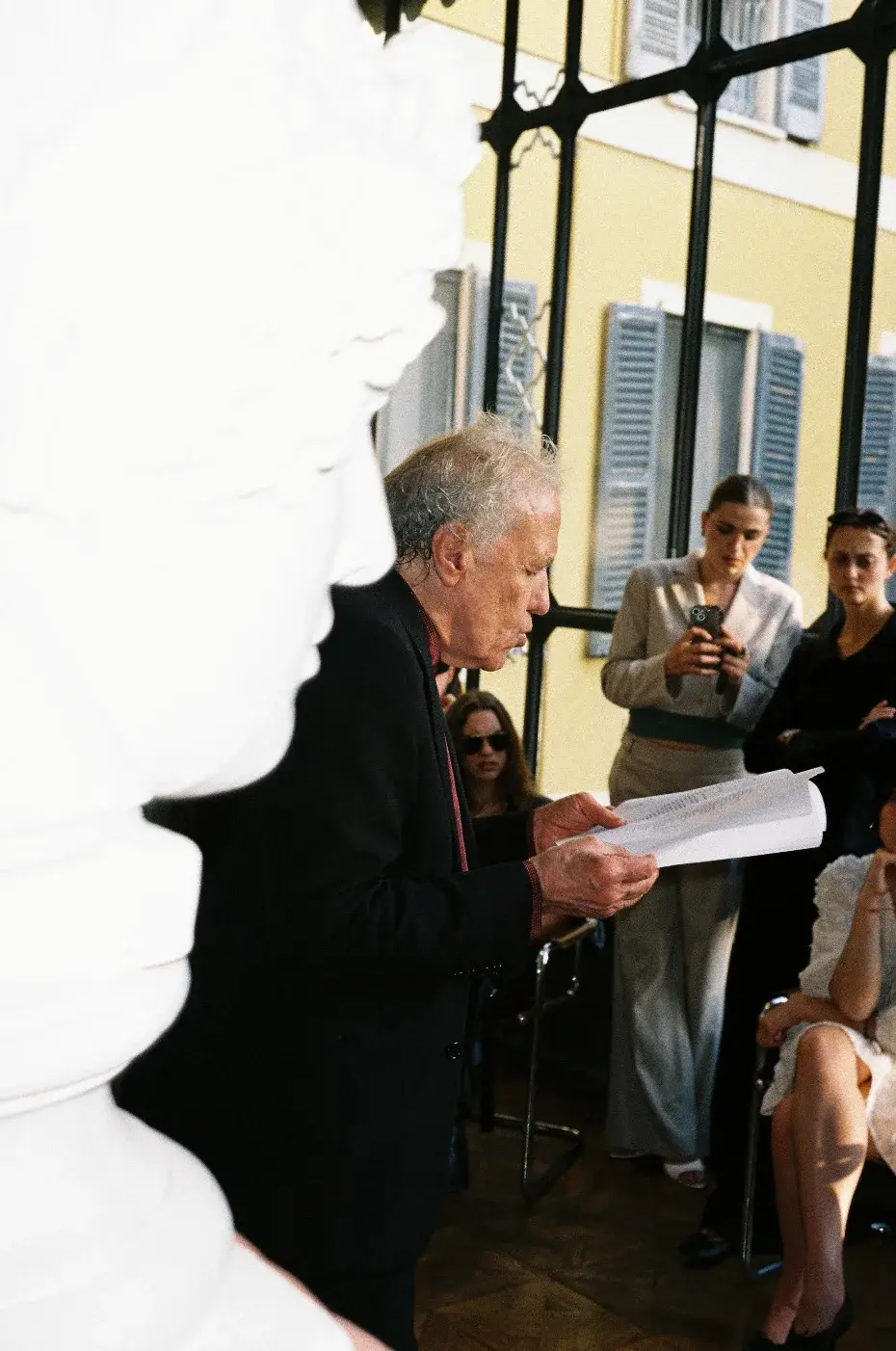
Gabriele Tinti writes verses about this figure since 2009. Tinti views the boxer as an emblem of human fragility and the search for meaning within suffering. Promoted by VOENA, the event it was organized in collaboration with The 1989 and Eris Press, with the partnership of Aethos. The book containing these texts appears in English and Italian through Eris Press in New York. Columbia University Press handles the distribution of the volume. Tinti describes the work as a monologue, a closet drama. The writing serves a single reader rather than a stage audience.
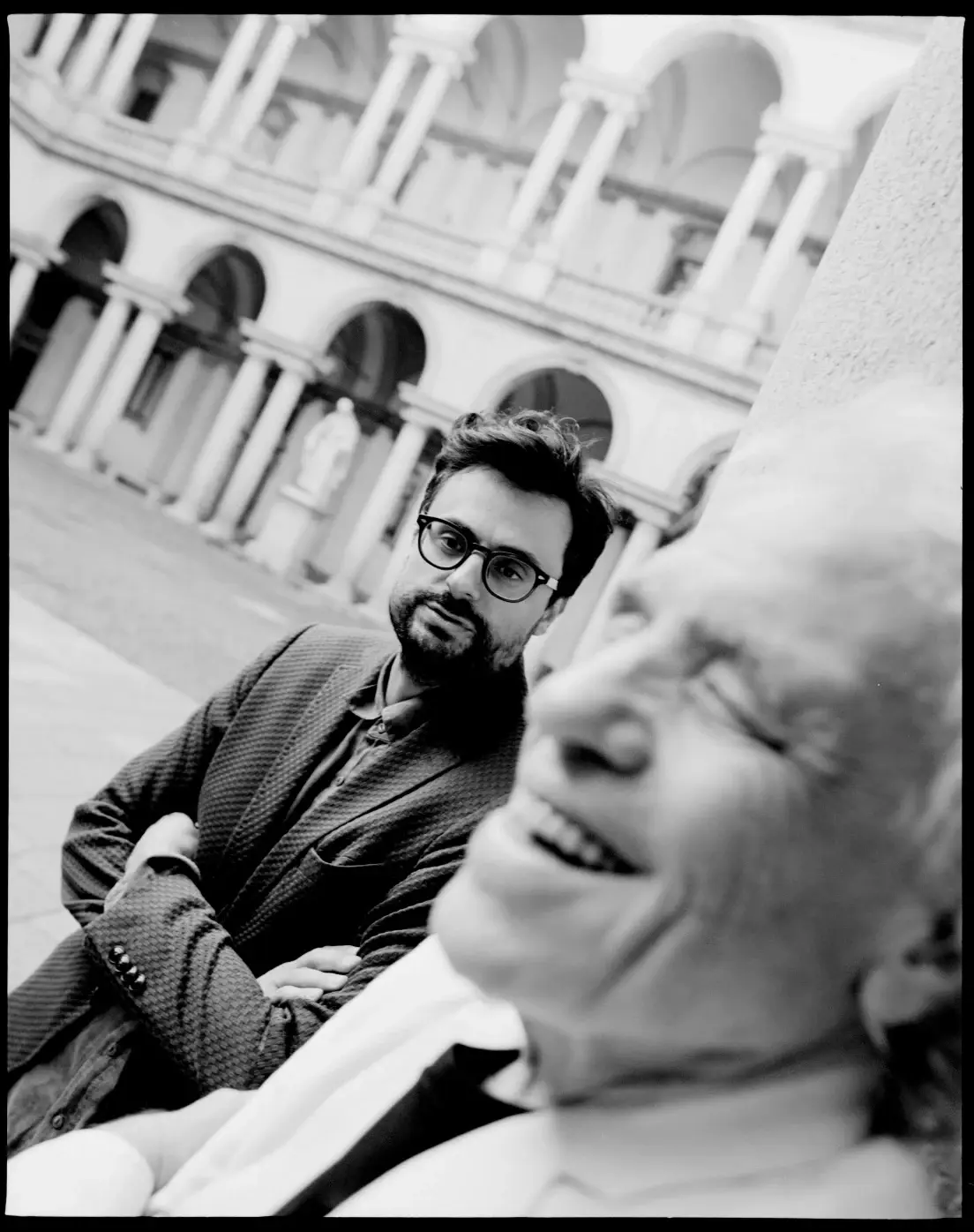
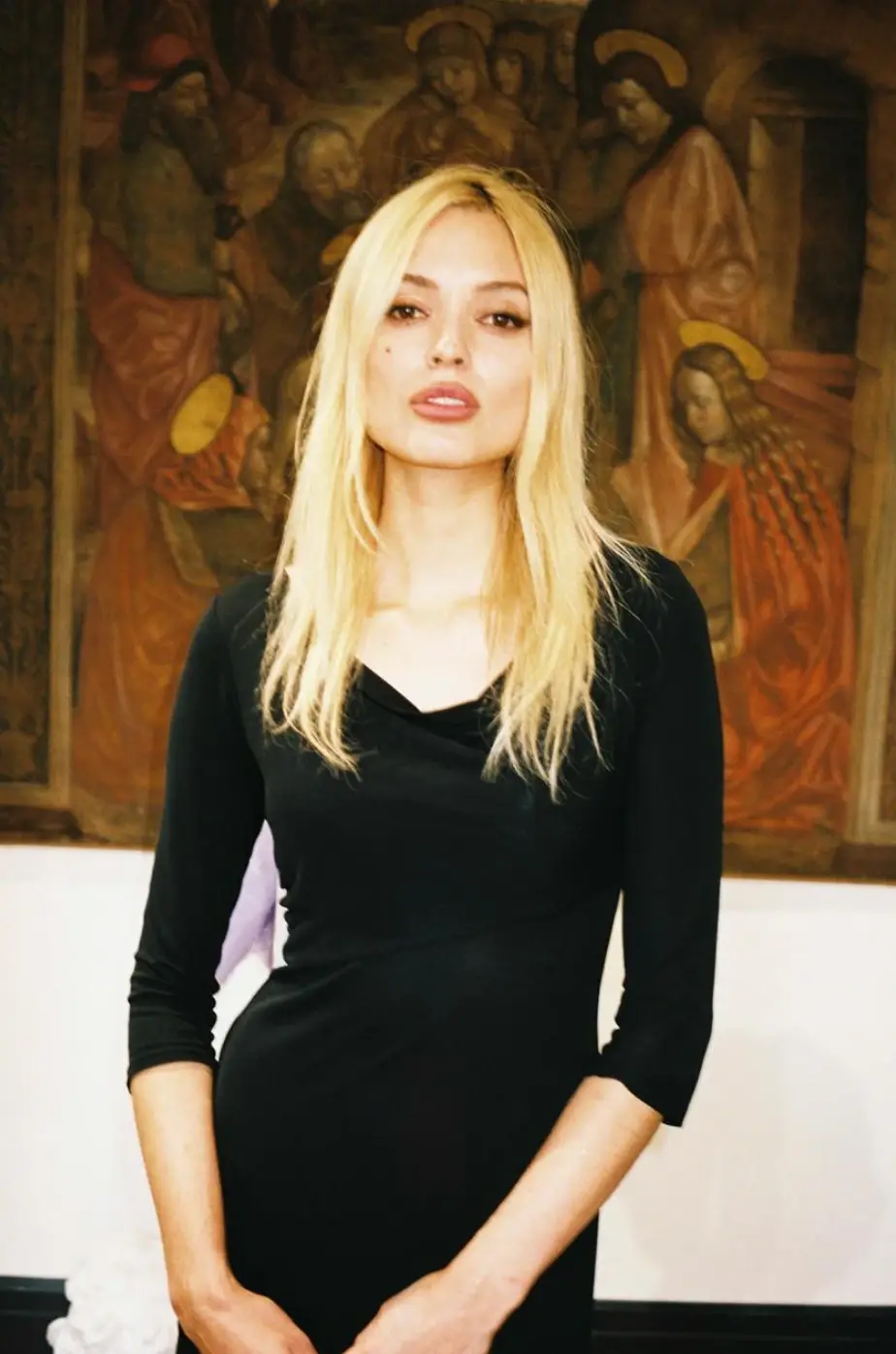
Abel Ferrara likes the poetry of Tinti. Ferrara states, "I love reading Gabriele's poems. His are powerful words." Solange Smith also performs the readings. Smith notes, "Reciting Gabriele Tinti's poems allows me to step briefly into his world and inhabit a perspective beyond my own. It is an incredible privilege to experience, even for a moment, to witness the tension between tragedy and hope that runs through his work. He somehow translates the most difficult human experiences into something deeply recognisable. And the beauty of it is, when I get to recite it, I see his poetry stop belonging only to him and begin to live within the lives of those who heard and read it. To watch that recognition pass from one person to another, is one of the most beautiful things poetry can do."
Tinti provides his own view on the sculpture. Tinti says, "The heaviness of the Boxer's physicality, the wounds, the bleeding, all seem to be contradicted and overcome by that turn of the head. It represents that 'sickness of the infinite' in which we are imprisoned, this fall into the body in which we are trapped, this feeling of not being entirely part of this world, a world that is 'bad' in the Latin sense of captivus, a prisoner of passions. Yet, is not imagination the greatest passion? Is that which distinguishes and elevates us, which heals us, not also our greatest imprisonment? Is not the fruit of that passion what evades the métron, the measure? The sin of hybris? The desire to exceed our limits? An inner longing for the 'beyond' that we cannot help but feel as humans, yet which leads us inevitably to tragedy. I have come to think that imagination, 'fantasies,' as I like to say, is pharmakos in the original sense: both a remedy to escape this world and, at the same time, a poison because it prevents us from living in harmony within it. Are we not anthropos, 'he who looks upward'? Even in how we name ourselves, we define ourselves by a gaze directed elsewhere, by this sickness of the infinite that is the intimate structure of our very existence... our nourishment comes from above (we are 'heavenly plants,' as Plato wrote), from the world of ideas which perhaps are not just an escape, as Nietzsche thought when he called Plato and the Christians 'slanderers of the world' but a tension. The 'poison' of the Idea is what makes us restless. And restlessness is the price of consciousness. And of art."
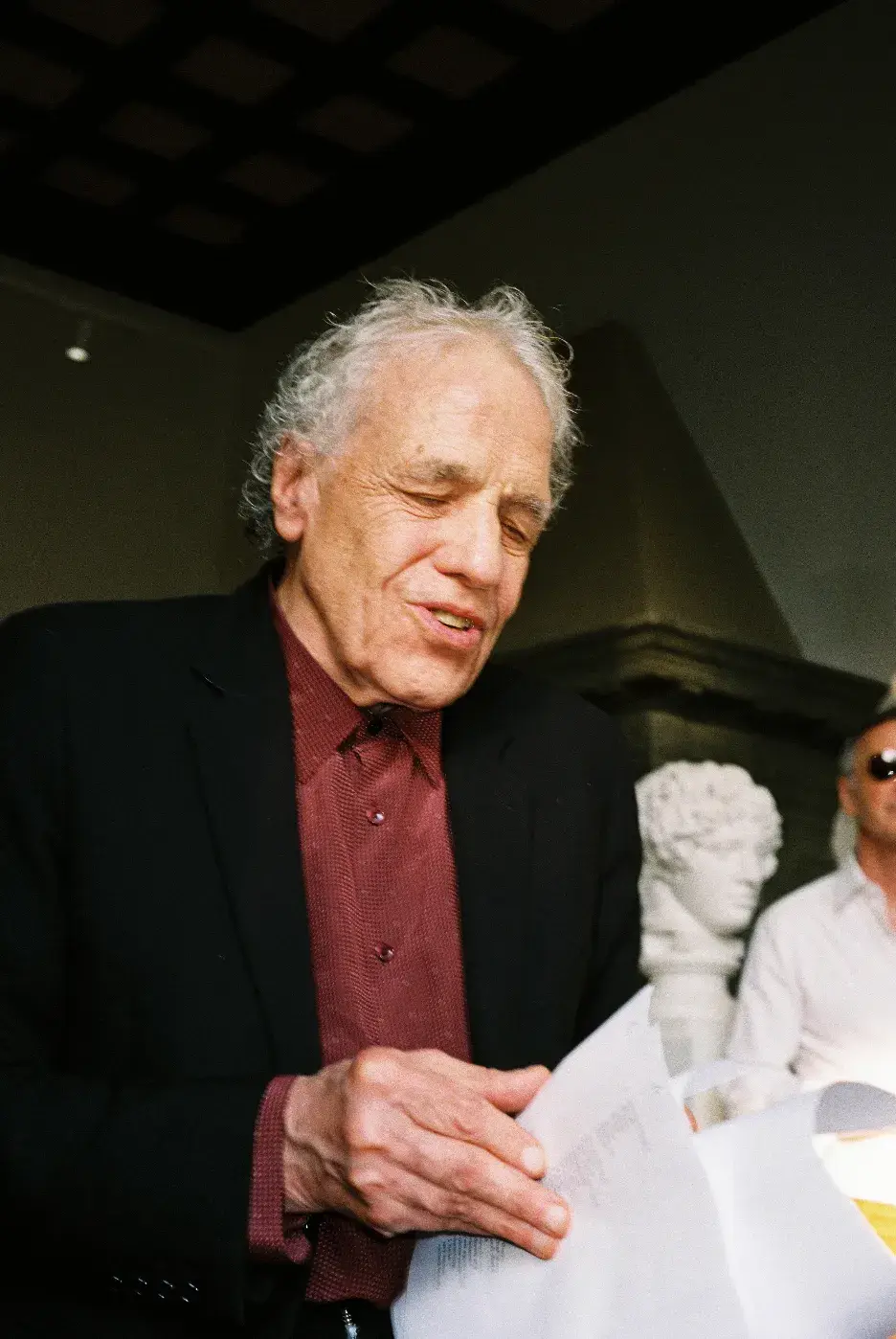
Actors read these verses at many locations across the globe. Michael Imperioli performed at the Queens Museum of Art in 2011. Burt Young read there in 2013. Franco Nero stood before the statue at the National Museum of Palazzo Massimo in 2014. Robert Davi read at the J. Paul Getty Museum in 2015. Alessandro Haber performed in Rome in 2018. Kevin Spacey read the poems at Palazzo Massimo in 2019. This reading became part of a poetic museum audio guide for the National Roman Museum. The FLAG Art Foundation used a line from the book as a title for an exhibition in 2023. Tinti held masterclasses at the University of Cambridge in 2025. Paul Zanker notes that even the strongest among us is a man who is vulnerable and full of fear. This project resurrects the presence and the myth dwelling within the historical pugilists.
Staff
Casawi Magazine: based in Milan, we celebrate youth culture, creativity, and community across fashion, sports, music, art, design & more.
@casawi.magazineShare this article


