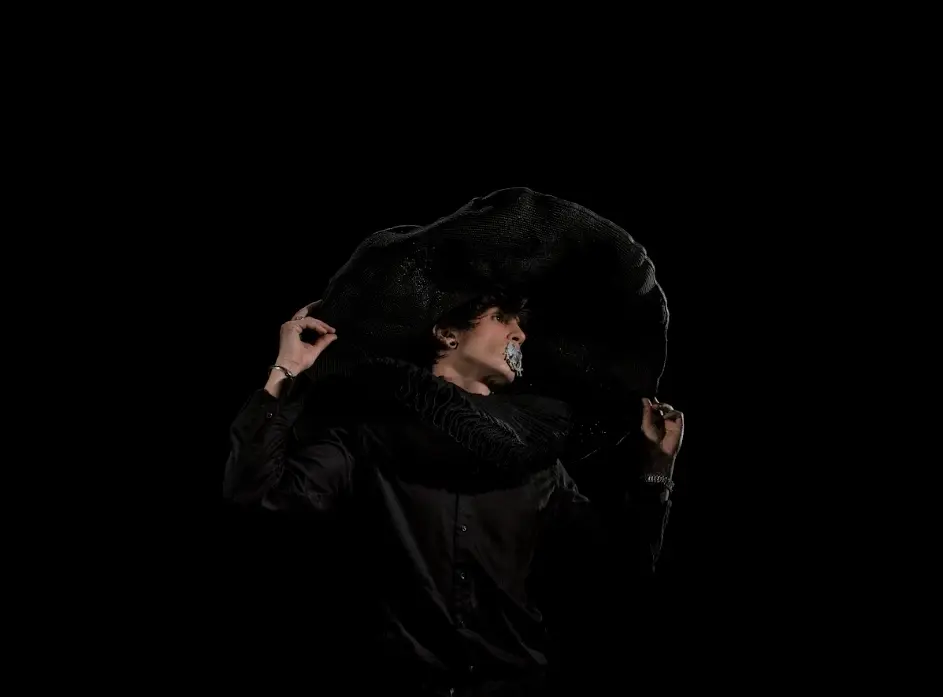
The music industry sees a fresh release this week. Musician Baby Kirua brings forth his new album "Cote d'Azur" on July 3. The artist was born in Paris before subsequently growing up in Rome. These two distinct European cities influenced his artistic vision. He previously performed as a prominent member of the music group Thelonious B. Following his departure from the group, he launched his solo career with the project "1994". The upcoming release features extensive collaborations with Paolo Rotelli and the Tracto Label. The lead single is titled "Musica Haram". The track sets a specific tone for the entire record. The following interview provides direct answers from Kirua regarding his current musical direction alongside his past experiences and his creative process. You will find actionable insights regarding artistic development.
Your new album arrives on July 3. What specific life period does this project describe and what thoughts are inside your mind you were not ready to share during "1994"?
"Cote d'Azur" documents an intense and chaotic period of my life. Historically, I associate the album with meeting Paolo Rotelli, signing with Tracto Label, and traveling extensively to Montecarlo. The title represents a specific mood like flexing your first watch on the wrong wrist or an "enfant riche déprimé". "1994" feels like a different film compared to "Cote d'Azur". I see a completely different color palette in my mind because these projects describe different things entirely. I avoid comparing them directly since they function like works from two different artistic movements by the same creator.
Do you feel you found the true meaning of Kirua alone after leaving Thelonious B and finishing your first solo record?
Baby Kirua is never alone. I understand this fact clearly now. Debuting as a solo artist after working in a group presented significant challenges since I always moved with a collective. I feel I am finding my personal pocket now. Baby Kirua would not exist without the dedicated individuals who accompanied me over the last year. Their support proved essential for my growth.
You mentioned in a recent conversation how Brown made you realize you are an artist. What specific qualities did he see in you before you saw the same traits?
I am still trying to understand the situation fully. The core issue lies right there. Other people decide these titles instead of me. I would never call myself an artist directly. A friend will play my song for you. You make the final judgment regarding the art.
How much presence does Brown hold in your approach to making music when you work alone in the studio? Does he serve as a brother, a mirror, a creative reference, or all these things combined?
Brown represents an essential reference figure. I look for him first the moment I lock in a new track. He makes me see the songs and he helps me hear the images. Our collaboration improves the final product significantly.
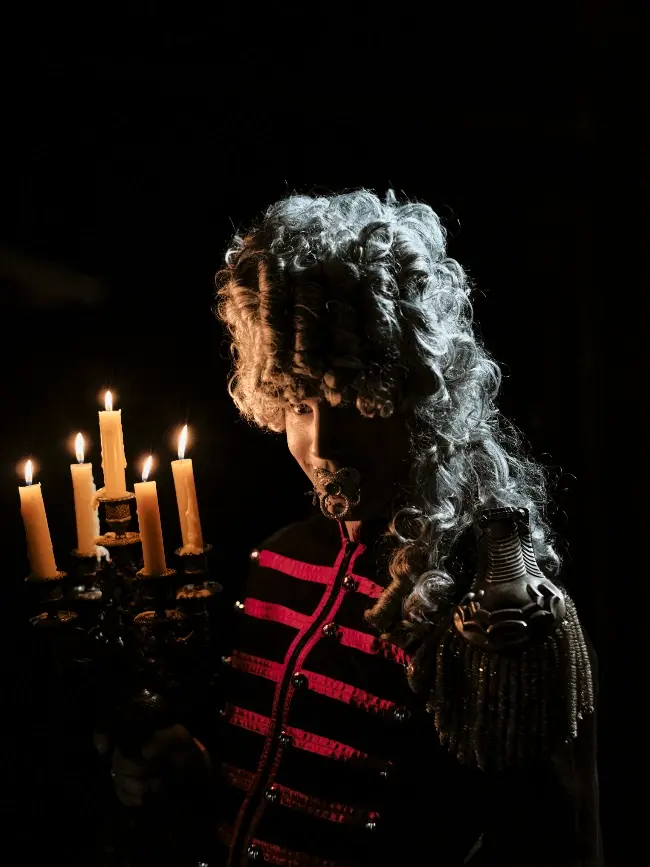
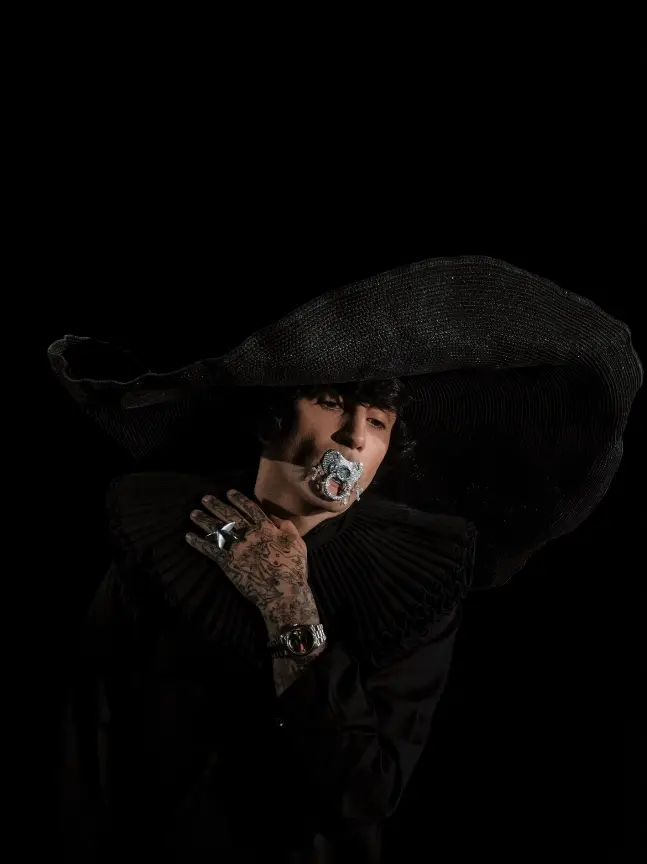


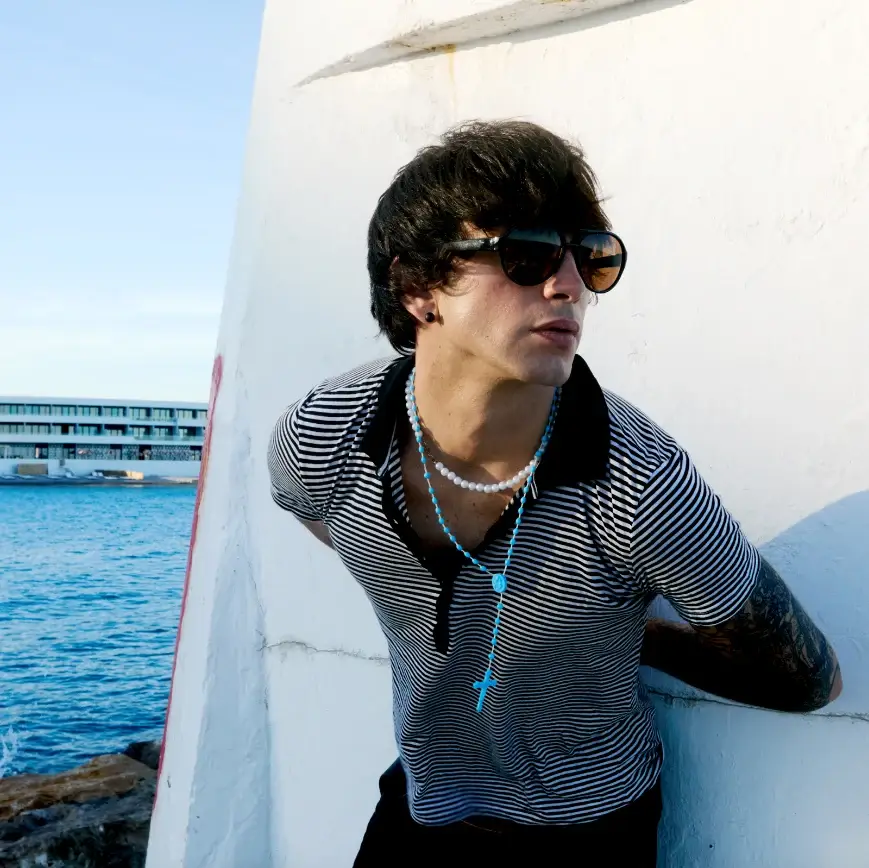
You were born in Paris and grew up in Rome. What remains of France inside your identity and does France act as a memory or a visual imagery returning consistently in your music?
I spent more time in France than in Italy over the past year while my daily life split evenly between Paris and Montecarlo. France represents my exact second half. I never learned French. I always knew the language naturally. For the first time, I wrote and decided to publish two original songs in French. One of these tracks ranks among my absolute favorites while also inspiring the official album title.
Your artistic world often holds different things together simultaneously like arrogance, irony, brotherhood, and gritty sonics. Did you try to organize all this in the new album or do you prefer leaving your thoughts free and loose?
I have an instinctive writing style. The recording process becomes chaotic sometimes. My lyrics flow as a constant stream of consciousness. I never stress over my writing. If I overthink my words, I sense a fundamental problem. I like creating art without forcing the process. I work without strict control.
"Musica Haram" serves as the first taste of the record. Why did you choose this specific track to open this new phase and what core message did you want listeners to understand immediately upon hitting play?
This is not Trap music. This represents forbidden music. We make art for sinners. We speak directly to people who accept reality for exactly what exists today. We accept the good and we also embrace the bad aspects of life. The track provides an excellent way to introduce my project to you. You get the raw truth immediately.
Lorenzo de' Nobili
Music Editor
Lorenzo de’ Nobili is a sound designer and composer driven by a deep passion for urban culture and its evolving aesthetics. His work explores the intersection of music, fashion and sport, blending contemporary sounds with strong visual identities. Alongside his research in urban culture, he collaborates with contemporary dance artists, creating immersive sonic experiences that connect movement, space and emotion.
@sereno________________________Share this article
RELATED

AUDIO OBSCURA ADE 2026 AT G-STAR RAWFACTORY


OASIS ANNOUNCE TWO ROME CONCERTS FOR 2027

VOODOO VILLAGE: ARTISTS ON WELLNESS

SELVA OPENS IN A HISTORIC MASSERIA IN SICILY
