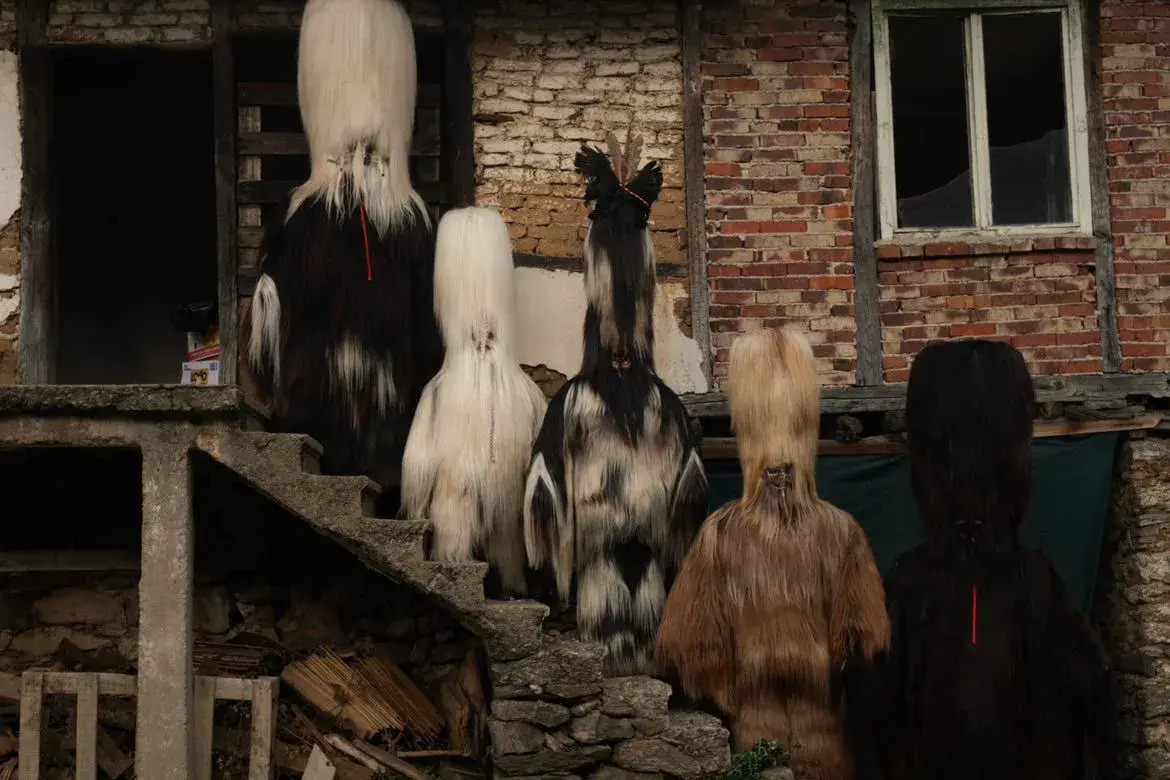
We first encountered Kukeri through the experience of artist and photographer Prisca Hartmann Gulienetti, who reached the ritual by following instinct rather than an assignment, driving through rural Bulgaria in winter, chasing sound from afar, and fragments of information instead of clear planning and schedules.
Her journey began before sunrise, leaving Sofia, Bulgaria, and moving toward mountain villages where Kukeri still exist outside curated festivals. Bells arrive first. The sound travels through valleys, rebounds off stone walls, and confuses direction. You follow it anyway. Sometimes it leads to empty land. Sometimes it reveals figures emerging slowly from the cold.
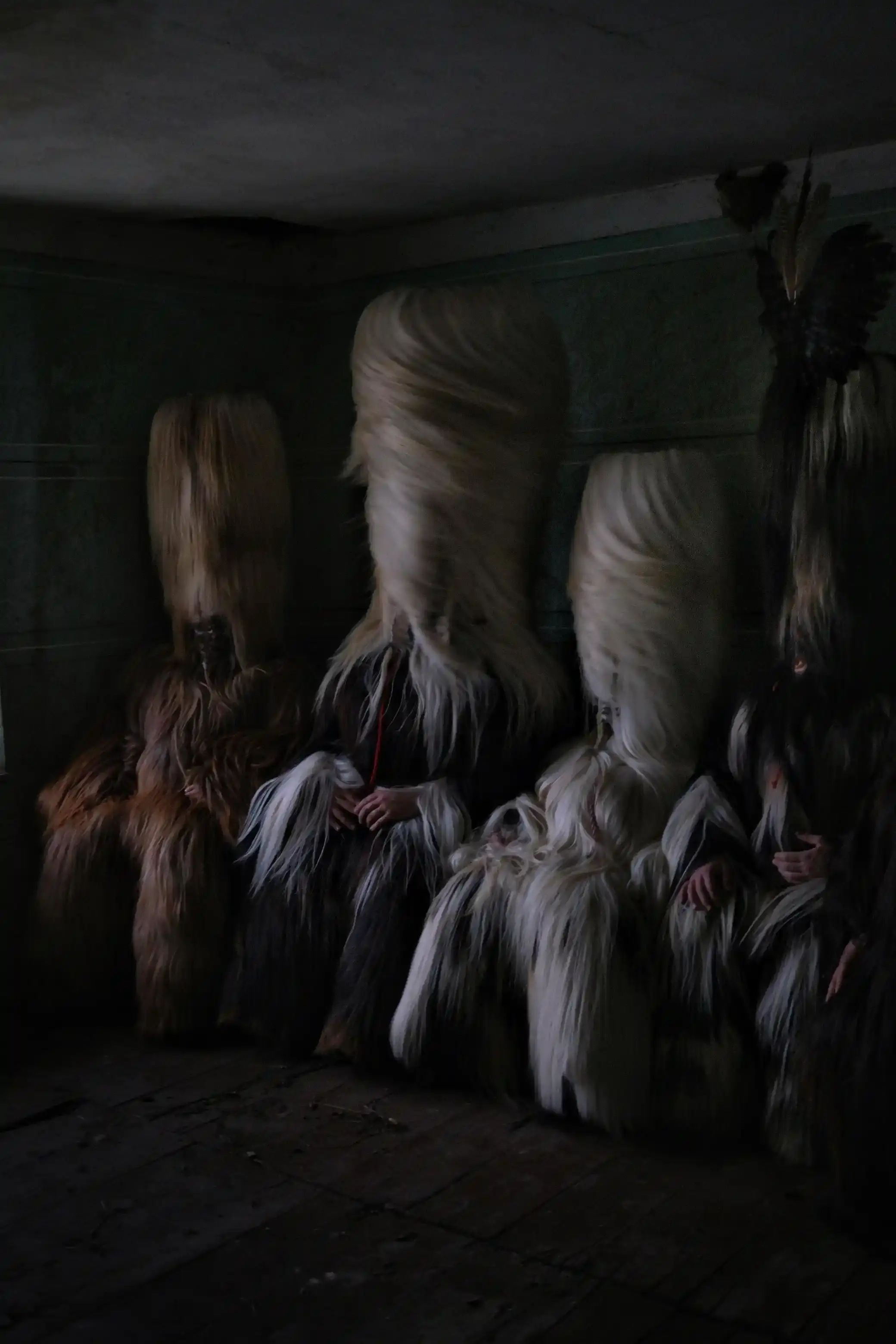
What stayed with her was not spectacle, but effort. Kukeri costumes are not objects pulled out once a year. They are built over time. Goat hair is grown deliberately. Animals are kept alive longer because length defines value. A single Kukeri costume can take up to seven years to complete and reach prices of thousand euros. This is not luxury. This is inheritance, labor, and patience turned into ritual.
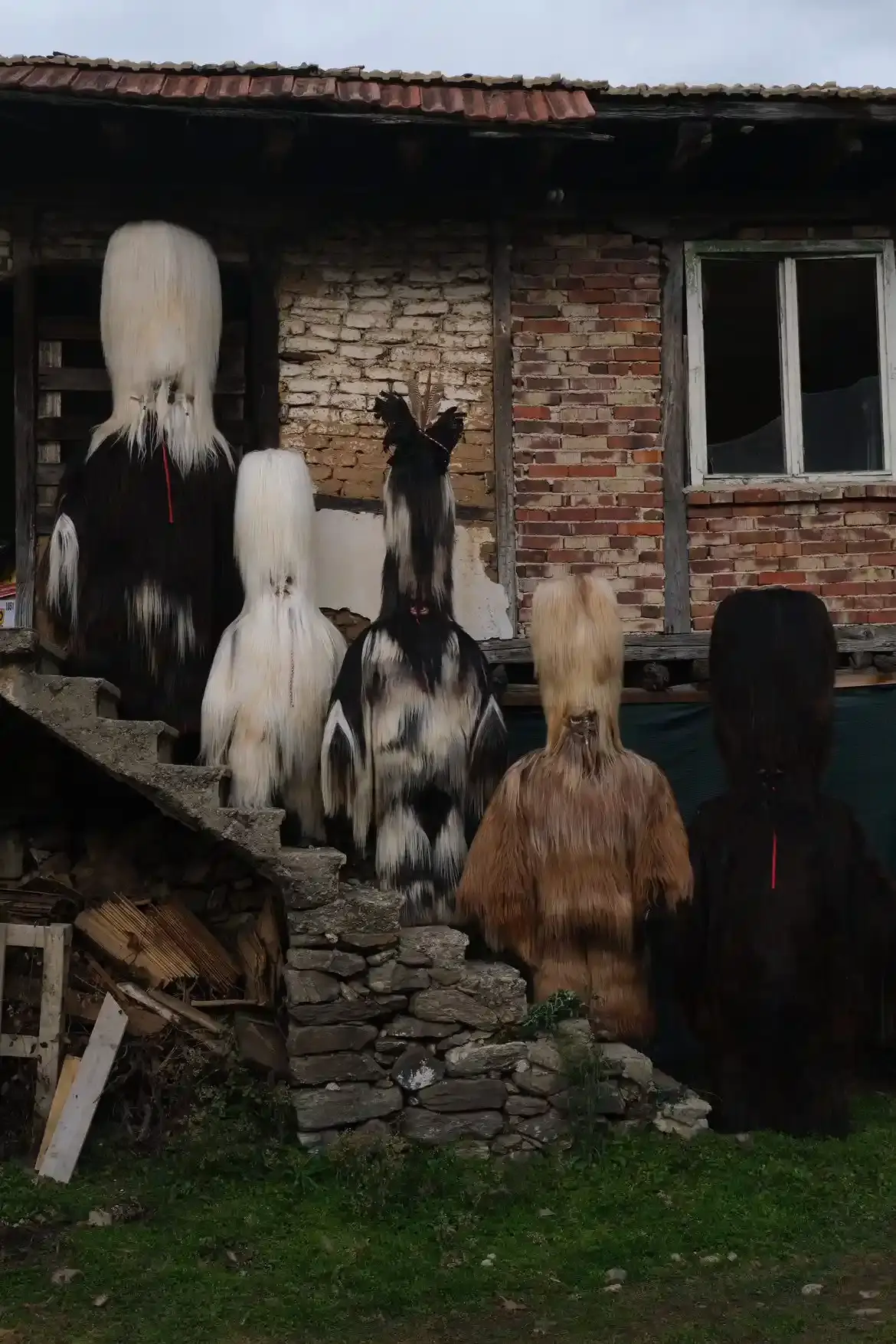
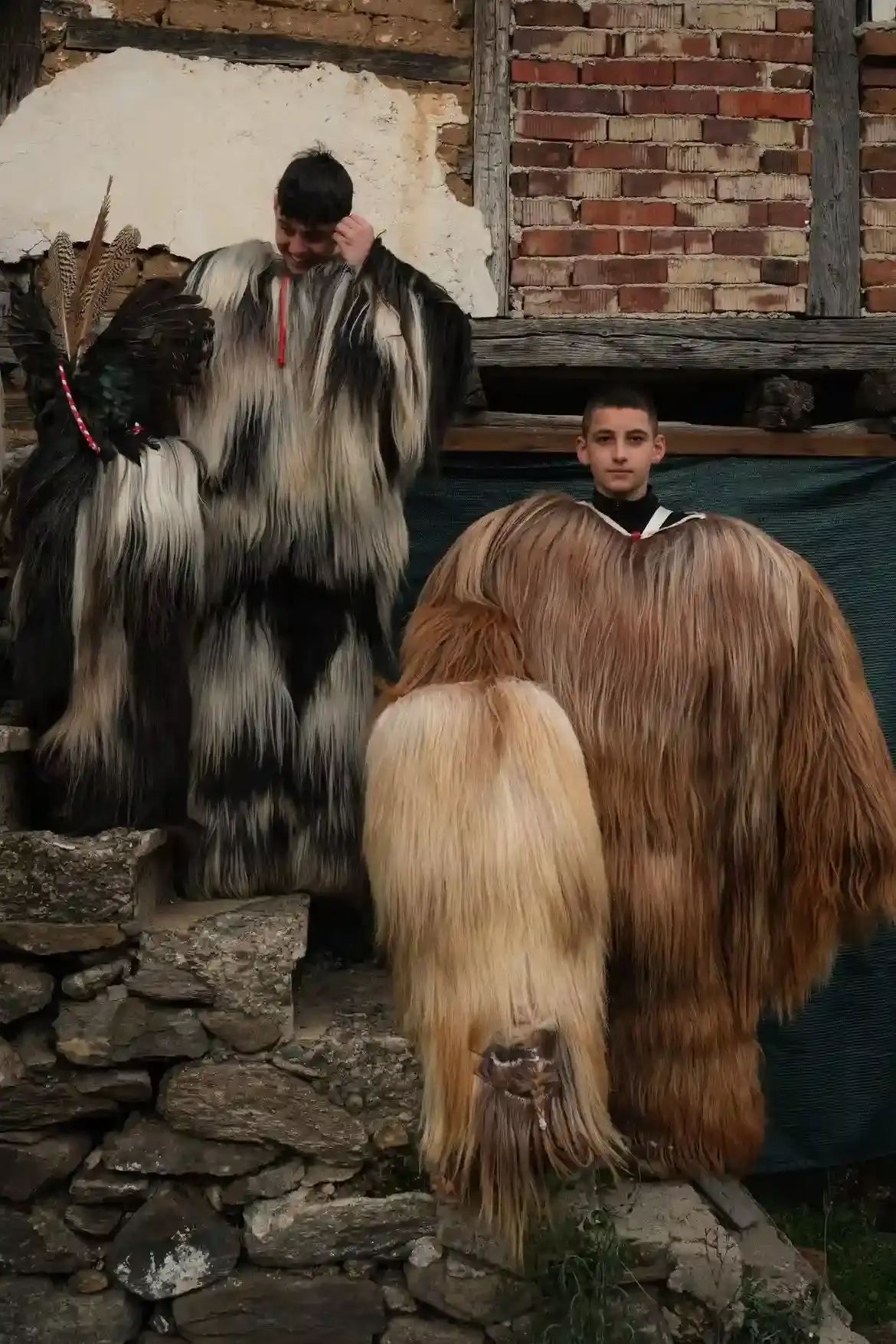
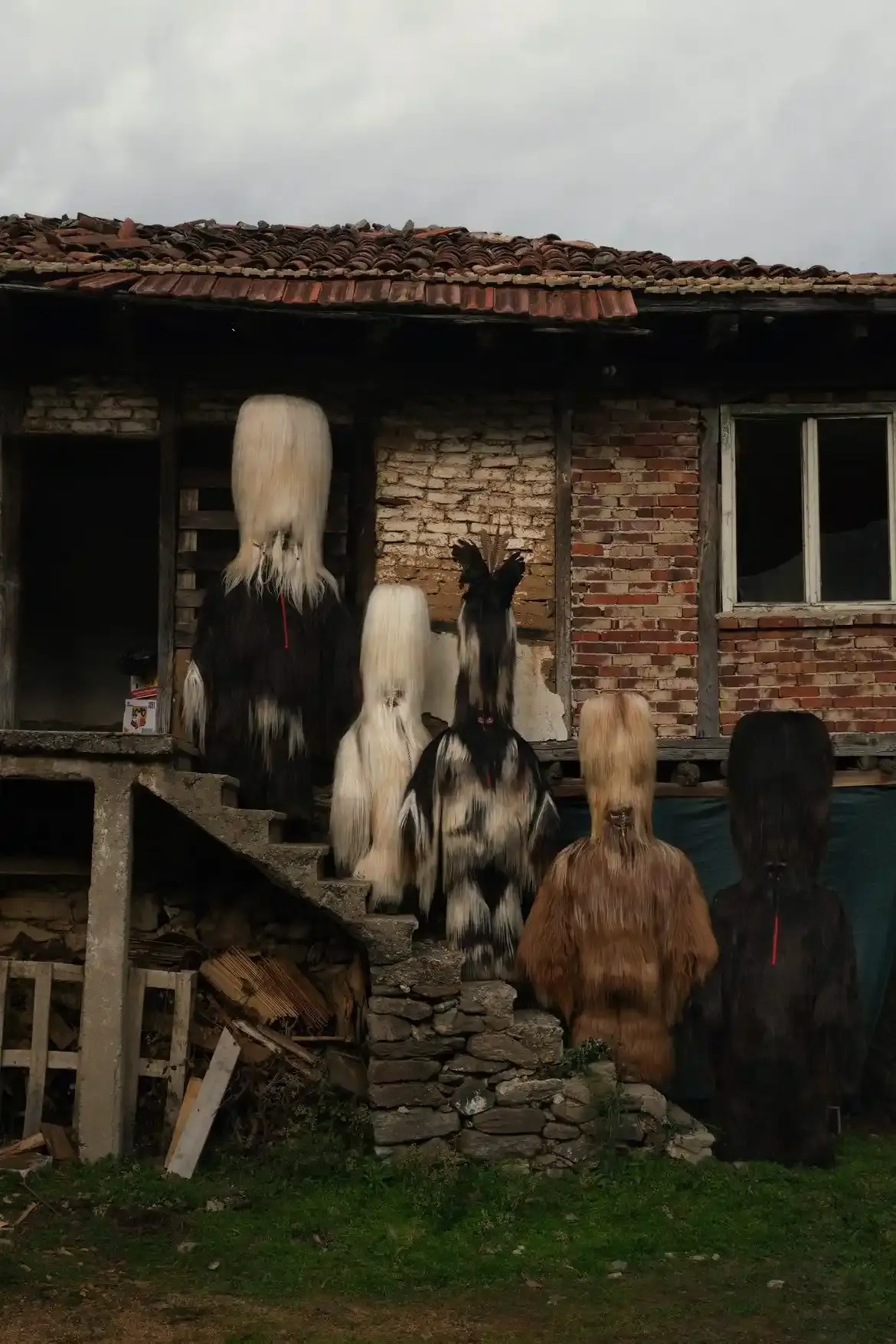
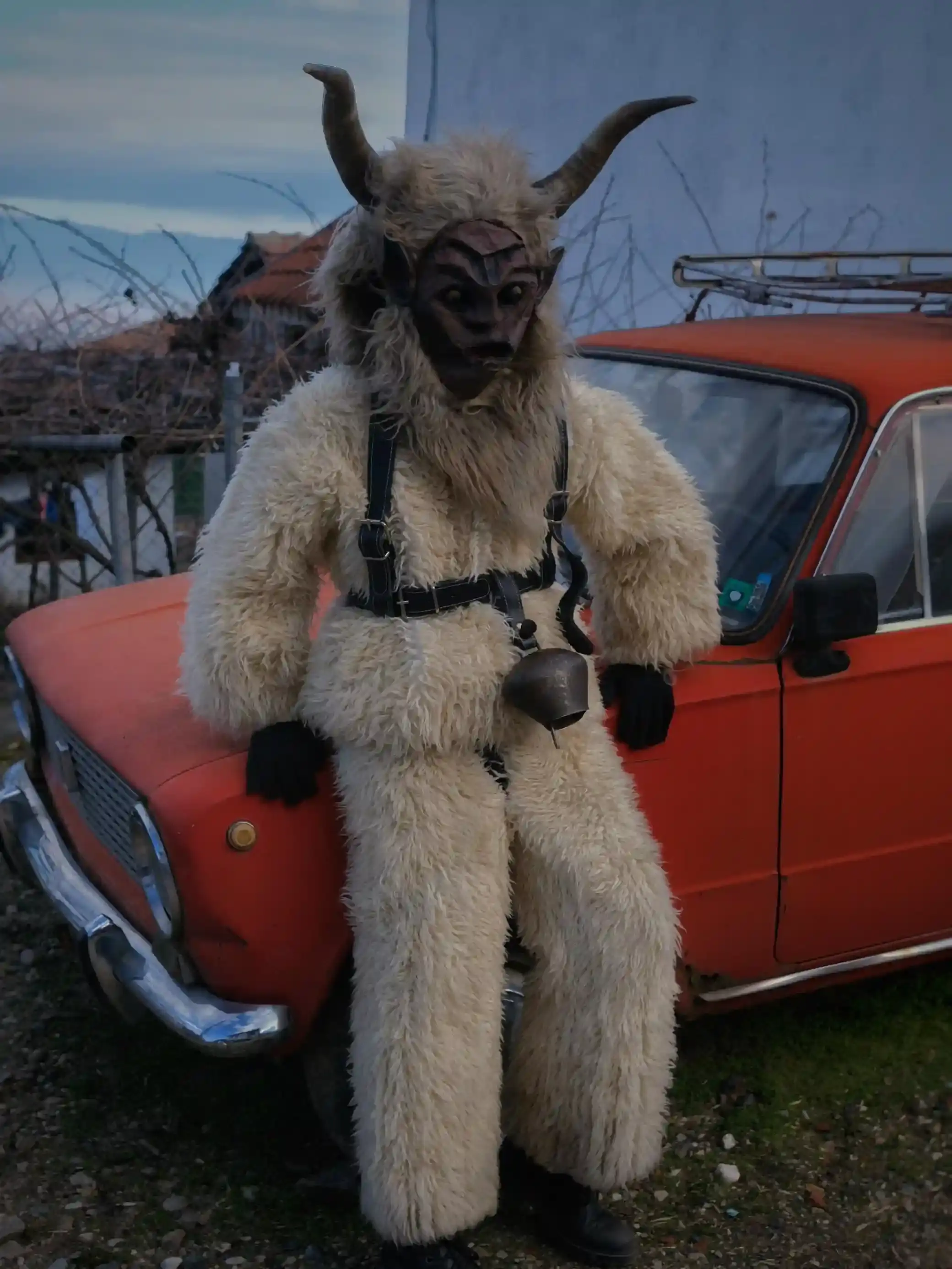
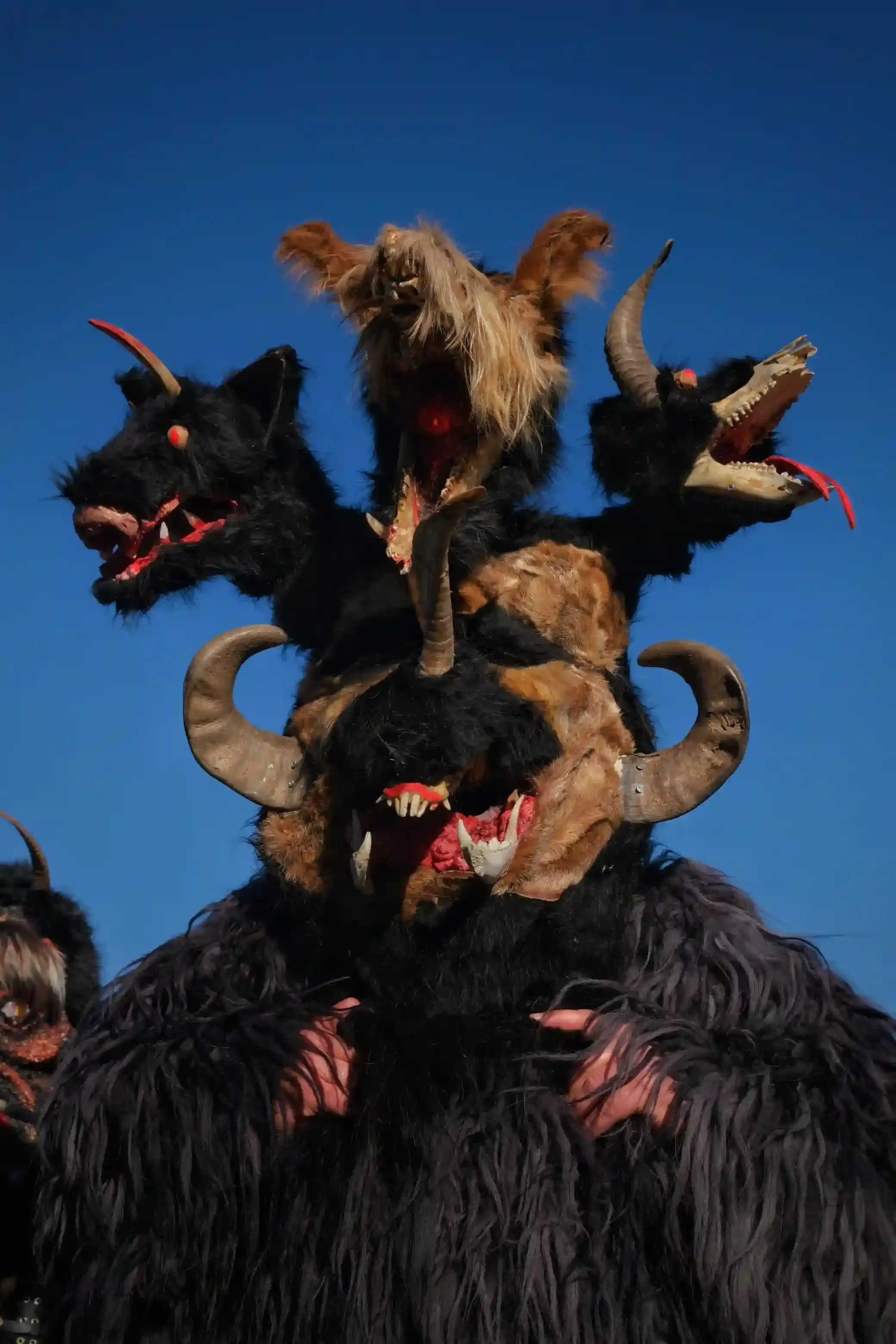
Each village follows its own logic. Some rely on long mountain goat hair. Others use materials from hunting, like fox fur, bird feathers, and horns. Masks differ in size, weight, and mood because these traditions grew separately, without shared rules. The intention remains the same: chase away evil and protect the land.
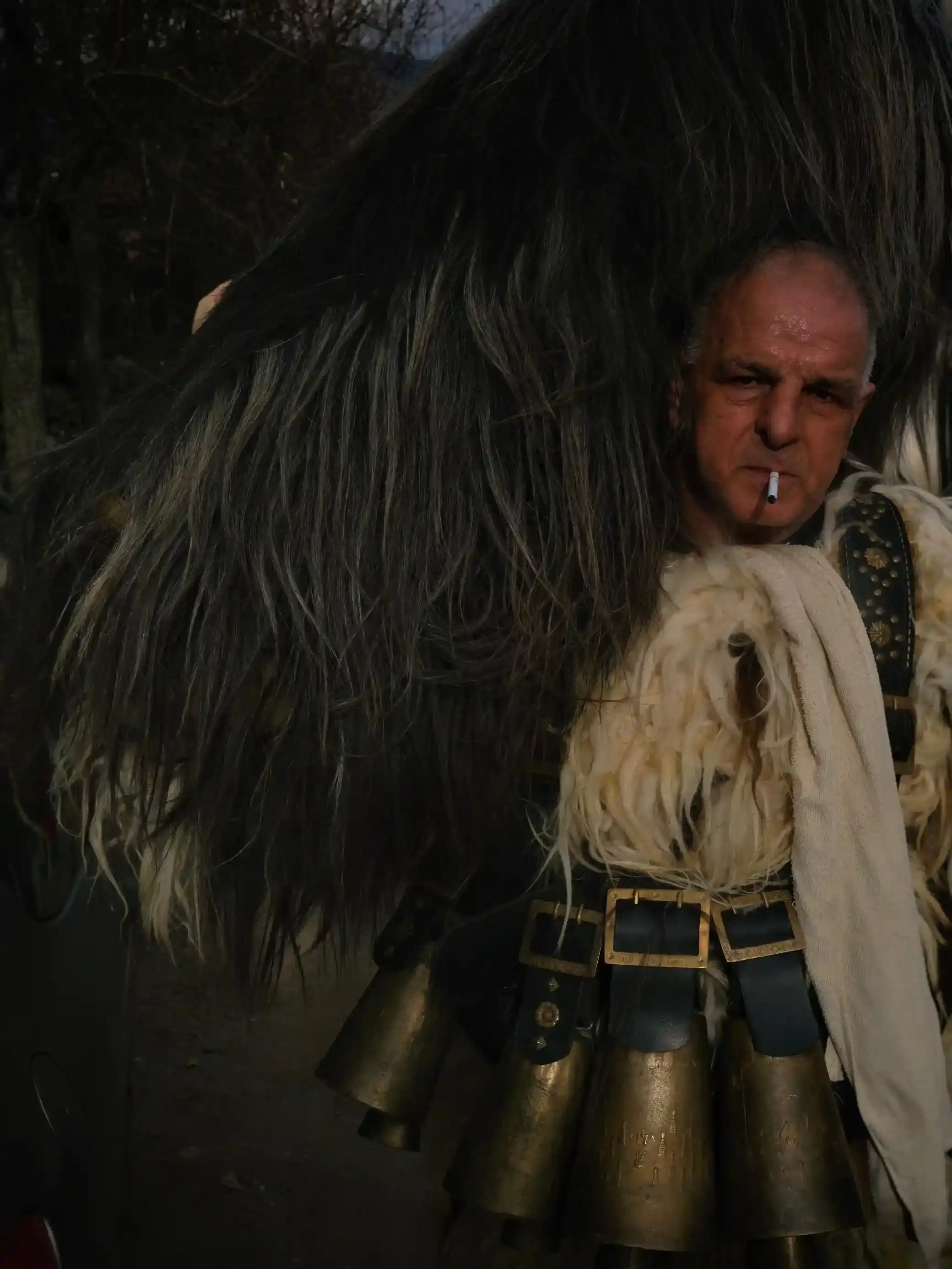
During the day, Kukeri move from house to house. They knock. They pull people outside. They shake bells close enough to vibrate your chest. Costumes can weigh up to 80–100 kilograms and reach heights of up to four meters. Vision is limited. Movement depends on others guiding them. At the end of the walk, it often takes two or three people to remove the mask and upper structure. What looks frightening requires care to survive the ritual.
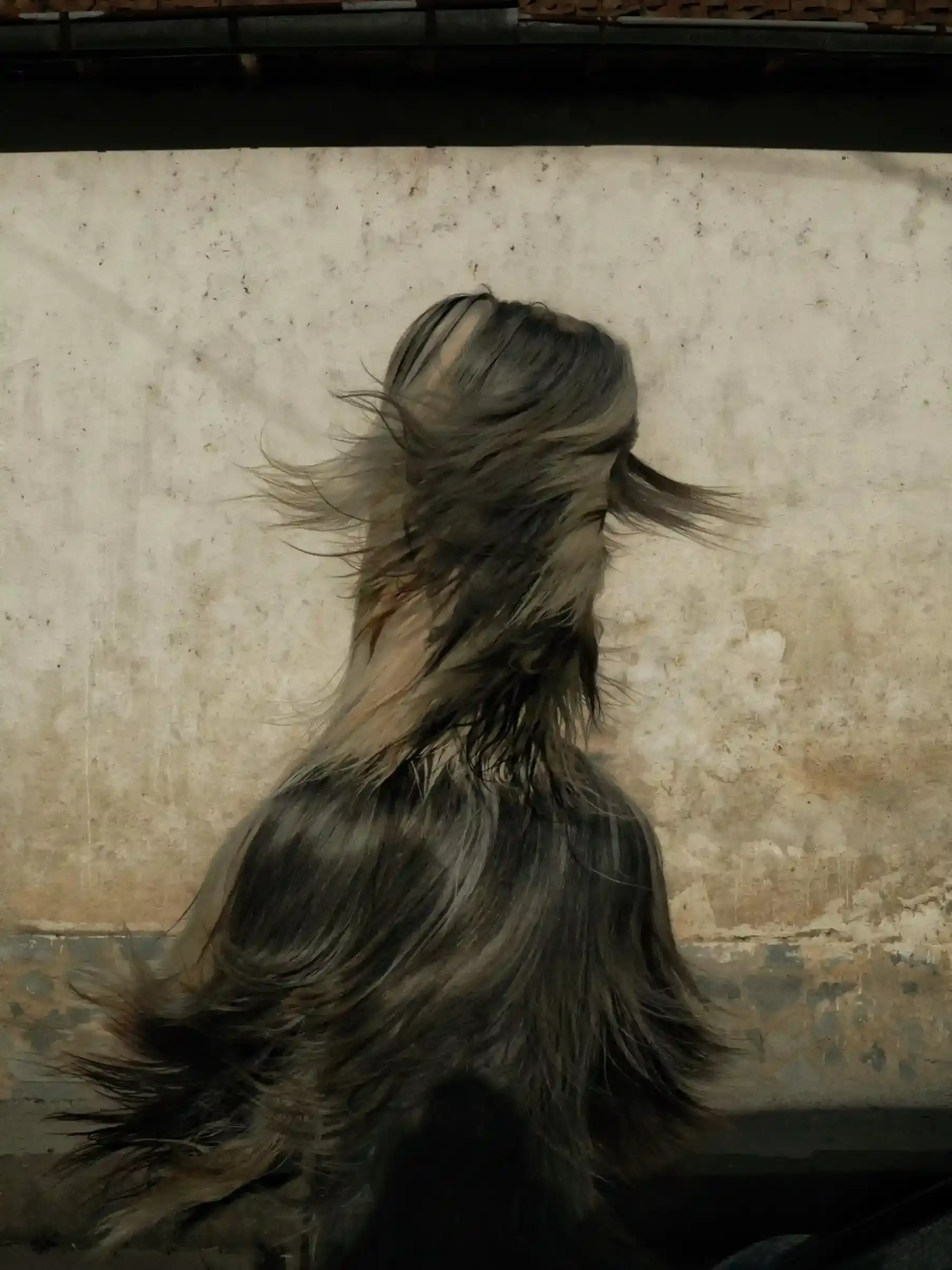
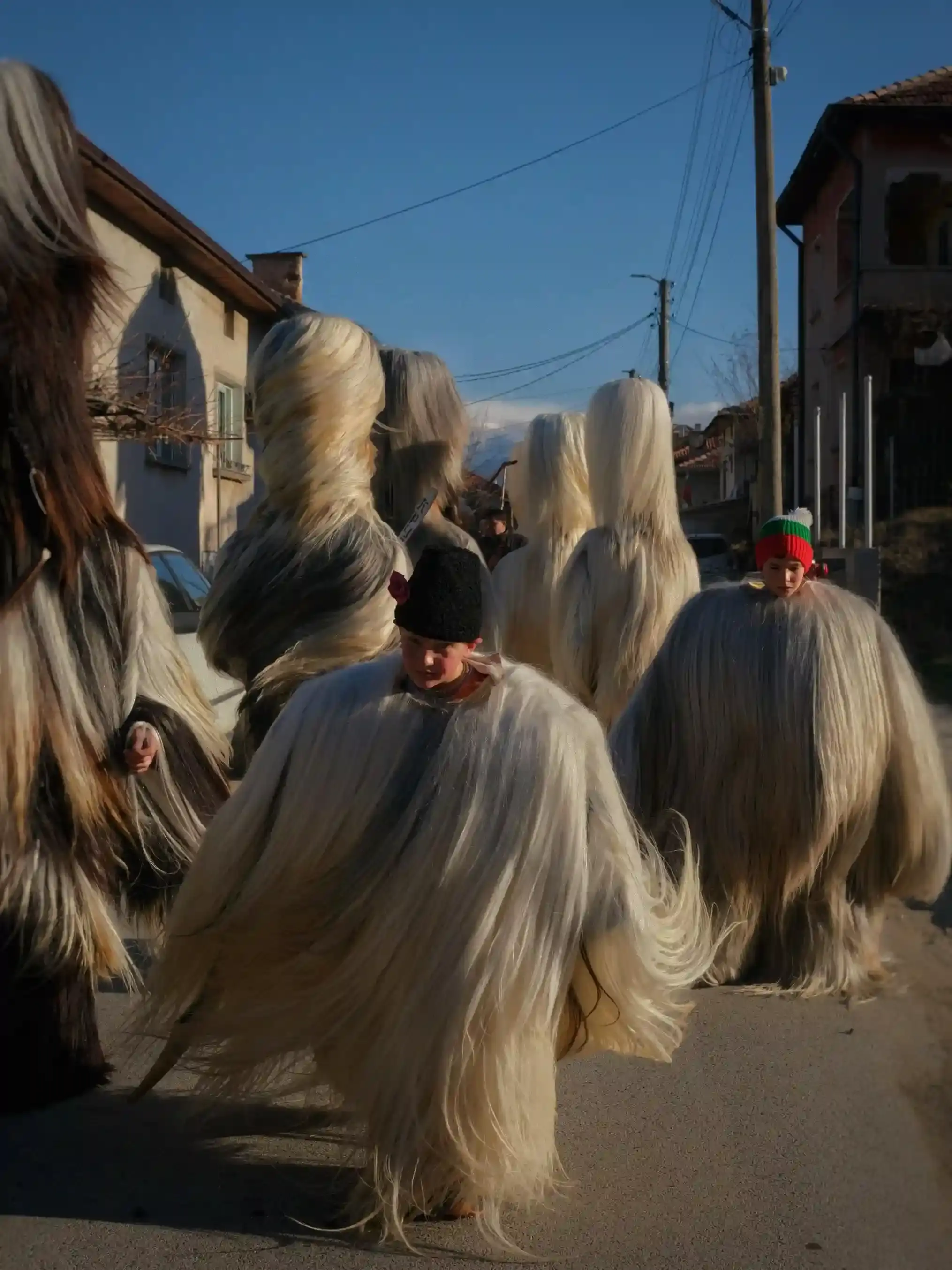
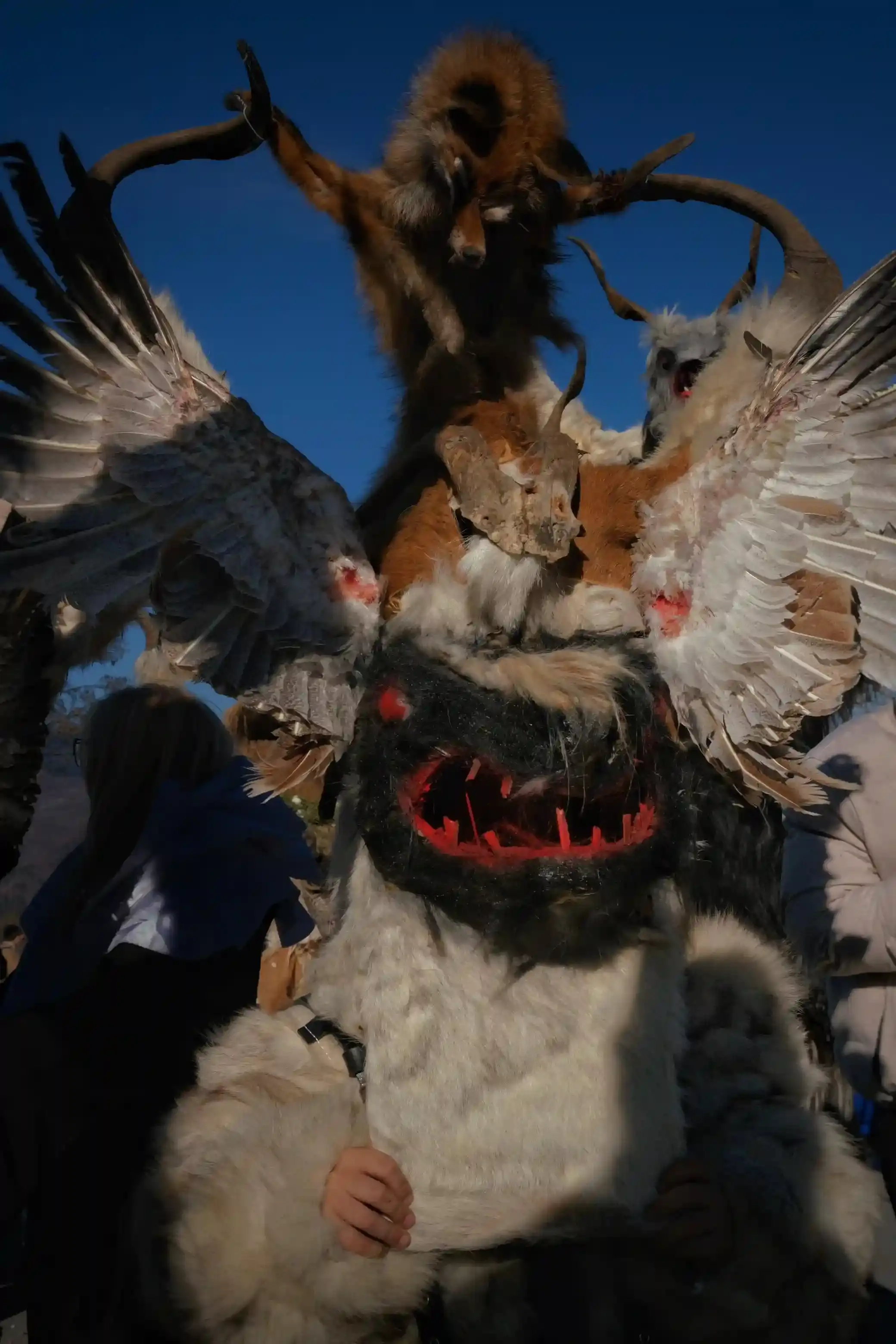
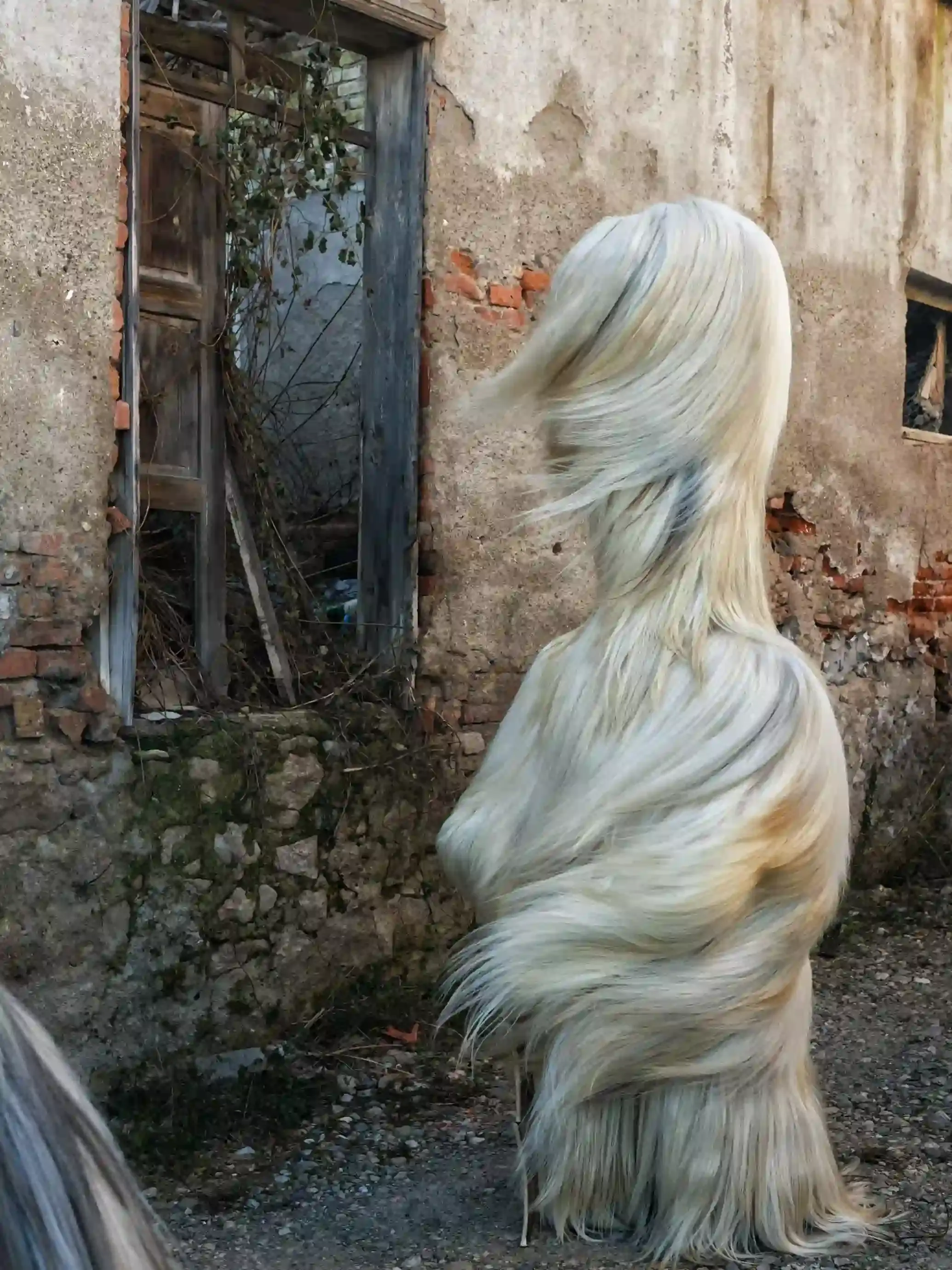
The day closes in the village square. One collective dance. Fire, food, exhaustion. In some villages, parts of the costumes are burned once the ritual ends. This is not waste. It closes a cycle, as objects are not meant to last beyond their purpose.
One moment Prisca returns to is when the masks come off. Beneath the fur and horns are not only past generations, but now also children and teenagers, and women as well. Innocent faces. Shy smiles. The contrast is immediate. Fear disappears. The ritual depends on this shift. It is never hidden.
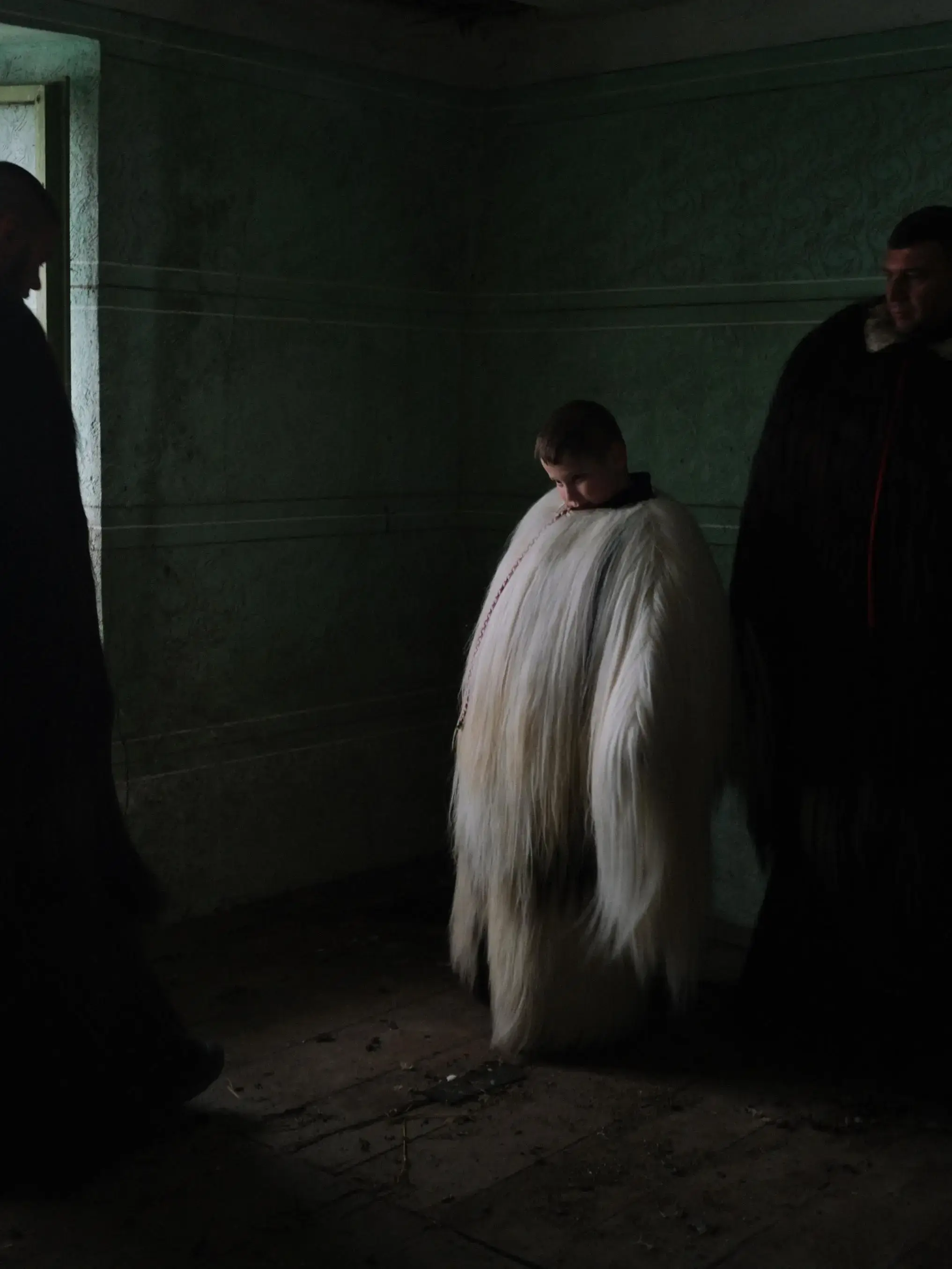
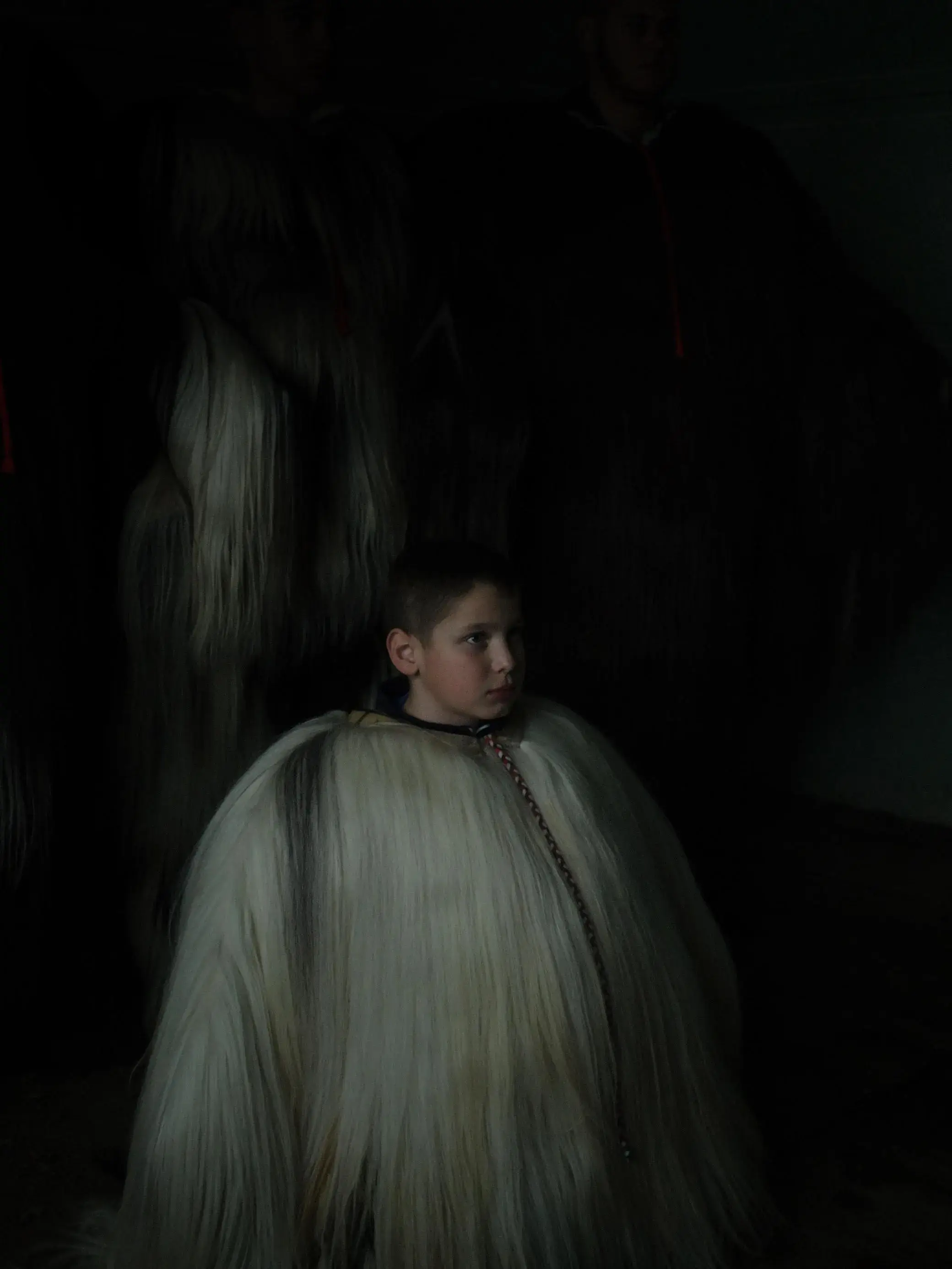
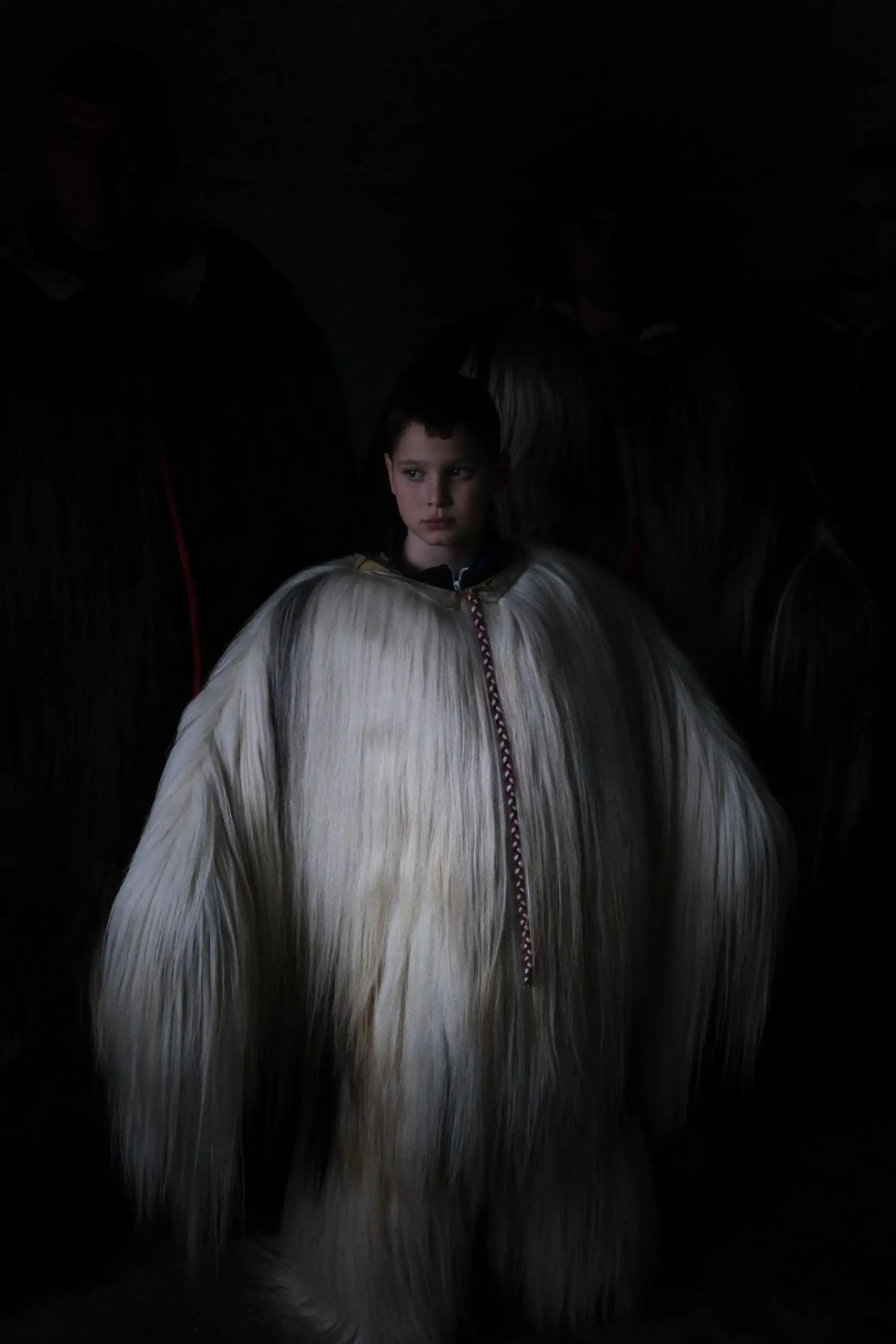
Her photographs exist because of trust. Many would not be possible without the work of renowned photographer Ivo Danchev, who spent years building relationships and opening doors in places where outsiders usually remain unseen. No staging. No posing. Only presence
Prisca Hartmann Gulienetti’s work reflects this process. No spectacle. No romantic distance. Only cold mornings, long waits, and the understanding that some traditions reveal themselves slowly, if you accept getting lost first.
IG @magicaprisca
Share this article
RELATED

PATAGONIA RELEASES BAMB'AMAZA SURFING DOCUMENTARY


APPLE OPENS MUSIC VENUE AT BATTERSEA


THERE'S A WOMAN IN YOUR RADIATOR
