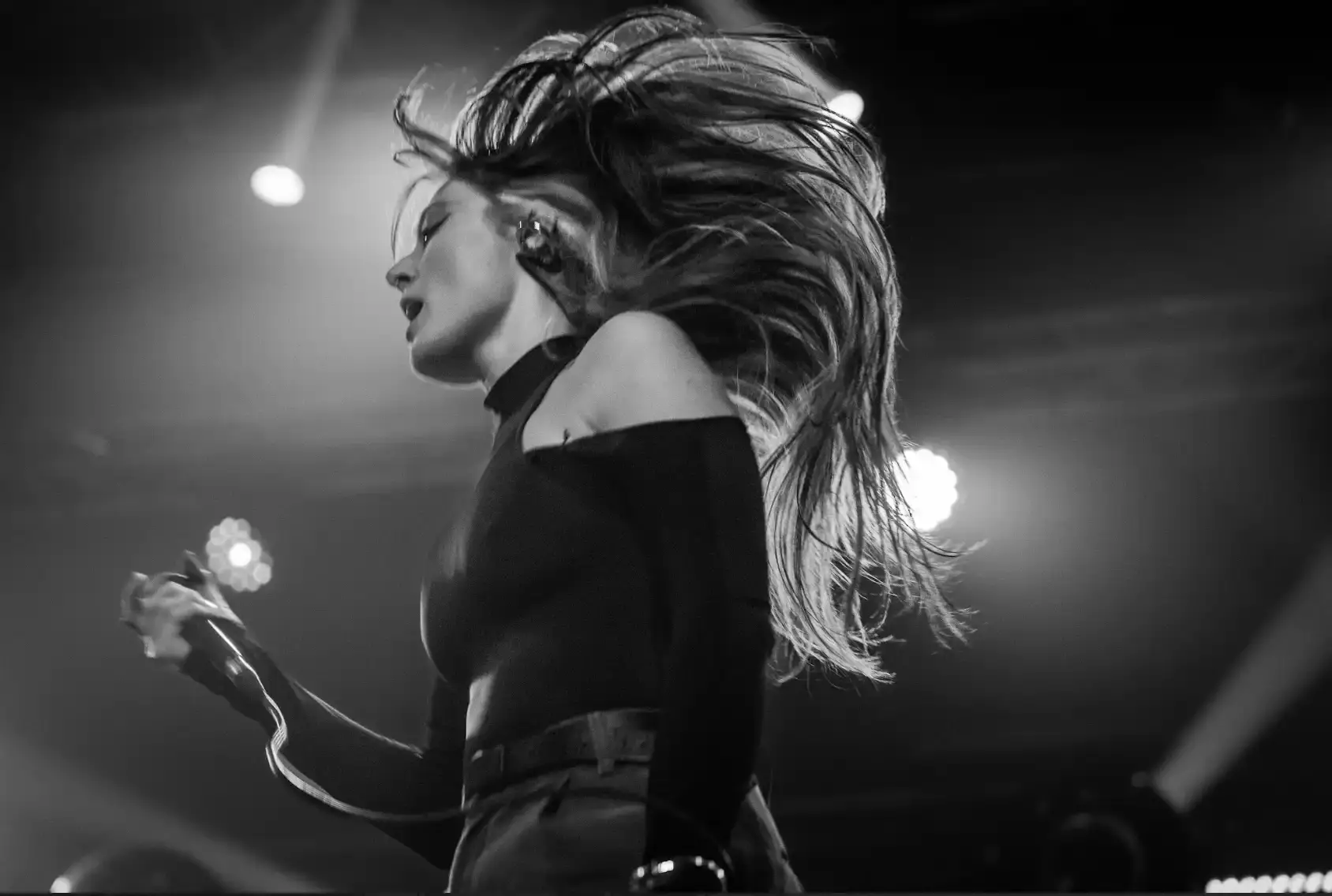
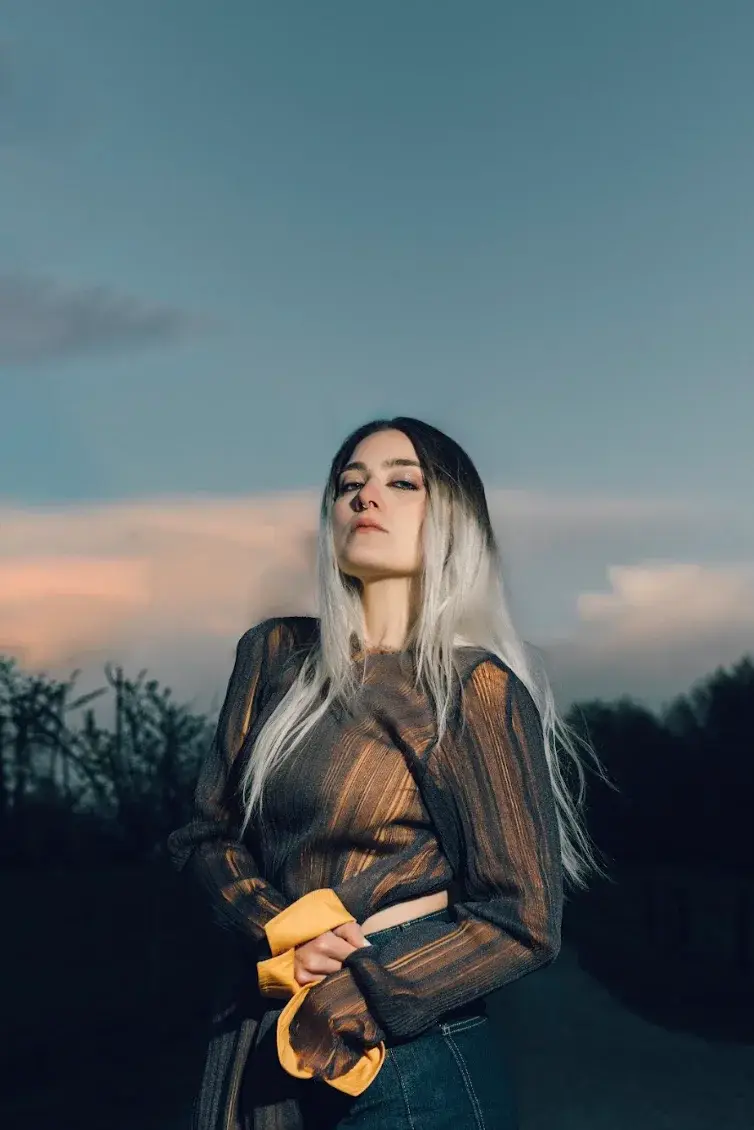
Some artists build around genre. Others build around mood. Le Nora works through tension. Her music moves between softness and impact, organic textures and electronic structures, intimacy and release.
The project started after years spent in London studying contemporary performance and working as a songwriter and performer. Today, Le Nora exists as a solo project rooted in her native language and shaped through production as much as writing.
Her recent and upcoming releases follow this direction. Tracks pull from trip hop, UK garage, hip hop, and Italian folk traditions without settling into one category. Instead of treating references as separate worlds, she lets them collide.
We spoke with Le Nora about identity, continuity, and building music through instinct rather than formula.
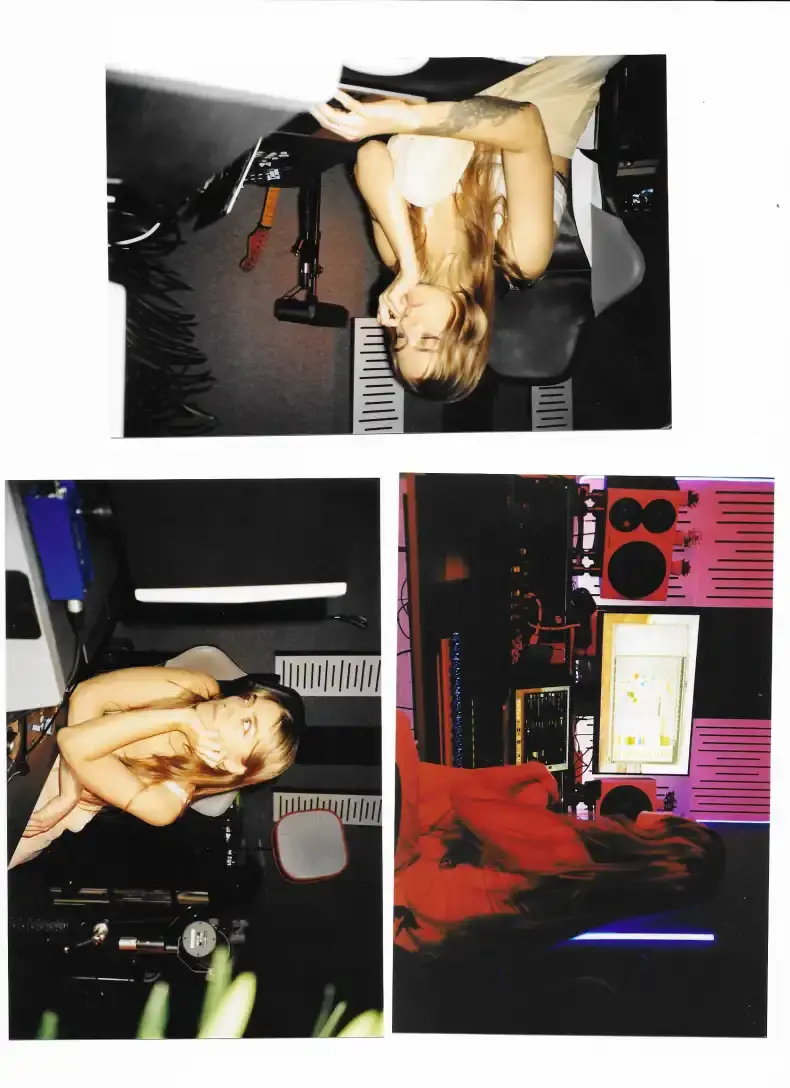
For those discovering you now, how would you define Le Nora as a project today, both in sound and in intention?
If you’re new to my musical space, first of all, welcome in and please make yourself comfortable… but not too much.
Le Nora is a radical choice I made toward my freedom of expression. I’m trying to create work that feels genuine and unapologetic.
My intention with this music is to hold two energies together. I want the songwriting to feel soft and intimate, but I also want the production to release physical tension through movement and excitement.
Your music moves between songwriting and electronic production, with influences from hip hop to more traditional references. How do you approach blending these elements without losing direction?
Sometimes the strangest musical reference opens the most interesting creative direction. That’s why it’s difficult for me to define my influences through one genre.
When I think about artists like Daniela Lalita, FKA Twigs, SAULT, or Sudan Archives, what connects them is depth and movement. That’s what I search for too.
I’ve asked myself many times how all my music still feels connected despite the different influences. I think the answer sits in my voice and in the way my production taste keeps evolving.
“Fiori d’arancio” draws from an Umbrian folk chant while moving through trip hop and UK garage influences. How do you approach mixing traditional references with electronic production without losing the original meaning?
“Fiori d’arancio” gave me space to grow. Reconnecting with my roots felt like opening a new portal.
I was born in Umbria, and during my teenage years I spent most of my time dreaming about leaving. Then, after travelling and experimenting, I found these old lyrics waiting for me in a different way.
A chant has something unavoidable about it. It stays with you.
When I work with these references, I follow instinct more than rules. If the music moves me emotionally, then I know the chant still holds its power.
Across your recent and future work there’s a sense of narrative unfolding over time. How do you think about continuity between tracks, and what role do sound and visuals play in building that story?
Continuity is a beautiful word. It almost feels connected to the idea of controlling time.
When I start building a song, an EP, or a performance, I don’t focus too much on forcing connections between the different parts. Usually those links appear naturally afterward.
The visuals shift depending on the project, but they always need to expand the narrative of the music from another angle.
I focus a lot on atmosphere. I already know which tones, materials, and symbols I want the listener to feel around the music. Earth tones, high contrast, stone, water, circles. Those references help hold everything together.
Le Nora’s work reflects a broader shift happening across contemporary music. Genre matters less than emotional direction. Artists move more freely between references, languages, and formats, building projects that feel closer to worlds than collections of songs.
In her case, continuity does not come from repetition. It comes from emotional logic. Sound, texture, visuals, and movement all point toward the same feeling, even when the influences change.
Staff
Casawi Magazine: based in Milan, we celebrate youth culture, creativity, and community across fashion, sports, music, art, design & more.
@casawi.magazineShare this article
RELATED

OASIS ANNOUNCE TWO ROME CONCERTS FOR 2027

VOODOO VILLAGE: ARTISTS ON WELLNESS


