
We meet Shai Datauker in Amsterdam, on a call in a quiet Thursday evening.
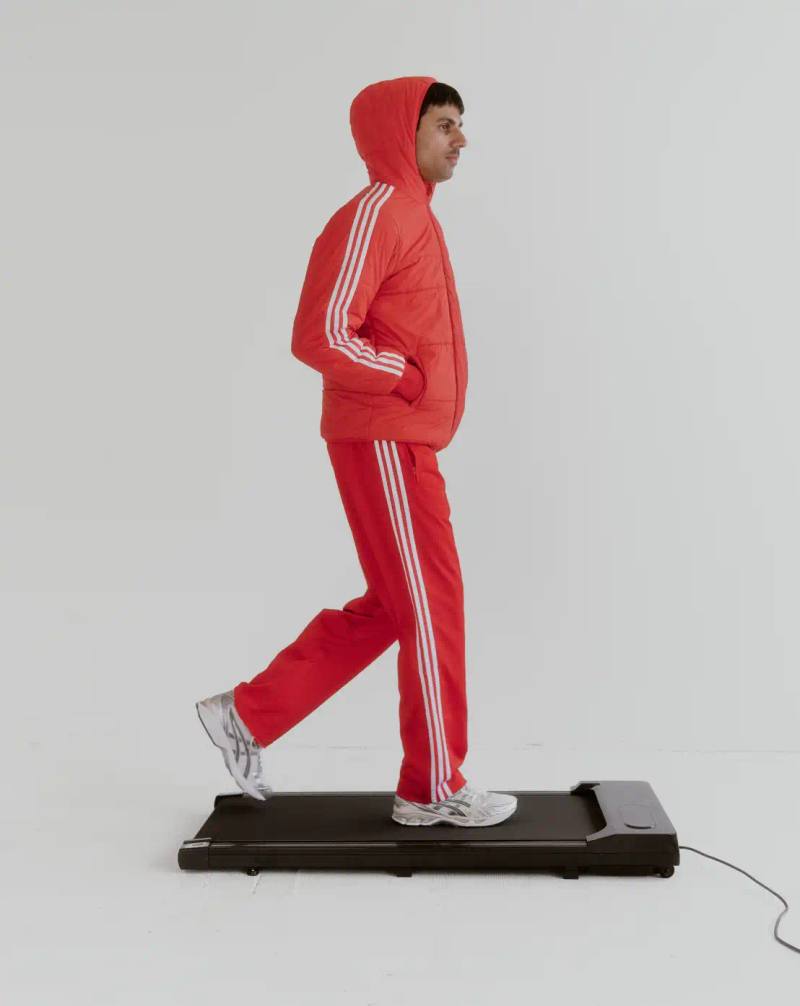
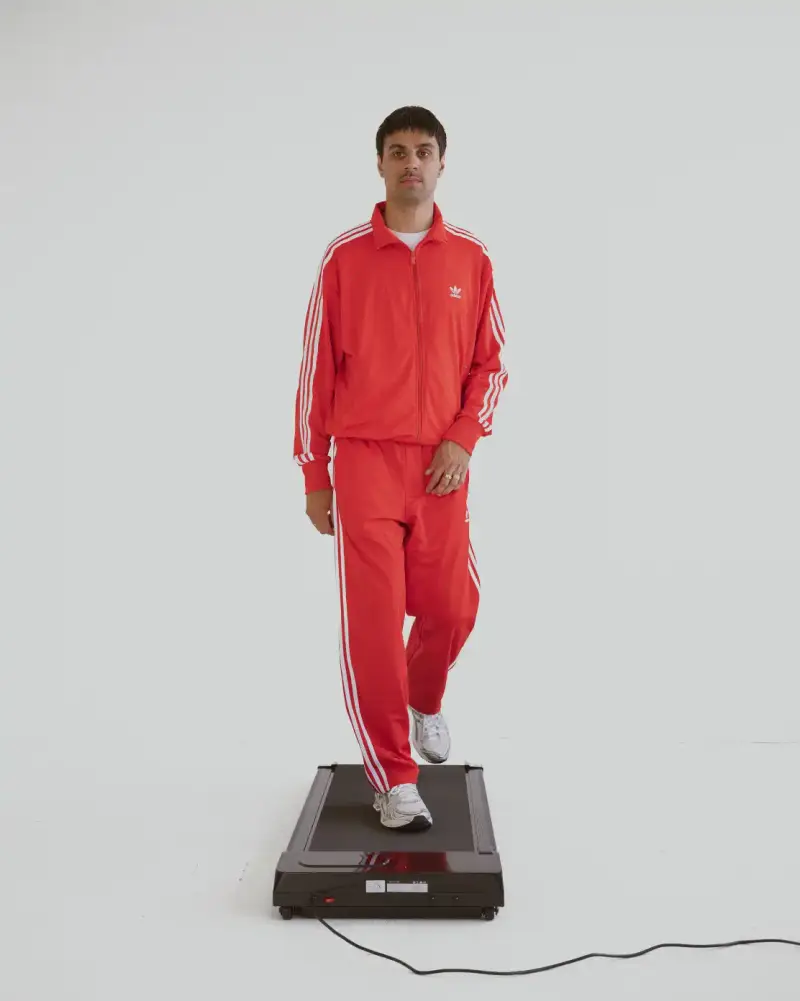
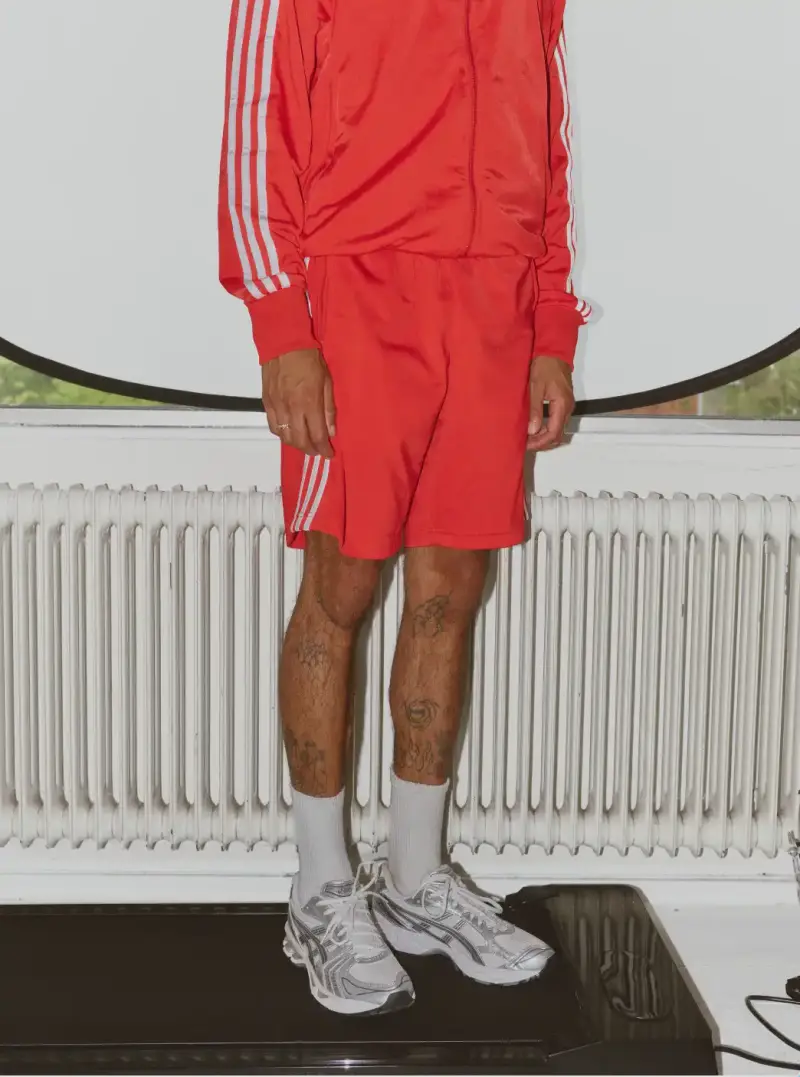
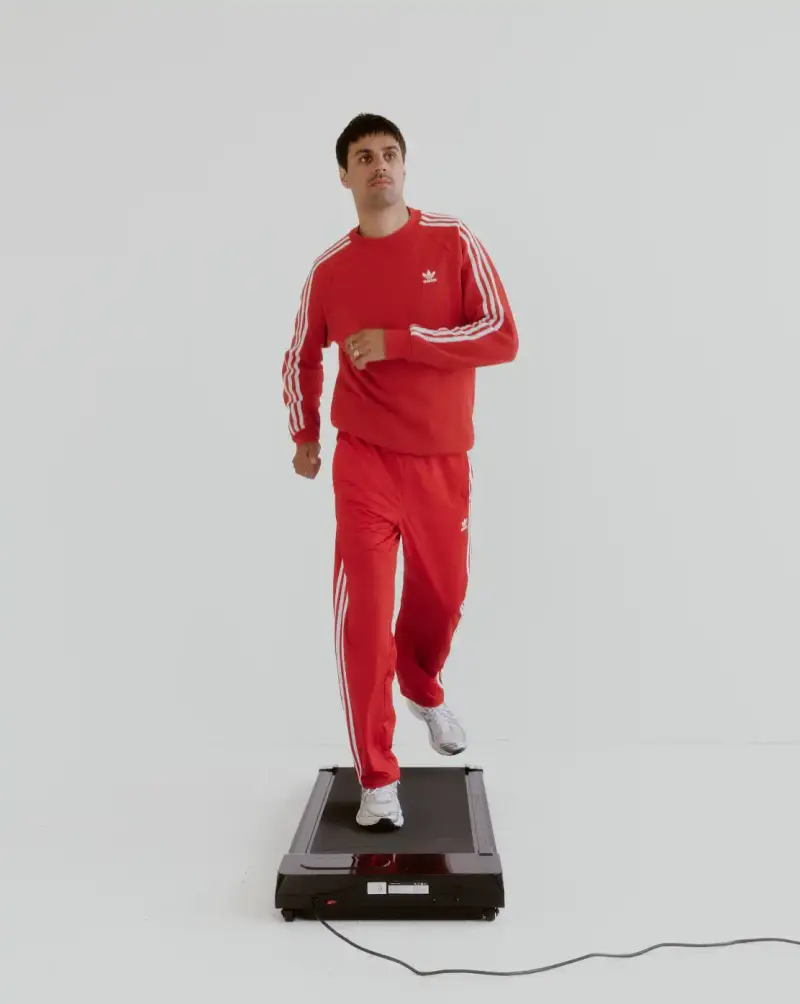
He sits there in a bright red Adidas jumpsuit and a white t-shirt underneath. One could read it as a cozy at-home look. In a different setting, he could be the cool guy at a wine bar. To someone else, he looks like he is heading to the gym.
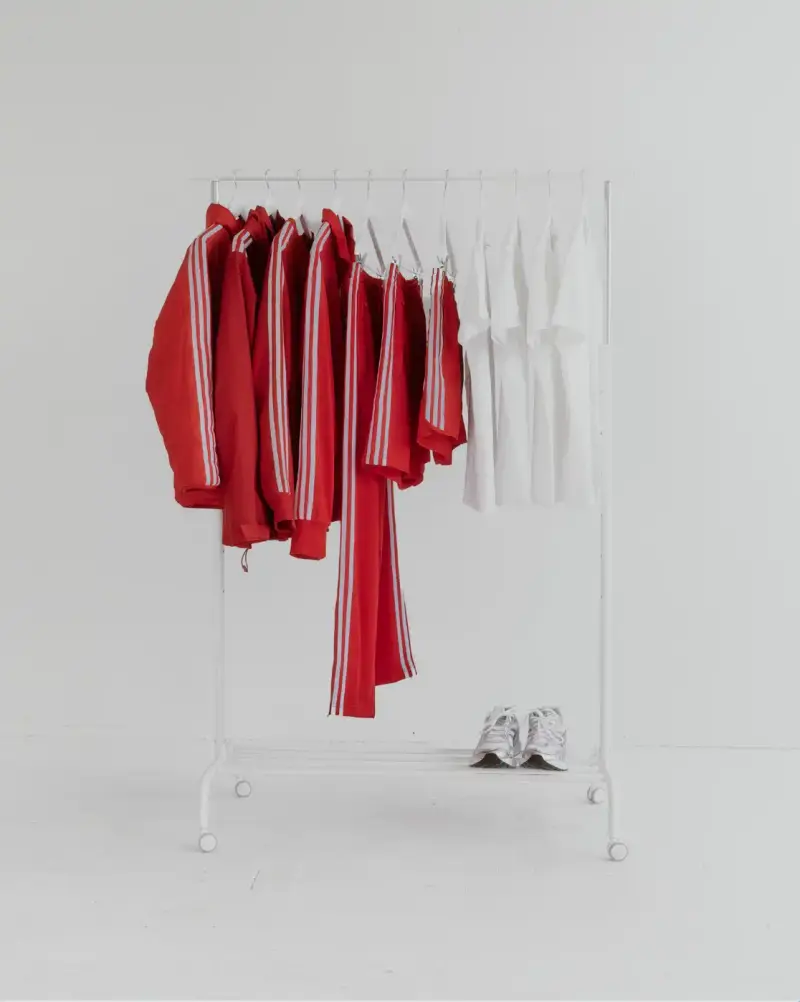
The interesting fact is that this is the same outfit he wore yesterday, and the day before, and every day for the past year. That changes something. It shifts how we look at our own sleeves, our own colors, our own habits.
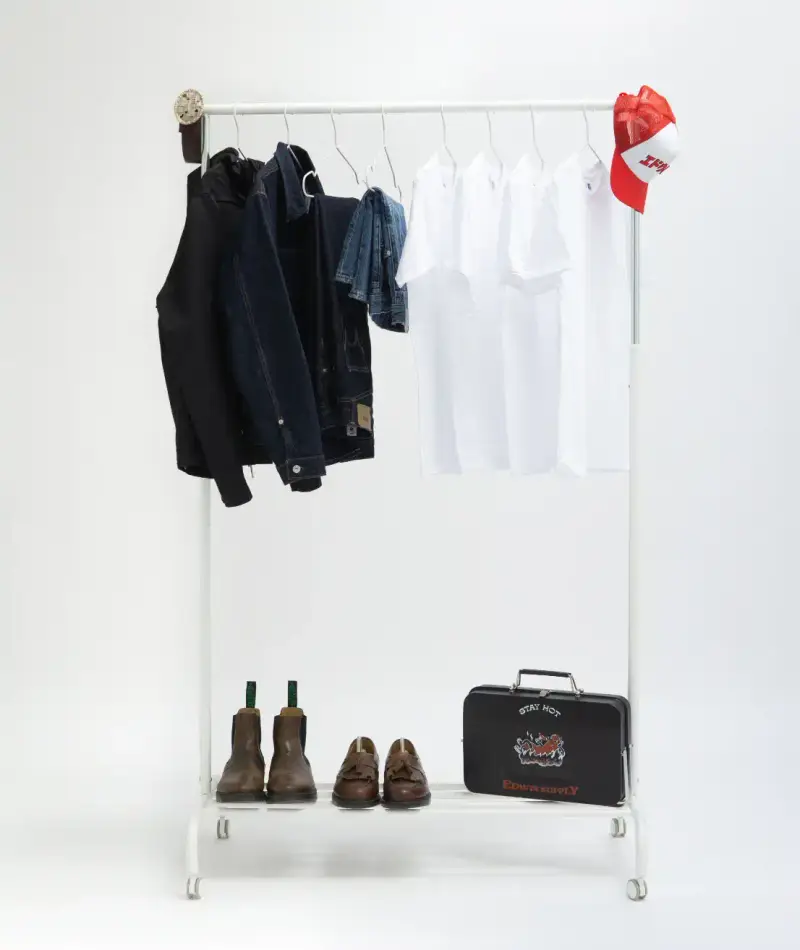
He studied fashion, then moved into art school, and somewhere between those two worlds, the idea of the uniform shifted from something restrictive to something open, almost like a framework he could live inside. What began as a reaction, a quiet rejection of a wardrobe that no longer felt right, turned into a long-term practice, where each year is built around a single outfit, documented, lived through, tested in public and in private.
We talk to him in a casual conversation that slowly moves from clothes to perception, from perception to behavior, and back again.
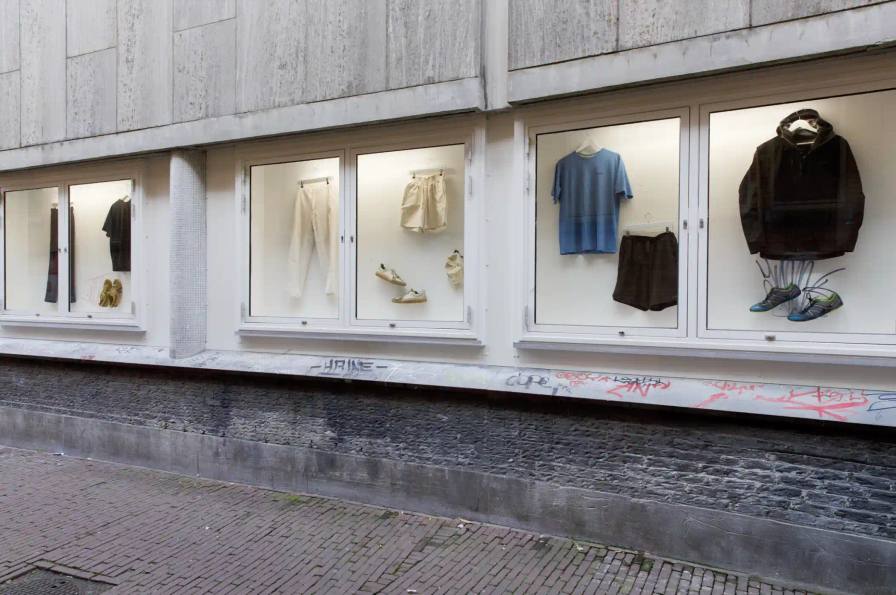
-
Why did you start wearing the same outfit every day?
I reached a point where my relationship with clothes felt off. I was buying a lot, collecting things, following releases, and somehow it became part of how I defined myself. But when I looked at my wardrobe, I realized most of it didn’t feel right on my body. I liked having it, but not wearing it. That was the breaking point. I decided to remove everything and start from zero with one outfit. No logos, no colors, nothing that would signal anything. It was not meant to be a statement at first. It was more like a reset for myself, a way to step out of that loop and see what happens if I simplify everything.
What changes when you adopt a uniform?
The biggest change is how much space it creates in your head. You don’t think about what to wear, you don’t spend time comparing yourself to others, you don’t have that moment in front of the mirror where you question if it works or not. That disappears. It sounds small, but it affects your whole day. I felt more comfortable and more focused on what I had to do. It also removes a layer of pressure in social situations, because you already know what you look like. There is no adjustment. That consistency makes things easier, and over time it becomes natural.
How does a uniform affect how others perceive you?
It becomes very clear how fast people judge based on clothing. When I wore a suit for a year, the reaction was immediate. People spoke to me differently, more formal, more respectful, even if they didn’t know me. When I wear a tracksuit, it’s the opposite. People assume something else, maybe more casual, maybe less serious. It happens before you say anything. That’s what I find interesting. The uniform makes that visible, because it removes variation. You see the same reaction again and again in similar situations, so you start to understand how strong that first impression is.
Do you ever feel out of place in certain situations?
Yes, there are definitely moments where the outfit doesn’t match what is expected. For example, during presentations or more formal situations, I felt like my appearance and what I wanted to communicate were not aligned. That can be uncomfortable. You feel it immediately. But at the same time, I know why I am doing this. The project is about staying within that structure, so those moments are part of it. There are days where I don’t feel like wearing the uniform, where I would prefer something else, but continuing anyway is what gives the project its meaning.
What do people misunderstand about this lifestyle?
A lot of people think it’s a joke or some kind of trick. They think maybe I prepared a lot of outfits in advance or that it’s not serious. But for me it is serious. It’s a way of living. I don’t plan too far ahead, I don’t say I will do this forever. Every year I take a moment to reflect. I look at how it felt, what I learned, and then I decide if I continue and how. That’s important, because it needs to make sense to me, not to anyone else.
Is this an art project or your daily life?
It started as a project, because I wanted to document it. I took a picture every day, partly to prove to myself and to others that I was actually doing it. But over time, it became just how I live. It’s not something separate from me. The Instagram is just a way to keep track of it, but the uniform itself is part of my daily routine now. There is no alter ego. It’s just one way of structuring my life.
Talking to Shai Datauker is unexpectedly layered. Through his art practice and his daily routine, he does not only reflect on the concept of uniform, he lives inside it. What often stays abstract in fashion becomes concrete.
The uniform is a concept that returns often in the fashion world, yet it is not always explored in its full depth. Miuccia Prada has described it as a psychological tool, something that offers protection, creates mental space, and builds a sense of authority. Not a restriction, but a way to prioritise internal self over external appearances.
This is Shai’s approach to life. The clothes are no longer the focus. A uniform that allows him to move through different contexts without adjusting, even when it feels slightly out of place.
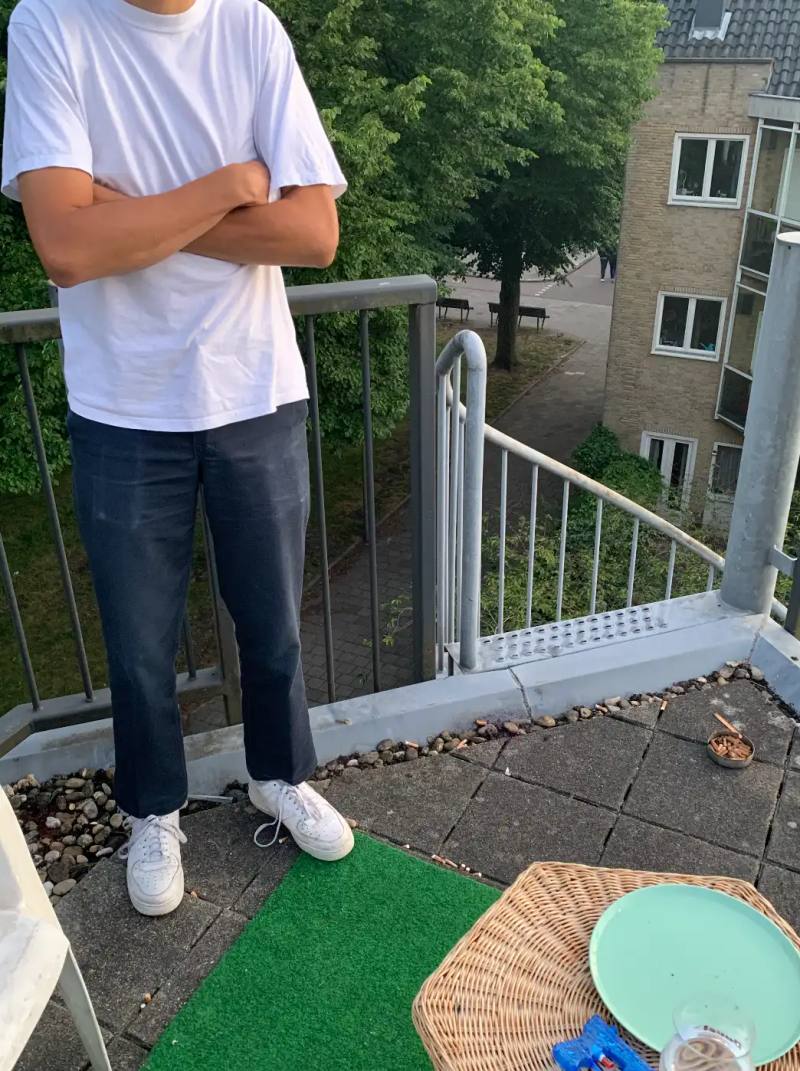
Year 1
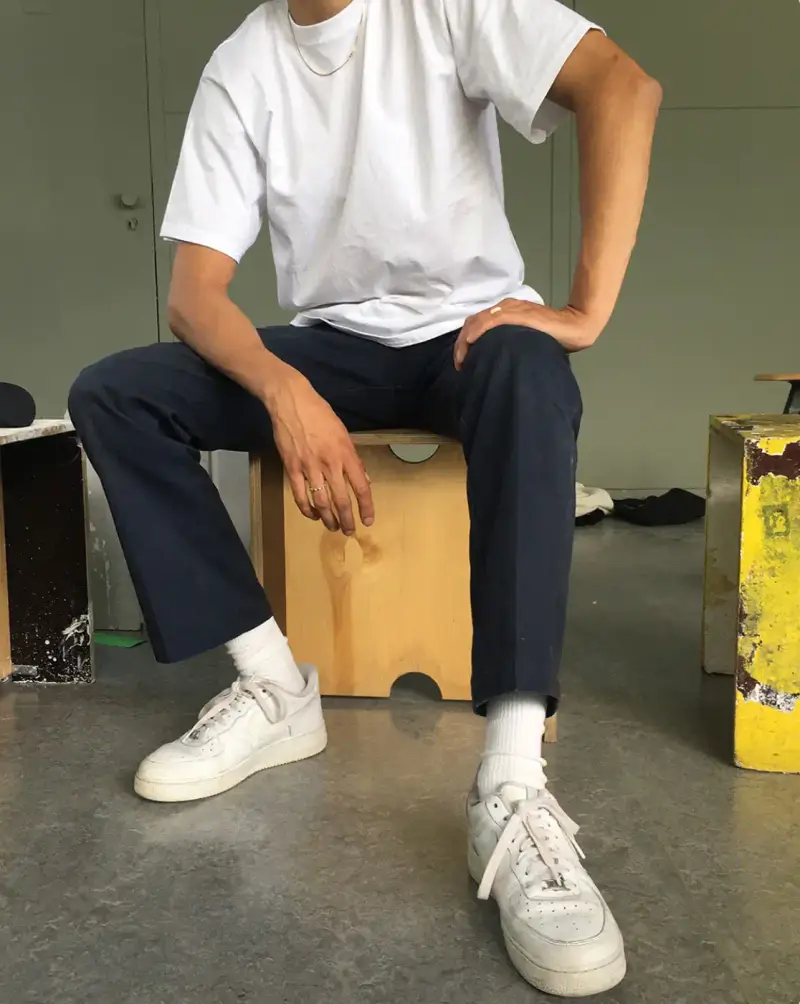
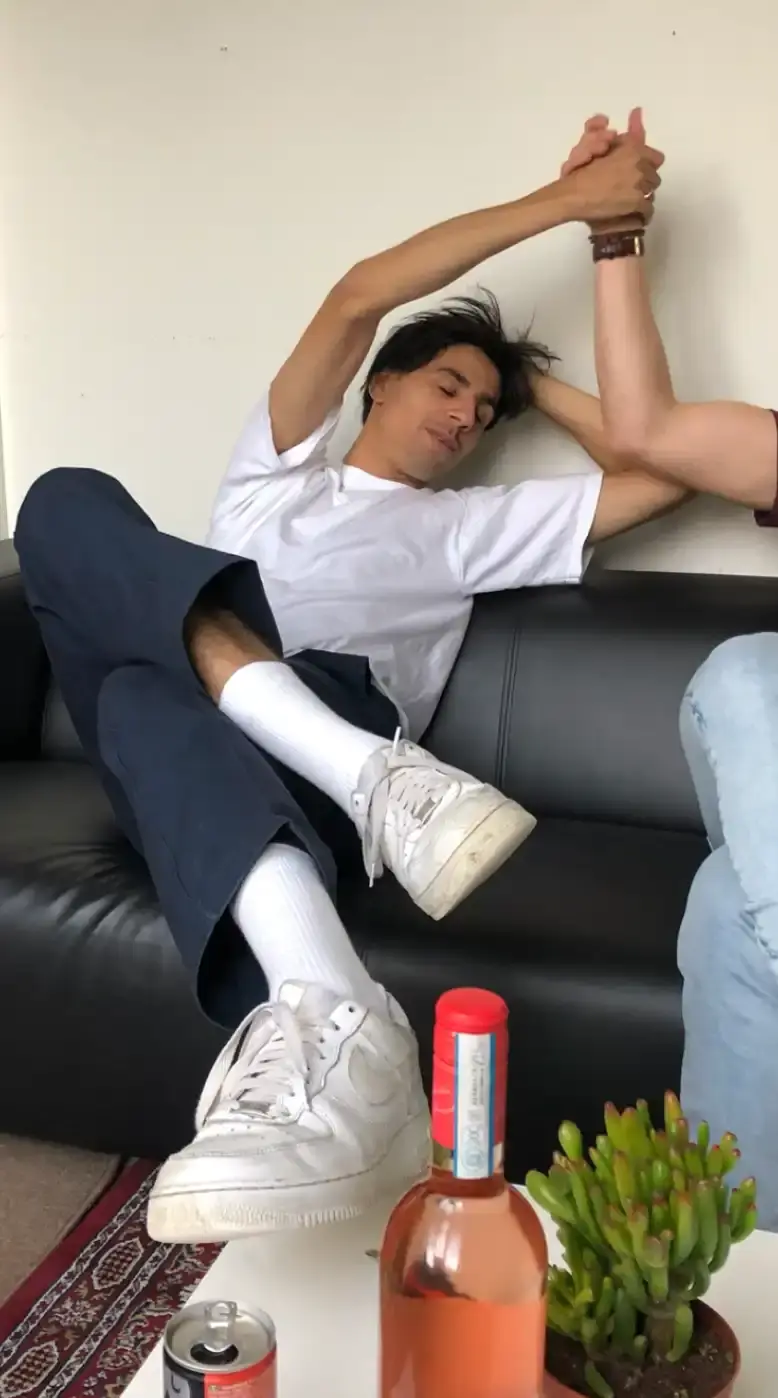
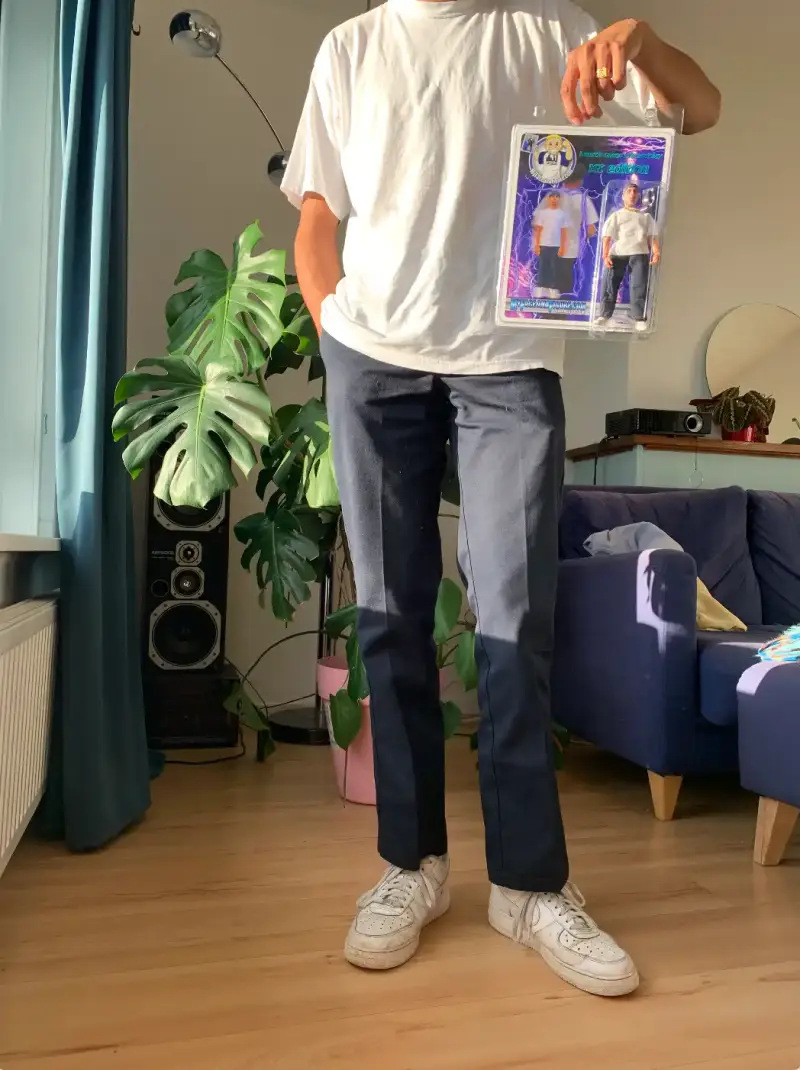

Year 2
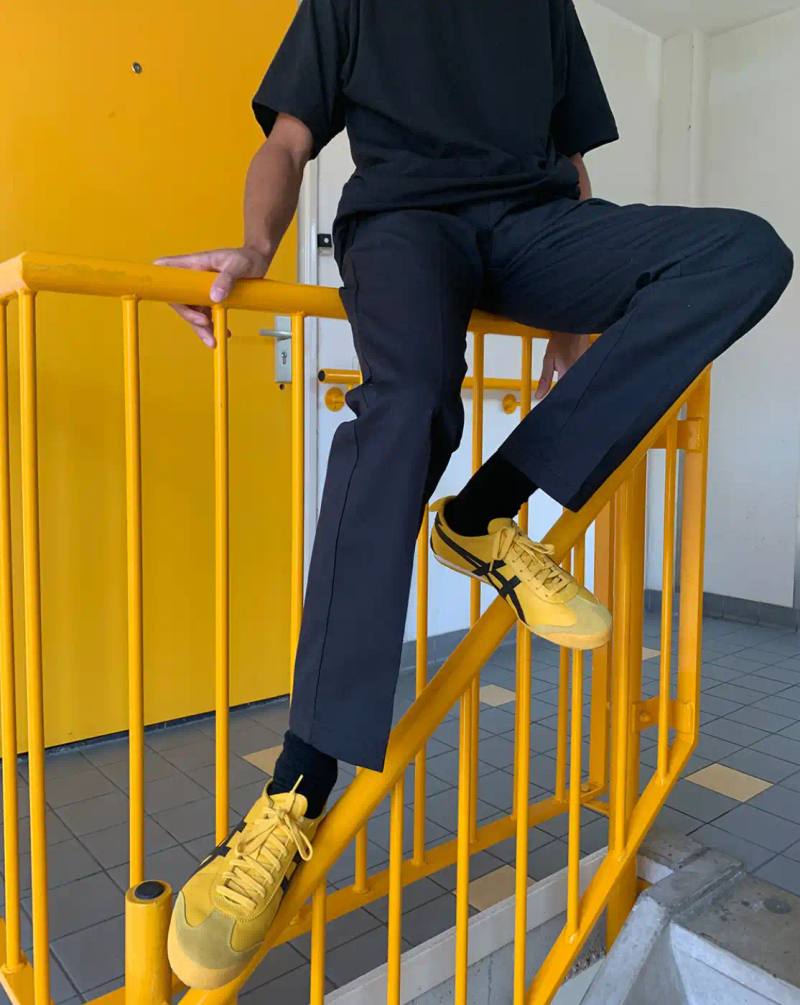
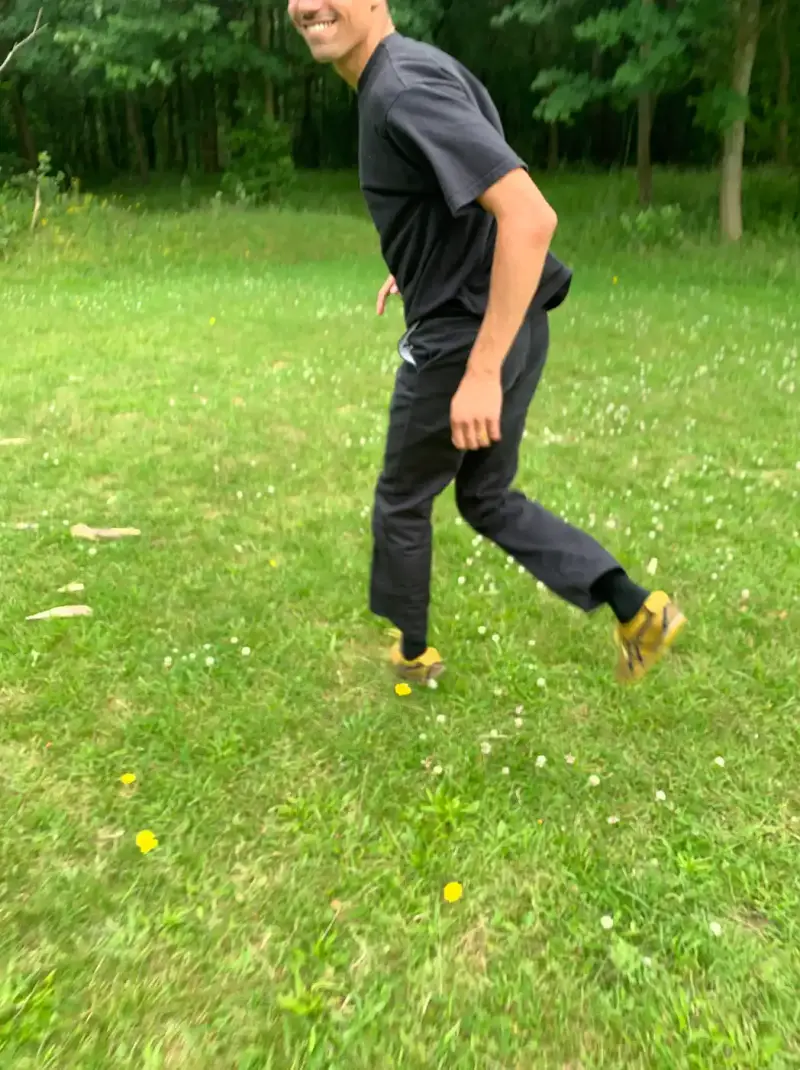
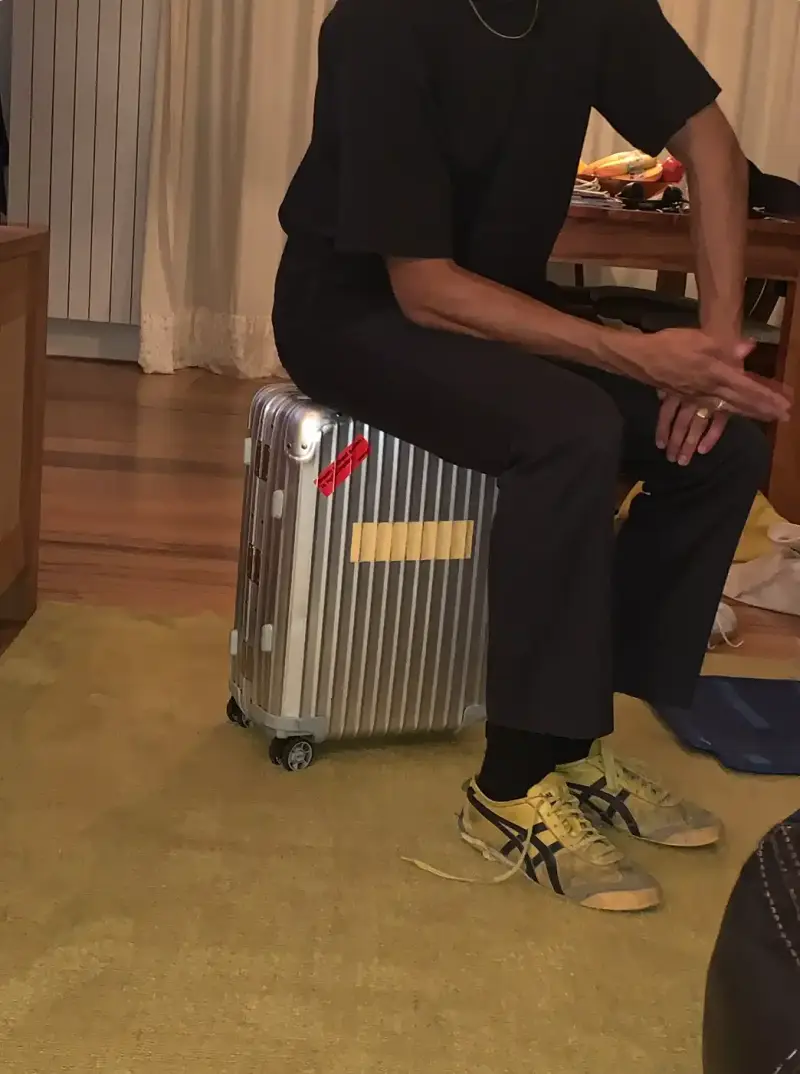
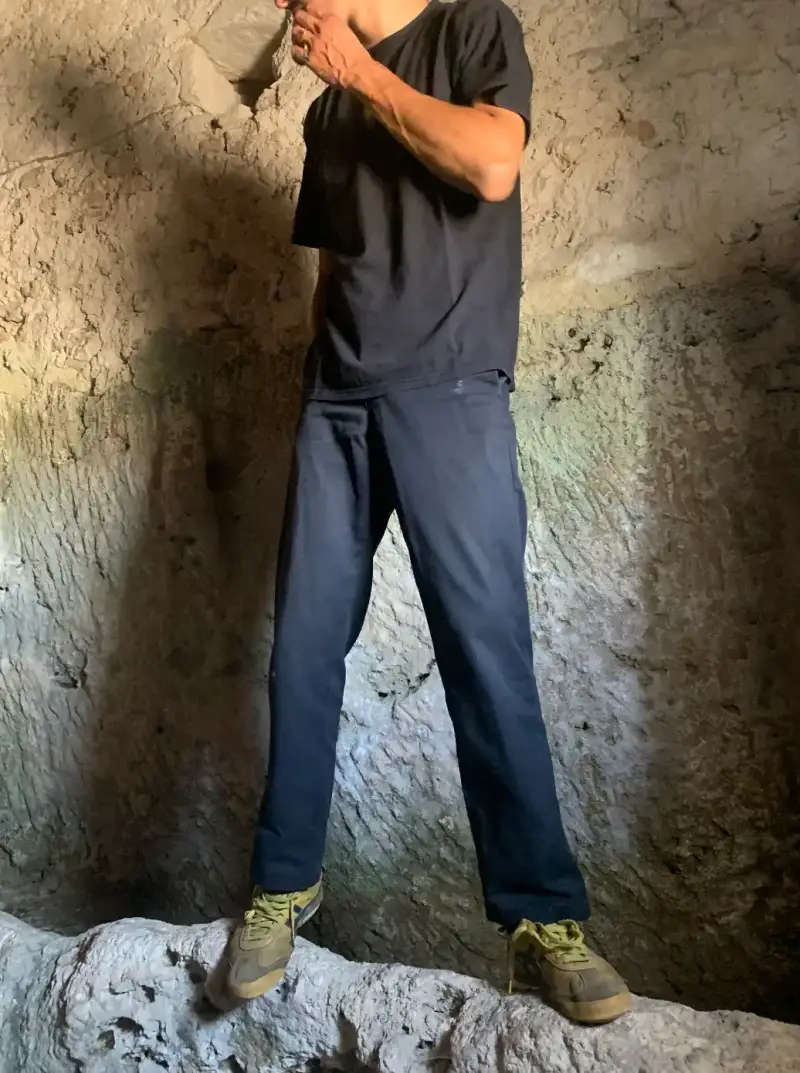
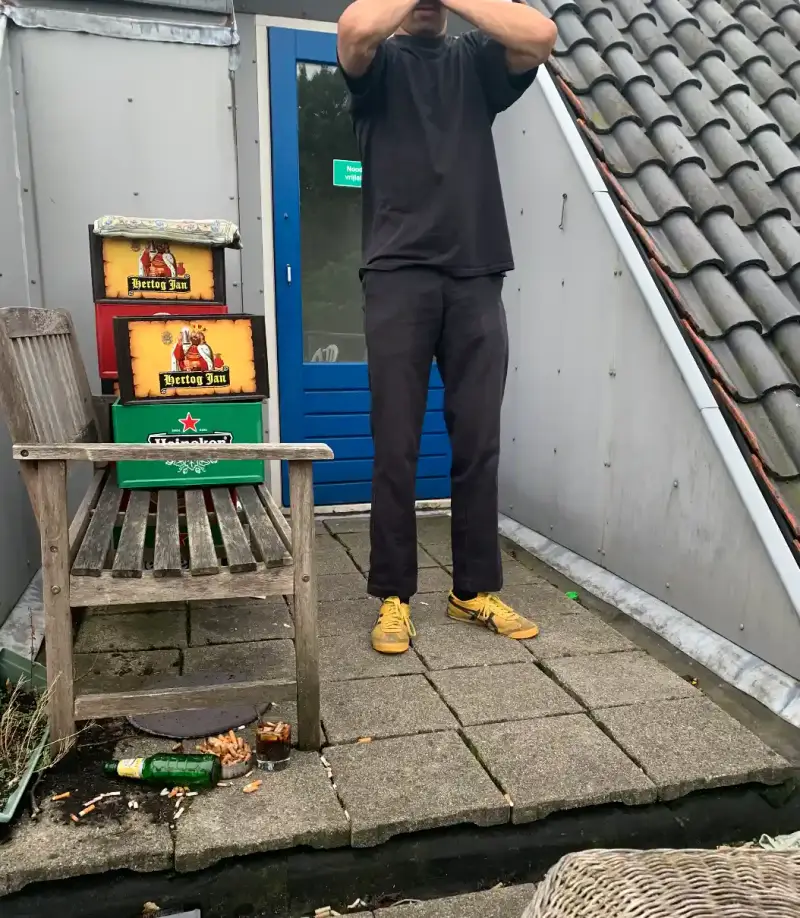
Year 3
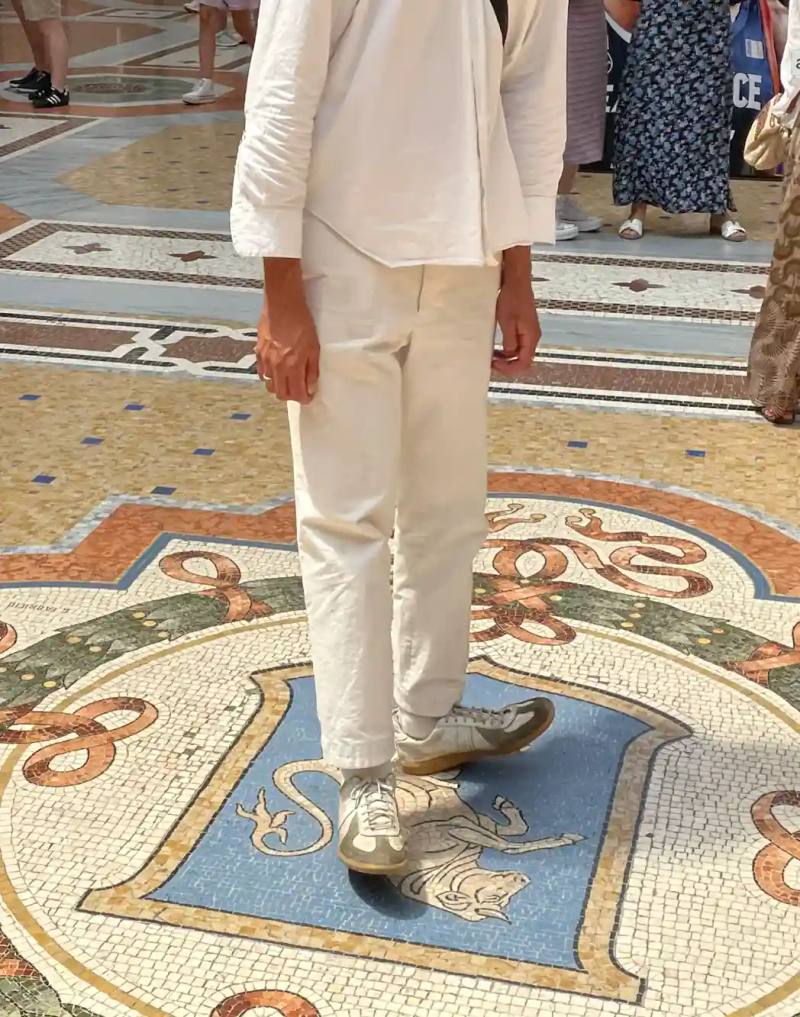
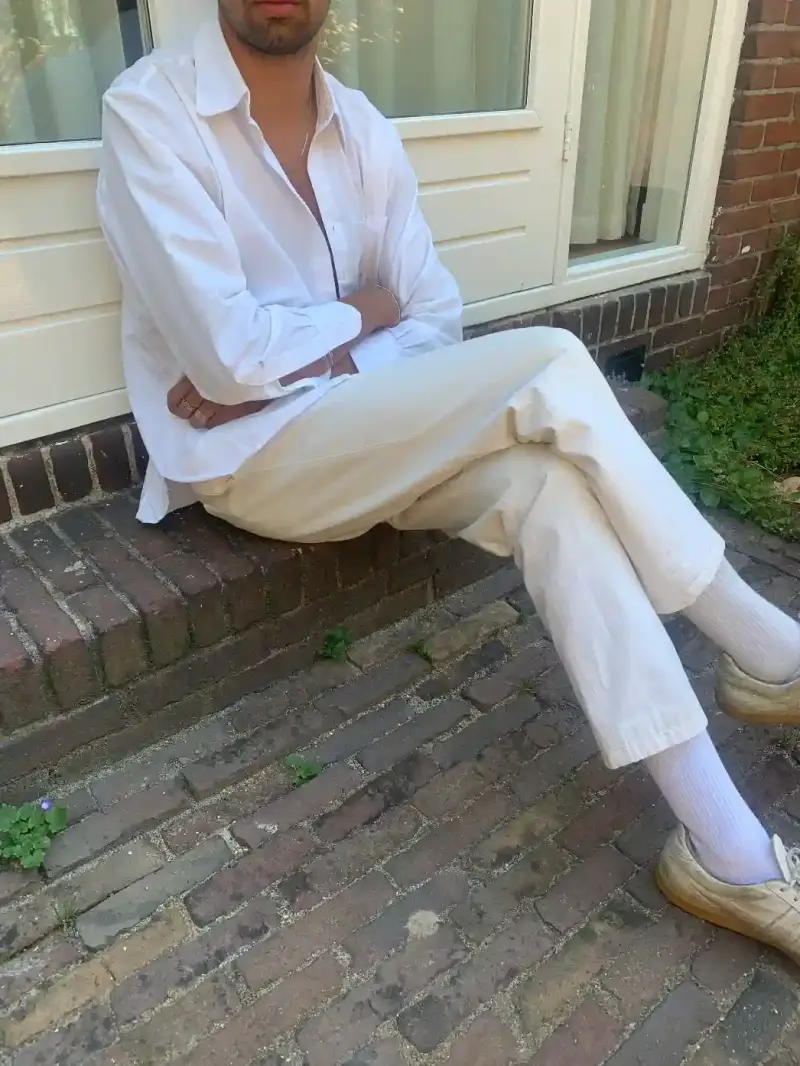
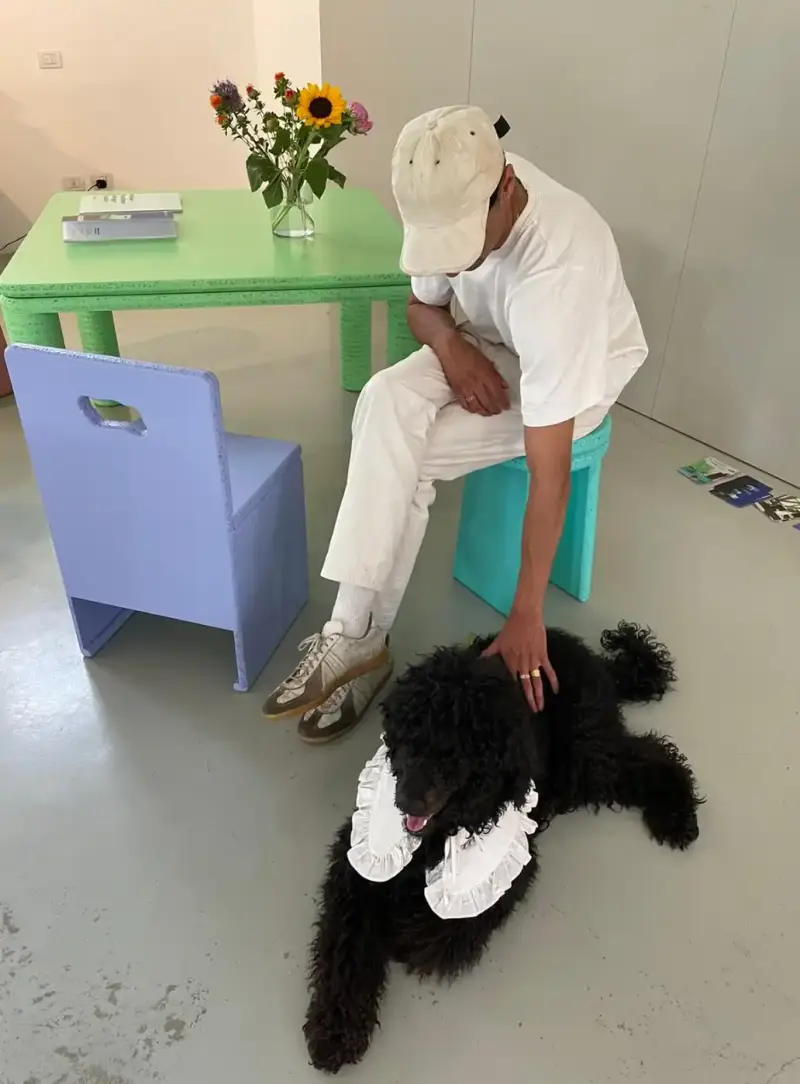
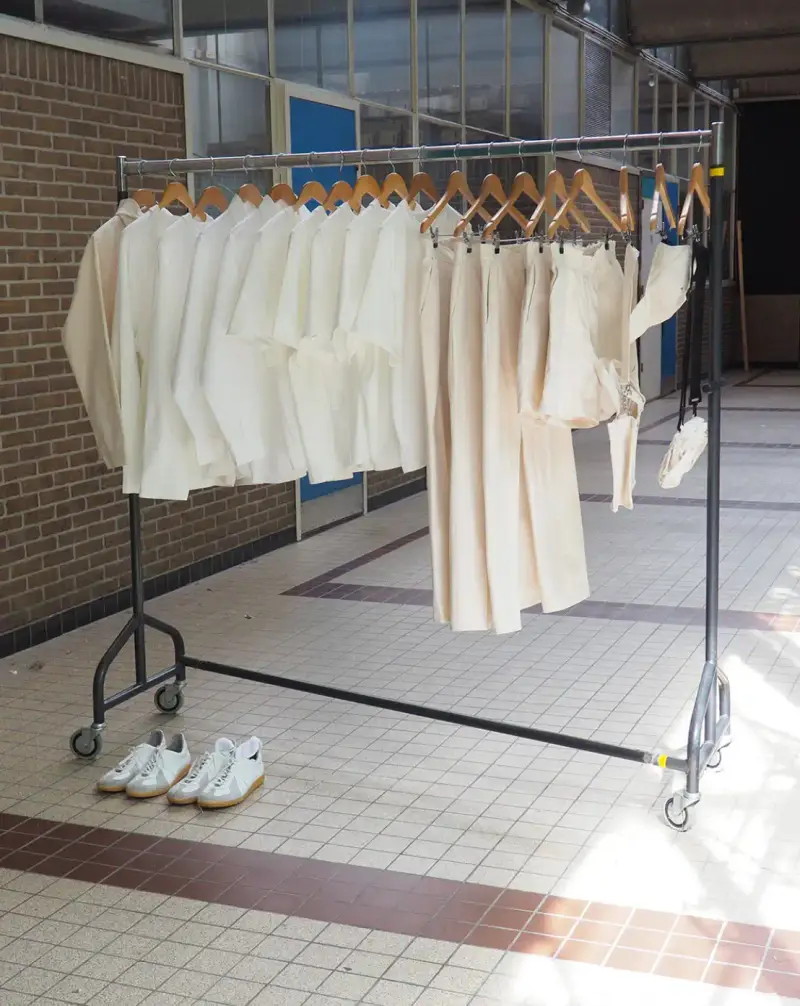
Year 4
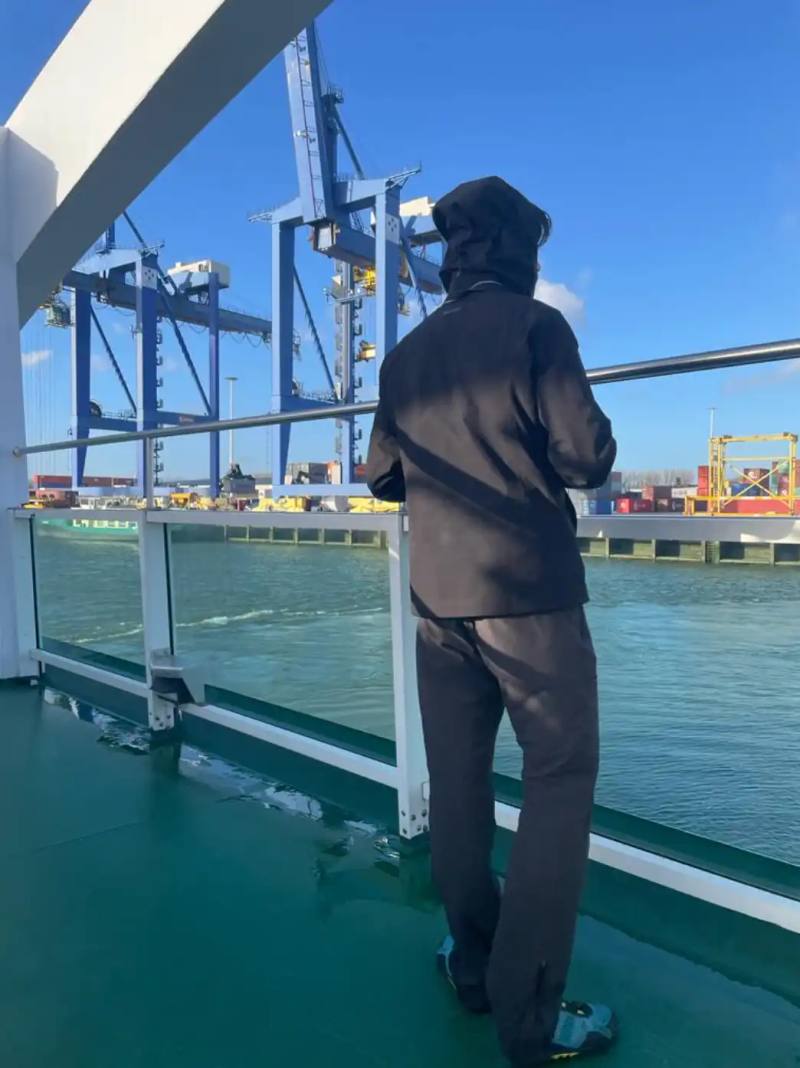
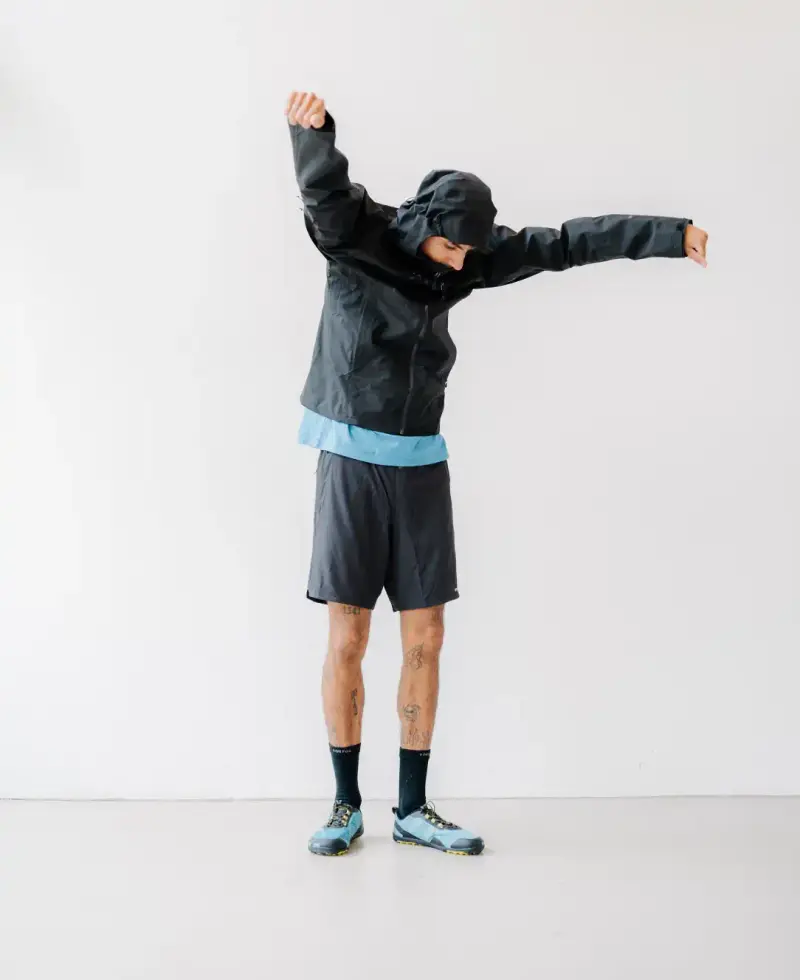
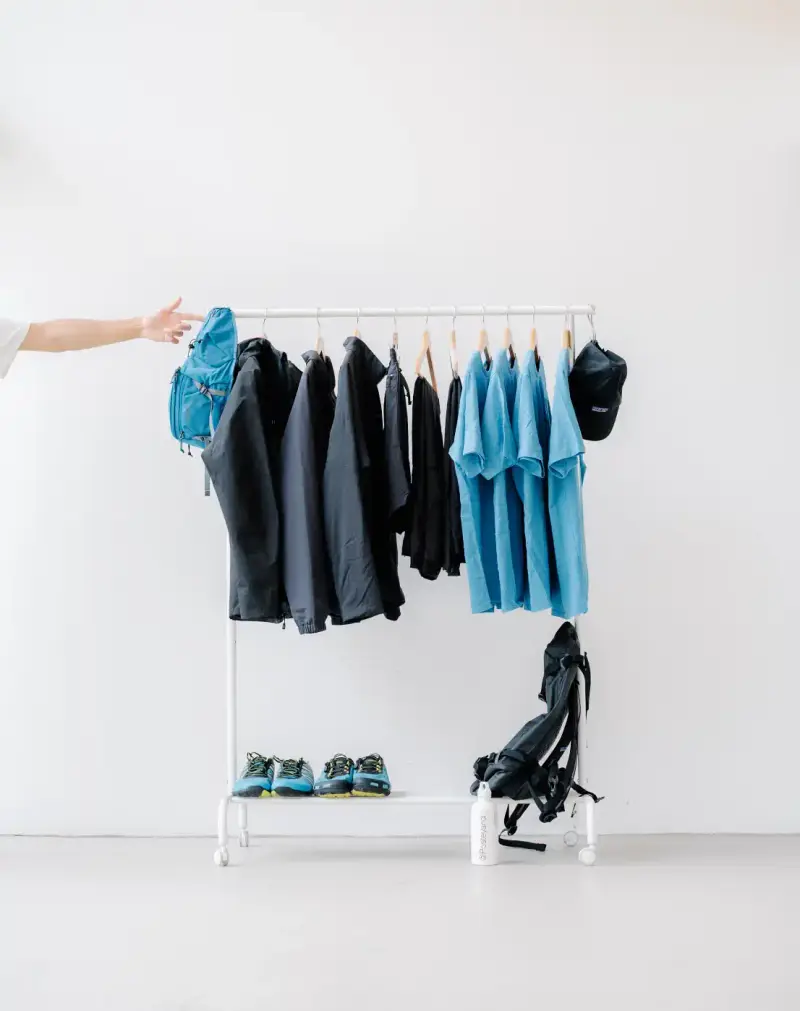
Year 5
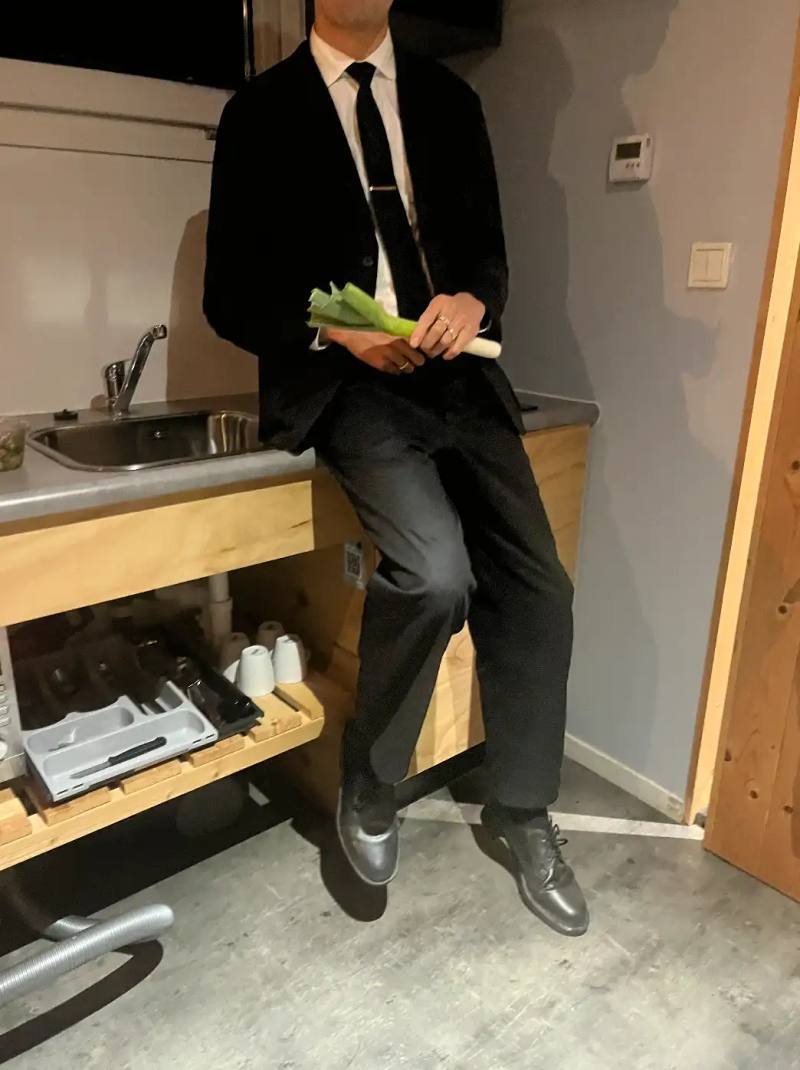
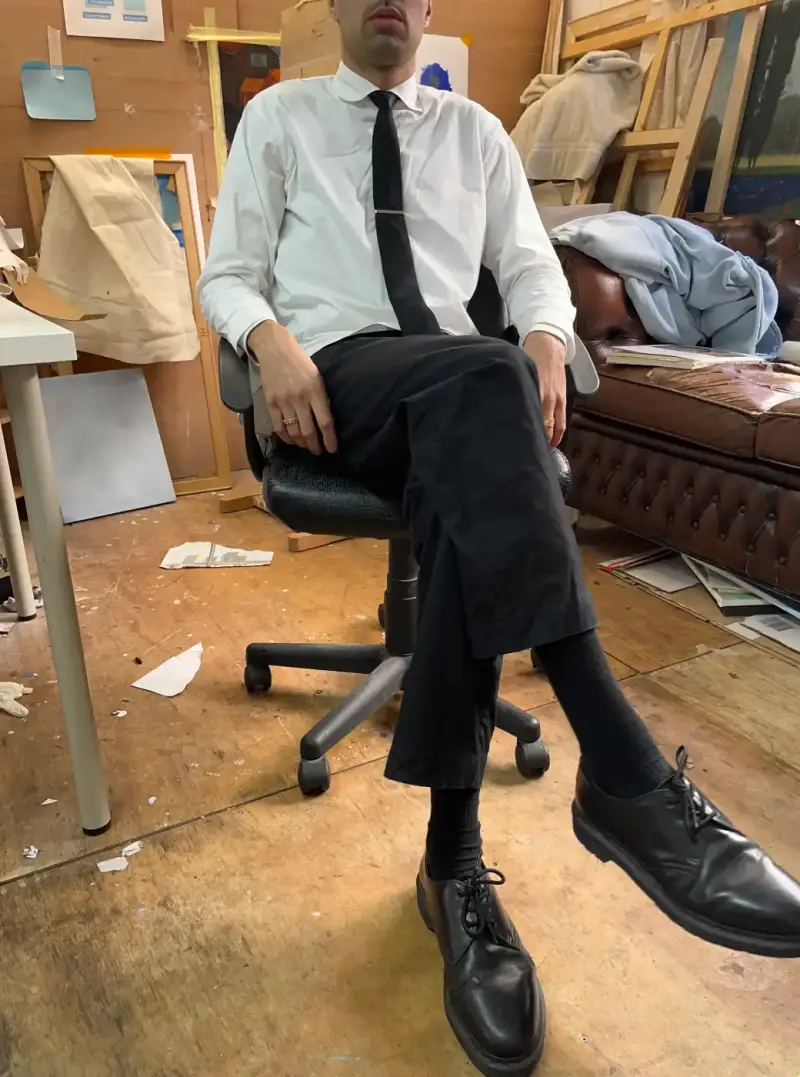
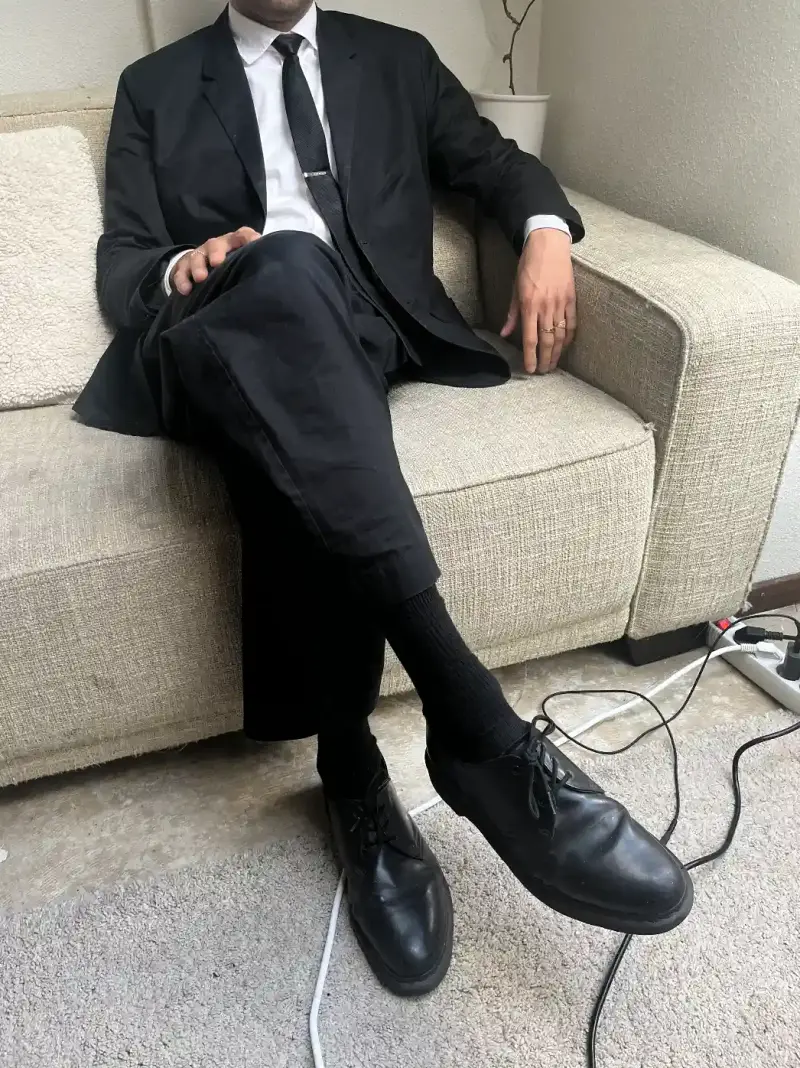
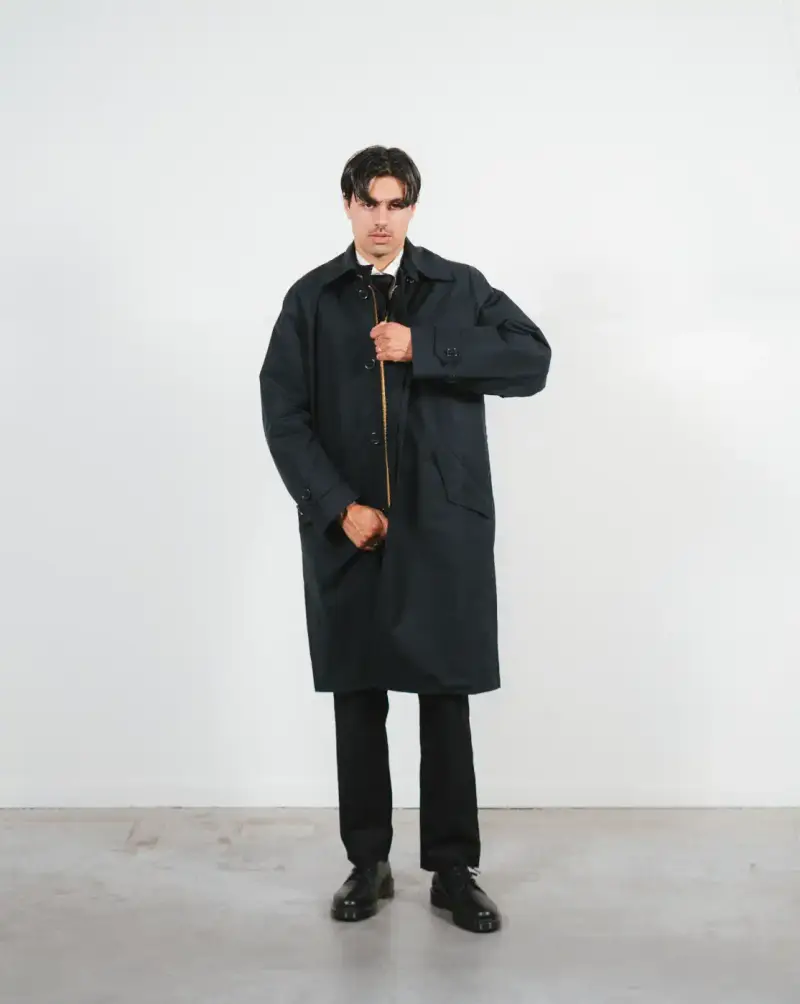
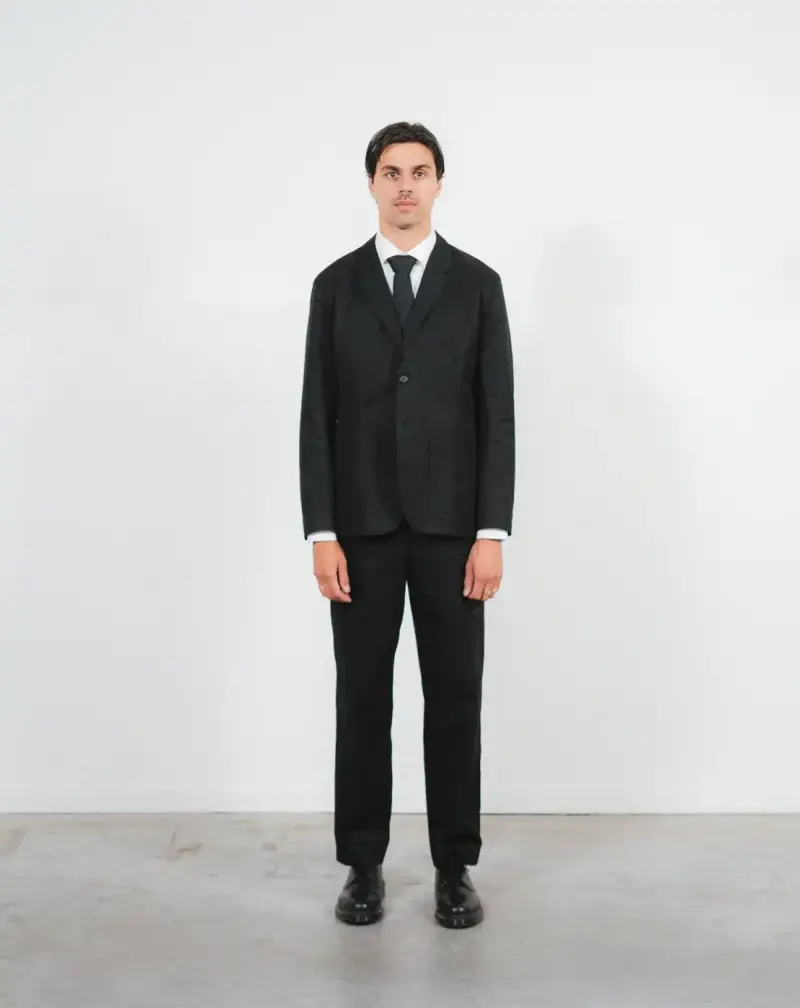
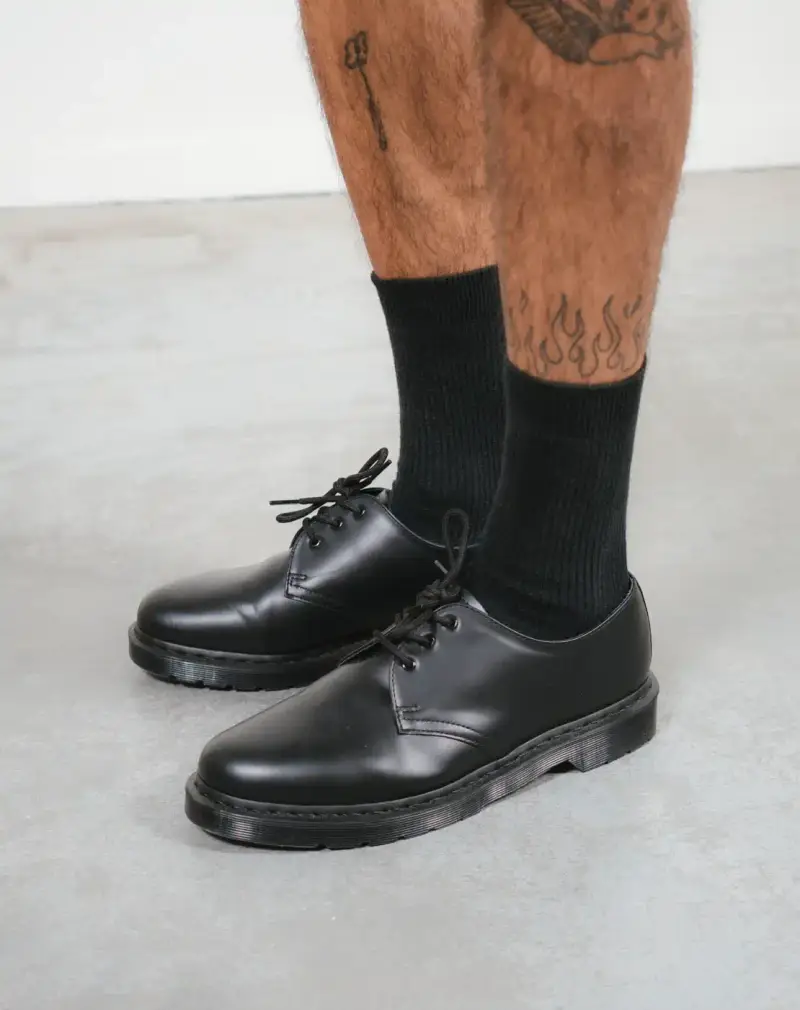
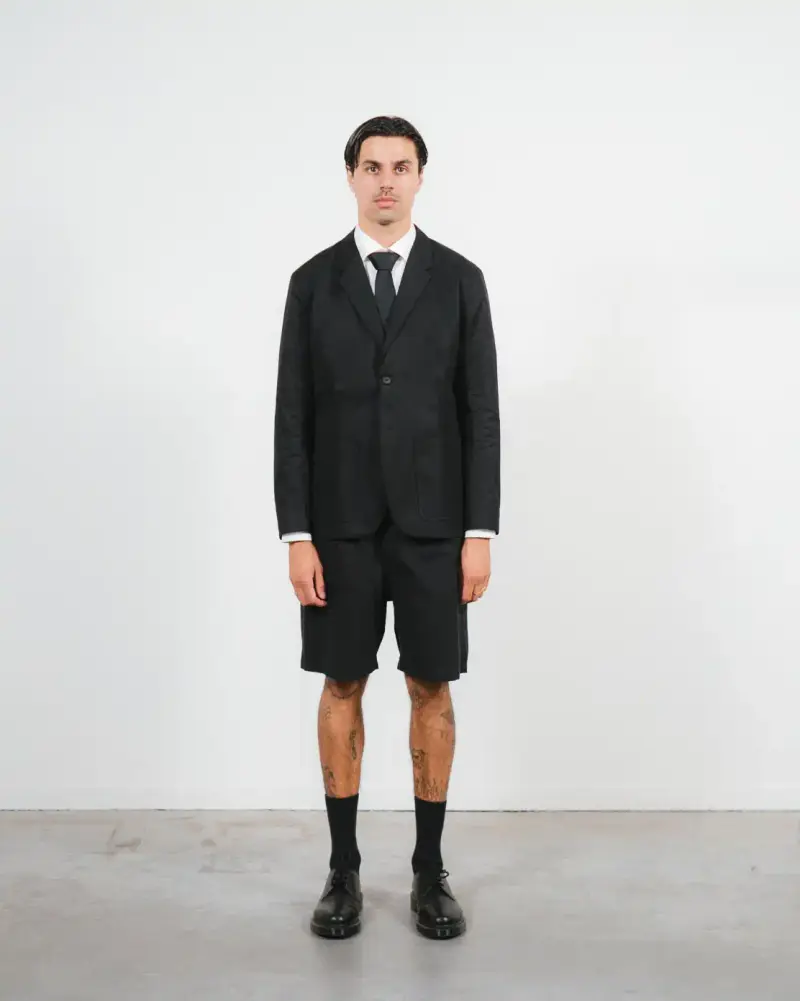
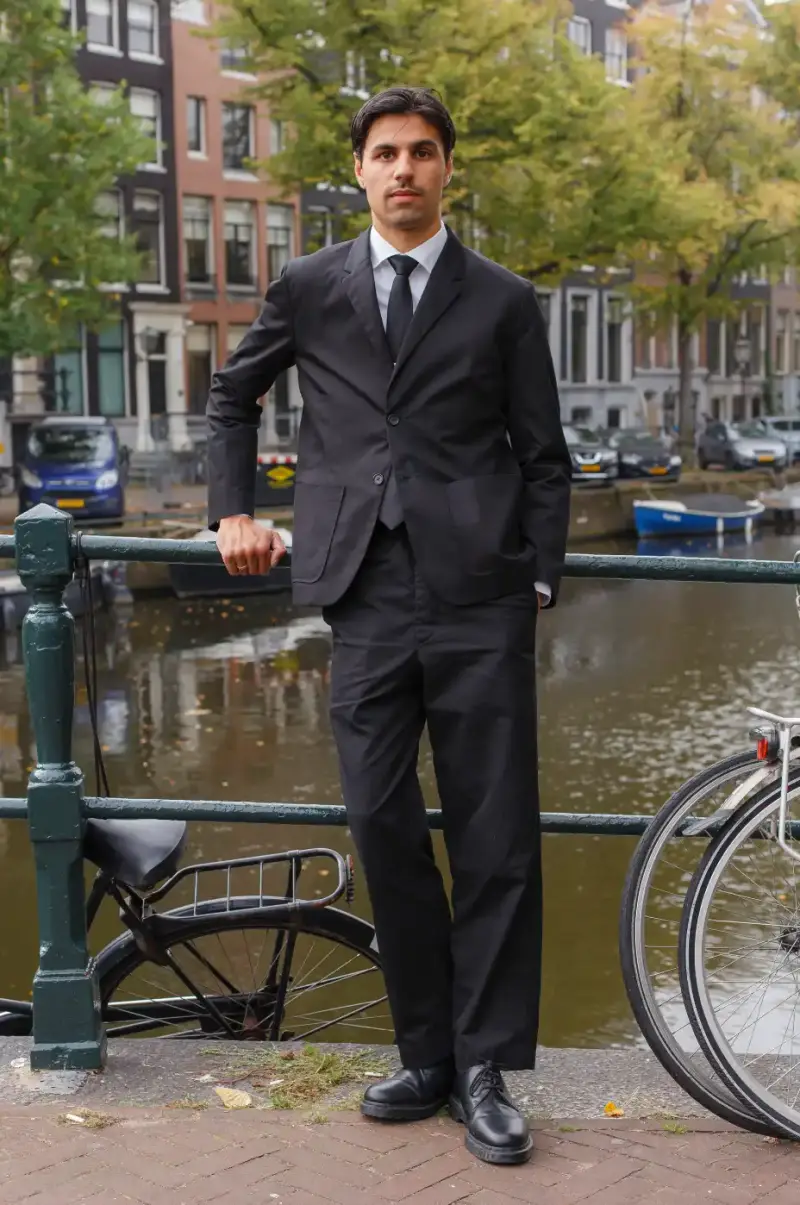
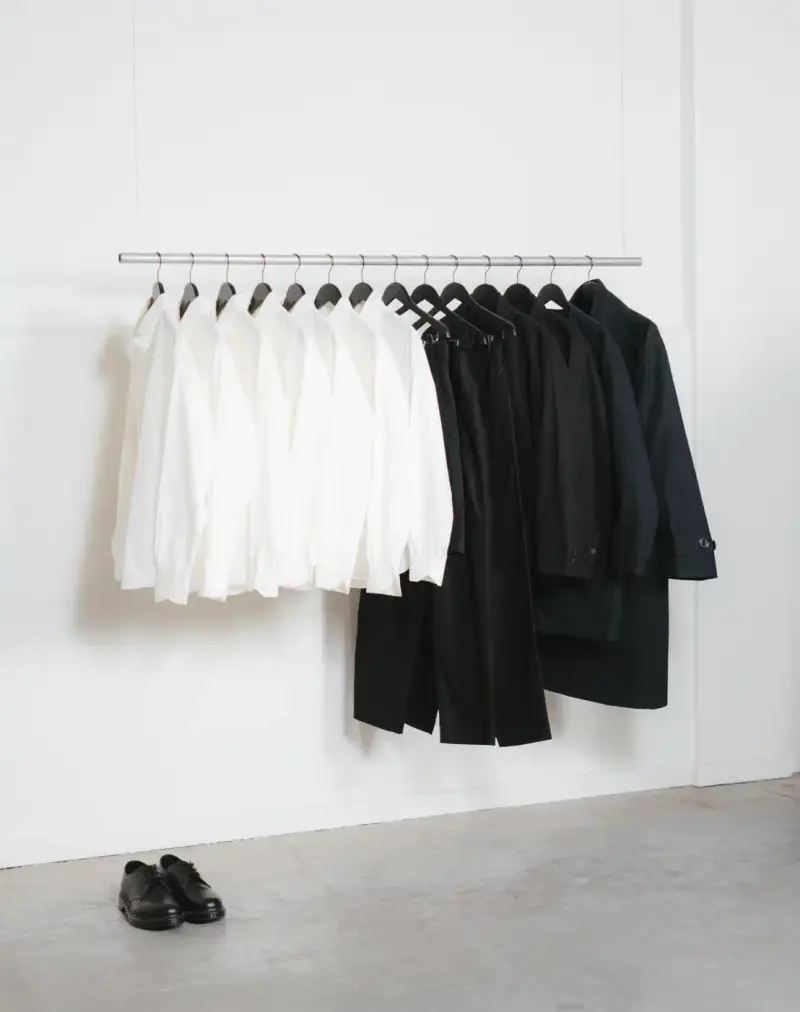
Year 6
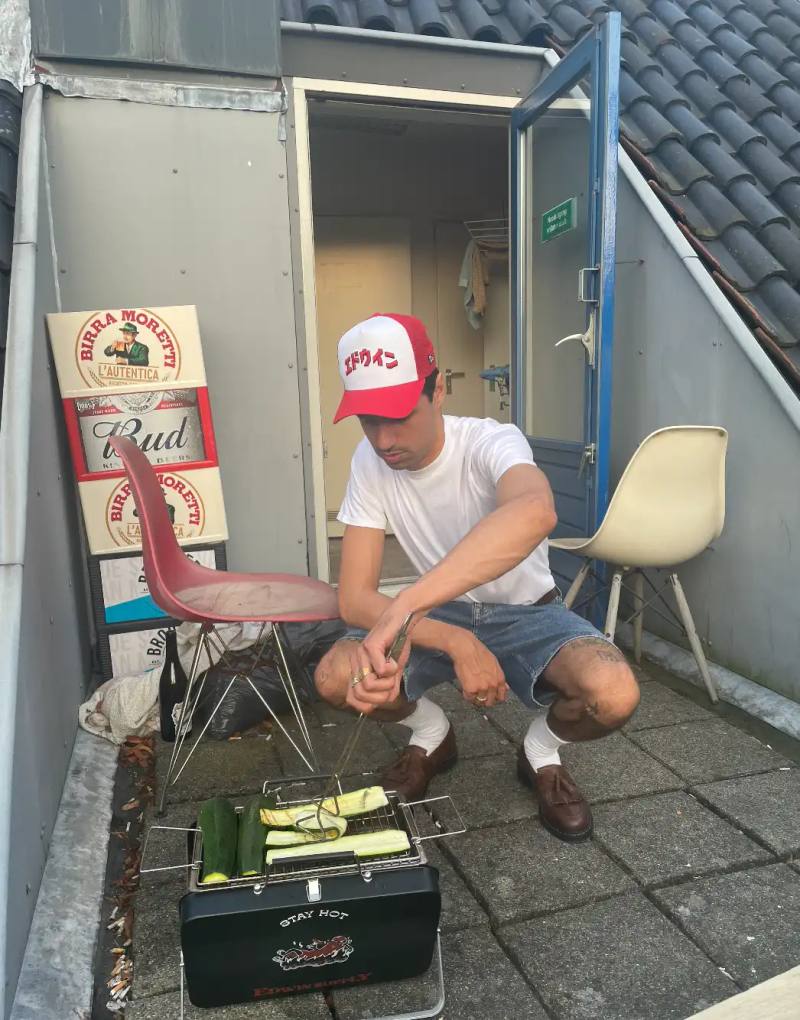
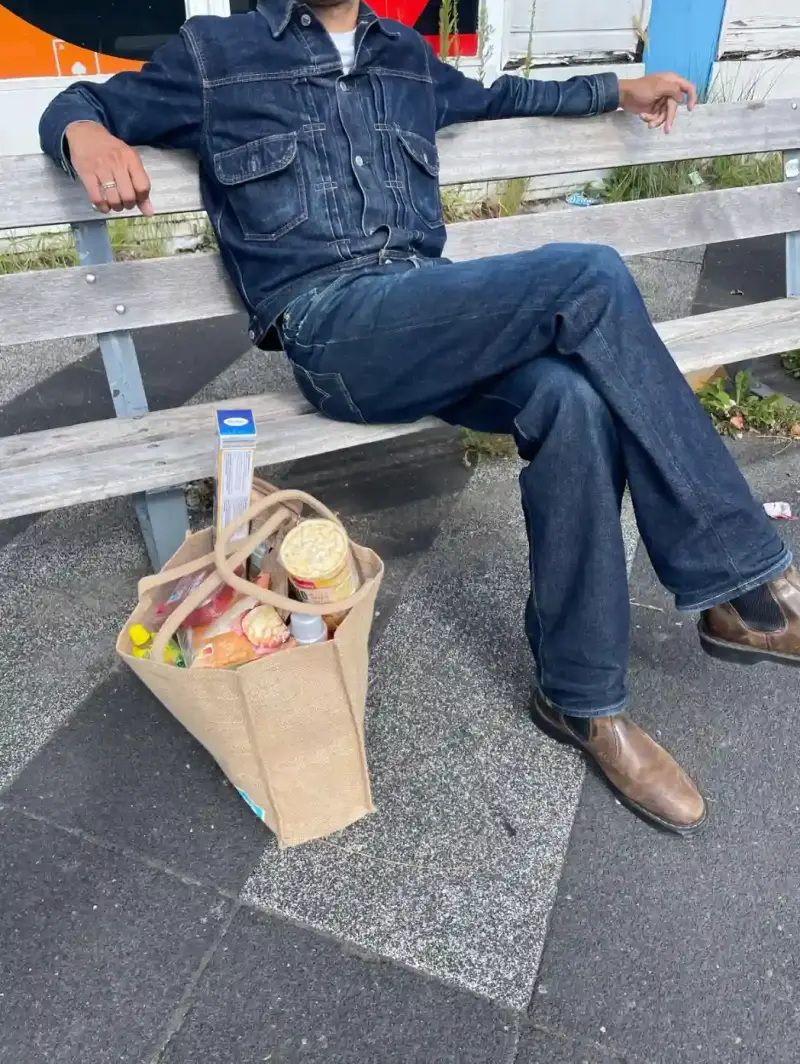
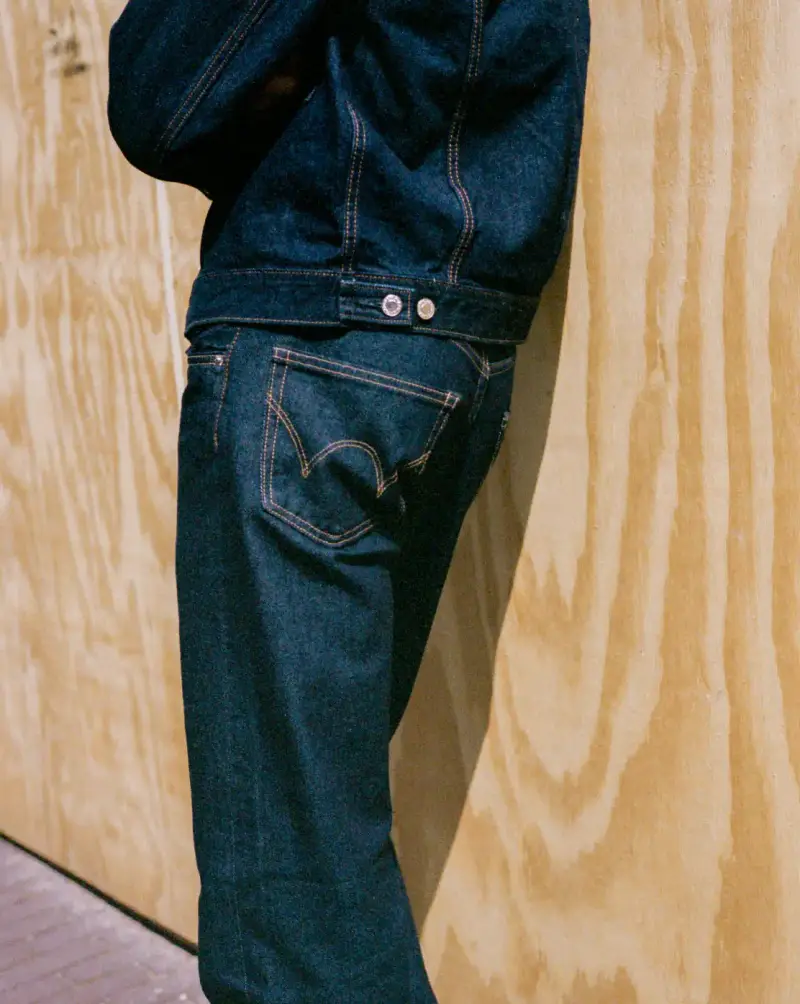
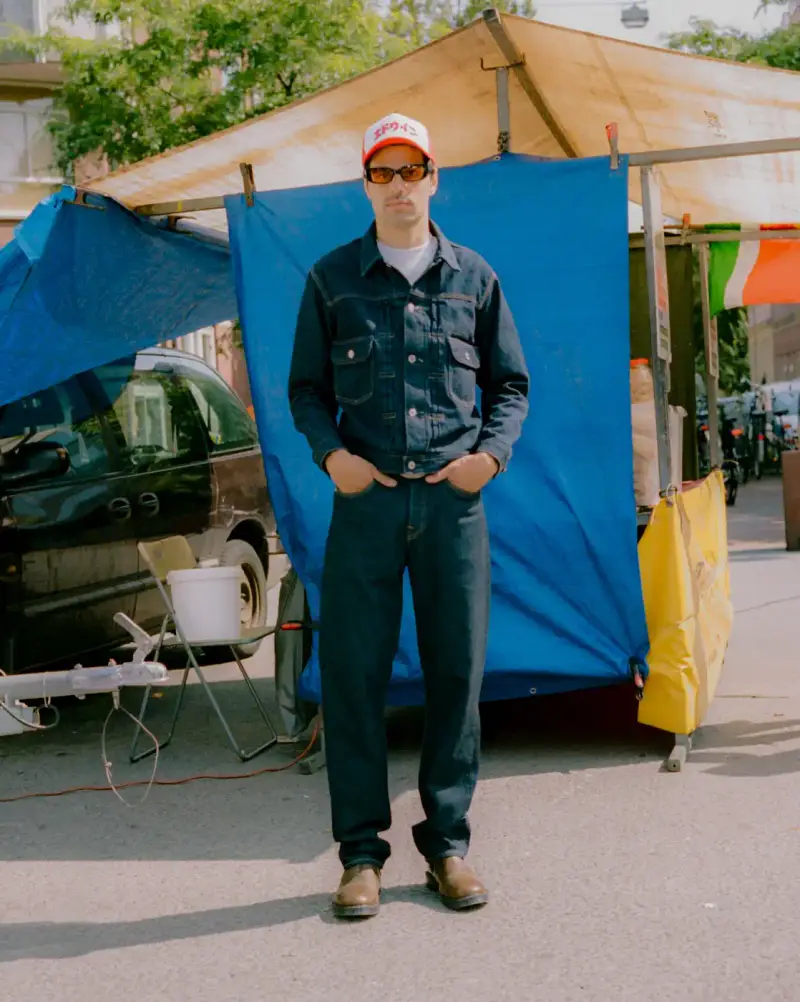
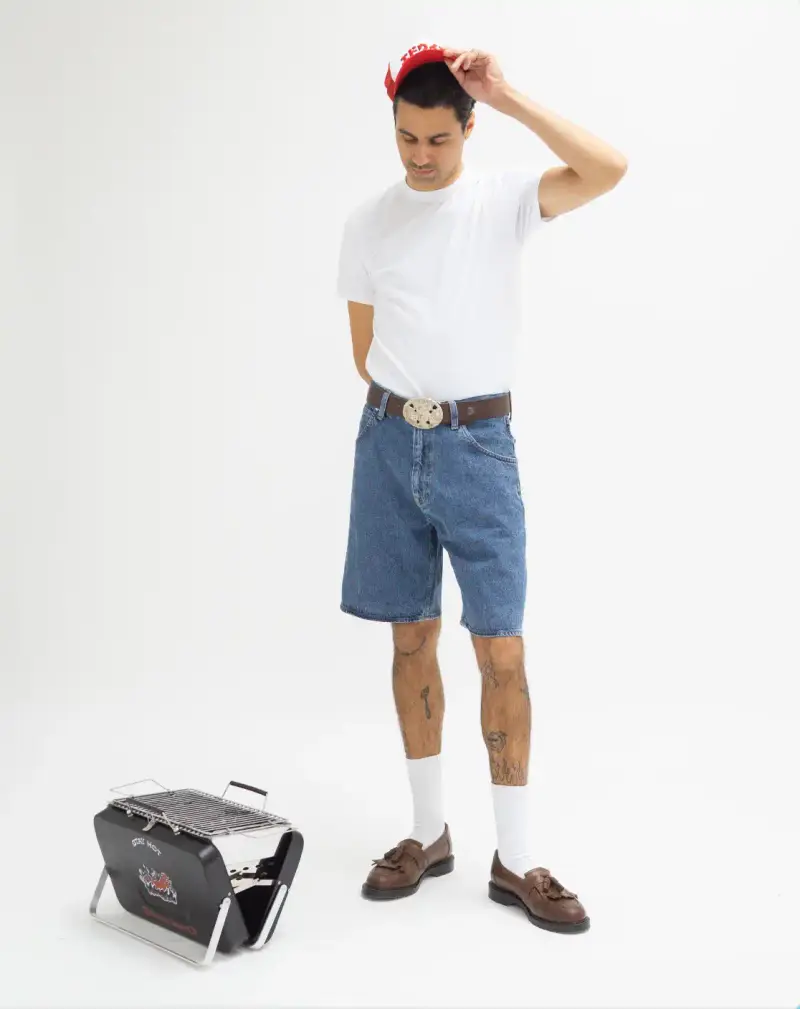
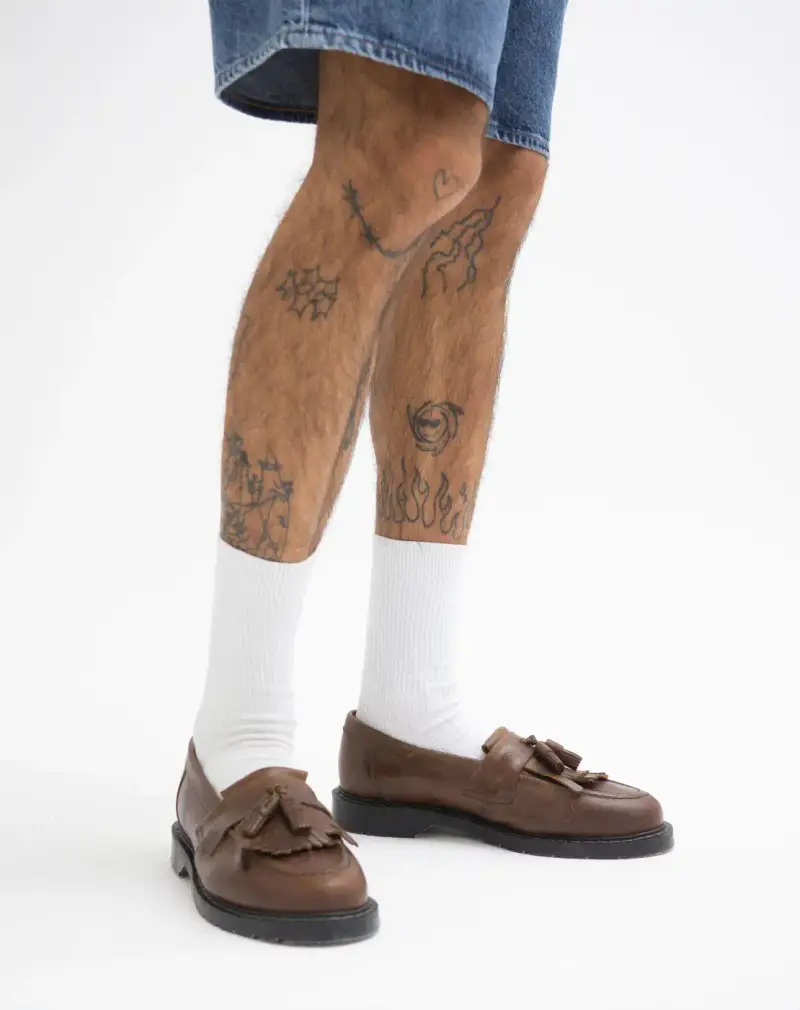
Year 7
Share this editorial
RELATED


THERE'S A WOMAN IN YOUR RADIATOR


WHAT DOES PROSECCO HAVE TO DO WITH THE ODYSSEY?

