
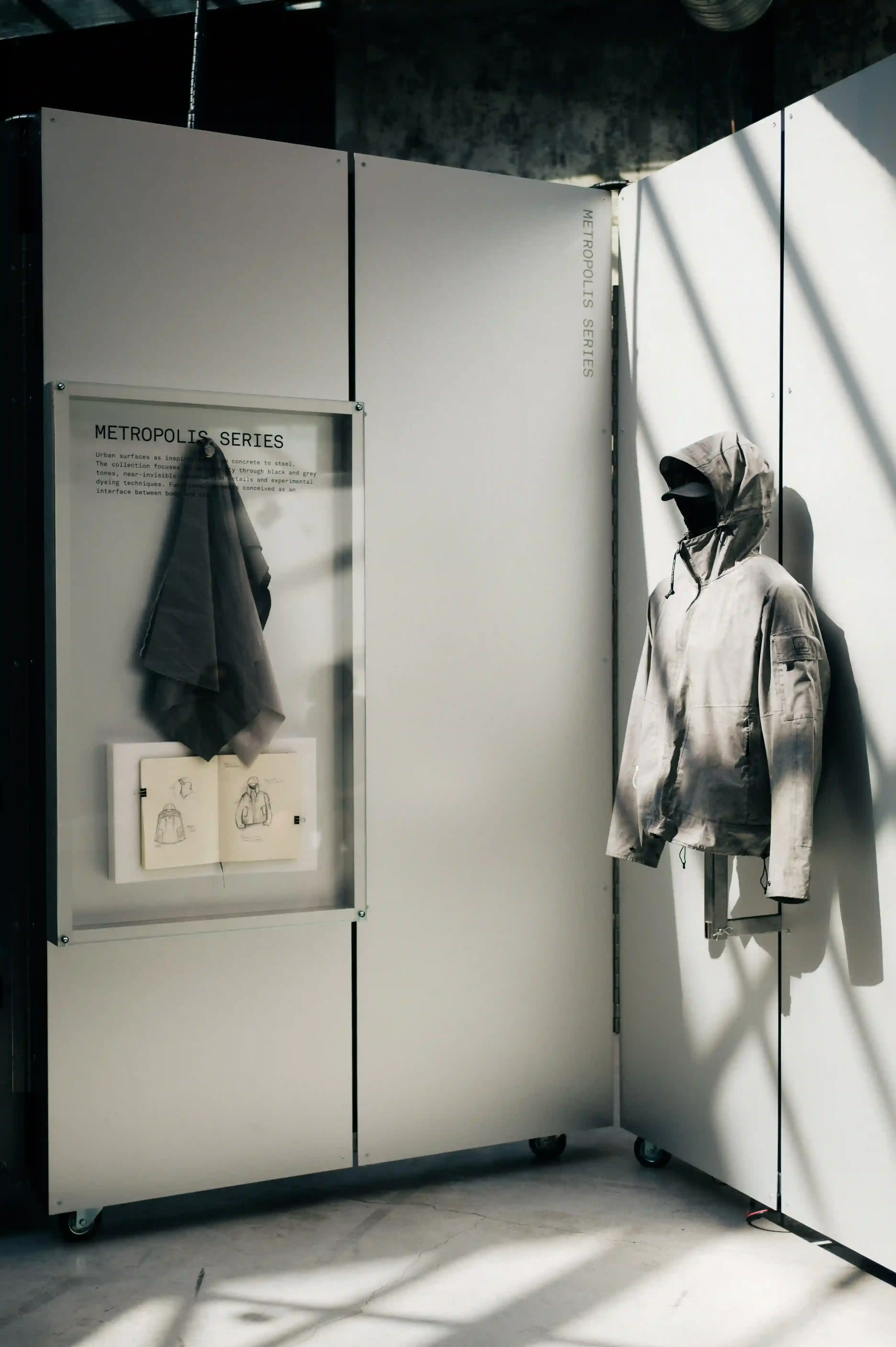
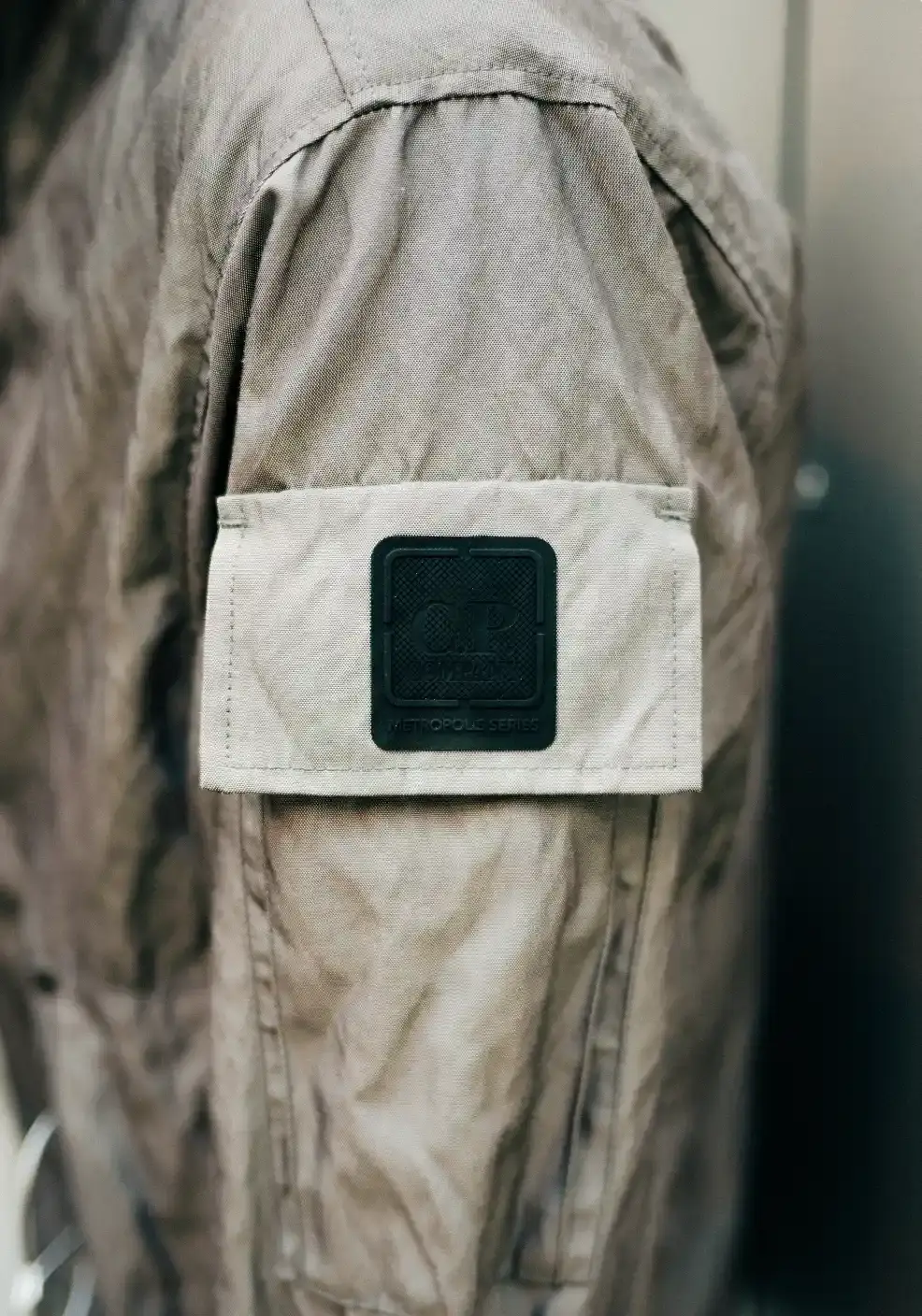
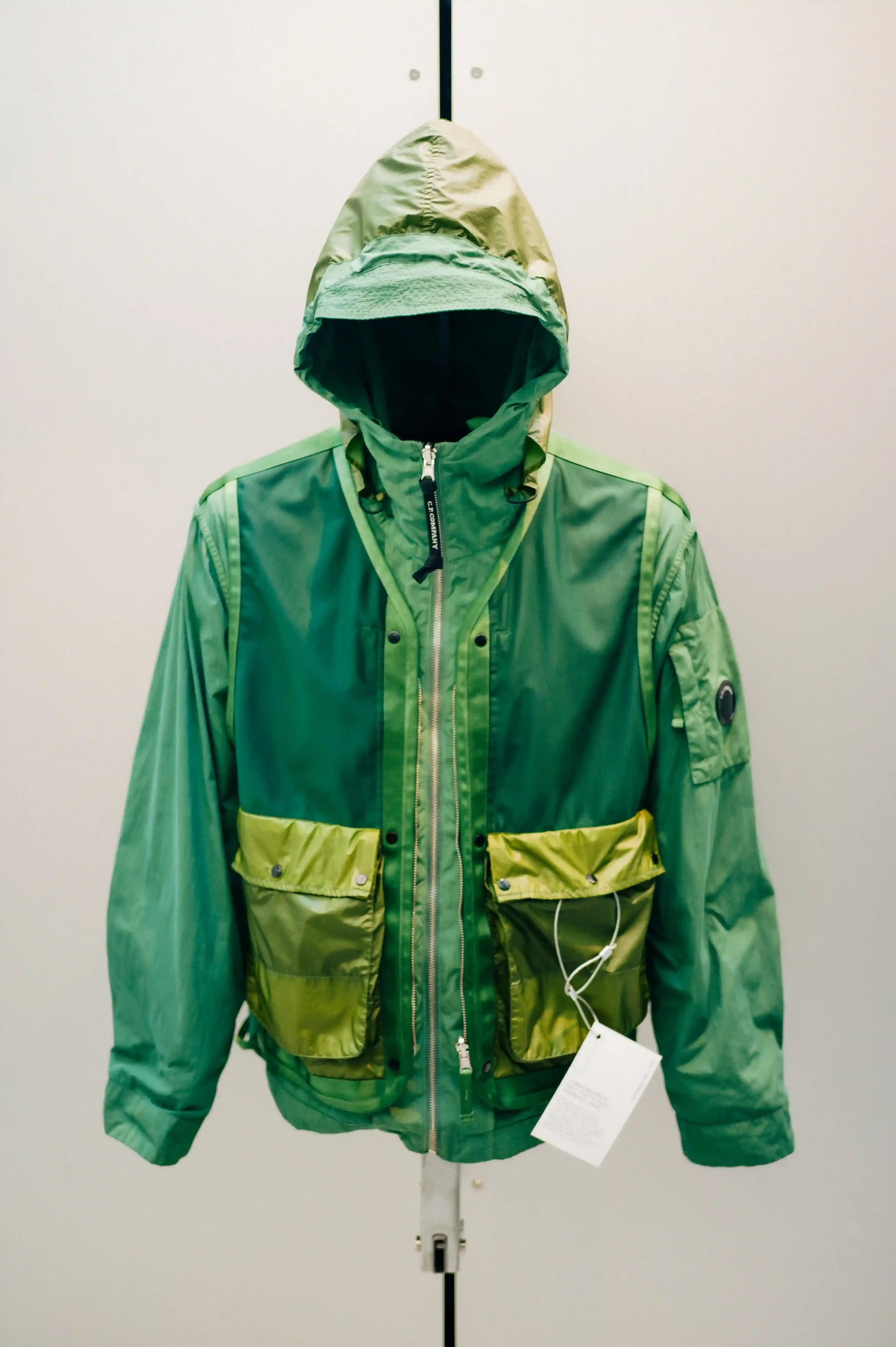
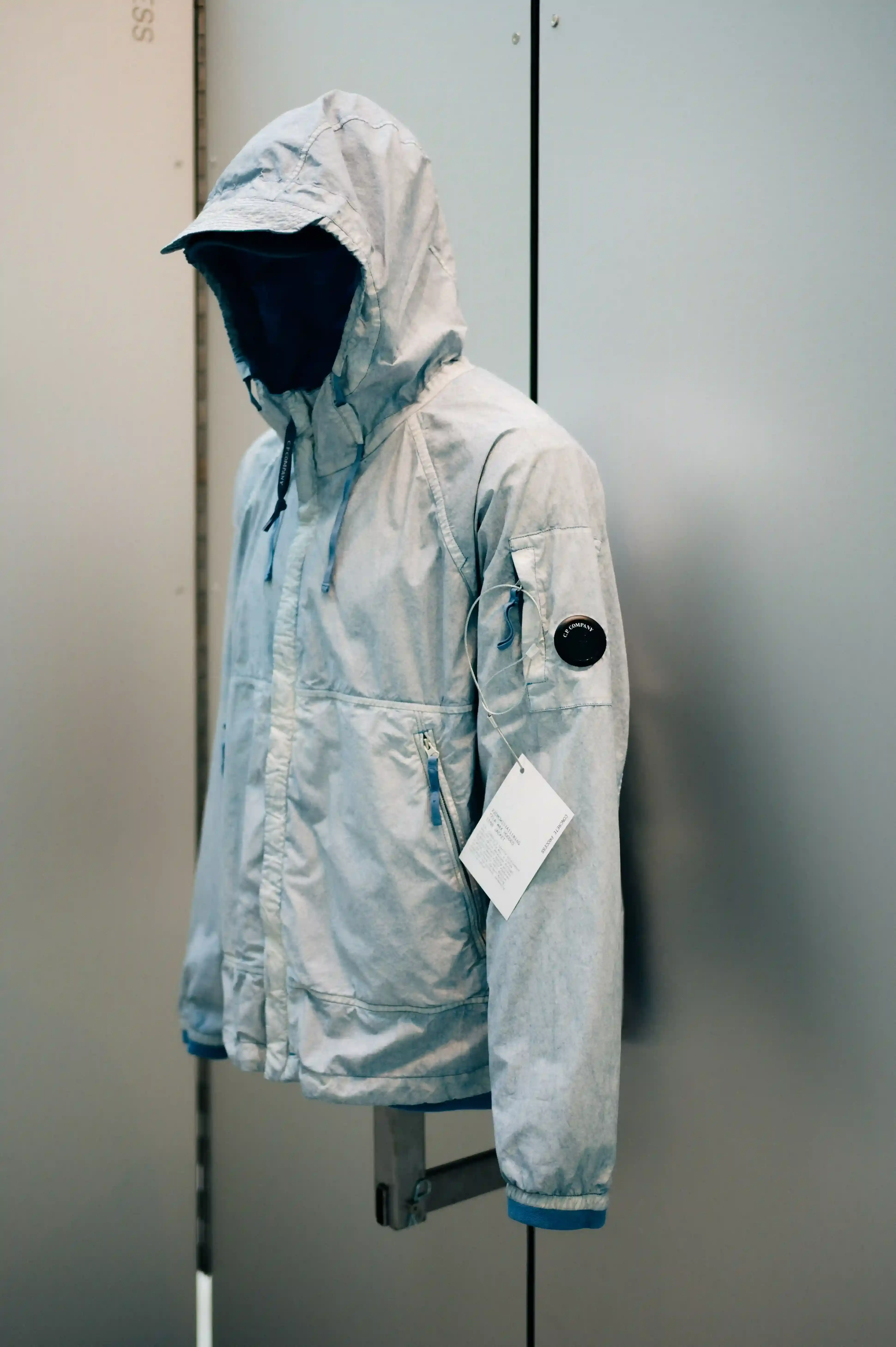
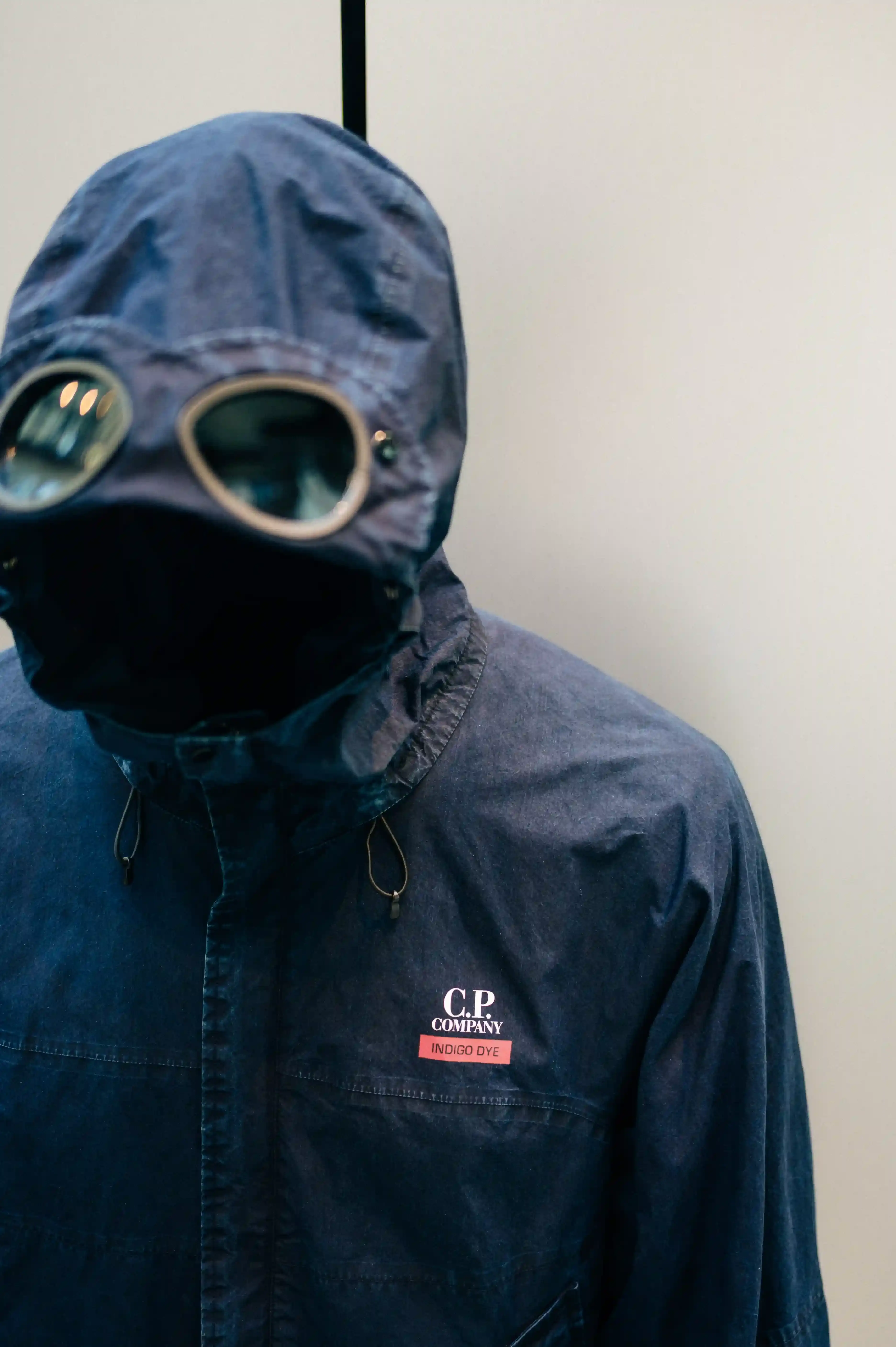
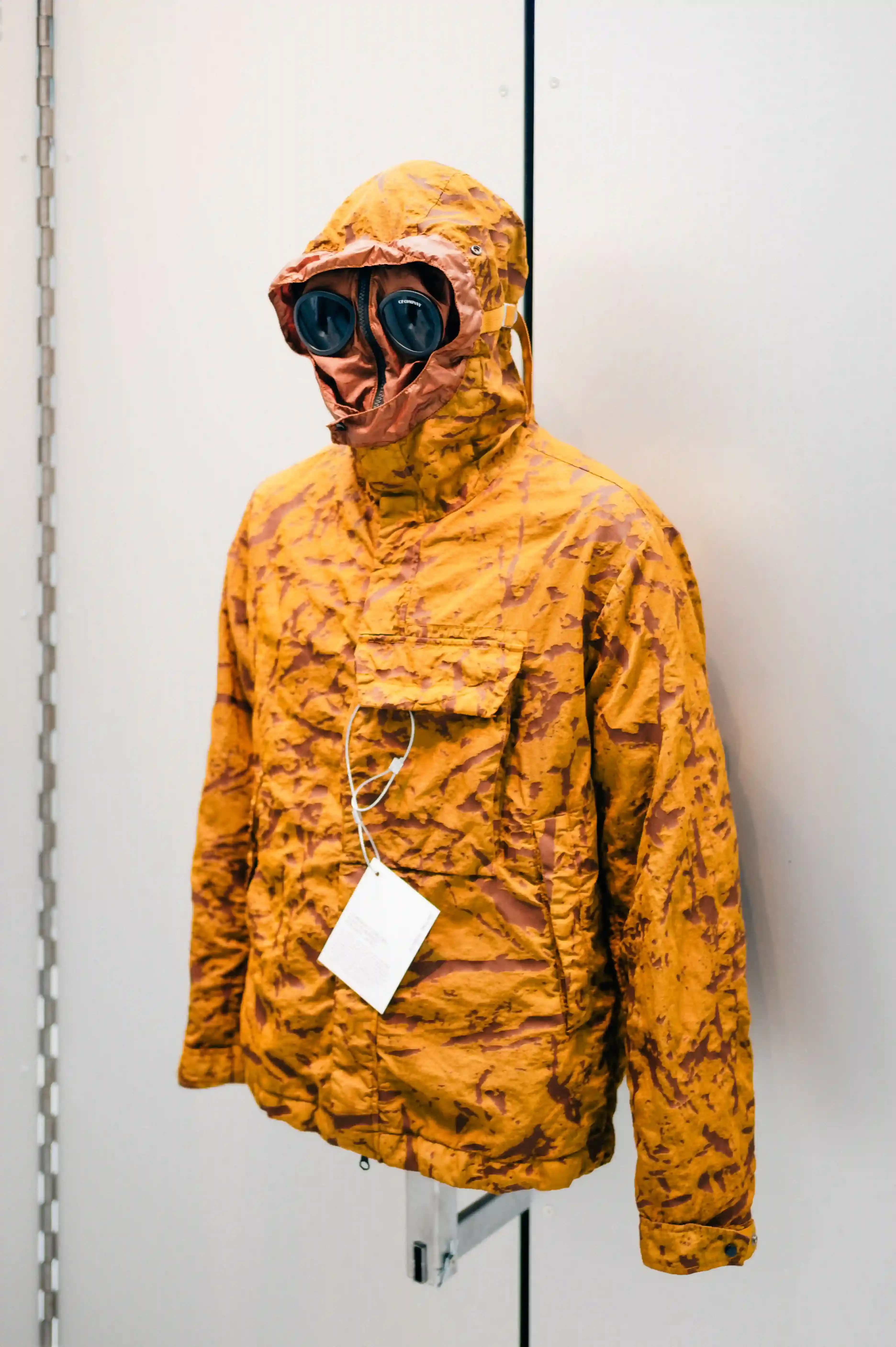
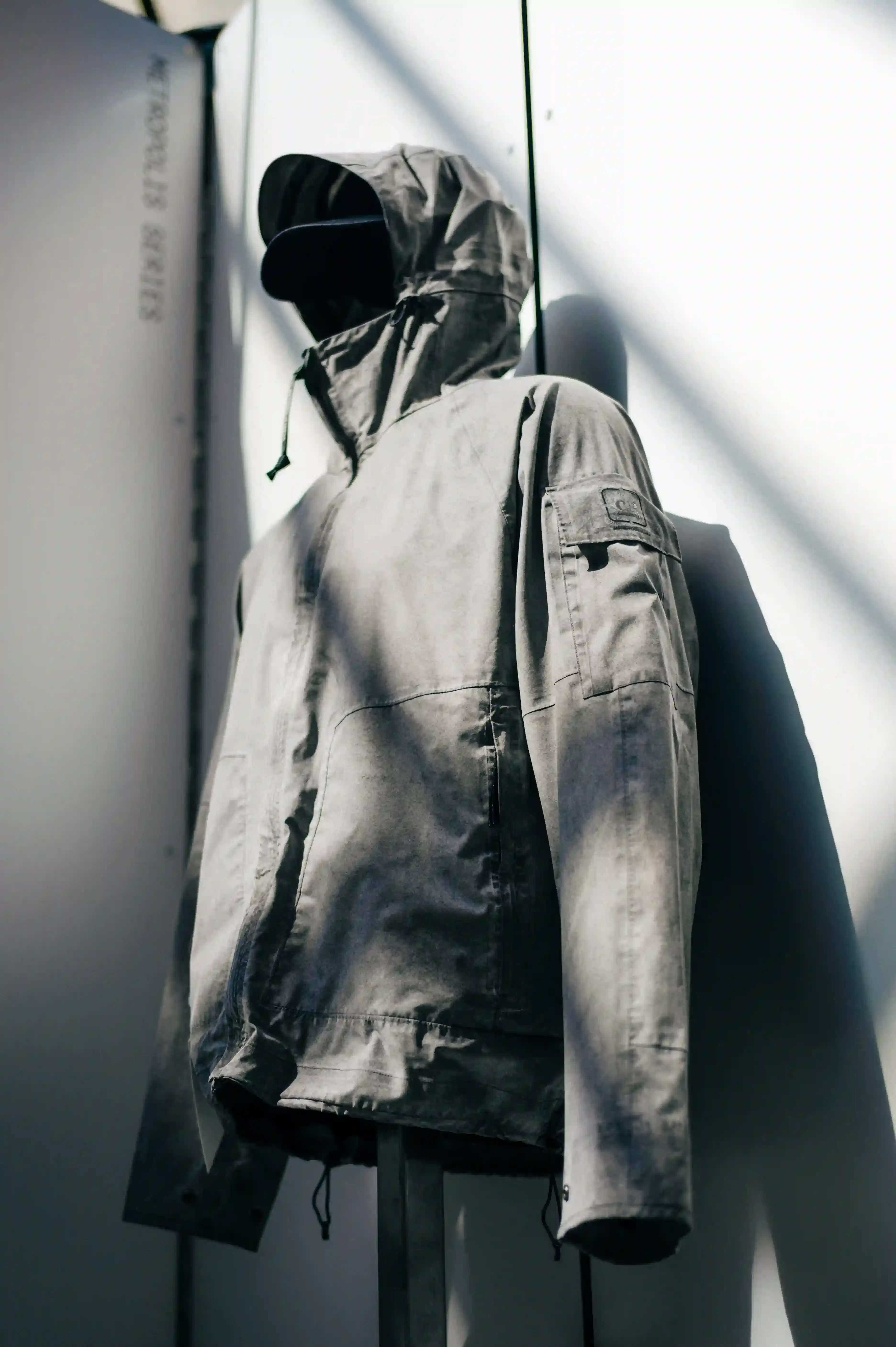
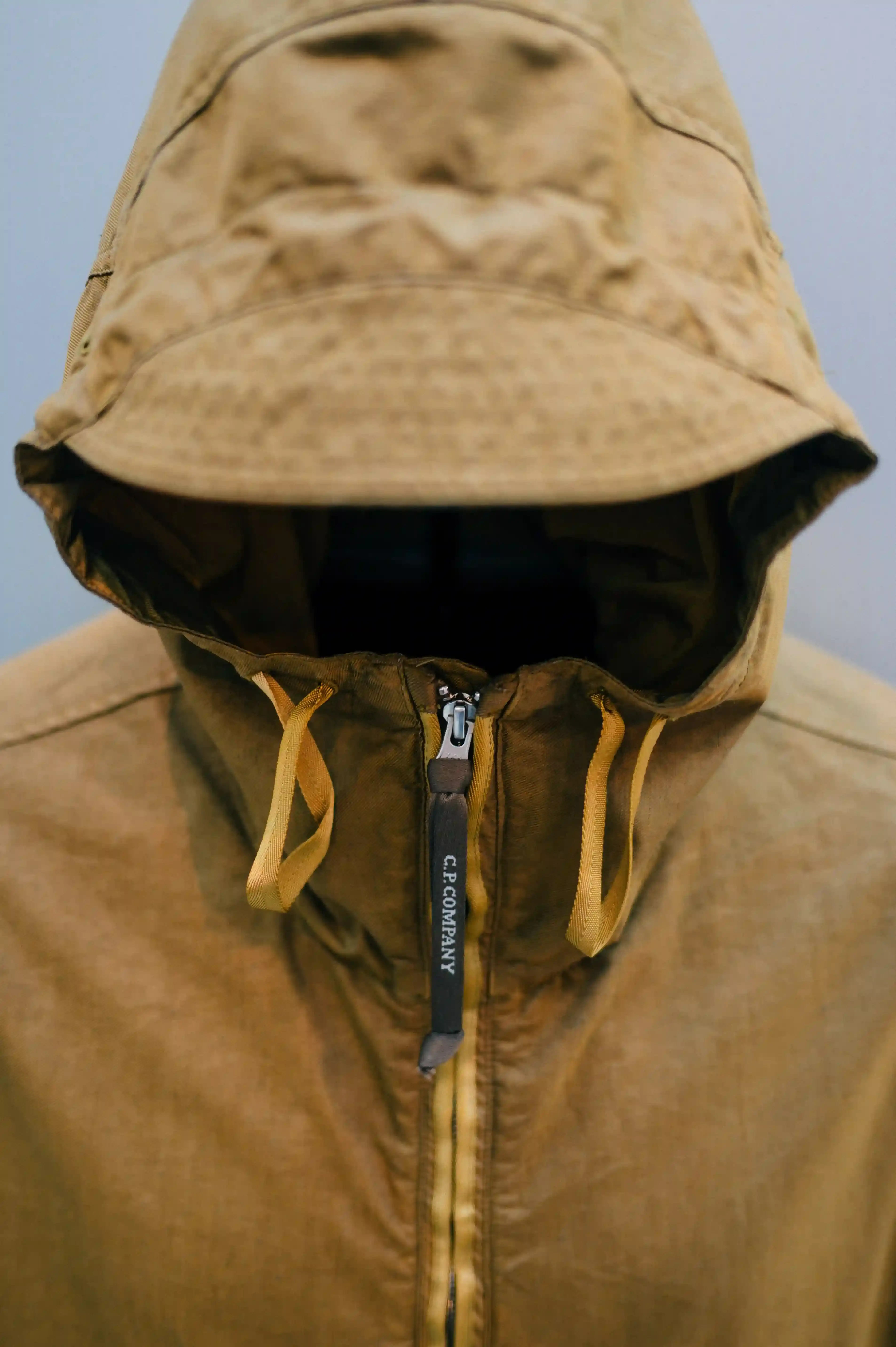
During Paris Fashion Week, we went to the C.P. Company showroom expecting to see clothes, but what we found was closer to a working archive, a place where fabric, function, memory and invention sit in the same room without trying to explain themselves too much.
C.P. Company has always had this strange way of feeling both technical and human, built from research but never cold, full of details made for use, weather, movement, pockets, lenses, dyeing processes, mistakes, tests, military references and city life.
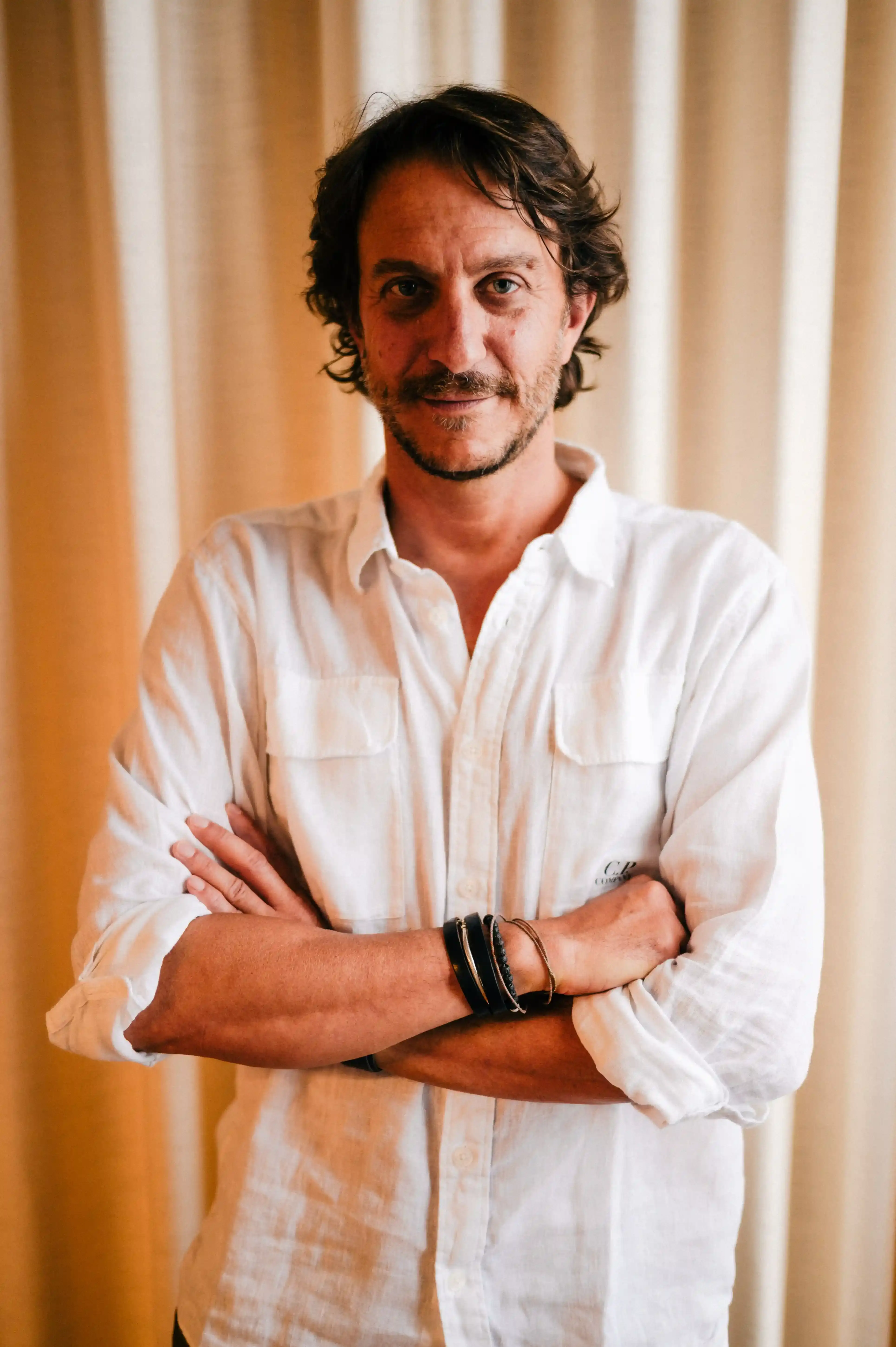
There, inside the showroom, we met Lorenzo Osti.
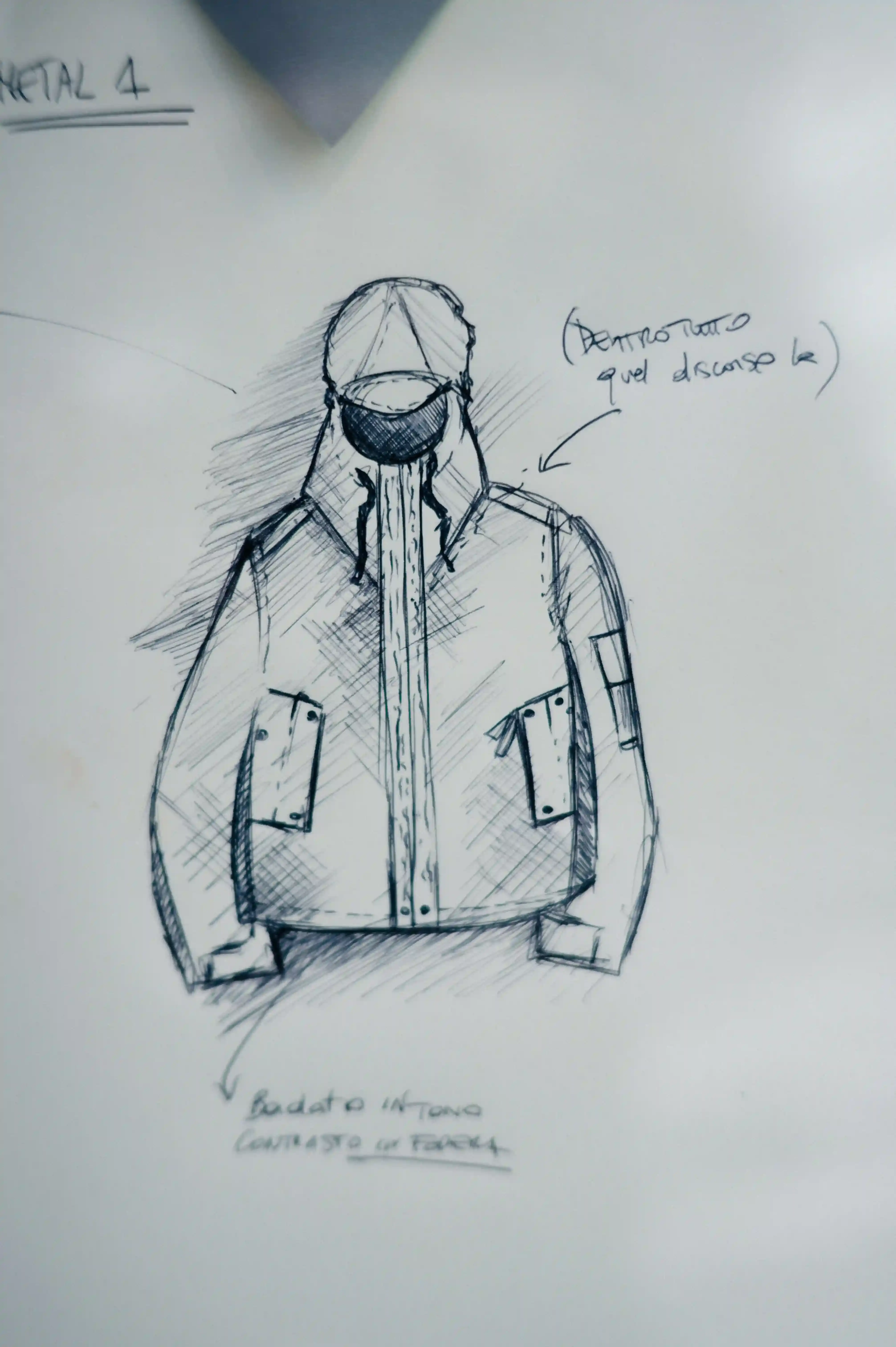
The conversation started with the collection, but moved quickly into the larger story behind it. Massimo Osti’s unfinished ideas. His relationship with fashion. The archive left behind. The responsibility of carrying a name which shaped Italian sportswear, while still allowing it to move, change and react to the present.
For Lorenzo, this is personal before it is cultural. Massimo Osti was his father. But legacy, in his words, is not something to frame and protect from time. It is something to use, question and push forward.
So we asked him about unreleased ideas, the young generation discovering Massimo Osti today, and what is the most radical thing a brand can do now.
–
There are thousands of brands inspired by Massimo Osti’s work. What is one thing he would probably like about the way his legacy is discussed today?
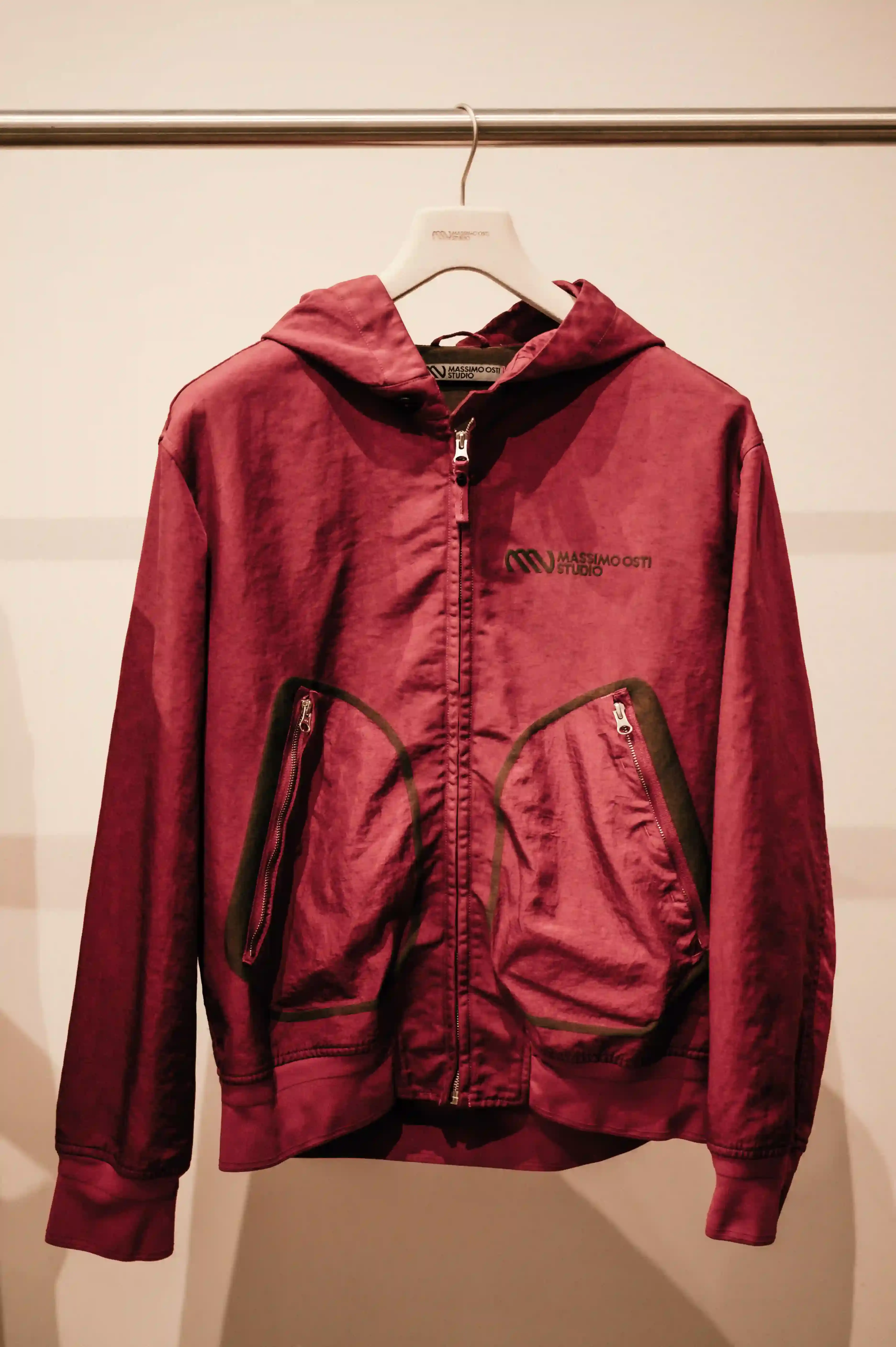
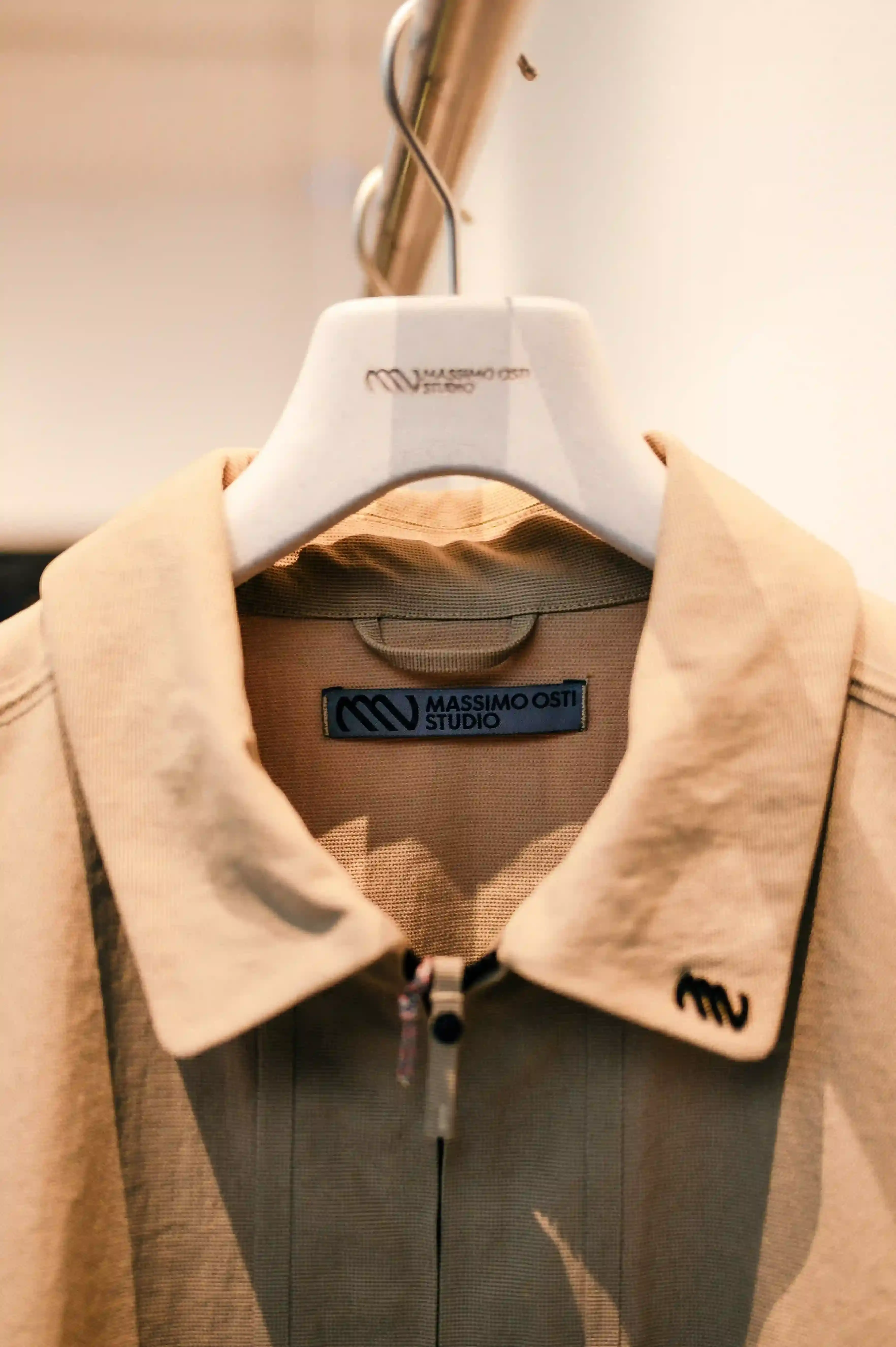
I spent a lot of time thinking about this. I think what he would appreciate most is the fact we took on the challenge of continuing the experimental attitude. Especially with Massimo Osti Studio, we try something different from what he did.
Of course, we celebrate him in many ways. We have an archive. We wrote books. We released a new book. C.P. Company is deeply rooted in his legacy.
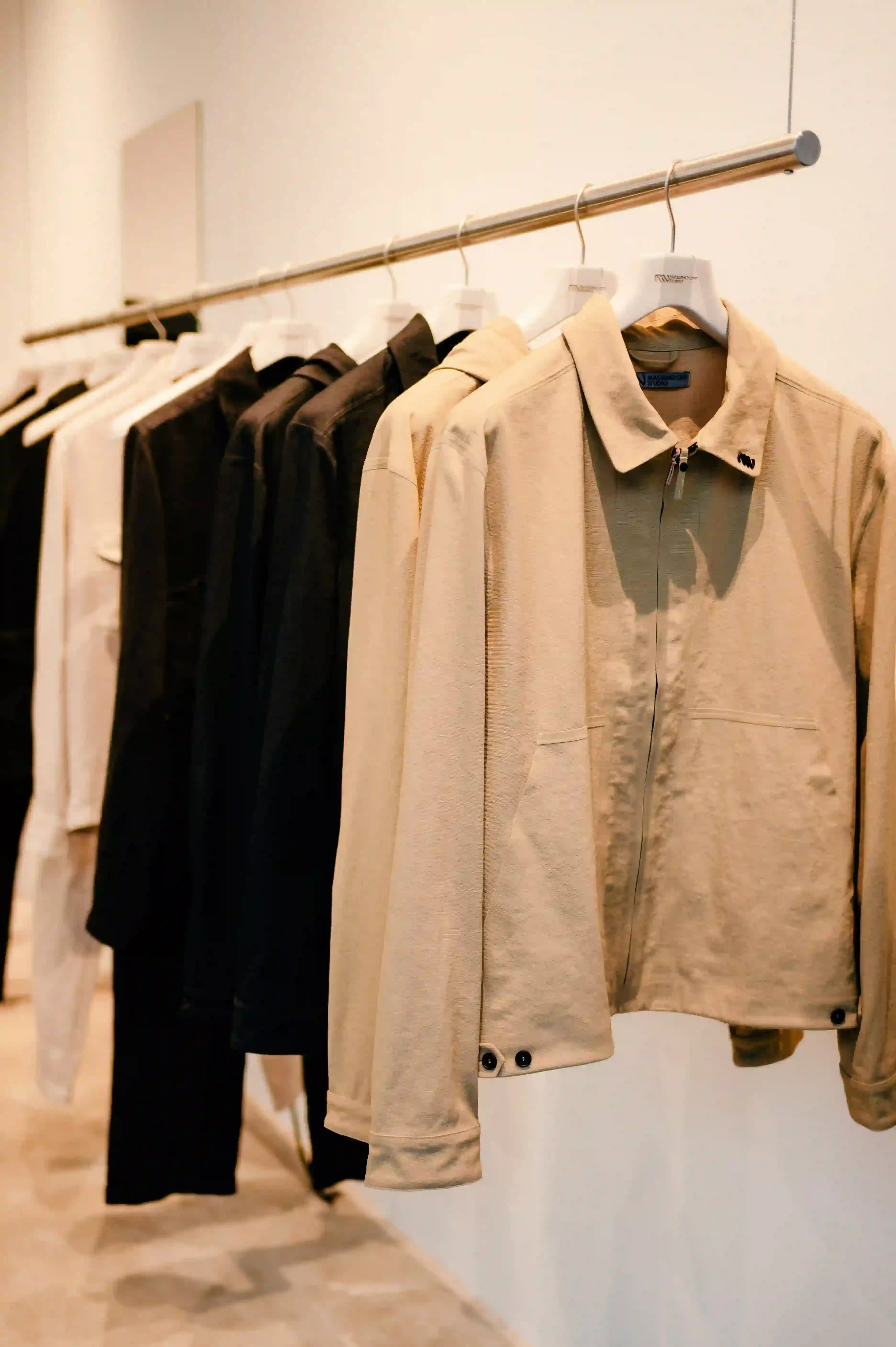
But with Massimo Osti Studio, we pick up from where he left. We try to push the research forward.
C.P. Company and Massimo Osti feel relevant for today’s youth culture. Many brands want this, but few reach it. Did you expect this, or does it still surprise you?
Seeing the young generation get interested in my father’s work is by far the biggest satisfaction I have.
It was not always like this. My father passed away in 2005. At the time, he was known in the industry, but almost unknown to the general public.
The reason is simple. He was shy. He always hid behind a brand name. He created many brands, but he almost never used his own name.
Since he passed away, we did a lot of work for this reason. We wanted people to understand his contribution to fashion and his inventions.
We founded the Massimo Osti Archive. We created more than one book about his story. Now we are working on a foundation.
The aim of the foundation is to carry his legacy forward. But more important, we want to shape a new generation of designers. We want to teach them his working method, because it deserves to pass through generations.
Do you think your father’s real contribution was designing clothes, or teaching people a different way of looking at everyday objects?
My father had a peculiar relationship with his work.
He did not define himself as a fashion designer. When someone asked him, he always said, “Fashion for me is a job.” Once, he tried to define himself and said, “I am a designer of clothing objects.”
So yes, he had a different way of seeing his role.
If you started from zero today, with no archive and no legacy behind you, what would you be obsessed with right now?
First of all, I would think a lot about it, because today it is difficult to create something without heritage.
The most important thing would be cultural relevance.
There is one thing I learned from my father’s work. His biggest contribution, his biggest talent, was understanding contemporary society and putting part of this understanding into his work.
So I would focus 100% on what is happening today. Politically, socially, culturally. Then I would try to put part of that into clothes.

Share this editorial
RELATED

ADERERROR SIGNIFICANT AND ALPHA INDUSTRIES MA-1 JACKET

PERSPECTIVES CROISÉES PAIRS ATELIERS ALIX AND TIANXI

EIGHT HONG KONG LABELS PRESENT SS27 AT PARIS FASHION WEEK

FIORUCCI FW26 CAMPAIGN FOLLOWS A WOMAN THROUGH A HOTEL

NORTH SAILS APPAREL NAMES MAURIZIO PRIANO CHIEF BRAND OFFICER
