
Little Tokyo Table Tennis started as a club.
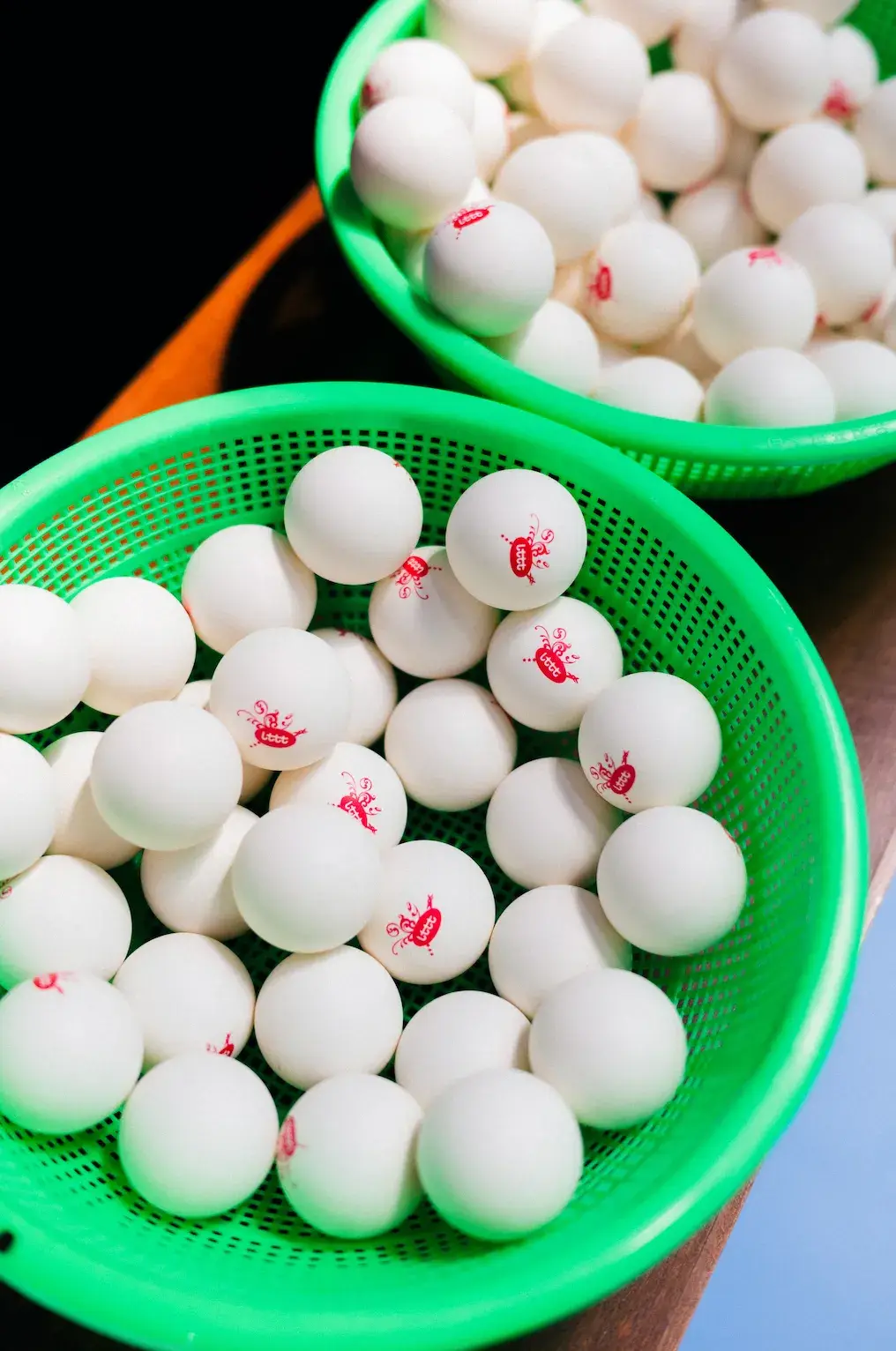
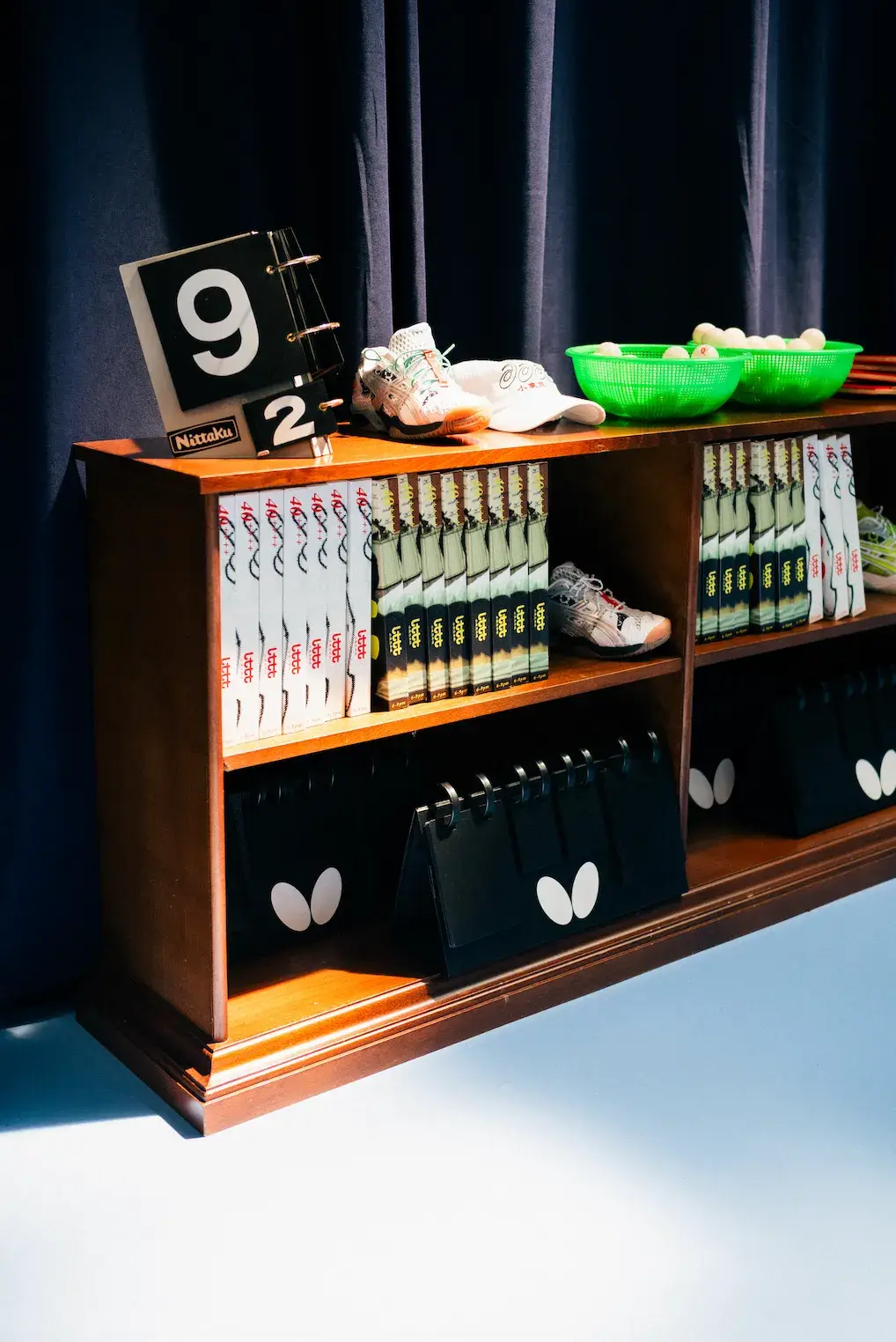
A table, a paddle, a Tuesday evening in Los Angeles. People came to play. Then they came back. Then the feeling around the club started to travel further than the room itself.
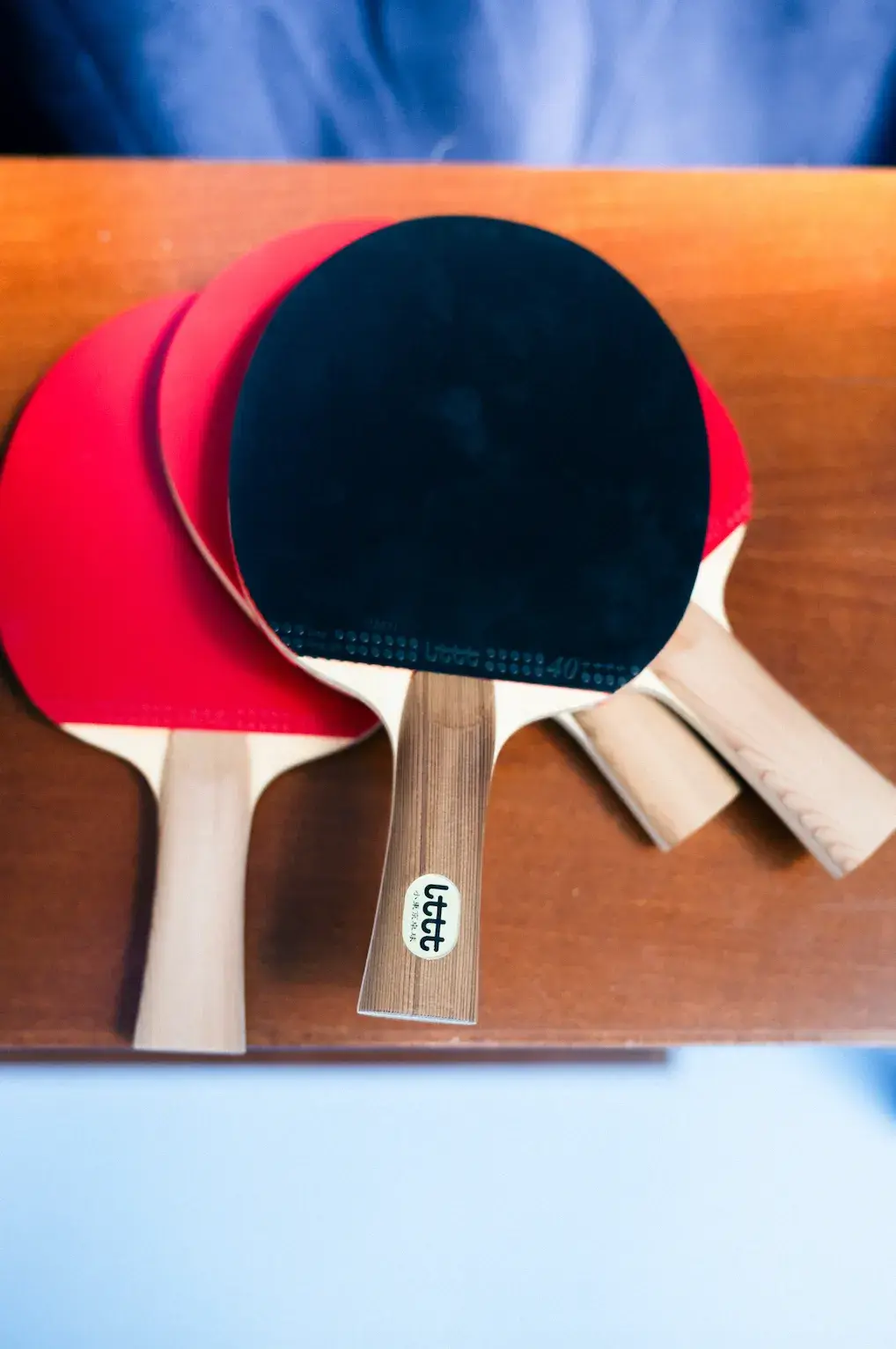
For Jiro Maetsu, founder of LTTT, table tennis was never only about the sport. The club became a way to build contact. A low-pressure space where people meet through movement, competition, and shared energy. From there, the brand followed.
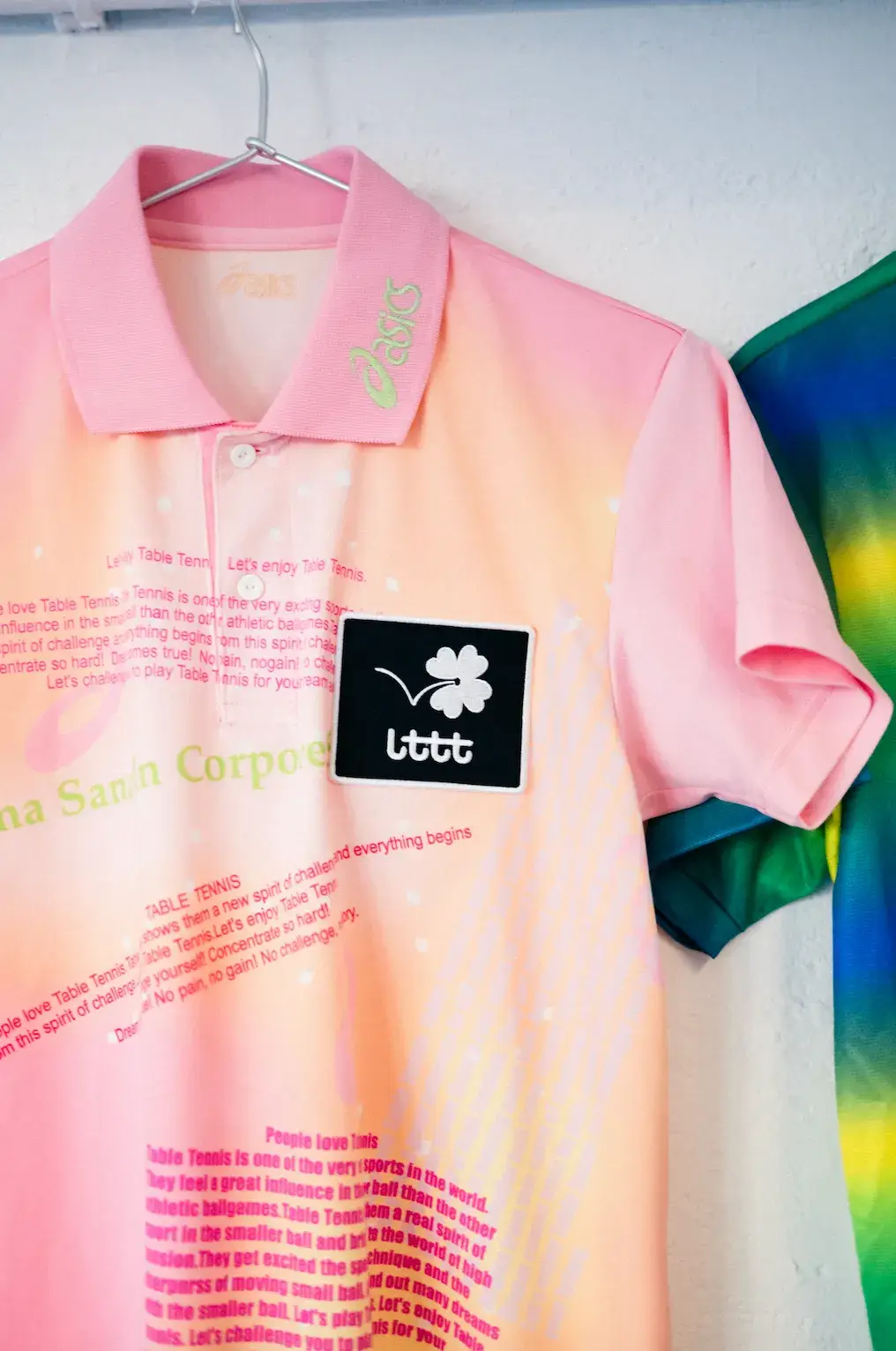
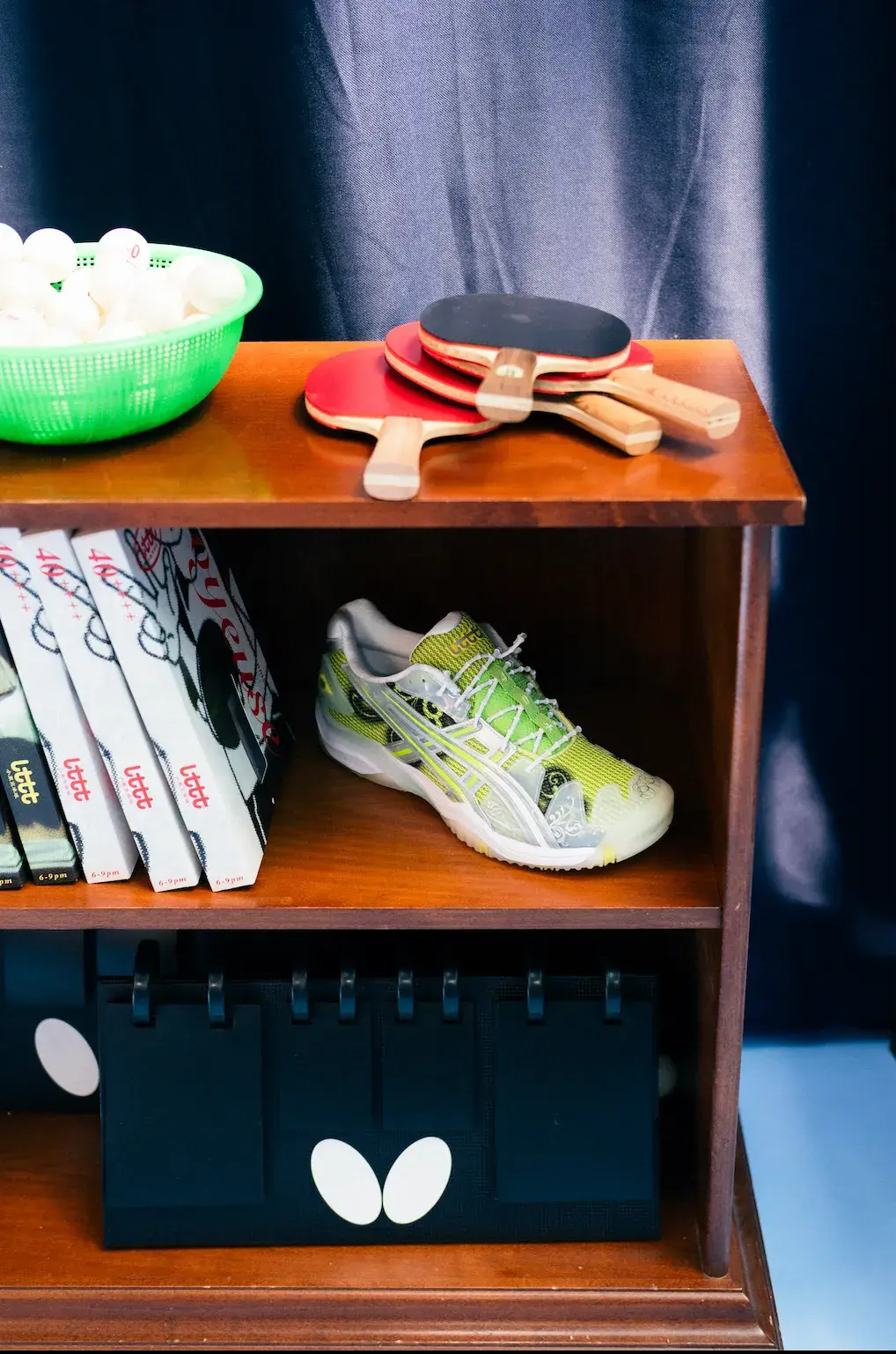
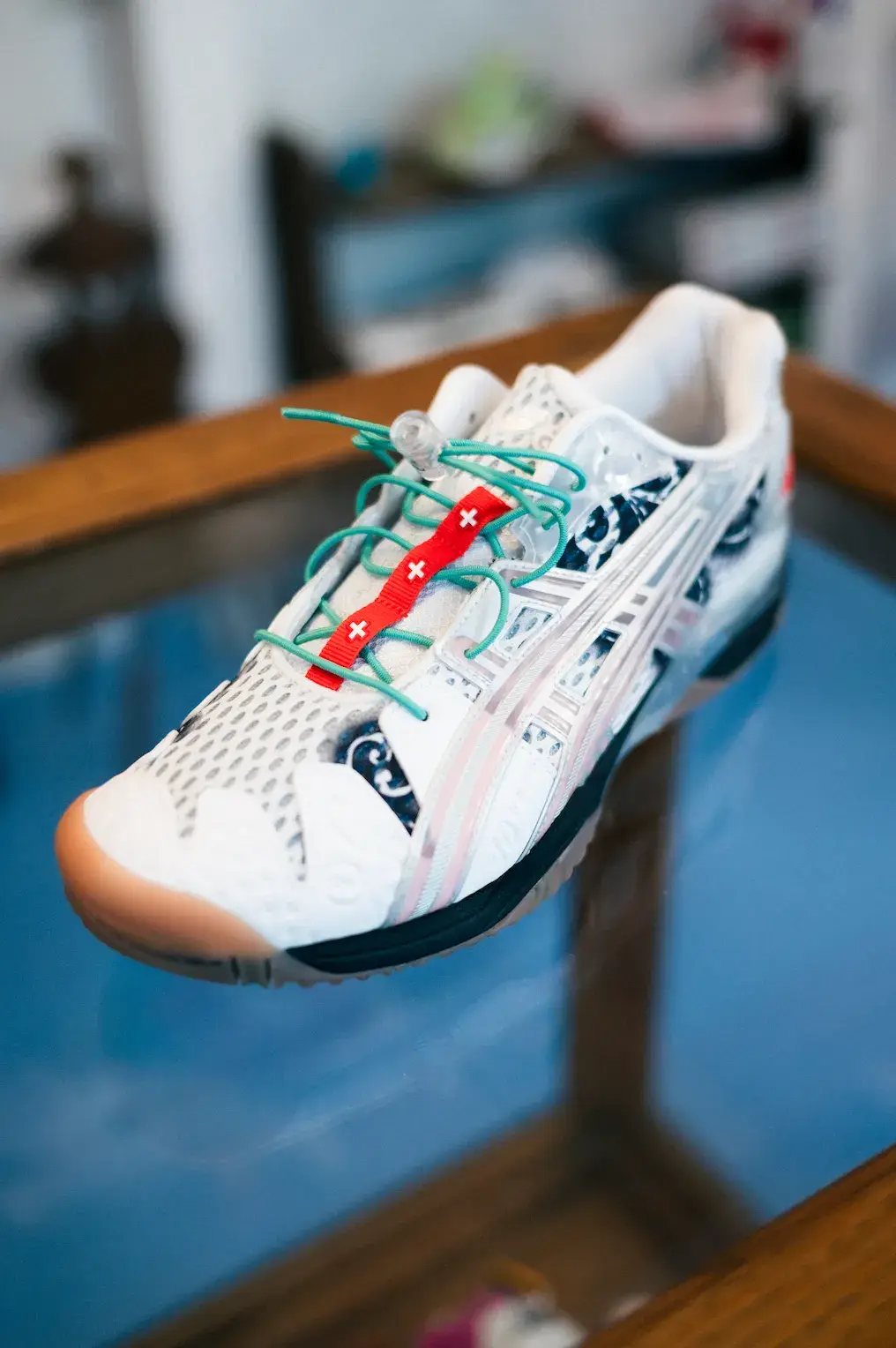
The ASICS collaboration takes this story into footwear. The project is built around the Gel Resolution 5, an archive tennis model from 2013, reworked through LTTT’s color, playfulness, and table tennis references.
We spoke with Jiro Maetsu and Anissa Jaffery - heading PR and Collaborations at ASICS - about playing to win, building a brand without chasing one, and why table tennis feels bigger than a niche sport right now.
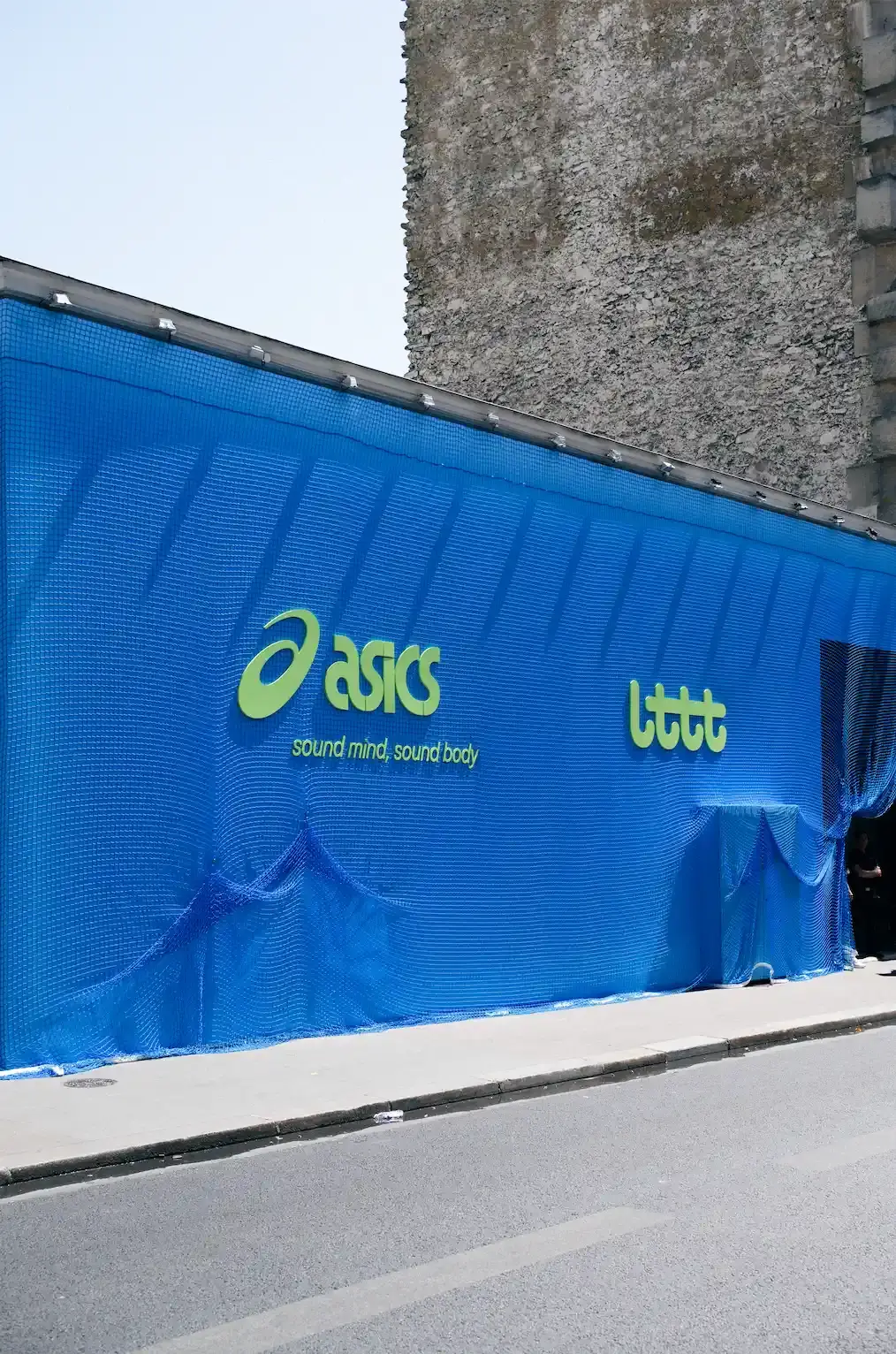
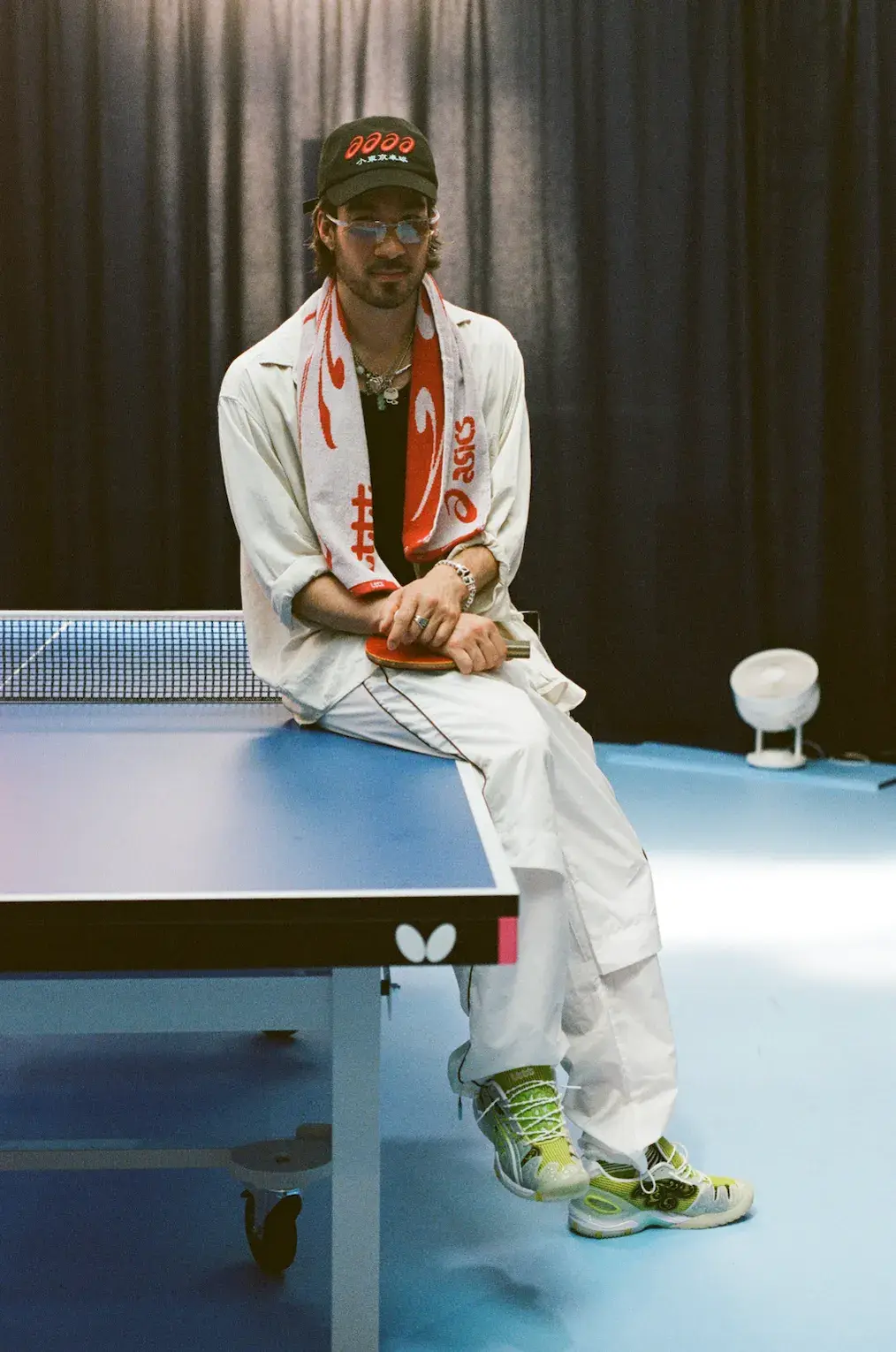

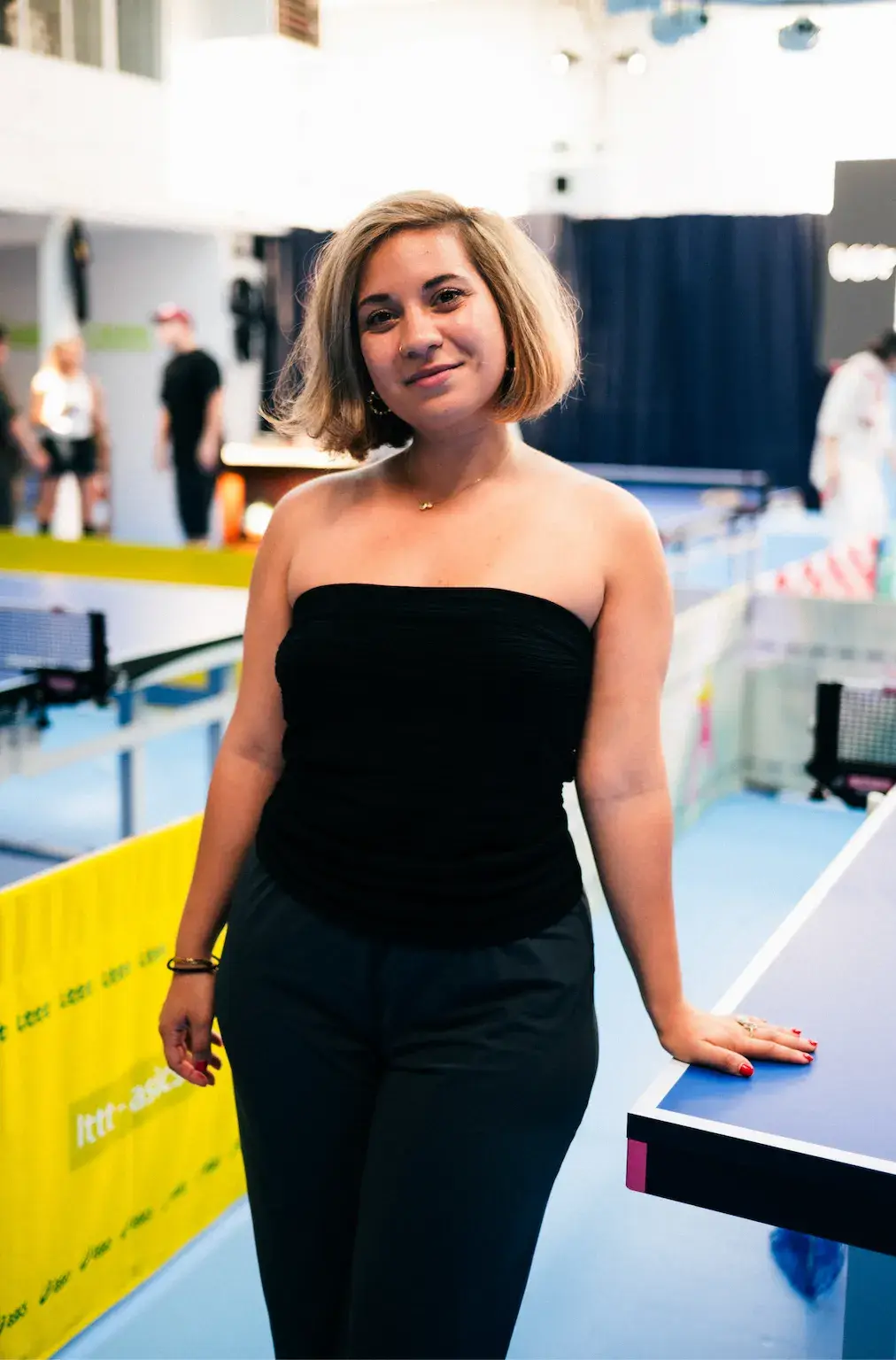
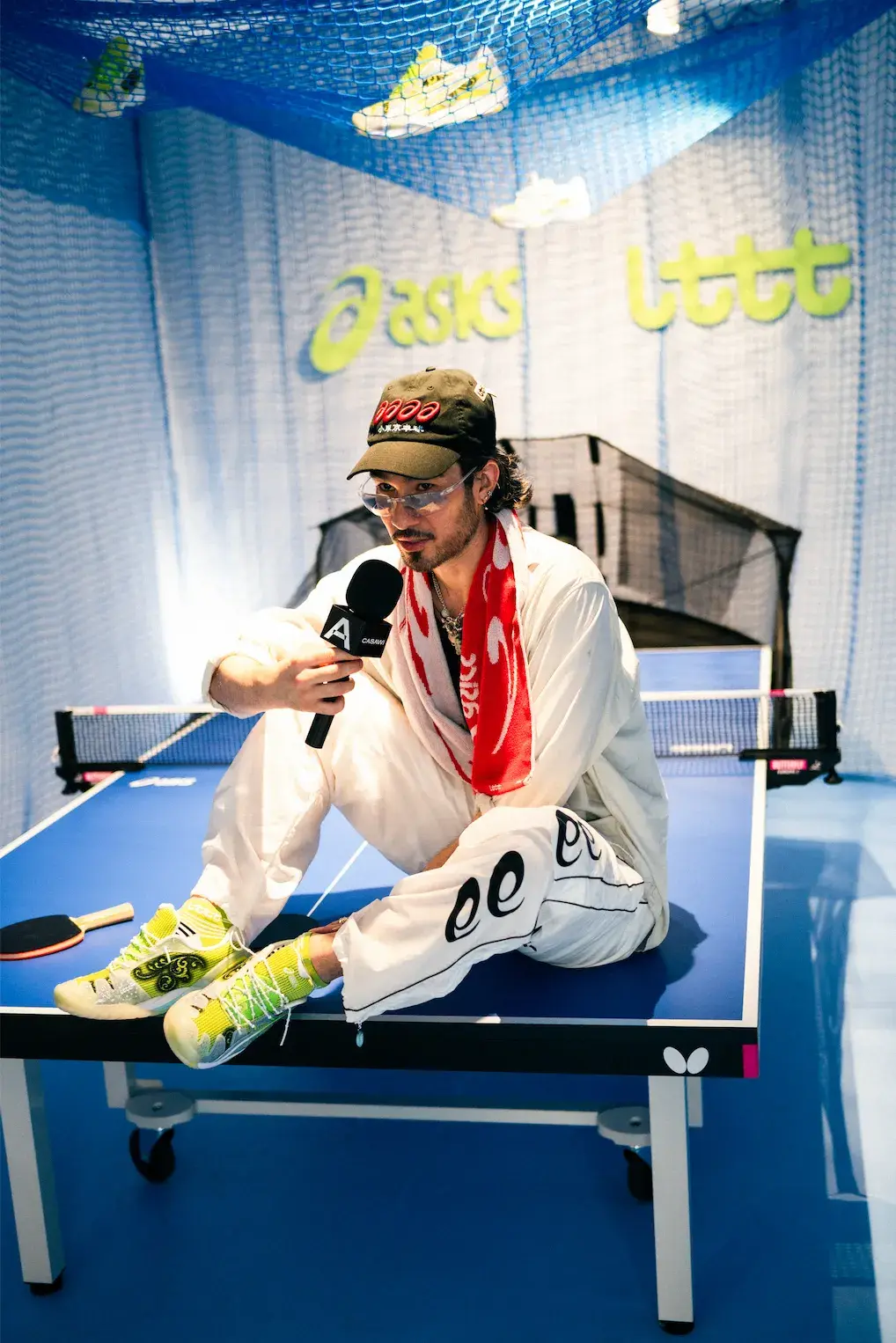

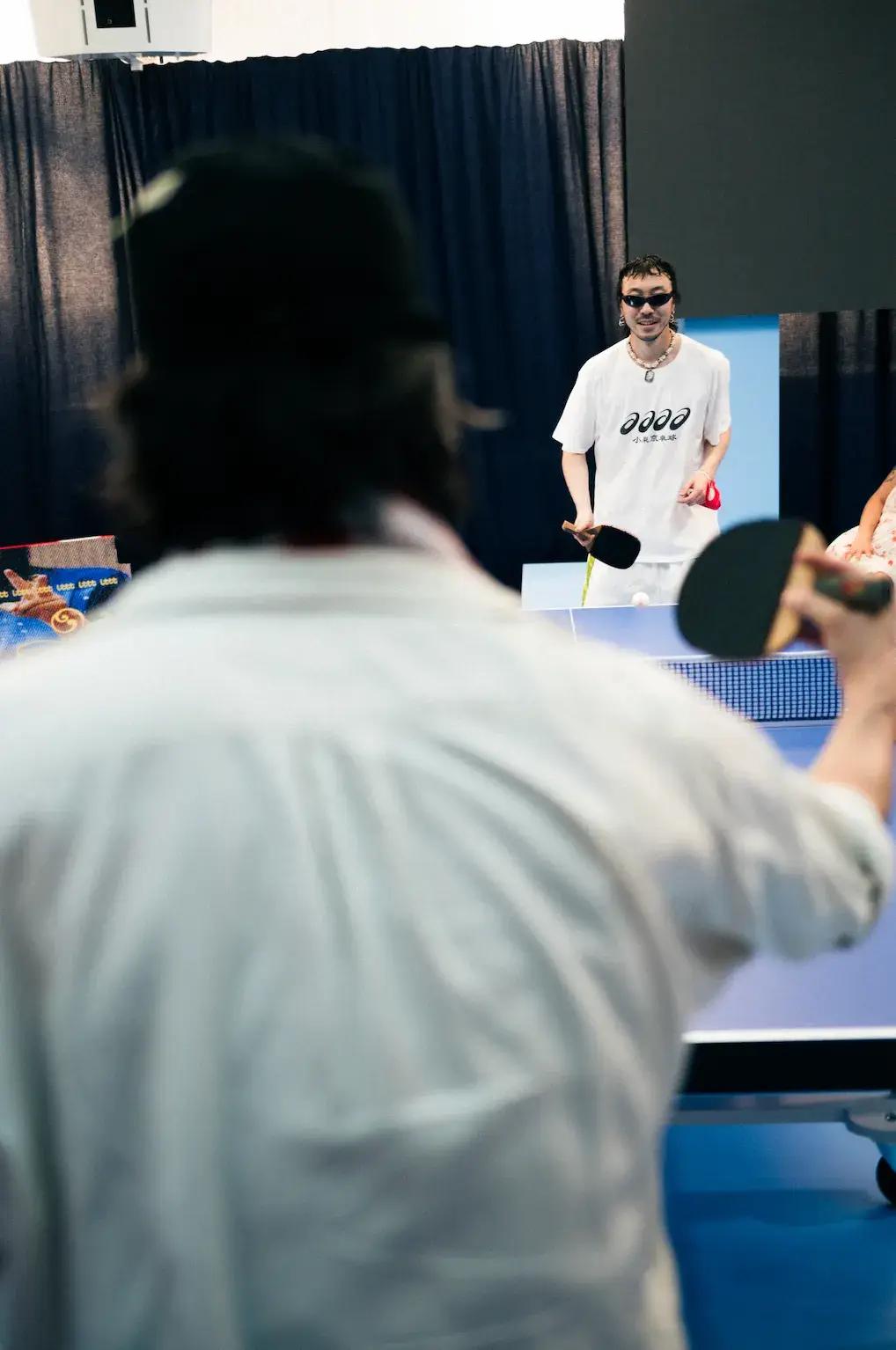
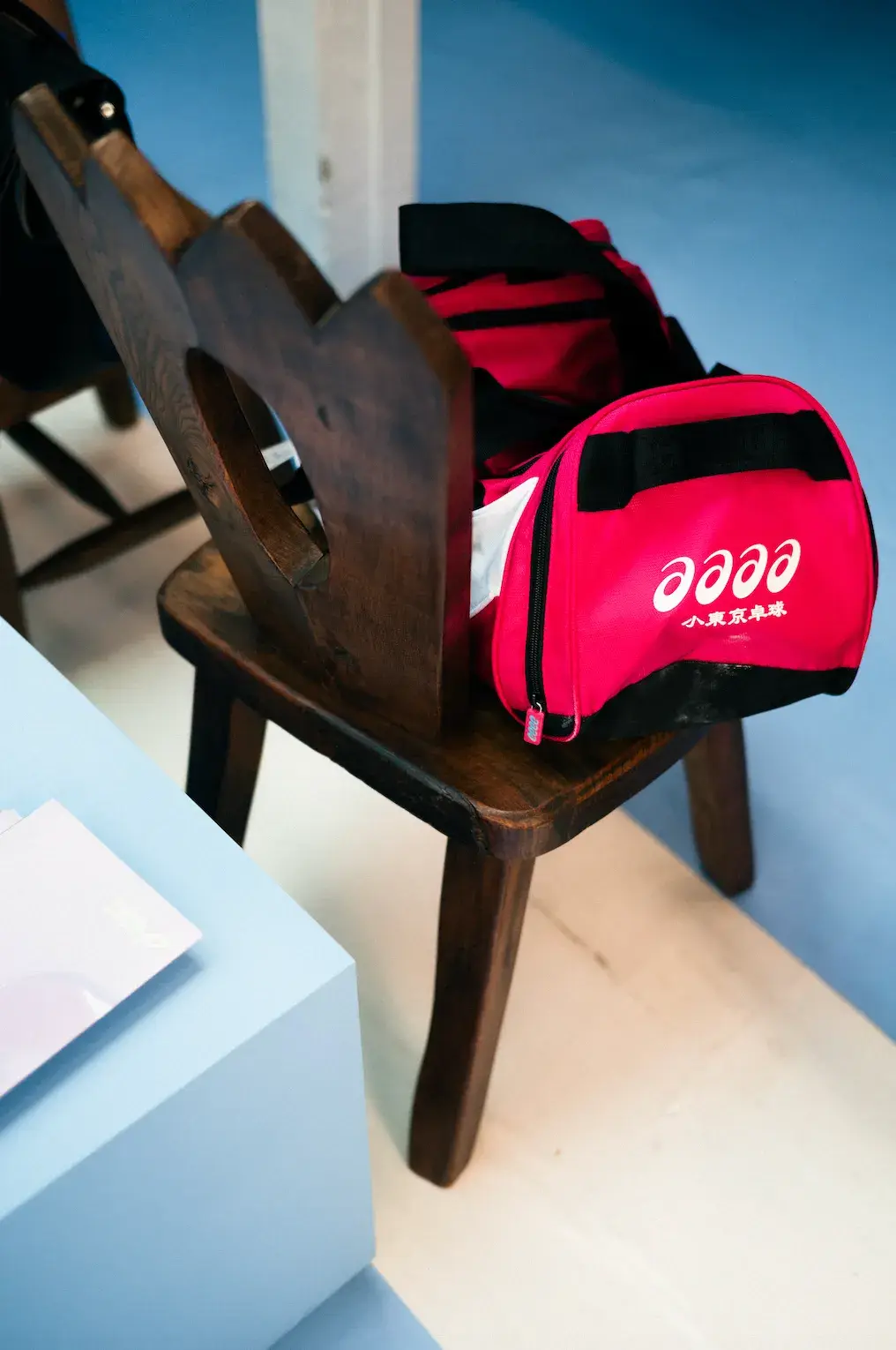
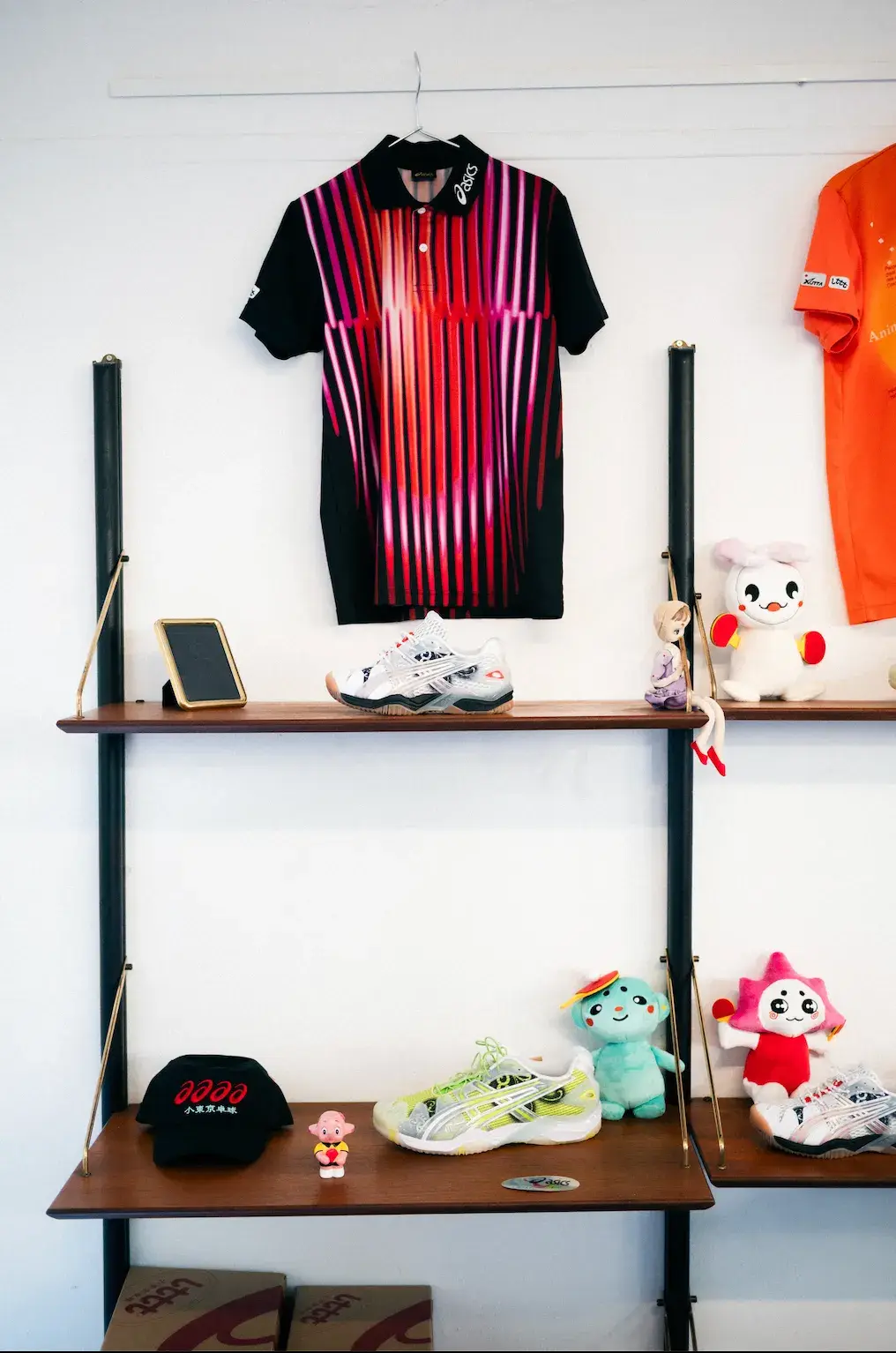
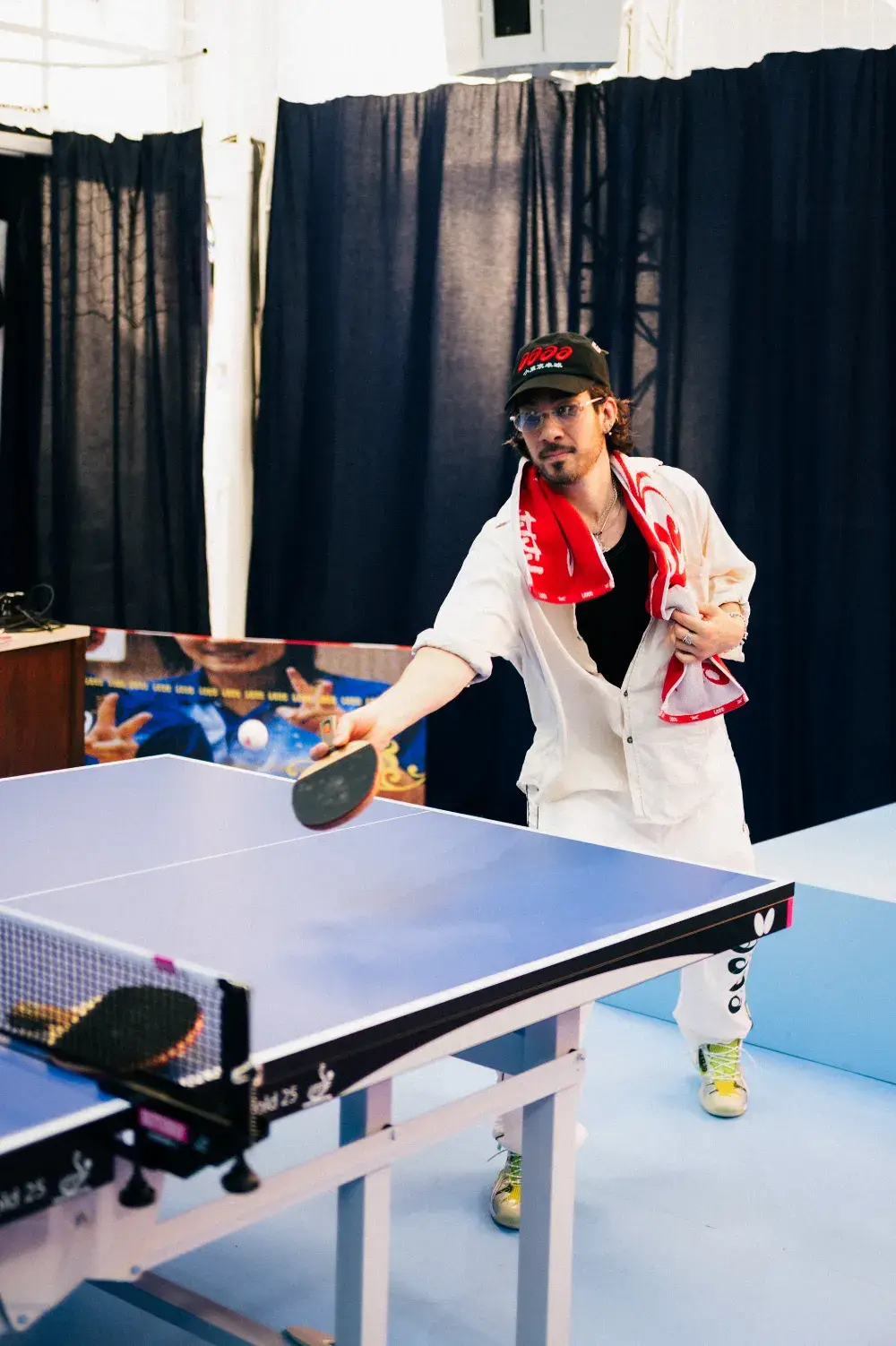
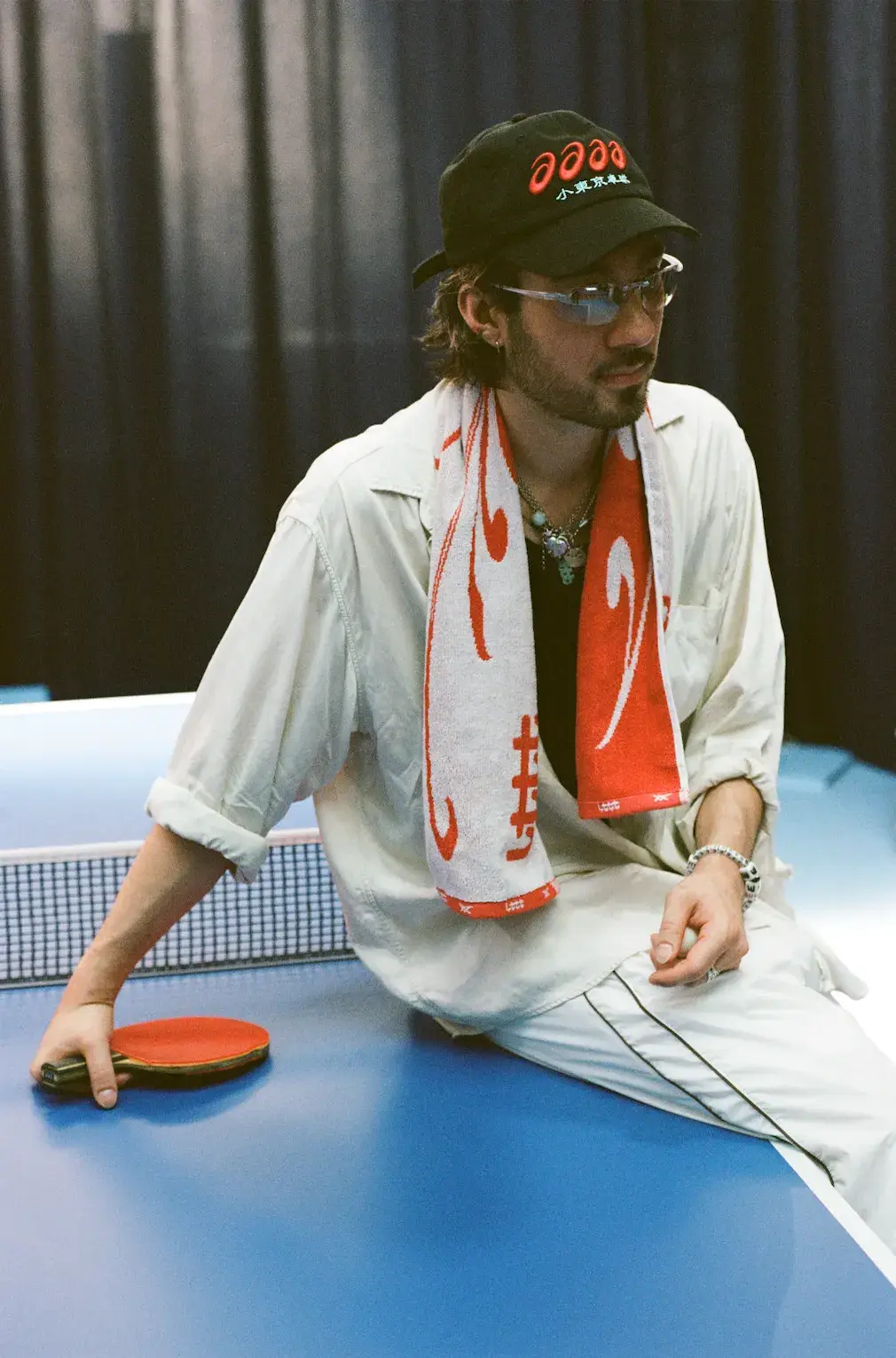
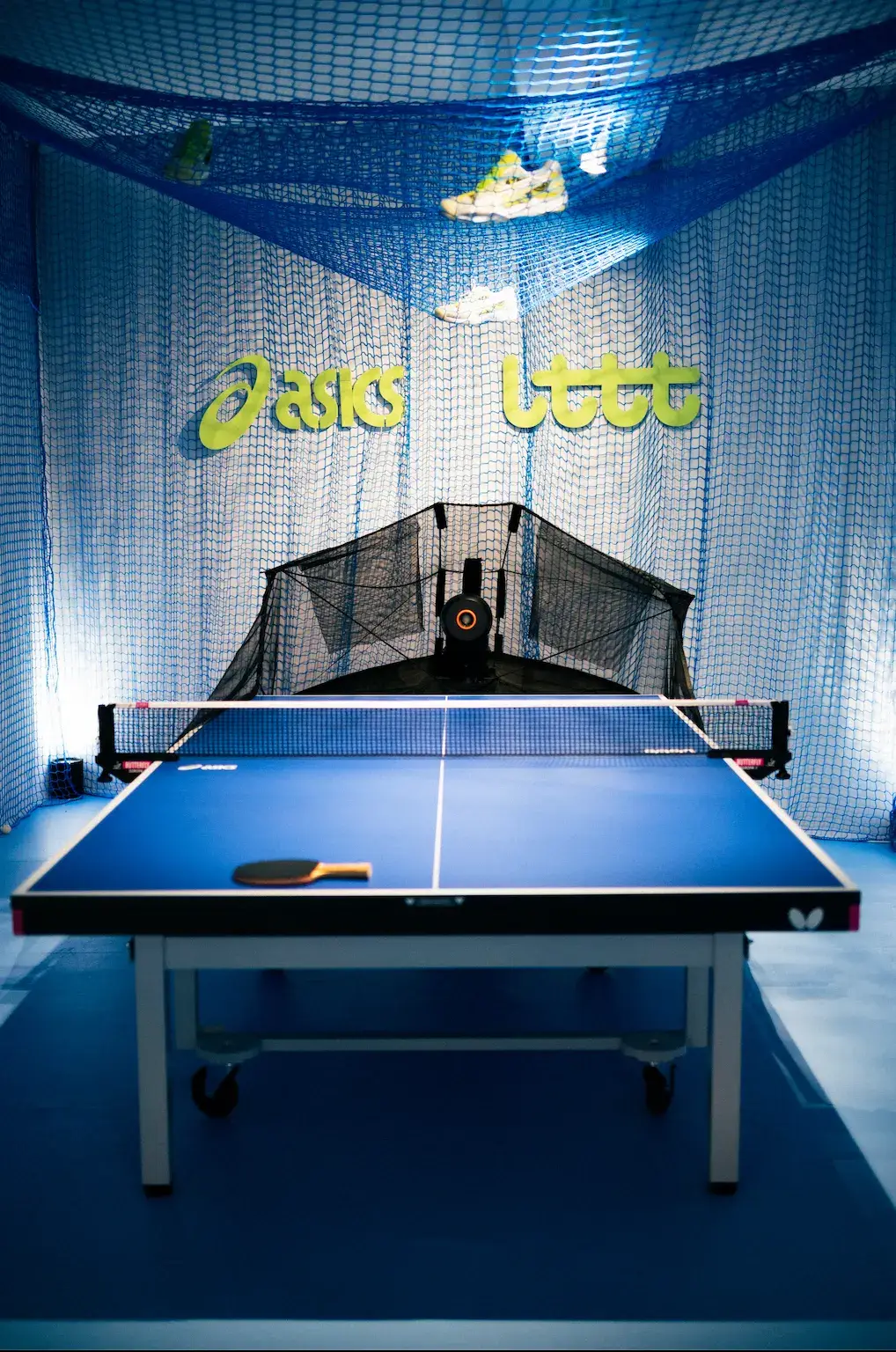

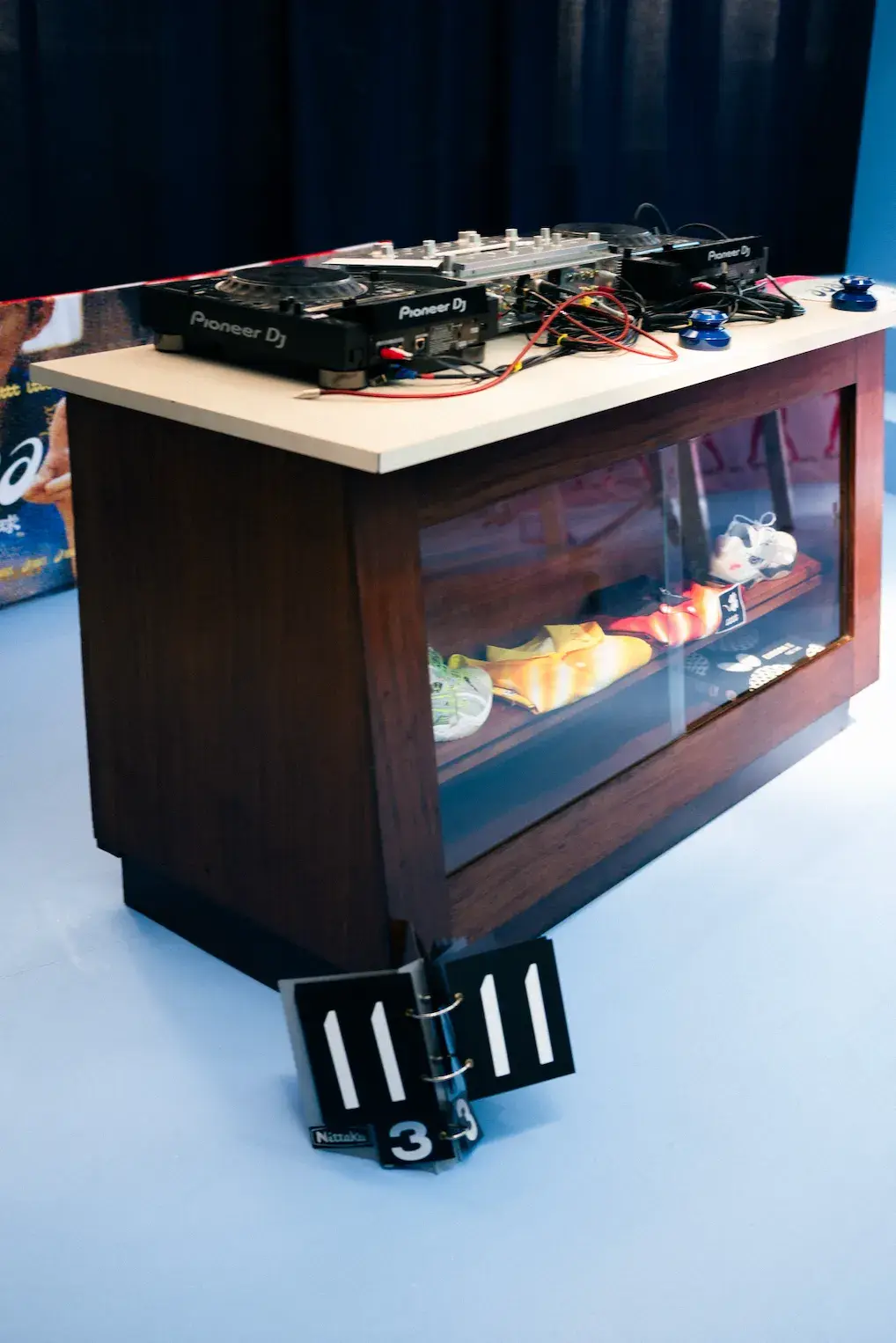
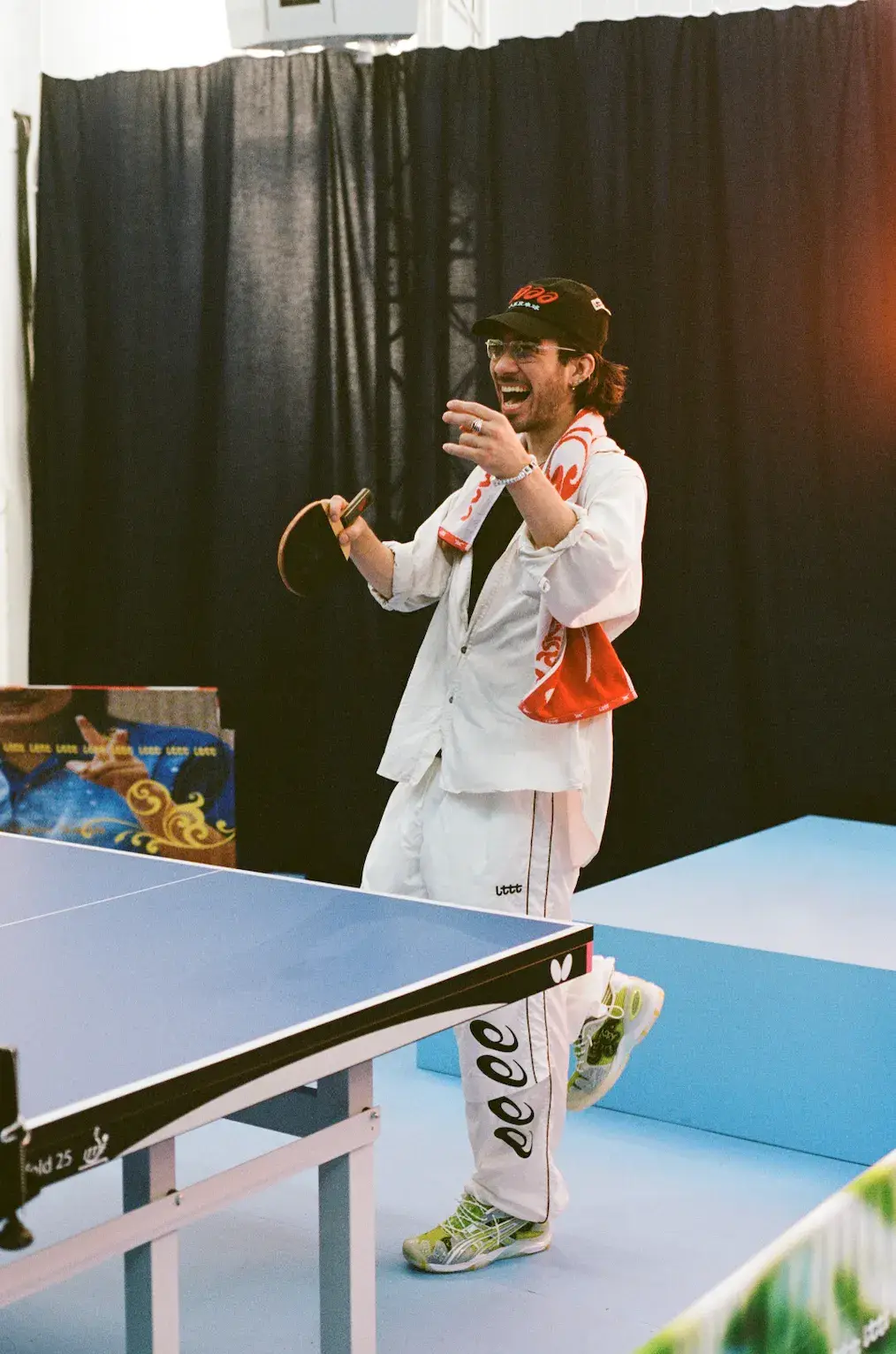
You built a brand around table tennis, but do you still play regularly? And when you play, are you Jiro from LTTT or simply another guy trying to win the match?
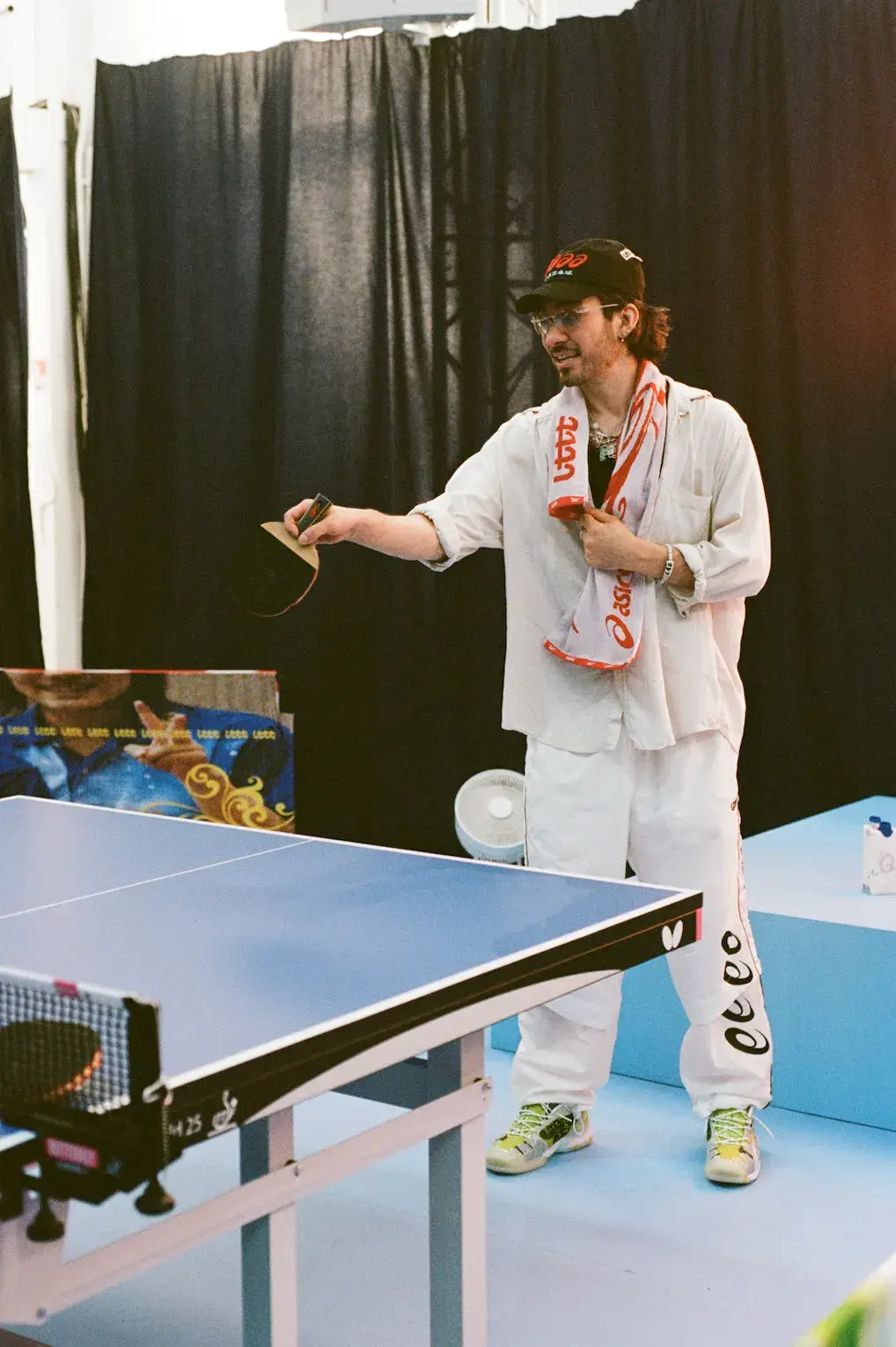
Jiro: Only as a ping-pong club. There was no brand in the beginning, and slowly over time we started to develop into the brand everybody knows today.
When I play, I play more as another guy who comes to the club and tries to win a match. A lot of people still do not know who I am.
Before LTTT became known globally, what was the first sign that made you think, “this is resonating beyond table tennis”?
Jiro: I think the first sign came when friends started sending me photos from strange places around the world. They would say, “I saw a hat here”, or “I saw a hat there.”
A lot of people like the logo. They like what we do. They wear the hat, and some of them have never been to LA or to the club. That was the moment where I started to think, this is bigger than LA.
LTTT made a niche sport feel relevant to people who have never picked up a paddle. What do you think people are really connecting with? The sport itself, or the world around it?
Jiro: I think people connect more with the world around it.
If they connect to the sport through what we do and through the designs we make, that is extra special. But LTTT as a brand represents the feeling you get, or the communal energy you experience, when you play table tennis. More than the physical act of playing table tennis.
Many brands start by chasing a community. LTTT feels like it started with a community and became a brand later. Did that change the way you make decisions today?
Jiro: The community aspect is essential for something to feel real. Human contact is the most important thing.
We never had a plan to create a brand from LTTT. It happened organically, which is a blessing. Of course, it affects the way we make decisions. But at the end of the day, we are still a ping-pong club. That will always remain, whether there is a brand or no brand.
ASICS has a strong running heritage, while LTTT comes from a much smaller and more intimate sport. Where did those two worlds naturally overlap for you?
Anissa: ASICS has a large running heritage, but ASICS also has a large tennis heritage. The shoe we chose to work on is an archive bringback from 2013, the Gel Resolution 5.
We are huge in tennis and have been for a long time. We even have archive ping-pong shoes that we have worked on.
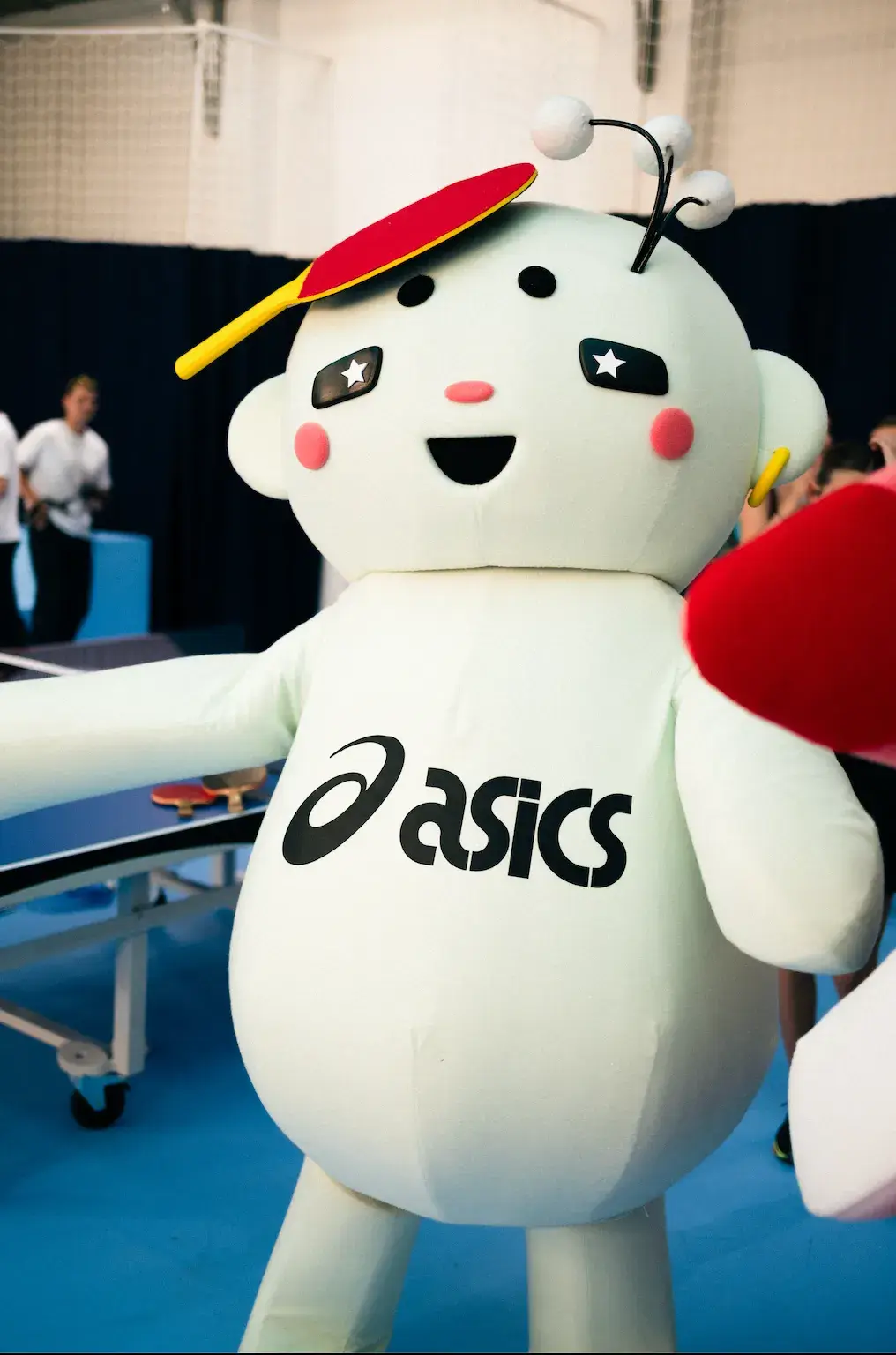
What we loved about working with Little Tokyo Table Tennis is that they are a community-oriented brand from Los Angeles. They bring people together through the uplifting power of movement, getting people to move and play on Tuesday evenings. That resonates so much for us, and it brings back the sound mind, sound body belief we have as a philosophy at ASICS.
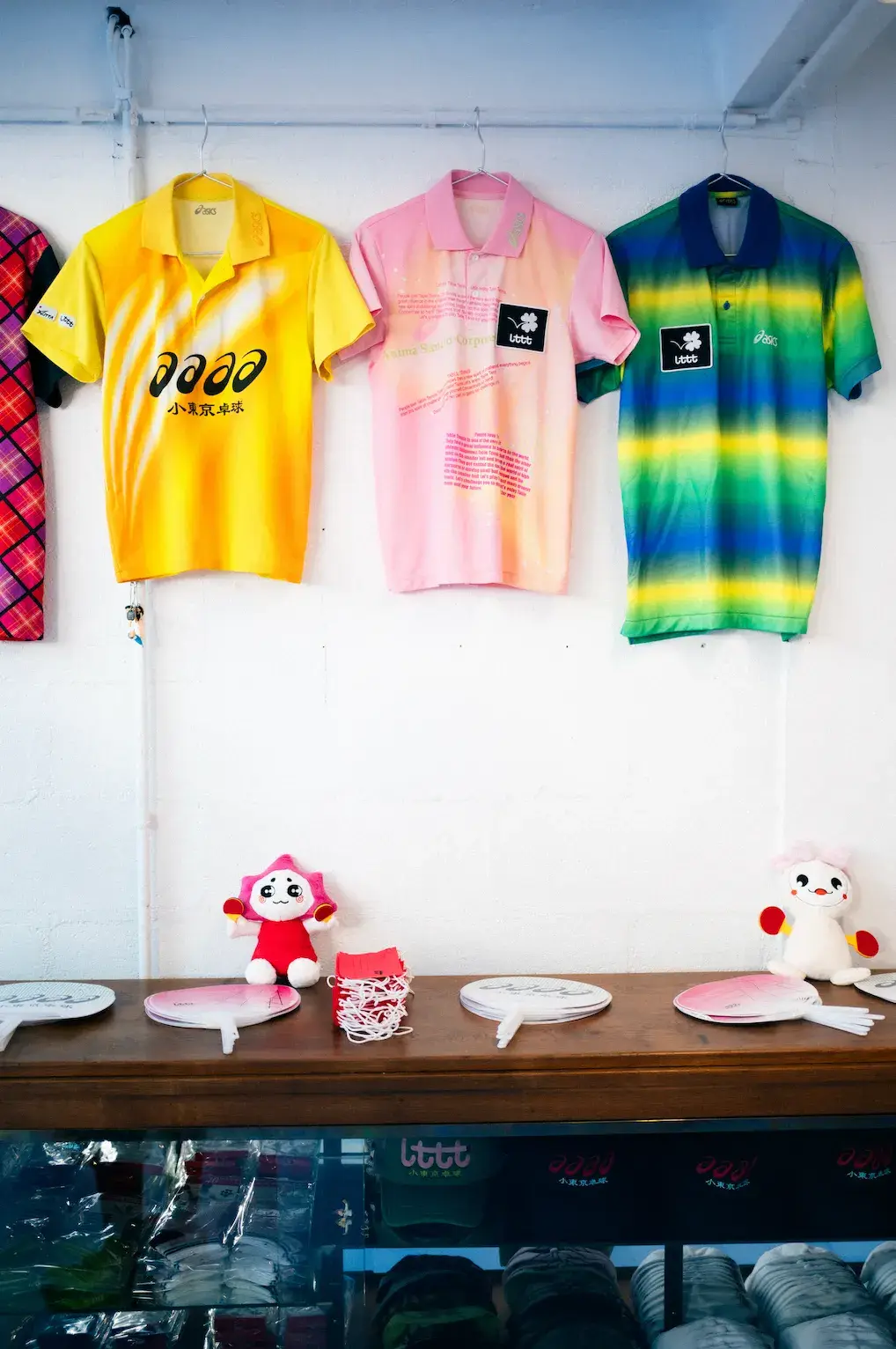
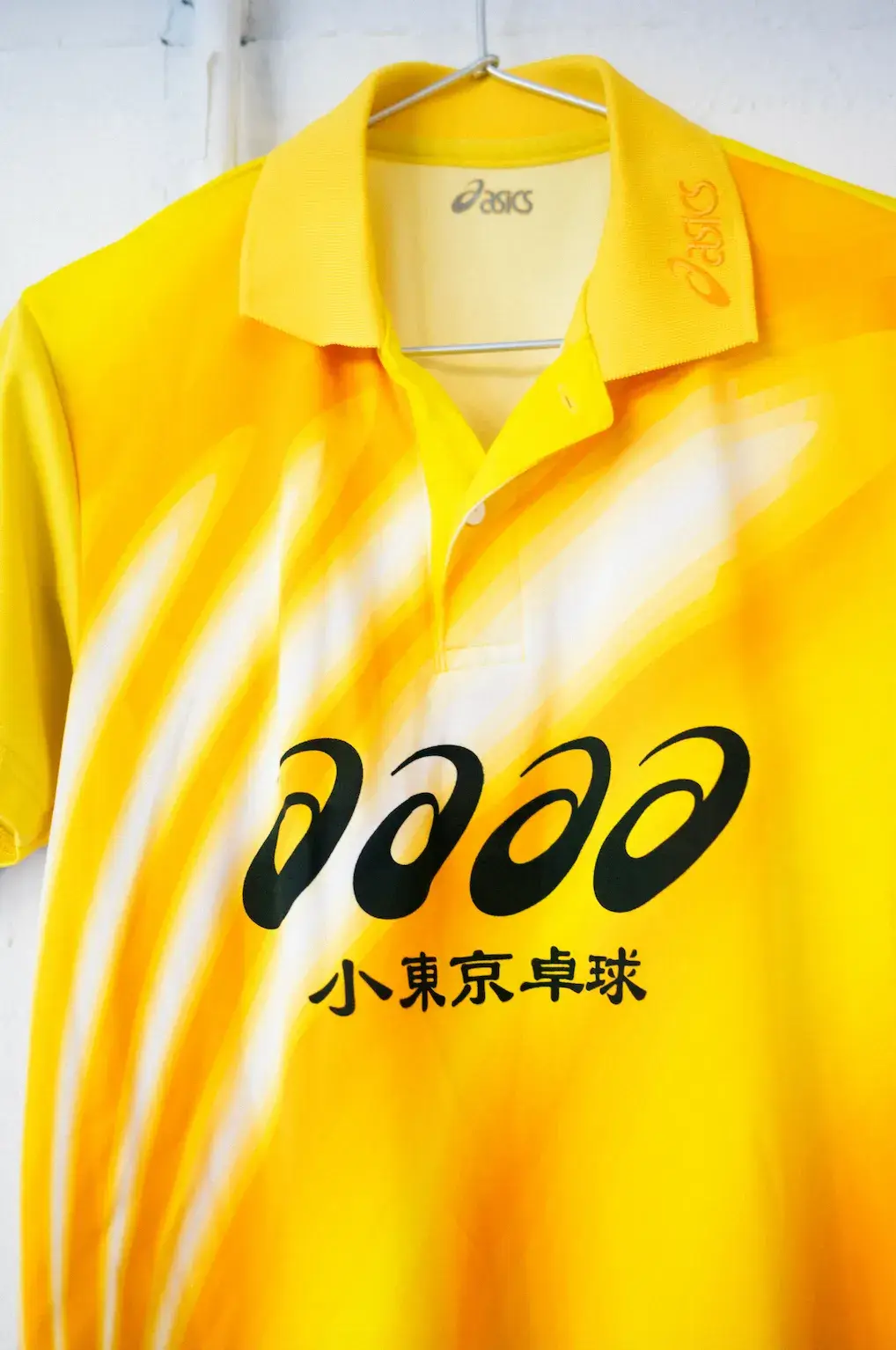
Jiro: A lot of the design influence LTTT has comes from research into vintage table tennis brands and designs.
ASICS has a strong history in table tennis from the past 50 or 60 years. ASICS Japan still has a table tennis department, and they have had it for a long time. They represent a lot of famous players in Asia.
For us, it makes perfect sense. We are a Japanese American club, and ASICS is a Japanese company. We worked together to reference these designs, these players, and the archive they have at their headquarters in Kobe, Japan. The chemistry is there. It is a perfect match for us.
When you look at the final product, what feels most “LTTT” about it? Not necessarily the most visible detail, but the one that carries the spirit of the project.
Anissa: Physically, the most ASICS part is always the sole. The technical term is the tooling of the shoe. That is always a part we feel strongly about because it brings the most comfort to the project.
When you put the shoes on, they are extremely comfortable.
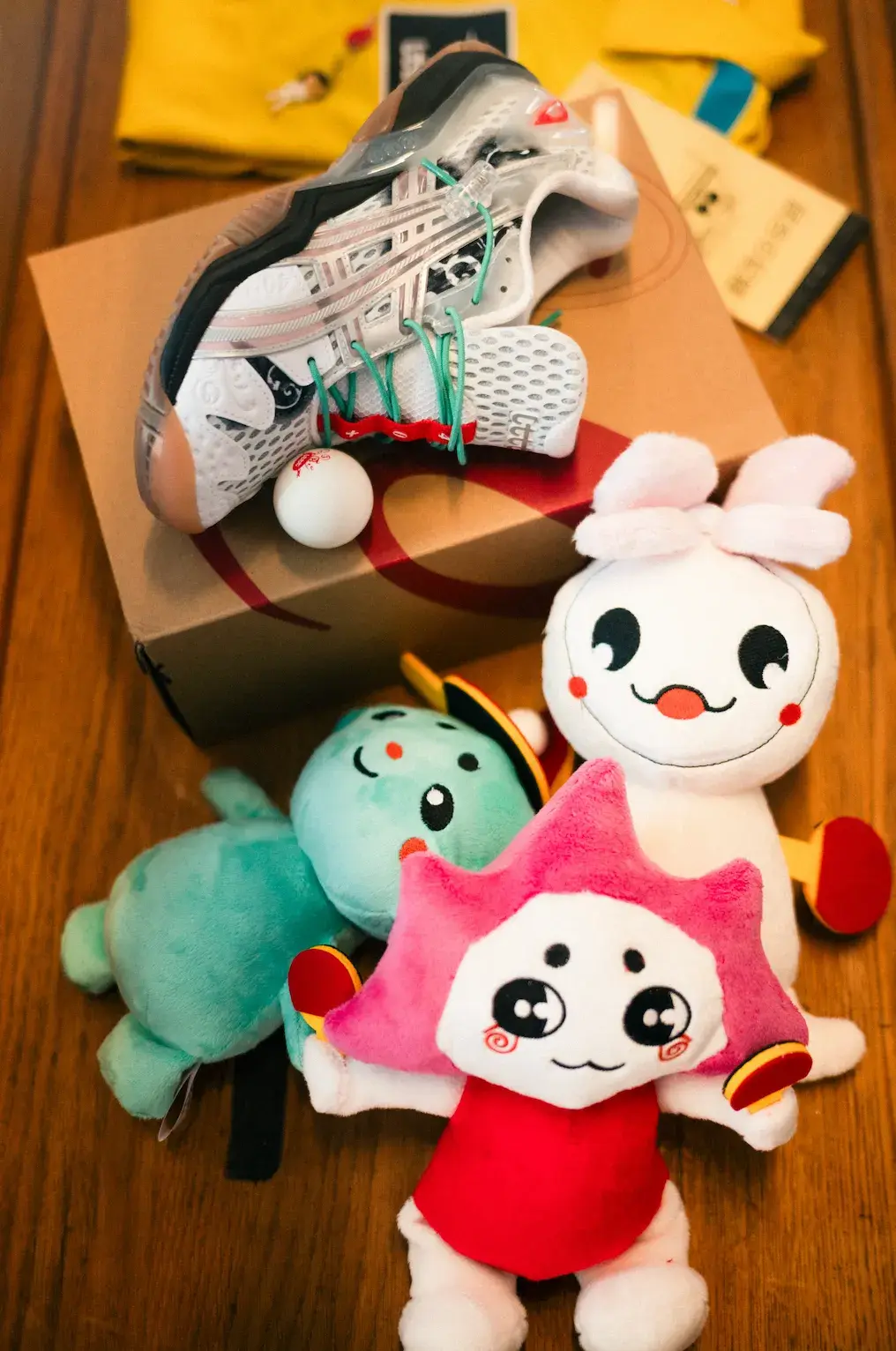
LTTT brought the play. The colors are vivid. You do not miss them when you walk past them in the street. There is also a substitute lace with the product when you buy it. The pattern, the color, the playfulness you get when you see them, that feels very LTTT.
Jiro: There are two colors for the collaboration.
I am wearing the green pair, which is the more playful one. This pair reflects the personality of LTTT as a club and as a brand.
The other one is a white shoe, inspired by a more traditional table tennis silhouette. White with a gum sole. A more sporty-looking one.
Staff
Casawi Magazine: based in Milan, we celebrate youth culture, creativity, and community across fashion, sports, music, art, design & more.
@casawi.magazineShare this editorial


