









Summary
- Massimo Giorgetti's latest MSGM collection references cycling culture beyond professional racing
- Technical materials like Cordura and nylon combine with weathered denim and personal photography prints
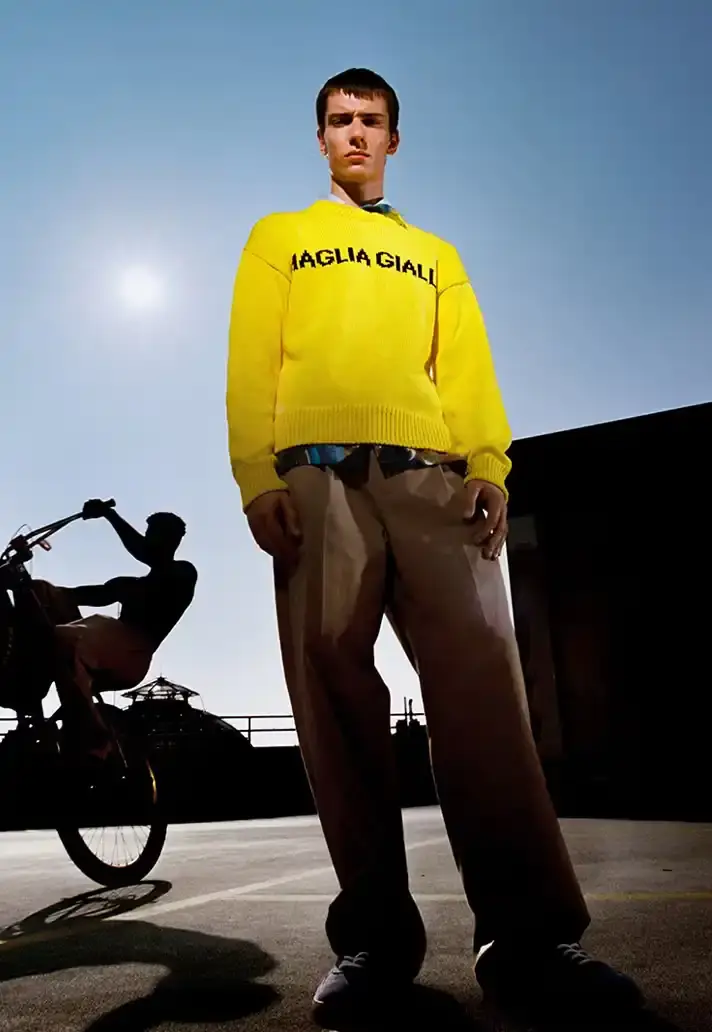
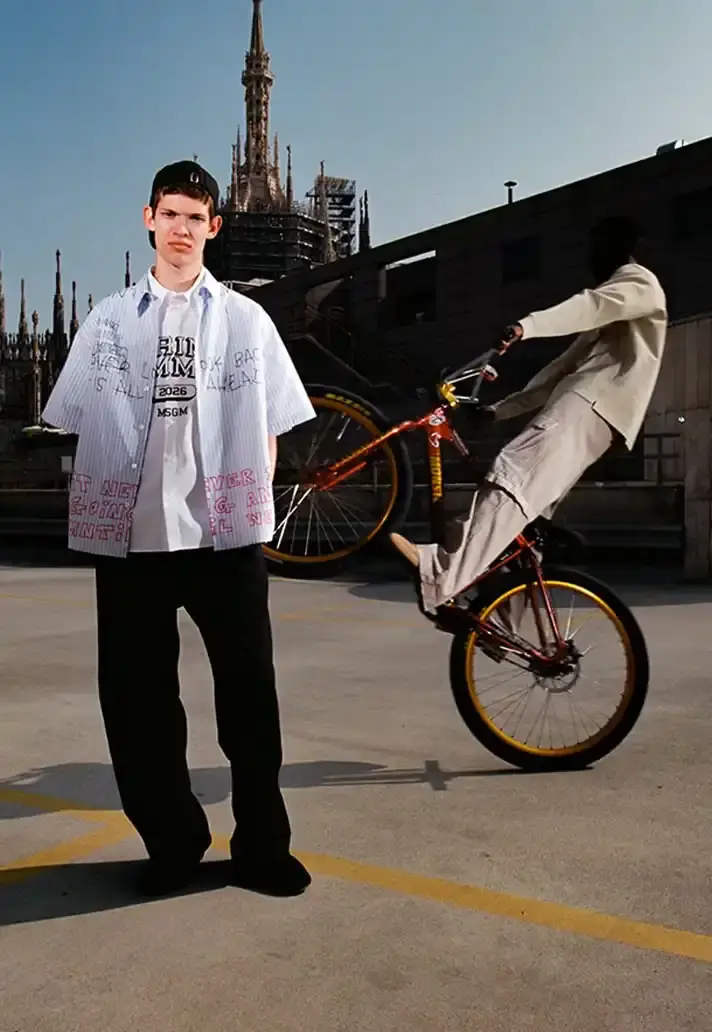
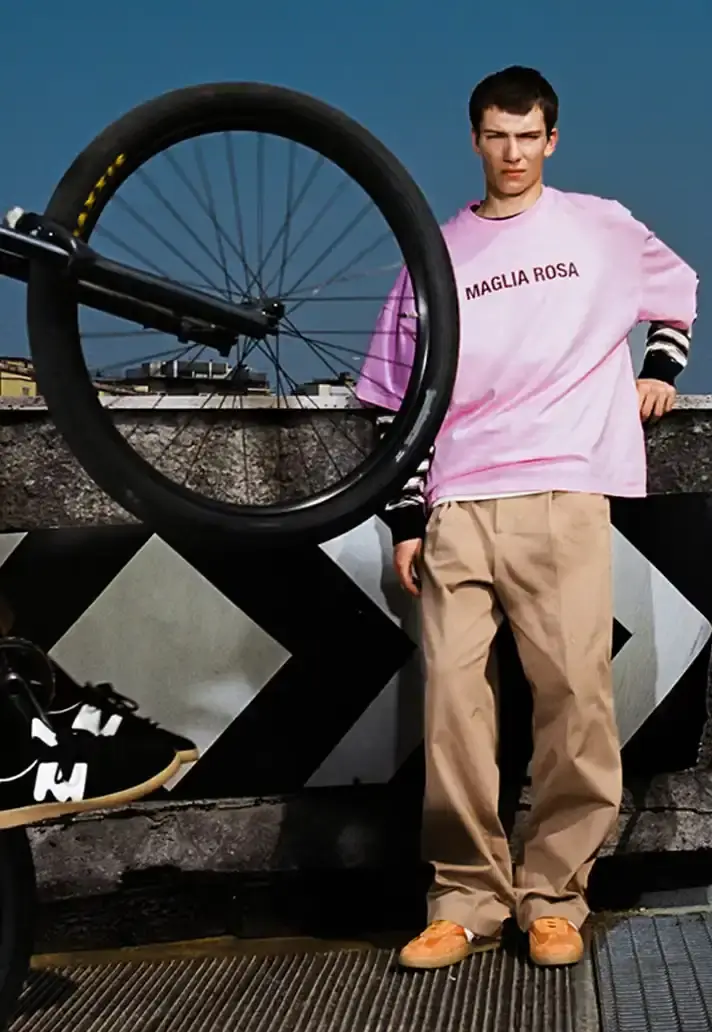
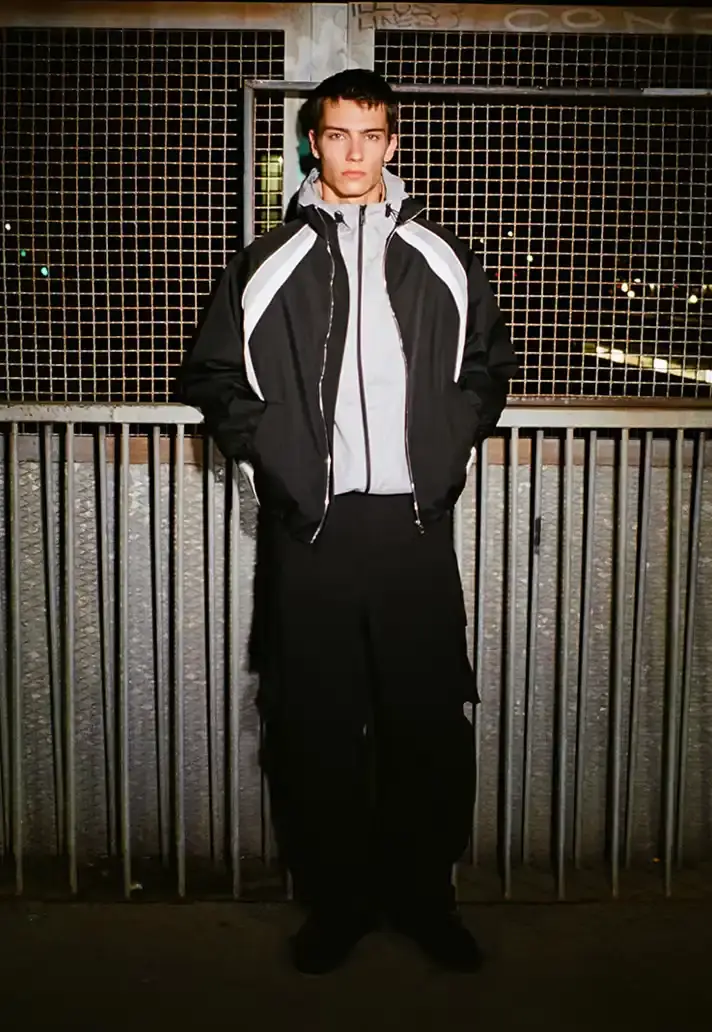
- Campaign features members of Milan cycling collective alongside traditional models
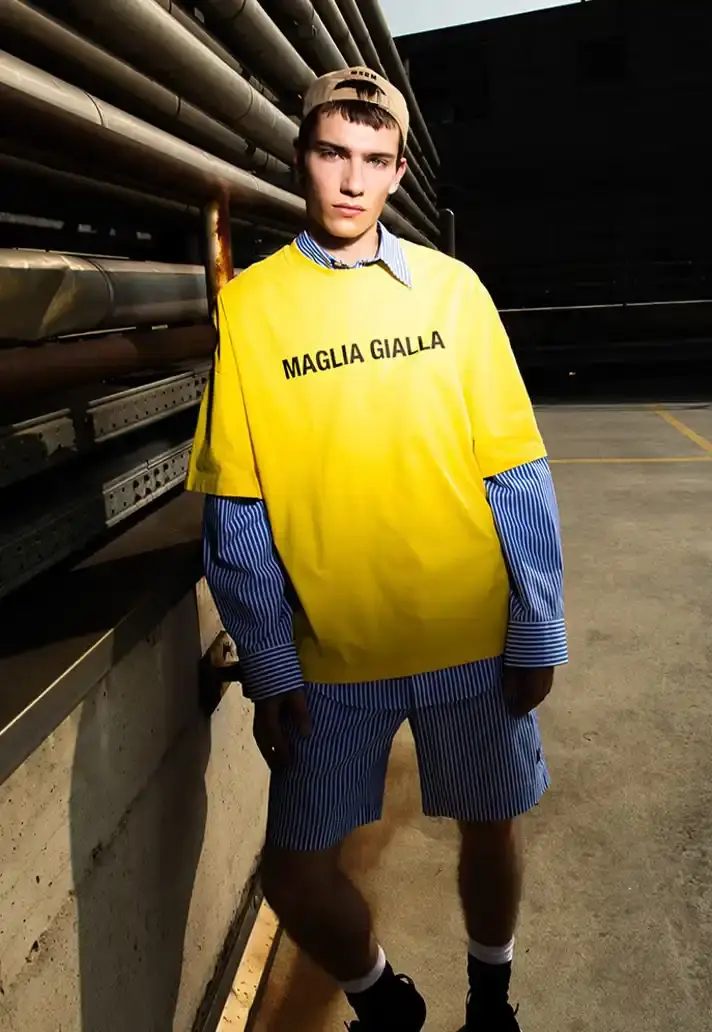
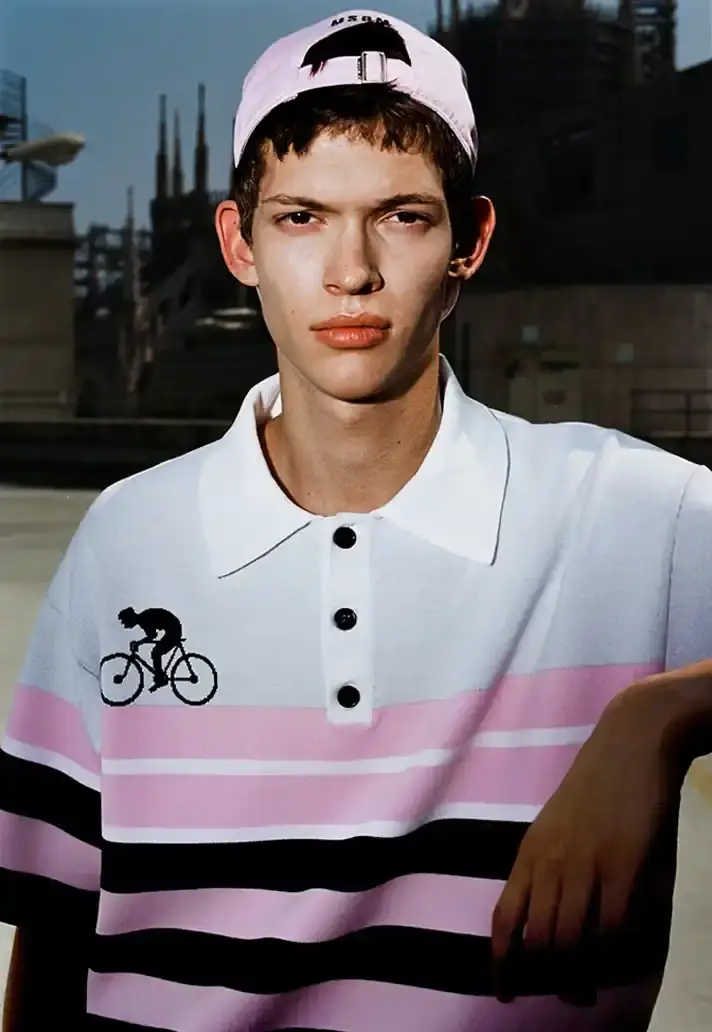
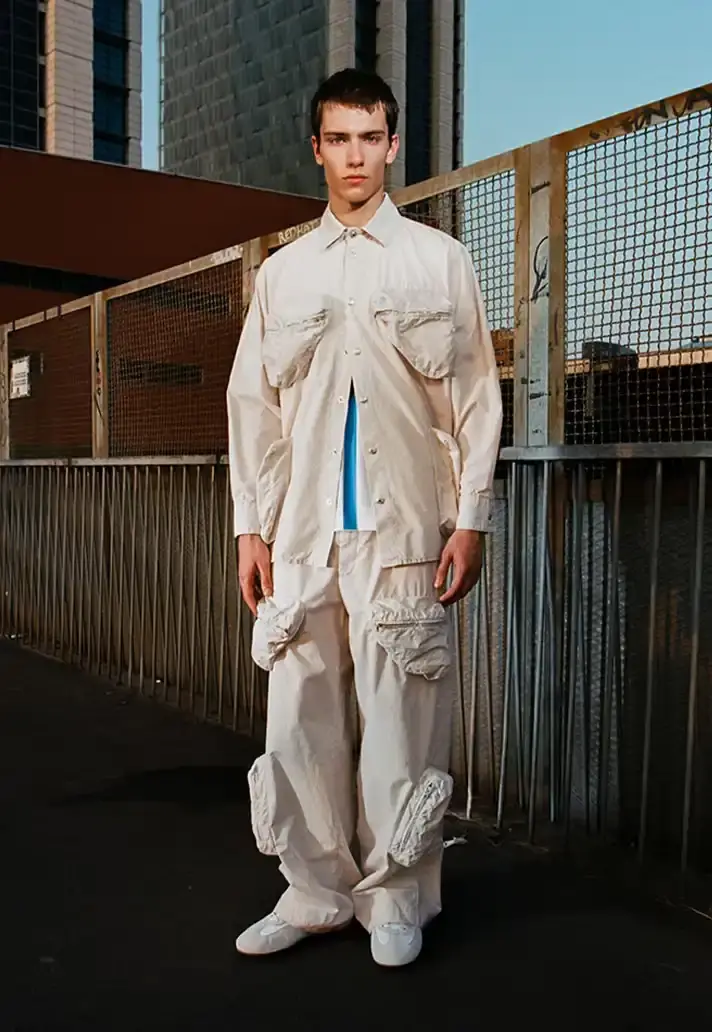
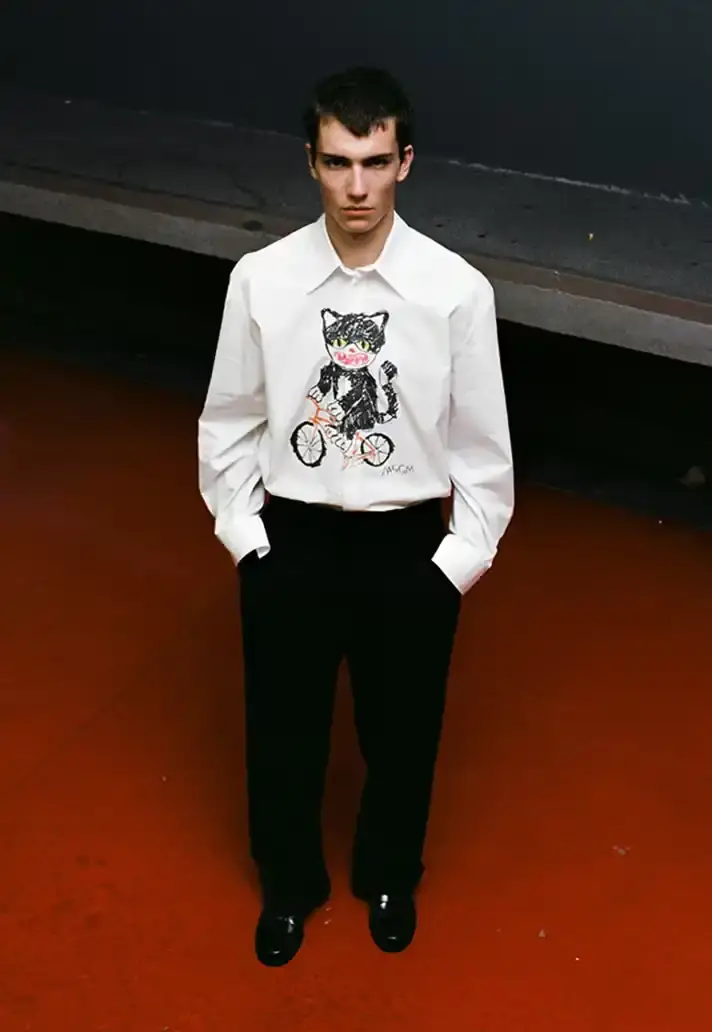
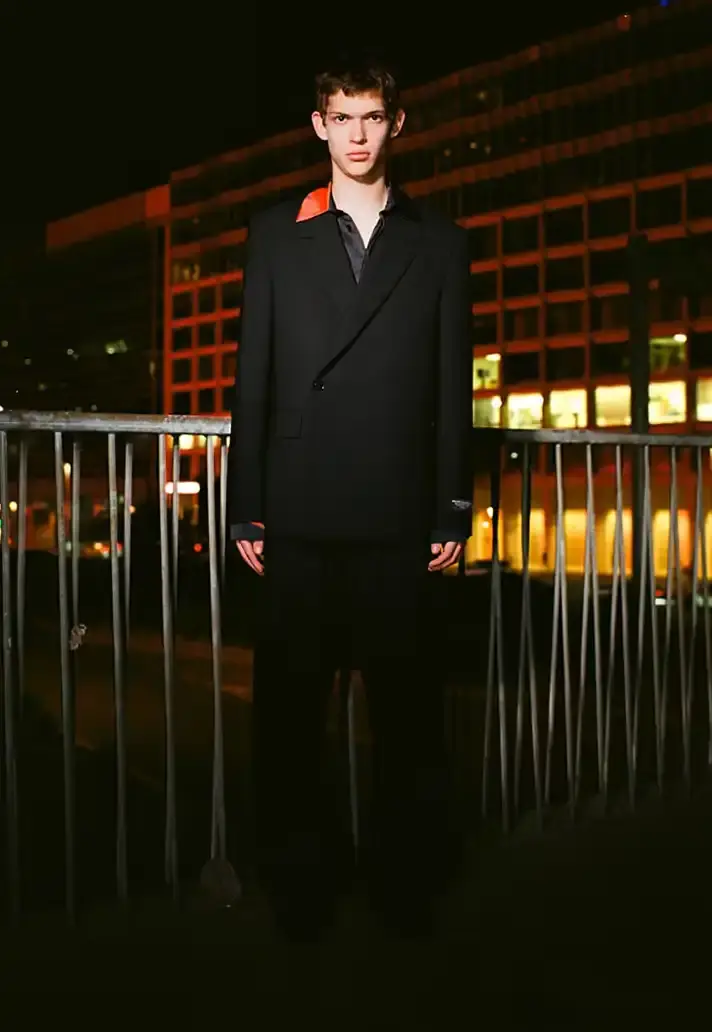
Massimo Giorgetti has built his Spring/Summer 2026 MSGM collection around cycling's cultural elements rather than its competitive aspects. The designer focused on the physical demands and aesthetic byproducts of regular riding - worn fabrics, body positioning, and the marks left by extended time on bikes.
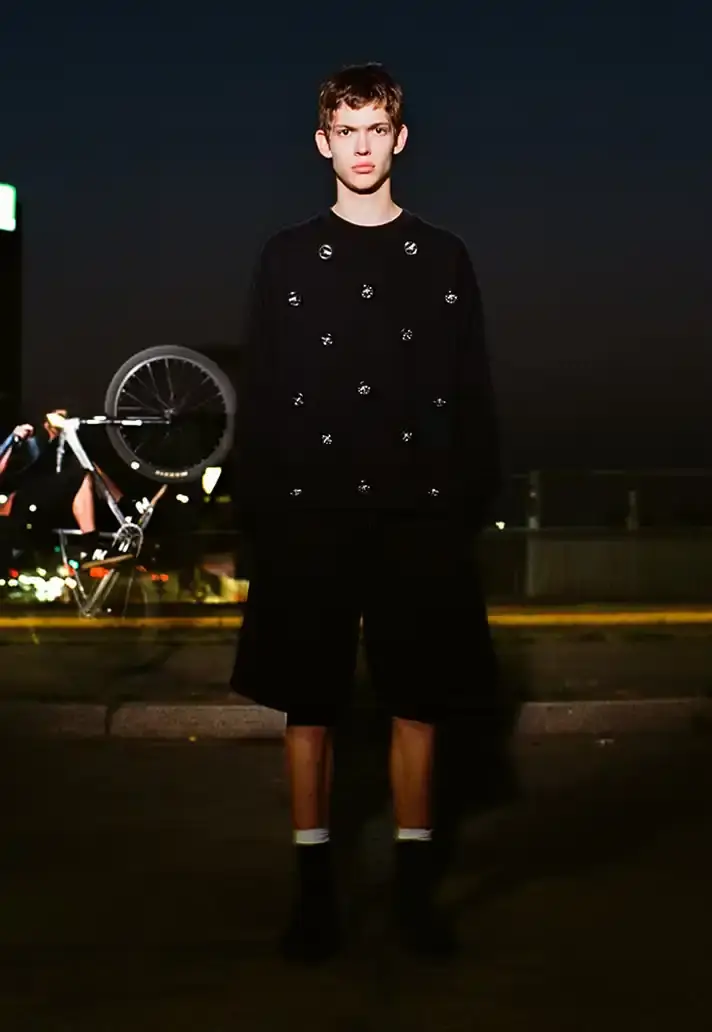
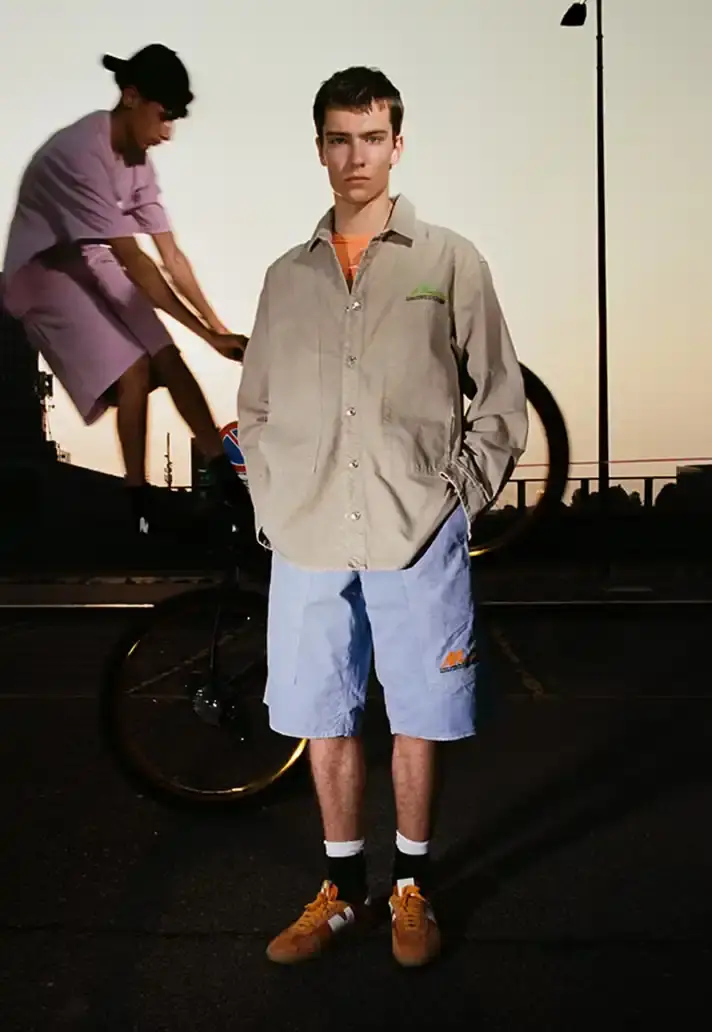
The campaign photographs include cyclists from Collective 24.7 Fastlife, a Milan-based group, appearing in the same frames as professional models. This choice reflects Giorgetti's interest in documenting actual participants in cycling culture rather than creating a sanitized interpretation of the sport.
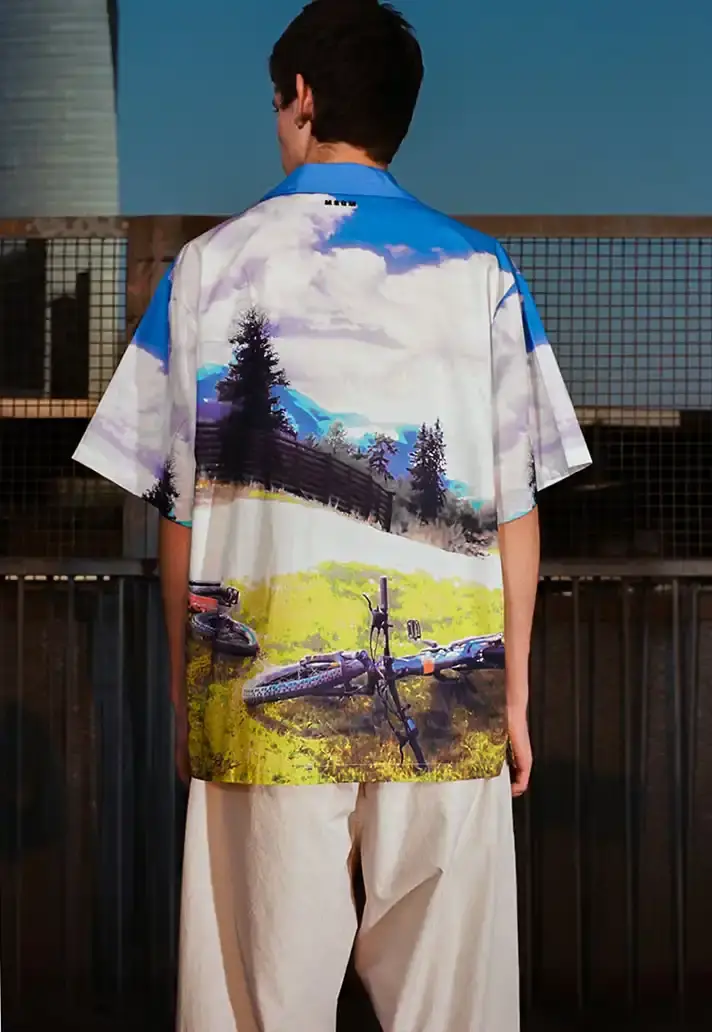
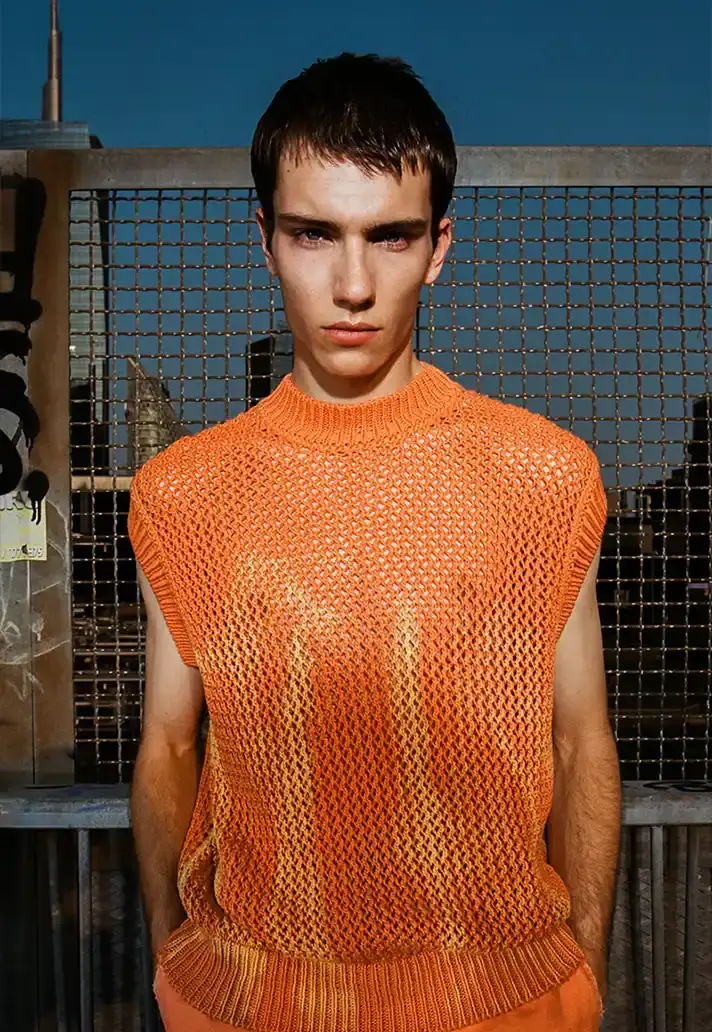
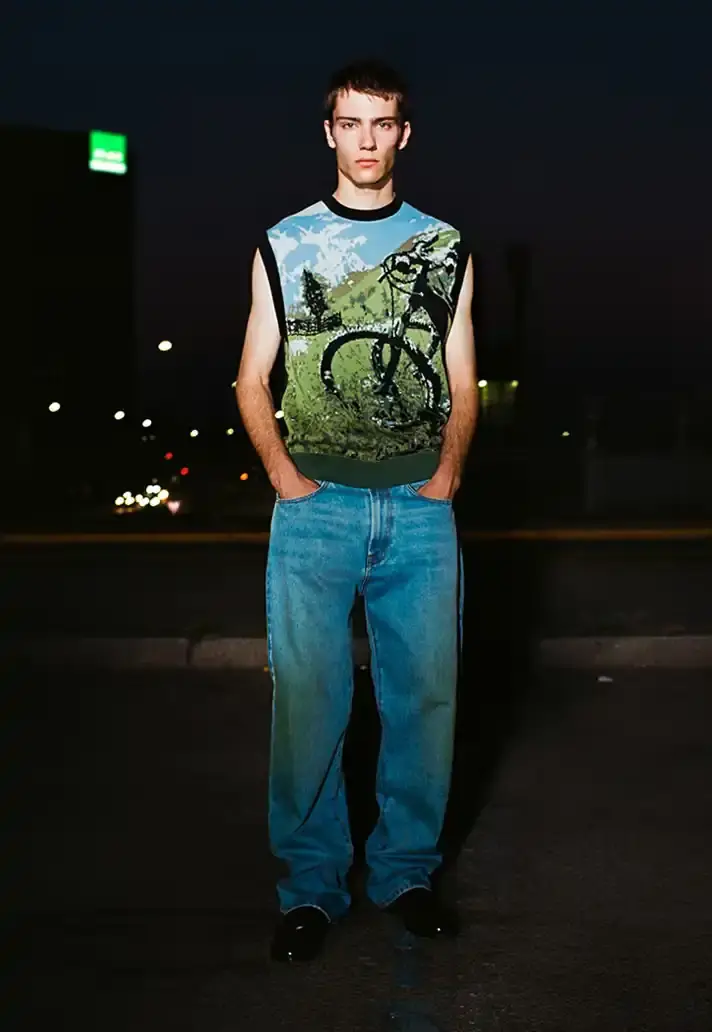
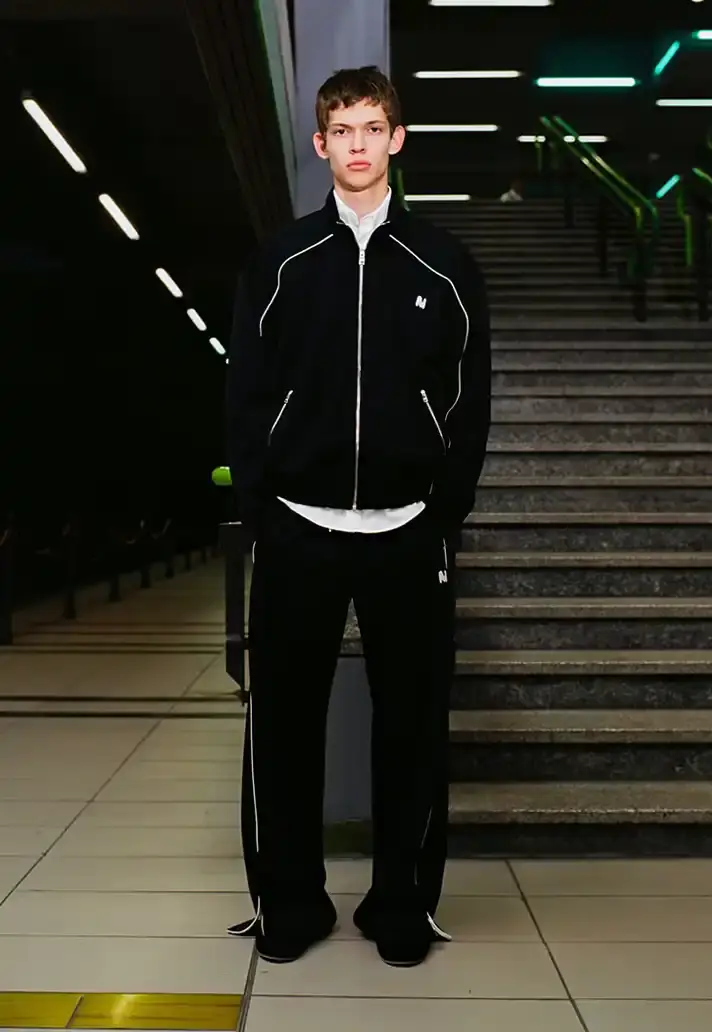
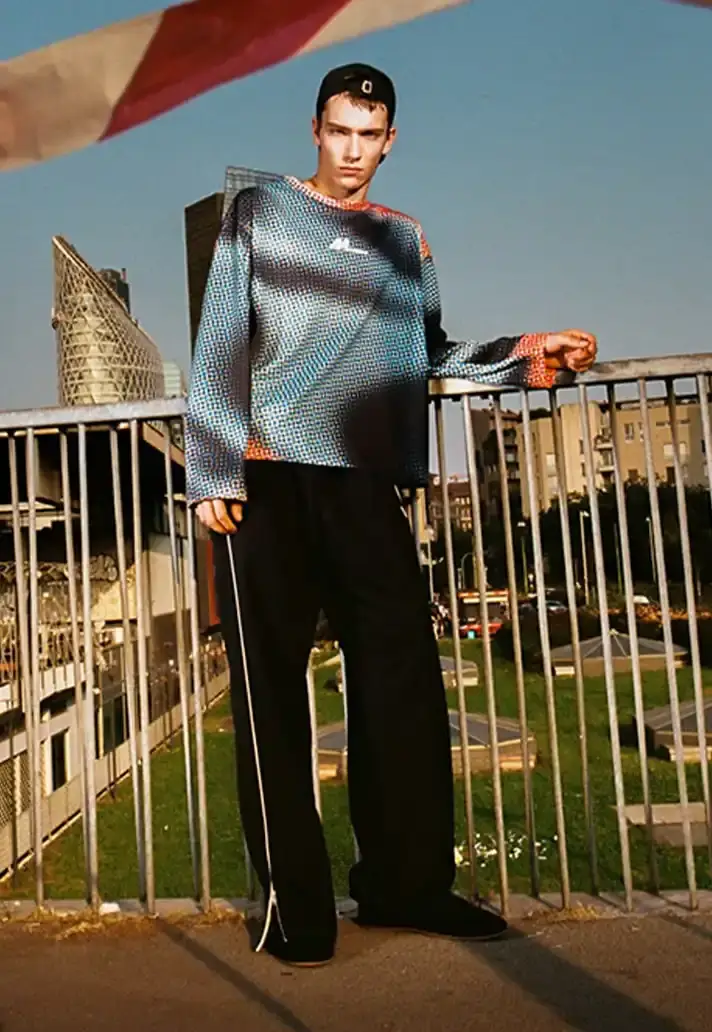
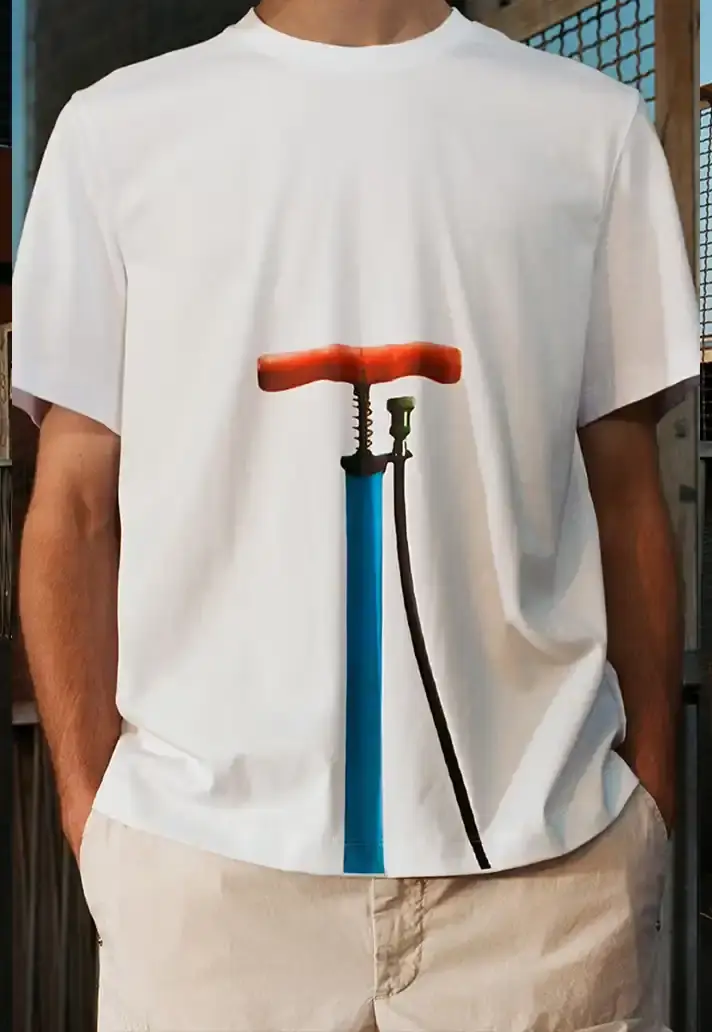
Giorgetti incorporated his own iPhone photographs taken during personal rides, converting these images into abstract prints for garments. The collection combines these personal elements with technical fabrics commonly used in cycling gear. Nylon provides flexibility for movement, while Cordura offers resistance to wear. Mesh panels reference the ventilation systems found in performance cycling clothing.
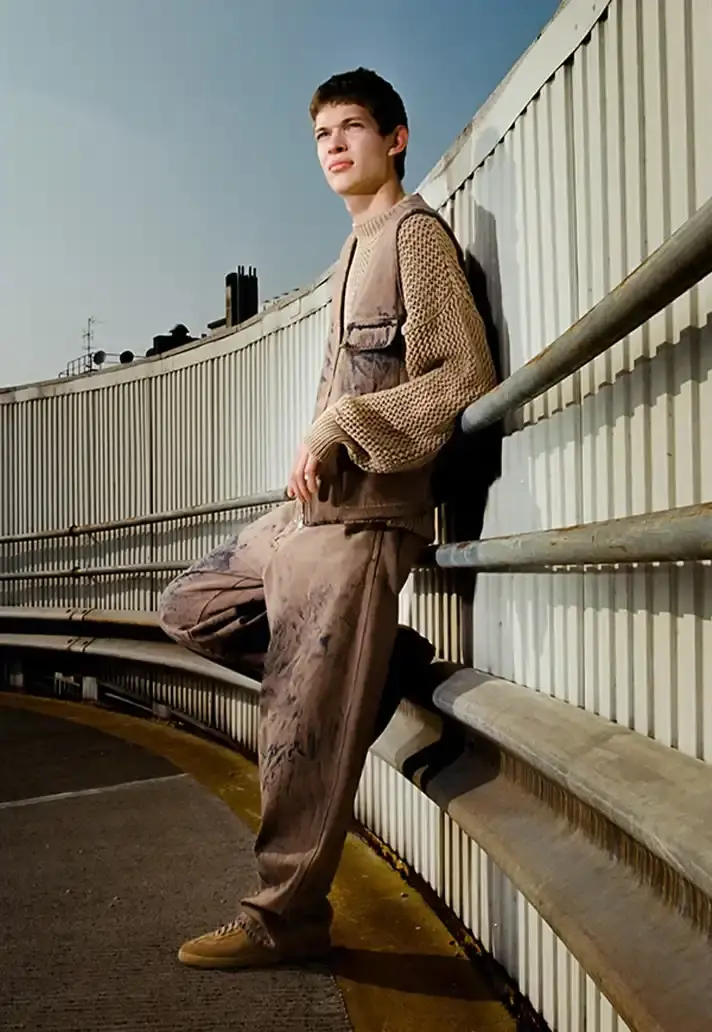
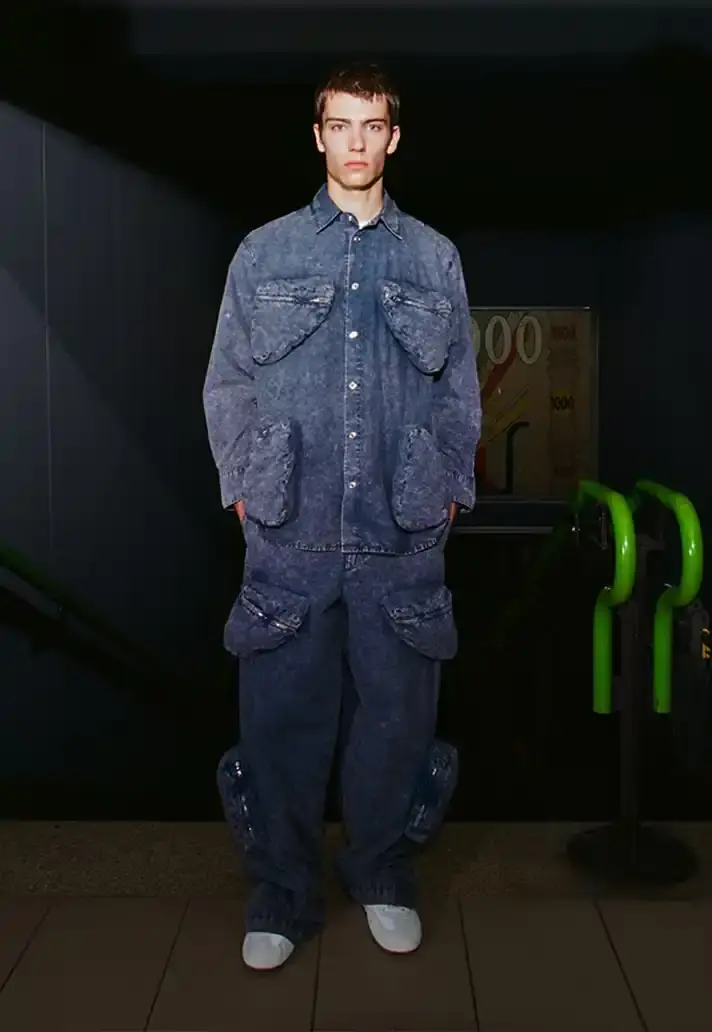
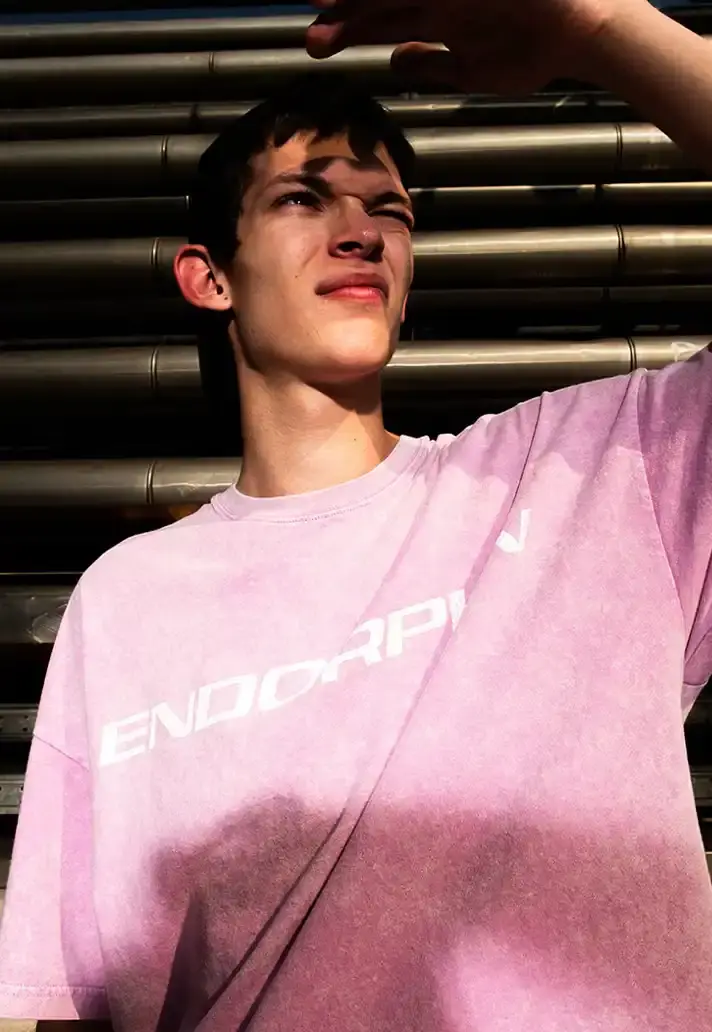
The color palette includes sun-faded tones and deliberate staining effects meant to suggest extended outdoor use. Denim pieces show artificial grass stains and weathering. The designer approached these effects as visual storytelling rather than simple distressing techniques.
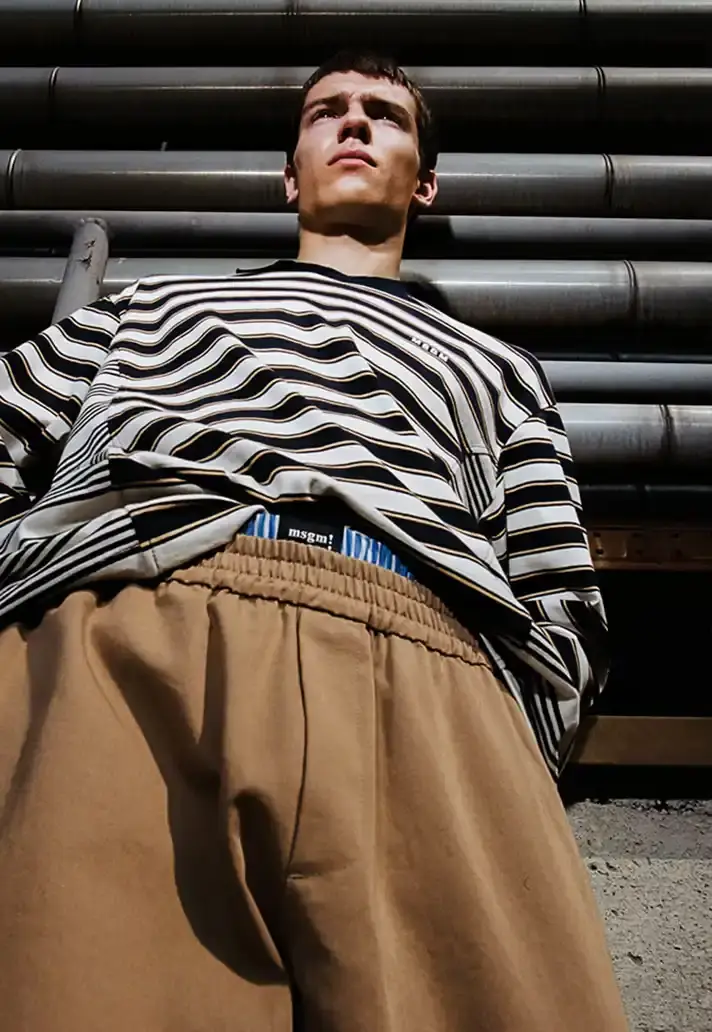
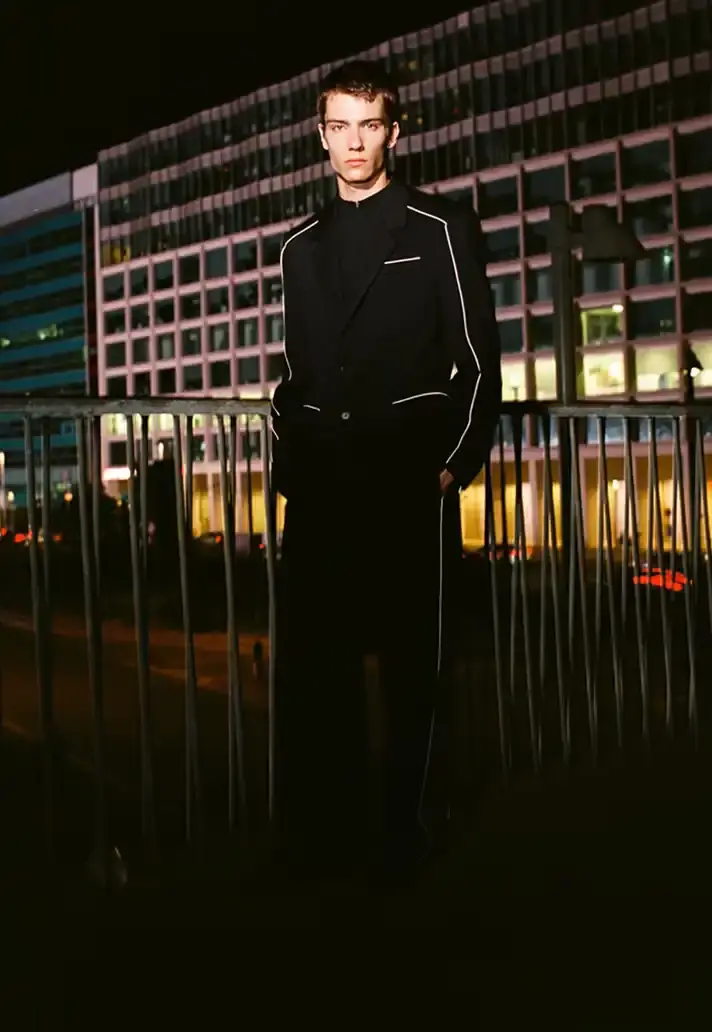
Construction methods emphasize loose fits and unstructured tailoring. Seams are left exposed in some pieces, and traditional finishing is reduced to create a more utilitarian appearance. The silhouettes accommodate the forward-leaning posture associated with cycling while remaining suitable for casual wear.
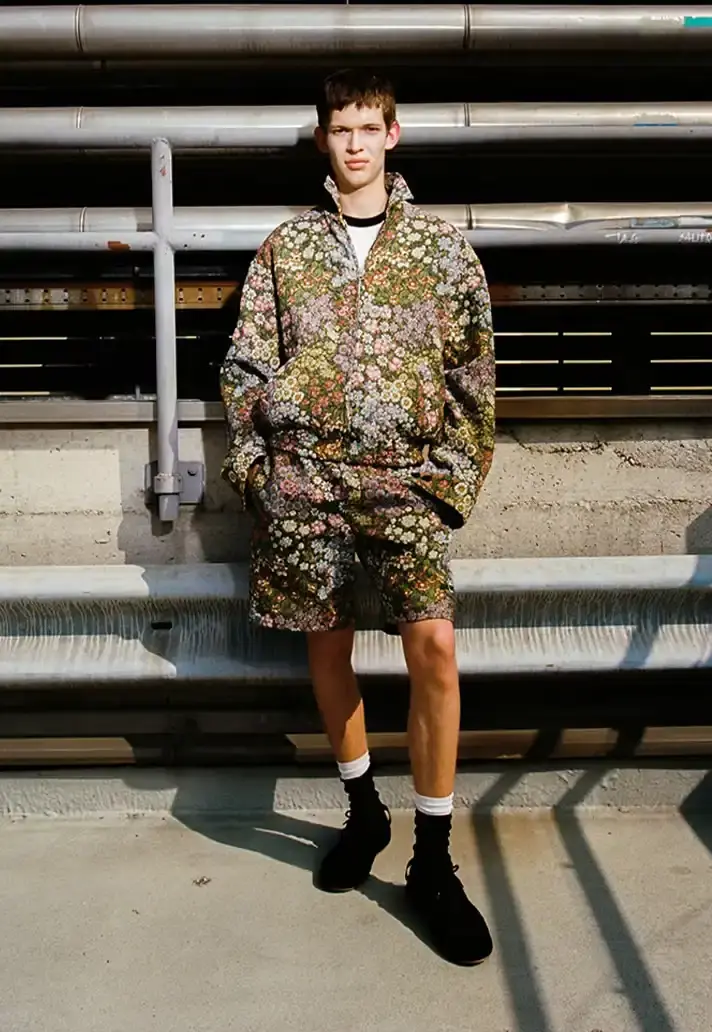
Gradient patterns appear throughout the collection, created through digital printing techniques that layer colors and abstract shapes. These prints work alongside solid-colored pieces in materials ranging from lightweight cotton to technical synthetics.
The collection addresses cycling's position between urban environments and natural spaces. Some pieces reference city riding through darker colors and heavier materials, while others use lighter fabrics and brighter tones associated with countryside cycling.
Giorgetti's approach separates his work from traditional sportswear by emphasizing the cultural and aesthetic aspects of cycling rather than performance optimization. The collection treats cycling as a lifestyle and visual reference point rather than a technical challenge to solve through clothing design.
Eric Grischott
Born in Groningen in 1991, Eric Grischott is a linguist with a deep-rooted passion for art, music, and fashion. His academic journey led him to graduate in languages, further enriching his linguistic prowess. His thirst for knowledge and cultural immersion took him abroad, where he gained invaluable experience and insights. Eric’s linguistic expertise is not confined to just theory. He has honed his skills in French and German through specialized DELF and DELE courses, demonstrating his commitment to mastering these languages. His passions extend beyond languages, encompassing the creative realms of art, the rhythmic world of music, and the dynamic sphere of fashion.
Share this article


