Summary:
- Olivier Rousteing becomes the new creative director of Rabanne.
- The designer previously spent fourteen years leading Balmain.
- His first collection for Rabanne will debut in March.
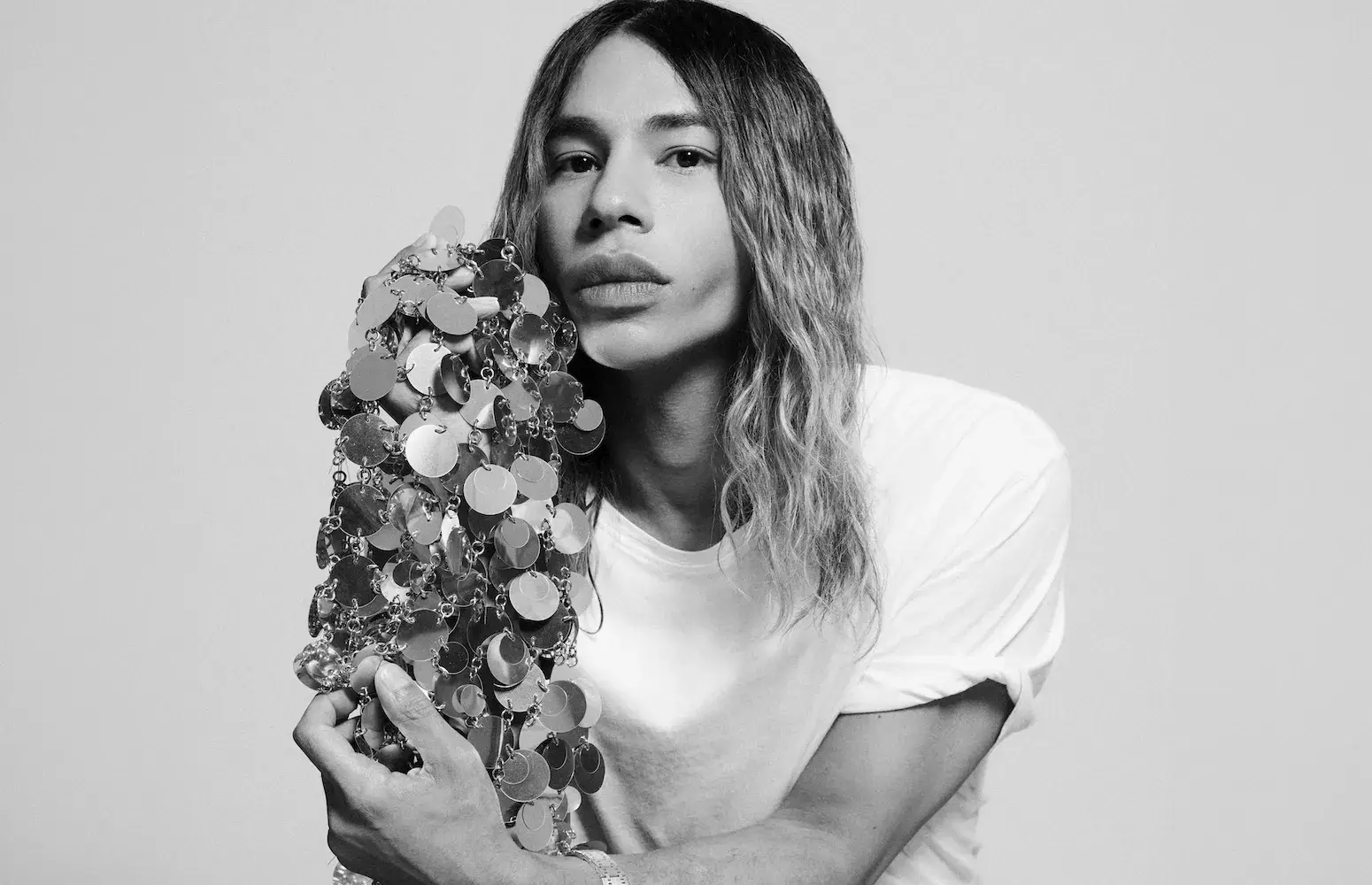
French designer Olivier Rousteing will take over the creative direction of Rabanne. The announcement follows the departure of Julien Dossena, who led the brand for a decade. Rousteing previously managed Balmain for fourteen years, starting his role there in 2011 at the age of twenty-five. His work at Balmain defined a specific era of high-end fashion, known for sharp shoulders and structured silhouettes.
The Spanish luxury group Puig, which owns Rabanne, plans to expand the brand into new product categories. Puig representatives stated the company aims to build a complete ecosystem linking fashion, beauty, and design. The group seeks to maintain a contemporary definition of luxury for a global audience while building on previous achievements.
Rousteing expressed respect for the heritage of the house. He described fashion as a medium for emotion, identity, and personal freedom. The designer noted a strong alignment between his personal beliefs and the original vision of Paco Rabanne, who founded the brand in 1966. Rousteing looks forward to working with the brand teams to build the future of the label.
The debut collection under Rousteing's direction will appear on the runway in March. The presentation will showcase his first designs for the house. The Parisian fashion crowd anticipates this transition, as Rousteing brings his signature aesthetic to a brand historically famous for metallic dresses and space-age materials.
Paco Rabanne established his fashion house in Paris during the mid-1960s. He gained fame for using unconventional materials, including metal, paper, and plastic. His 1966 collection featured twelve unwearable dresses in contemporary materials, which challenged traditional haute couture. This legacy of unconventional design is central to the brand identity.
During his tenure at Balmain, Rousteing modernized the French heritage house. He introduced casual elements like denim and graphic t-shirts alongside highly detailed embroidery. His strategic use of social media and friendships with popular culture figures helped the brand reach a younger, global demographic. The industry will observe how he adapts these strategies to Rabanne.
Kristin Kaye
Insatiably curious about human expression, she immerses herself in literature, theater, art, and dance. Her academic journey led to degrees in Modern Literature, where she delved into The Furioso, and Historical Sciences with a focus on Contemporary History. Her studies took her to the prestigious Erasmus University Rotterdam, broadening her international perspective.
Her passion for culture isn't confined to personal enjoyment—it spills onto the pages of various publications. There, she explores not only artistic endeavors but also civil rights issues and the myriad ways human culture manifests itself. For her, writing about these topics isn't just a profession; it's an irresistible calling that stems from her deep-seated fascination with the human experience.
Share this article


