You rarely think about who designs religious images. Saints, churches, and symbols feel fixed. They look like they have always been there. In reality, someone defines how they appear, how they are remembered, and how people connect with them.
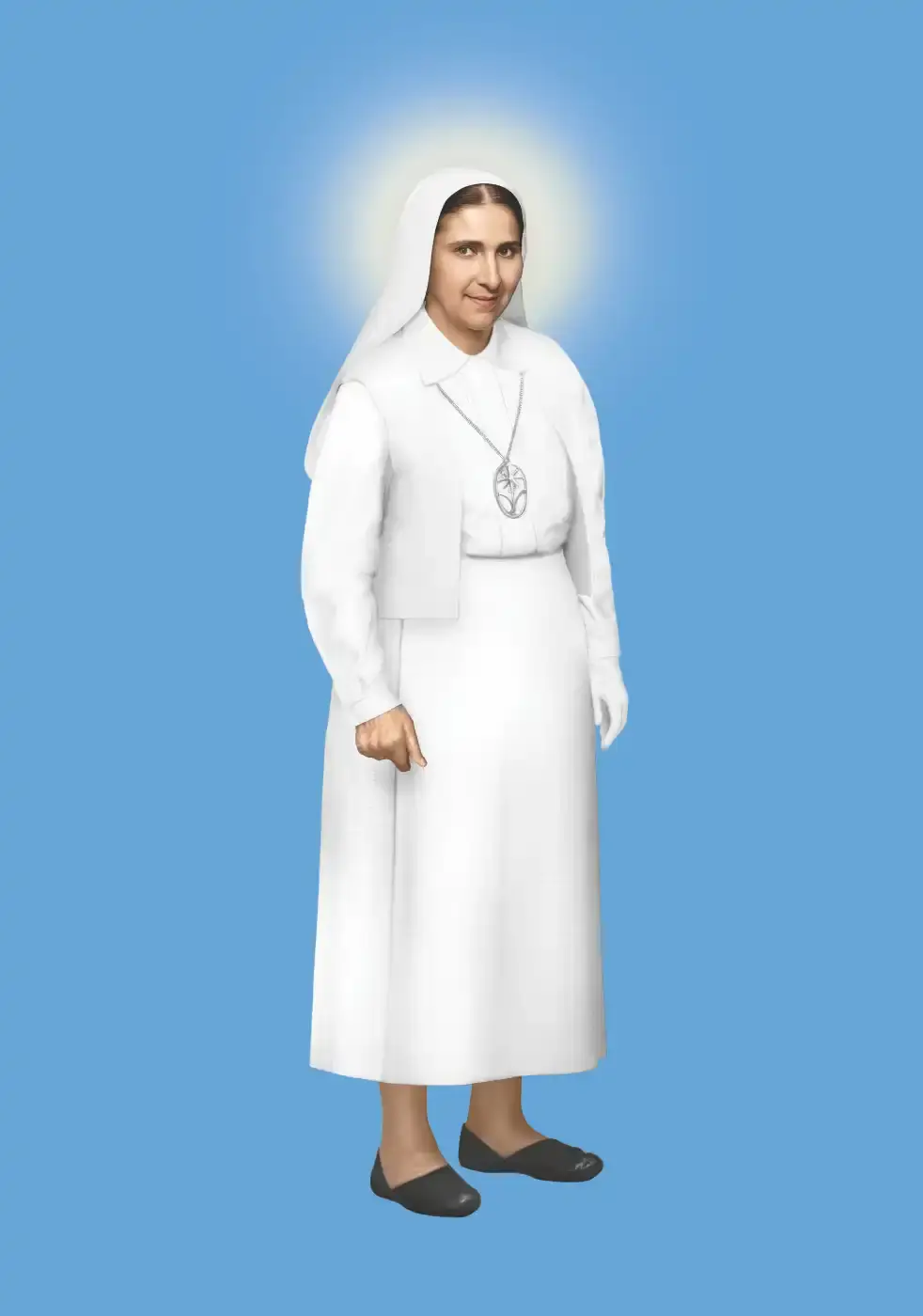
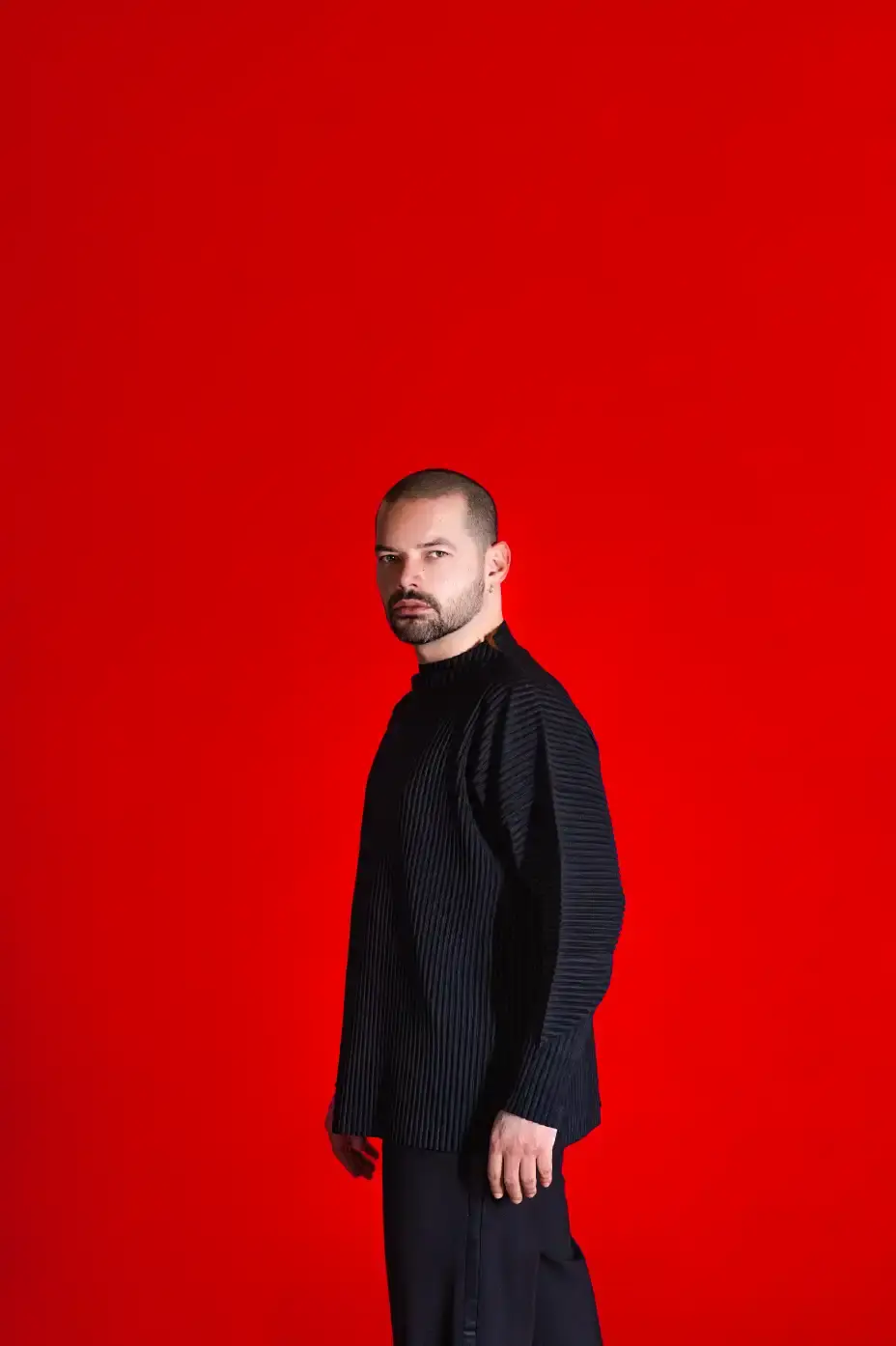
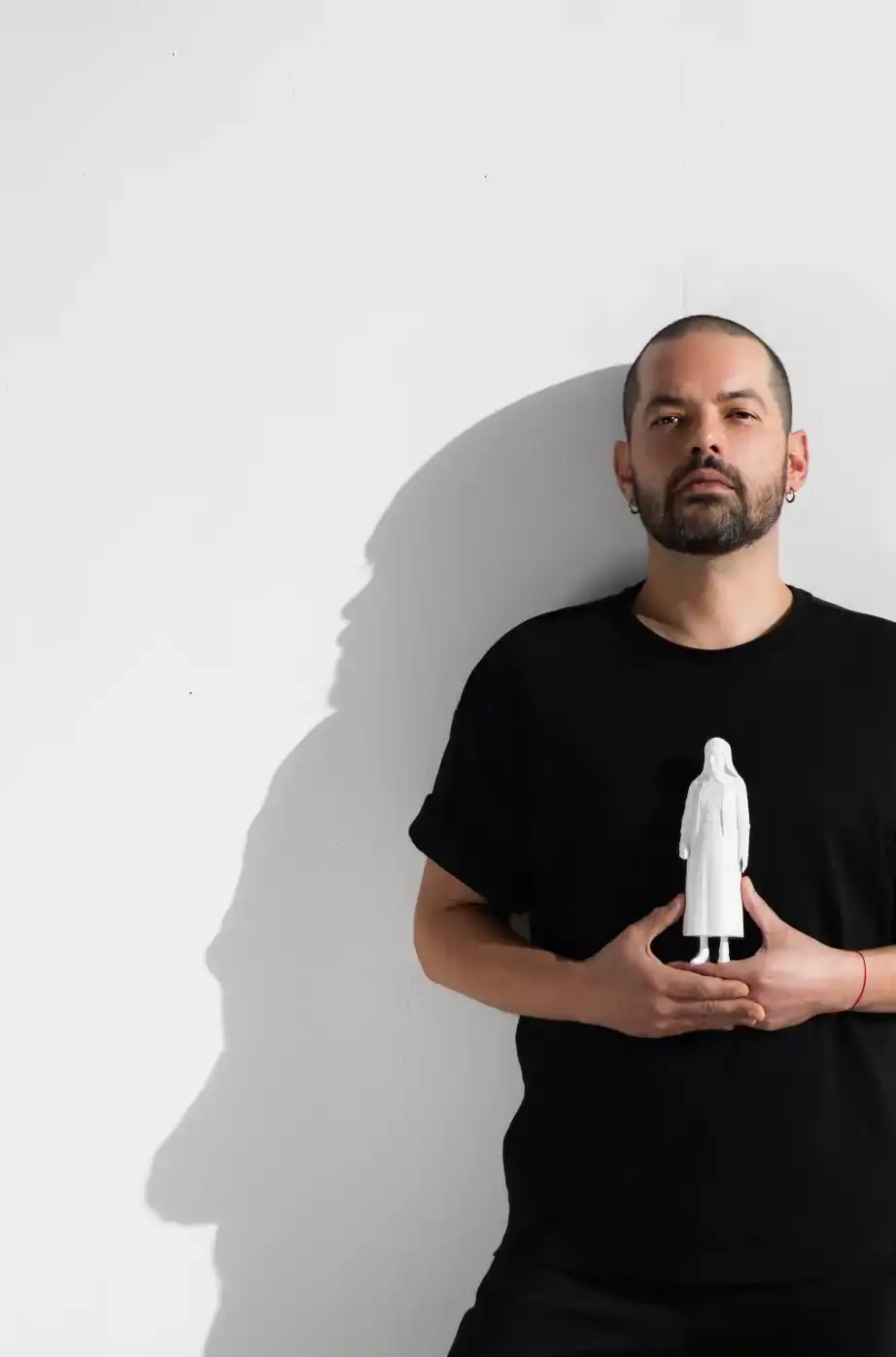
Rodolfo Agrella worked on one of these cases. He developed the full visual identity for Madre Carmen. The project includes images, objects, and a physical space in Caracas. It started in a small church in New York and expanded into a larger system.
This conversation breaks down how design works inside religion, how cultural references shape visual language, and why spiritual themes are showing up again in contemporary design.
-
You were commissioned by the Catholic Church to define the full visual identity of a saint. How do you balance institutional expectations with your own visual language without losing authorship?
RA: The project started as a small intervention in a Neo-Gothic church on the Lower East Side of New York, used by a Venezuelan community. From there, it expanded into a full system covering iconography and devotional objects linked to Madre Carmen.
I worked with the Congregation Siervas de Jesús and her family. The brief allowed full creative direction, with a clear goal to translate her life into a visual language people understand today.
Balance defines the process. At RADS, we focus on organizing complex inputs like history, culture, and spirituality into clear design. This requires research and respect for Catholic visual codes. Each decision connects to her legacy while staying readable for a broader audience.
Your work on Madre Carmen translates devotion into bold, almost pop-coded imagery. What made you move away from traditional religious iconography, and what risks did that involve?
RA: I did not move away from tradition. I leaned into it. The project reflects Latin culture, where color and form carry meaning.
What people call tradition today often started as experimentation. Religious art has always used the most advanced tools and visual approaches of its time. Michelangelo, Borromini, Dalí, and Barragán all worked this way.
The only risk would have been ignoring that history.
You often speak about translating Venezuela into a universal design language. What specific elements of Venezuelan culture are embedded in this project, even if they are not immediately visible?
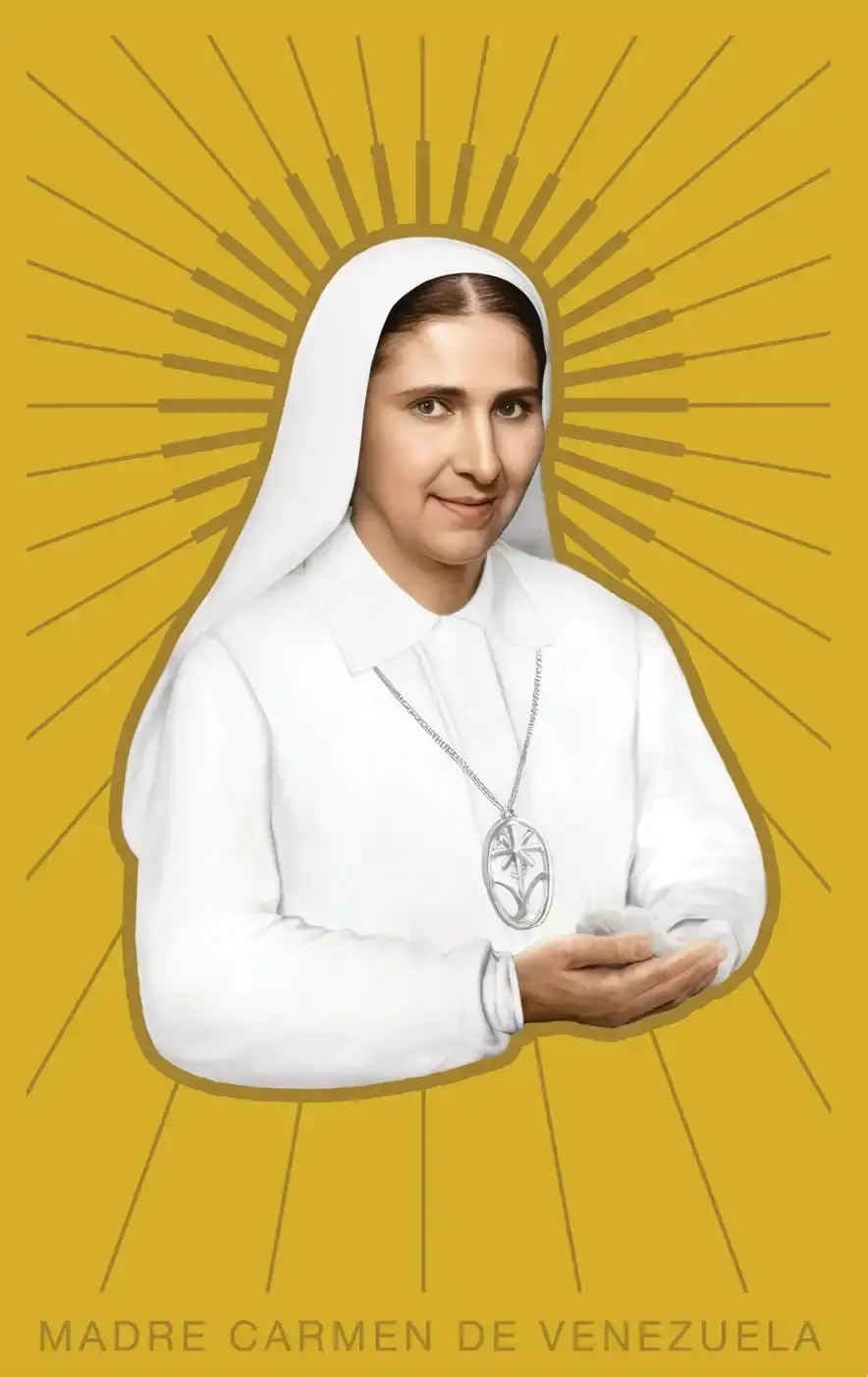
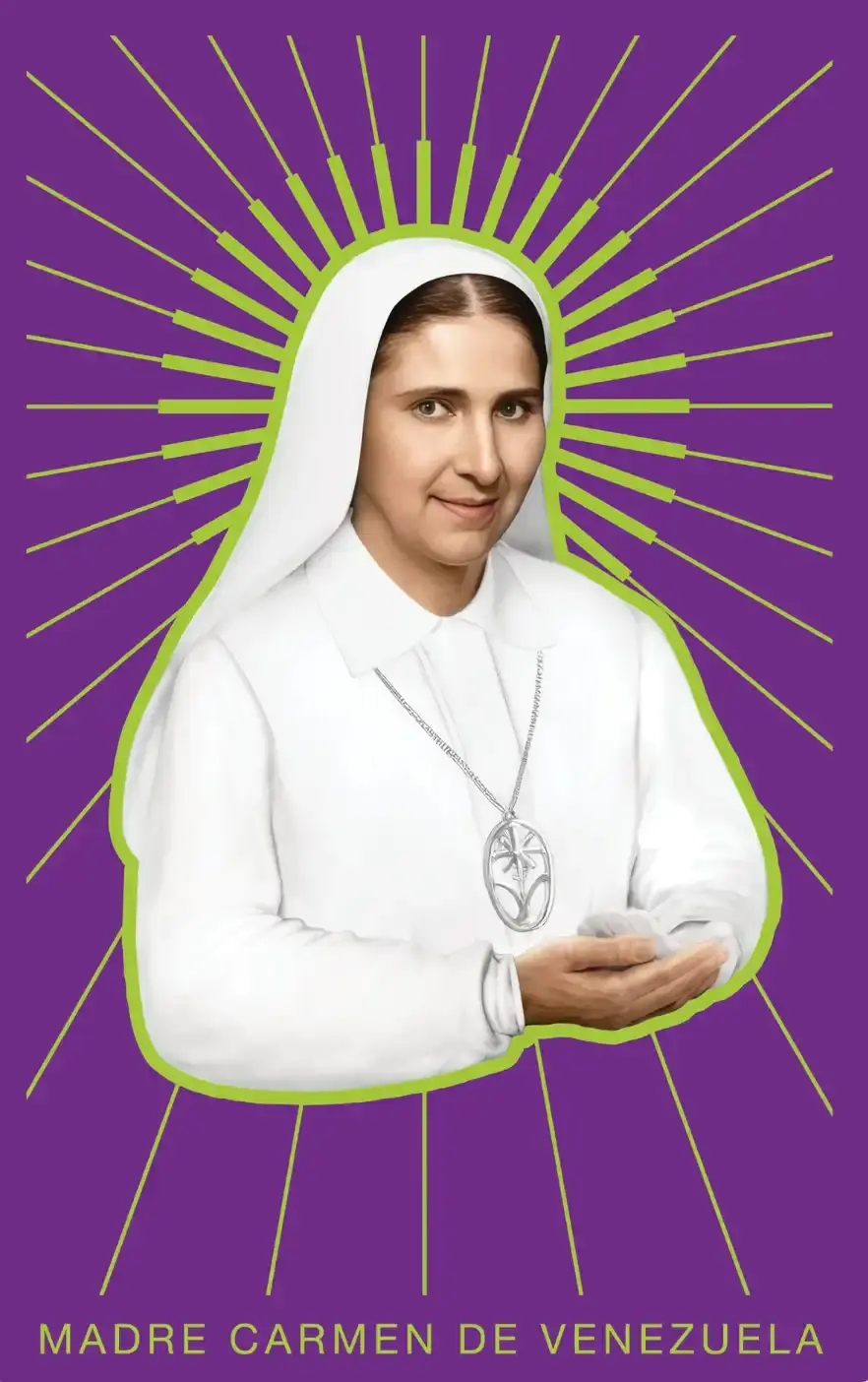
RA: The entire project connects to Venezuela. Each color relates to a natural phenomenon or a moment from Madre Carmen’s life.
The official portrait uses a yellow linked to the sunrise in Caracas. The graphic language references Venezuelan kinetic art through contrast and composition. There are also numerical details connected to her teachings.
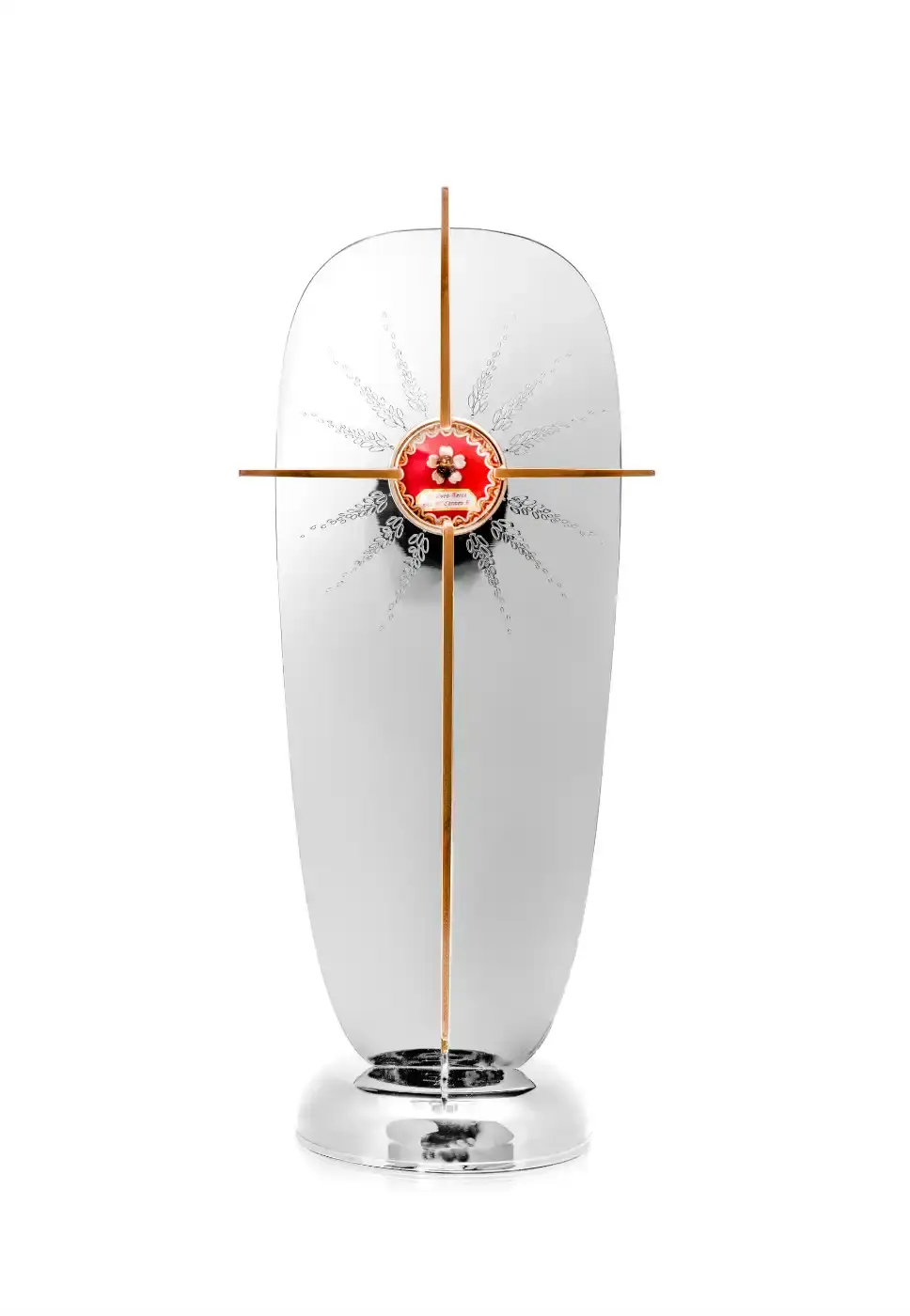
The reliquary follows the same approach. Its curves reference mid-century Venezuelan architecture. Its proportions respond to her physical condition. These elements build a system where biography and design stay connected.
This project spans digital images, physical objects, and now an oratory in Caracas. How do you approach continuity when designing across so many formats and scales?
RA: I see design as one discipline. At RADS, we work across different fields, so moving between formats feels natural.
Consistency comes from staying focused on purpose. Each element responds to the same core idea instead of surface aesthetics. This keeps the project aligned across images, objects, and space.
You’re presenting at Milan Design Week while working on deeply spiritual projects. Do you see design today moving back toward meaning and belief, or is this still a niche space you’re trying to push forward?
RA: Design reflects its time. Right now, there is a search for connection and balance.
You see this across culture, in fashion, music, and food. There is more interest in spirituality, approached in an open way.
In my work, I include references to this dimension, even if they are not always visible. This shift feels personal and ongoing.
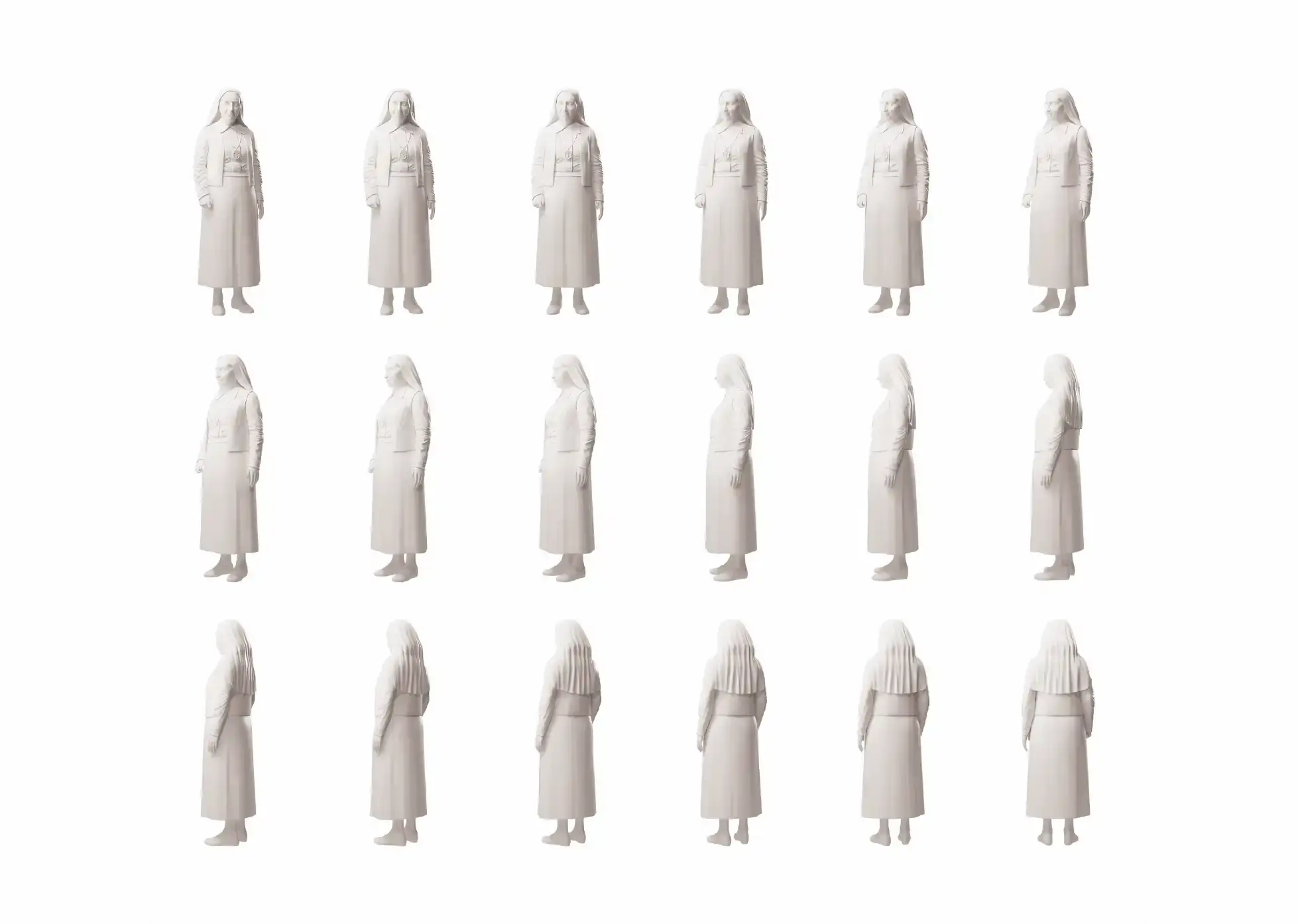
The project around Madre Carmen shows how design shapes perception over time. It defines how a figure is seen, remembered, and shared across generations. What starts as research turns into objects, images, and spaces people interact with daily.
Aldo Mazzilli
A creative mind who loves storytelling and branding in a meaningful way combining Culture & Creativity. Passionate about fashion, sport and lifestyle.
@fackaldoShare this article


