
Summary:
- Salu Iwadi Studio introduces new lamps inspired by Yoruba traditions.
- Three distinct models feature carved oak and sand-cast brass spirals.
- The designs reflect the cultural importance of women in society.
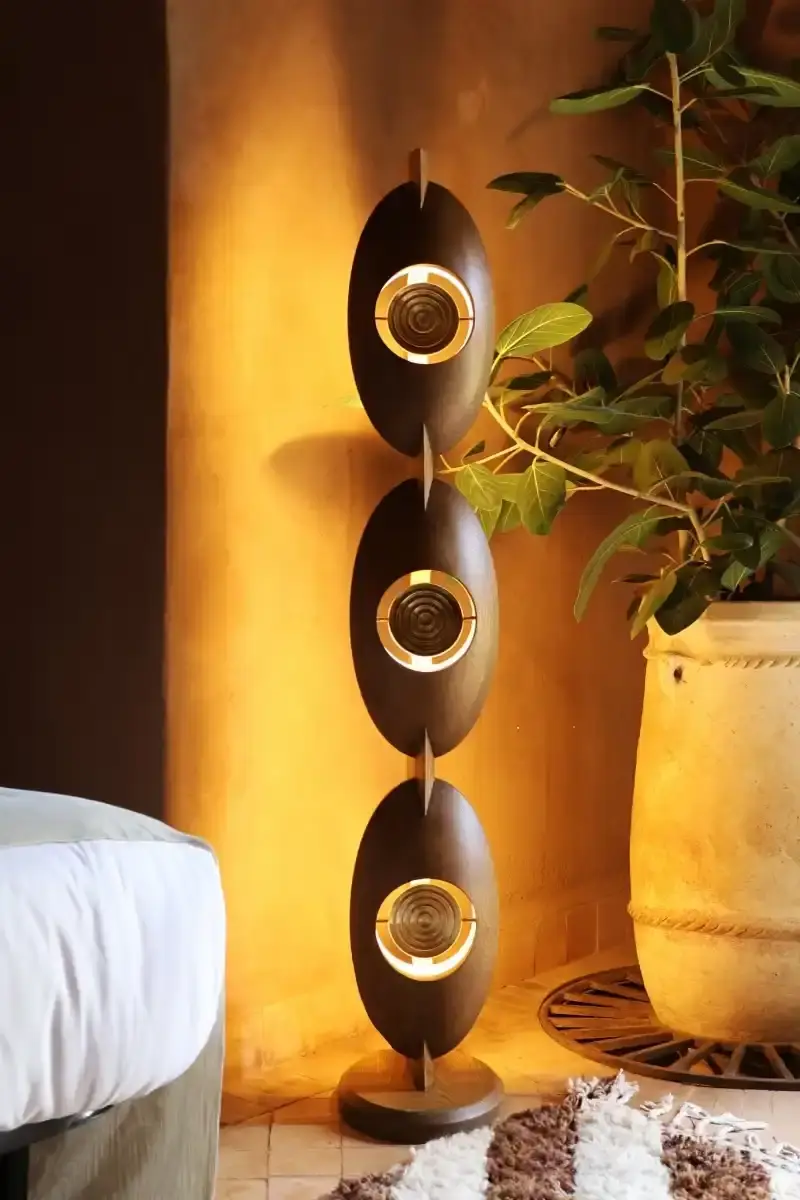
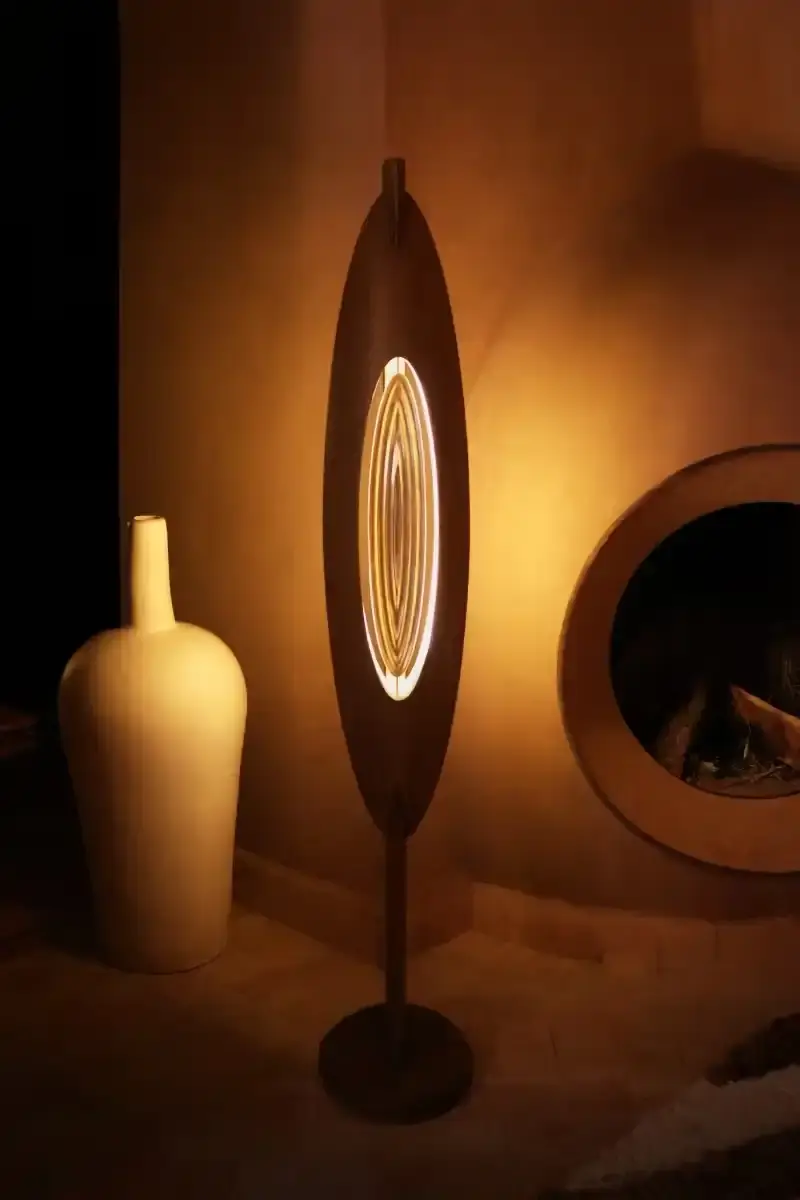
Salu Iwadi Studio presents a series of lamps. You see an intersection of West African heritage and contemporary design when you observe these pieces. The designers operate across Lagos, Dakar and Marrakech. This studio integrates traditional narratives with modern functional art. The collection draws inspiration from Yoruba cultural memory. The specific focus rests on the Gelede tradition. Yoruba people celebrate female elders through this festival. The community recognizes the essential role of women in maintaining social balance. You notice this reverence reflected in the lighting design. The designers treat the light source as living matter. The objects cradle and nurture the bulb. The resulting glow emerges gradually.
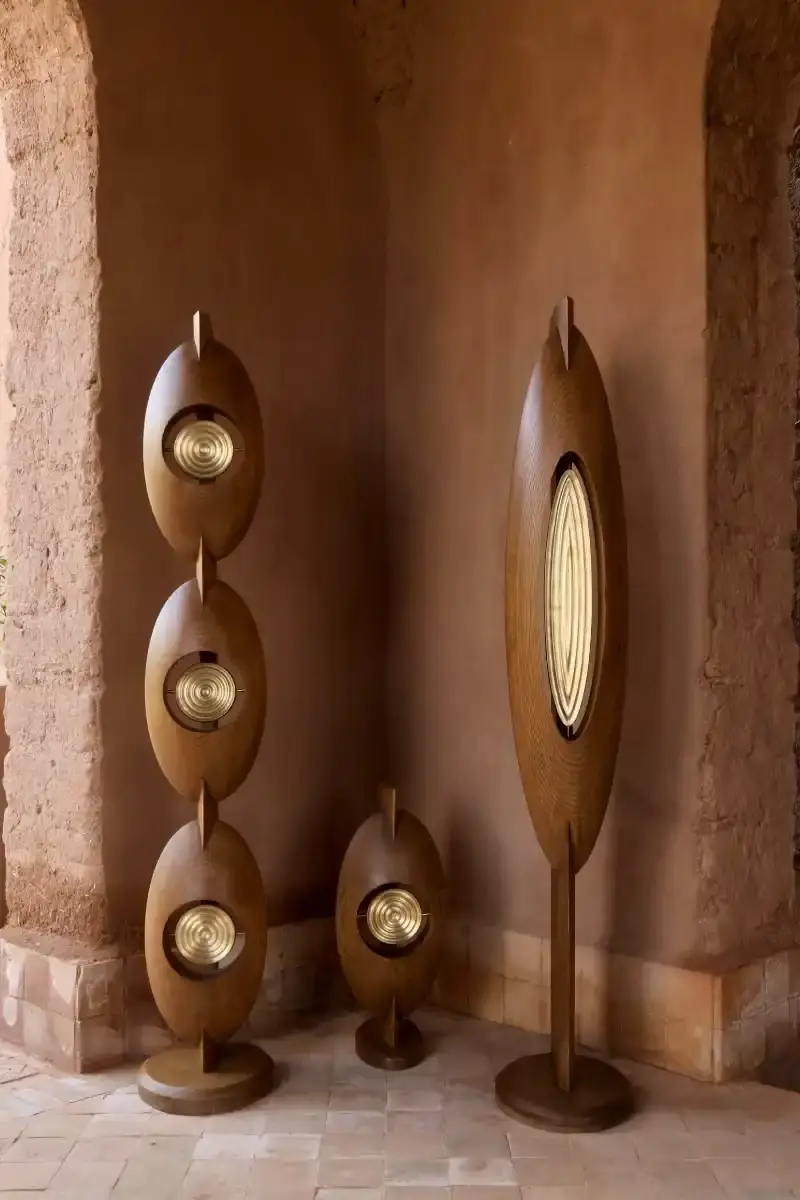
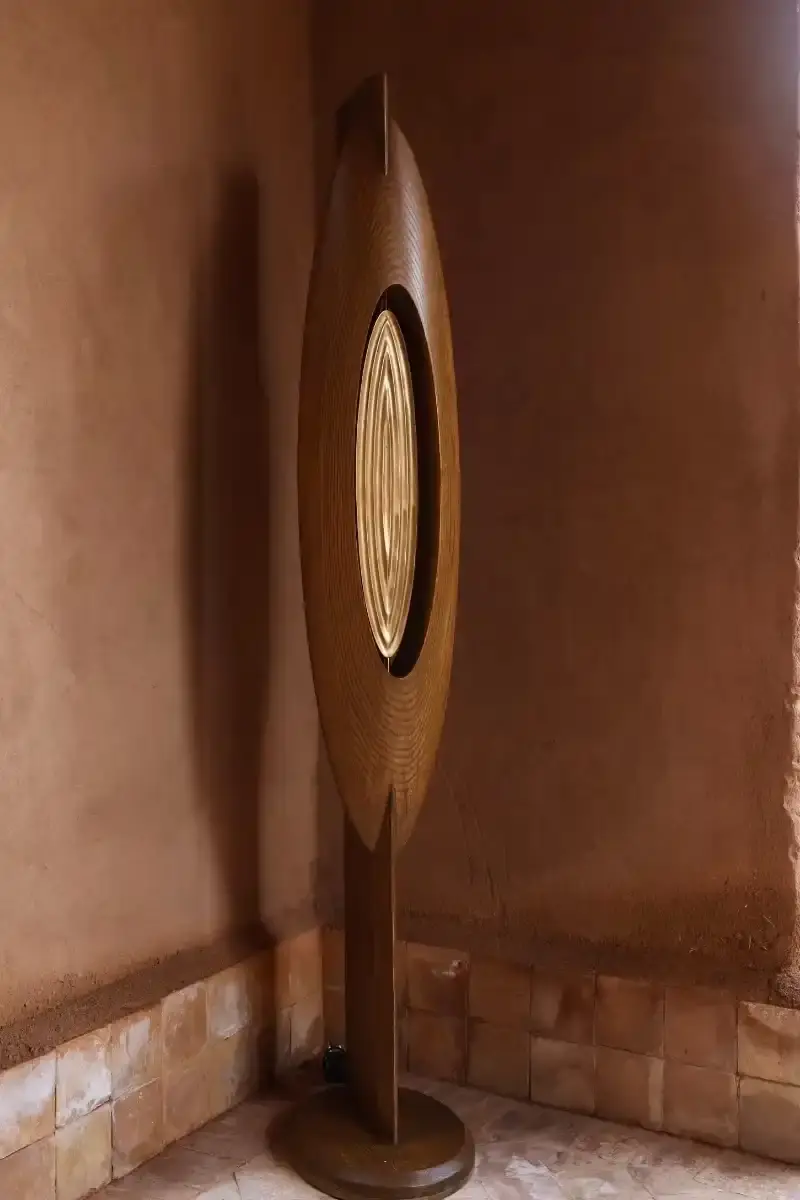
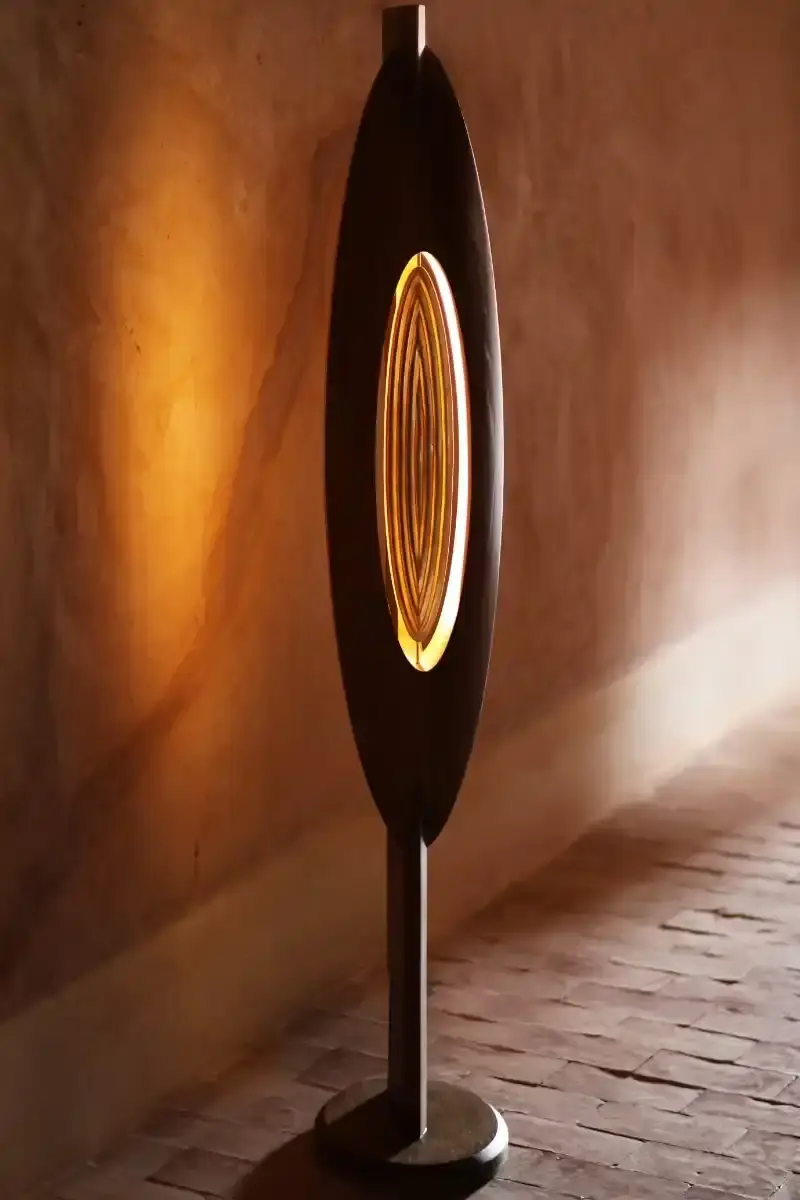
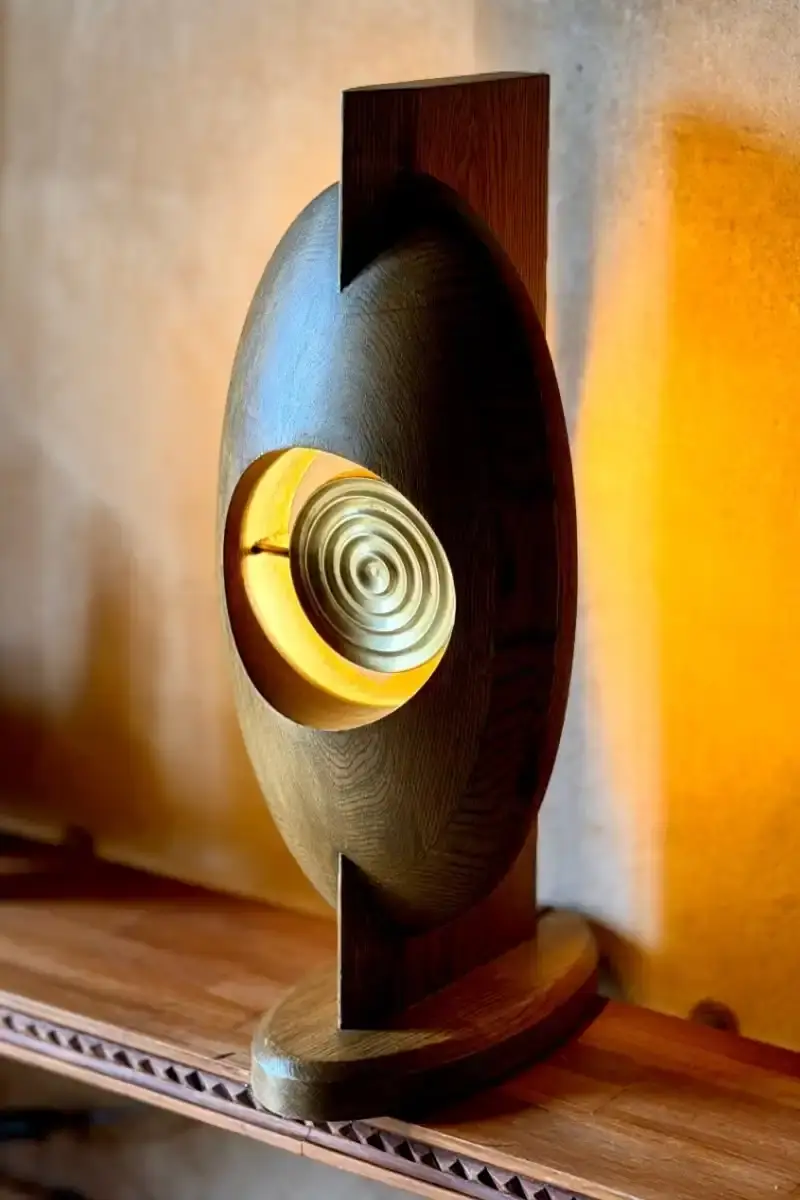
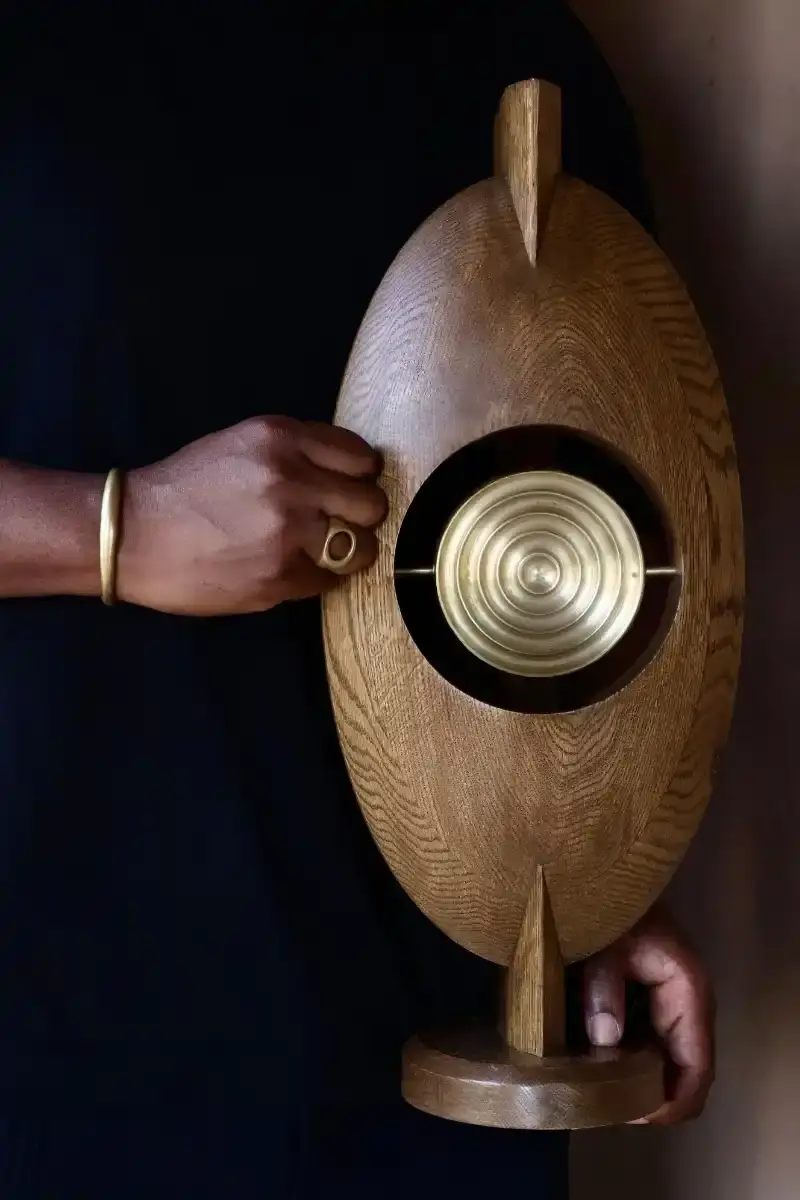
The collection features carved oak wood and sand-cast brass. These materials carry specific meanings. You find ovoid shapes in the wooden vessels. These rounded forms reference calabash gourds and the human head. Yoruba culture considers the head, or ori, the center of personal destiny. The designers chose oak for durability and visual warmth. Brass spirals pierce the wooden structures. Artisans produce these spirals using traditional sand-casting techniques. The metal features a granular texture. This rough surface contrasts with the smooth wood. The brass elements anchor the objects to Aye. Aye represents the earthly domain in Yoruba cosmology. The combination of metal and wood creates an architecture of restraint. The structure disciplines the light source. The design protects the bulb and releases the glow with measured intensity.
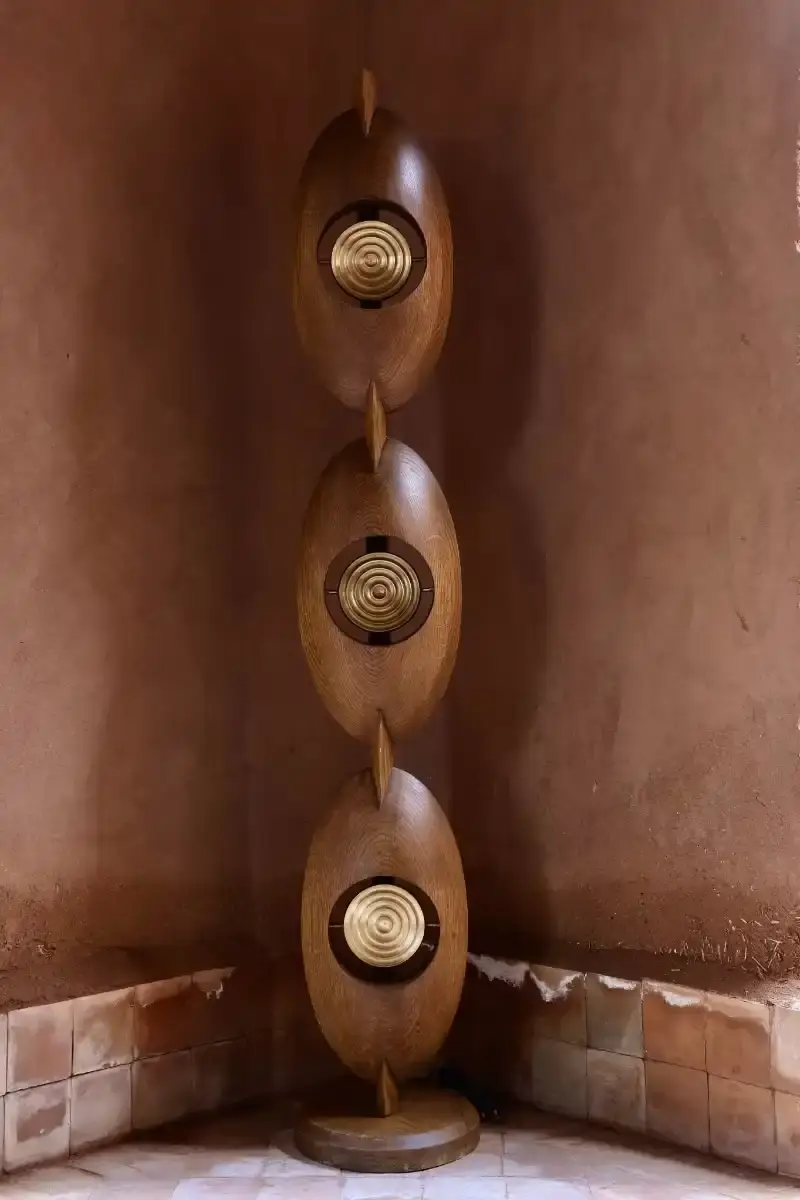
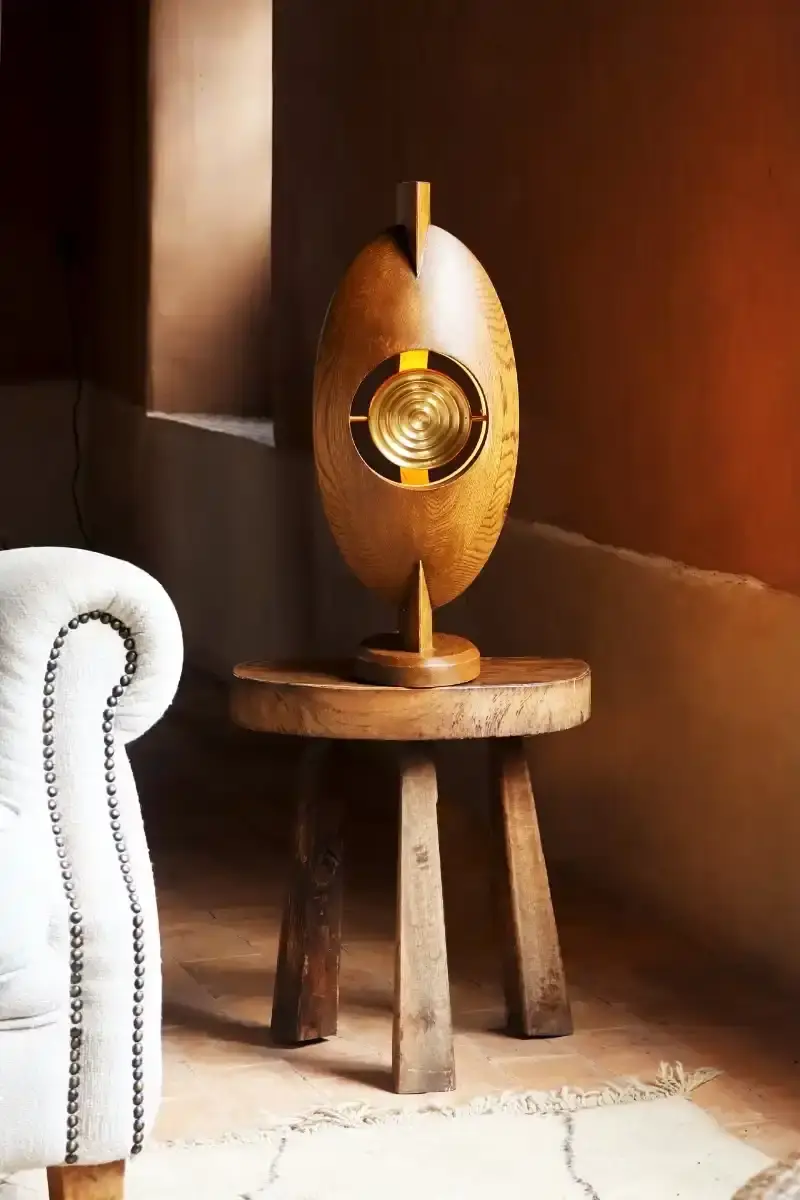
The studio divides the collection into three distinct models. You will find GLD01 stands as the tallest option. This piece features a vertical alignment of three vessels. The three stacked forms symbolize temporal continuity. The shapes represent the ancestor, the mother and the child. You perceive a clear lineage through this vertical structure. GLD02 offers a different visual experience. This model consists of a single large vessel. Generational distinctions dissolve within this unified form. The single object projects an interconnected presence. GLD03 serves as the smallest piece in the series. The designers created this model on an intimate scale. You hold this object closer to your body. The small size retains the full conceptual weight of the larger pieces.
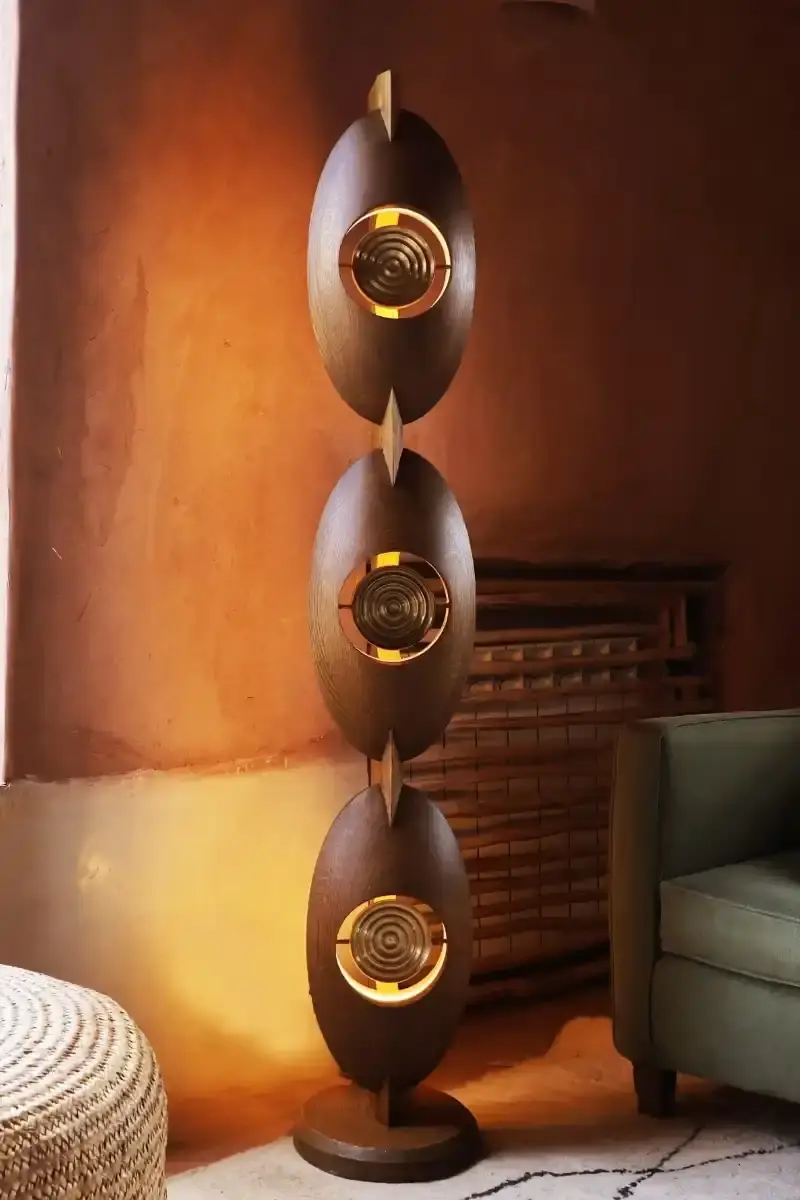
You improve your living space by integrating pieces with deep cultural roots. These lamps serve as focal points in a room. You position the GLD01 in a corner to draw the eye upward. The vertical orientation adds height to low-ceilinged rooms. You place the GLD02 on a solid console table. The singular vessel demands a dedicated surface. You arrange the GLD03 on a bedside table or a reading desk. The intimate scale suits personal areas. The brass and oak materials blend well with natural textures. You pair these lamps with linen upholstery or woven rugs. The warm light creates a specific mood. The controlled glow works best in relaxed environments rather than task-oriented spaces. You adjust the ambient lighting in your home to complement these sculptural forms. The objects require empty space around them. You avoid cluttering the space around the vessels.
Salu Iwadi Studio represents a broader movement in West African design. Creators from Lagos to Dakar redefine functional objects. The designers merge local traditions with global design languages. You witness a shift away from purely decorative items. Artists produce objects carrying specific historical weight. The Gelede festival provides a rich source of inspiration. The festival honors the spiritual power of older women. The community believes these women control societal harmony. The lamp collection translates this belief into physical form. The light represents the generative force of women. The oak acts as the protective vessel for this energy. You understand the object better when you know this background. The design process involves careful research. The studio collaborates with local artisans. The sand-casting method requires specific skills. Workers pour molten brass into sand molds. The cooling process creates the unique granular finish. No two brass spirals look identical. You purchase a distinct object due to this manual fabrication.
The modern design industry often strips objects of their origin. Salu Iwadi resists this trend. The studio demands attention to the source material. You engage with a specific cultural narrative when you buy these lamps. The objects ask you to reconsider your relationship with everyday items. You move past the idea of a lamp as a simple utility. The vessel becomes a focal point of cultural memory. Lagos provides an energetic backdrop for this work. The city forces designers to innovate. Dakar contributes a strong history of artisanal skill. Marrakech offers access to diverse material markets. The studio synthesizes these regional influences. The resulting objects sit comfortably in international galleries. The designs also function in domestic interiors. You support independent design studios by seeking out these pieces. You elevate your aesthetic standards by choosing works with conceptual depth.
Andrea Darren
Born in Manchester, from a young age, she was passionate about art and design. She studied at the University of the Arts in London, where she developed her skills in these fields. Today, Andrea works as an editor for a renowned publishing house, combining her love for art and design with her editorial expertise.
Share this article
RELATED

6:AM LAUNCHES BATCH GLASS MODULES


JIL SANDER AND THONET FURNITURE COLLECTION
