

Summary:
- The North Face Japan partners with artisan group SASHIKO GALS to create hand-stitched outdoor wear combining 1992 Nuptse design with traditional hanten coat structure
- Featured BP Nuptse Hanten uses Brewed Protein fiber, a petroleum-free material developed by biotech company Spiber
- Collection launches December 27, 2025 exclusively at The North Face ALTER store in Harajuku, Tokyo
The North Face Japan teams with SASHIKO GALS on a collection that merges traditional Japanese stitching methods with contemporary outdoor wear. SASHIKO GALS, an artisan group based in Ōtsuchi, Iwate Prefecture, applies centuries-old sashiko hand-stitching techniques to the brand's technical gear.
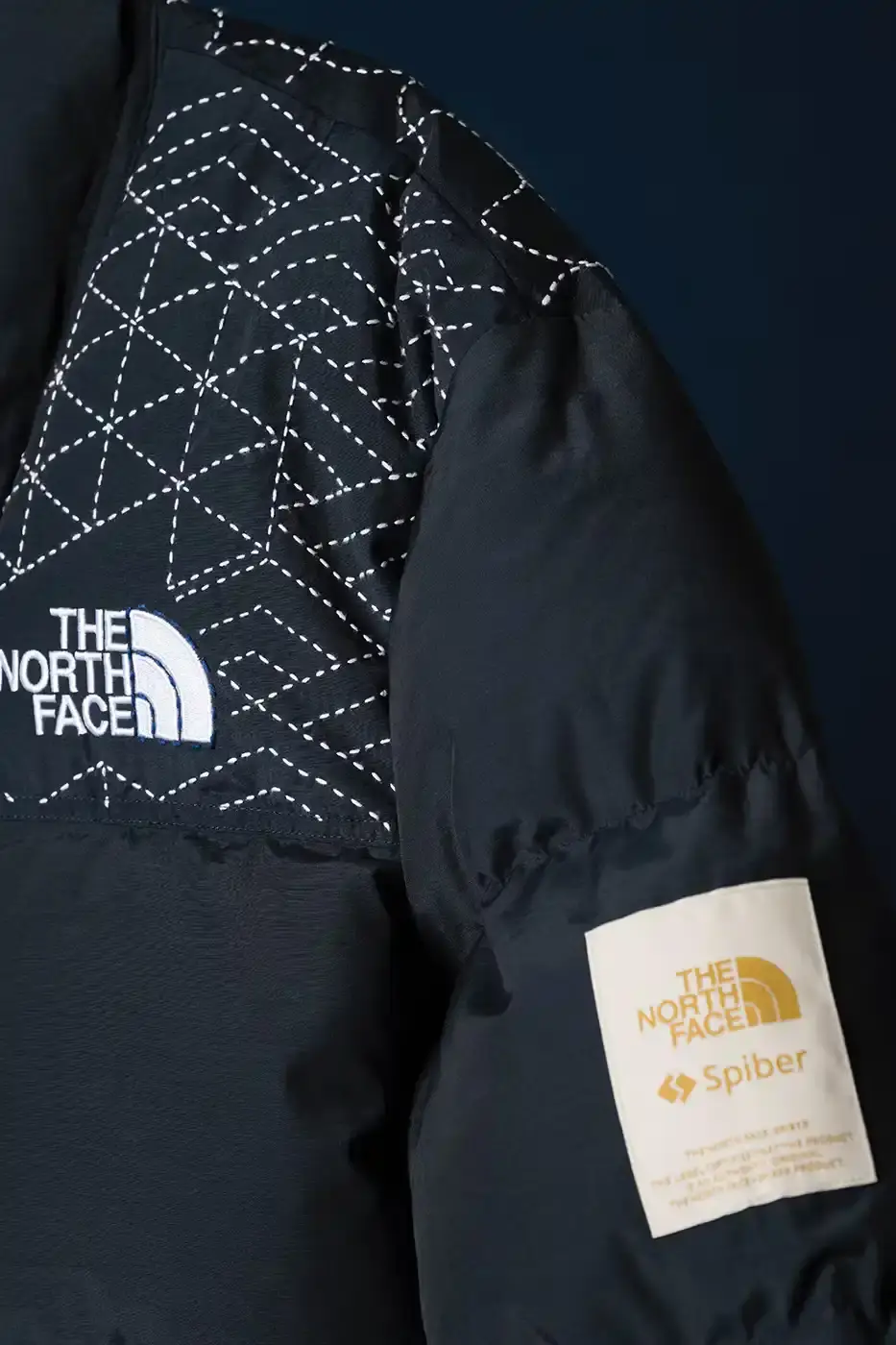
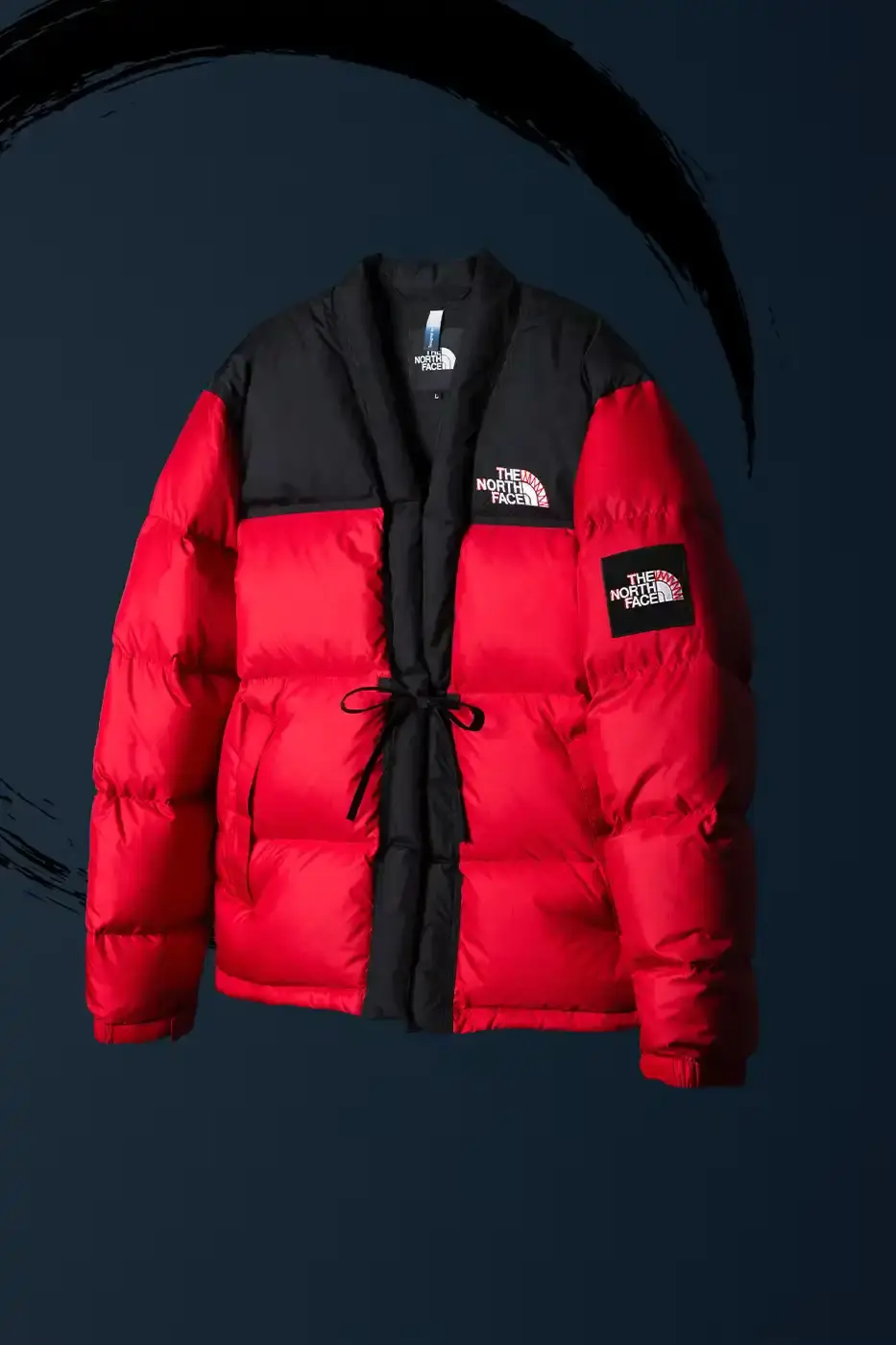
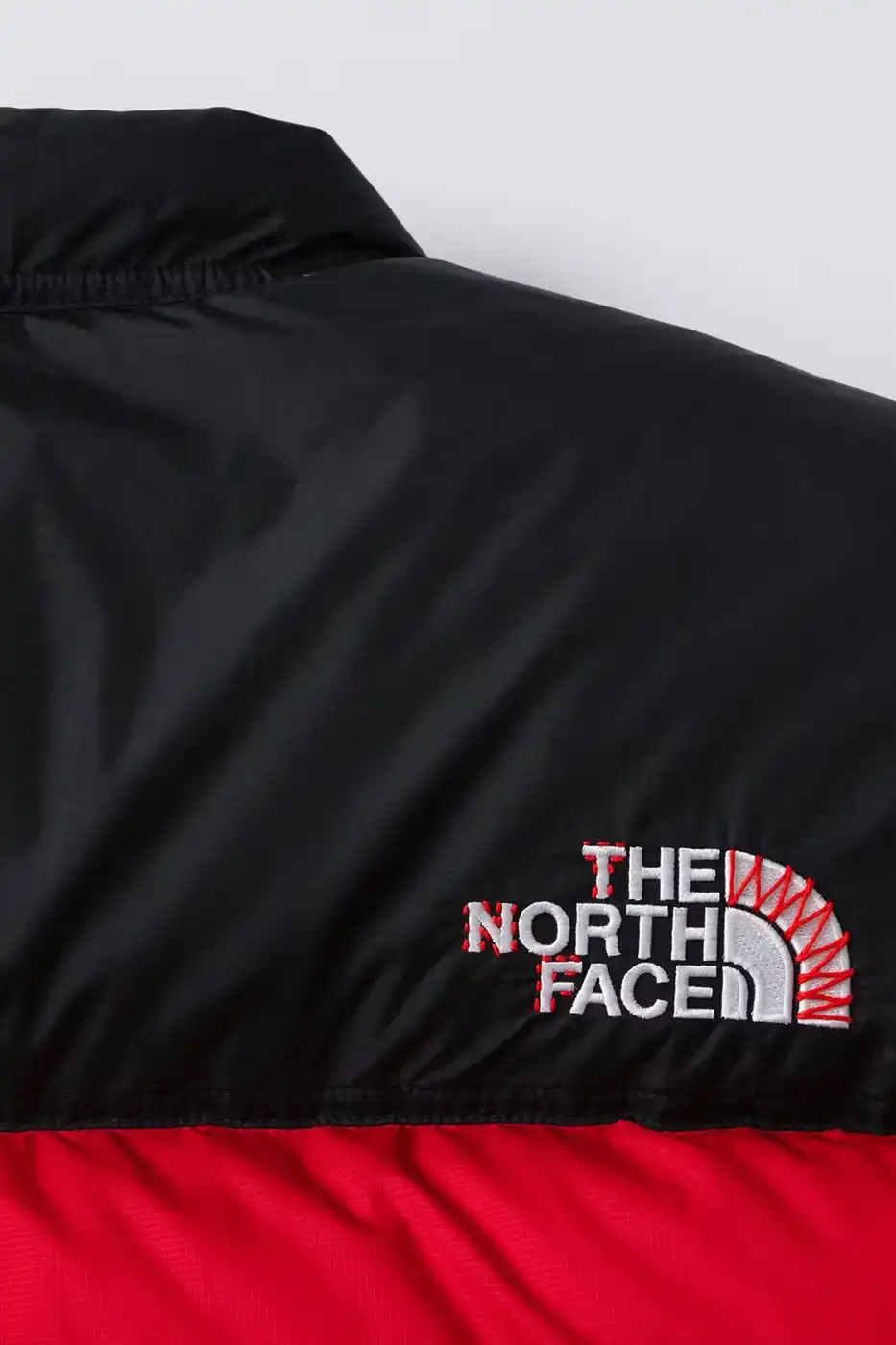
The collection centers on the Nuptse Hanten Sashiko Jacket. This piece takes the 1992 Nuptse silhouette and reworks it through the structure of a hanten, the traditional Japanese winter coat. The design eliminates the zipper closure while keeping the insulation properties of the original Nuptse. The relaxed fit follows hanten conventions rather than standard outdoor jacket construction.
The BP Nuptse Hanten version uses Brewed Protein, a fiber produced through fermentation by Spiber, a Japanese biotechnology company. This material contains no petroleum-based components. The production process grows protein structures in controlled lab conditions, offering an alternative to conventional synthetic fibers.
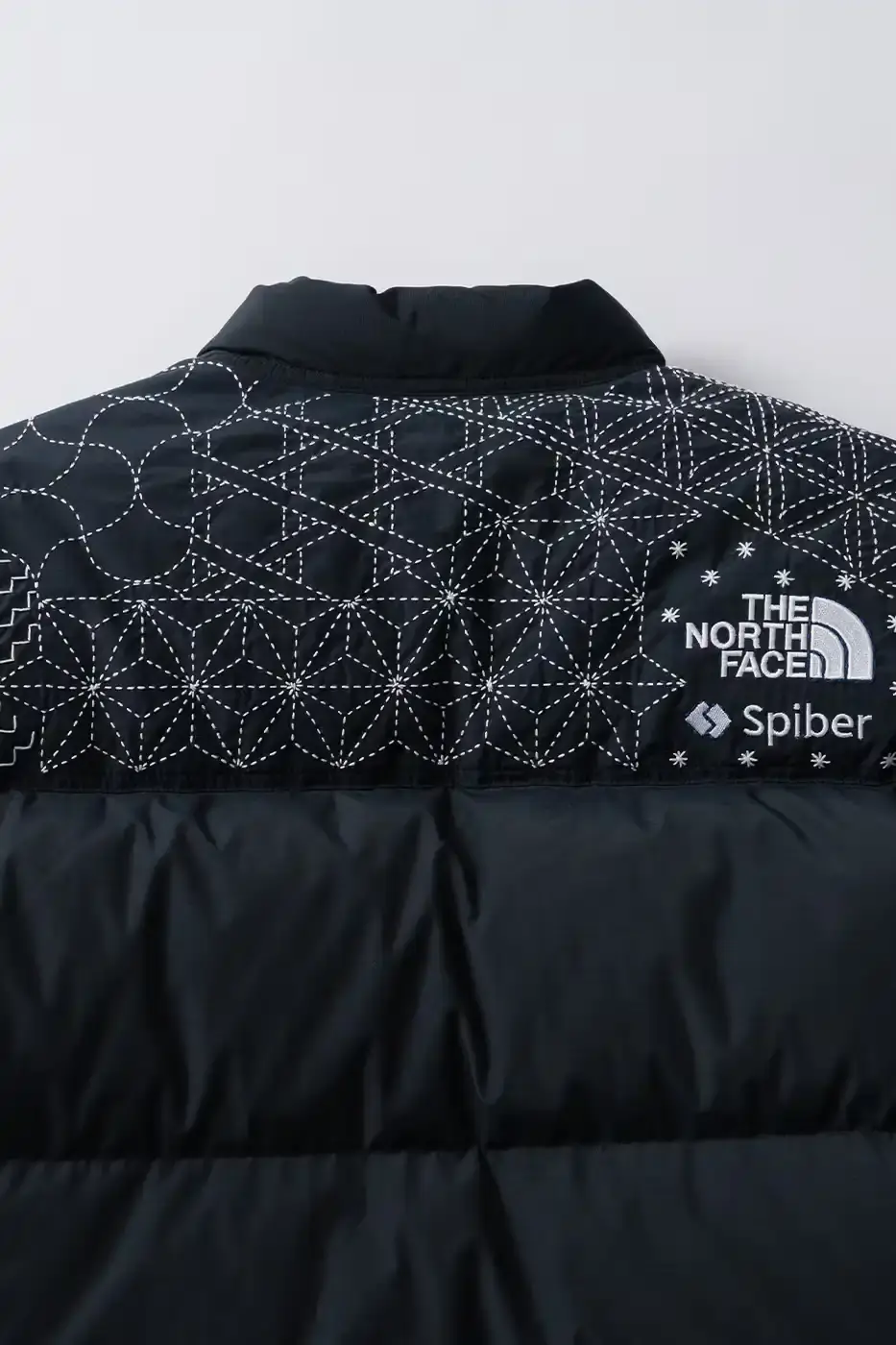
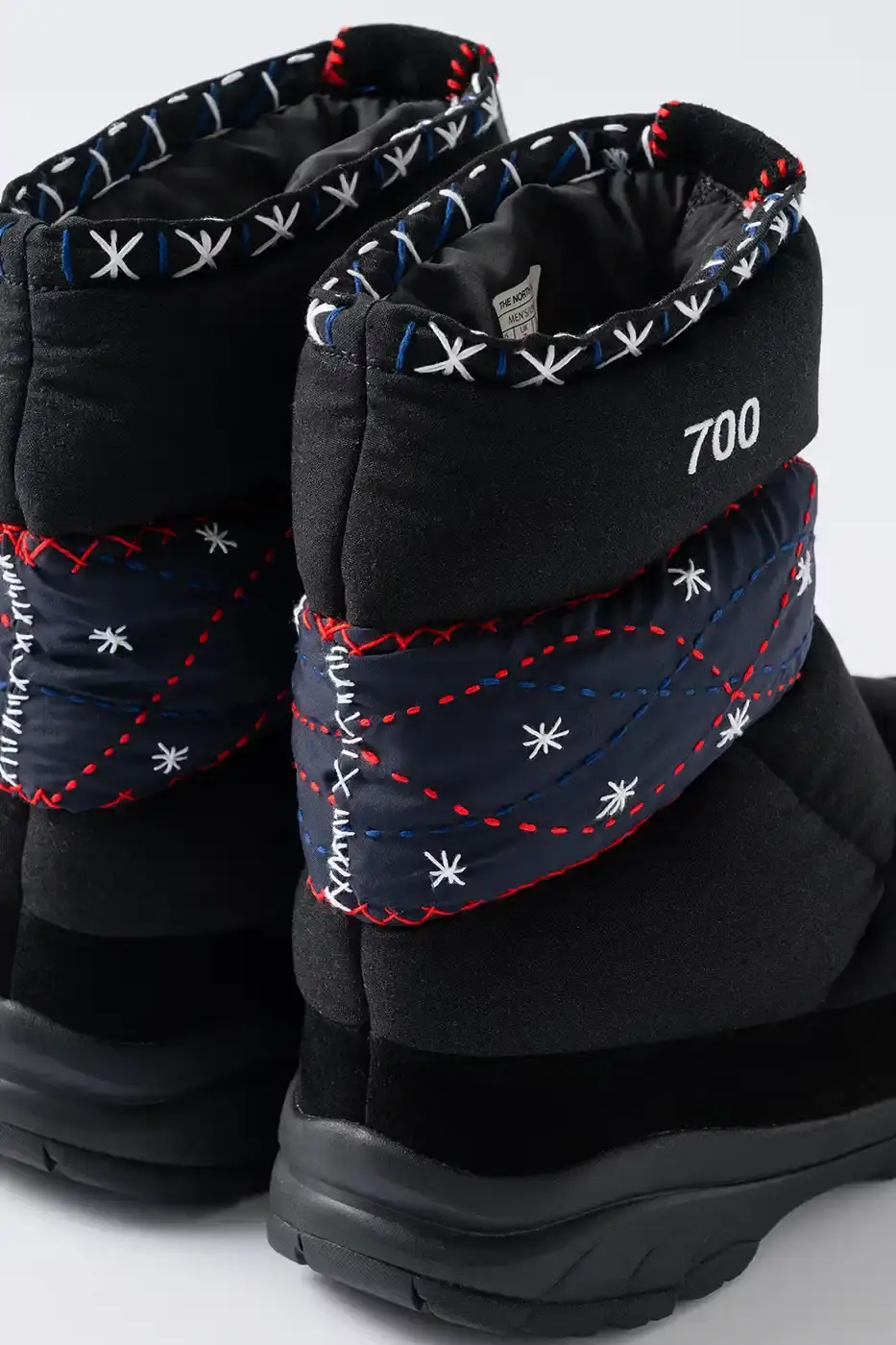
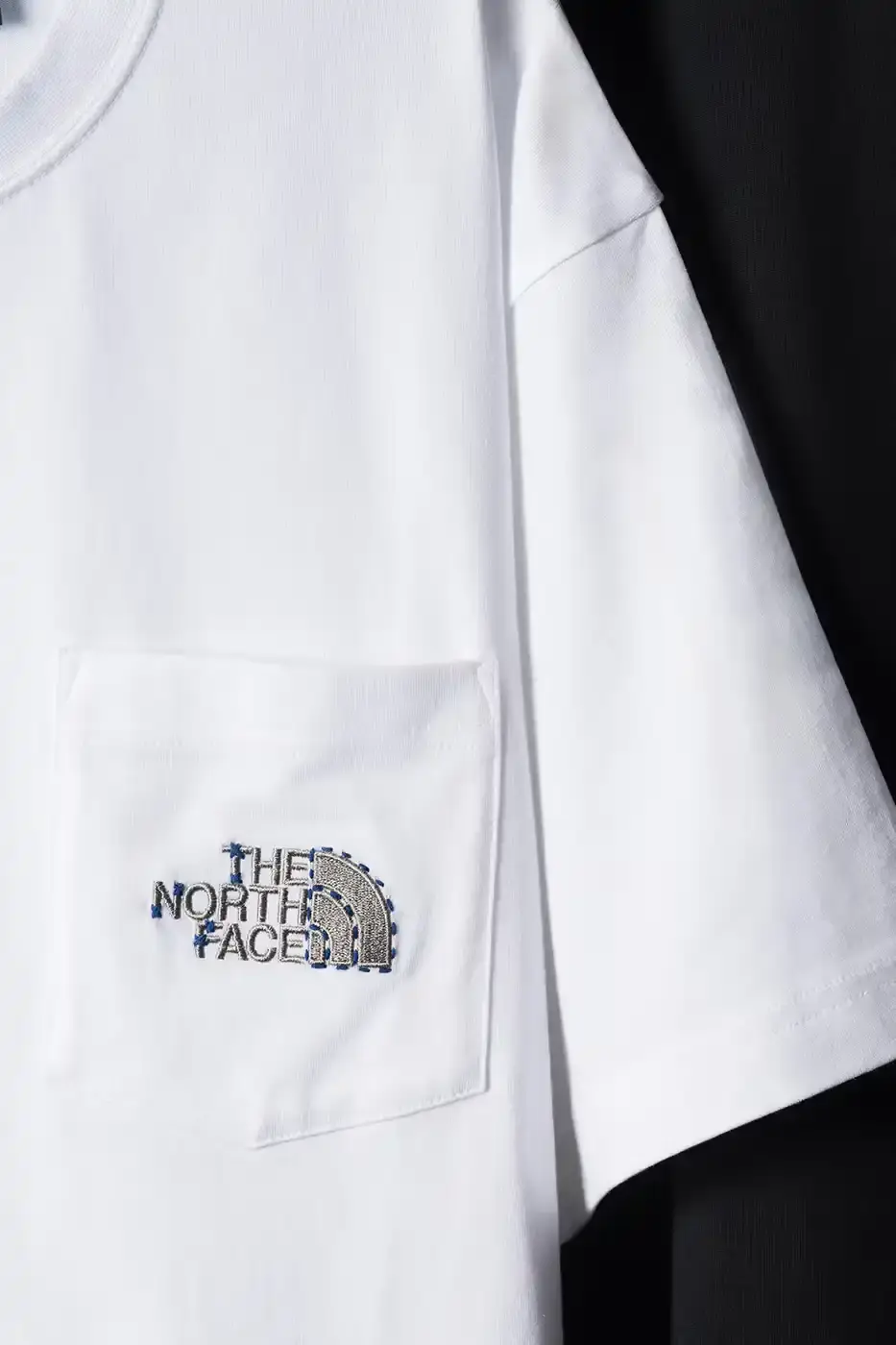
Each garment receives individual hand-stitching from SASHIKO GALS members. The sashiko technique involves running stitches that reinforce fabric and create geometric patterns. This process means no two pieces match exactly. Thread placement, stitch density, and pattern variations differ across garments based on the artisan's work.
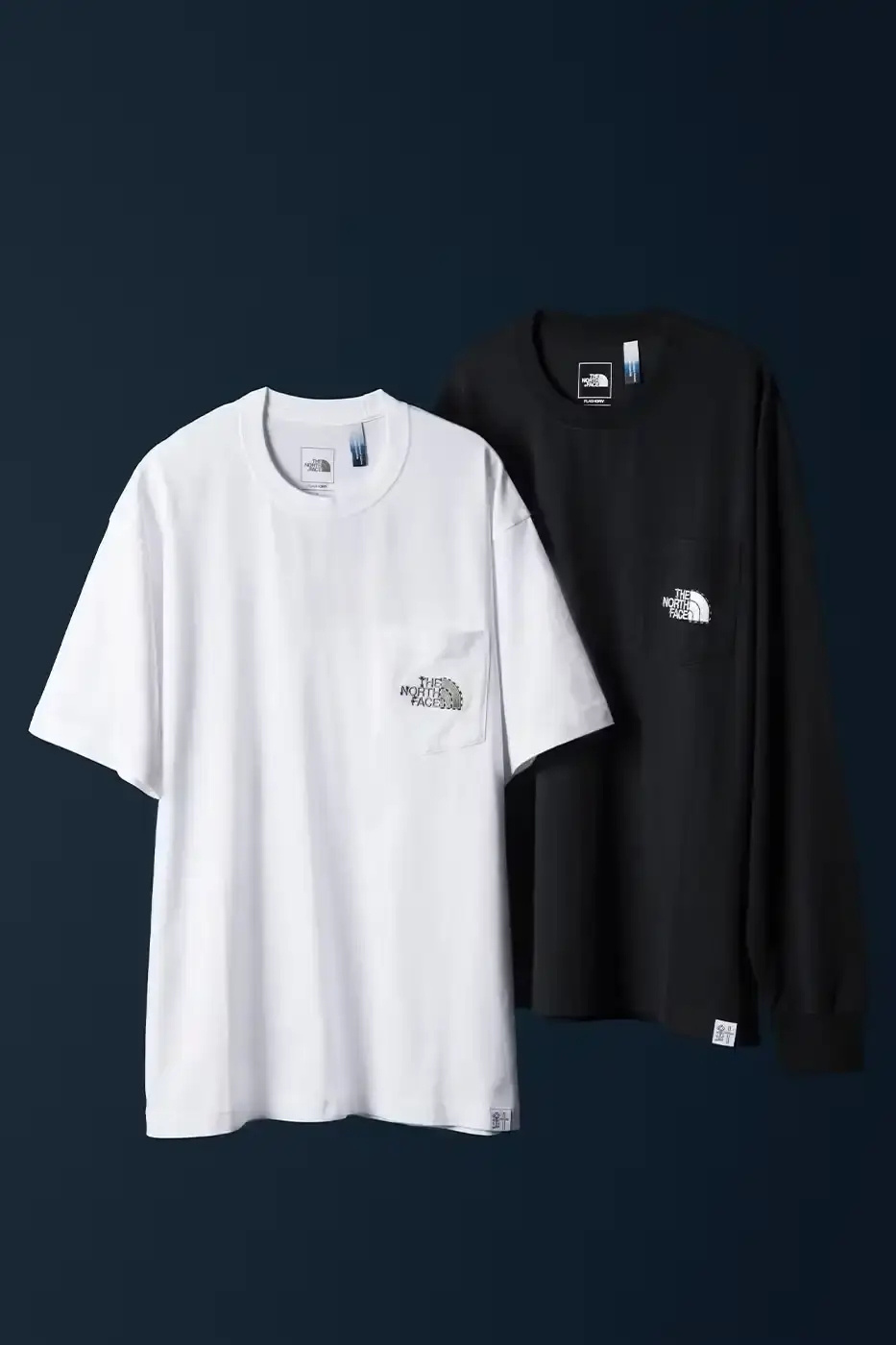
The collection includes BP Nuptse Down Sashiko Booties and cotton t-shirts. All pieces feature visible sashiko stitching as both structural reinforcement and decorative element. The stitching follows traditional patterns while serving the functional requirements of outdoor wear.
The North Face ALTER in Harajuku stocks the collection starting December 27, 2025. The BP Nuptse Hanten retails at 550,000 yen. Production numbers remain limited due to the hand-work involved in each piece.
Sashiko stitching originated in rural Japan as a method to repair and strengthen clothing. Workers and farmers used the technique to extend garment life through harsh conditions. The running stitch pattern reinforced worn fabric and held patches in place. Over time, the functional stitching developed aesthetic qualities as artisans created deliberate geometric designs.
SASHIKO GALS formed in Ōtsuchi after the 2011 Tōhoku earthquake and tsunami. The group preserved regional stitching knowledge while creating income for local women. Members work from traditional patterns passed through generations in the Iwate region.
The collaboration marks the first time The North Face applies hanten construction principles to the Nuptse design. The hanten's front overlap closure and wider body proportions contrast with Western jacket design. This structural change affects how the insulation sits and how the garment moves on the body.
Brewed Protein fiber production differs from both natural and synthetic material manufacturing. Spiber engineers microorganisms to produce specific protein structures. These proteins get harvested, purified, and spun into fiber. The process requires less energy than petroleum-based synthetic production and generates different waste streams than animal-based materials.
The collection sits at the intersection of preservation and experimentation. Traditional methods meet lab-developed materials. Regional craft knowledge combines with global outdoor wear design. Each piece documents this meeting through visible hand-work and technical specifications.
Where was The North Face brand born?
The North Face started in San Francisco, California in 1966. Doug Tompkins and Susie Tompkins Buell founded the company as a small mountaineering retail store.
What country is The North Face from?
The North Face is American. The company originated and maintains its headquarters in the United States, currently based in Alameda, California.
Who owns The North Face brand?
VF Corporation owns The North Face. VF Corporation acquired the brand in 2000 and operates it as part of their outdoor and lifestyle portfolio.
Where is North Face produced?
The North Face manufactures products across multiple countries in Asia, primarily in Vietnam, China, Bangladesh, and Cambodia. Production facilities also operate in other regions depending on product type and factory capabilities.
Kristin Kaye
Insatiably curious about human expression, she immerses herself in literature, theater, art, and dance. Her academic journey led to degrees in Modern Literature, where she delved into The Furioso, and Historical Sciences with a focus on Contemporary History. Her studies took her to the prestigious Erasmus University Rotterdam, broadening her international perspective.
Her passion for culture isn't confined to personal enjoyment—it spills onto the pages of various publications. There, she explores not only artistic endeavors but also civil rights issues and the myriad ways human culture manifests itself. For her, writing about these topics isn't just a profession; it's an irresistible calling that stems from her deep-seated fascination with the human experience.
Share this article
RELATED

JD SPORTS AND SAUCONY HOST EVENT IN MARSEILLE: LA GUINGUETTE

PALACE SKATEBOARDS WINTER 2026 COLLECTION


