Summary:
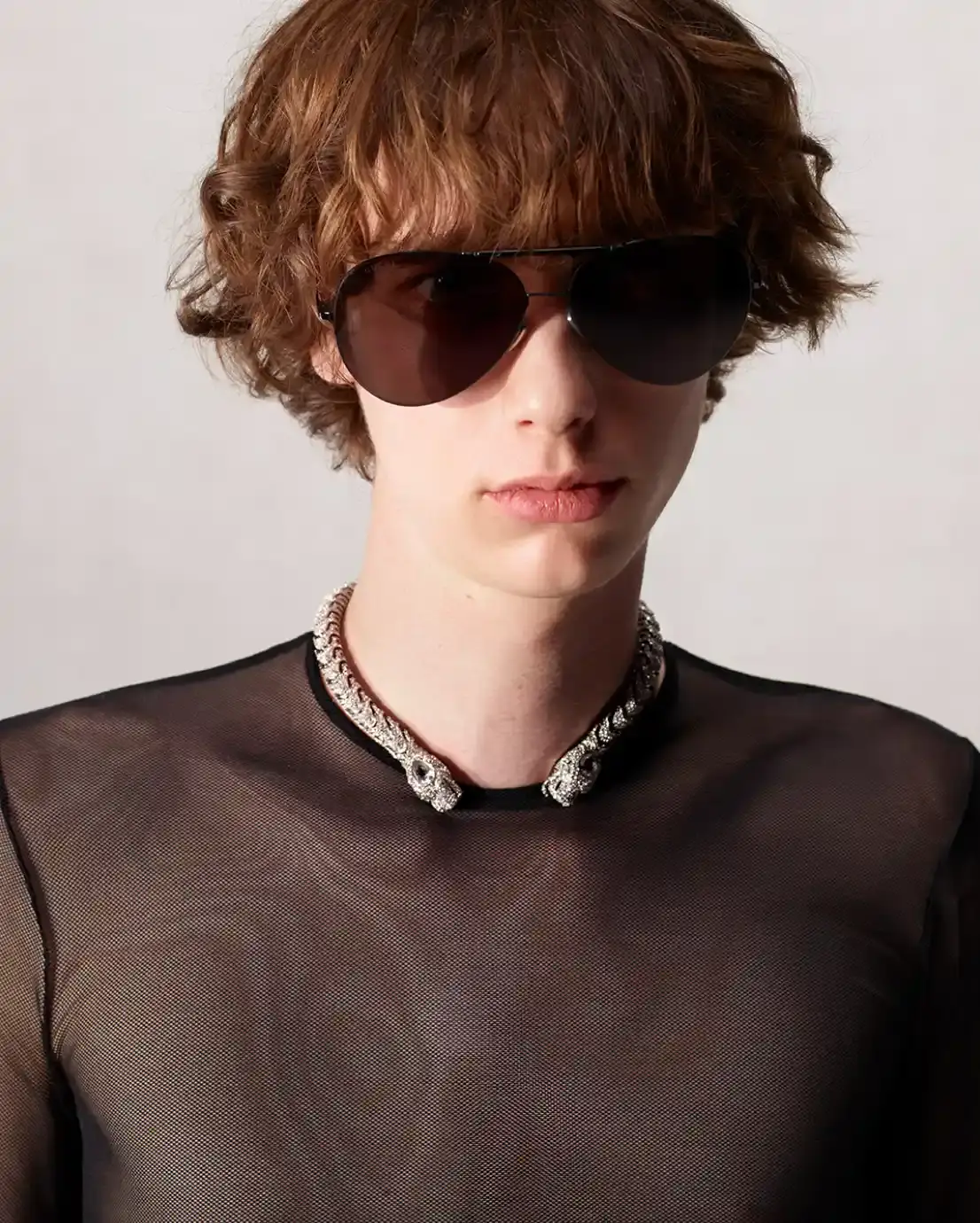
- Demna releases his first Gucci campaign, La Famiglia, photographed by Catherine Opie
- The collection draws from Gucci's archives, including references to Tom Ford and Alessandro Michele
- Campaign presents outfits as distinct characters with specific attitudes and identities
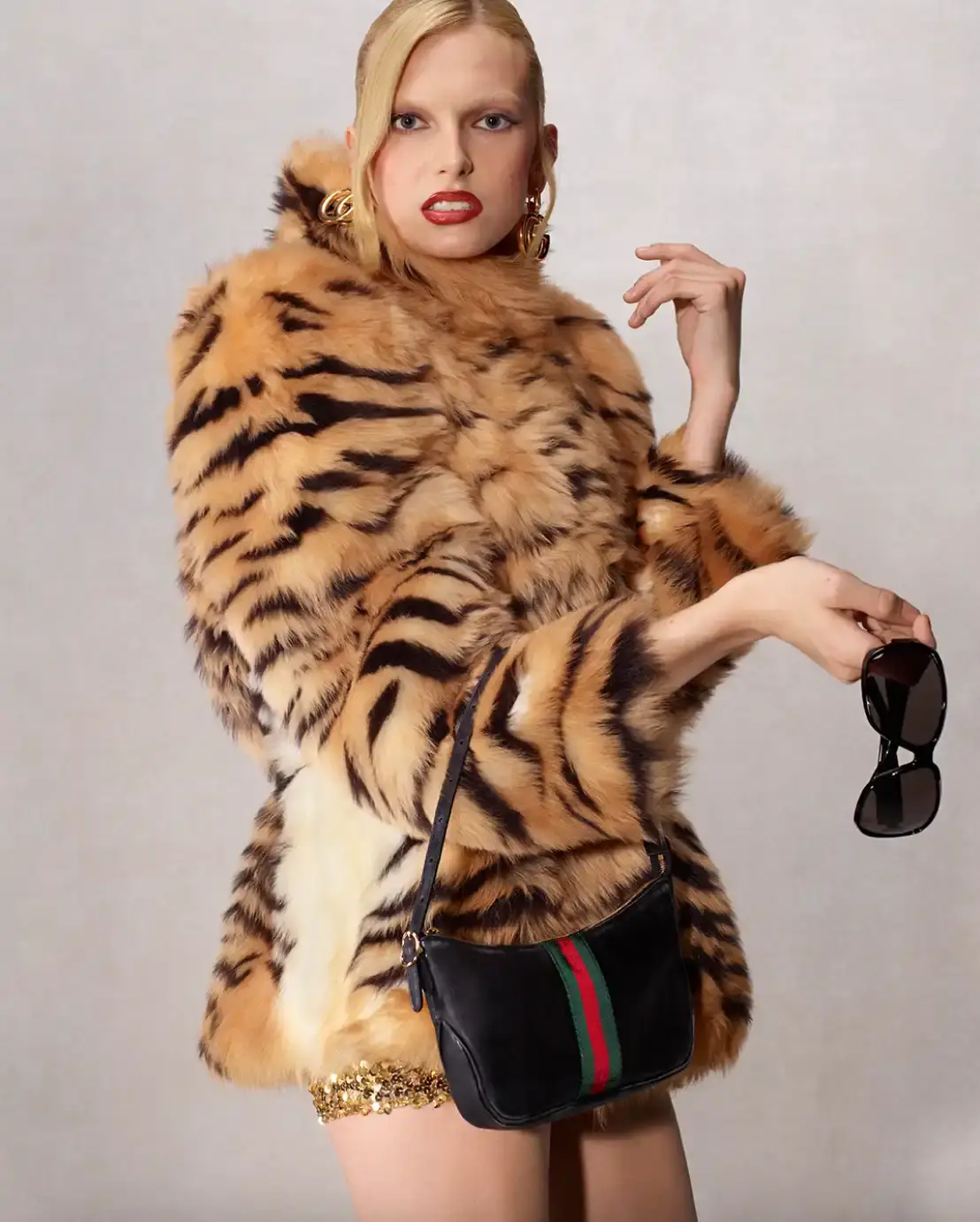
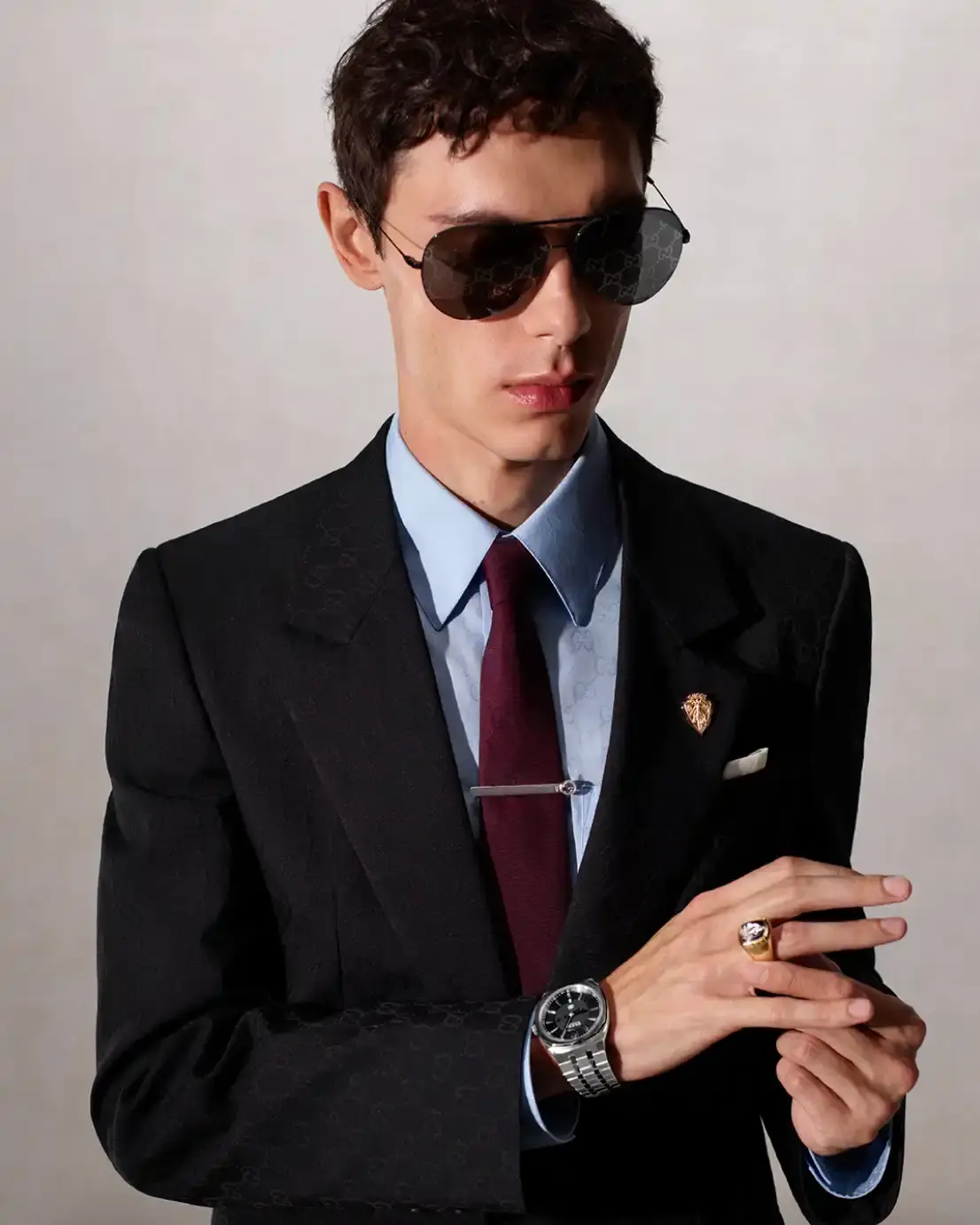
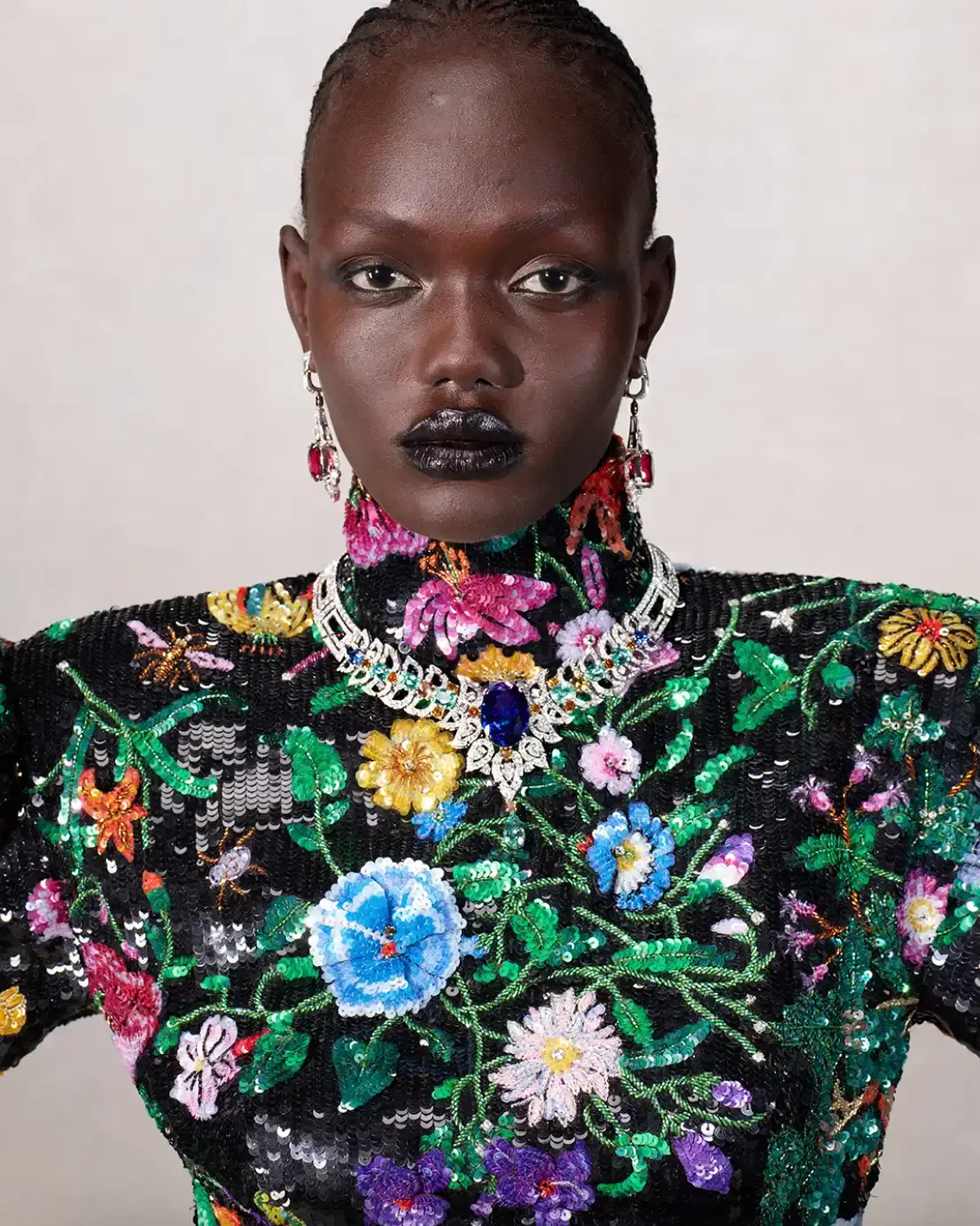
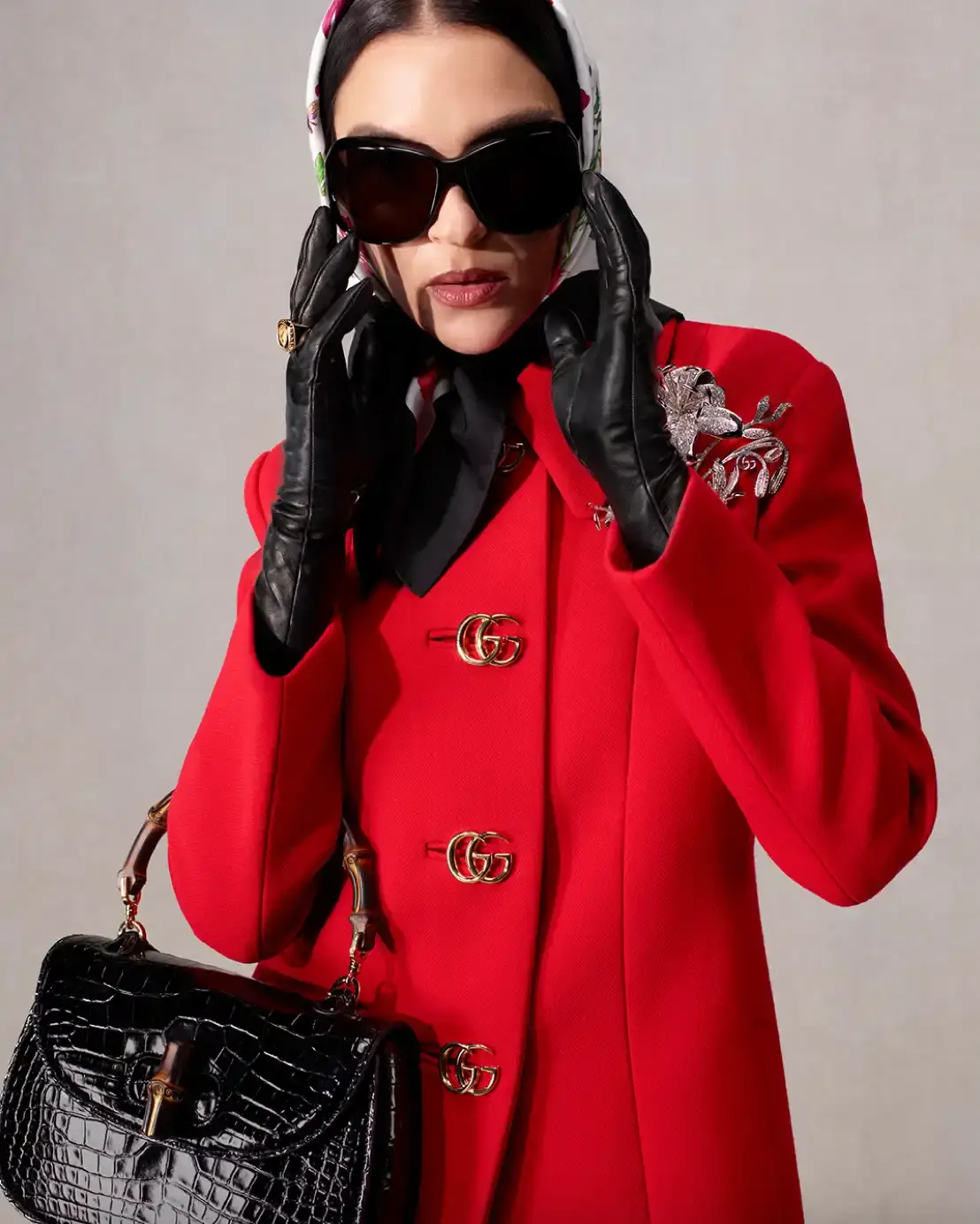
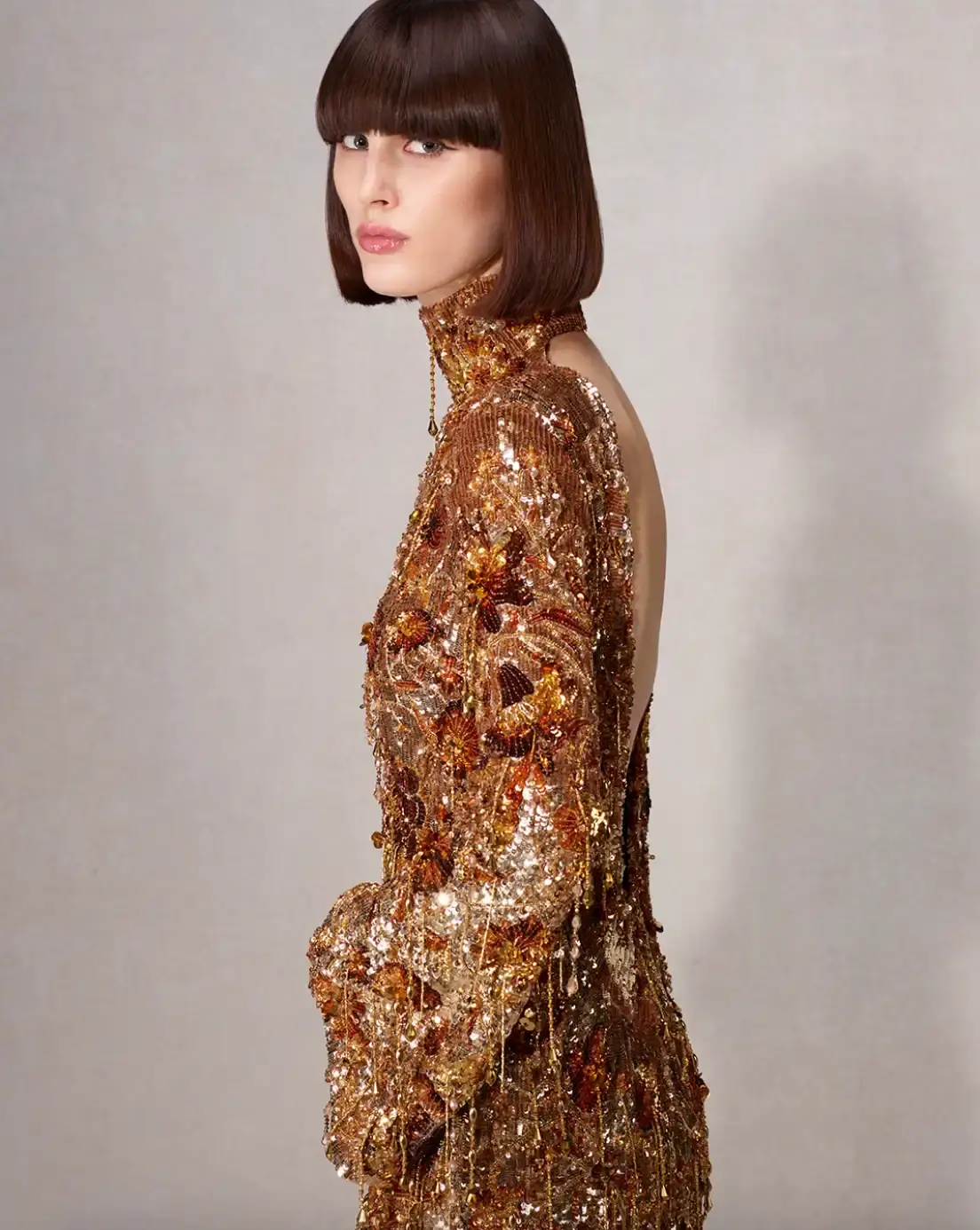
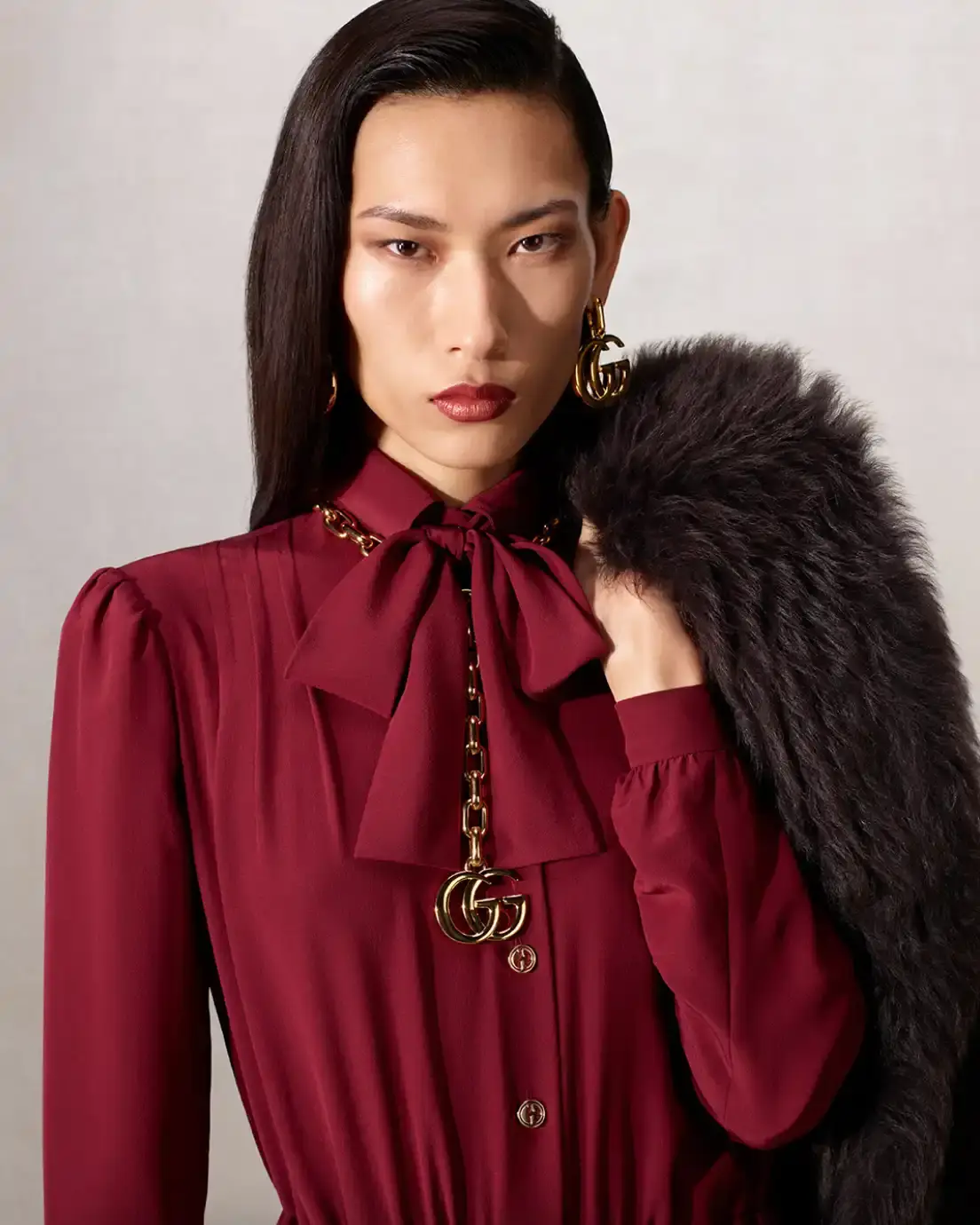
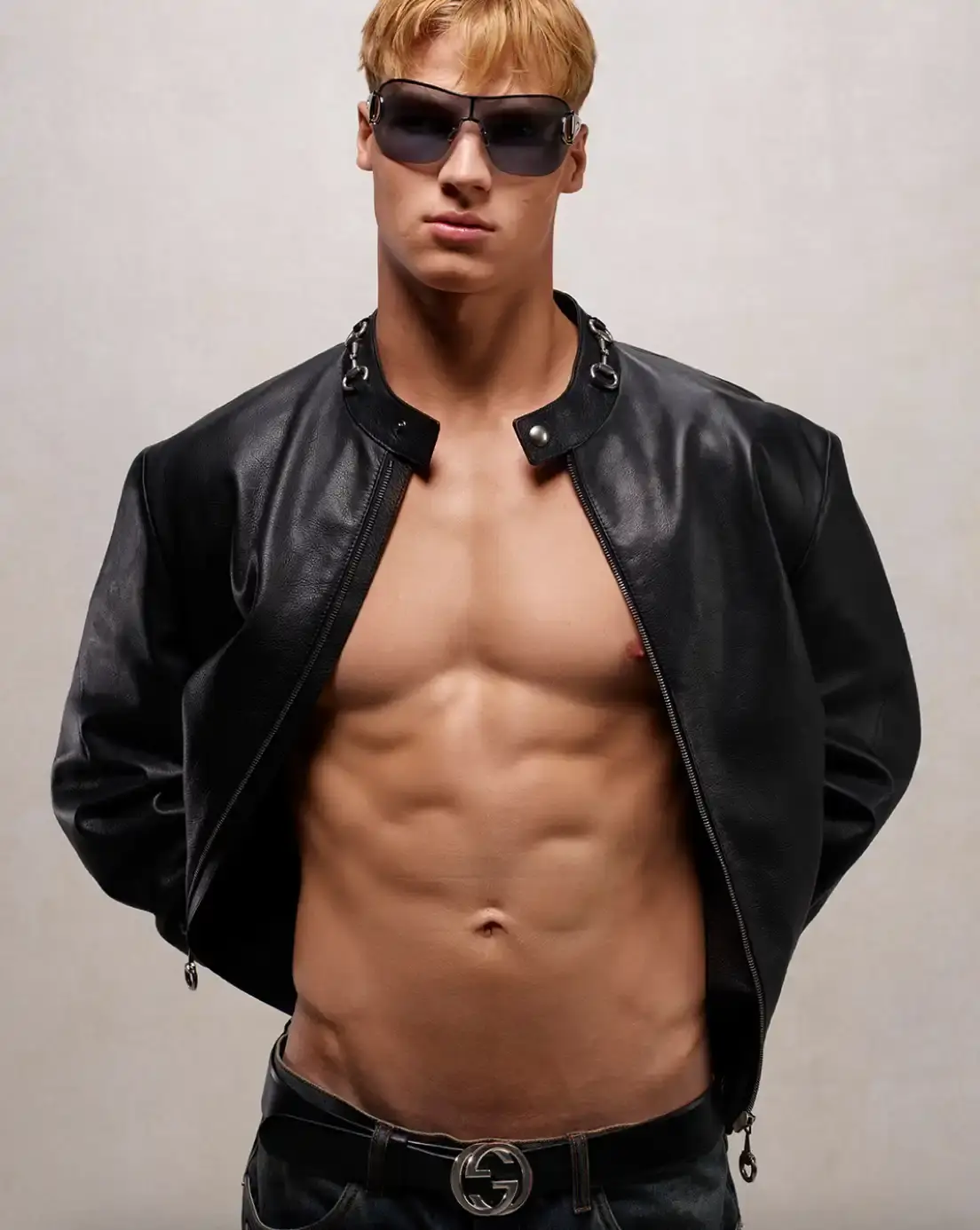
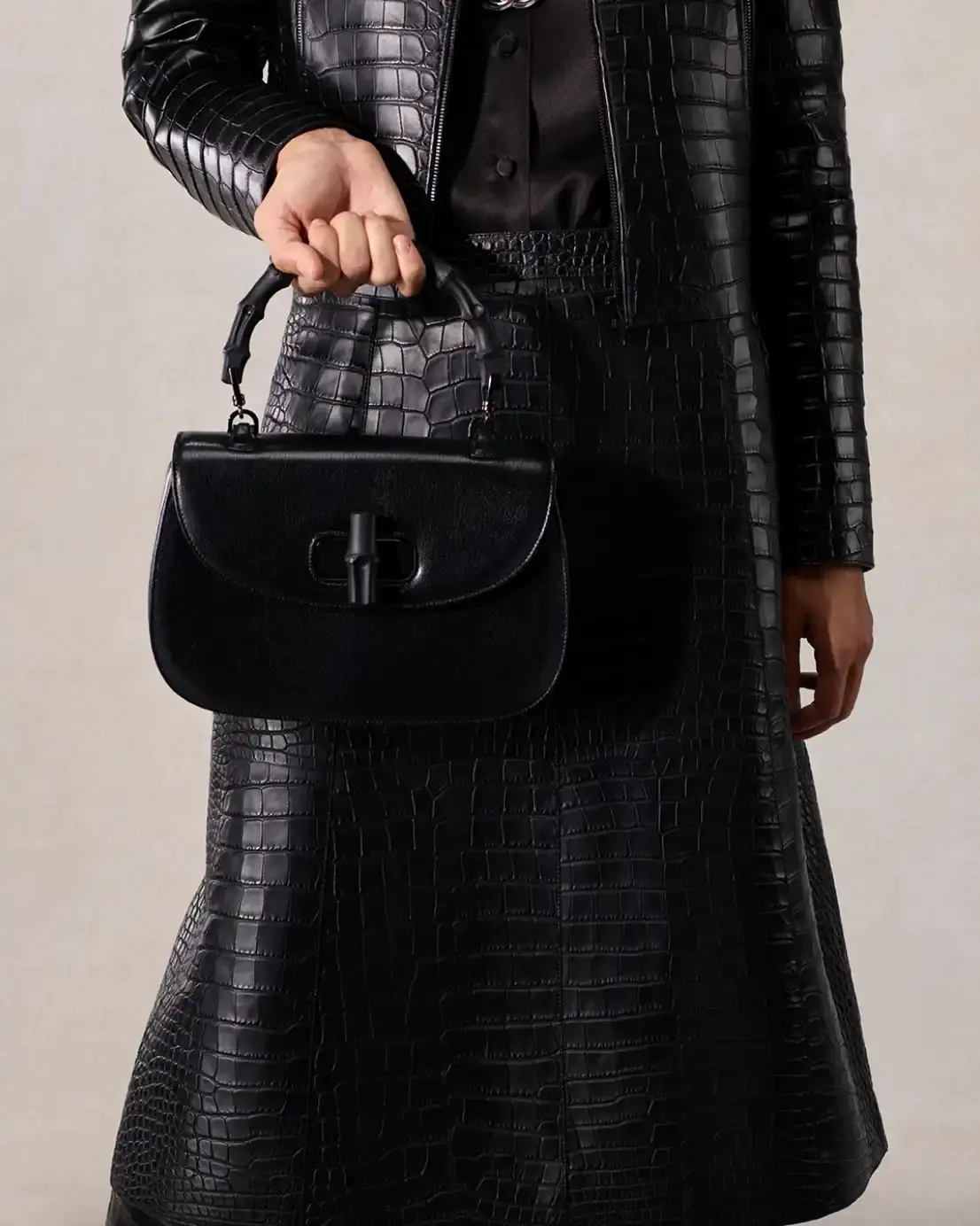
Demna presents his first campaign for Gucci. The project, titled La Famiglia, continues the narrative established in his initial collection for the house. Catherine Opie photographs the series, which centers on what Demna calls the "Gucciness of Gucci."
The designer spent months studying the house archives before creating this collection. He examined decades of work from previous creative directors. His research aimed to identify the core elements that define Gucci's identity. This approach marks a shift from his previous work at Balenciaga, where he rarely acknowledged his predecessors.
The collection contains clear nods to Tom Ford's era at Gucci. Alessandro Michele's influence appears throughout several pieces as well. Fashion observers note this openness to the brand's recent history. Demna weaves these references into his own vision rather than erasing them.
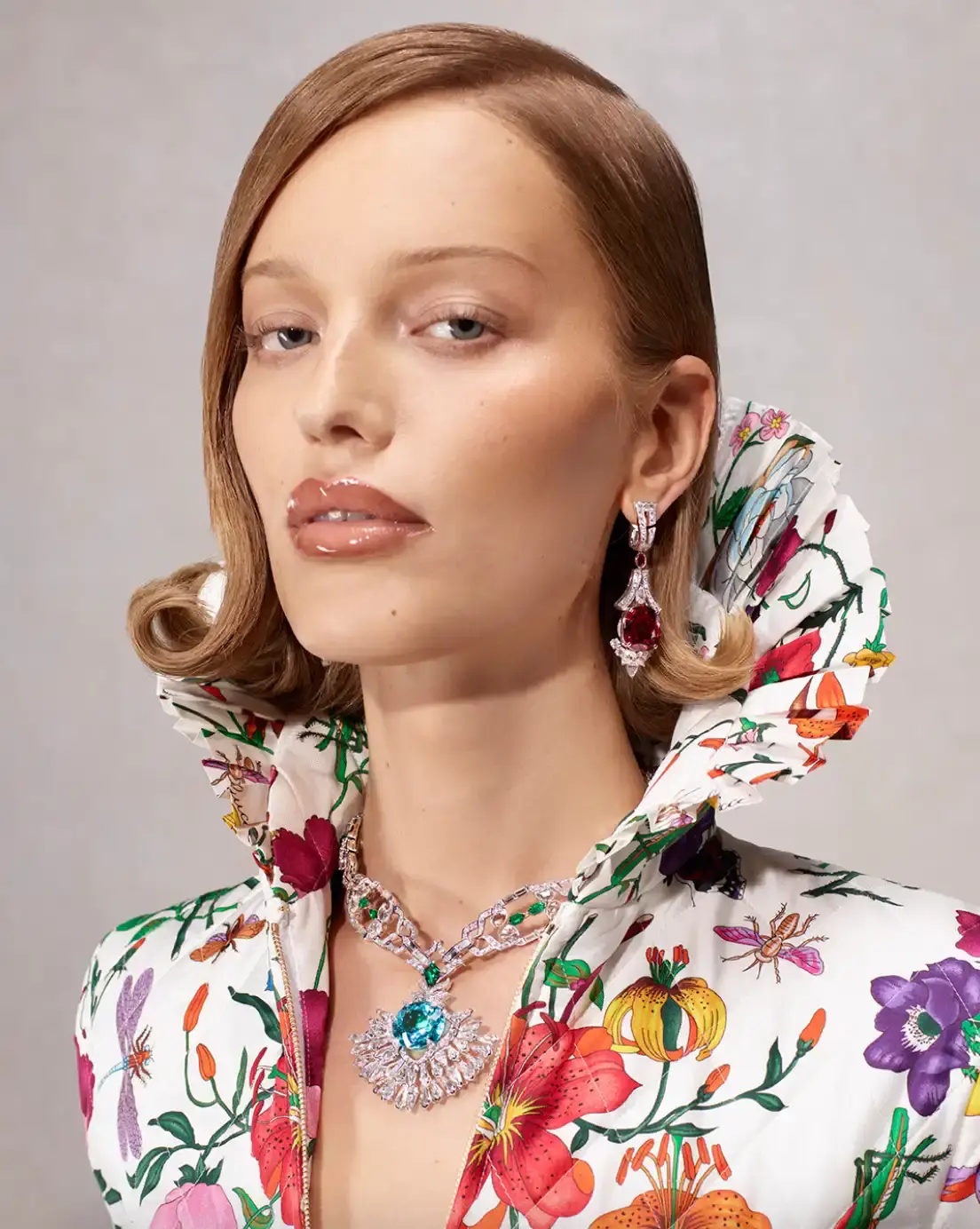
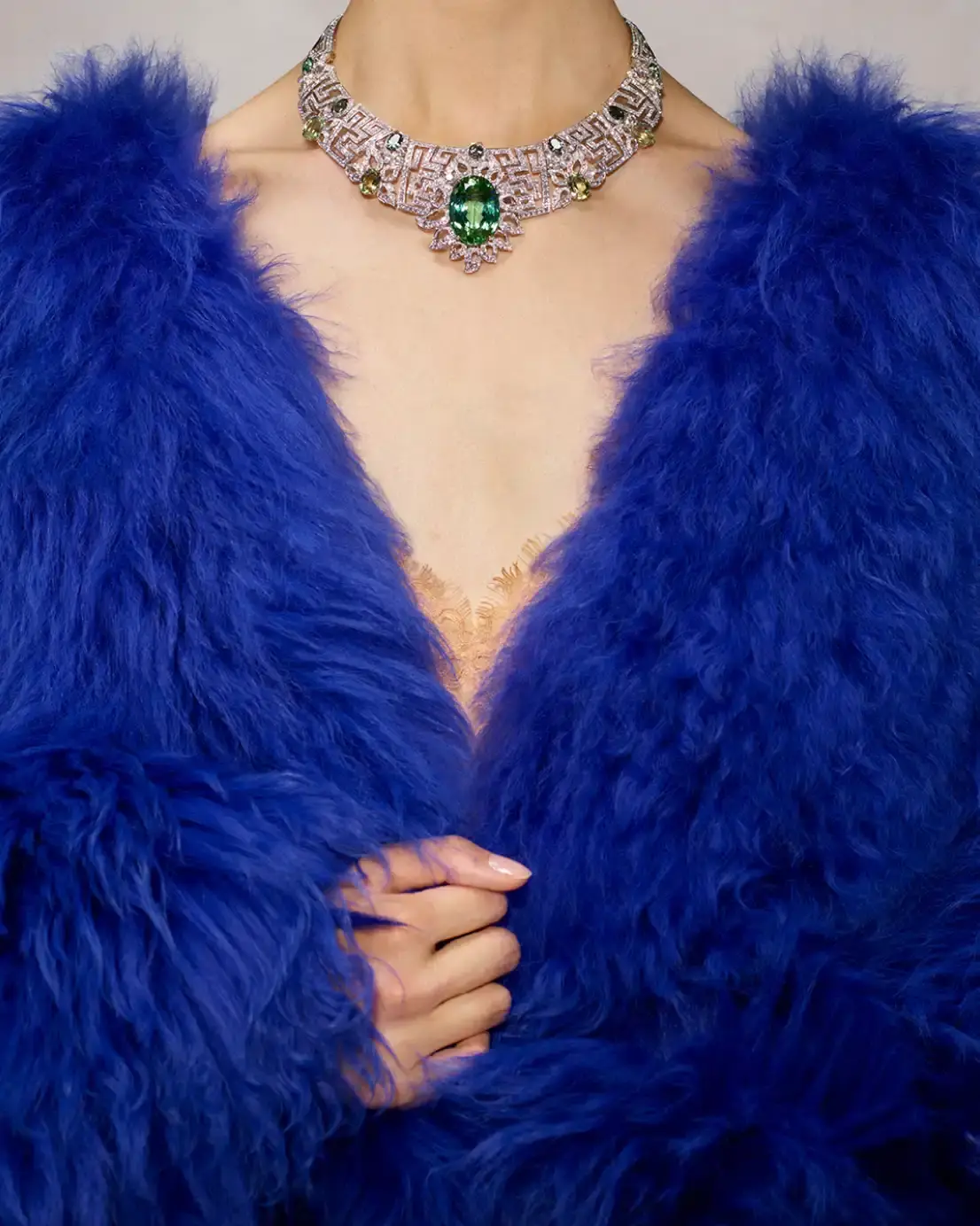
Catherine Opie's photography gives each look a narrative quality. The campaign treats clothing as character studies. Models embody specific personas rather than simply wearing garments. Each outfit tells a story about identity, status, and attitude.
La Principessa wears a baby-pink gown. Ostrich feathers trim the dress, creating a soft, dramatic silhouette. The character suggests old-world glamour translated for today. The styling emphasizes femininity without feeling outdated.
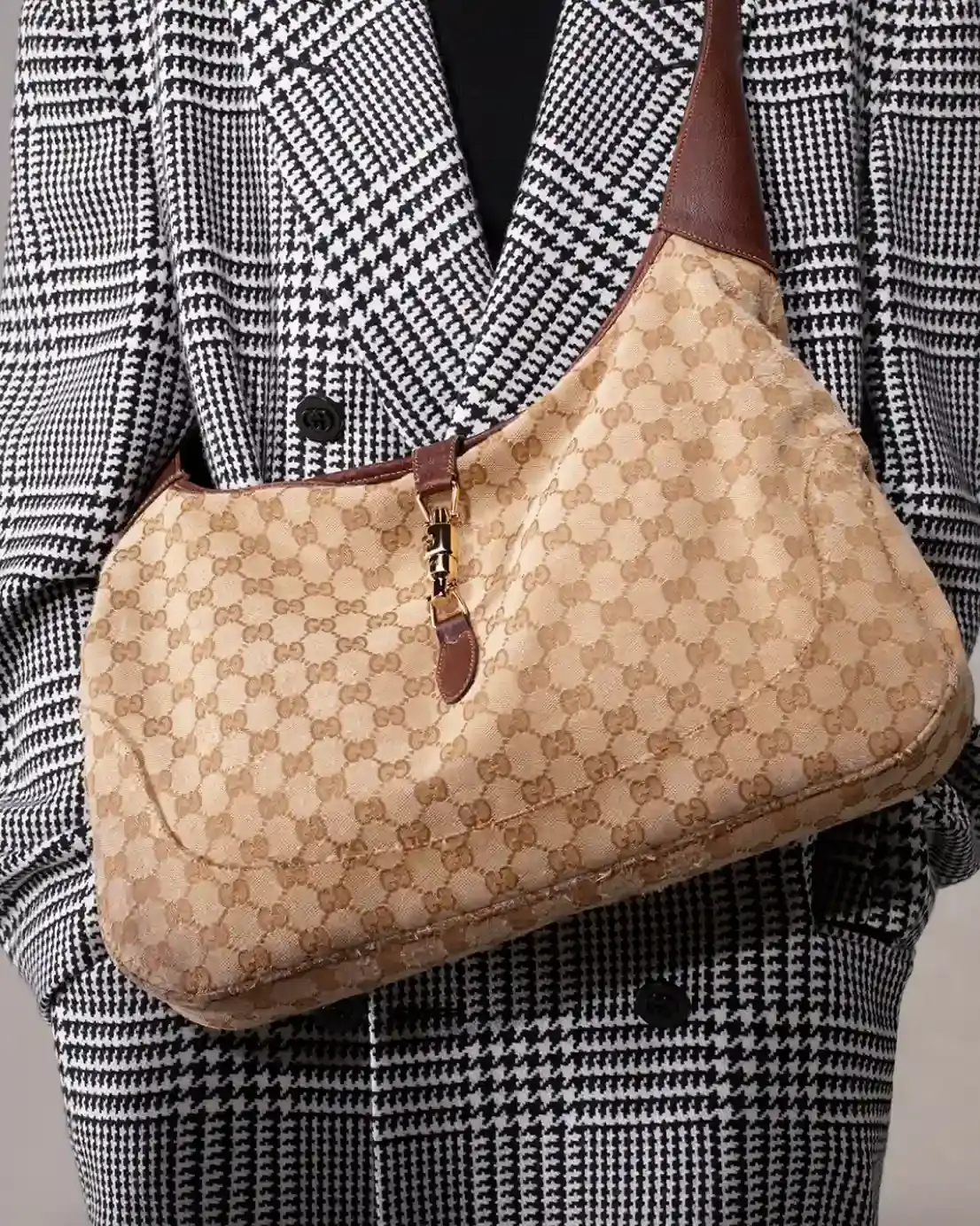
La VIP appears in thigh-high boots paired with a cuffed dress. A belt and handbag complete the look. The double-G motif covers every piece. This character speaks to logo-driven luxury and visible wealth. The styling reads as bold rather than subtle.
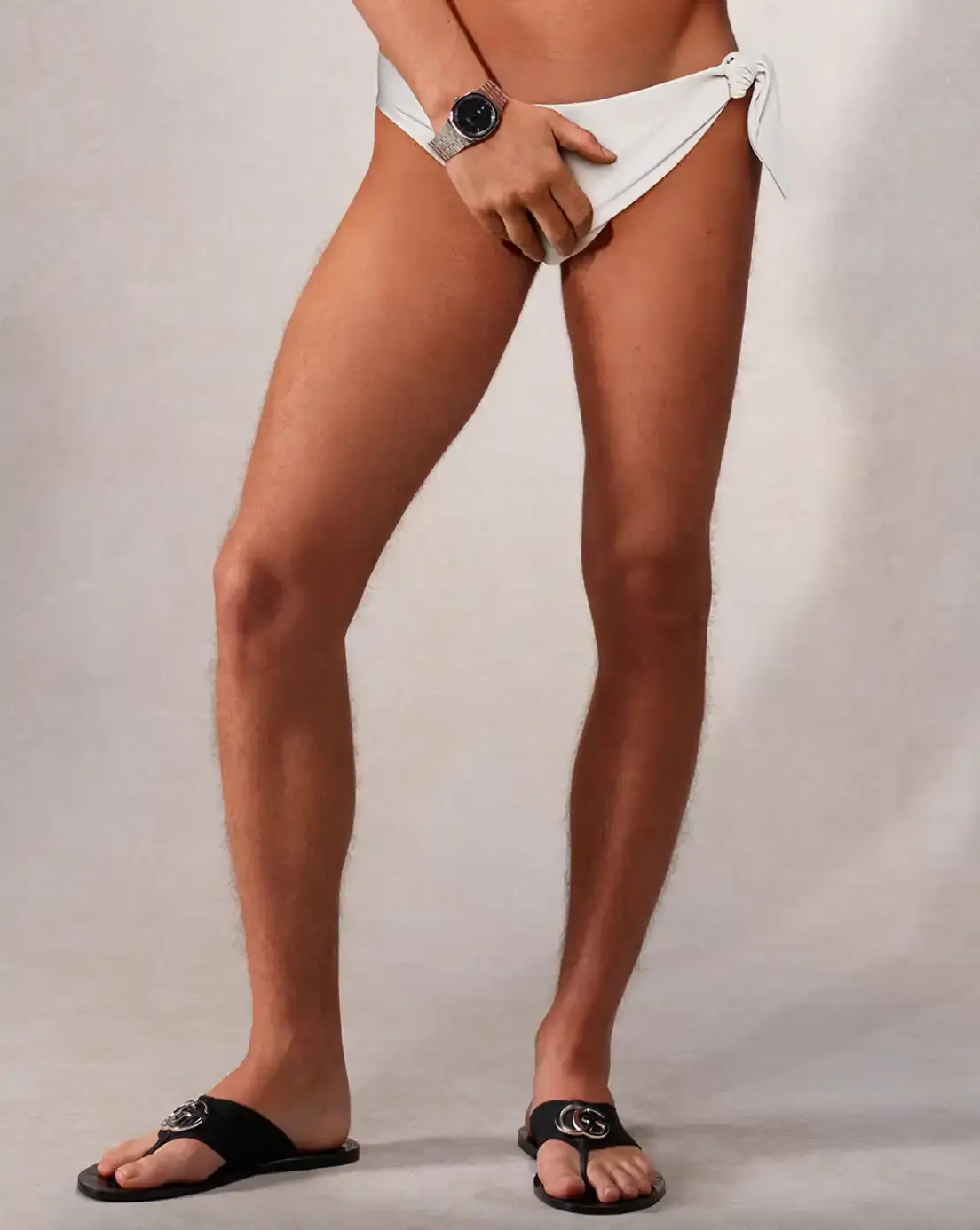
Bastardo presents the most minimal look. Model Kit Butler wears only a white thong and sunglasses. The character strips luxury down to confidence and attitude. No clothing necessary beyond the bare minimum.
The campaign photographs show Demna's understanding of Gucci's visual language. He knows the house built its reputation on excess, glamour, and sexuality. His interpretation respects that history while adding his own perspective.
Demna took over at Gucci after years of leading Balenciaga. His work there focused on deconstructing fashion norms. He questioned luxury itself. At Gucci, he adopts a different strategy. He embraces the house codes rather than challenging them.
The archive research shows in the details. Specific prints, silhouettes, and styling choices reference past collections. Long-time Gucci followers will recognize echoes of iconic moments. New audiences get a condensed version of the brand's heritage.
Fashion houses often struggle with creative transitions. New designers either ignore or overwrite what came before. Demna chooses a third path. He acknowledges the past while moving forward. The result feels both familiar and fresh.
La Famiglia suggests Demna sees Gucci as a world populated by distinct characters. Each person in this world has their own style and story. The campaign invites viewers to identify with these personas or imagine their own.
The photography style suits this approach. Opie captures the models with directness and clarity. No excessive styling or elaborate sets distract from the clothes and characters. The focus stays on the relationship between garment and wearer.
This debut campaign sets expectations for Demna's tenure at Gucci. He signals respect for the archives, willingness to reference past designers, and interest in character-driven storytelling. The collection balances heritage with contemporary perspective.
The fashion industry watches Demna's Gucci closely. His success at Balenciaga proved his commercial and creative abilities. Now he applies those skills to a house with different codes and expectations. La Famiglia offers the first complete vision of what that will look like.
Eric Grischott
Born in Groningen in 1991, Eric Grischott is a linguist with a deep-rooted passion for art, music, and fashion. His academic journey led him to graduate in languages, further enriching his linguistic prowess. His thirst for knowledge and cultural immersion took him abroad, where he gained invaluable experience and insights. Eric’s linguistic expertise is not confined to just theory. He has honed his skills in French and German through specialized DELF and DELE courses, demonstrating his commitment to mastering these languages. His passions extend beyond languages, encompassing the creative realms of art, the rhythmic world of music, and the dynamic sphere of fashion.
Share this article


