Summary:
- Air Jordan 1 High collaboration between fragment design and Union Los Angeles releases February 14
- The design combines Union's exposed stitching with a hybrid Black Toe and Sport Blue colorway
- The project references Ura-Harajuku culture and brings together two Jordan Brand collaborators
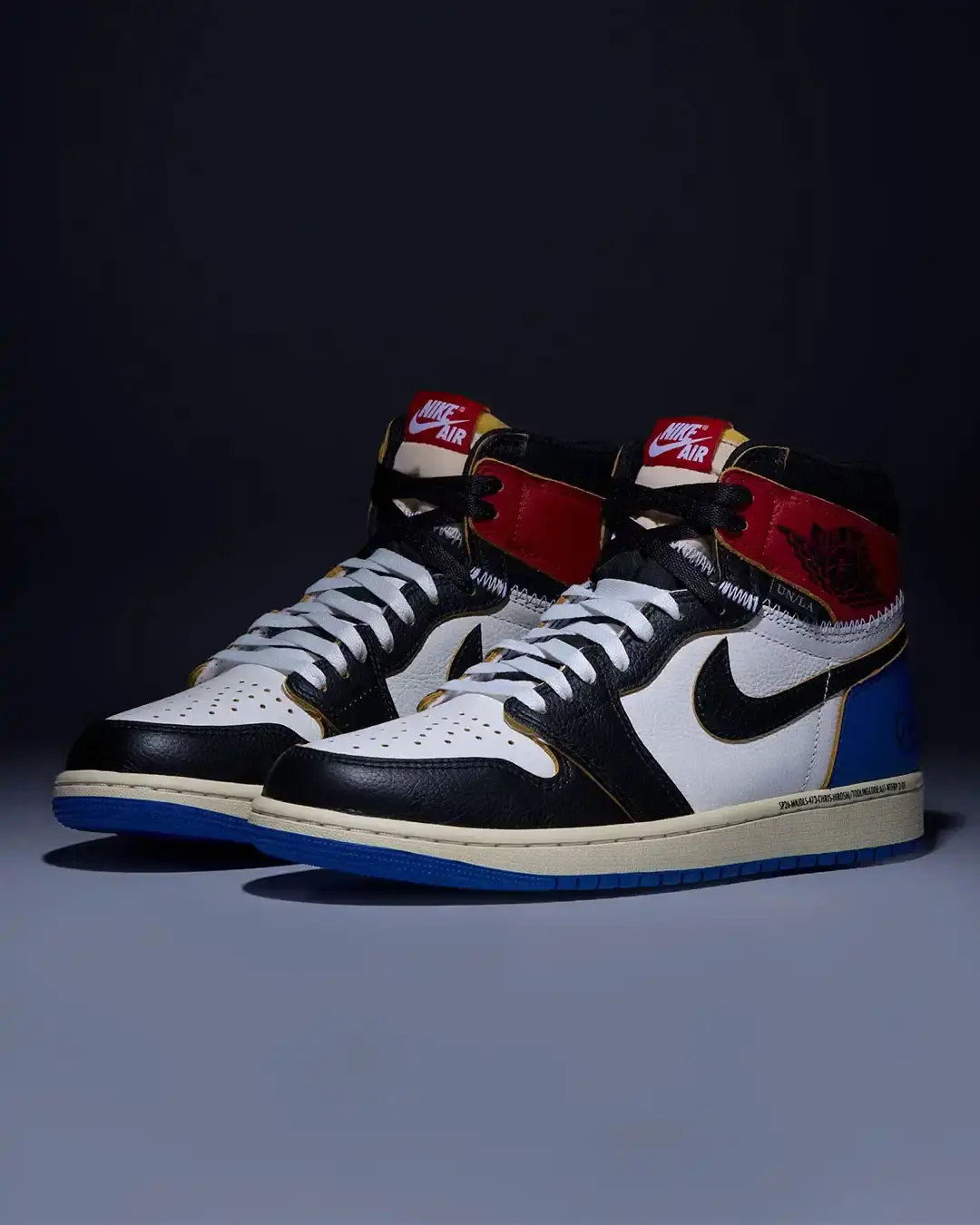
The Air Jordan 1 High collaboration between fragment design and Union Los Angeles gets an official release date after months of leaked images. The shoe drops February 14 through online channels only.
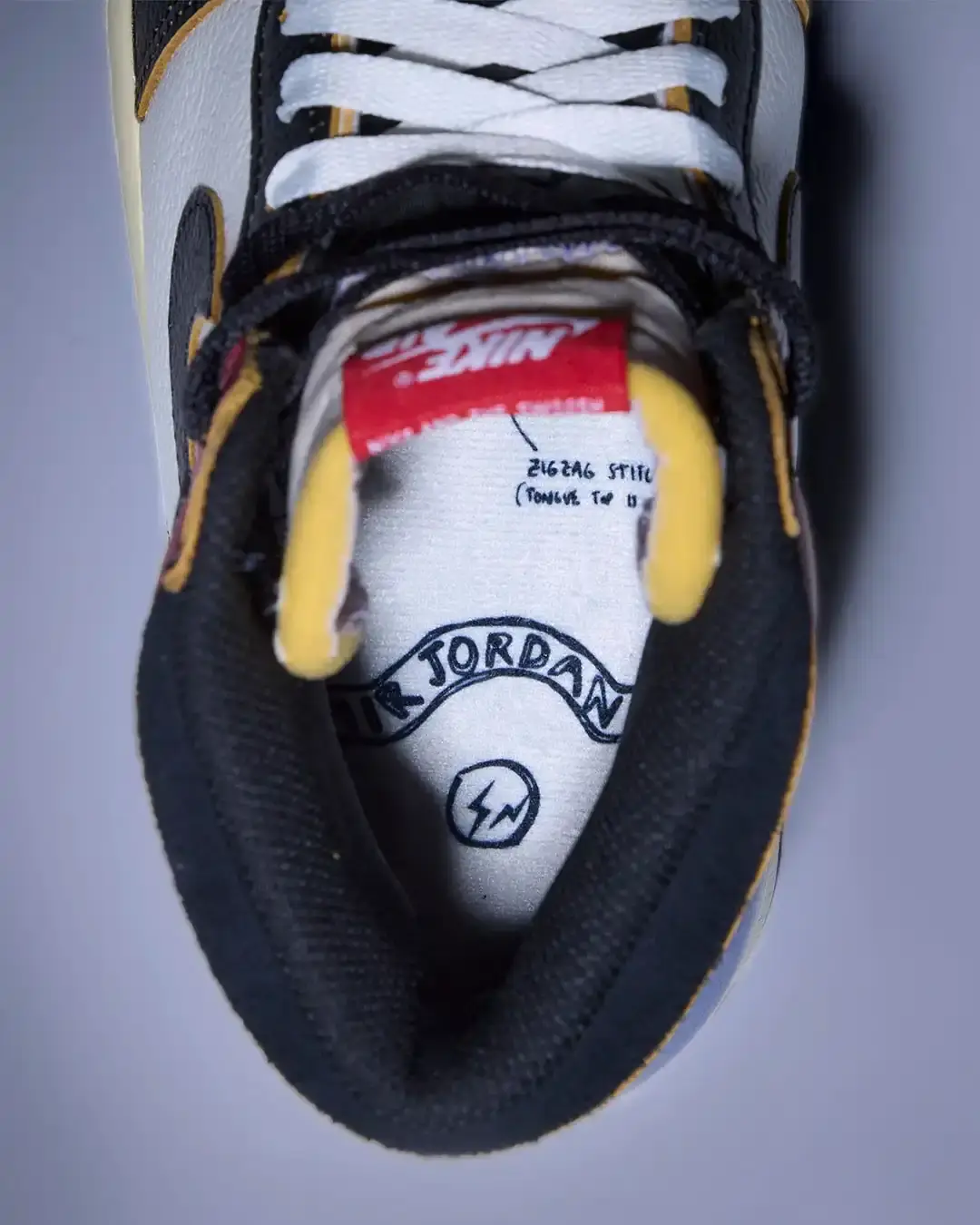
Union Los Angeles brings its signature deconstructed approach to the project. The California store became known for this aesthetic through previous Jordan Brand releases. Exposed stitching and visible construction details define the look. Fragment design founder Hiroshi Fujiwara adds his influence through color choices that reference his 2014 Air Jordan 1 work.
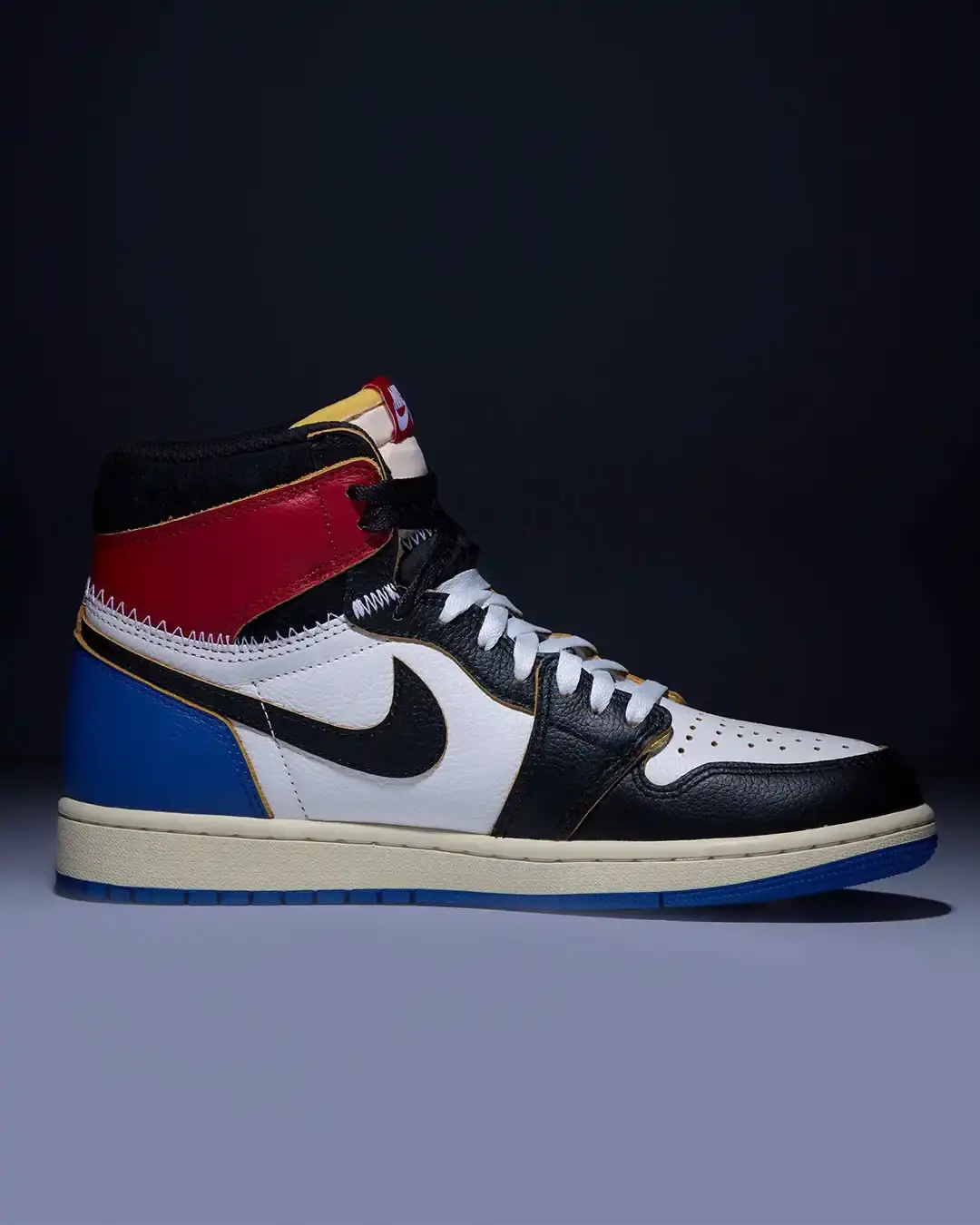
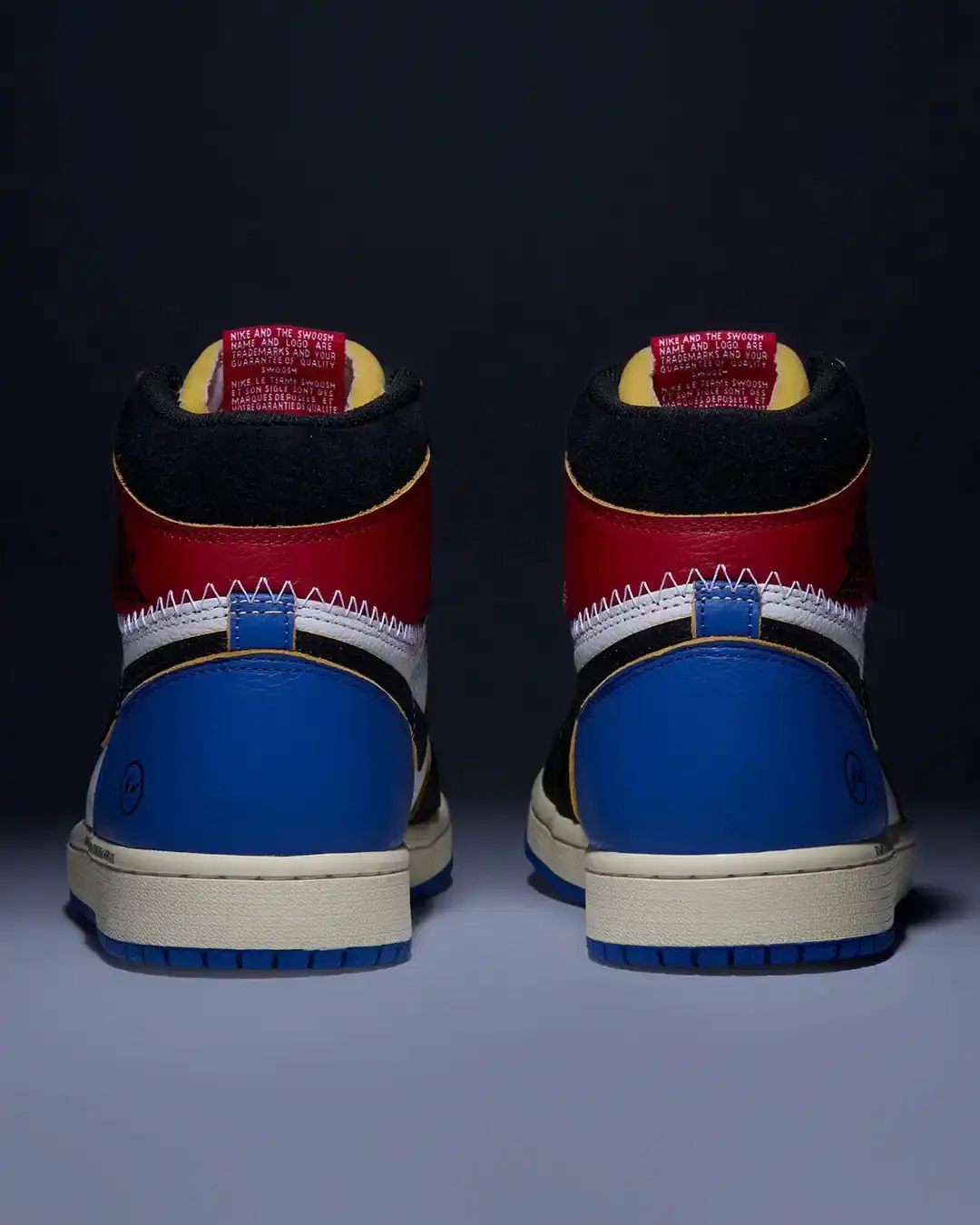
The colorway merges two distinct Jordan 1 aesthetics. The classic Black Toe combination appears alongside the Black, Sport Blue and White palette from Fujiwara's 2014 fragment Jordan 1. This creates a hybrid look that pulls from both collaborators' archives. The Ura-Harajuku scene in Tokyo inspired the overall concept. This underground district shaped Japanese streetwear culture and influenced how brands like fragment design approach fashion.
Union Los Angeles operates stores in Los Angeles and Tokyo. The brand built its reputation through collaborations that rework familiar silhouettes. Previous Union Jordan releases included the Air Jordan 1 in 2018 and the Air Jordan 4 in 2020. Each project featured similar deconstructed elements and non-standard color blocking.
Hiroshi Fujiwara established fragment design in the early 2000s. His work spans music, fashion and product design. The 2014 fragment Air Jordan 1 became one of the most sought-after sneaker collaborations. That shoe used a simple two-tone palette with Sport Blue accents on a black and white base. Collectors still trade that model at high prices on resale markets.
This three-way partnership between Jordan Brand, Union and fragment combines distinct design approaches. Union handles the construction methods and fit. Fragment contributes color direction and cultural references. Jordan Brand provides the Air Jordan 1 High platform. The shoe uses premium leather across the upper. Stitching appears on the outside rather than hidden inside seams. Panels overlap in ways that differ from standard Air Jordan 1 construction.
The February 14 date limits the release to online purchasing. Union will handle sales through its website. Other retailers have not been confirmed for the launch. Production numbers remain undisclosed. Previous Union Jordan collaborations sold out within minutes of release. Resale prices typically jumped immediately after drops concluded.
The sneaker market has seen multiple fragment and Union collaborations over the past decade. Both partners maintain dedicated followings among collectors. This project marks the first time the two brands worked together on a single shoe. The combination draws attention from people who follow either collaborator separately.
Air Jordan 1 collaborations continue to generate interest in sneaker culture. The silhouette debuted in 1985 and remains one of Nike's most modified models. Brands and designers regularly reinterpret the shoe's basic structure. Union and fragment both have track records of creating collectible versions.
The online-only format reflects current sneaker release strategies. Physical store launches became less common after 2020. Brands shifted to web-based drops to manage demand and reduce crowding. Union operates retail locations but chose digital distribution for this release. This approach allows broader access while maintaining some purchase limitations.
Pricing details have not been announced. Standard Air Jordan 1 High releases typically retail between 170 and 200 dollars. Collaboration models often carry higher price points. Union's previous Jordan releases ranged from 190 to 225 dollars at launch. Fragment collaborations have followed similar pricing structures.
Eric Grischott
Born in Groningen in 1991, Eric Grischott is a linguist with a deep-rooted passion for art, music, and fashion. His academic journey led him to graduate in languages, further enriching his linguistic prowess. His thirst for knowledge and cultural immersion took him abroad, where he gained invaluable experience and insights. Eric’s linguistic expertise is not confined to just theory. He has honed his skills in French and German through specialized DELF and DELE courses, demonstrating his commitment to mastering these languages. His passions extend beyond languages, encompassing the creative realms of art, the rhythmic world of music, and the dynamic sphere of fashion.
Share this article
RELATED

AWAKE NY COLD WORLD FW26 COLLECTION DETAILS


