
For almost five decades, Goldmund has occupied a distinct place in high-end audio. Founded in Switzerland in 1978, the company built its reputation around engineering more than personality. Timing, signal control, and mechanical precision became central to its philosophy long before DSP became common in consumer hi-fi.
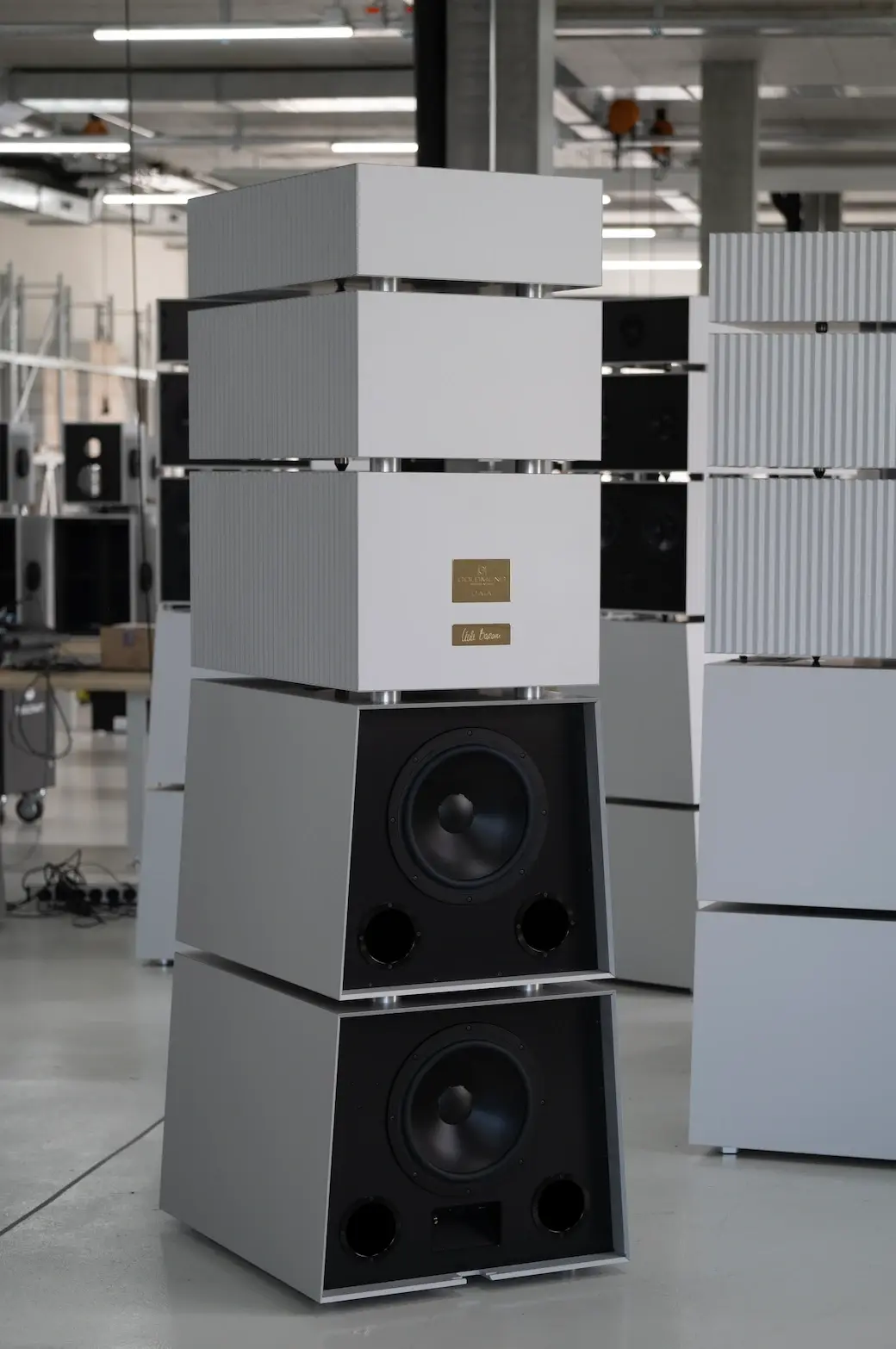
While parts of high-end audio still focus on character and analog nostalgia, Goldmund moved in a different direction early on. The goal was never to romanticize sound. The company focused on reproducing recordings with as little interference as possible. That approach shaped everything from its early active loudspeakers to the rigid aluminum construction still associated with the brand today.
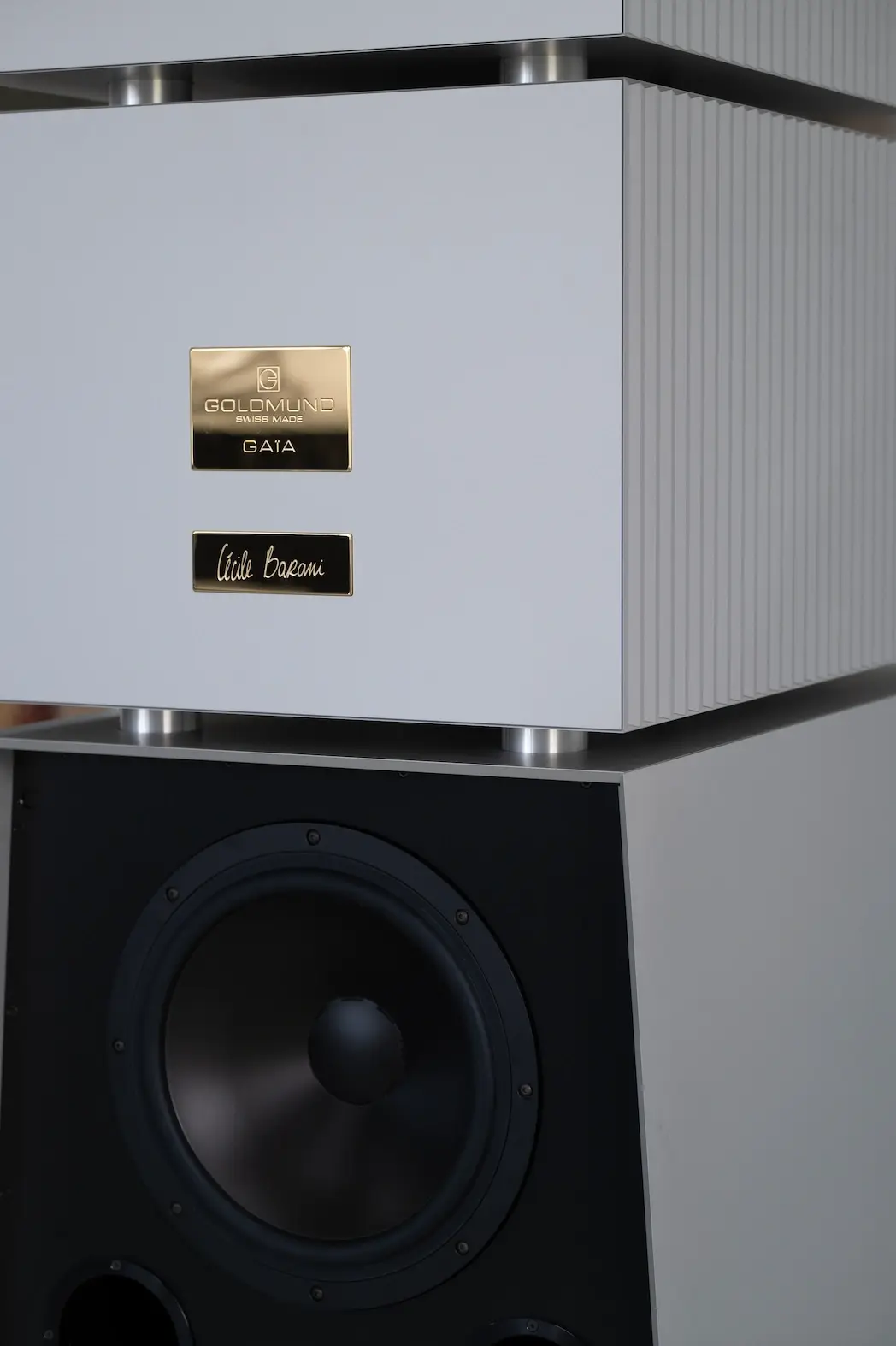
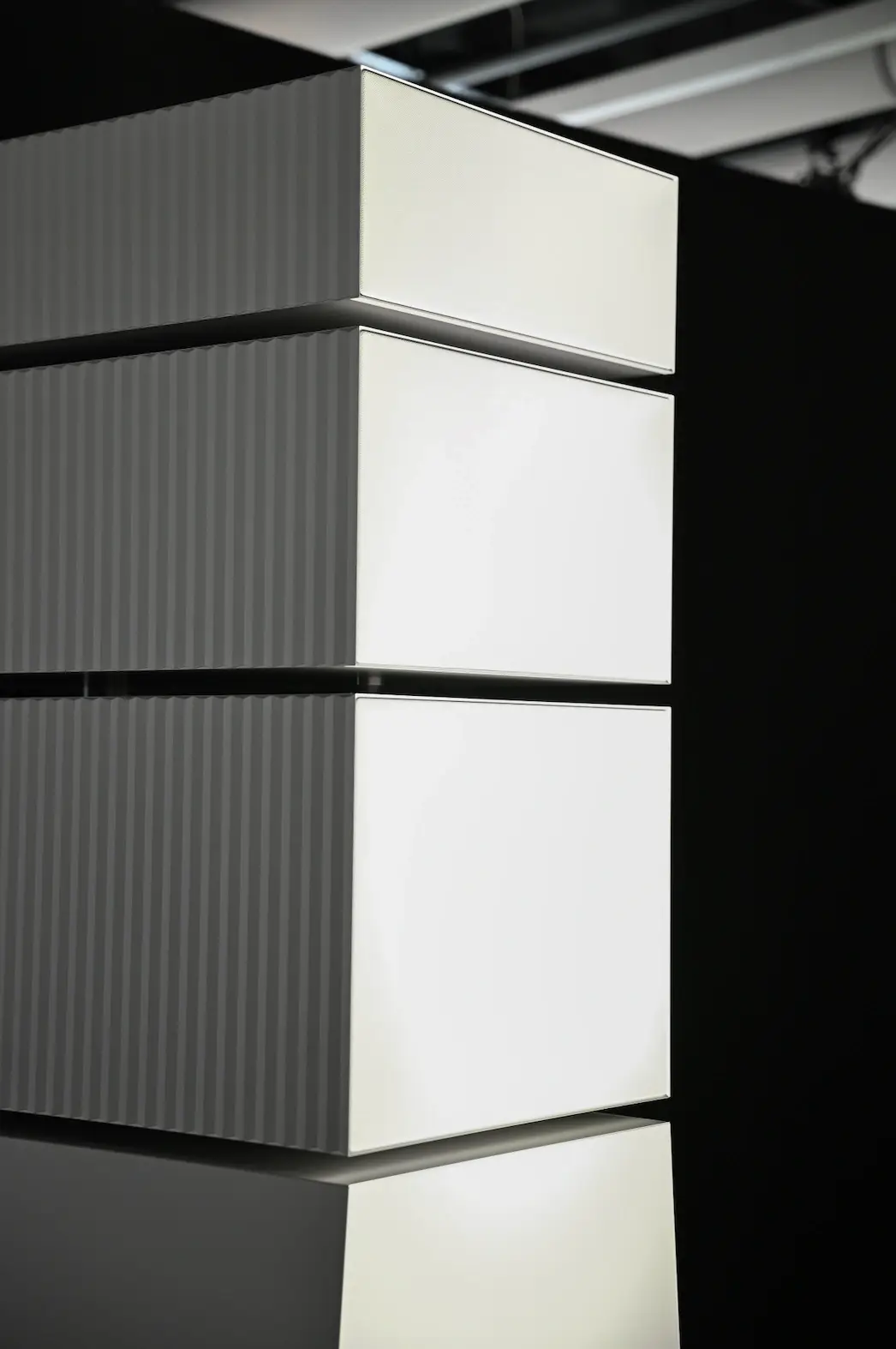
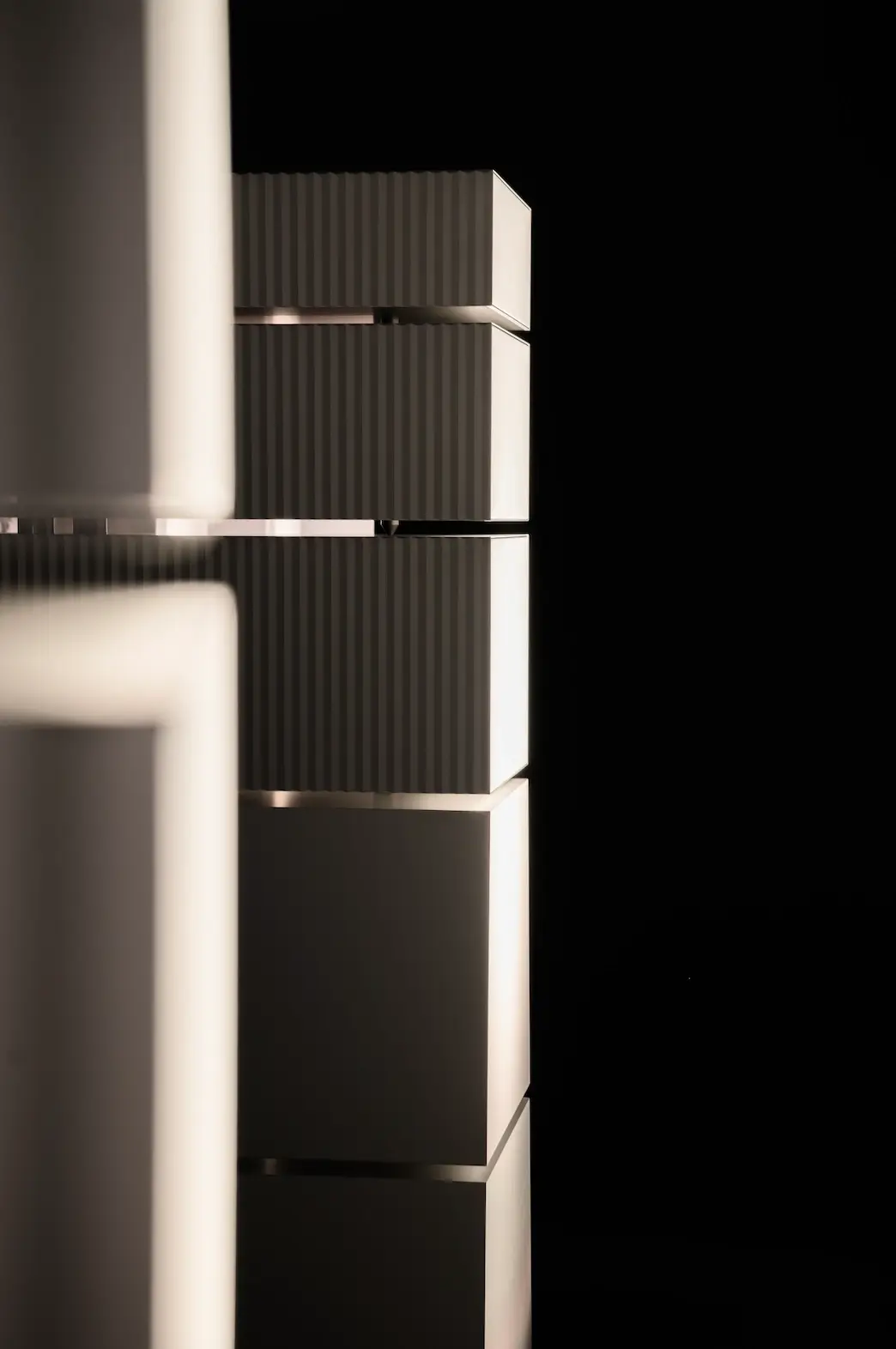
Even the design language follows the same logic. The products feel architectural and restrained. Nothing appears decorative without purpose. The physical structure supports acoustic performance first.
What makes Goldmund interesting today is the consistency behind its thinking. The technology evolved, but the core ideas stayed the same. Timing matters. Phase matters. Spatial information matters.
Goldmund's team invited us to Vienna during the High End Show for an experience centered around the brand’s approach to sound, architecture, and design.
Throughout the afternoon, we explored several of Goldmund’s Hi-Fi systems across different listening spaces, each built with a distinct visual identity and acoustic character. We also had the chance to speak with members of the team and designers involved in the development of the systems, gaining a closer look at the thinking behind Goldmund’s balance of engineering.
Later that evening, the brand surprised guests with a private live performance by the Balanas Sisters, the Latvian duo formed by violinist Kristīne Balanas and cellist Margarita Balanas. The concert became part of the listening experience itself, offering a more direct way to understand the precision and depth of the Goldmund systems outside the format of a traditional presentation.
After the performance, Goldmund invited guests to a private dinner in Vienna. The setting was elegant without feeling overly formal, and the atmosphere stayed consistent with the rest of the experience created by the brand throughout the day. Conversations moved naturally between music, design, technology, and culture, giving everyone more time to connect outside the structure of the event itself.
In this interview, Goldmund's team discusses realism in sound reproduction, immersive audio, DSP technology, and the thinking behind the holographic presentation often associated with its systems.
Why is timing so important in sound reproduction?
Timing is essential because sound, in reality, is a time-based phenomenon. In a live acoustic event, the different components of the sound reach the listener with natural time relationships. There is no artificial temporal distortion, no misalignment between sources, and no incoherent phase behavior.
At Goldmund, our goal is to preserve this natural behavior as much as possible. Reproducing amplitude accurately is important, but it is not sufficient. The phase and time relationships between frequencies, drivers and channels are equally critical. When timing is wrong, the sound may still be impressive, but it loses realism, focus and spatial coherence.
This is why Goldmund has always paid particular attention to time alignment, phase coherence and precise signal control. These elements allow the system to reproduce music with a more natural sense of space, presence and realism.
Goldmund systems are known for precision. What does realism mean to you?
For us, realism means reproducing music as close as possible to the original live performance or recording intention, without adding or removing unwanted elements.
A realistic system should not create artificial warmth, excessive brightness, exaggerated bass or spectacular effects that were not present in the recording. It should reveal the musical message with accuracy, stability and naturalness.
When distortion, coloration and timing errors are reduced, the listener can experience the recording in a way that is closer to the original acoustic event. The objective is to preserve the integrity of the recording and reproduce the emotional and spatial information captured by the artists and recording engineers.
How important is design in the listening experience?
Design is very important, not only during the listening experience but also outside of it. A Goldmund product is not only an audio component; it is also an object that lives in an interior space.
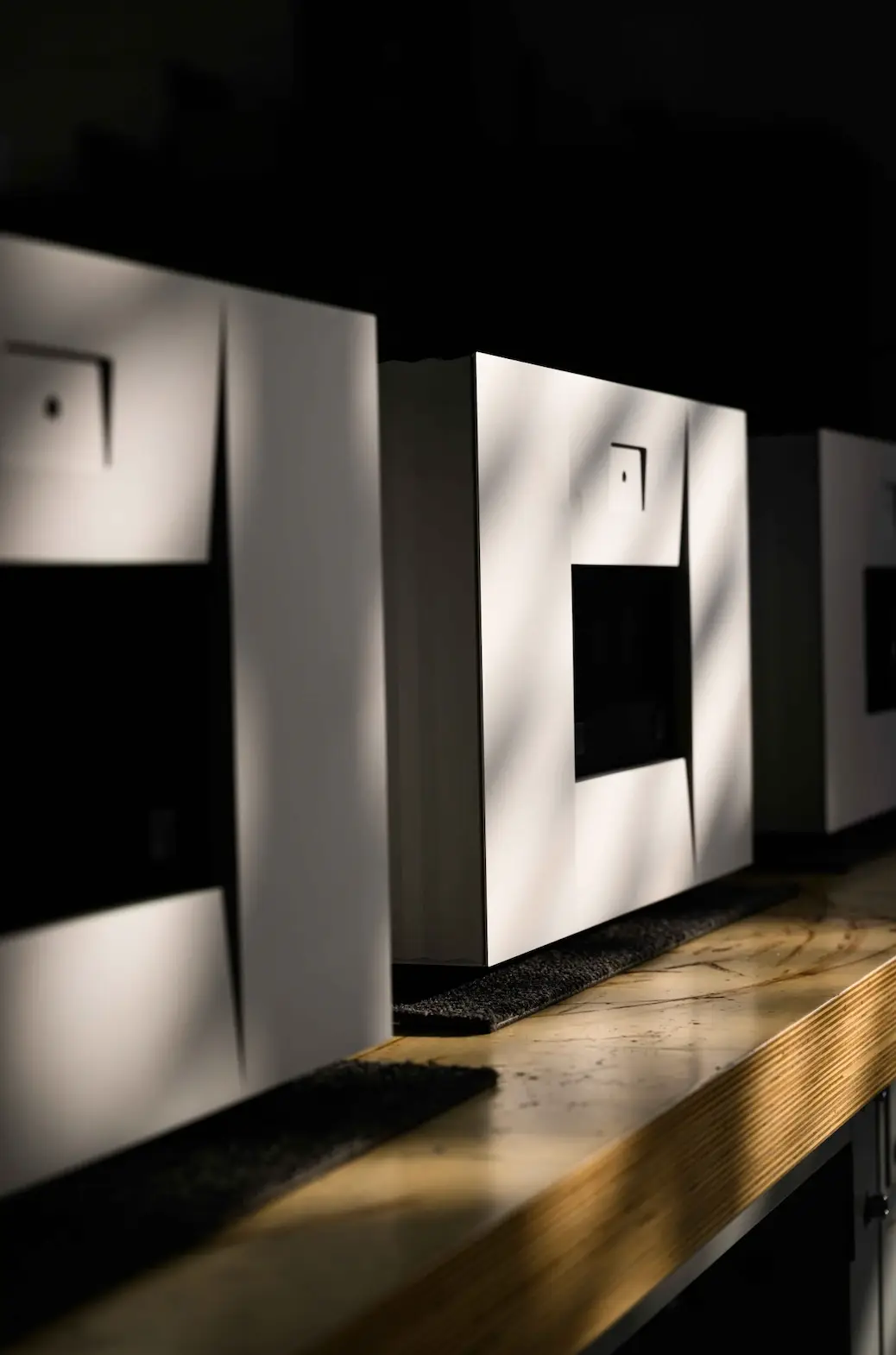
For us, design must be timeless, coherent and functional. It should express precision, stability and elegance without becoming visually aggressive or dependent on short-term trends.
At Goldmund, design is closely connected to science and engineering. Our objective is not simply to create beautiful products, but to create unique and timeless objects where aesthetics serve a technical purpose and where technology is expressed through design. We believe that pure scientific principles do not age; the laws of
physics remain valid regardless of trends or generations. By building our products on this scientific foundation, we strive to create designs that remain relevant, meaningful and desirable over time.
There is also a psychoacoustic dimension. The way a listener perceives a product before the music starts can influence the overall experience. A product that feels stable, refined and technically serious creates a certain level of confidence.
Goldmund worked on DSP and active speakers very early. Has the industry caught up?
Each company follows its own path, so it is difficult for us to comment directly on others. What we can say is that innovation has always been part of Goldmund's DNA.
Goldmund explored digital signal processing, active loudspeakers and system-level optimization very early because we believed these technologies could offer more precise control of the reproduction chain. At the time, this approach was not always widely understood.
Today, the term DSP has become very generic. What matters is not only the use of digital signal processing itself, but the way it is implemented, the architecture around it, and the methodology behind it. These elements can have a major impact on the final performance of a system.
Goldmund's approach is based on proprietary technologies such as Leonardo, applied within our DSP architecture, as well as other signal-processing methodologies developed internally over the years. This know-how remains specific to Goldmund and reflects our long-term work on system optimization.
In addition, the term DSP remains extremely broad and generic. The performance of a system depends not only on the processing itself, but also on how it is integrated and on the overall architecture in which it operates. This is one of the key areas on which Goldmund is currently focusing its development efforts.
Where do you see immersive audio going in the future?
Immersive audio is still at an early stage, and these technologies will continue to evolve significantly.
The future will probably bring more advanced spatial reproduction, better room integration and more intelligent processing. However, the main challenge will be to preserve musical realism. Immersive audio should not only create spectacular effects; it should enhance the listener's connection with the recording.
For high-end audio, the question is not only how many channels or speakers are used, but how accurately the system can reproduce spatial information, timing, phase and dynamics. If immersive audio respects these principles, it can become a very interesting evolution of the listening experience.
What creates the holographic imaging people associate with Goldmund?
The holographic imaging often associated with Goldmund comes from the combination of several technical factors: precise time alignment, phase coherence, low distortion, controlled mechanical behavior and accurate driver integration.
Human hearing is extremely sensitive to small timing differences. These timing cues help the brain localize voices and instruments in space. If a system introduces temporal errors, phase inconsistencies, the stereo image becomes blurred.
Goldmund systems are designed to preserve these spatial cues as accurately as possible. Through rigid mechanical construction, precise electronics, DSP control and careful acoustic integration, the system can reproduce a stable soundstage.
This is what many listeners describe as holographic imaging: not an artificial effect, but the ability to localize instruments and voices naturally in width, depth and height.
What is the biggest misconception about high-end audio today?
One of the biggest misconceptions in high-end audio is the belief that using expensive materials, costly components, or complex solutions automatically creates a better product.
For us, the value of a technology should never be justified by its cost alone. Every design choice should be supported by a clear technical, technological, or innovative argument. If an expensive material or component does not bring a real engineering benefit, then its use has little meaning.
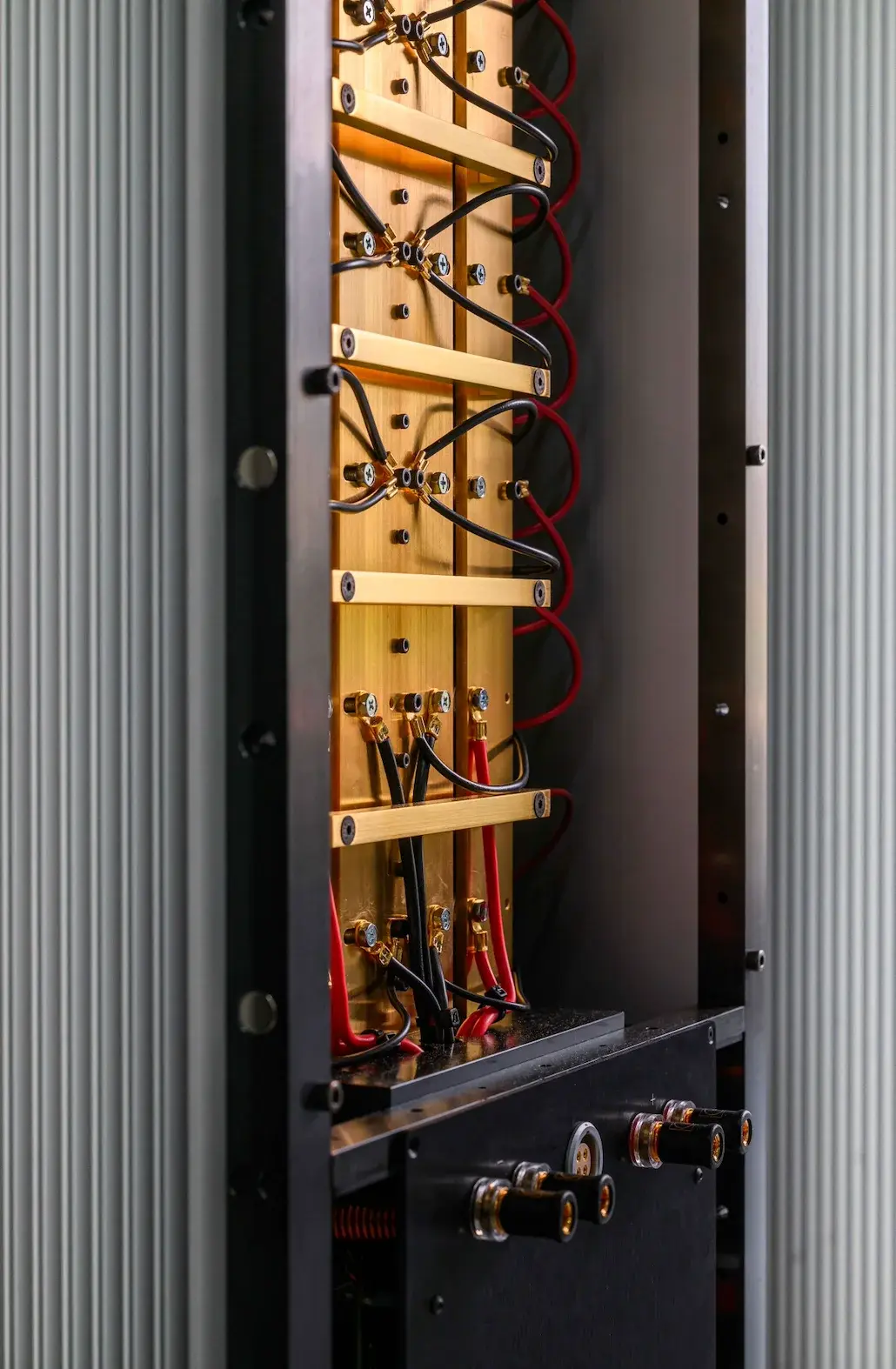
Goldmund does use premium materials such as Gold, solid aluminum, anodized, copper, and silver in many of its products. However, these materials are selected only when their contribution can be scientifically validated and when they provide a measurable benefit in terms of performance.
Lorenzo de' Nobili
Music Editor
Lorenzo de’ Nobili is a sound designer and composer driven by a deep passion for urban culture and its evolving aesthetics. His work explores the intersection of music, fashion and sport, blending contemporary sounds with strong visual identities. Alongside his research in urban culture, he collaborates with contemporary dance artists, creating immersive sonic experiences that connect movement, space and emotion.
@sereno________________________Share this article


