
Some people have a way of changing a room without asking for attention.
They arrive and the atmosphere shifts. Conversations become easier. Strangers start talking. People feel comfortable being themselves. They create the conditions for others to shine.
Growing up in Italy, we often saw this role embodied by the host. The person who welcomes you into a restaurant, remembers your name, introduces you to the table next to yours, and makes the evening feel larger than the sum of its parts.
The salon operates on a similar principle.
For centuries, salons have brought together artists, writers, intellectuals, collectors, and curious minds. All gathered by the intention of having a conversation. The right mix of people creates something difficult to define but easy to feel. Energy. Openness. Curiosity. A sense that something unexpected might happen.
This June, in the middle of Art Basel, our friends Floor and Sarah are opening the doors to Haus Vischer Weber through their practice, SF Project+. For one week, a private home becomes a contemporary salon. A place for conversation, and unexpected encounters.
An invitation to spend time with people you don't know yet. To exchange ideas over dinner, by the pool, during a workshop, or at a late-night conversation that stretches longer than planned.
We spoke with Sarah and Floor about building communities, creating meaningful encounters, and what happens when the right people find themselves in the same room.
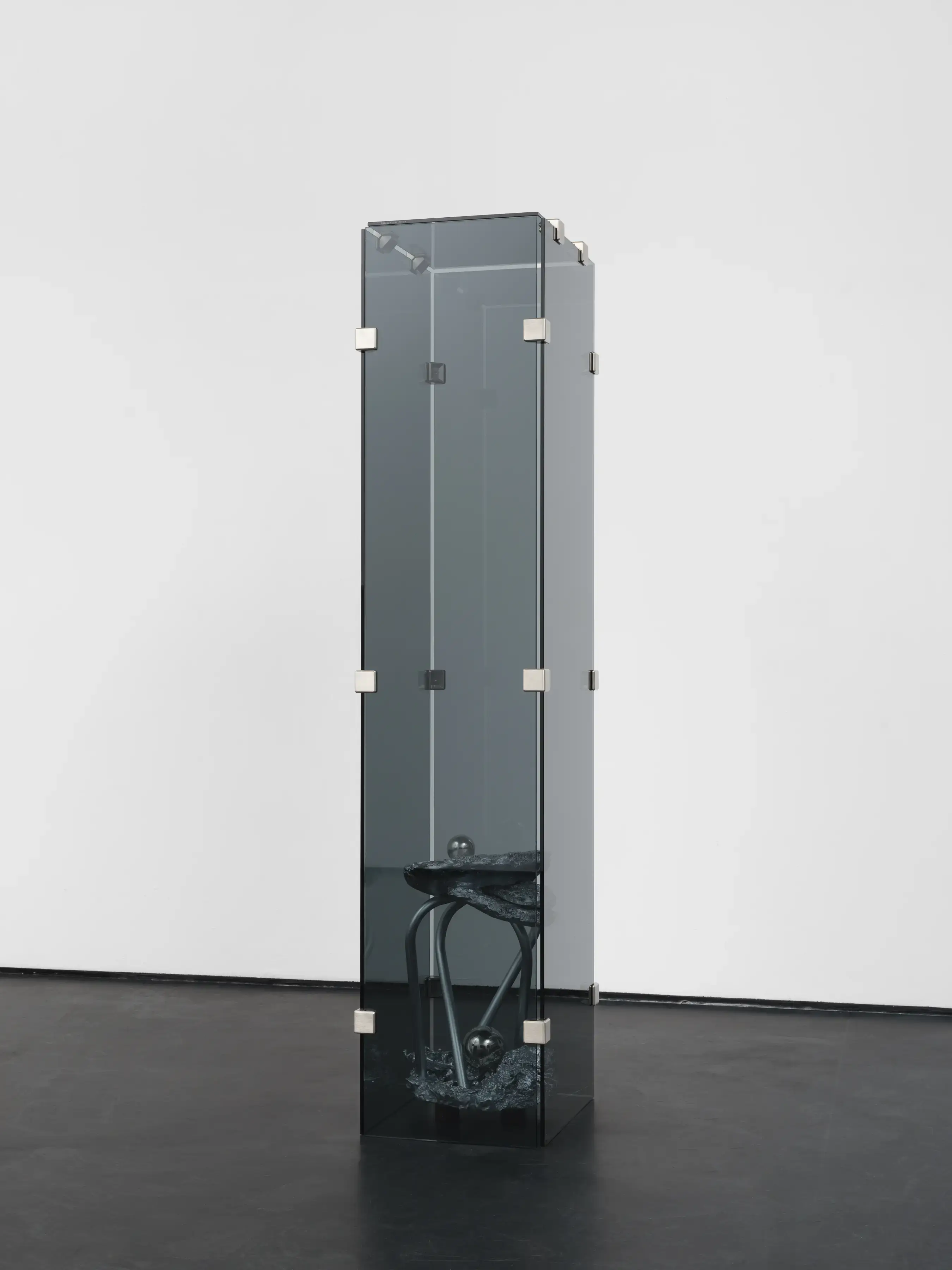
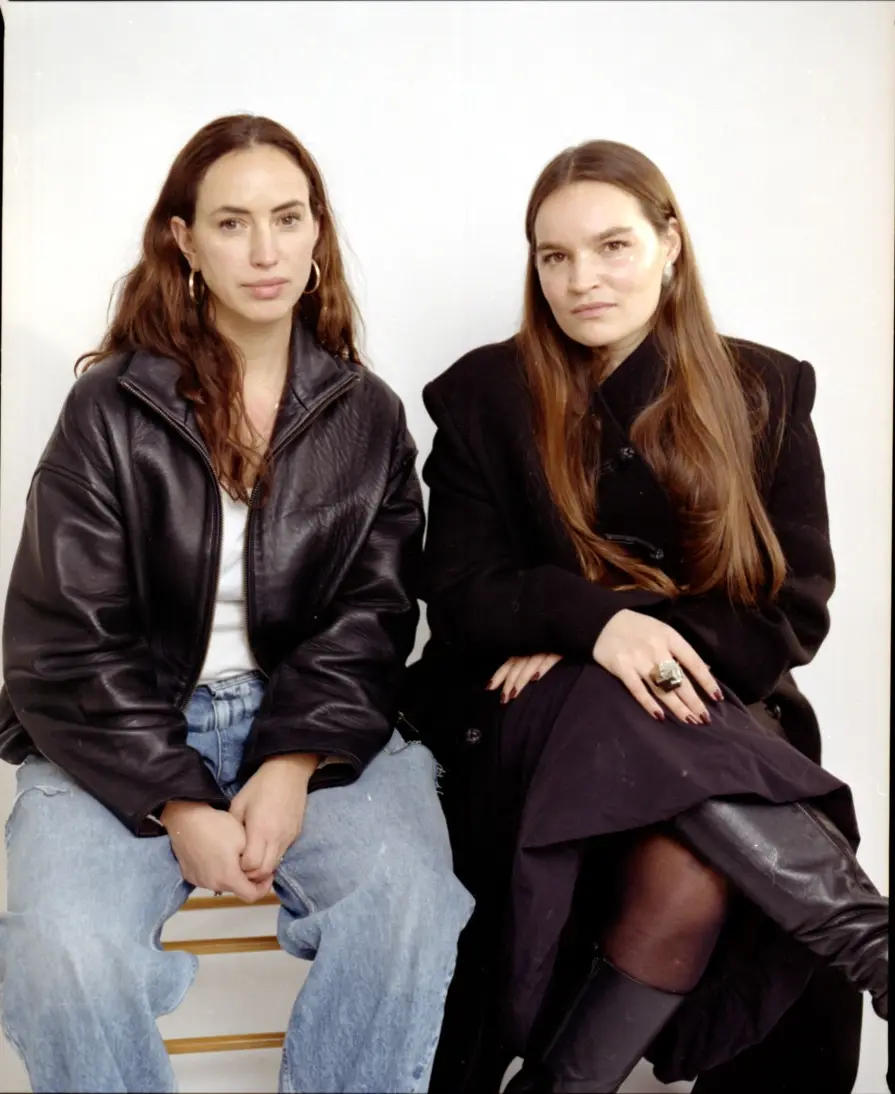
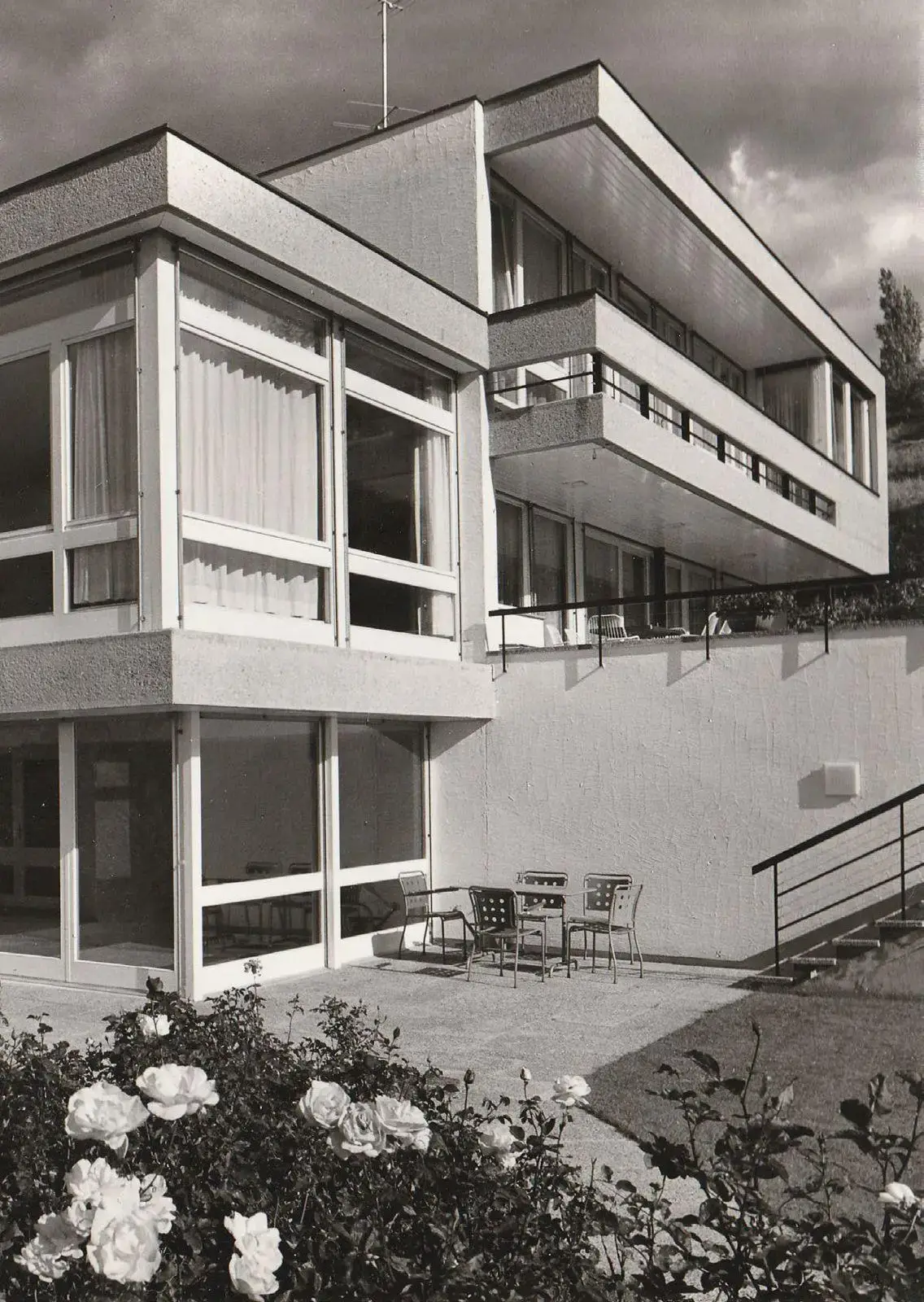
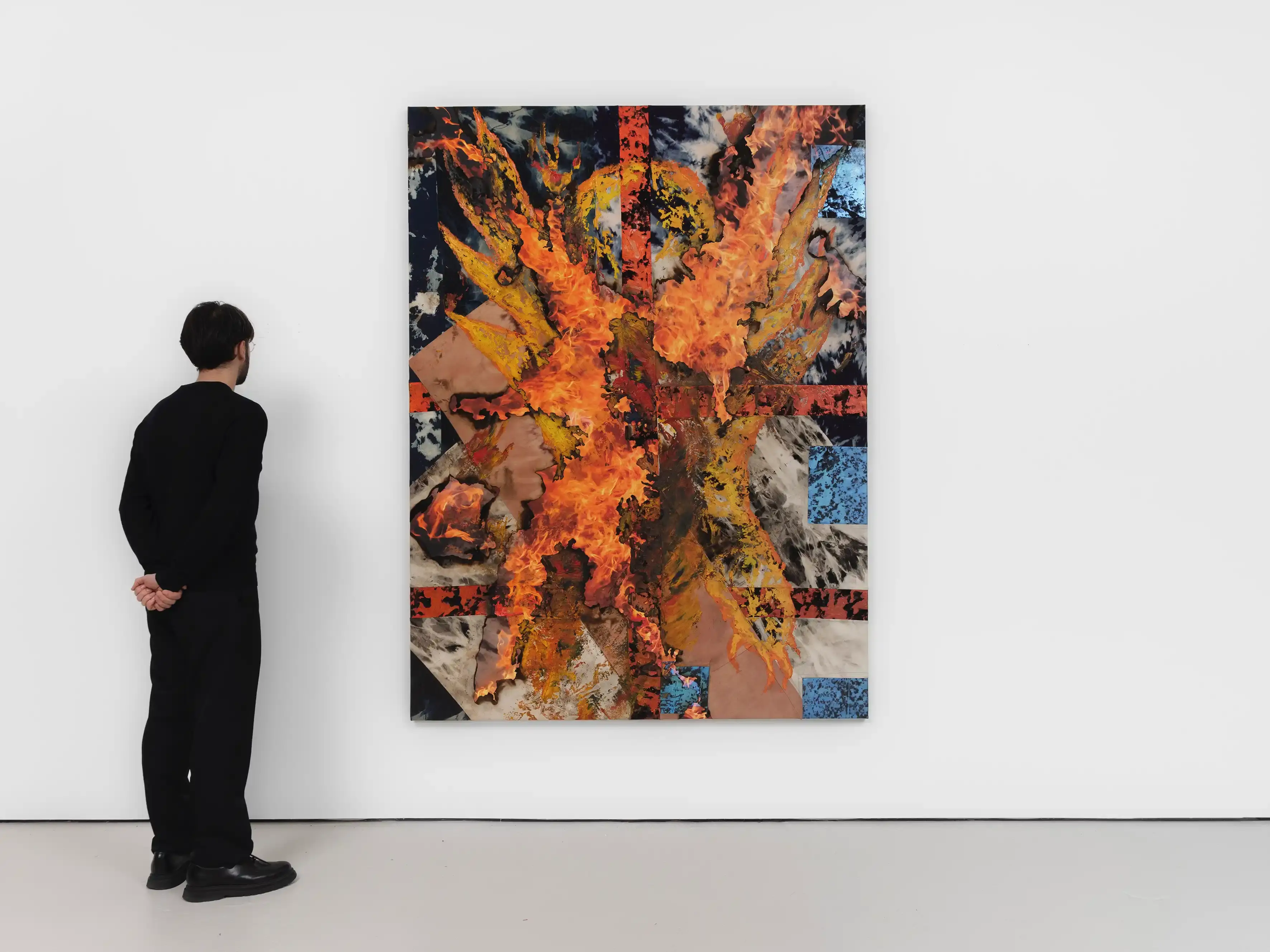
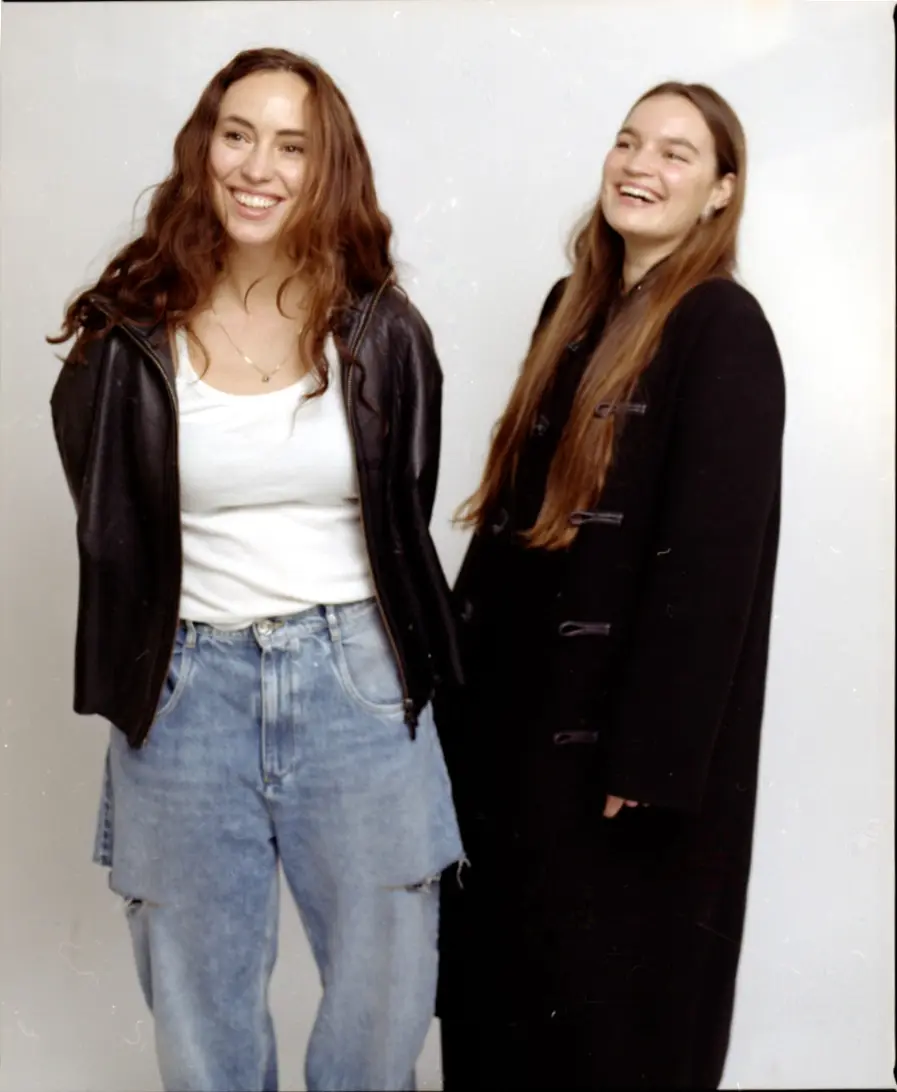
Haus Vischer Weber opens a private home to the public. What does that intimacy allow that traditional art spaces often don’t?
"We set up the house as a contemporary salon, inspired by the salons of the 1920s. A place where you come for a cocktail, a cigarette, a swim, an evening soirée or an underground party. But most of all, a place where people come together, have a lot of fun and have good conversations. And what's important that it is not about nepotism but it is about inviting friends and friends of friends.
A house creates a different energy than a traditional art space. People feel more at ease, conversations become more open, and unexpected connections happen more naturally. We love bringing together people from different worlds and seeing what comes out of it. The salon has always been a place where ideas are exchanged freely, and where culture is shaped through conversation. That's what we hope to create with Haus Vischer Weber as well.
Our good friend and "consigliere" Rita Oueadraogo, wrote this text for us: “The salon has long functioned as a technology for the production of unofficial knowledge. As a space where what cannot be said elsewhere gets said, where memory is made collectively, and where the guest list is itself an argument about whose culture matters. From A'Lelia Walker's Dark Tower in 1920s Harlem, where the entire Harlem Renaissance was arguably talked into being, to James Baldwin's welcome table in Provence, to Simone Leigh convening over a hundred Black women artists at the New Museum in 2016, the salon has operated as a counter-archival site: relational, embodied, and resistant to standardization. This is precisely what makes it the right model for Haus Vischer Weber's show on collective memory. At a moment when the curatorial statement identifies the risk of AI flattening the diversity of human experience into a single global version, the salon proposes the opposite. A space where plurality is not preserved in a database but activated in a room, through the friction and resonance of people who would not otherwise be in the same house."
You spend your time bringing together artists, collectors, architects, and cultural figures. What is the secret to building meaningful connections as a duo?
"We both love life, love art, analyzing peoples behaviors and love good conversations. We are genuinely curious about people and their motivation.
We know how to navigate the traditional art world, but also how to move beyond it. Coming from different disciplines, we learned to be resourceful and to make a yes out of a no. Working in ateliers, studios and fashion houses taught us to be persistent, creative and respectful at the same time.
We're not afraid to ask, to try, or to bring people together who wouldn't normally meet. But we also we truly value the importance of trust, discretion and long-term relationships. That's where the most meaningful connections come from."
When people leave the house after a conversation, a workshop, or a dinner, what feeling do you hope stays with them?
"We hope that they made new friends, that they were open for someone else's story, even if they couldn't relate.
If people walk out with a smile on their face and the feeling that they experienced something special, then we've done our job.
We are also trying hard to not be a cliché, so much is done already, so we hope that in a subtle way people can also leave with a feeling like 'Wow that was a little different than usual'."
If you could invite anyone, living or dead, into the house for one evening, who would it be and why?
"I don't know if this will sound corny but honestly everyone that we truly want is going to be there. Our best friends from our childhood, artists we respect highly, curators that we already work with or that we dream to work with.
But if we had to pick a famous person, we think now maybe Diego Maradona because the world cup is at the same time. He probably has some interesting insights on life or art too, and especially his presence. Imagine people would be like 'is that Maradona there over by the pool' and we can say very nonchalant "aa yes it is.."
Our dream is that the Salon feels a little bit like times where Picasso, Hemingway, Gertrude Stein and everyone got together. Writers, artists, different type of people that are all very good in what they do together in one space. Drinking, talking, discussing politics, flirting etc.
A collector who buys everything on that one evening would also be kind of nice ..
We also want to say that Hilde was absolutely someone we wanted to be there. It is unbelievably sad that she can't be, and we wish her family, friends and everyone close to her all the best. We value and respect her enormously. We always related to her because she tried to do things different and she was fun, warm and intelligent."
Share this editorial
RELATED

LUKAS BENTEL LEAVES MSCHF TO PURSUE SOLO WORK


