

Summary:
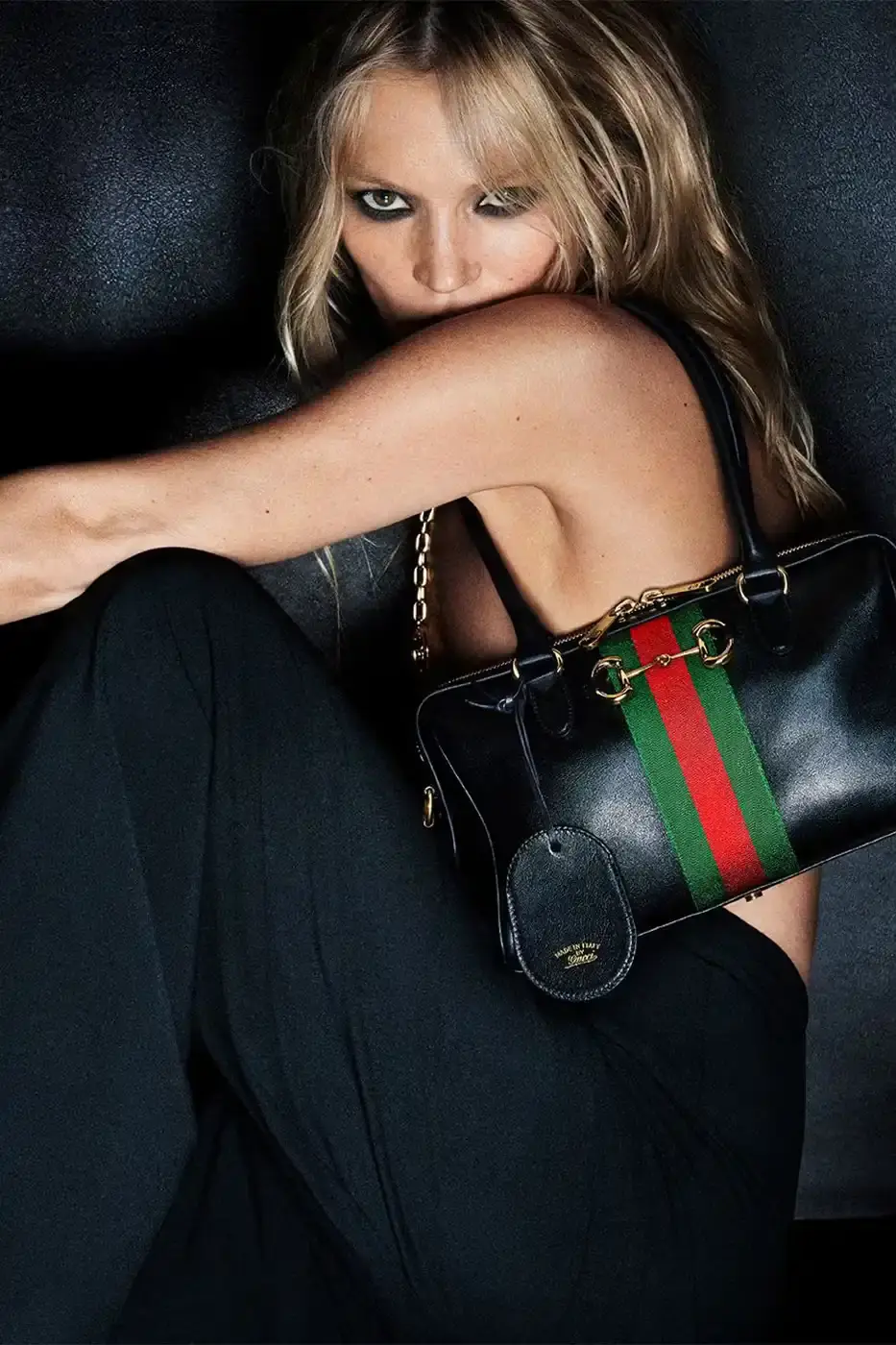
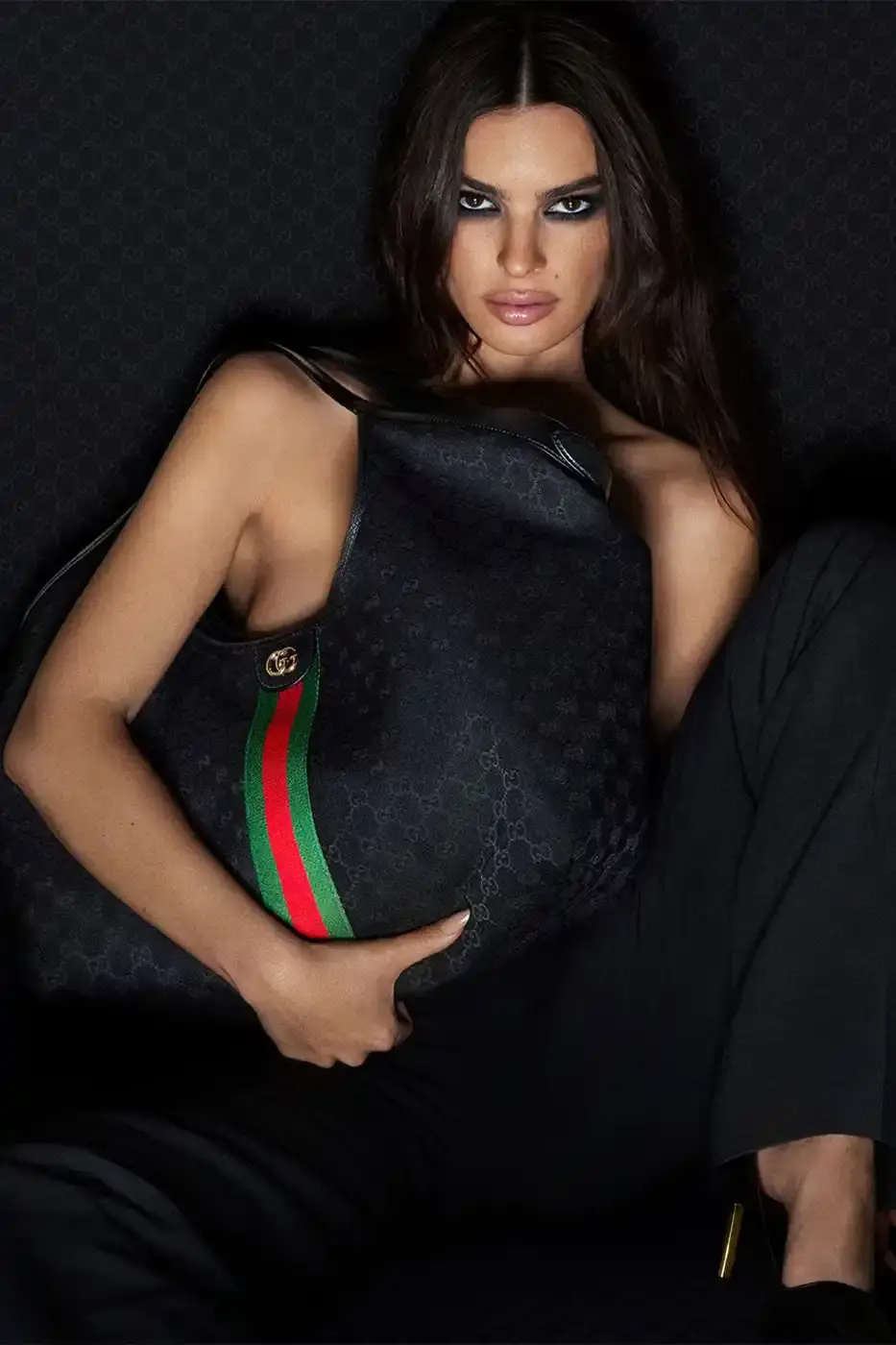
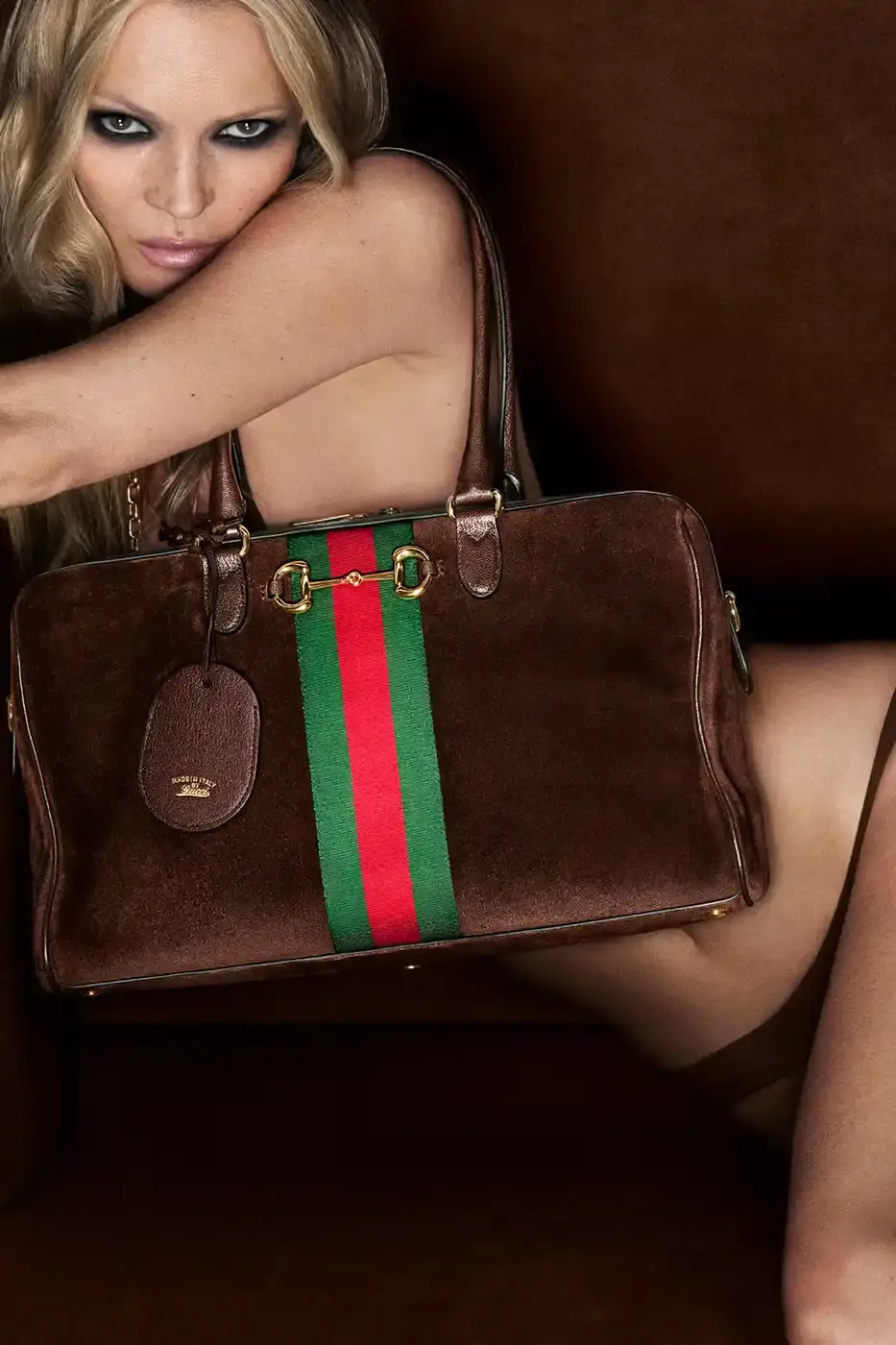
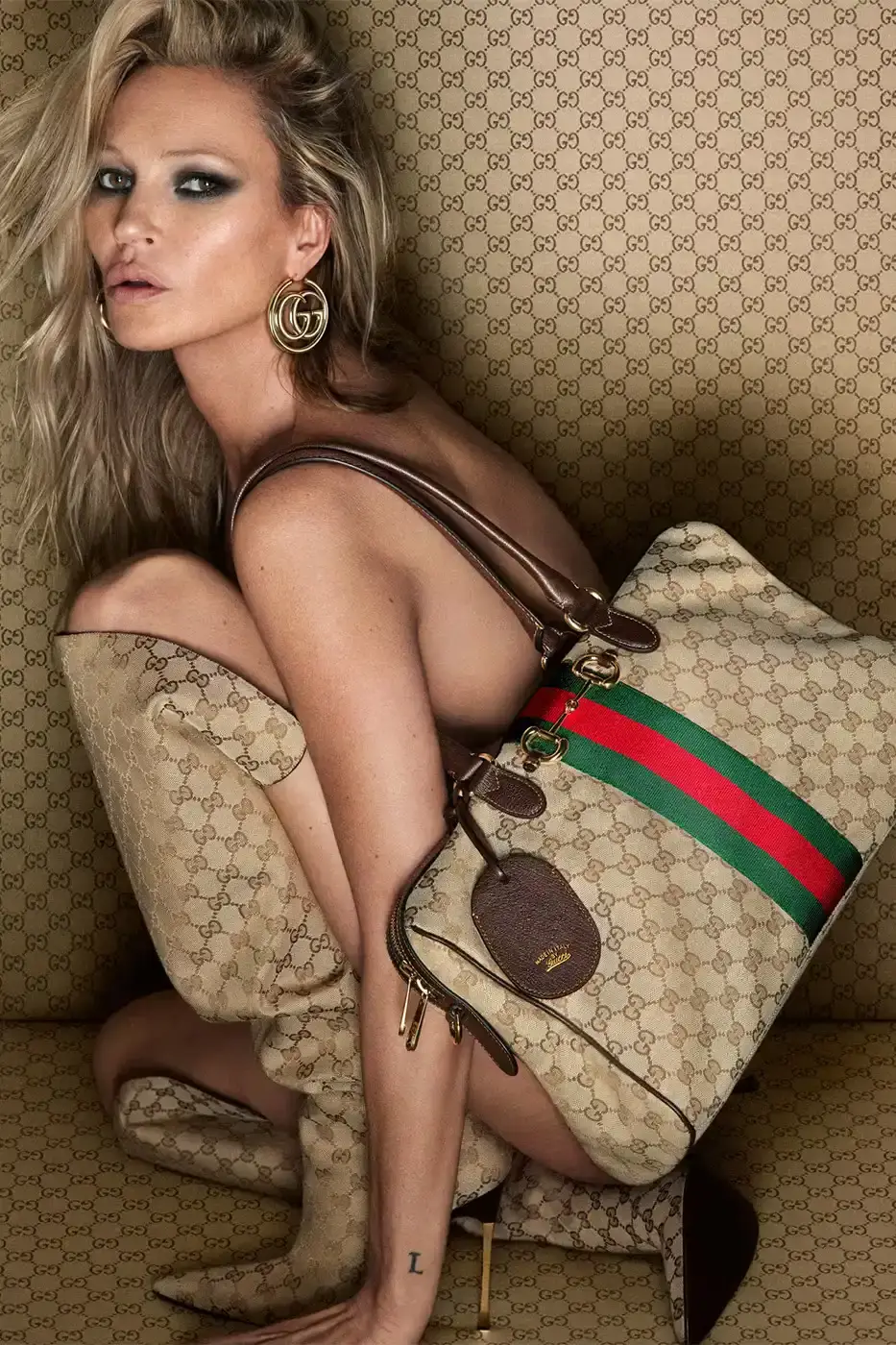
- Gucci's "Beauty and the Bag" campaign features Kate Moss and Emily Ratajkowski, each fronting one of two new bag styles.
- Photography duo Mert and Marcus shot the campaign; director Bardia Zeinali helmed the accompanying film.
- The two bags are the Borsetto, a Boston-style silhouette with Horsebit hardware, and the Giglio, a tote-inspired style named after Florence's lily emblem.
Gucci releases the Beauty and the Bag campaign for 2026. The brand explores the connection between individuals and personal accessories. Supermodels Kate Moss and Emily Ratajkowski star in the visuals. Mert and Marcus photographed the still images. Bardia Zeinali directed the accompanying film sequences. The promotional materials focus on two specific handbag designs. The Borsetto and the Giglio serve as the main focal points. Demna oversees the artistic direction for the entire project.
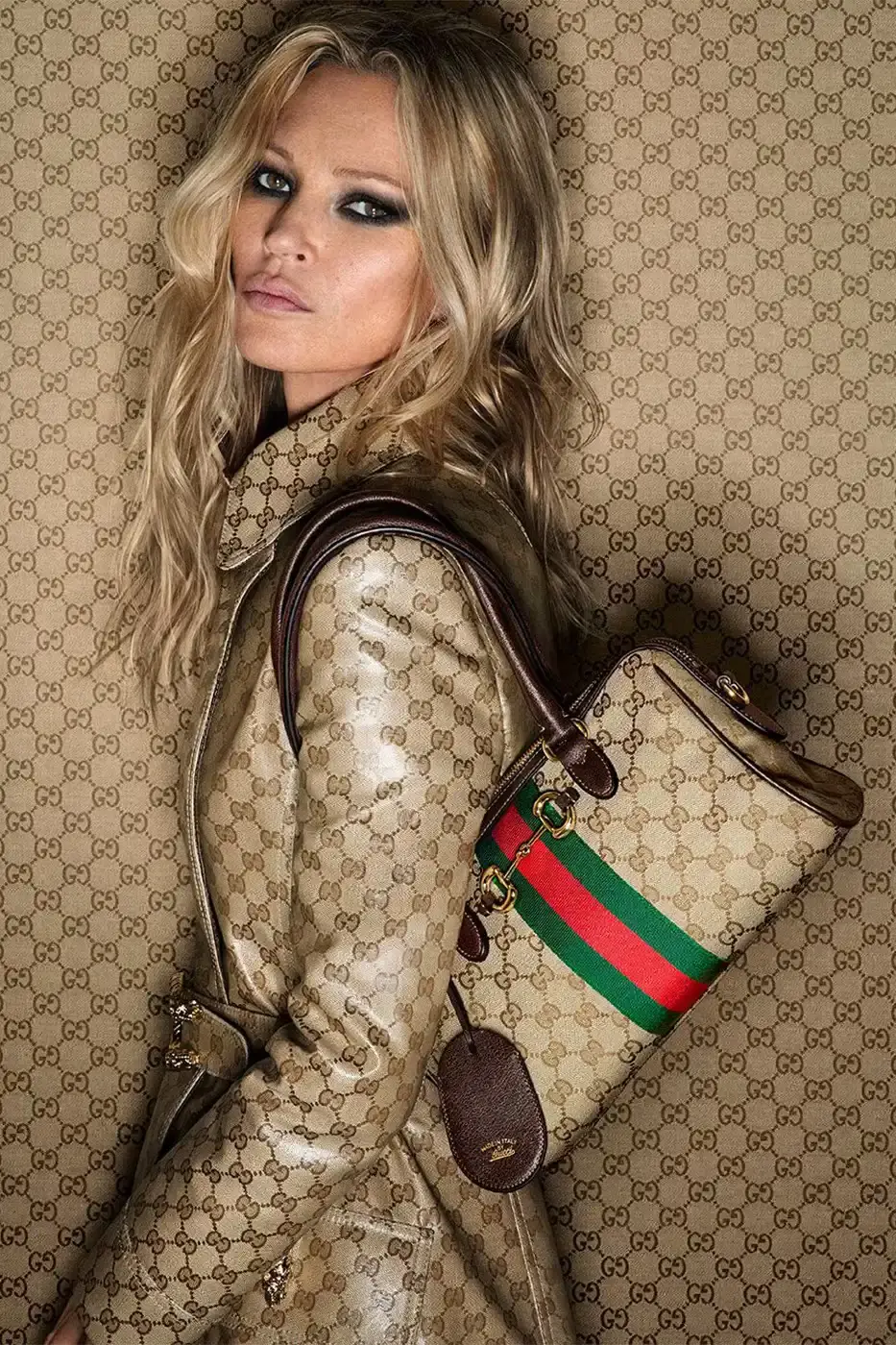
The campaign centers on the obsession people develop with daily accessories. Kate Moss holds the Borsetto handbag. The Borsetto features an elongated Boston-style shape. The design incorporates gold-tone equestrian hardware and extended handles. You have the option to buy this model in brown suede. You also have the choice of black leather or vintage sand GG canvas. The canvas version includes an archival Diamante motif lining. The name Borsetto merges the Italian words for bag and equestrian hardware.
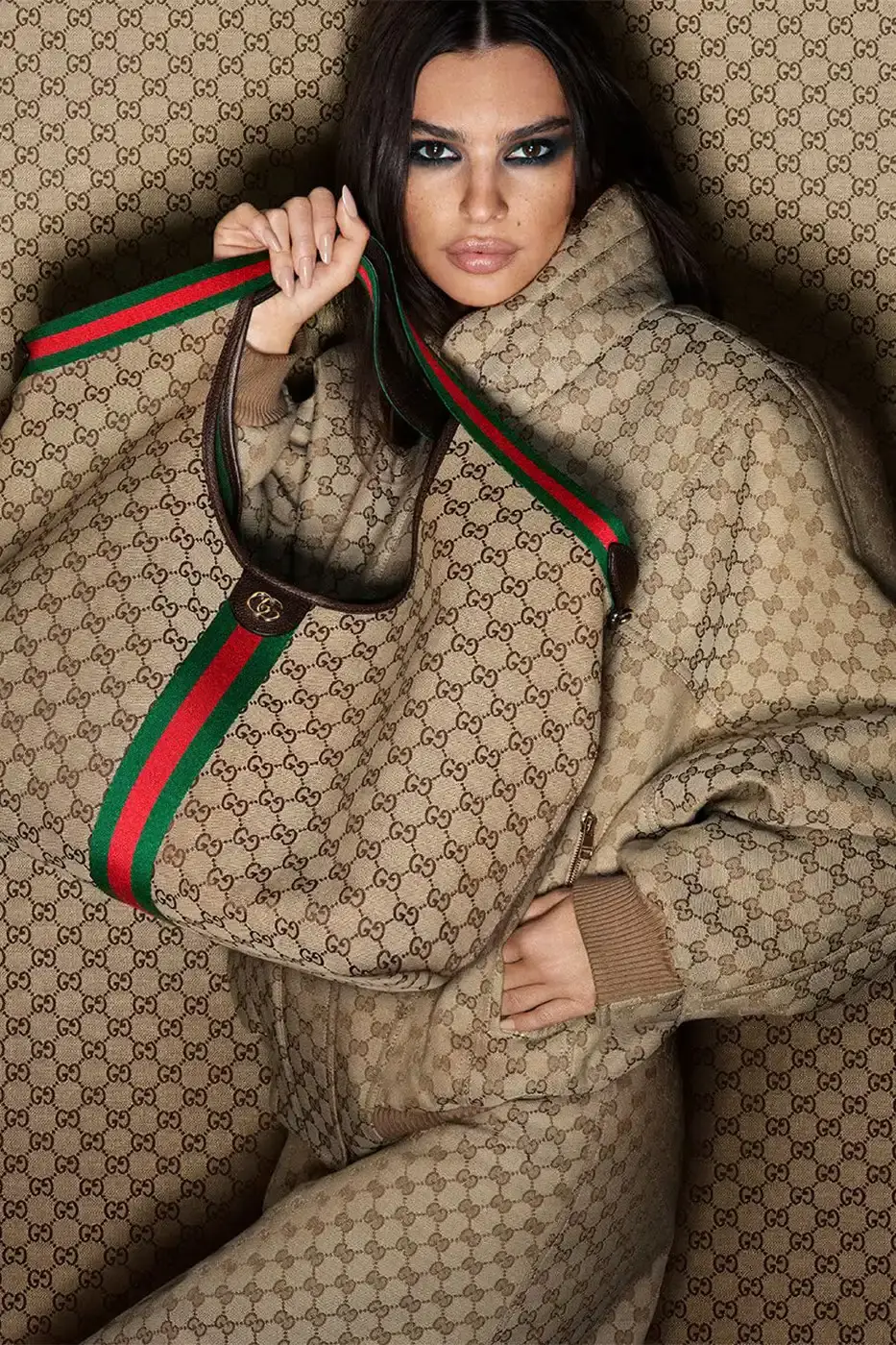
Emily Ratajkowski presents the Giglio bag. The Giglio functions as a large carry-all tote bag. Gucci introduced this design during the Cruise 2026 collection presentation. The name references the lily emblem of Florence. Florence serves as the birthplace of the brand. The Giglio offers a slouchy shape for everyday use. You will find this tote in dark brown leather. Black leather and classic GG canvas represent other available variations.
The styling throughout the campaign shifts from minimal aesthetics to full maximalism. The models wear total GG monogram looks in some photographs. The video sequences show the bags multiplying in endless loops. The accessories dominate the frame and surround the models. The visuals emphasize how a chosen object occupies the mind completely.
You should consider how a handbag functions within your daily routine. A bag serves a practical purpose for carrying belongings. The object also acts as an extension of personal style. The Beauty and the Bag campaign highlights this dual function. The photographs remove background distractions to focus entirely on the subject and the accessory.
You will find the Borsetto and Giglio bags at official Gucci physical stores. The brand also sells these models through the official web pages. The GG canvas options offer a recognizable heritage look. The solid leather variations provide a subtle alternative. You need to assess your daily carrying requirements before choosing a style. The Borsetto works well for structured elegance. The Giglio suits individuals needing larger capacities for daily tasks.
Demna understands the cultural weight of visual archives. The inclusion of Kate Moss directly references the aggressive 1990s era of the house. Moss represented the confident luxury style of the brand during past decades. Her presence in this new campaign creates a bridge between historical moments. Ratajkowski brings a thoroughly modern presence to the visual language. Both women project independent attitudes aligning with the current design vision. The campaign merges past heritage concepts with current aesthetic goals.
Photographers Mert and Marcus rely on strong studio lighting for the portrait sessions. The lighting choices highlight the dense texture of the suede and leather materials. The metallic hardware reflects the light to draw immediate attention to the construction details. The accompanying video by Bardia Zeinali adds crucial motion to the static concepts. The film transitions from straightforward fashion presentation to a state of surreal repetition. The bags multiply across the screen in hypnotic patterns.
You benefit from investing in versatile accessories designed for longevity. The Borsetto and Giglio designs prioritize daily utility above excessive ornamentation. The structured shape of the Borsetto protects fragile belongings stored inside. The flexible material of the Giglio adapts easily to bulkier contents. You evaluate these physical features based on your specific lifestyle needs. The campaign presents these options without dictating a singular right choice. The styling suggestions range from simple neutral outfits to complex layered monogram looks.
The fashion industry often treats accessories as secondary thoughts. This project reverses the standard hierarchy of fashion imagery. The bag becomes the primary subject instead of a supporting prop. You see the models interacting with the bags almost obsessively. The visual narrative suggests a deep psychological connection to material objects. The creators constructed a scenario where the accessory commands full attention. You observe the bags taking over the entire frame. The focus remains locked on the physical product throughout the entire series.
Gucci continues to reshape physical retail environments to match these new releases. You will experience updated visual merchandising when visiting the flagship locations. The brand aligns the physical store layouts with the campaign aesthetics. The physical presentation mirrors the strong focus seen in the Mert and Marcus photographs. The brand encourages a direct physical interaction with the materials. You feel the difference between the archival canvas and the new leathers. The tactile experience provides necessary information for selecting a daily accessory.
Kristin Kaye
Insatiably curious about human expression, she immerses herself in literature, theater, art, and dance. Her academic journey led to degrees in Modern Literature, where she delved into The Furioso, and Historical Sciences with a focus on Contemporary History. Her studies took her to the prestigious Erasmus University Rotterdam, broadening her international perspective.
Her passion for culture isn't confined to personal enjoyment—it spills onto the pages of various publications. There, she explores not only artistic endeavors but also civil rights issues and the myriad ways human culture manifests itself. For her, writing about these topics isn't just a profession; it's an irresistible calling that stems from her deep-seated fascination with the human experience.
Share this article


