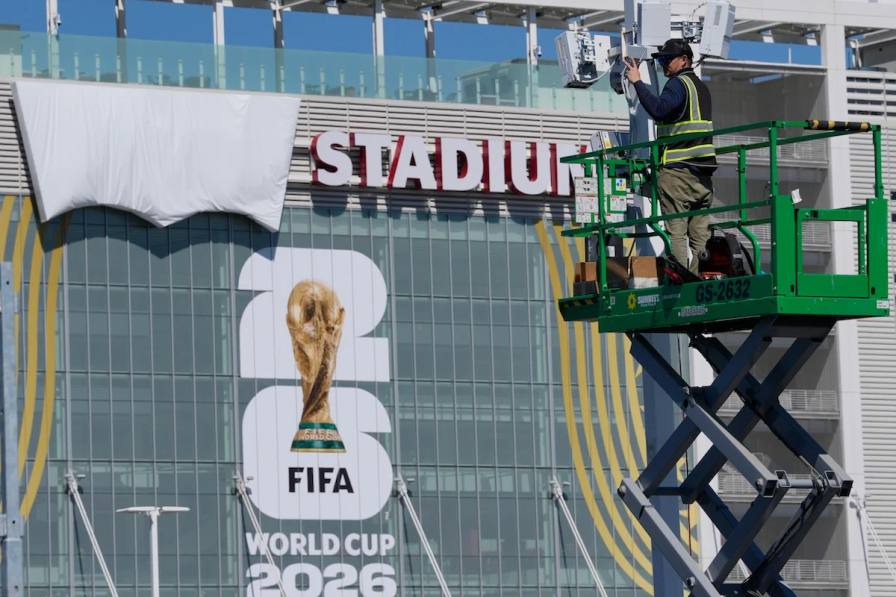
When FIFA asked for branding changes at Levi’s Stadium during the 2026 World Cup, Levi Strauss & Co. followed the rules on paper. The stadium name changed to “San Francisco Bay Area Stadium,” in line with FIFA policy for non sponsor venues during international tournaments. The main Levi’s logo disappeared from parts of the structure. One detail stayed visible. The red batwing shape linked to the brand identity still appeared beneath the covering.
Photos spread online within hours. People recognized the shape without the wordmark. Fashion pages, football accounts, and marketing blogs reposted the images across Instagram, TikTok, and X. FIFA did not comment publicly on the visual. Levi’s did not launch a formal campaign around the moment. The discussion developed on its own through screenshots and social media circulation.
The situation fits into a longer history connected to ambush marketing in sports and entertainment. Brands have used indirect visibility around large events for decades, especially when official sponsorship rights block direct advertising.
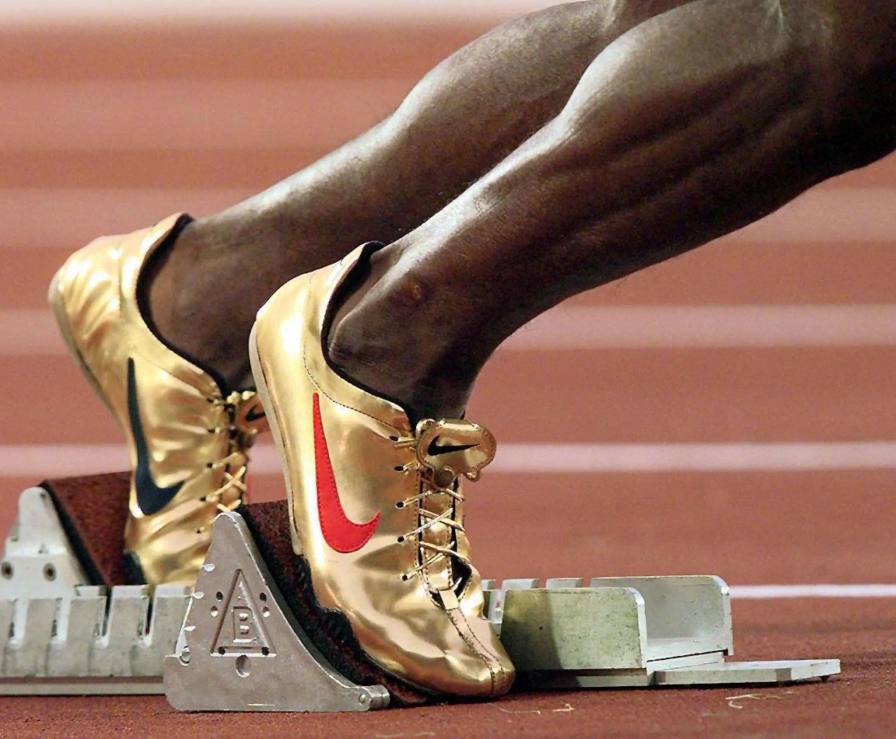
Nike used this strategy during the 1996 Olympic Games in Atlanta. Reebok held the official sponsorship deal with the Olympics. Nike focused on the city instead of the event itself. The company rented billboard space across Atlanta, opened a large Nike center near competition venues, and signed athletes who received constant television coverage during the Games. One image from the tournament still circulates today. Michael Jordan covered the Reebok logo on his tracksuit with an American flag during the medal ceremony.
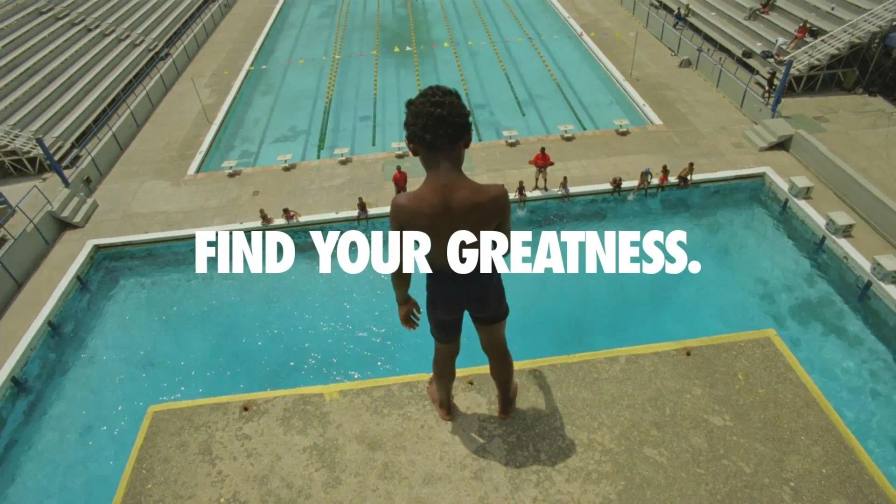
In 2012, Nike returned to a similar approach during the London Olympics. Adidas owned the official rights connected to the Games. Nike released the “Find Your Greatness” campaign during the same period. The ads showed amateur athletes in places called London outside the United Kingdom, including London, Ohio and London, Nigeria. The campaign avoided Olympic trademarks while staying connected to the cultural atmosphere around the event. Market research group YouGov reported strong public recall for Nike during the Olympics despite Adidas holding official sponsorship rights.
Paddy Power used a different method during the London Olympics in 2012. The betting company placed billboards reading “Official sponsor of the largest athletics event in London.” Smaller text clarified the reference pointed to London in France, not London in the United Kingdom. The campaign referenced an egg and spoon race held in the French village. Olympic authorities challenged the advertisement before later stepping back from legal action.

These campaigns follow a similar pattern. Large events create strict commercial rules around logos, language, and advertising space. Brands respond by shifting attention toward symbols, athletes, locations, or cultural references linked to the event without using protected material directly.
The Levi’s example reflects a newer version of the same process. Recognition no longer depends entirely on logos. Shapes, colors, and familiar design elements move across social platforms faster than formal advertising campaigns. A partial image from a stadium covering reached millions of users without paid placement or television media buying.
Sports sponsorship still matters financially. FIFA, the International Olympic Committee, and global tournament organizers continue to sell exclusive commercial rights for large amounts of money. At the same time, brands increasingly focus on secondary visibility. Online discussion, reposted images, and meme circulation now shape public memory around events as much as official campaigns.
Lorenzo de' Nobili
Music Editor
Lorenzo de’ Nobili is a sound designer and composer driven by a deep passion for urban culture and its evolving aesthetics. His work explores the intersection of music, fashion and sport, blending contemporary sounds with strong visual identities. Alongside his research in urban culture, he collaborates with contemporary dance artists, creating immersive sonic experiences that connect movement, space and emotion.
@sereno________________________Share this article
RELATED

COMO 1907 RELEASES STICKER COLLECTION


LANDO NORRIS LAUNCHES LN4 FUSION

2007 BORN, 2007 WORN: MASTANTUONO BRINGS Y2K BACK TO FLORENCE
