Summary:
- Miista launched the Spring/Summer 2026 collection on March 26 inside The Evans Group factory in Los Angeles.
- Attendees brought damaged garments to a designated station for on-site mending by professional seamstresses.
- The evening included live sets from electronic musicians while guests observed the new asymmetrical clothing designs.
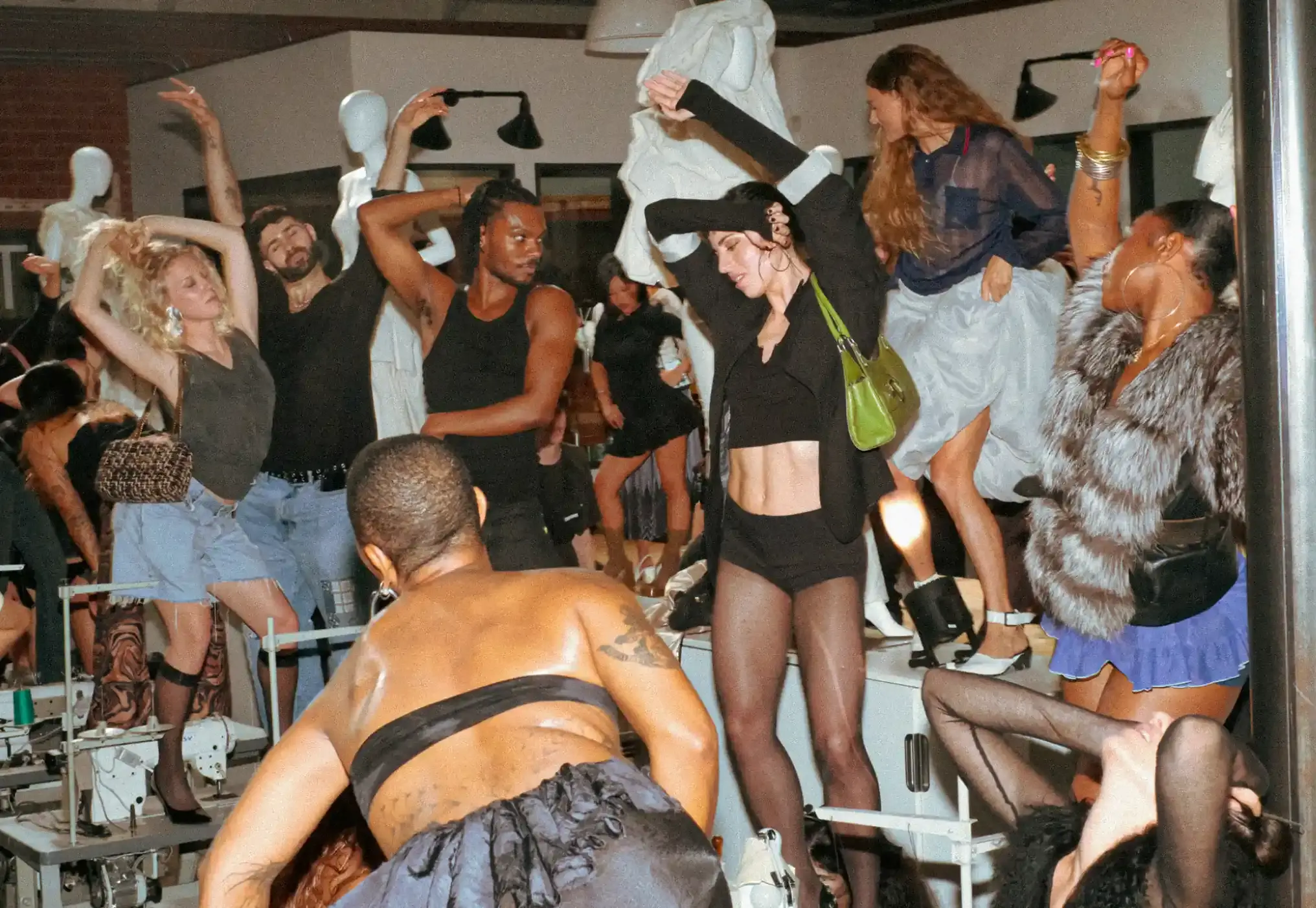
On March 26 in Los Angeles, fashion brand Miista hosted an event inside The Evans Group clothing factory. The gathering functioned as a launch for the brand's Spring/Summer 2026 collection and a functional space for garment mending. Guests entered the industrial facility and handed over their damaged Miista pieces at the cloakroom. Professional seamstresses took the clothing and performed live repairs on the factory floor.
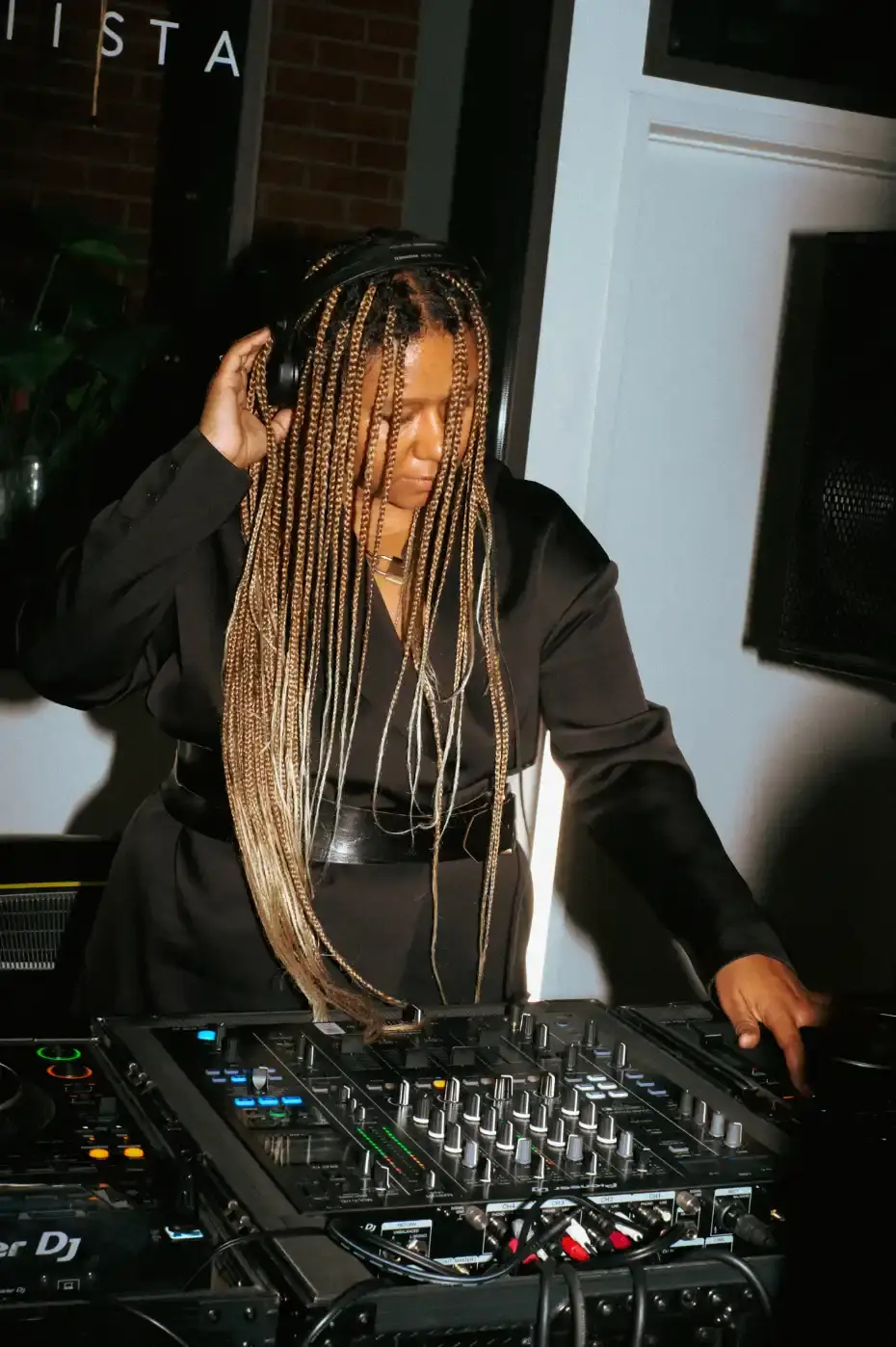
You walked past sewing machines and cutting tables to reach the main dance area. The organizers transformed the ethical manufacturing space into a temporary nightclub. Four electronic musicians played live sets throughout the evening. DJ_Dave, LeeLee, Banoffee, and Olive Kimoto provided the soundtrack for the crowd. People danced among the heavy industrial equipment while factory workers restored zippers, fixed tears, and replaced buttons on damaged shoes and tops.
This setup offers a direct look at the labor behind clothing construction. You rarely see the manufacturing process when you buy clothes from a store. By placing a music event inside an active factory, the organizers highlight the physical work required to produce and maintain fashion pieces. The seamstresses worked under bright functional lights. The rest of the room featured darker atmospheric lighting suited for the music performances. You heard the deep bass from the speakers alongside the mechanical whir of sewing machines.
The Evans Group operates as an ethical manufacturing hub in the downtown district of Los Angeles. The facility employs local artisans who specialize in small-batch production and complex garment construction. The brand selected this specific location to emphasize transparency in fashion production. The raw industrial environment served as a physical reminder of the labor involved in creating consumer goods.
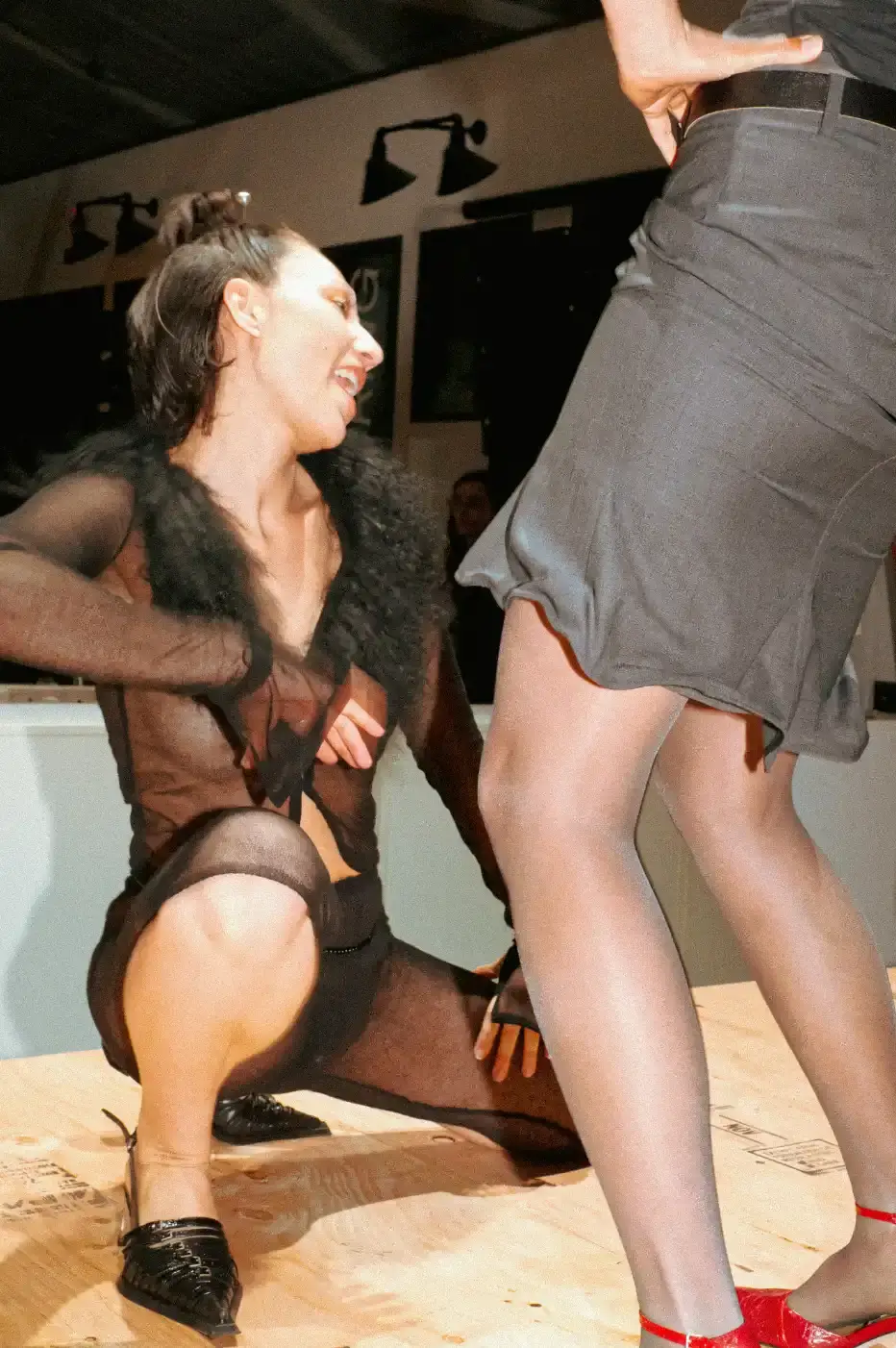
During the performances, the DJs played heavy techno tracks mixed with experimental electronic sounds. The loud music vibrated across the heavy metal tables and concrete pillars. Attendees wore a mix of archival Miista pieces and vintage clothing. The combination of loud music and active sewing machines created a noisy and active environment. You felt the energy of a traditional underground nightclub while witnessing the precision of professional tailoring.
The brand filmed the entire evening to produce promotional material for the new season. Cameras captured attendees dancing and workers fixing the clothes. Stylist Kat Typaldos dressed the cast in pieces from the Spring/Summer 2026 collection. The resulting videos and photographs show people wearing the clothes in an active environment rather than a static studio setting.
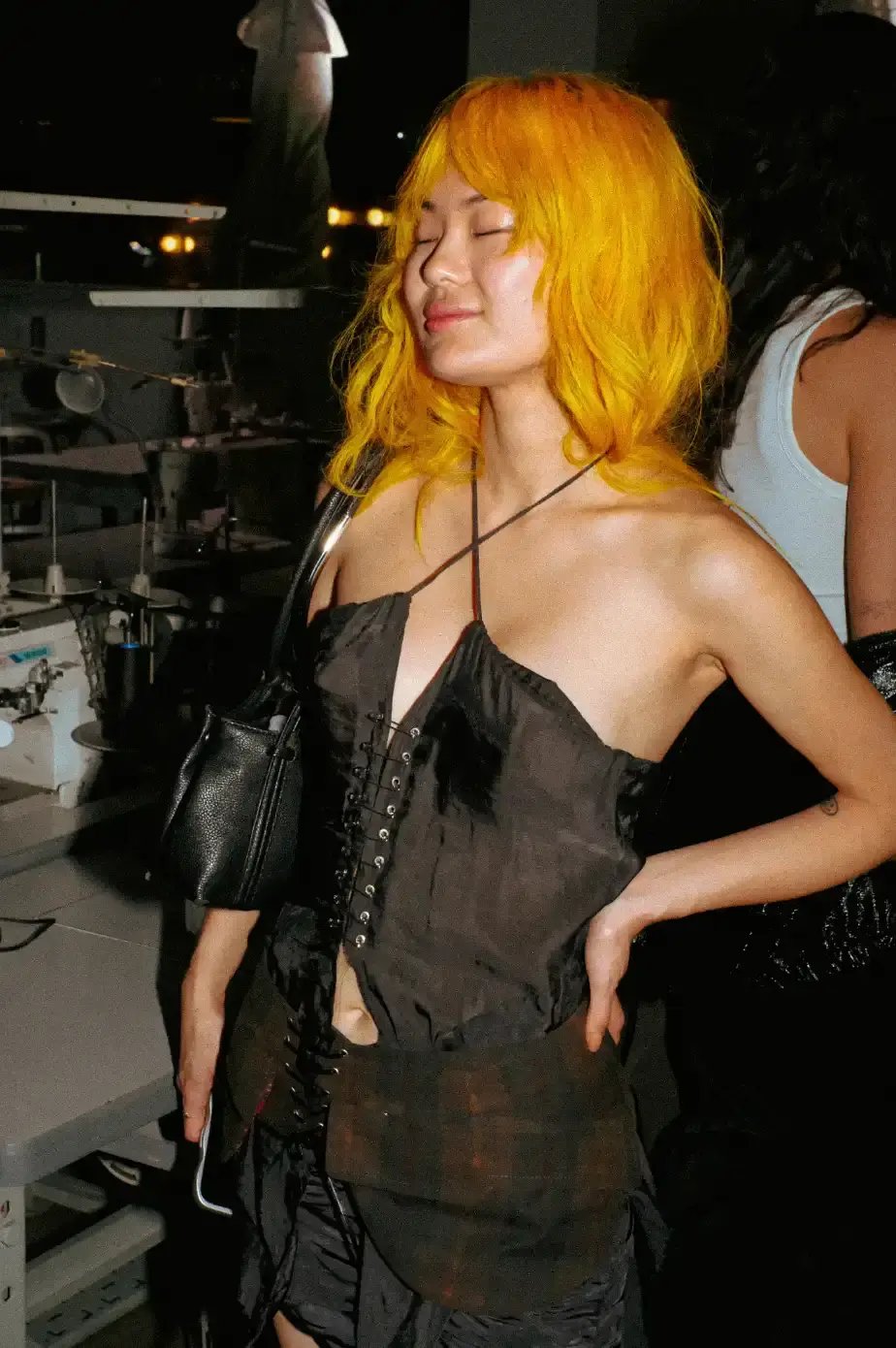
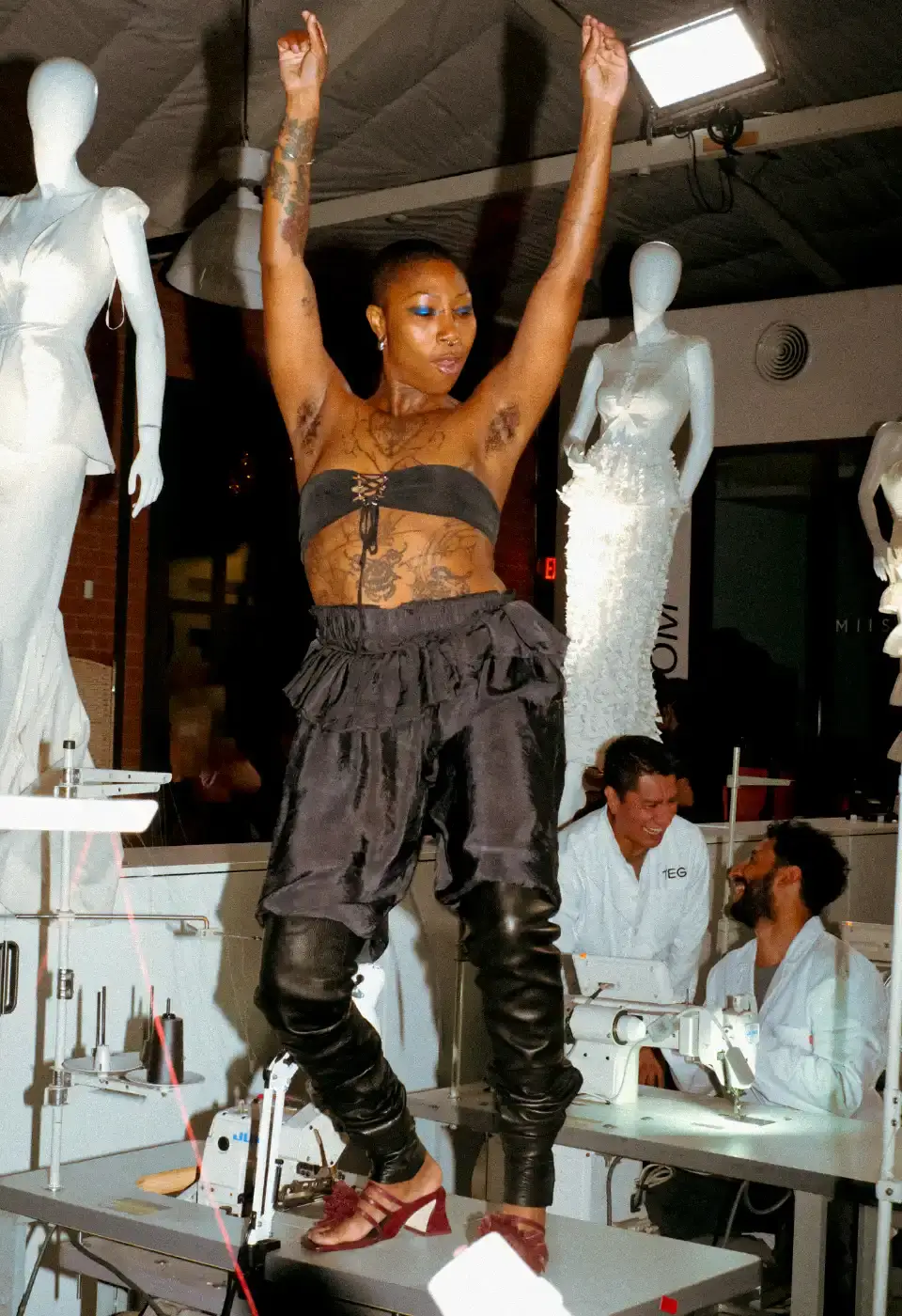

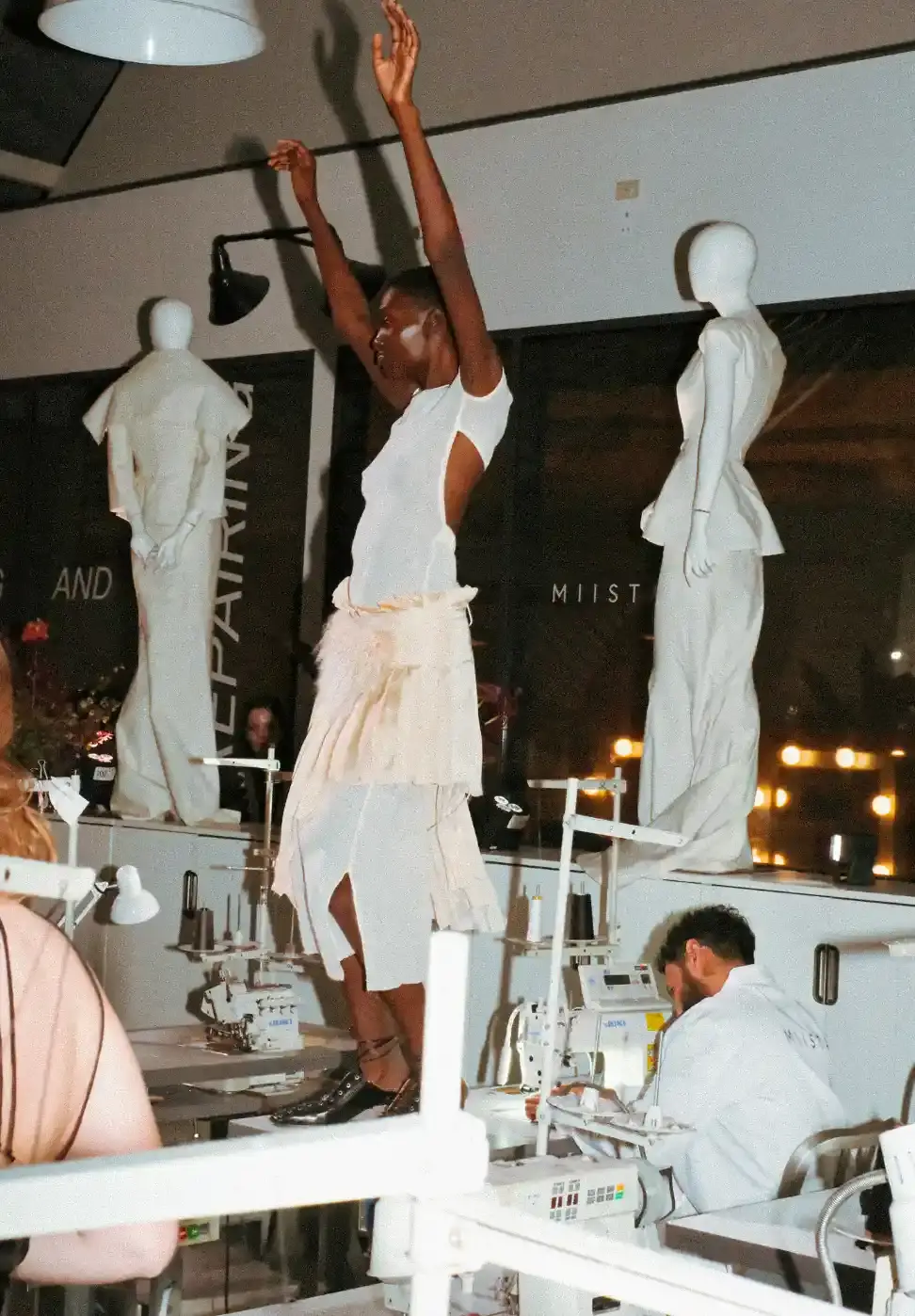
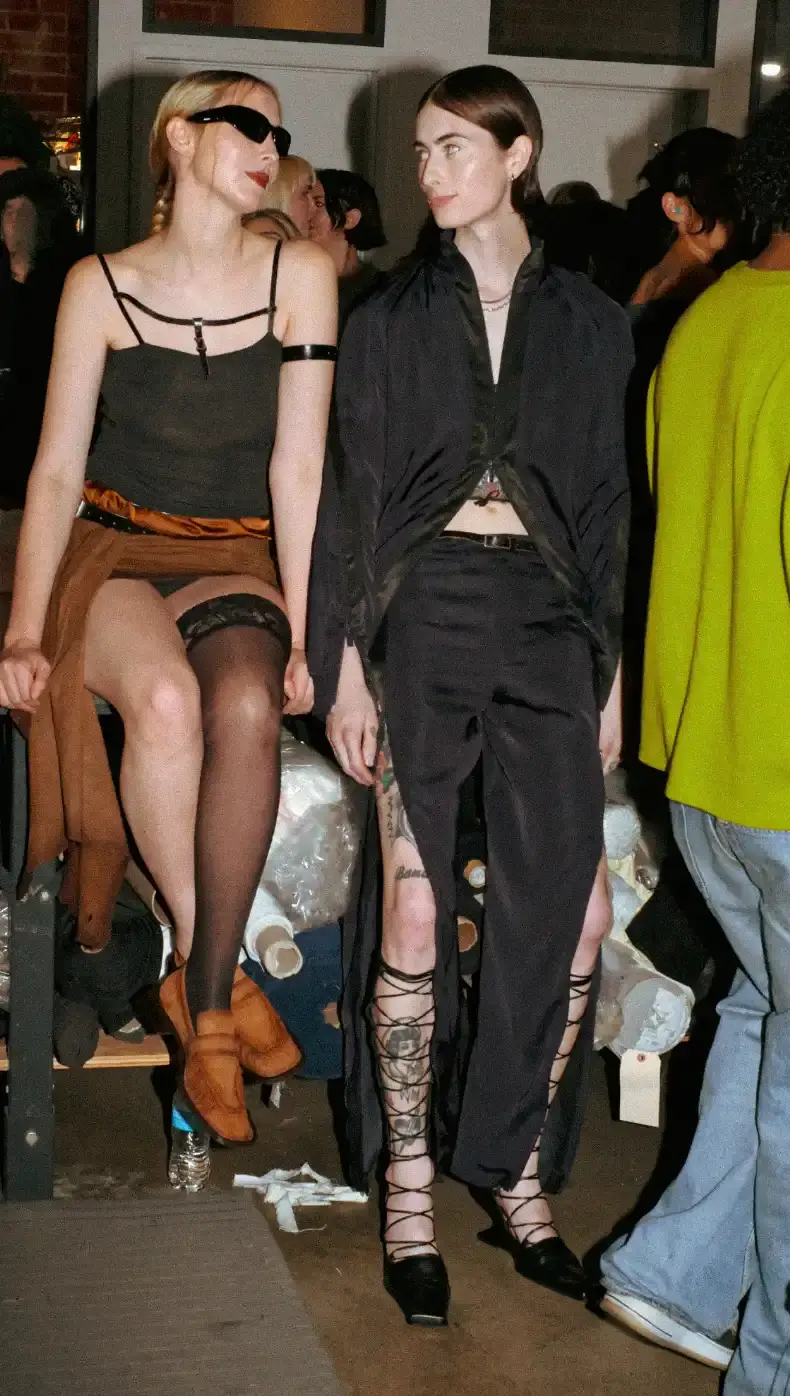
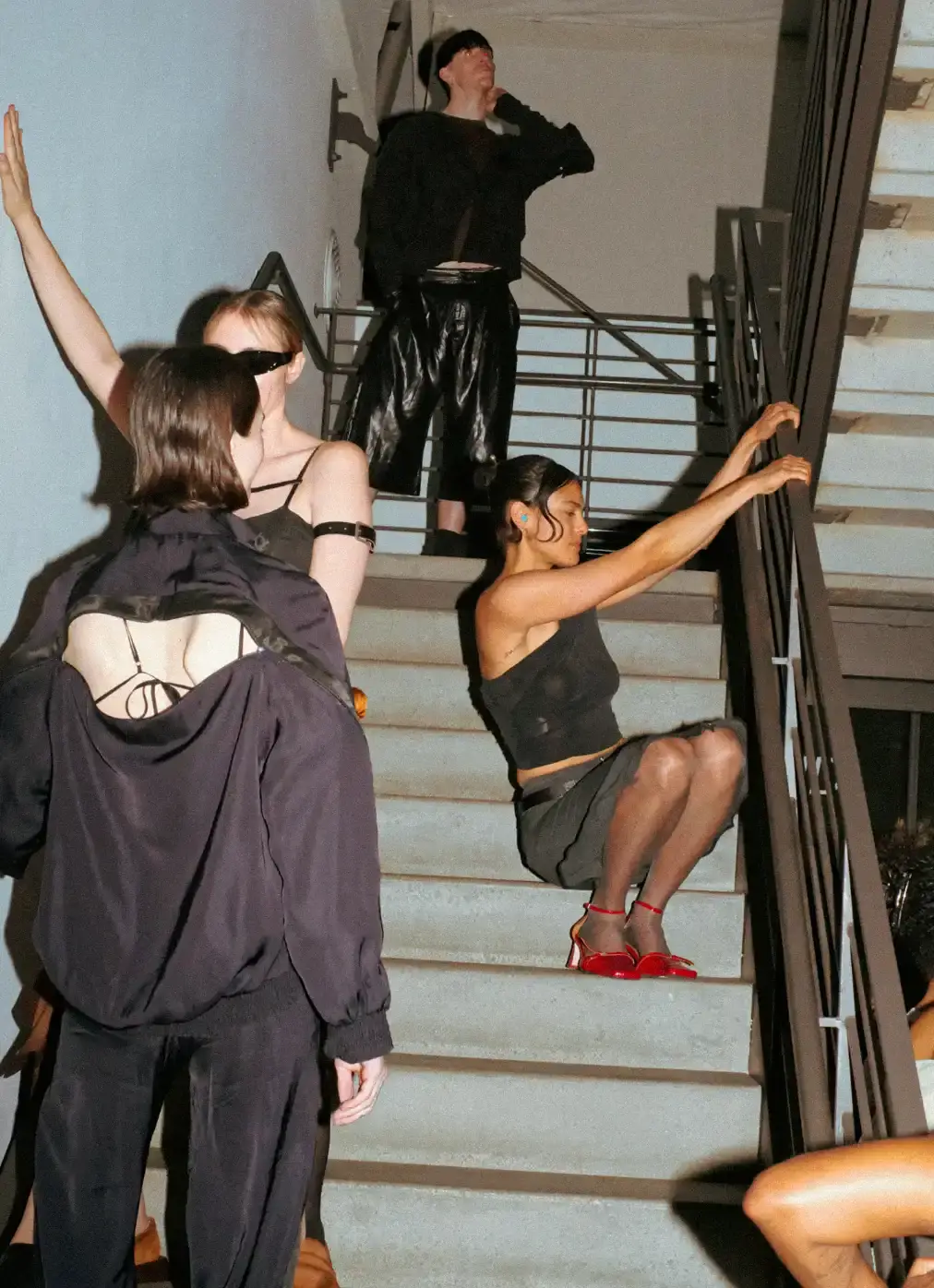
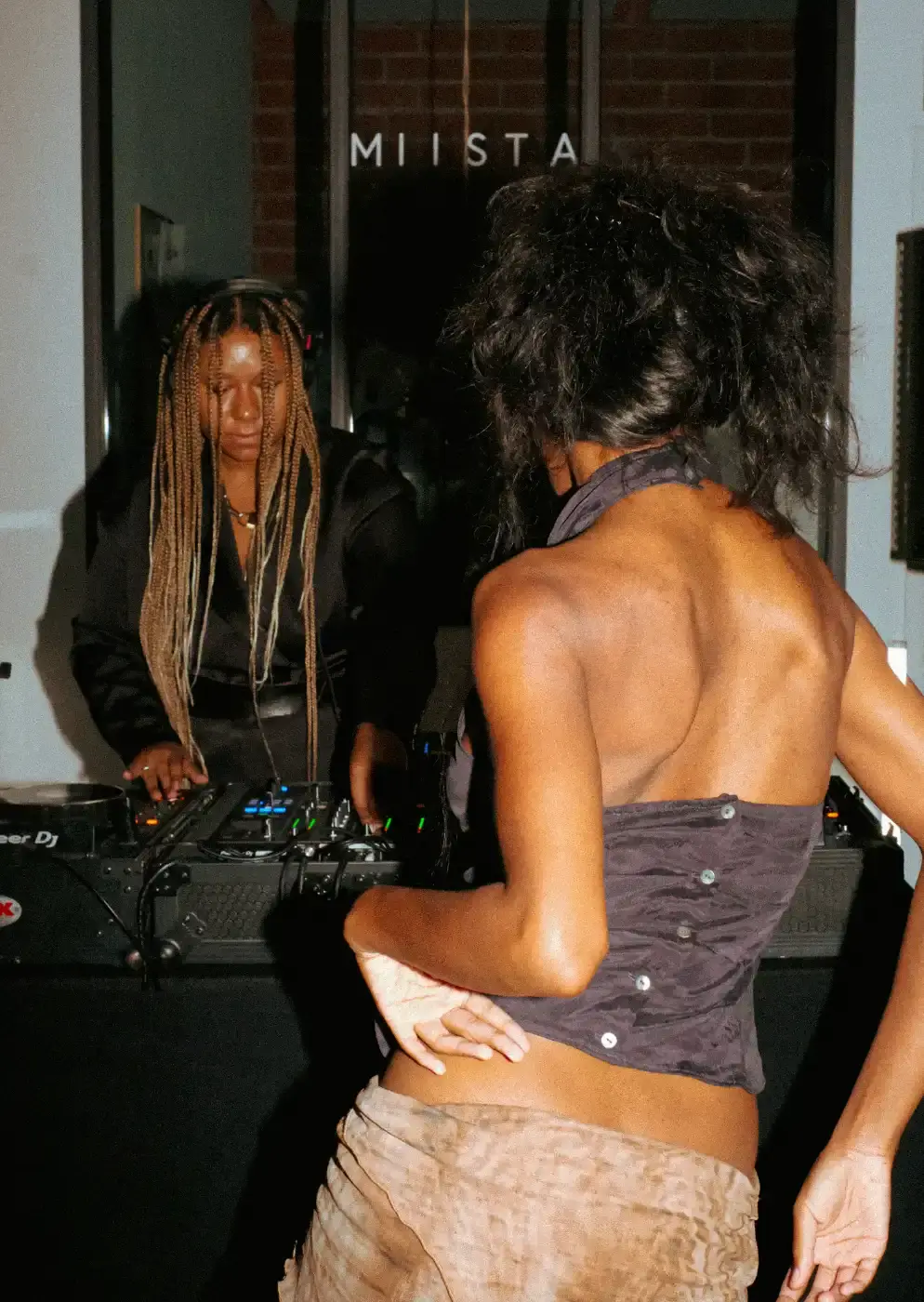
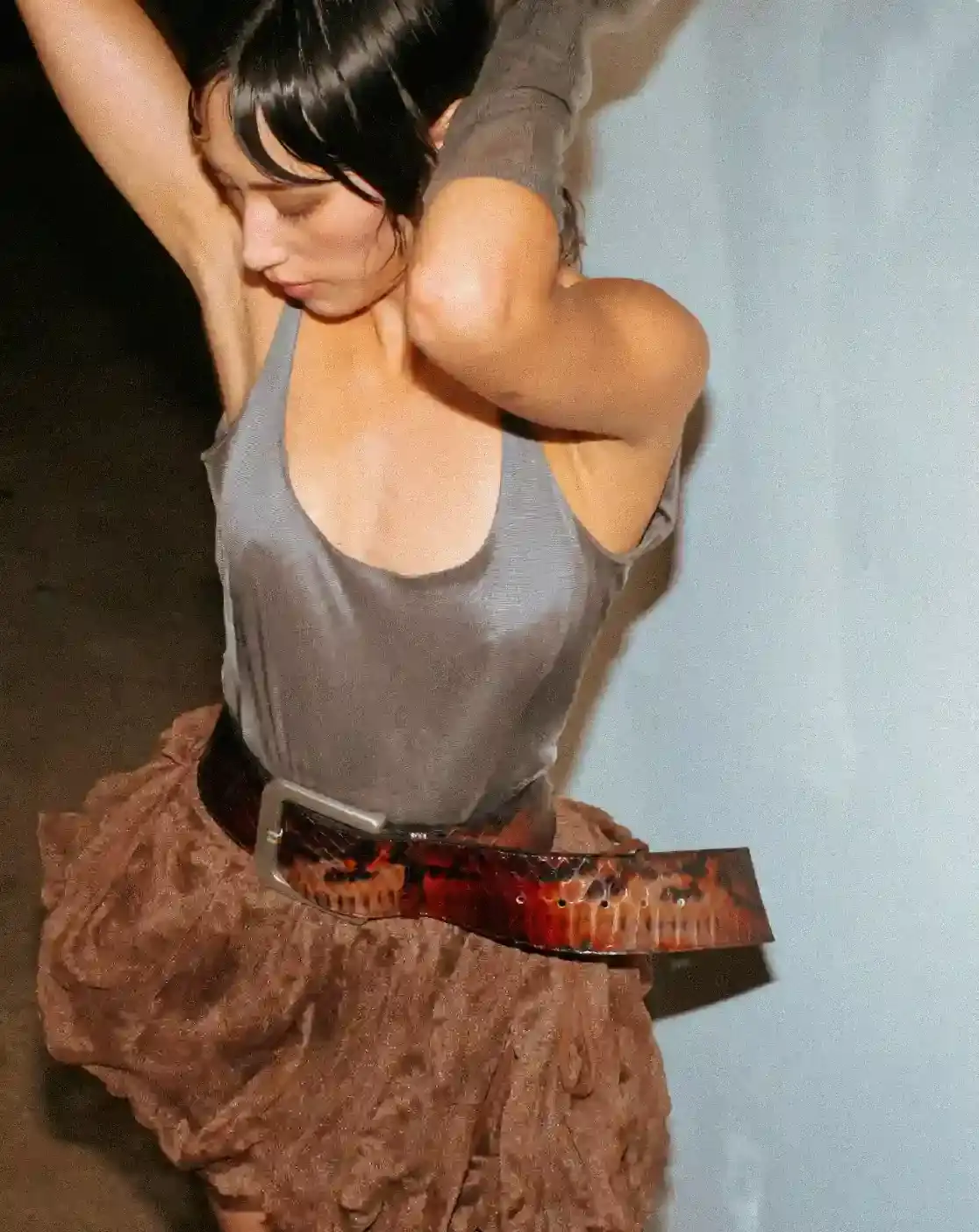
The new Miista collection features asymmetrical cuts and multi-positional pieces. You wear these garments in several different configurations depending on your preference. The designers incorporated visible stitching and intentional structural irregularities into the shirts, dresses, and trousers. The shapes encourage you to experiment with proportion and fit. These clothes do not dictate a single specific silhouette. The fluid designs allow you to adjust the volume and drape of the fabric.
The Spring/Summer 2026 pieces feature heavy distressing and unusual proportions. The design team selected durable fabrics like thick cotton canvas and raw denim. The textiles hold their shape while allowing movement on the dance floor. Many garments include detachable elements. You remove sleeves or unbutton panels to change the function of a jacket or dress. The collection rejects traditional symmetry in favor of off-kilter hems and misplaced pockets. The resulting aesthetic feels intentional and unpolished.
Proper garment care requires a basic understanding of fabrics and sewing techniques. You extend the life of your wardrobe by learning simple mending skills. The live repair station offered a visual guide to this process. You watched the workers replace broken zippers with heavy-duty metal hardware. The seamstresses patched holes using contrasting thread colors to highlight the repair rather than hiding the damage. This visible mending technique turns a flaw into a unique design feature.
Mending clothes extends their lifespan and reduces waste in the fashion industry. You save money and resources when you repair a torn seam instead of discarding the entire piece. The cloakroom repair station provided a practical service for attendees. The factory workers completed the alterations before the end of the night. Guests reclaimed their restored items as they exited the building.
The event successfully combined nightlife culture with sustainable fashion practices. Music venues and clothing factories share similar communal aspects. Both spaces bring individuals together for a specific shared purpose. The Evans Group facility provided an industrial backdrop for the presentation. The concrete floors and exposed structural beams contrasted with the soft fabrics of the new collection.
Fashion presentations usually prioritize visual spectacle over utility. The Los Angeles event rejected this standard approach by incorporating a functional service. The decision to fix old clothes during a new collection launch directly confronts the issue of overconsumption. The brand encouraged attendees to look inside their closets before purchasing new pieces.
Your relationship with your wardrobe changes when you see the mending process firsthand. You learn to value the time and skill required to maintain high-quality textiles. The Los Angeles gathering demonstrated a functional model for future fashion presentations. Brands possess the resources to offer actionable services to their customers during these promotional events. Adding a repair station turns a standard party into a useful resource for the community. You build a more sustainable relationship with fashion by taking care of your existing possessions.
Kristin Kaye
Insatiably curious about human expression, she immerses herself in literature, theater, art, and dance. Her academic journey led to degrees in Modern Literature, where she delved into The Furioso, and Historical Sciences with a focus on Contemporary History. Her studies took her to the prestigious Erasmus University Rotterdam, broadening her international perspective.
Her passion for culture isn't confined to personal enjoyment—it spills onto the pages of various publications. There, she explores not only artistic endeavors but also civil rights issues and the myriad ways human culture manifests itself. For her, writing about these topics isn't just a profession; it's an irresistible calling that stems from her deep-seated fascination with the human experience.
Share this article
RELATED

SKIMS RELEASES LUDOVIC DE SAINT SERNIN COLLECTION

FERRAGAMO SPRING SUMMER 2027 COLLECTION


