Summary:
- Prada presented its Fall/Winter 2026 menswear collection at Fondazione Prada in Milan, focusing on structured tailoring and measured silhouettes
- The collection featured coats with unconventional details, neutral trenches with colored overlays, and accessories including aged leather bags and trainers
- Creative directors Miuccia Prada and Raf Simons emphasized continuity over erasure, building on past design principles
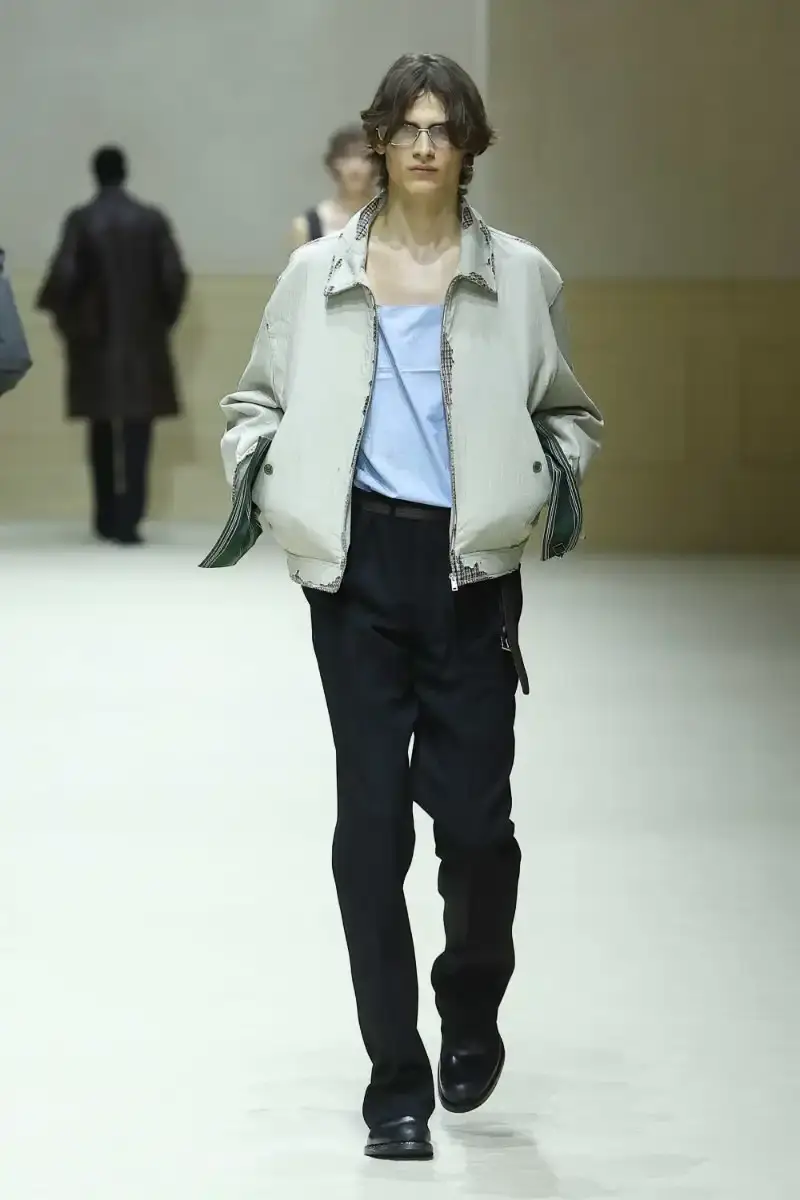
Prada presented its Fall/Winter 2026 menswear collection at the Fondazione Prada in Milan. Creative directors Miuccia Prada and Raf Simons delivered a collection centered on precision rather than volume, addressing contemporary tailoring through a measured approach to garment construction.
The show took place in a space designed with vanilla tones, milky whites, and soft blues. The set design referenced classical architecture while complementing the collection's pastel color scheme. This environment established a context for the garments, creating a quiet backdrop that emphasized the clothing itself.
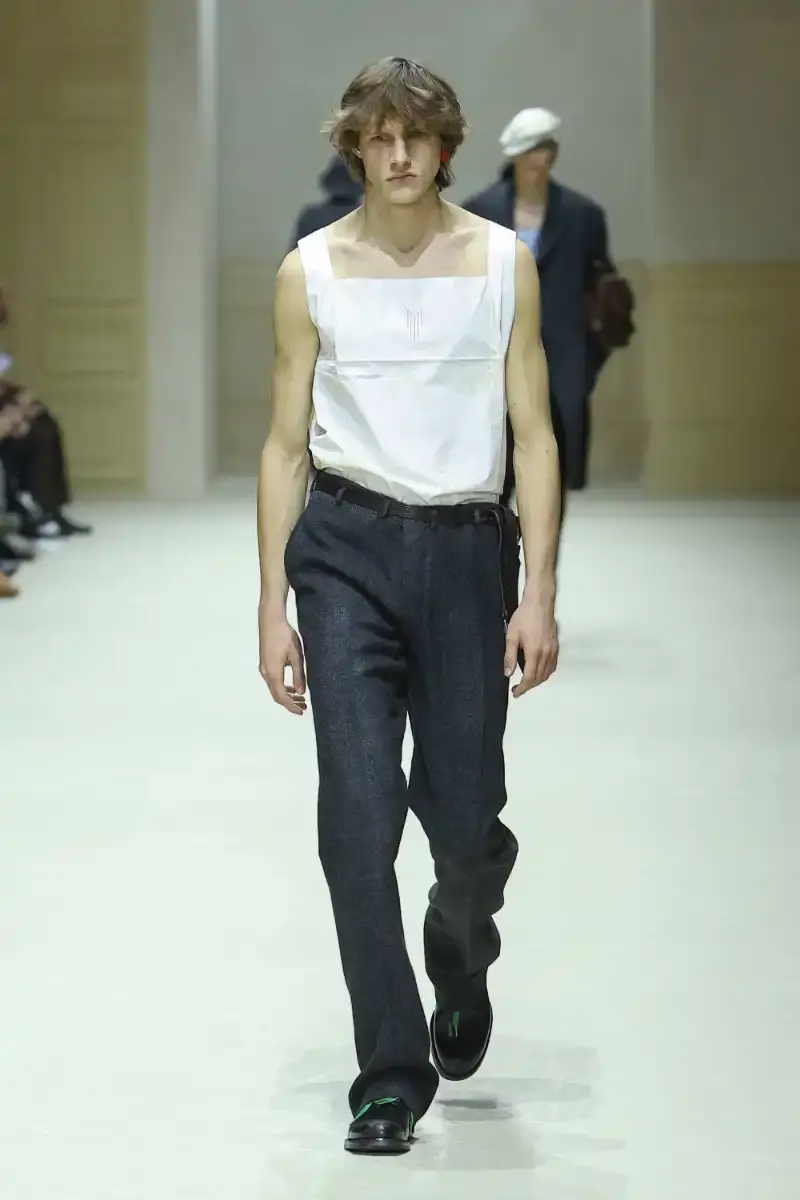
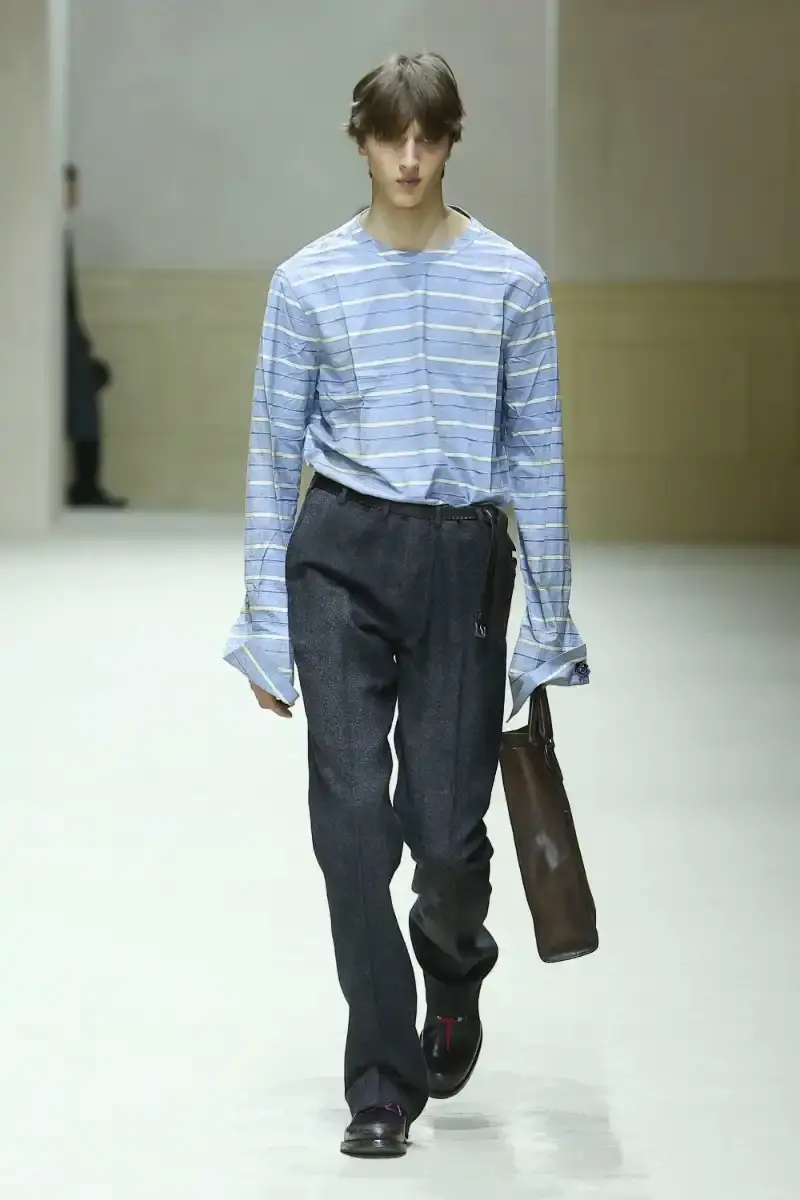
The collection addressed the relationship between garment and body. Suits, trousers, and outerwear featured restored structure, following the silhouette without restriction. The designers moved away from overly relaxed fits, introducing a more deliberate approach to proportion and form.
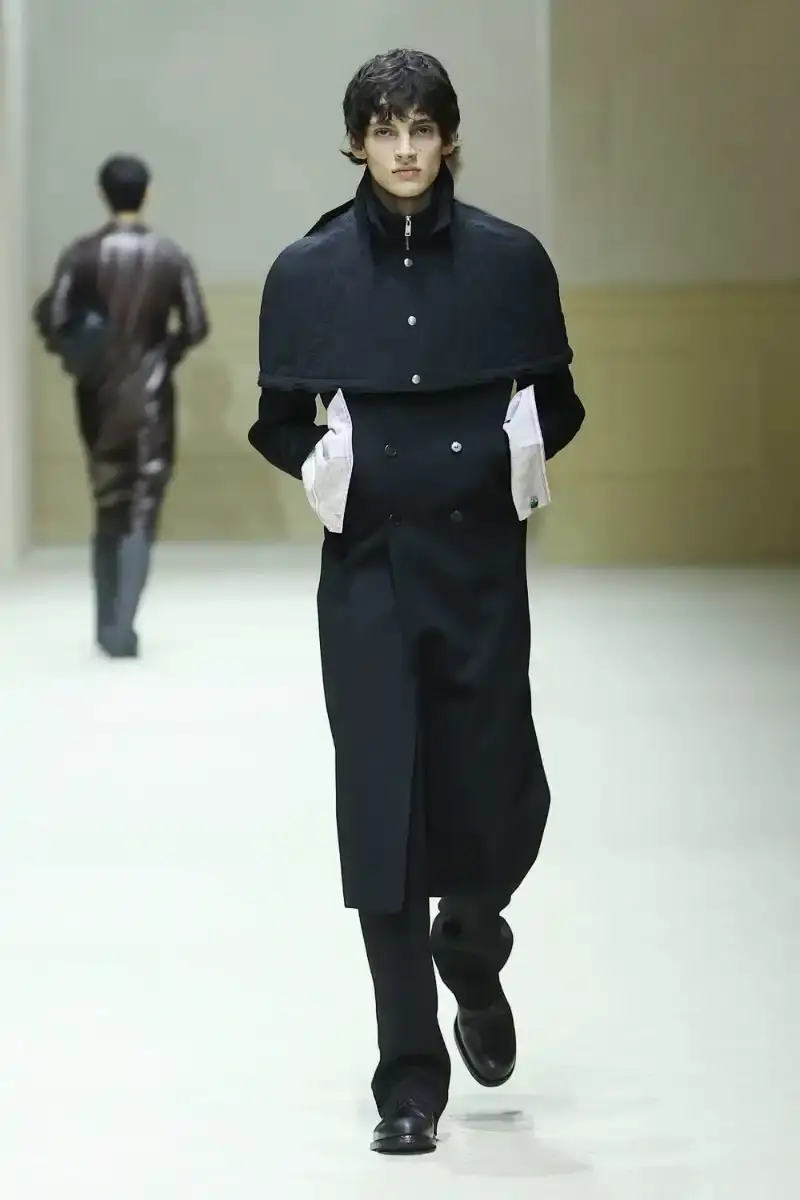
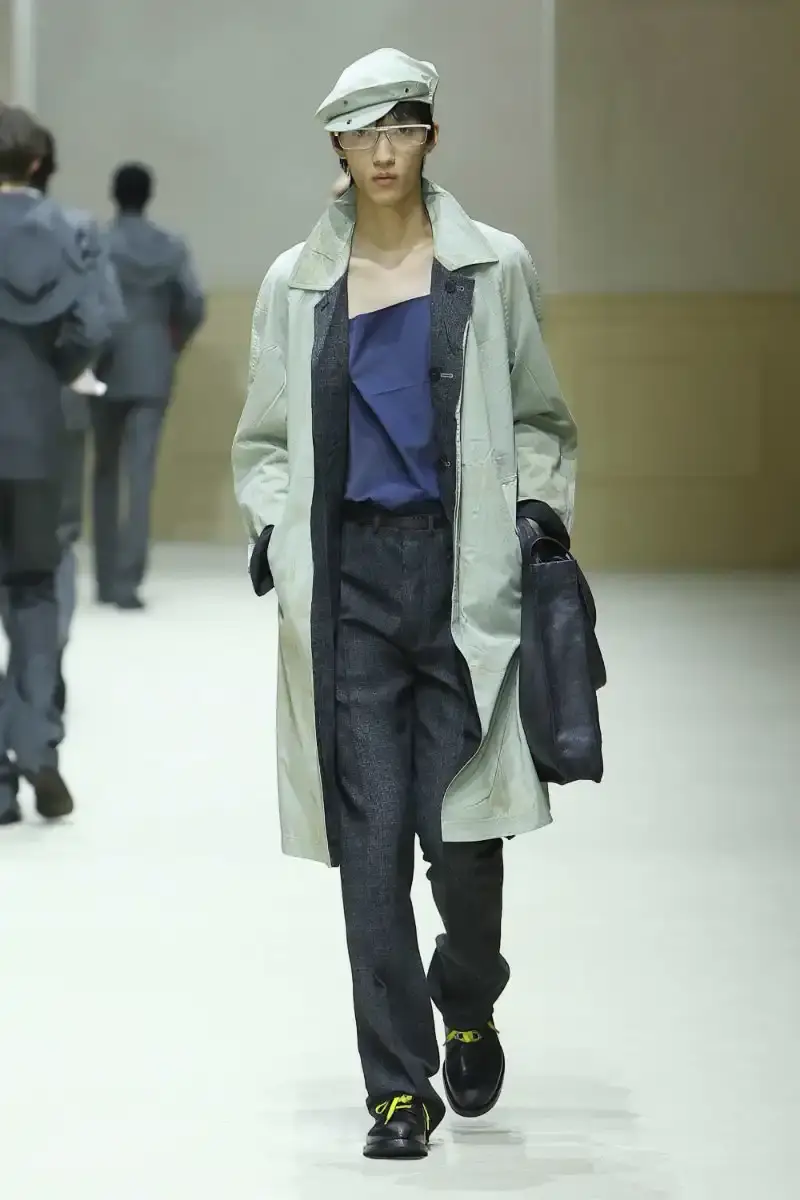
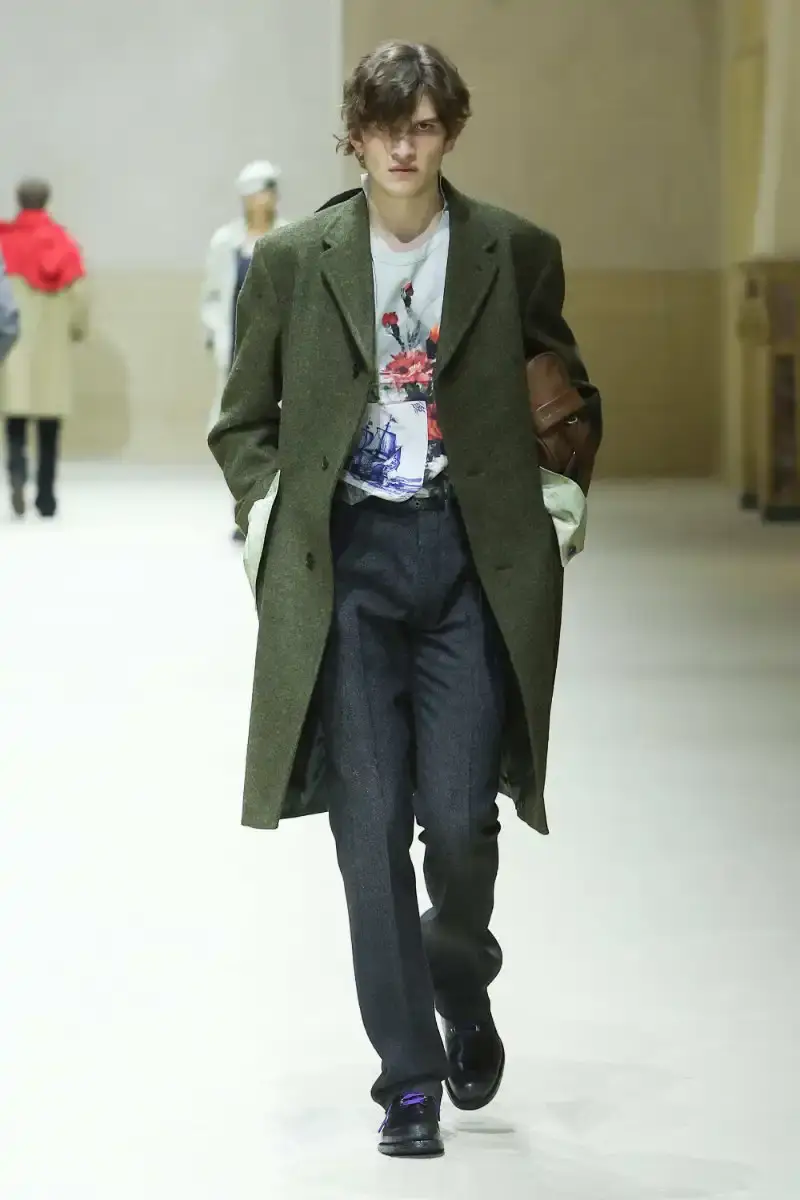
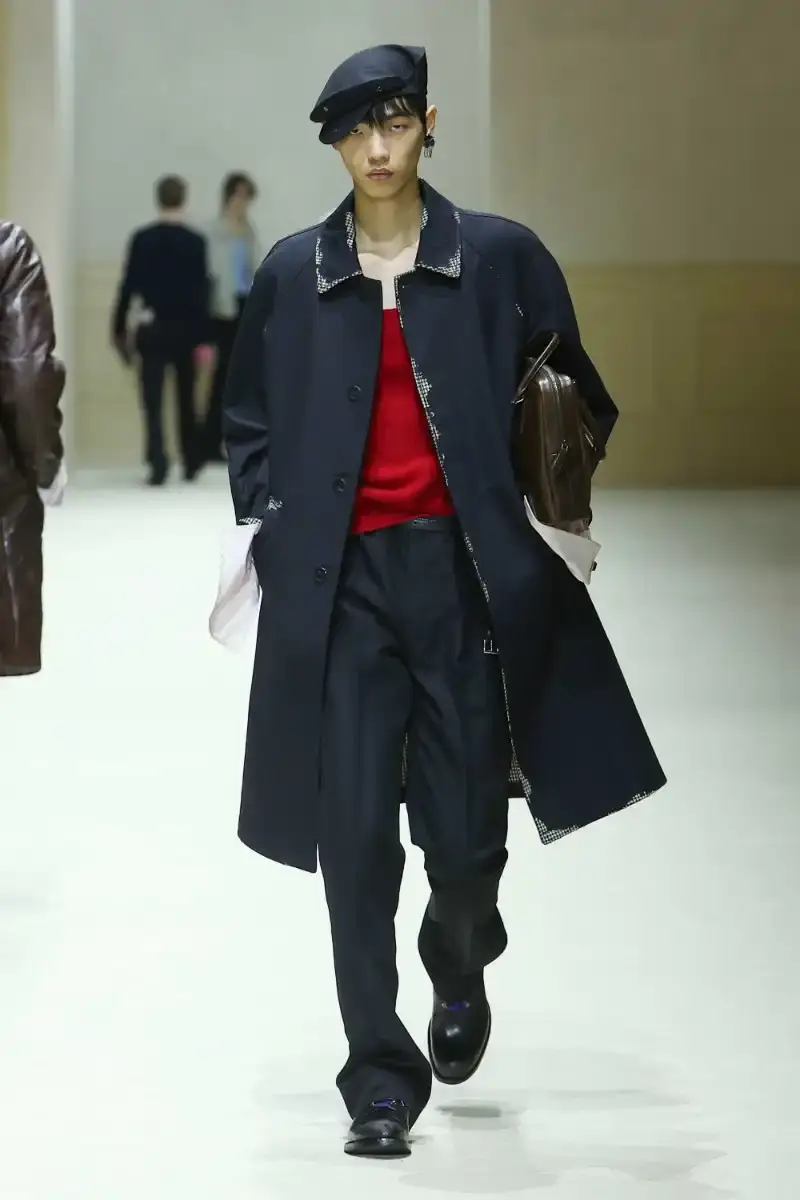
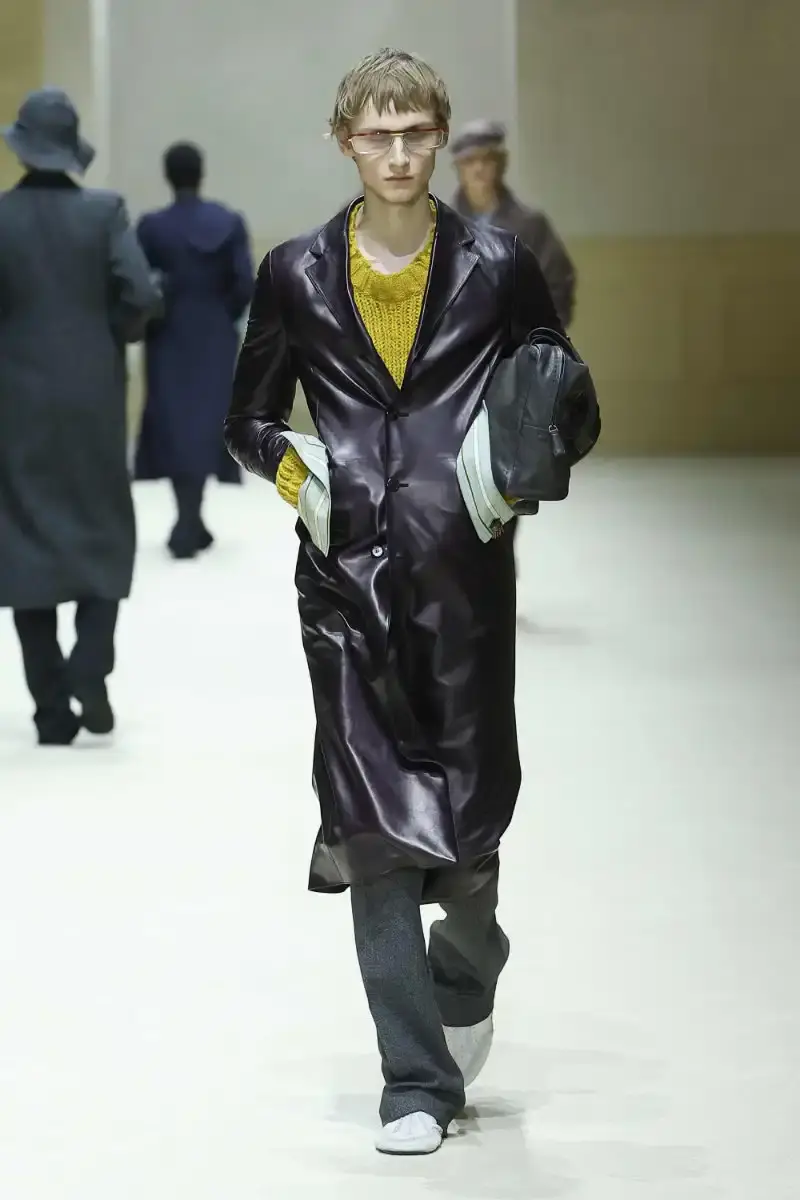
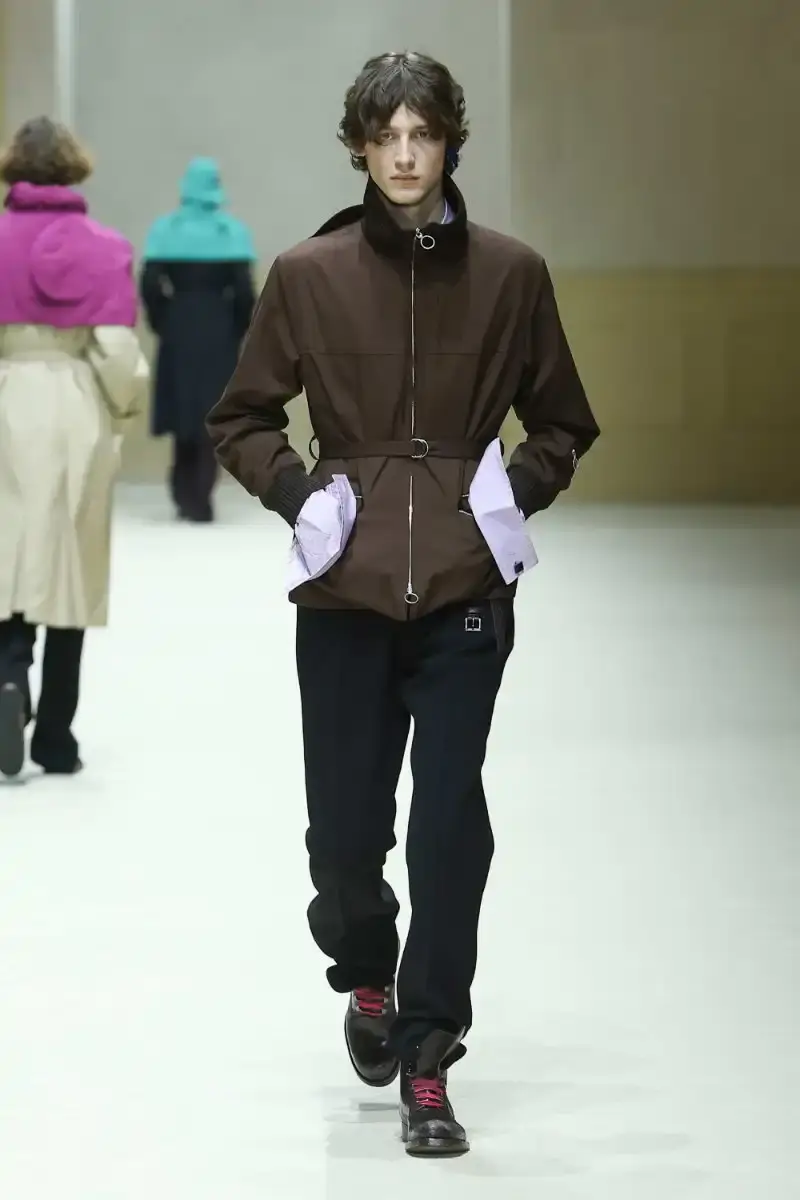
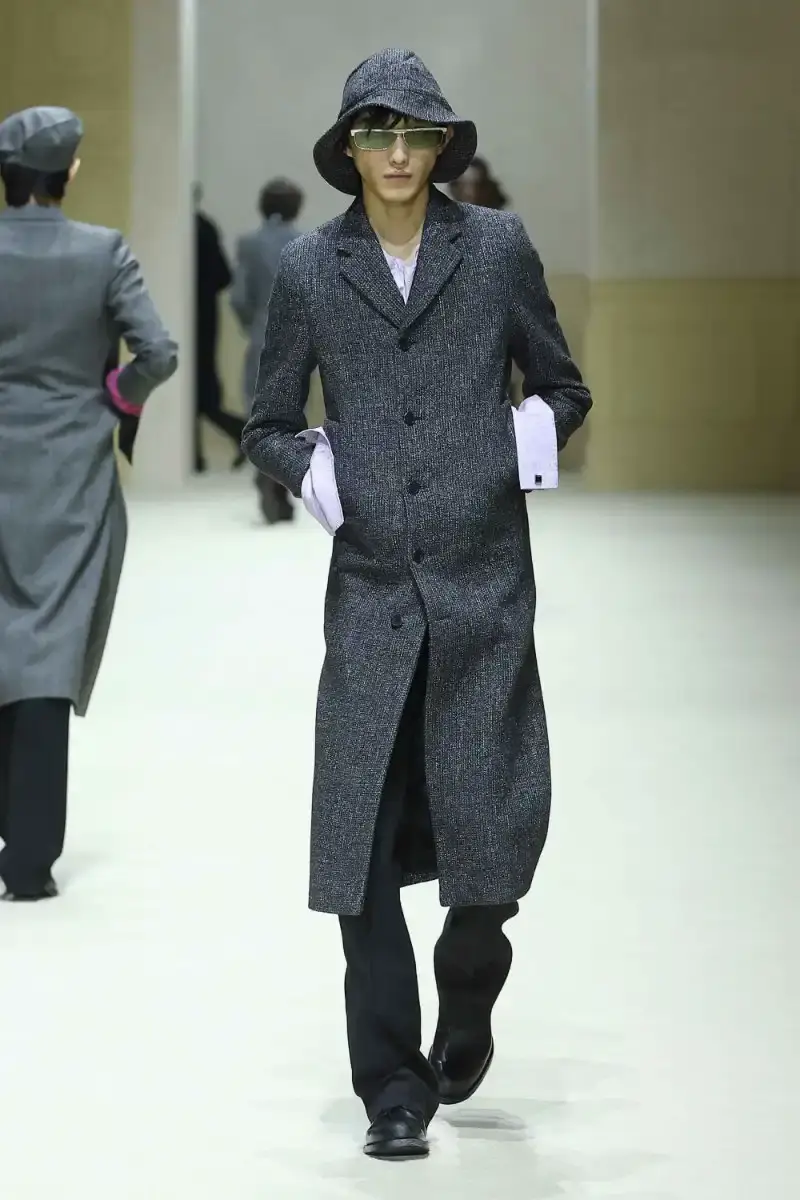
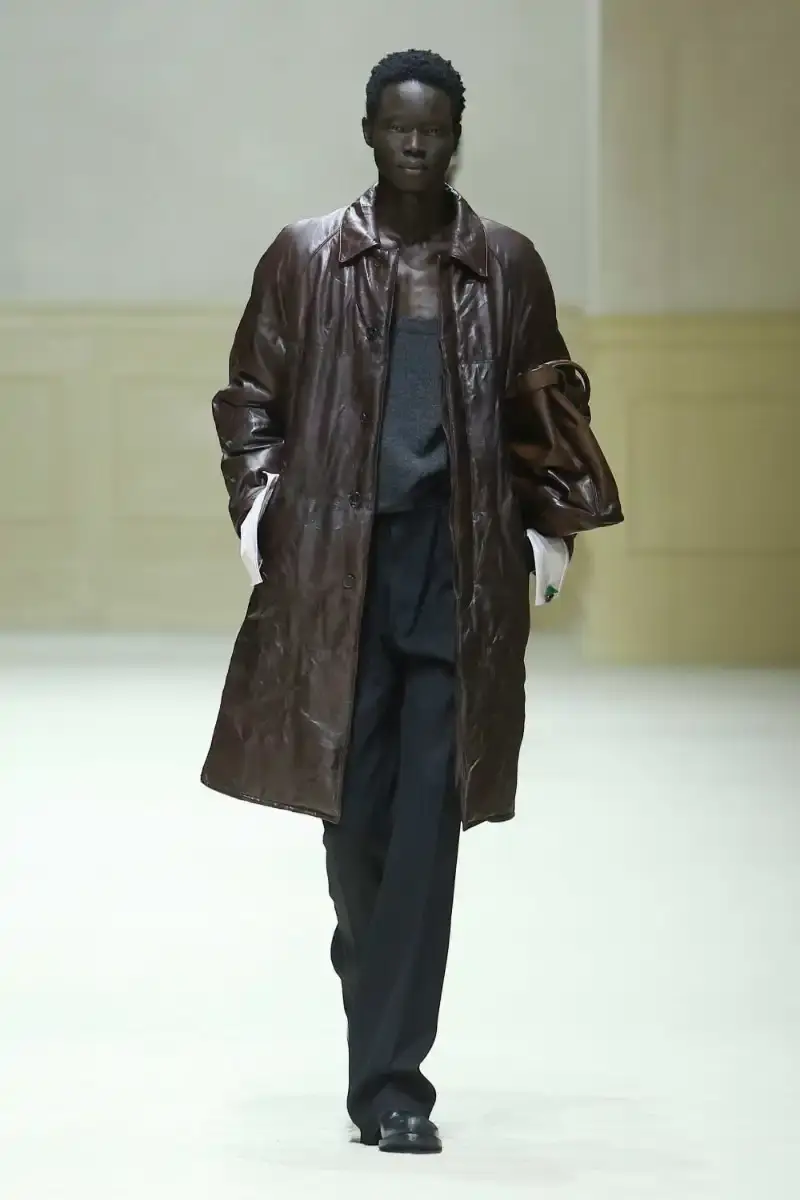
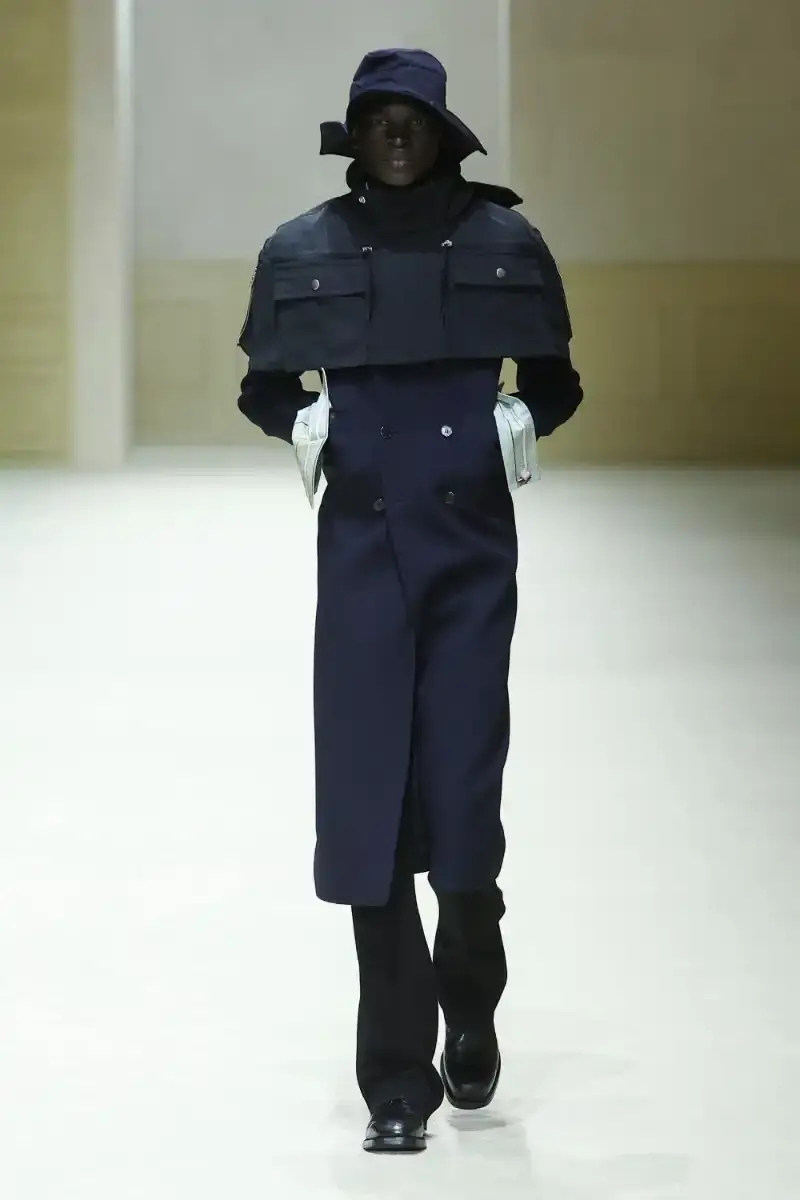
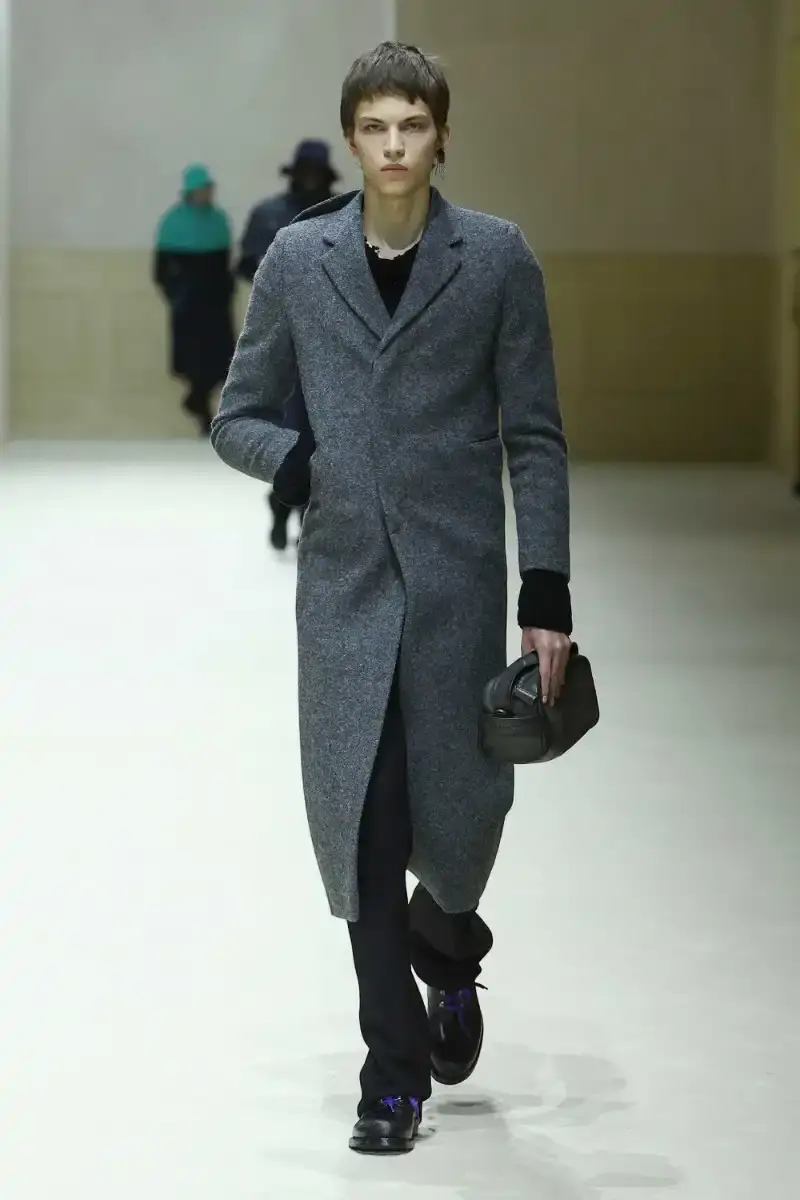
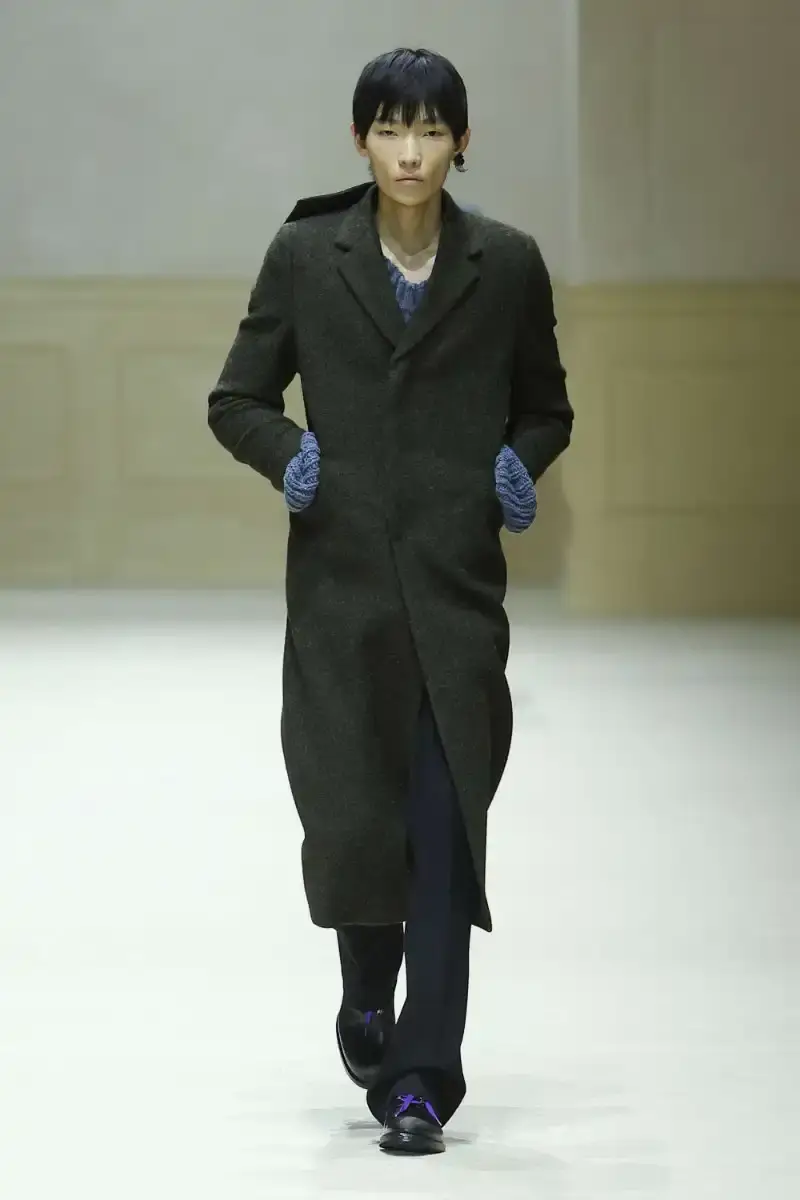
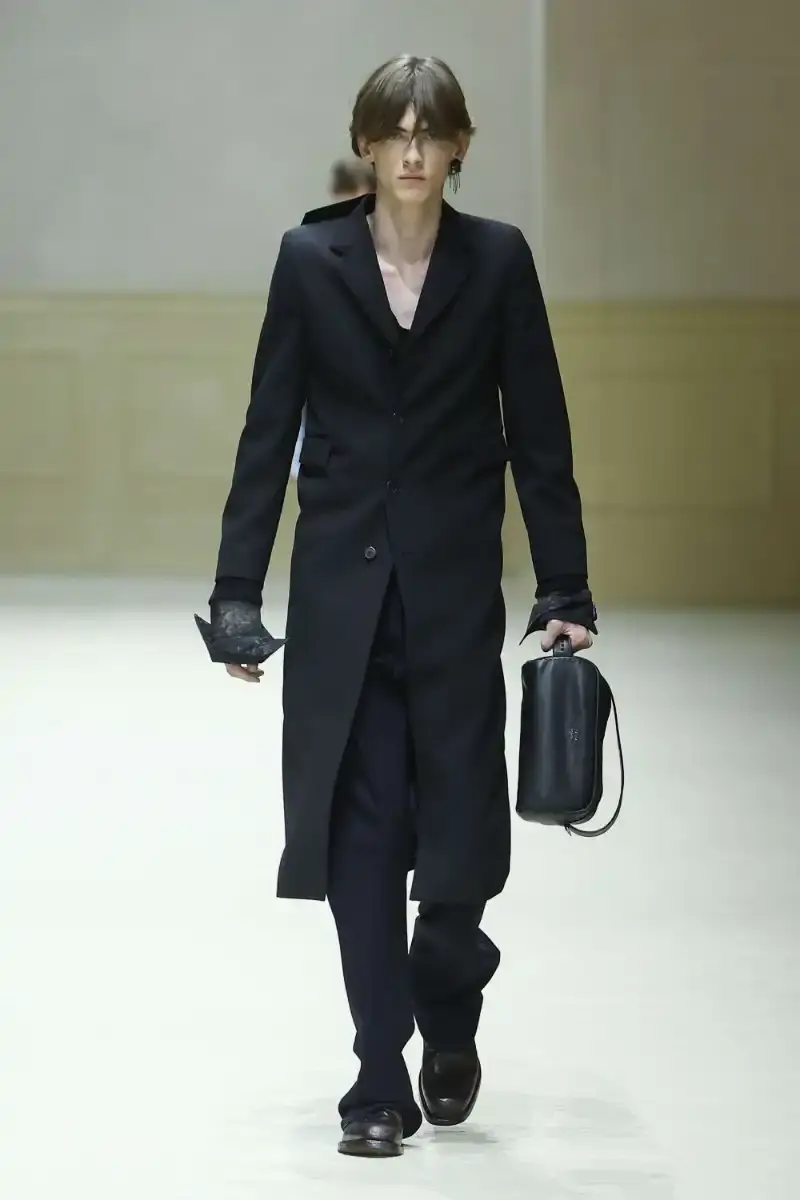
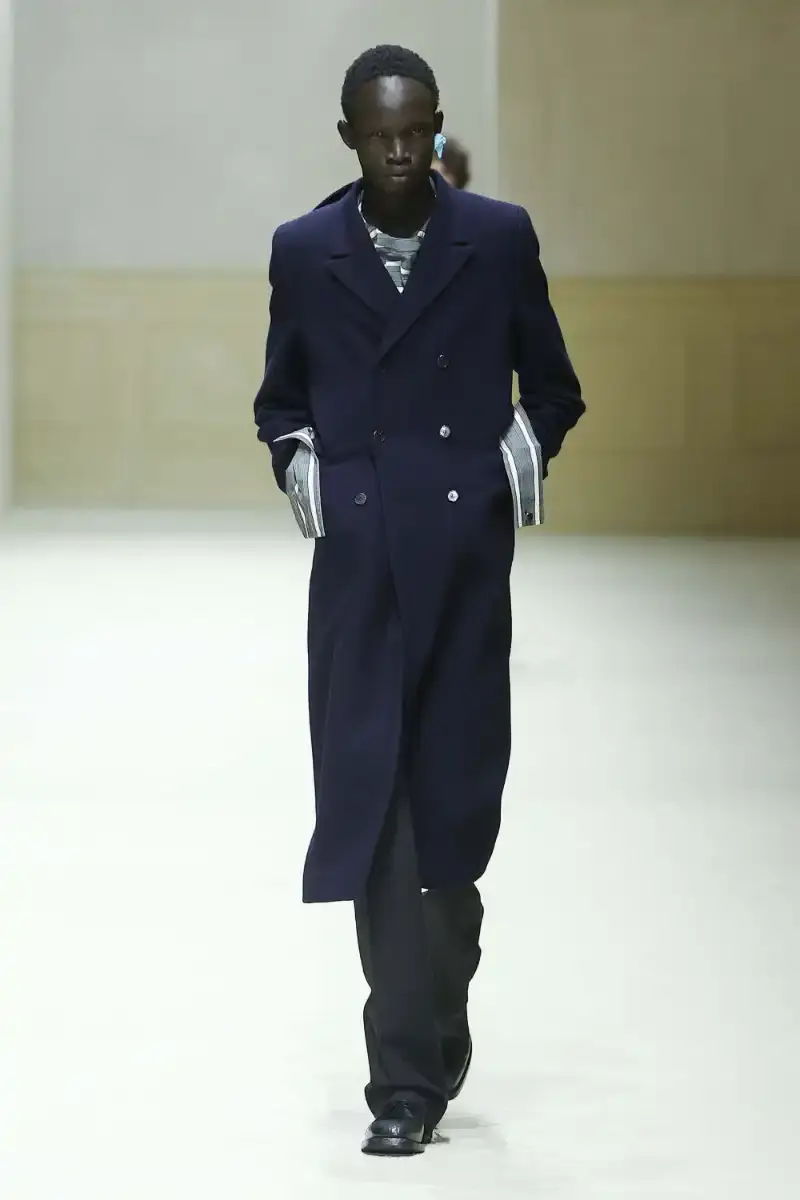
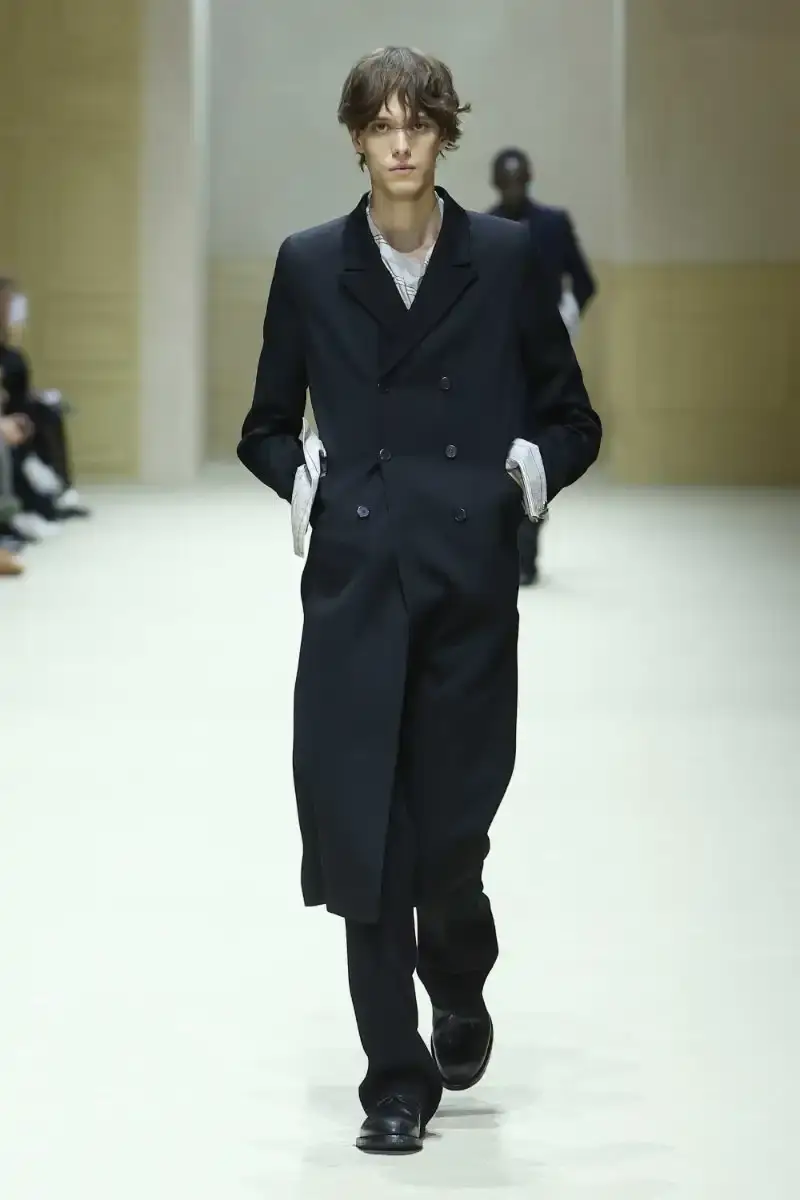
Coats served as a central element. While appearing traditional at first glance, these pieces contained specific design choices that distinguished them from standard outerwear. Pockets appeared at heights different from conventional placement. Backs were fully enclosed. The result was a garment that combined discipline with ease, suggesting both formality and comfort.
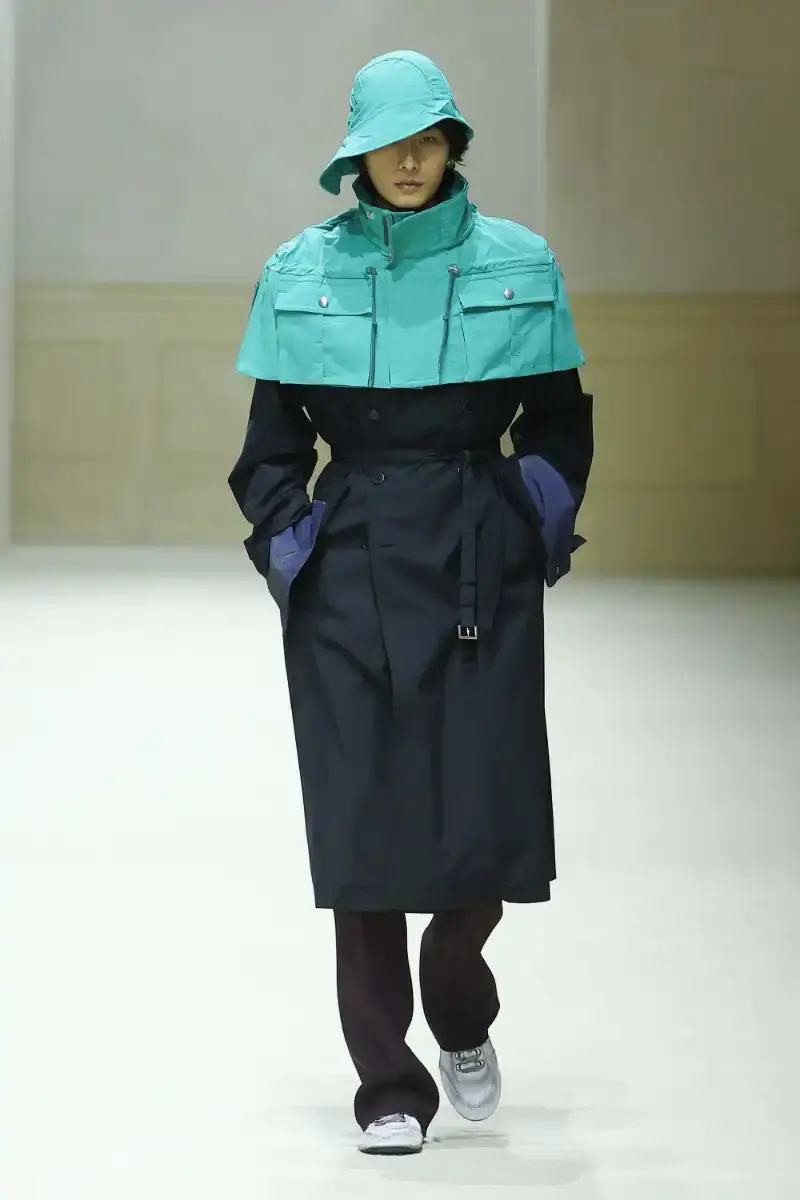
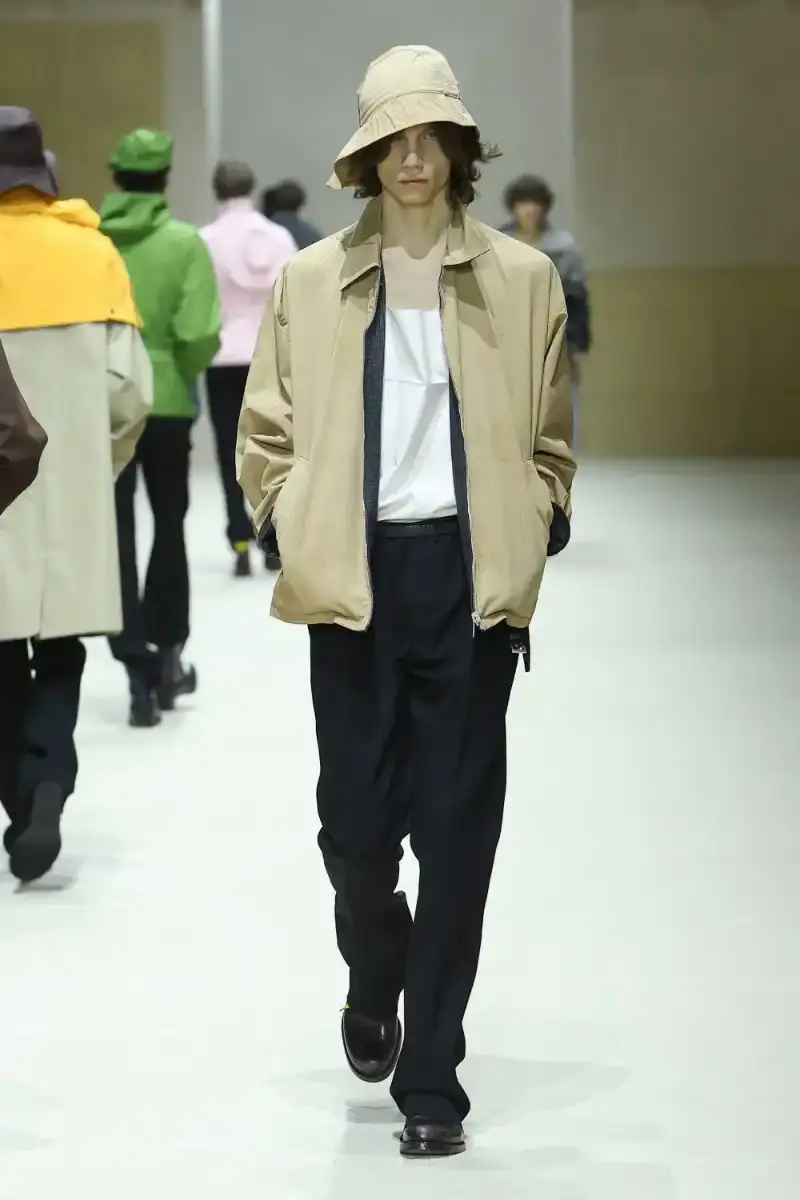
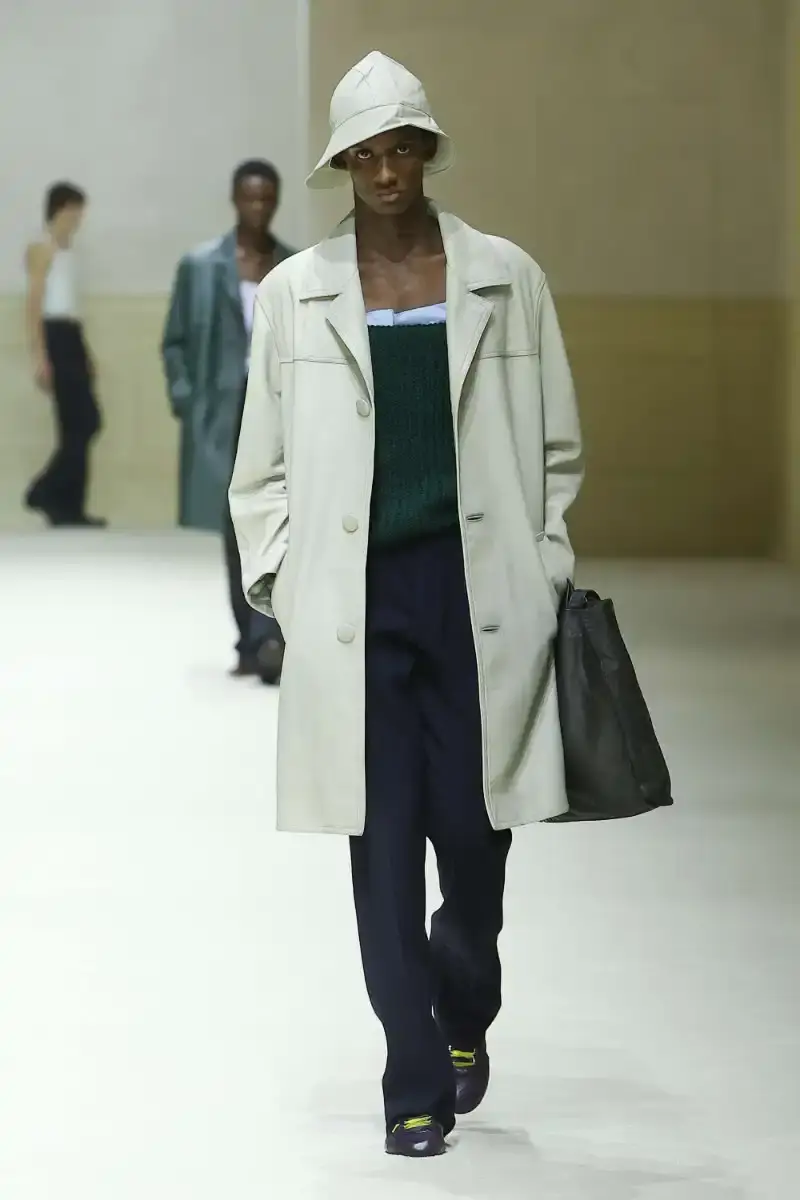
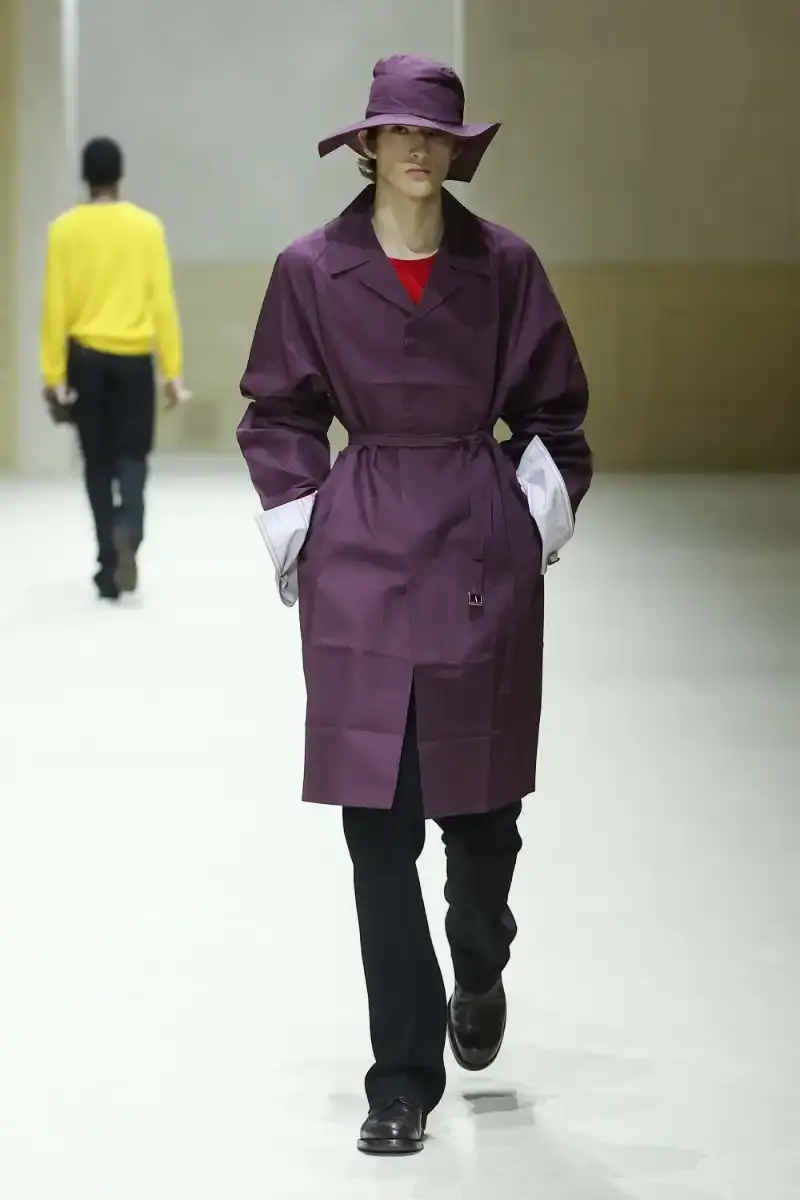
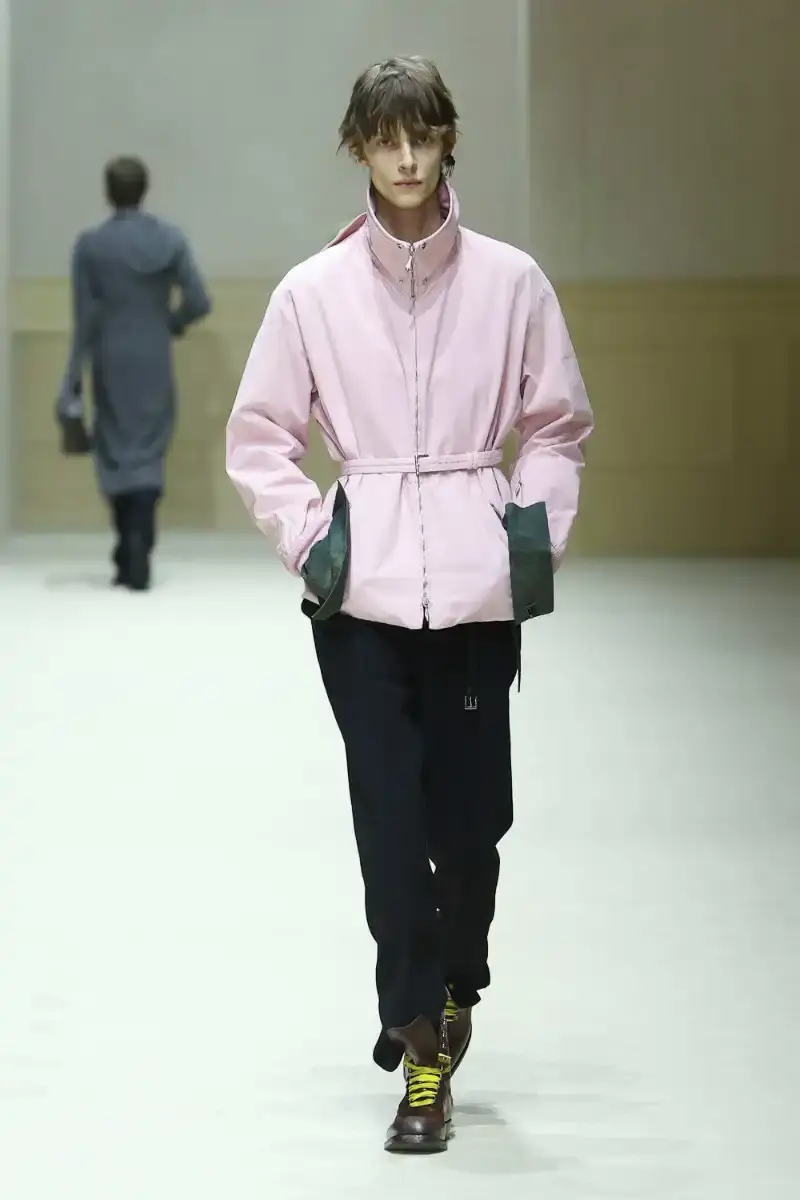
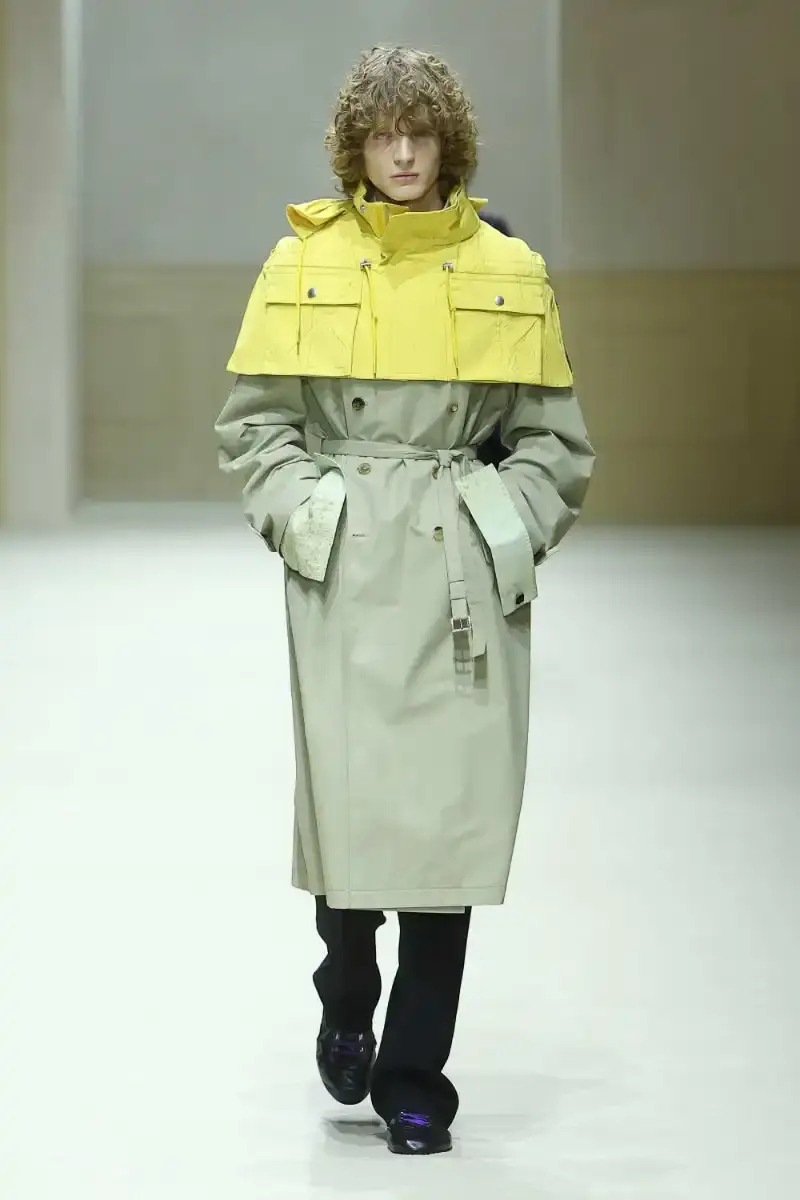
Neutral trenches received overlays and hoods in contrasting colors. This approach introduced visual interest while maintaining the collection's overall restraint. The color contrasts provided definition without disrupting the neutral foundation.
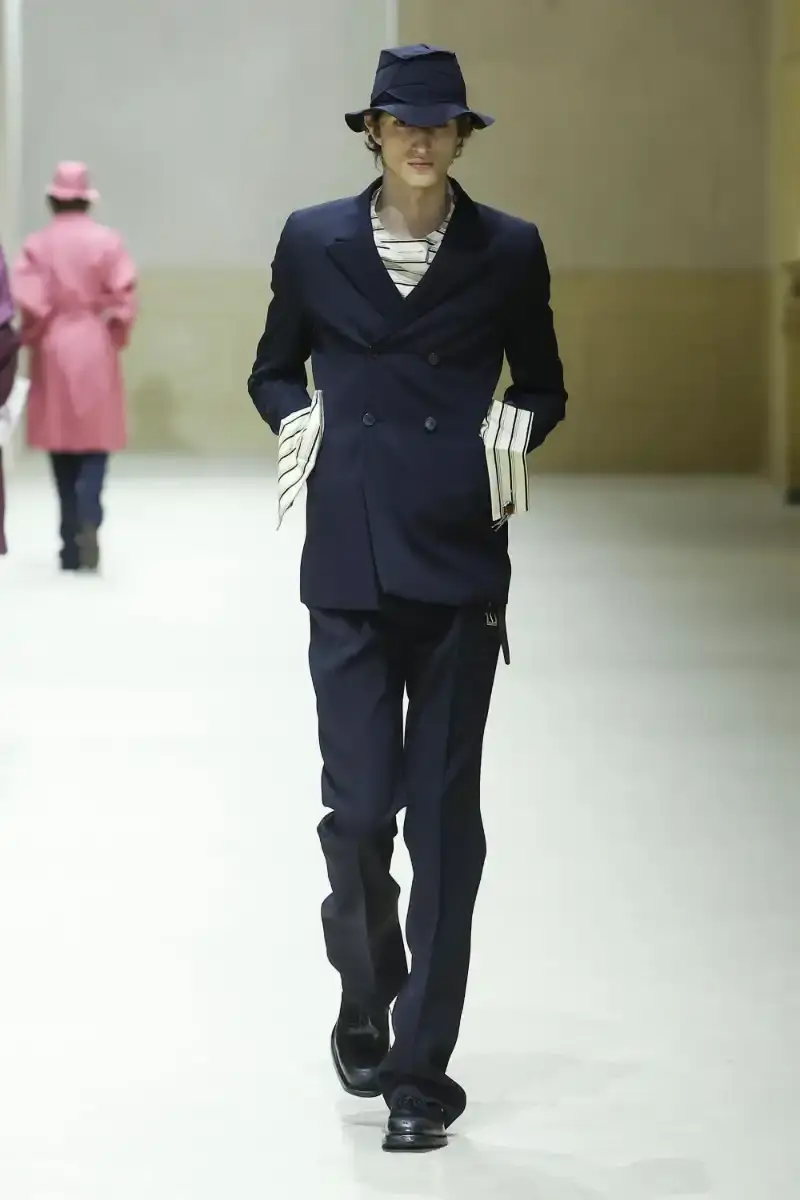
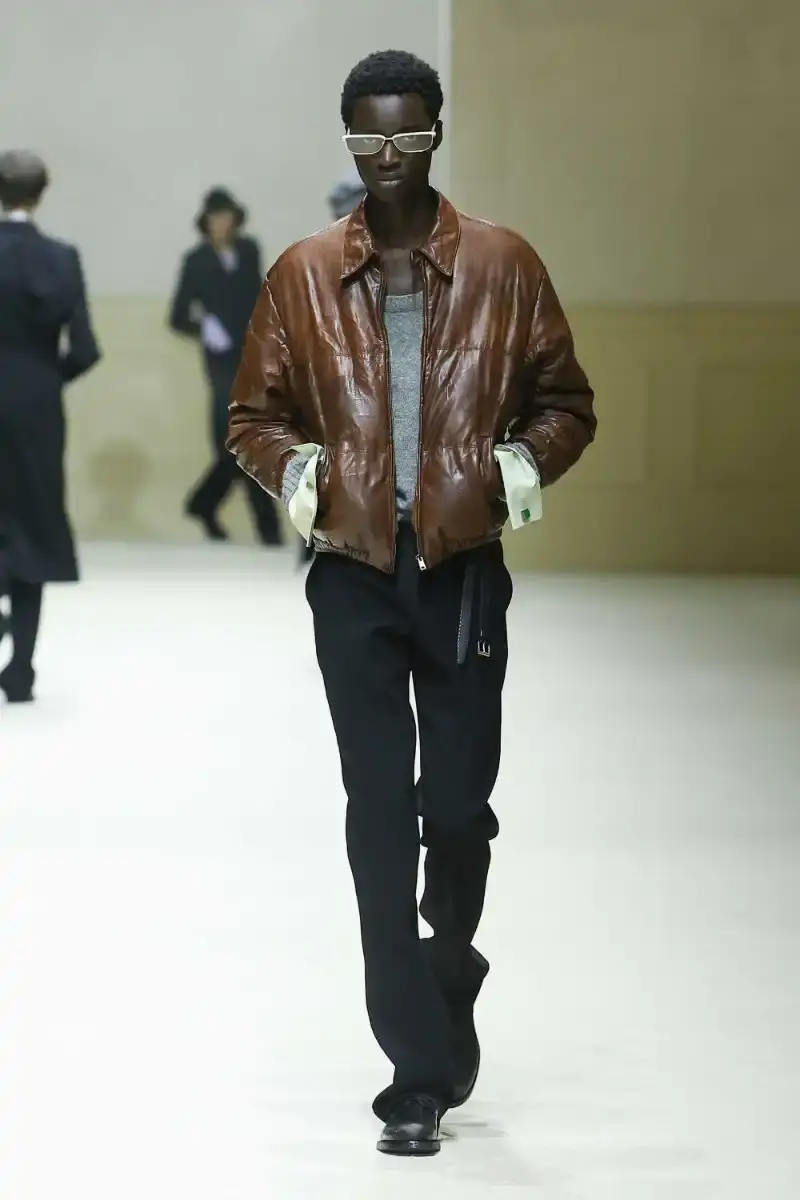
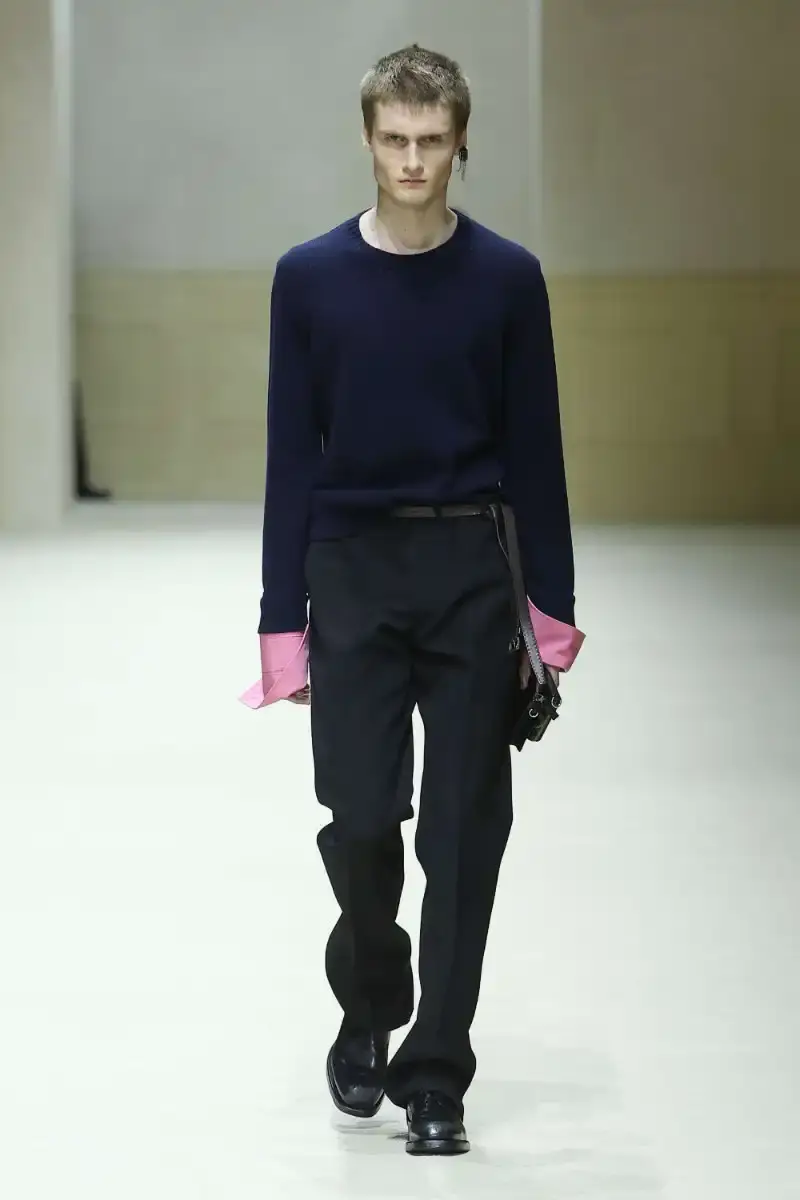
Cufflinks appeared as a detail throughout the collection. These elements were shown on shirt cuffs emerging from coat sleeves. The show invitation included paper cuffs, establishing this detail before the presentation. The cufflinks connected different aspects of the collection, linking formal elements with personal touches.
Knitwear pieces featured pronounced necklines. These garments addressed cold weather through their construction, offering coverage and warmth. The designers treated winter as a condition requiring specific responses in clothing design.
The accessories maintained consistency with the clothing. Aged leather bags in dark tones appeared in Buckle and Shoulder Mini styles. Footwear included trainers similar to the Collapse line, along with loafers and lace-up leather boots. These pieces supported the collection's focus on everyday wear.
The presentation at the Deposito of the Fondazione Prada used the location's architectural qualities. The space allowed for a specific type of viewing, where garments moved through an environment that referenced different historical periods.
The collection drew from multiple time periods. References to antiquity, Renaissance design, and modern forms appeared in the clothing. These influences were layered together, creating garments that contained multiple ideas within single pieces.
Miuccia Prada and Raf Simons approached this collection through continuity. The designs built on previous work from the house while introducing new elements. This method avoids complete reinvention, instead refining and adjusting existing principles.
The Fall/Winter 2026 menswear collection demonstrates Prada's focus on construction and detail. The designers addressed practical concerns of dressing for winter while maintaining attention to proportion, color, and form. Each garment contained specific choices about structure, finish, and presentation.
The collection offers clothing designed for extended use. Materials and construction suggest durability. The designs avoid trends that date quickly, instead focusing on elements that maintain relevance over time.
Prada's approach to menswear continues to emphasize thoughtful design over immediate impact. The Fall/Winter 2026 collection reflects this priority, presenting garments that reward closer examination and sustained attention.
Check out the best looks in the image gallery above.
Eric Grischott
Born in Groningen in 1991, Eric Grischott is a linguist with a deep-rooted passion for art, music, and fashion. His academic journey led him to graduate in languages, further enriching his linguistic prowess. His thirst for knowledge and cultural immersion took him abroad, where he gained invaluable experience and insights. Eric’s linguistic expertise is not confined to just theory. He has honed his skills in French and German through specialized DELF and DELE courses, demonstrating his commitment to mastering these languages. His passions extend beyond languages, encompassing the creative realms of art, the rhythmic world of music, and the dynamic sphere of fashion.
Share this article


