Summary:
- Prada returns to first place in the global fashion index with a fifty-five percent rise in online interest.
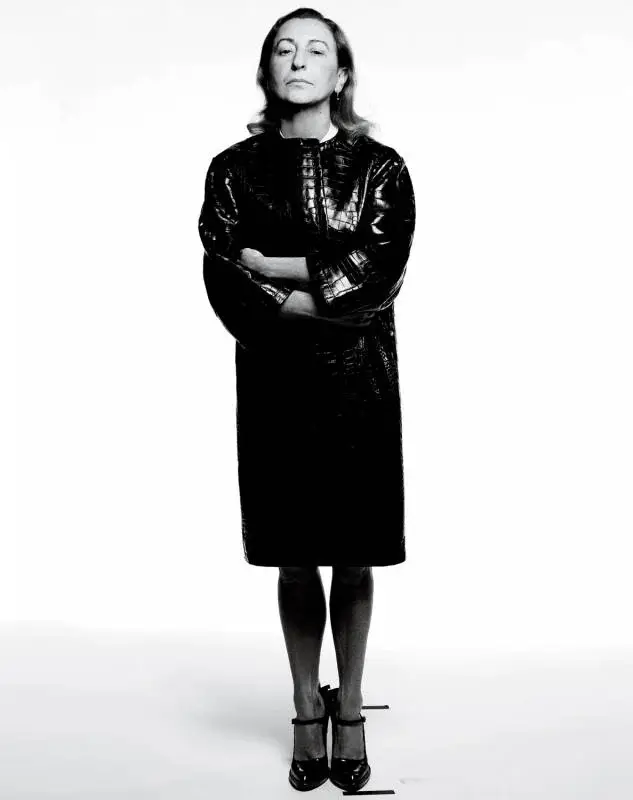
- Co-creative directors Miuccia Prada and Raf Simons steer consumer attention through seasonal runway designs and signature leather items.
- Independent labels like Khaite and Phoebe Philo share market visibility with heritage houses including Gucci, Saint Laurent, and Cartier.
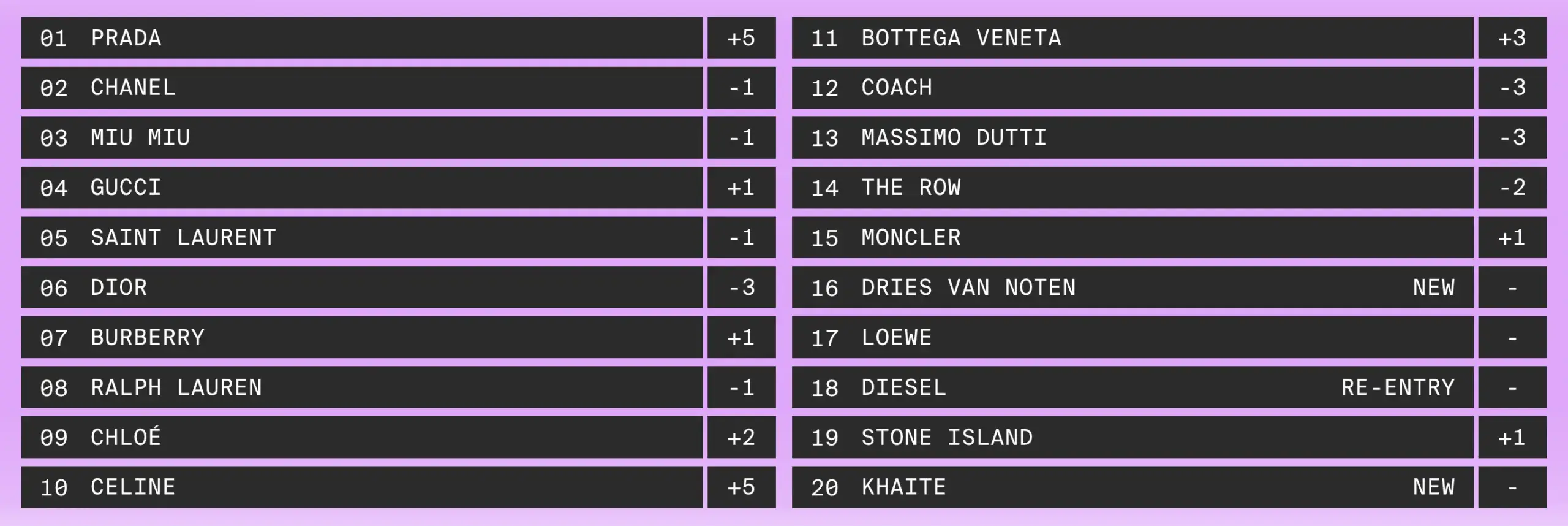
Digital consumer behavior reshaped global luxury rankings during the third quarter of 2026. Data from the Lyst quarterly index shows Prada climbing five positions to claim the top spot worldwide. Online searches for the Milanese fashion house increased by fifty-five percent. This shift placed Prada ahead of sister label Miu Miu, which previously held the lead position across multiple quarters. Both fashion houses belong to the Prada Group, demonstrating the parent company's firm grip on modern consumer interest.
Co-creative directors Miuccia Prada and Raf Simons drove this momentum through their Fall/Winter 2026 presentation. Their runway collection combined sharp tailoring with utilitarian nylon outerwear, tactile knitwear, and architectural coats. High-demand leather accessories, structured shoulder bags, and compact pouches expanded brand visibility across luxury retail channels. Direct customer interest focused heavily on functional everyday items. Shoppers looking for these runway designs frequently visit the official Prada boutique to secure seasonal pieces before regional allocations sell out.
When you evaluate the methodology behind these findings, you see how digital tracking reflects retail demand. The index calculates scores by combining social media engagement, direct search queries, page views, and commercial sales figures. More than two hundred million online shoppers generate this aggregated data each year. Luxury houses must maintain constant digital relevance to retain top placements. Seasonal runway moments convert directly into immediate consumer demand across e-commerce storefronts.
The fashion index highlights changes across the wider luxury sector. Gucci, Saint Laurent, Dior, Burberry, Ralph Lauren, and Chloé follow Prada in the primary ranking. Celine entered the top ten through strong interest in menswear collections, posting a sixty-two percent annual expansion in tailored suiting, leather jackets, and casual silhouettes. Established fashion houses continue to generate steady commercial volume, while sharp creative directions stimulate fresh customer interest across international markets. Buyers respond to clear brand codes.
When you analyze current shopping patterns, you notice consumer interest leaning toward distinct, recognizable items rather than generic wardrobe staples. Shoppers want identifiable luxury goods with strong design signatures. Independent designer Phoebe Philo placed her Peak sunglasses among the most viewed luxury items of the quarter. The frames sell for $450 (€420) and command long waiting lists on international retail sites. The Cartier Tank watch similarly attracted significant search volume across secondary luxury marketplaces, where entry models retail from $3,800 (€3,500). Both items succeed because they offer enduring value without relying on oversized logos.
You also observe mid-sized labels making substantial progress against long-standing fashion giants. Diesel and Dries Van Noten posted solid search metrics. New York label Khaite made a debut appearance at position twenty. Khaite founder Catherine Holstein built substantial customer loyalty through structured knitwear, understated leather bags, and sculptural outerwear. The brand attracts consumers who prefer subdued luxury over loud promotional marketing. Your styling choices mirror this demand for durable wardrobe foundations over temporary fads.
Trade bodies like the Council of Fashion Designers of America track how digital engagement alters physical retail foot traffic in major fashion capitals. Viral discussions, runway livestreams, and street-style photography create immediate search surges. When you track these quarterly reports, you gain a clear view of commercial momentum. Modern luxury consumers balance established heritage names with emerging designer labels across their personal wardrobes, proving agility matters as much as heritage.
Kristin Kaye
Insatiably curious about human expression, she immerses herself in literature, theater, art, and dance. Her academic journey led to degrees in Modern Literature, where she delved into The Furioso, and Historical Sciences with a focus on Contemporary History. Her studies took her to the prestigious Erasmus University Rotterdam, broadening her international perspective.
Her passion for culture isn't confined to personal enjoyment—it spills onto the pages of various publications. There, she explores not only artistic endeavors but also civil rights issues and the myriad ways human culture manifests itself. For her, writing about these topics isn't just a profession; it's an irresistible calling that stems from her deep-seated fascination with the human experience.
Share this article
RELATED

SCHIAPARELLI OPENS HALLEROED SALON AT HANKYU OSAKA

ATMOS AND ON RELEASE CLOUDMONSTER 1 WATERPROOF PACK

LULULEMON OUTERWEAR COLLECTION LAUNCHES ON ZALANDO

PALACE AND NIKE DELIVER MANOR PLACE FC FOOTBALL RANGE

PRADA HOLIDAY 2026 CAMPAIGN BLENDS HAND ANIMATION AND FILM
