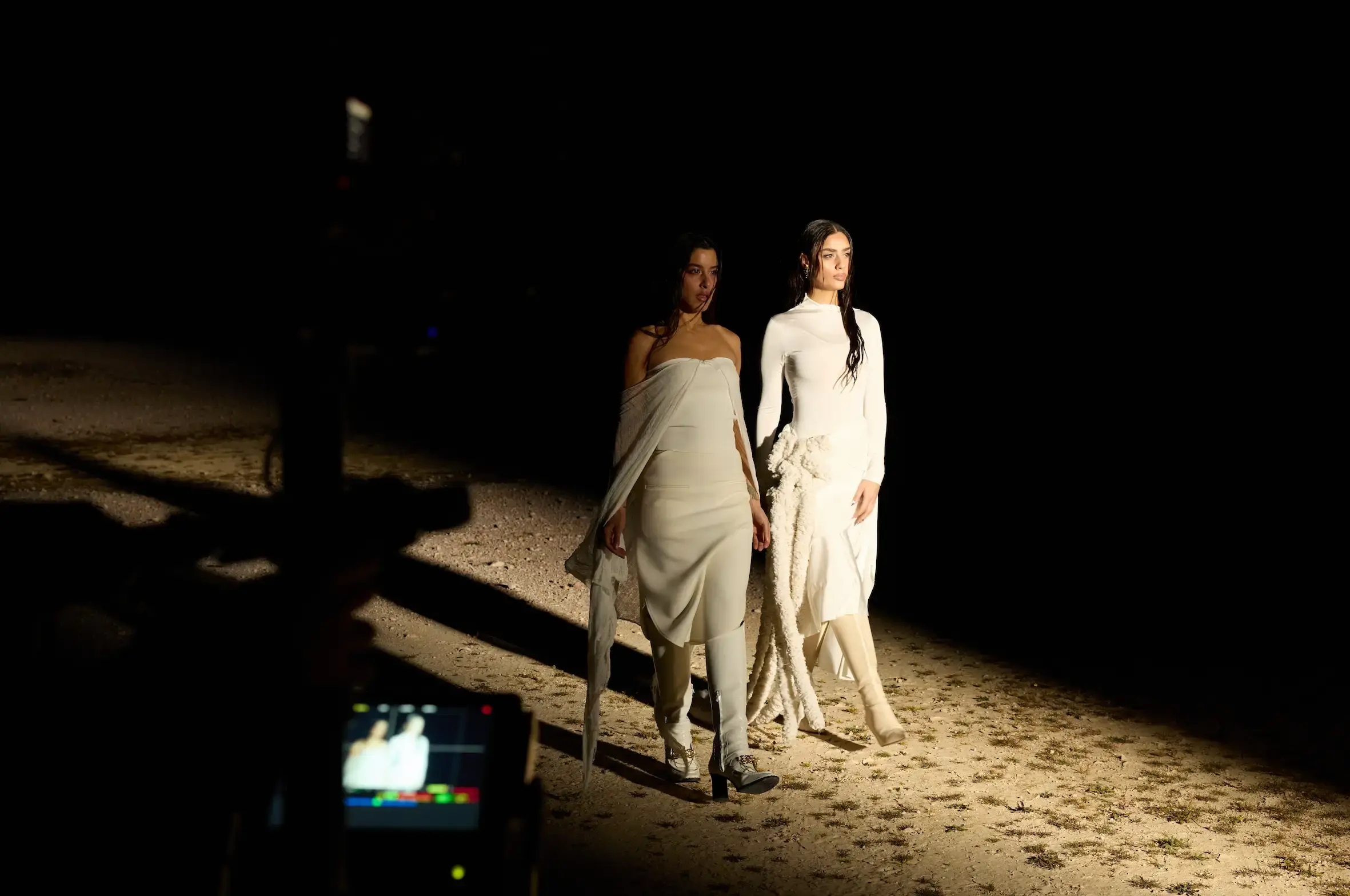
Zeyne is a Palestinian-Jordanian singer whose work connects Arabic music with R&B and alternative pop. She grew up around Palestinian folklore and dabkeh, and those references still shape the way she writes and performs.
She will be in Milan on September 14 at Santeria Toscana 31. The show follows the release of A’ti, her single with Marina Satti, and comes after AWDA, a project that marked a clearer direction in her recent work.
In this interview, she talks about her early relationship with music, how her songs begin, the visual side of her releases and the creative phase she feels she is entering now.
For people discovering your music for the first time through this interview, how would you describe your path into music and the person you were before becoming “Zeyne”?
I honestly can’t remember a version of myself that wasn’t around music. I grew up in a very musical household, with my mum singing, my teta singing, and music always playing in the background. My dad used to bring back CDs when he travelled, so music was always part of the atmosphere at home.
When I was around nine, I asked my mum to let me take singing lessons, and that’s when I started training more seriously, even opera at one point. I also grew up around Palestinian folklore and dabkeh, so those sounds were very present from early on. They shaped my ear before I even understood how much they would influence me later.
Before “Zeyne” became an artist name or a project, I was just someone who loved singing and needed to express things through music. I think the artist came from that same place, but with more clarity and intention over time.
What usually starts a song for you? Is it more often a lyric, a melody, or a feeling you can’t quite shake off?
It changes every time, but usually it starts with a feeling I can’t shake off. Sometimes it’s a sentence that keeps repeating in my head, sometimes it’s a melody, and sometimes it’s just something that I don’t know how to explain yet.
I don’t usually sit down thinking, “I need to write a song about this specific thing.” It’s more instinctive than that. Something will stay with me for a while, and eventually I’ll try to give it structure. The lyric or melody comes after, but the feeling is usually what pulls me in first.
What I’ve learned is not to rush that part. Sometimes the idea needs to sit for a bit before I know what it’s trying to say. Once I understand the feeling behind it, the rest starts to make more sense.
Was there a specific moment when you realised music could become something bigger than just a personal outlet for you?
I think Bali was a big moment in realising that. Before that, music was very personal to me, like a tool I used to process my own thoughts and emotions. When I released that song and saw people connect to it in such a vulnerable way, it shifted something.
I remember being surprised that something that felt so specific to me could mean something to people I had never met. It made me realise that music can start from a very personal place but still travel so much further than you expect.
That was probably the moment when I began to understand that this was so much more than just an outlet. It’s a way of connecting with people, telling stories, and building something bigger than myself.
Growing up, what kind of music were you most drawn to, and do you think those influences still show up in your work today?
Growing up, I was surrounded by a lot of Arabic music, Palestinian folklore, and the songs I heard through family, gatherings, and dabkeh. Those sounds were part of my childhood, so I don’t think they ever really left me. They still show up in the way I hear melodies, rhythm, and emotion.
Later on, I became very drawn to R&B, alternative sounds, and artists who played with mood, storytelling, and lyricism in different ways. I loved music that felt emotional but not obvious, with just enough room to make your own interpretation. I think all of those influences still show up in my work today, but not in a way that’s calculated. It’s just because the music I grew up with and the music I discovered later are both part of how I hear and make things now.
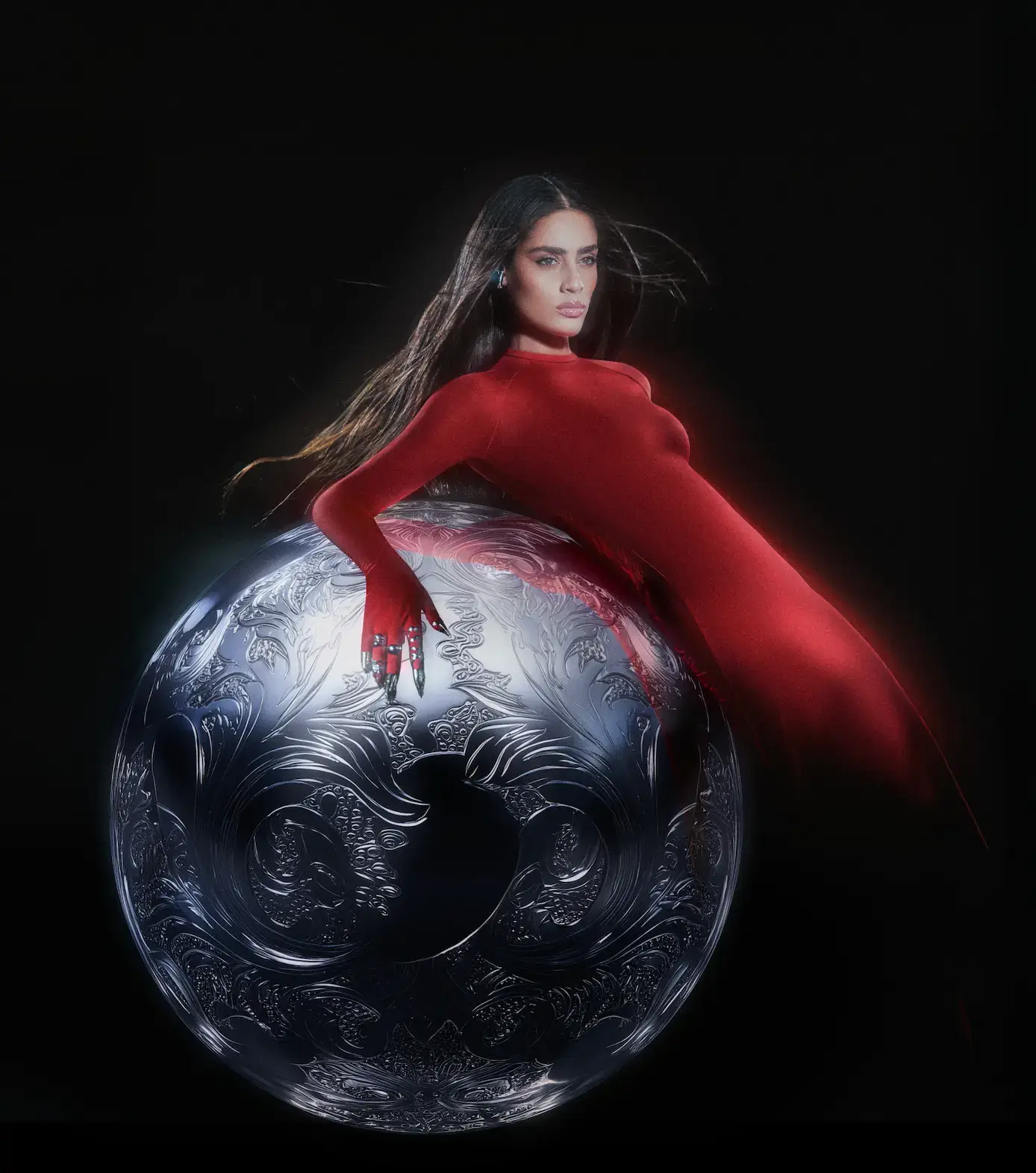
The visual side of your work is always very distinctive. How important is imagery and aesthetics when you’re shaping a release?
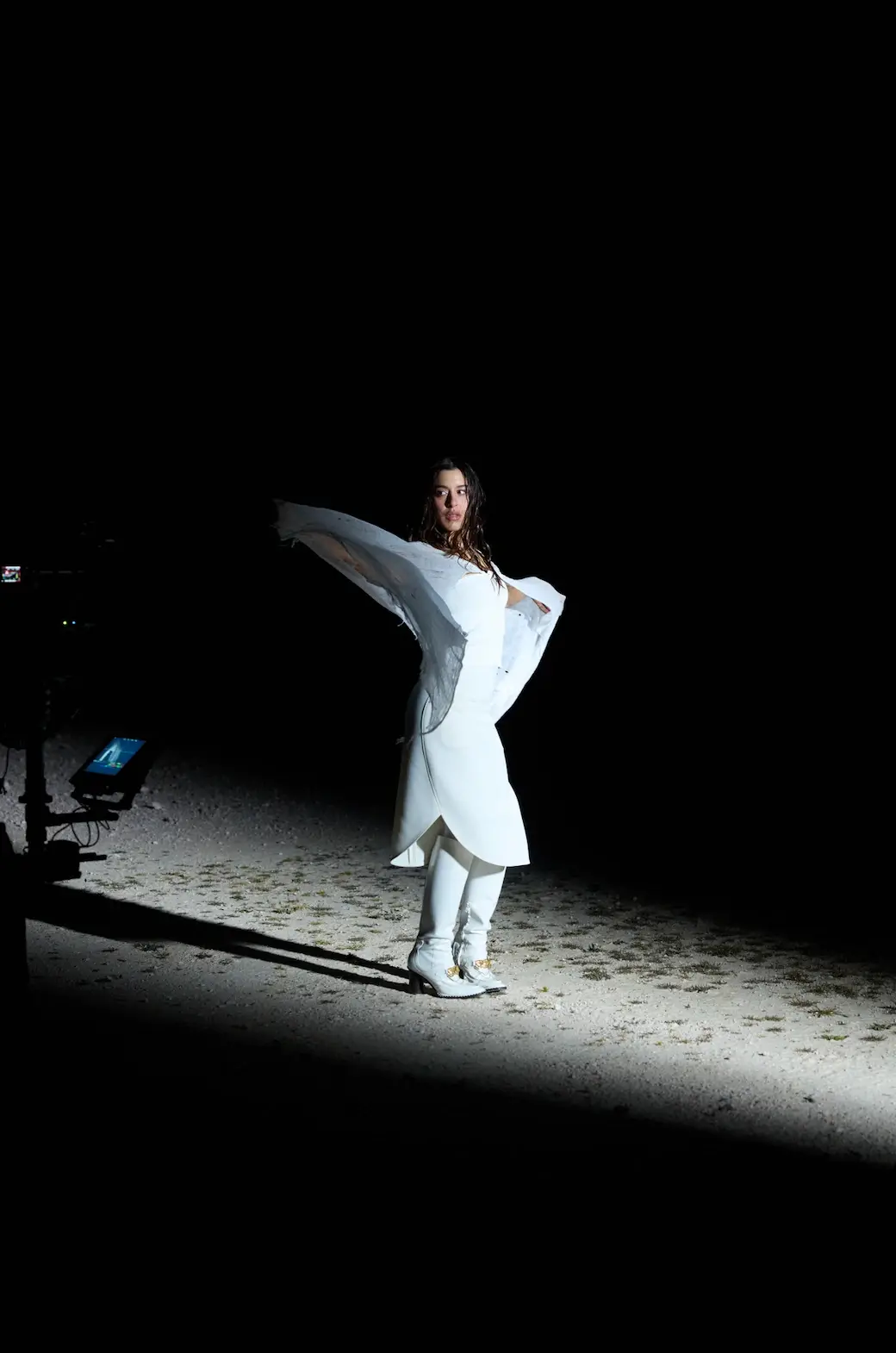
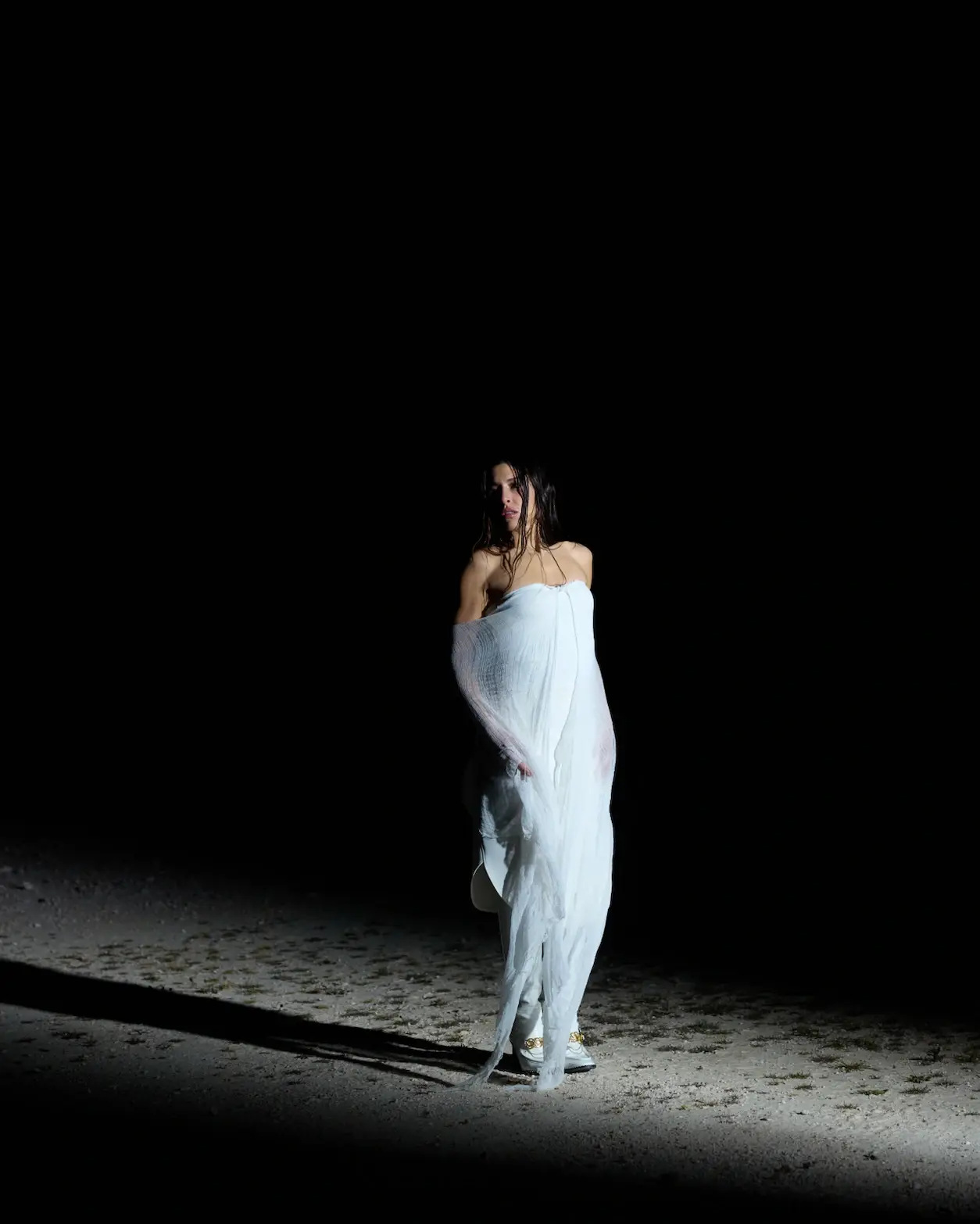
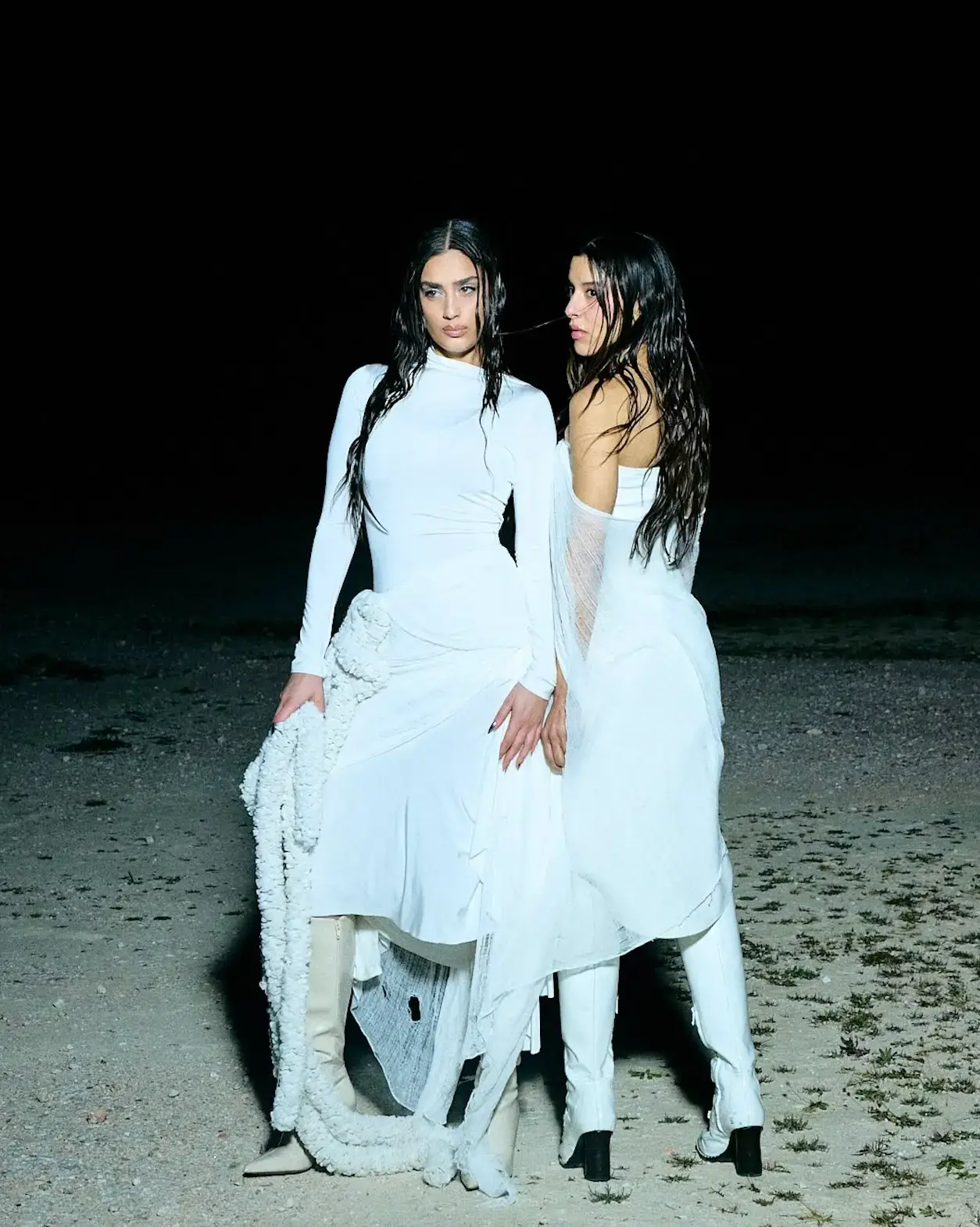
The visual side is really important to me. I don’t see it as something separate from the music. When I’m working on a song or a project, I usually start seeing colours, textures, movement, and images in my head quite early on. It’s all part of the same world.
I care a lot about how the sound, the visuals, and the story connect. A music video or visual shouldn’t feel like decoration to me. It should help people understand the feeling of the song in a different way, even if it doesn’t explain it literally.
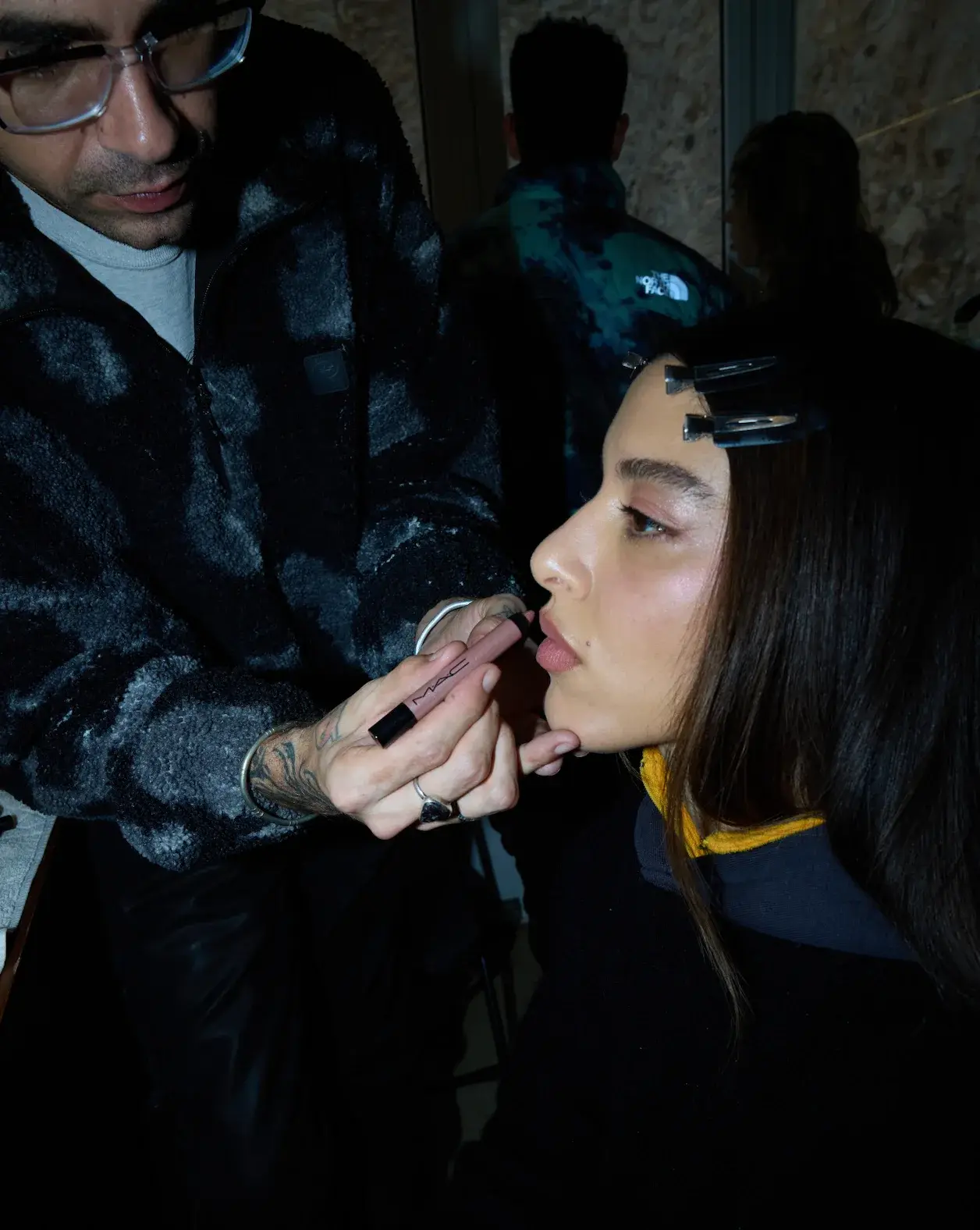
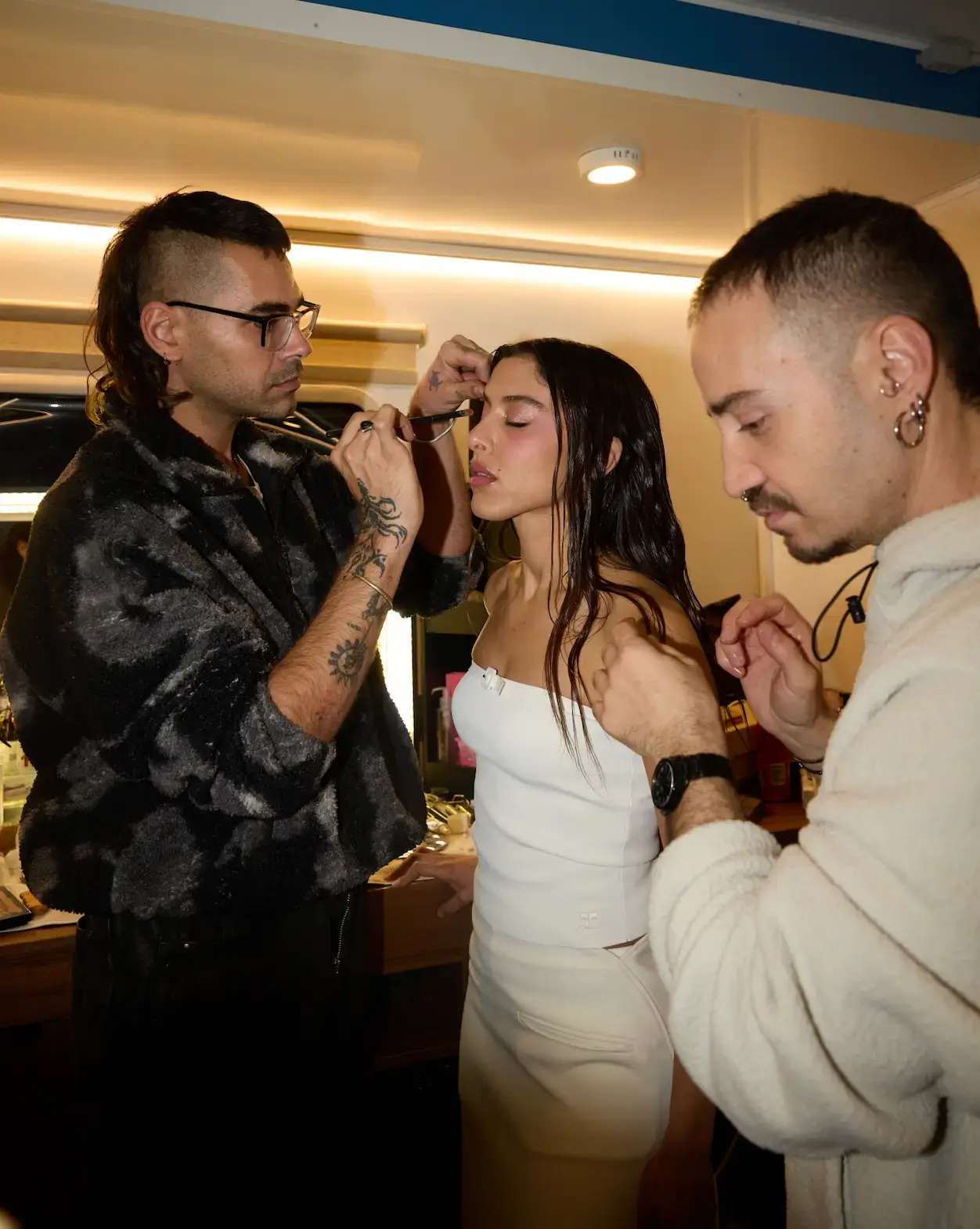
I’m also very involved in that process, but it’s definitely collaborative. I’m lucky to work with a team that understands the world I’m trying to build, especially Farah Hourani, my creative director. We spend a lot of time talking about references, mood, symbolism, styling, and how to translate the emotion of the music into something visual. When all of that comes together, it makes the release feel complete.
You’ll finally be performing in Milan on September 14. Are you excited about it? And how does it feel knowing your music is reaching people in places so far from where your story began?
I’m really excited. I was actually in Milan recently and I loved it, so knowing I’ll be back there to perform makes it feel even more special. There’s something about it that felt really warm and alive to me, so I’m looking forward to experiencing it again through music this time.
Performing in Milan also feels special because it’s always a beautiful feeling to see the music reach people in places so far from where the songs began. When you write something in such a personal setting, you don’t always imagine it travelling that far.
What I love about performing live is seeing how people receive the songs in real time. Some people know every word, some don’t speak Arabic at all, but they still feel something. That always reminds me that music can communicate in ways that don’t always need translation. I’m really looking forward to meeting the people who have connected with the music from there and sharing that moment with them.
Your new single “A’ti” with Marina Satti brings together different languages and musical backgrounds in a really natural way. What made this collaboration feel right to you?
I had already been drawn to Marina’s work before she reached out. Her visuals and overall world feel bold, different, and still vulnerable, which I connected to instantly. So when the opportunity came up, it felt very aligned from the start.
The process itself felt really fluid. We explored different sounds and ideas before landing on something that felt right for both of us. I think that freedom helped the song become what it needed to be, without either of us forcing it in one direction.
What made it feel special was that our backgrounds and musical instincts are different, but they met in a really natural way. The song brings together different languages and textures, but it doesn’t feel like they’re competing. It feels like they’re speaking to each other.
Looking at this new release and the music you’ve been putting out recently, do you feel like you’re entering a different phase creatively?
Yes, definitely. I feel like I’m entering a phase where I’m more sure of what I want to make, but still curious enough to keep experimenting. That balance is super important to me.
With everything I’ve released recently, especially after AWDA, I feel like I understand my sound more clearly. I know what feels true to me, but I also don’t want to stay in one place just because it feels familiar. I want to keep pushing the music, visually and sonically, while staying connected to who I am.
This new phase feels more confident. Not in the sense that I have everything figured out, but because I’m trusting myself and the process more. I’m excited to keep building from that place.
Lorenzo de' Nobili
Music Editor
Lorenzo de’ Nobili is a sound designer and composer driven by a deep passion for urban culture and its evolving aesthetics. His work explores the intersection of music, fashion and sport, blending contemporary sounds with strong visual identities. Alongside his research in urban culture, he collaborates with contemporary dance artists, creating immersive sonic experiences that connect movement, space and emotion.
@sereno________________________Share this article
RELATED

OASIS ANNOUNCE TWO ROME CONCERTS FOR 2027

VOODOO VILLAGE: ARTISTS ON WELLNESS


