Summary:
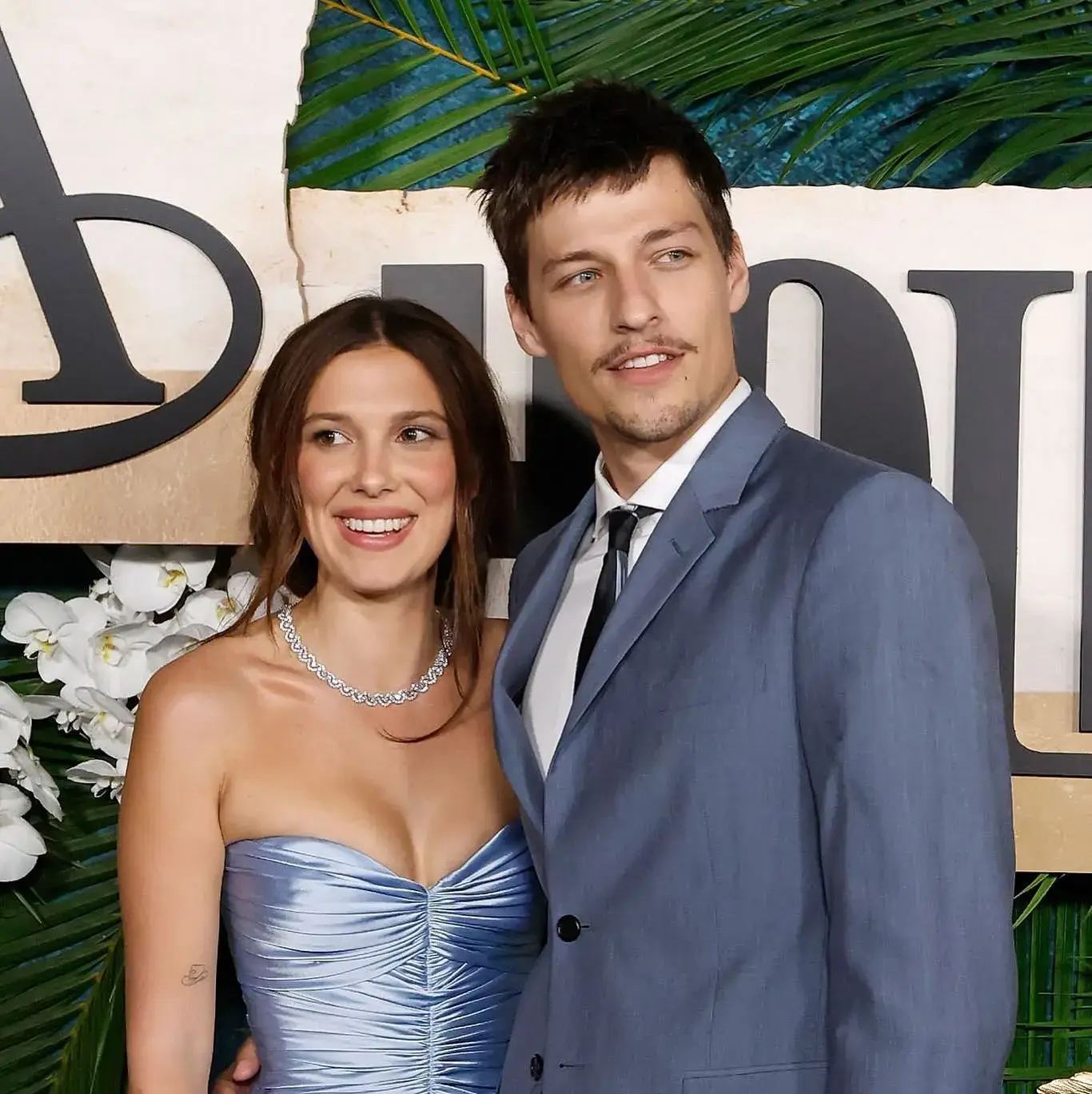
- Millie Bobby Brown and Jake Bongiovi welcomed two children through adoption, drawing public commentary regarding their age.
- Cultural bias treats adoption as a backup plan rather than an equal choice for building your family.
- Legal adoption timelines remain lengthy across both American and international systems.
Millie Bobby Brown and Jake Bongiovi expanded their household through adoption, yet the development ignited an intense online reaction. When you observe digital commentary, you notice immediate pushback against their decision to build a family at age twenty-two and twenty-four. On screen, Jim Hopper shielded Eleven and “becomes her father”, introducing audiences to chosen family bonds. In reality, portraying this dynamic did not protect Brown from hostility. Online commentators posted sharp questions: “They are so young, why not have their own?” Others asked: “Do they have health problems?” Some users questioned: “Did they buy them to choose them?” These reactions reflect an entrenched societal assumption: biological reproduction remains the default choice, while adoption serves as a backup plan.
The couple welcomed a daughter in 2025 and introduced their second child in September. Brown shared a photograph showing entwined fingers, a ring stamped “Mum”, and a small newborn hand, accompanied by the caption: “Hi little guy!” Due to harsh scrutiny, Brown limited public comments on her accounts. Users outside her profiles still questioned her choice, asking: “She is not fifty years old, why does she not give birth?”
You recognize a persistent cultural hierarchy valuing genetic lineage above alternative family paths. Society often describes adoption as a “last resort” or “plan B” because bionormativity positions blood relations as the standard. Academic research confirms this dynamic. The journal Adoption Quarterly documented demographic trends among women seeking to adopt in the United States, showing higher rates among women experiencing infertility and women in same-sex relationships compared to fertile heterosexual women. Further research in the publication highlighted the persistent stigma surrounding non-biological parenting.
Brown addressed this stigma directly. Speaking on the podcast Not Gonna Lie with Kylie Kelce, she shared an early childhood ambition to adopt, recalling how she played with dolls and pictured them as adopted children. She challenged the online “mom-shaming” directed at her family. During an appearance on the podcast On Purpose, she recalled a conversation with another mother who explained two paths to parenthood: one through the belly and one through the heart. Brown remarked: “My girl was through my heart.” She described receiving the official placement notification: “A surreal feeling, at the time we knew we found each other. Like: “Oh My God, this is our baby girl, one hundred percent, without any doubt””.
When you evaluate the legal realities of adoption, you encounter massive administrative hurdles. On their farm in Georgia, Brown and Bongiovi proceed through a state legal structure requiring home assessments, attorney reviews, and judicial approvals. For comprehensive regulatory guidance on American procedures, you find official standards on the Child Welfare Information Gateway portal. For international family placements, you consult resources like the Bureau of Consular Affairs website. Outside America, data shows prospective parents waiting an average of fifty months to complete an international placement, while domestic proceedings face comparable delays. When you examine these bureaucratic barriers alongside lingering social judgment, you understand why choosing non-biological parenthood faces persistent resistance worldwide.
Kristin Kaye
Insatiably curious about human expression, she immerses herself in literature, theater, art, and dance. Her academic journey led to degrees in Modern Literature, where she delved into The Furioso, and Historical Sciences with a focus on Contemporary History. Her studies took her to the prestigious Erasmus University Rotterdam, broadening her international perspective.
Her passion for culture isn't confined to personal enjoyment—it spills onto the pages of various publications. There, she explores not only artistic endeavors but also civil rights issues and the myriad ways human culture manifests itself. For her, writing about these topics isn't just a profession; it's an irresistible calling that stems from her deep-seated fascination with the human experience.
Share this article


