From a fishing village to a masterpiece of architecture and art: the story of Naoshima through the radical vision of Tadao Ando. A journey to the edge of the Japanese avant-garde.
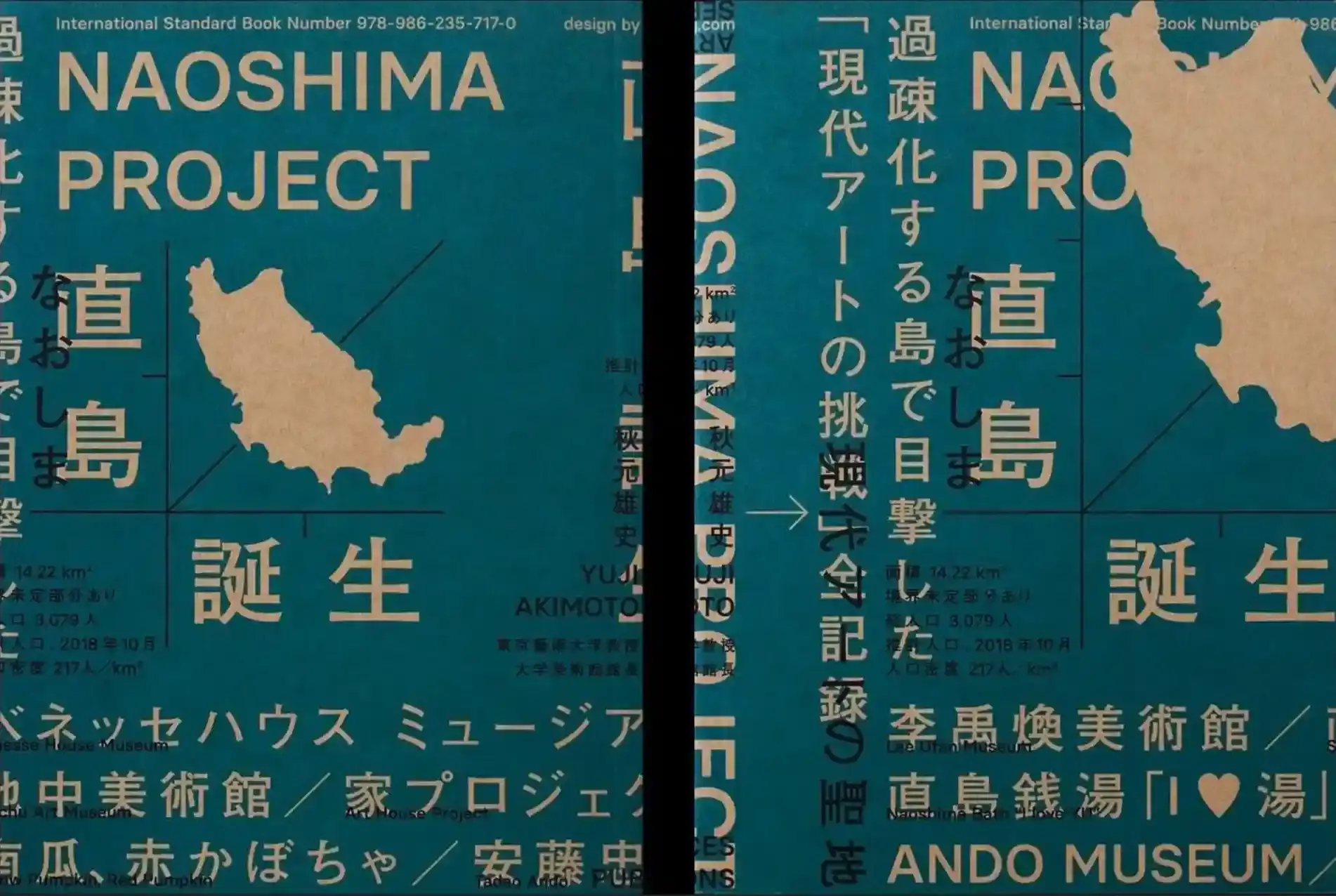
Before it became synonymous with art and architecture, Naoshima, a small island in Japan's Seto Inland Sea, was a place of simple gestures: nets cast into the sea at dawn and cultivated fields. That balance was broken in 1917, when Mitsubishi identified the island, thanks to its shape and strategic position, as the ideal site for a copper smelter and refinery. From then on, the landscape changed. Industrial fumes and slag began to damage forests and farmland, leaving scars that remained visible for decades.
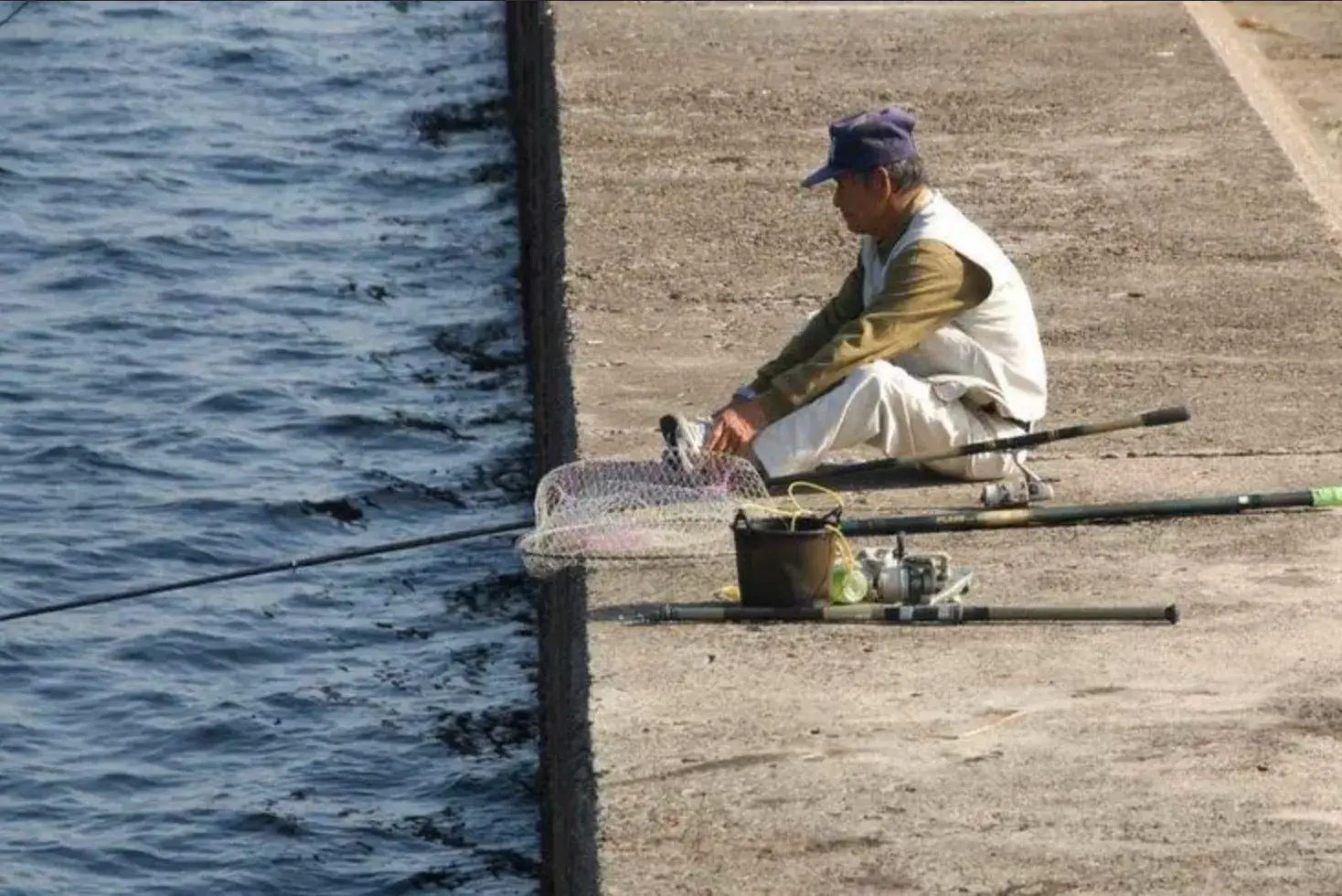
Today, Naoshima's story is considered one of the most extraordinary examples of regional regeneration in the world. The credit goes mainly to two figures. The first is Soichiro Fukutake, a Japanese entrepreneur and publisher, heir to the Benesse Holdings group, who from the 1980s decided to invest his fortune in an ambitious and visionary project: turning the island into a place where art, nature and architecture could coexist in harmony. The second is Tadao Ando, one of the most influential contemporary architects, famous for a language made of exposed concrete, pure geometry and an almost spiritual relationship with natural light. Naoshima as we know it was born from their meeting: Fukutake's entrepreneurial vision and Ando's architectural genius.
It all began with Tetsuhiko Fukutake, the company's founder, who imagined a place that would bring together young people from around the world, offering them space to study, grow and rediscover an authentic bond with nature. When his father passed away, Soichiro took the vision forward and made it even bolder. Invited to build the project in an unspoiled location, he chose the harder path: Naoshima, an island scarred by pollution, whose burden he knowingly took on. For the Fukutake family, turning their back on Naoshima's wound would have meant surrendering to the idea that progress and nature could no longer speak to each other. The real challenge was different: to prove that industry and culture could coexist, and that a devastated land could be reborn more beautiful and more meaningful than before.
"Art is my weapon… contemporary art, more than any philosophy, literature, or other form of art, has the greatest power to energize local people and deliver messages to the world." — Soichiro Fukutake
In 1989 this vision found its first concrete expression: on Tsutsujiso beach, the Naoshima International Camp, designed by Tadao Ando, opened. Its minimalist structures, inspired by Mongolian yurts, blend naturally into the landscape between sea and nature. The aim was not only hospitality but education: to give young people an experience far from urban chaos, where they could reflect on the future of the planet and the role of contemporary art. The success of this first experiment pushed Fukutake and Ando to think bigger, laying the foundations for the Benesse Art Site Naoshima, the permanent complex that would unite museums, signature architecture and unspoiled nature.
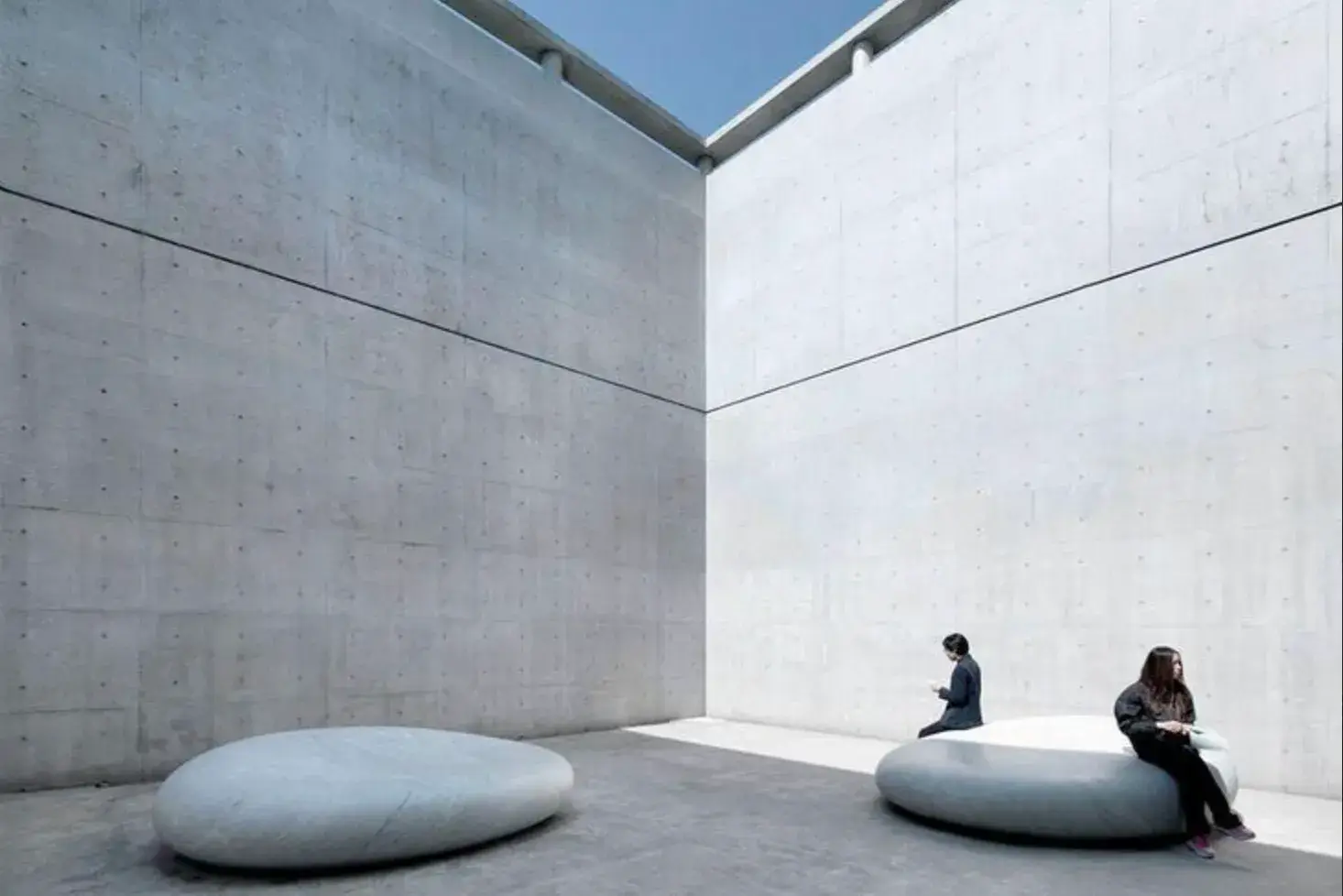
More than building, Ando left his mark on Naoshima, letting each structure grow in symbiosis with its surroundings until the island itself became a diffuse work of art, with no clear boundaries between inside and outside. His architecture is unmistakable: structures that are often underground, dug into the earth rather than raised toward the sky, made of exposed reinforced concrete and marked by pure, essential geometry. This approach lets buildings disappear into the landscape instead of dominating it, creating suspended, almost sacred spaces where visitors are invited to silence and contemplation.
In Naoshima's rebirth, Tadao Ando left his mark through three fundamental stages, landmarks that still define the island's artistic and architectural identity.
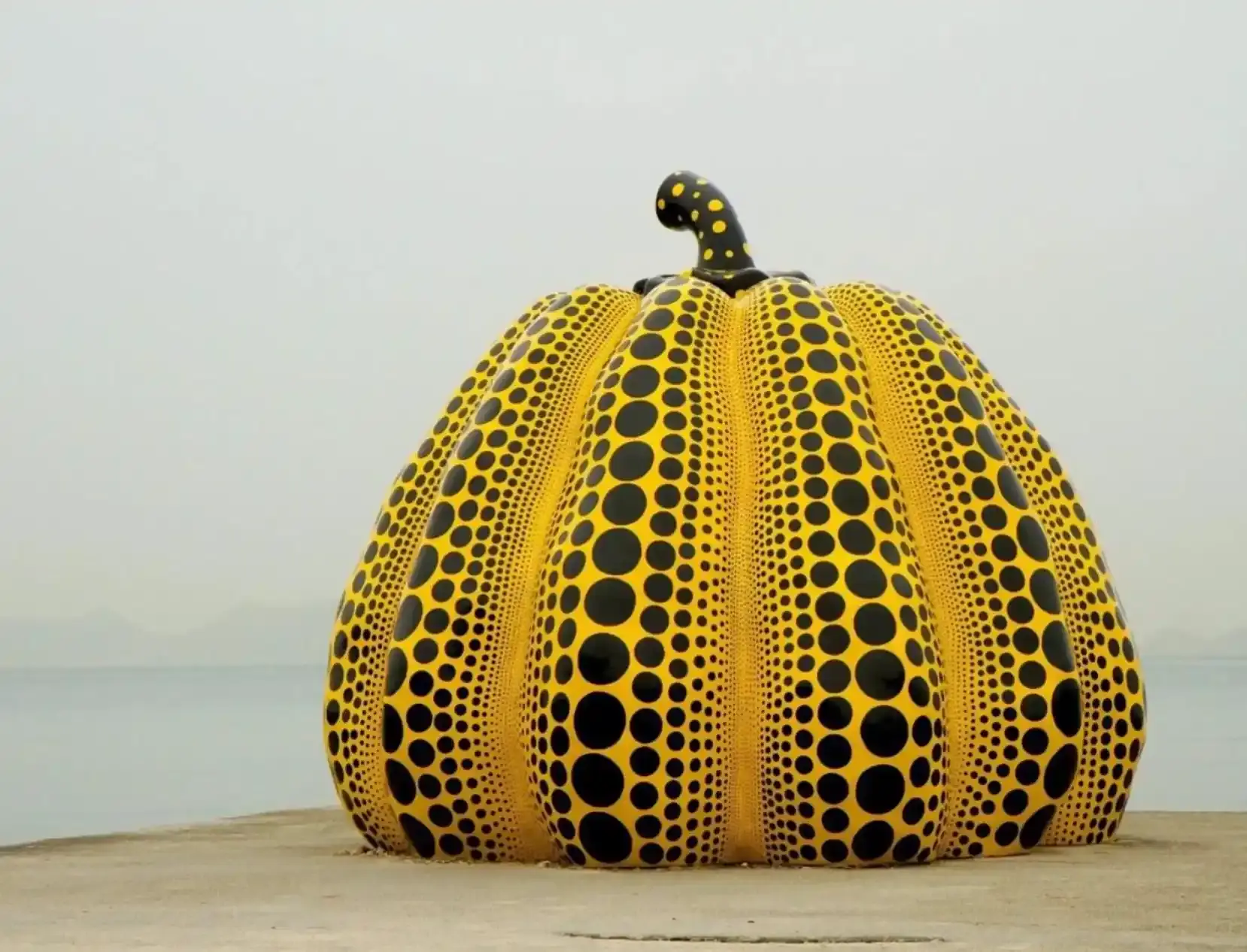
The first stage dates to 1992, when the Benesse House Museum opened, the first true pillar on which the whole project would be built. It is not a museum in the classical sense but something hybrid and unprecedented: a luxury hotel and an exhibition space fused into a single experience. The building rests along the island's southern coast, following the natural slope of the hills toward the Seto Inland Sea, and bears Ando's signature everywhere: smooth reinforced concrete slabs, large glazed surfaces, terraces opening onto the landscape. Here, inside and outside cease to be separate worlds. The artworks do not stay within the gallery walls but spill out into the gardens, the beach and the cliffs around the building: Yayoi Kusama's famous pumpkins and Richard Long's sculptures are scattered across the landscape as if they had always belonged there.
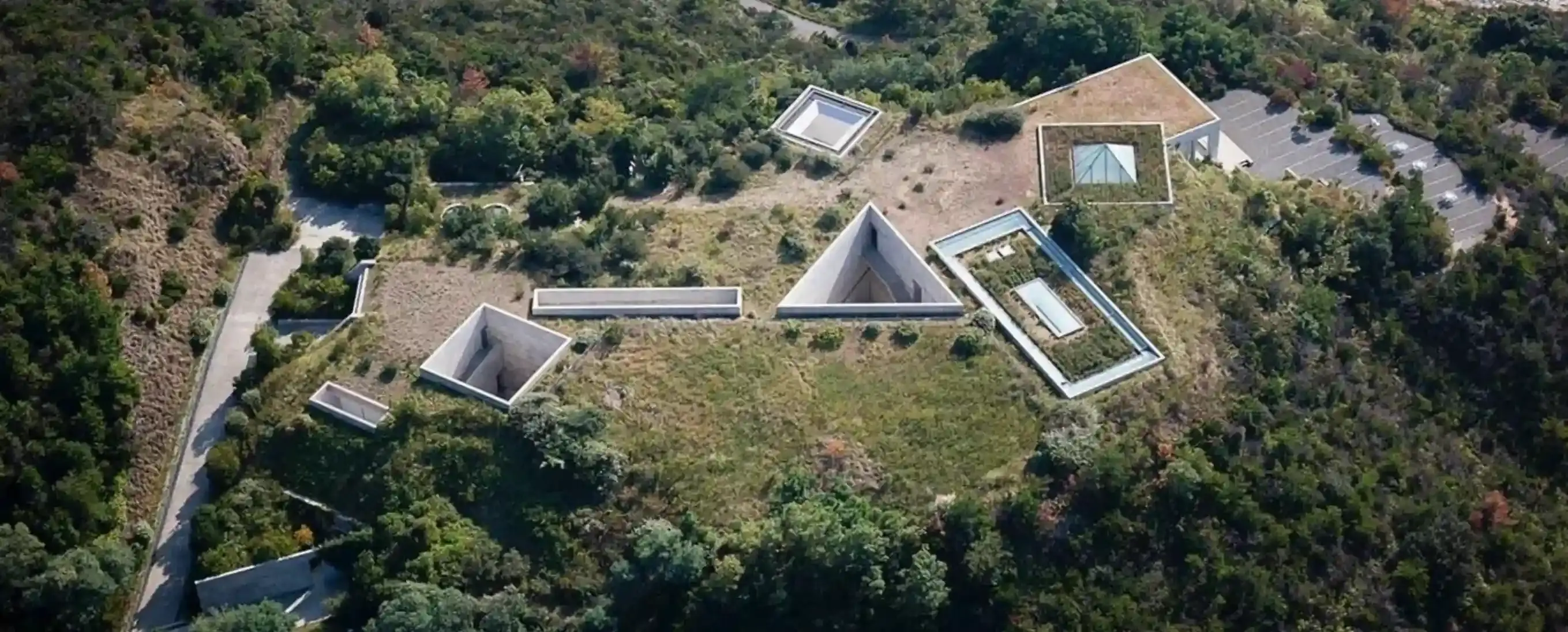
The second stage came in 2004 with the opening of the Chichu Art Museum, whose name literally means "in the ground", and that is precisely its essence. So as not to add another building that would encroach on the island's green hills, already marked by its industrial past, Ando chose to bury it almost entirely underground. Seen from above, the museum reveals itself only through essential geometric shapes (squares, rectangles, triangles) from which the skylights emerge. Inside, a route of concrete corridors and rooms leads visitors through a labyrinthine, meditative experience lit solely by natural light, which changes with the hours, the weather and the seasons, making every visit unrepeatable. Few works are displayed, all of them site-specific. Among them are Claude Monet's large Water Lilies canvases, housed in a room with a floor of tiny white tesserae and bathed in a soft light that seems made just for them.
The third stage marks a change of scenery. From 1998 onward, Ando brought his work to the beating heart of Honmura, the old fishing village of traditional wooden houses, the machiya, threatened by depopulation and abandonment. This is where the Art House Project was born, built on the idea of restoring old homes, Shinto shrines and disused temples and entrusting them to contemporary artists and architects to turn them into works of art to live in and walk through. The Ando Museum, opened in 2013, belongs to this context. From the outside, the building blends perfectly with the other village houses, preserving their centuries-old façade, but once inside everything changes. Reinforced concrete walls, clean geometry, minimalist stairs and skylights create a striking contrast between rural Japan of the past and the most contemporary architectural language. Through sketches, models and photographs, the space tells the whole story of Ando's transformation of Naoshima.
Martina Bergamini
Fashion Editor
I'm a communication graduate with a deep passion for fashion, art, and design. I'm drawn to the way aesthetics shape the world around us, and I use words to translate what I see, feel, and observe into stories that offer a fresh perspective on everyday life.
@martinabergaminiiShare this article
RELATED

JAMES FRANCO READS GABRIELE TINTI POETRY AT ARA PACIS


APPLE OPENS MUSIC VENUE AT BATTERSEA

