Summary:
- Fifty years of the five-borough route unite thousands of international runners across New York City.
- Italian contender Yeman Crippa targets a top finish alongside established former champions.
- The race temporarily diverts public attention from high-stakes midterm elections occurring two days later.
Forty-two kilometers and one hundred ninety-five meters connect Staten Island to Central Park. Between both points, closed avenues prompt driver frustration while spectators transform sidewalks into street parties filled with loud speakers and technical sportswear. Running culture now commands substantial capital. Running clubs, specialized hydration drinks, elite coaches, and commercial packages dominate the sport. Travel agencies secure coveted bibs, bundling flights and lodging for athletes unwilling to leave race logistics to chance.
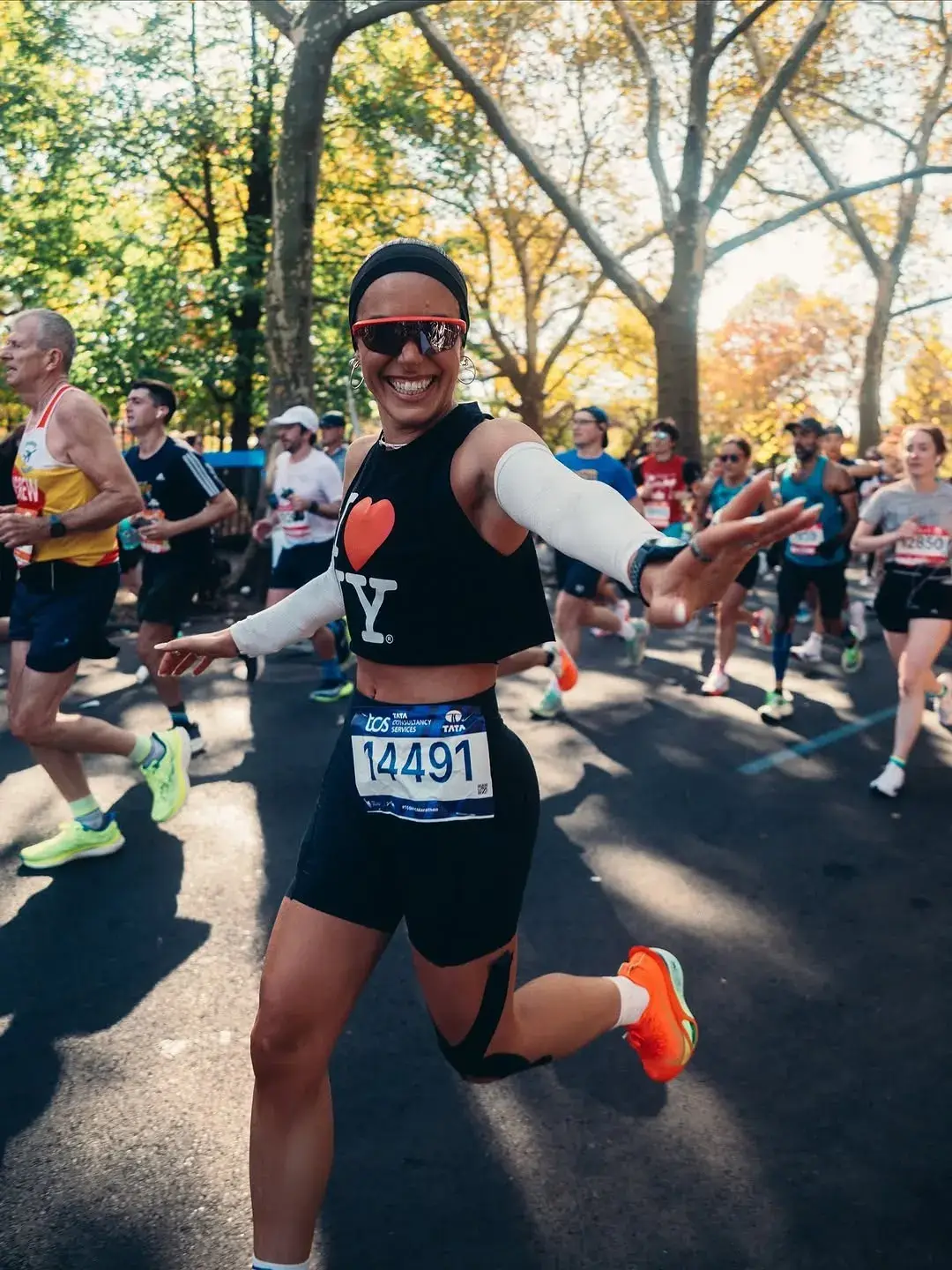
You begin race day before dawn. You board Staten Island ferries from southern Manhattan or catch dedicated buses to Fort Wadsworth. Thousands huddle on grass fields wearing disposable thrift sweatshirts destined for charity bins. You wait in lengthy lines for portable toilets, sip black coffee, and test your racing flats on damp pavement.
At the starting line, a cannon blast echoes across Upper New York Bay. Frank Sinatra sings "New York, New York" through loudspeakers. You climb the Verrazzano-Narrows Bridge into Brooklyn. The suspension cables hang silent except for rhythmic footsteps and heavy breathing. Brooklyn brings deafening noise. Crowds pack Bay Ridge, Sunset Park, Park Slope, Fort Greene, Bedford-Stuyvesant, Williamsburg, and Greenpoint. Residents hand out sliced oranges, play live brass instruments, and cheer every passing wave.
Halfway through the route, the Pulaski Bridge delivers runners into Long Island City, Queens. You cross the quiet Queensboro Bridge and descend into the wall of sound on First Avenue. Mile twenty brings the Willis Avenue Bridge into Mott Haven. For the first time since 2011, race officials altered the Bronx section, removing two sharp turns to streamline the route for runners and restore neighborhood transit access. The Madison Avenue Bridge leads back into Manhattan through Harlem. Fifth Avenue then guides you south toward Central Park.
This edition marks the fiftieth year of the five-borough course design. History resonates strongly for Italian running enthusiasts. Forty years ago, Gianni Poli claimed victory here, defeating Australian favorite Robert de Castella despite a persistent foot injury. Giacomo Leone followed with another Italian men's victory thirty years ago in 1996.
This weekend, over two thousand five hundred Italian runners join the starting corrals. European champion Yeman Crippa leads the Italian contingent following his spring victory at the Paris Marathon in two hours, five minutes, eighteen seconds. Crippa aims for a top-ten finish. Securing a top-five position solidifies his qualification path toward the Los Angeles 2028 Olympic Games. He faces steep competition against seasoned "veterans" including former champions Abdi Nageeye and Geoffrey Kamworor.
Beyond athletics, civic tension surrounds the course. Forty-eight hours after race day, United States midterm elections test the national political alignment under President Donald Trump. New York voters also select their governor as Democrat Kathy Hochul defends her seat against Republican Bruce Blakeman, according to election updates tracked by the New York State Board of Elections.
City Hall brings deep running history. Mayor Zohran Mamdani, who took office on January 1, completed the race in 2022 and 2024. During his campaigns, Mamdani wore racing singlets displaying "Eric Adams Raised My Rent!" on the front and "Zohran Will Freeze It" across the back.
On Sunday morning, politics pauses. Three hundred fifty residents selected through a municipal ticket lottery occupy the grandstands along the final two hundred meters. Near the finish line by Tavern on the Green sits the bronze likeness of race founder Fred Lebow, transported from his regular spot near the Guggenheim Museum. Lebow, an immigrant who survived the Holocaust, established the modern five-borough course in 1976. Lebow ran the five boroughs once in 1992 alongside nine-time champion Grete Waitz while his brain cancer remained in remission. They crossed the finish line hand in hand after five hours and thirty-two minutes on Sunday, November 1, 1992.
For spectators and participants seeking official race apparel or event registration details, the New York Road Runners organization and the official NYRR merchandise shop provide gear, certified course maps, and qualification schedules. Standard non-member entry fees cost $333.11 (€308), while local club members pay $269.66 (€249) to secure their bibs.
Soufiene El Boub
was born and raised in France, where he also pursued his education. With a lifelong passion for sports and storytelling, Soufiene has become a sports editor, known for his insightful analysis writing. His unique perspective, shaped by his French upbringing, adds a distinctive flair to his work in the world of sports journalism.
Share this article


