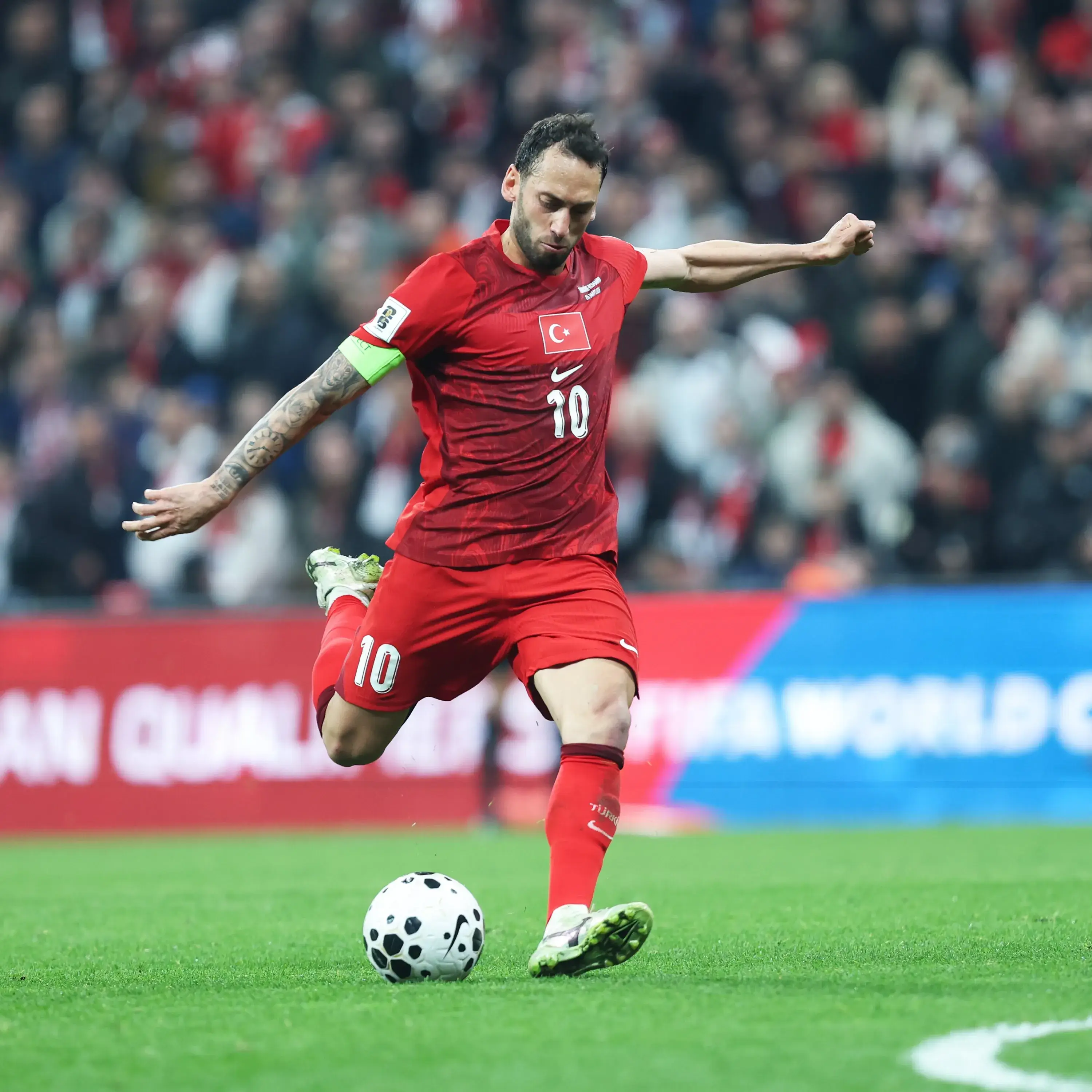
When you look at modern Turkish football, you encounter a clear division between state infrastructure projects and club balance sheets. Turkey prepares to co-host the 2032 European Championship alongside Italy. The central administration points to extensive stadium investments across Anatolia and Thrace. Since 2002, government agencies completed 41 football venues meeting technical criteria from UEFA and FIFA. Behind these concrete facilities, professional clubs face severe insolvency. By August 31, 2026, the four leading clubs, Galatasaray, Fenerbahçe, Beşiktaş, and Trabzonspor, accumulated total liabilities of 108.1 billion Turkish liras (approximately €1.94 billion).
You see football preceding the formal birth of the republic. On October 26, 1923, eleven Turkish athletes played Romania in Istanbul while politicians in Ankara held debates over the state constitution. The fixture took place at Taksim Stadium, an athletic field built inside a former Ottoman artillery barracks. Allied forces left Istanbul on October 2, and Turkish troops entered on October 6. During foreign military occupation, Istanbul clubs organized games against British and French soldiers. Those matches turned sport into public expressions of national sovereignty.
Against Romania, the visiting side took the lead in the twenty-fifth minute. Zeki Rıza Sporel scored an equalizer seven minutes later. Sporel added another goal in the fiftieth minute, registering his name as the first scorer for the national squad. The match concluded in a 2-2 draw. Galatasaray founder Ali Sami Yen directed players from the bench. In 1905, Yen described the club objective: “To play together like the English, to have a name and colours, and to defeat non-Turkish teams”.
Football moved ahead of diplomatic treaties. Administrators established the national football governing body on April 23, 1923, calling the federation Futbol Heyet-i Müttehidesi. The organization joined FIFA on the twenty-first day of the fifth month of 1923, becoming member number twenty-six. Turkish and international delegates signed the Treaty of Lausanne on July 24. Ankara proclaimed the Republic on October 29. The sporting system gained international integration before the state finished legal recognition. In 1924, the federation hired Scottish coach Billy Hunter to prepare the squad for the Paris Olympics, introducing tactical structure and disciplined fitness routines.
Physical construction defines current political sports strategy. President Recep Tayyip Erdoğan addressed sports executives in April 2025 during the inauguration of the UEFA office in Istanbul, stating: “We have brought Turkey into a higher league in sports investments”. Sports Minister Osman Aşkın Bak echoed this message, calling the nationwide building plan “a revolution in facilities”. In late spring 2026, the sports ministry distributed 180 million Turkish liras (around €3.2 million) to 648 amateur clubs in Istanbul, committing an identical 180 million liras for the next season. The state funds neighborhood clubs while constructing showcase tournament arenas.
Euro 2032 represents the focal point of this stadium program. Turkey and Italy will split host duties, each using five venues. In Ankara, public housing agency TOKİ builds a large sports complex on the grounds of the former 19 Mayıs Stadium. Turkish Football Federation officials, European administrators, and construction engineers met in Nyon to check tournament guidelines and technical compliance. The development agenda also involves extensive renovations at the Atatürk Olympic Stadium in Istanbul, where European club finals took place in 2005 and 2023.
You observe elite clubs operating under immense financial distress while the government builds modern venues. The Big Four clubs sell upcoming broadcast distributions, future matchday receipts, and player registrations to fund ongoing squad operations. Public officials project institutional strength through concrete and international hosting rights, yet domestic teams carry unsustainable deficits. When you study the timeline from the Taksim barracks in 1923 to Euro 2032, you find football acting as Turkey's constant instrument for international prestige.
Soufiene El Boub
was born and raised in France, where he also pursued his education. With a lifelong passion for sports and storytelling, Soufiene has become a sports editor, known for his insightful analysis writing. His unique perspective, shaped by his French upbringing, adds a distinctive flair to his work in the world of sports journalism.
Share this article


