Summary:
- Vibram presents a pop up in Paris focused on footwear for extreme industrial work.
- The installation highlights conditions faced in sectors like mining, firefighting and heavy industry.
- The project examines how footwear supports safety, stability and long work hours.
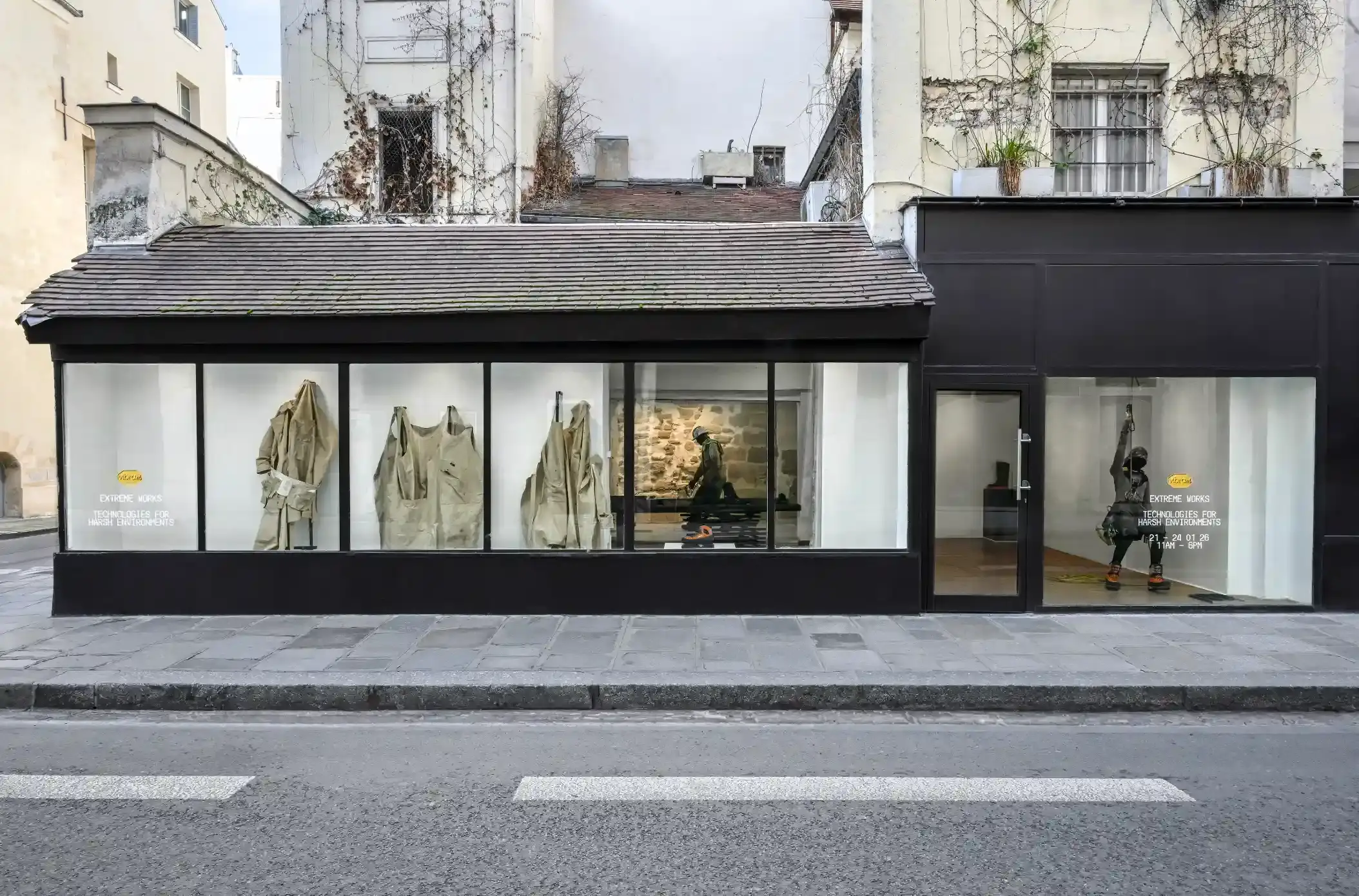
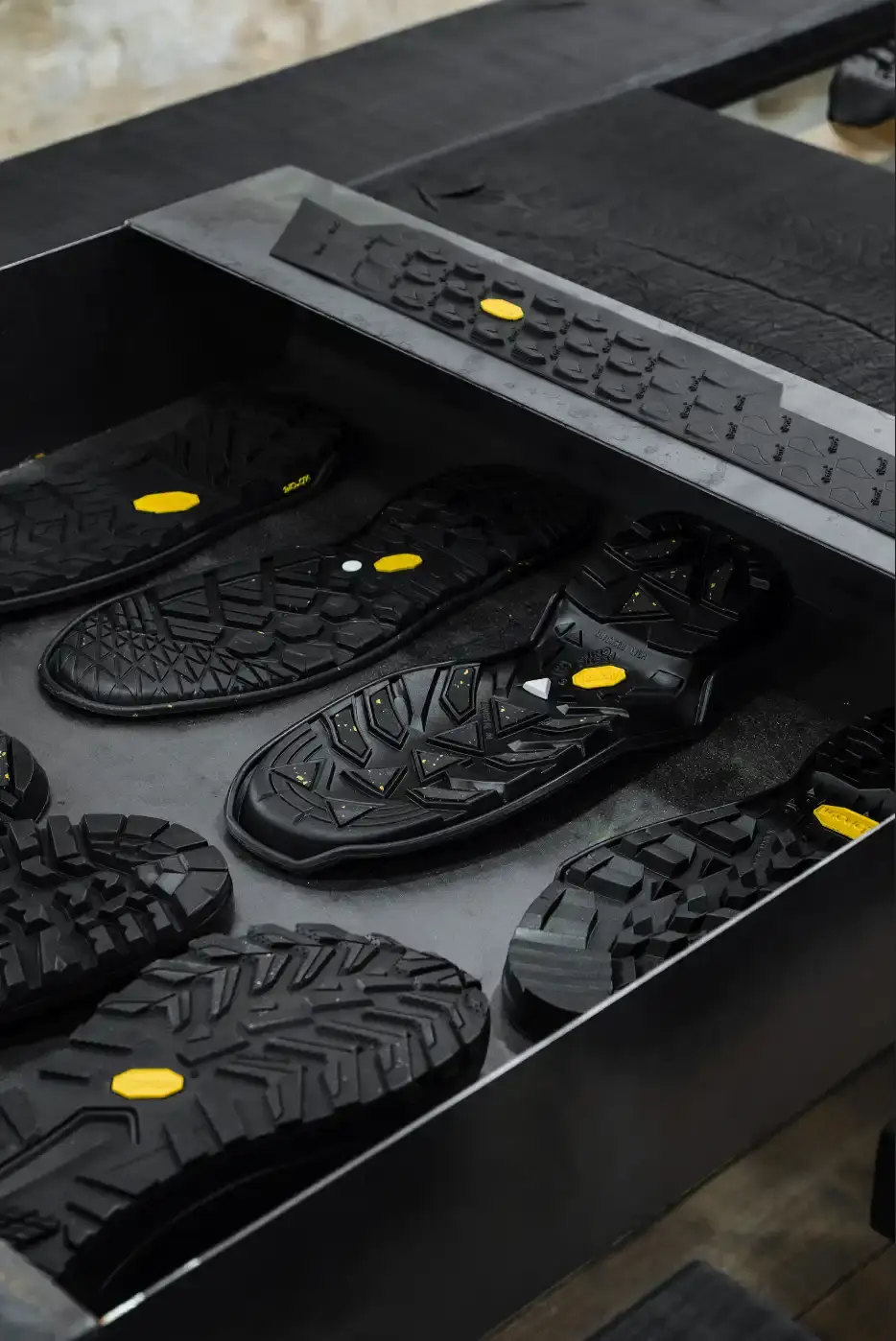
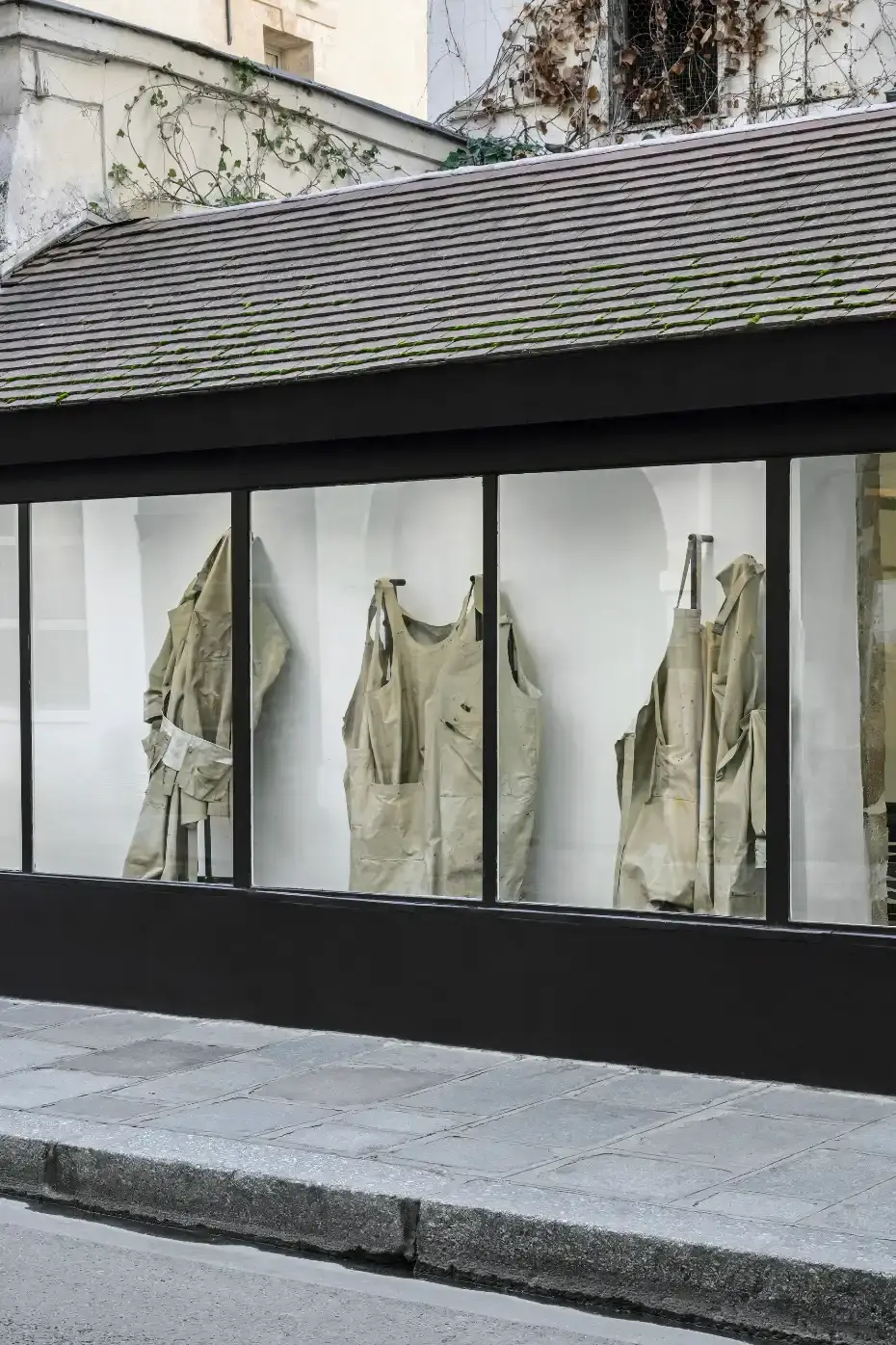
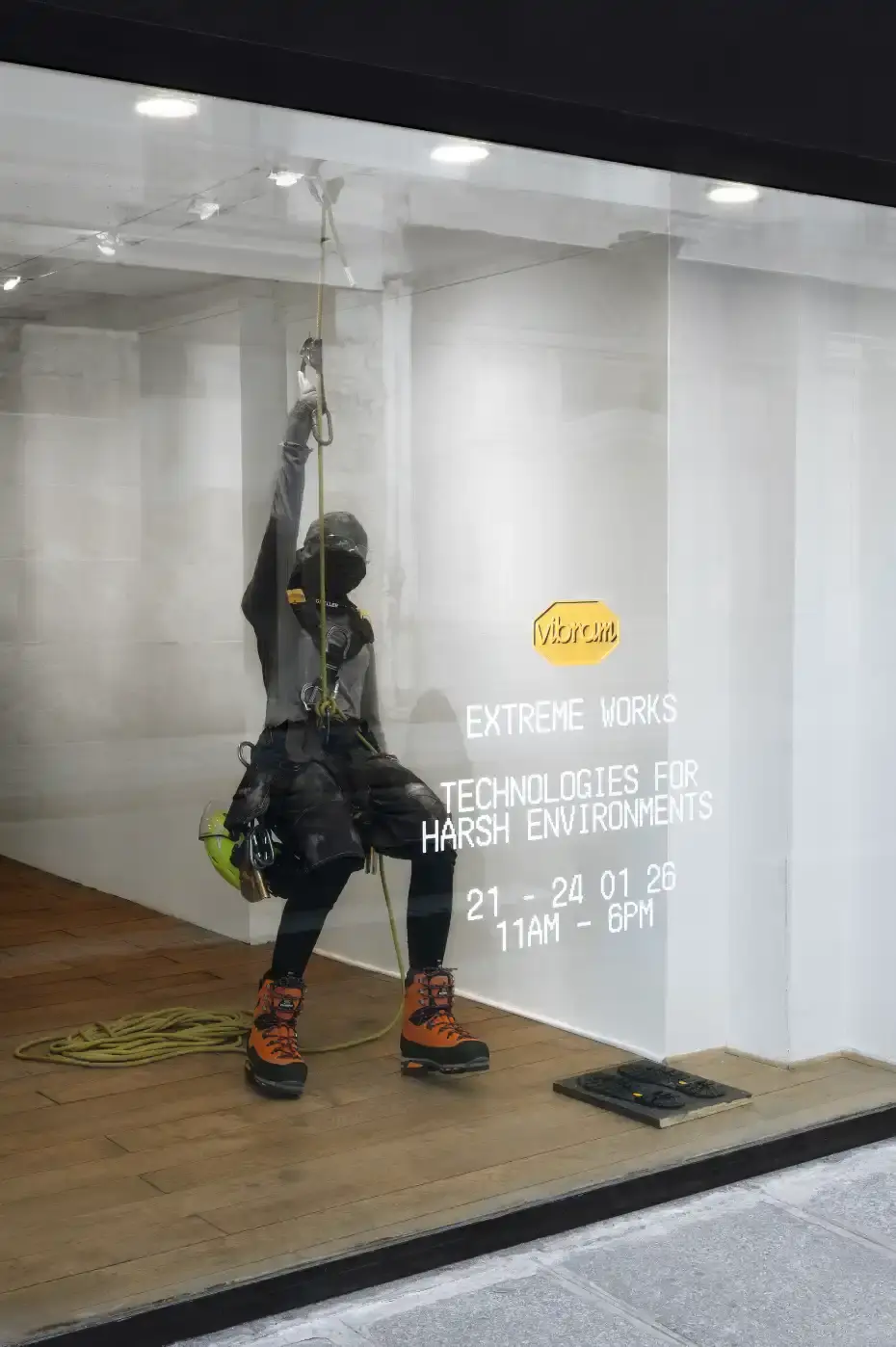
Vibram introduced Extreme Works during Paris Fashion Week. The project focuses on footwear used in industrial environments where workers face heat, cold, pressure, unstable ground and long shifts. The installation looks at how technical soles and protective structures support people who work in places where equipment failure creates risk. The brand has produced soles for work and safety since the late 1960s, when Vitale Bramani expanded the original Carrarmato design into industrial use. The installation builds on that history and places it in a contemporary setting.
The pop up presents a selection of footwear used in heavy industry, cold environments, mining, forestry, emergency response and offshore work. Each sector has specific demands. The installation uses these differences to show how footwear design responds to temperature, terrain, chemicals, vibration and long hours on foot.
Heavy industrial sites include steel plants, refineries, cement facilities and power stations. Workers in these spaces face heat, molten materials, chemical exposure, dust and low visibility. They move through loud environments with uneven surfaces. Footwear in these settings needs heat resistance, chemical resistance and soles with strong grip. Durability matters because equipment and surfaces wear down materials fast.
Cold and windy environments create different problems. Workers move on ice, snow and frozen ground. Weather shifts fast. Visibility drops. Tools and machinery become harder to handle. Footwear in these conditions needs insulation, waterproof protection and soles that maintain grip on ice. A single slip can cause injury, so traction becomes a priority.
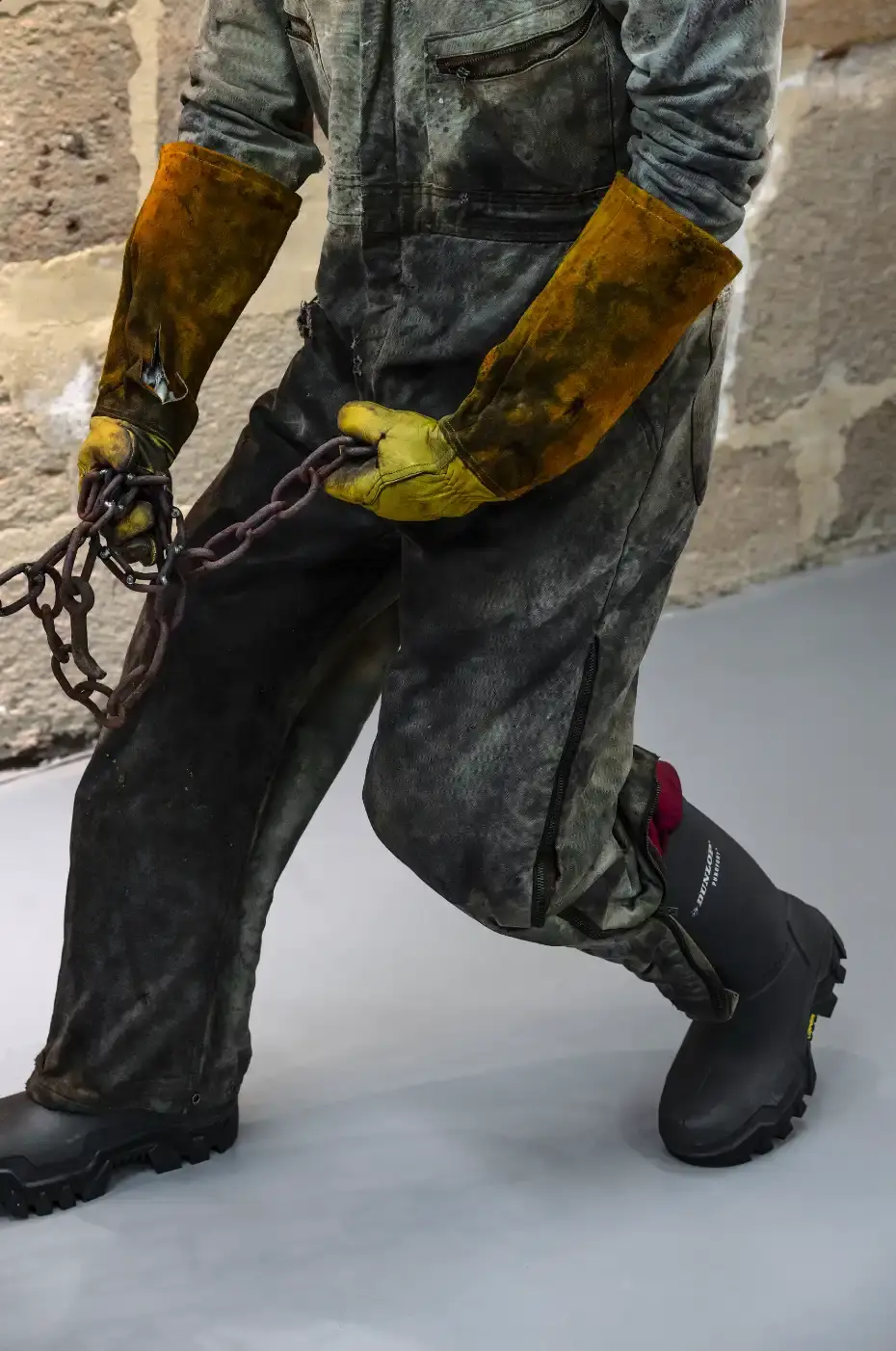
Railway maintenance teams work at night or in low visibility. They operate near active lines, heavy machinery and constant vibration. Surfaces shift between gravel, metal and wet ground. Footwear needs strong grip, impact protection and resistance to punctures. Comfort matters because shifts run long and involve continuous movement.
Mining environments expose workers to dust, vibration, noise and limited light. Work happens underground or in remote open sites. Temperatures shift between hot and cold. Footwear needs long term reliability because workers spend hours on their feet in unstable terrain. Soles must maintain grip after repeated use.
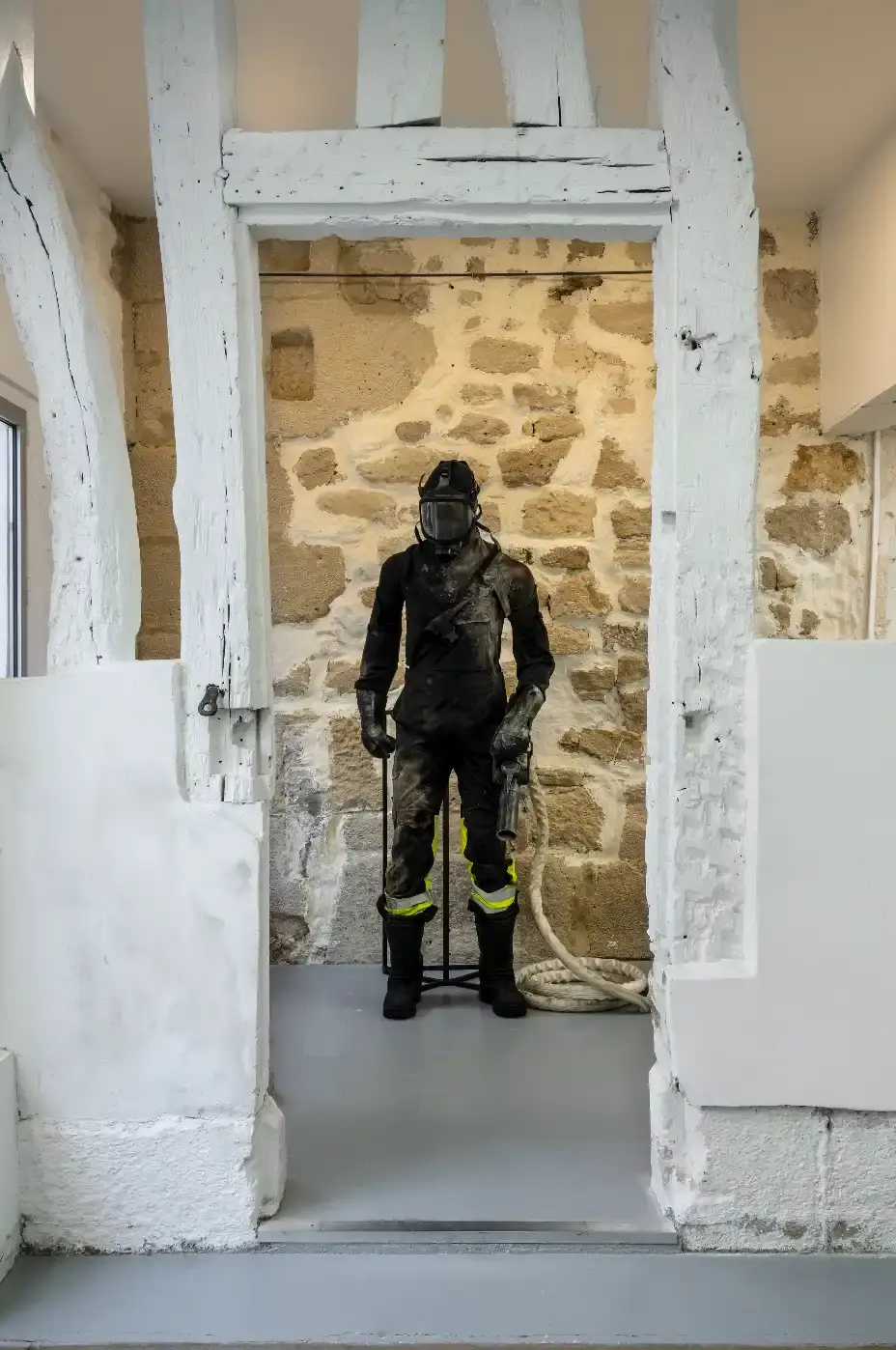
Firefighters face heat, falling debris, sharp objects and slippery surfaces. They move through smoke and unstable structures. Footwear needs heat protection, impact resistance and strong ankle support. Cushioning reduces fatigue during long operations.
Fishing crews work in isolation on unstable surfaces. Decks move constantly. Water, wind and cold temperatures create risk. Footwear needs waterproof protection, grip on wet surfaces and comfort for repetitive tasks.
Forestry workers operate on steep, muddy or rocky terrain. They handle heavy tools and move large logs. Weather changes fast. Footwear needs strong ankle support, puncture resistance and grip on slopes.
Oil and gas workers handle high pressure systems, heavy machinery and hazardous substances. Surfaces often become slippery. Footwear needs stability, resistance to hydrocarbons and reliable traction.
Rock consolidation teams work on cliffs, tunnels and unstable slopes. They operate at height or in confined spaces. Falling rocks and sudden ground shifts create risk. Footwear needs strong grip, puncture resistance, impact protection and resistance to water and abrasion.
Extreme Works brings these environments into one space. The installation shows how footwear functions as a tool rather than an accessory. It highlights the link between design and survival in places shaped by heat, cold, pressure or instability. The project positions industrial footwear as a technical object shaped by real conditions rather than trends.
Staff
Casawi Magazine: based in Milan, we celebrate youth culture, creativity, and community across fashion, sports, music, art, design & more.
@casawi.magazineShare this article
RELATED

FREITAG AND PUBLIC POSSESSION RELEASE UPCYCLED BAGS

MIU MIU HOLIDAY CAMPAIGN EXPLORES DOMESTIC THEATRE

TISSOT RELEASES THE PRX SKELETON DAMIAN LILLARD EDITION

L’ART DE L’AUTOMOBILE X SALOMON XT-QUEST 2 IN OLIVE

PAURA X VANS AUTHENTIC RETURNS IN A LIMITED RE-RELEASE
