
Relocating from the Colombian electronic music scene to the core of Berlin club culture triggers a profound shift in artistic perspective, and Funk Tribu embodies this evolution perfectly, sitting down to discuss the recent LIFE EP and the launch of the TRIBE imprint. The producer reflects on the physical toll of relentless global touring, explaining how experiencing crowded dancefloors across Europe reshaped a deeply personal approach to music creation, stripping away industry expectations to reveal an artist determined to prioritize emotional resonance over rigid genre boundaries. This conversation explores the process of building a supportive community, focusing on the complex realities of running an independent label alongside a demanding international performance schedule.
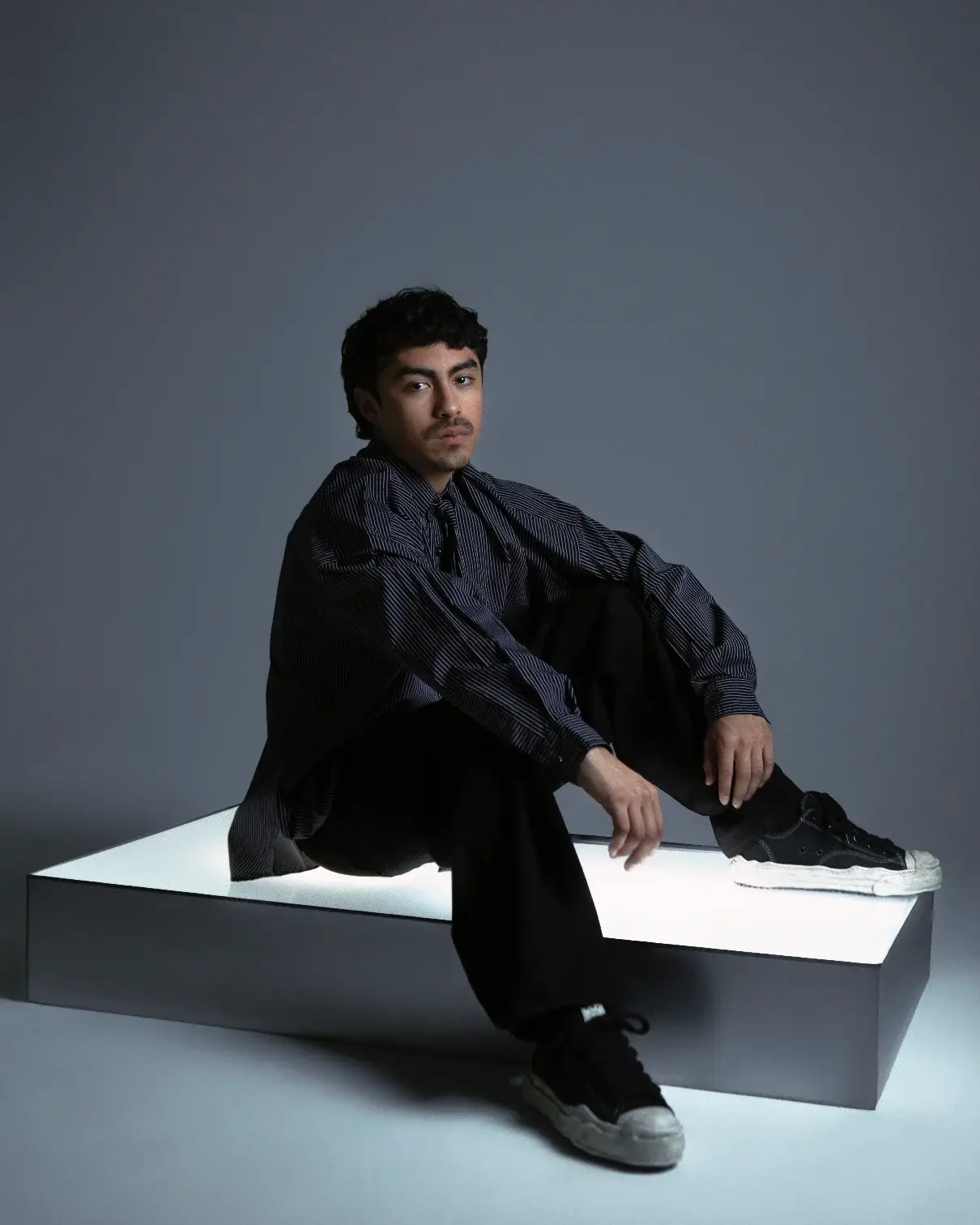
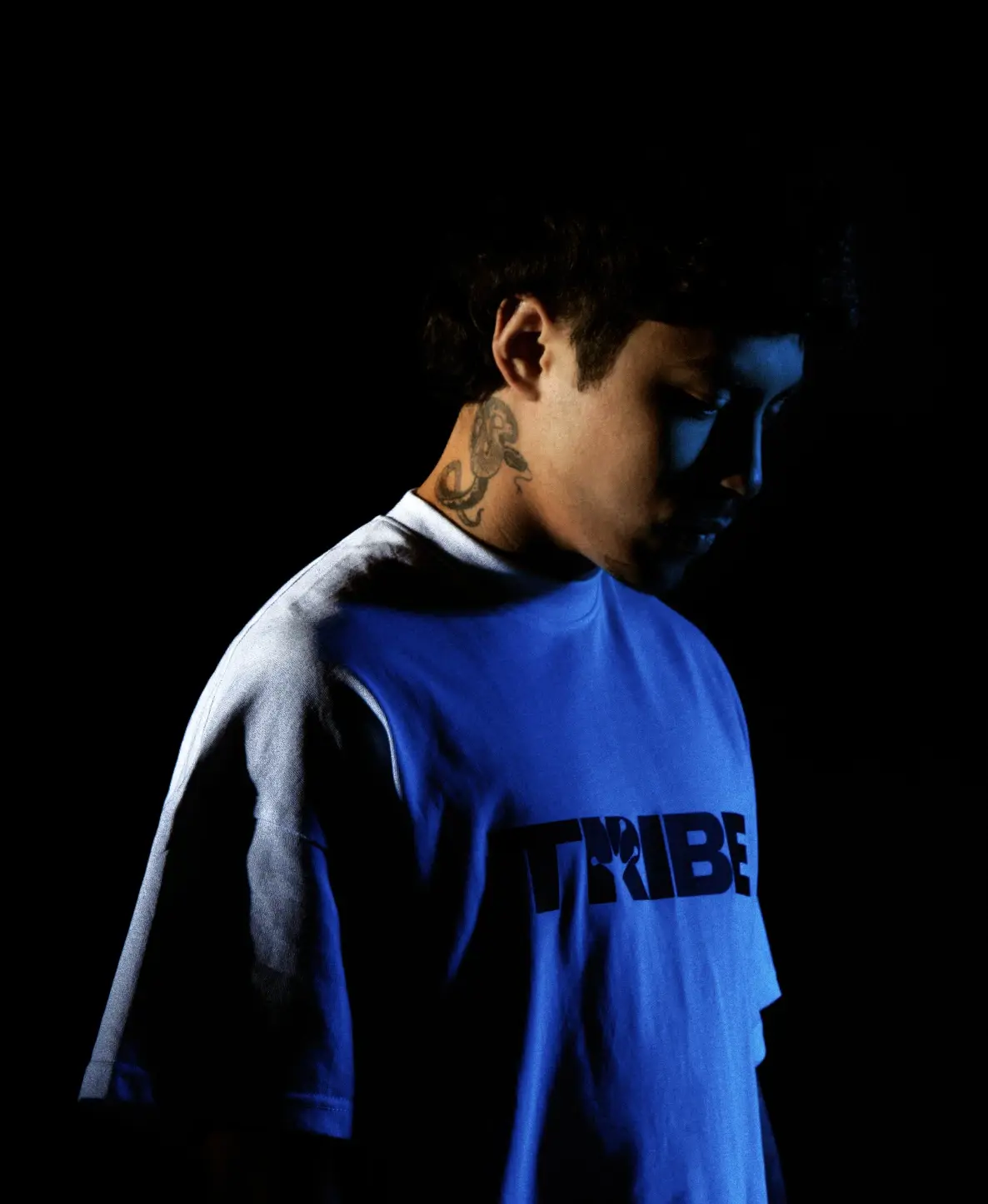
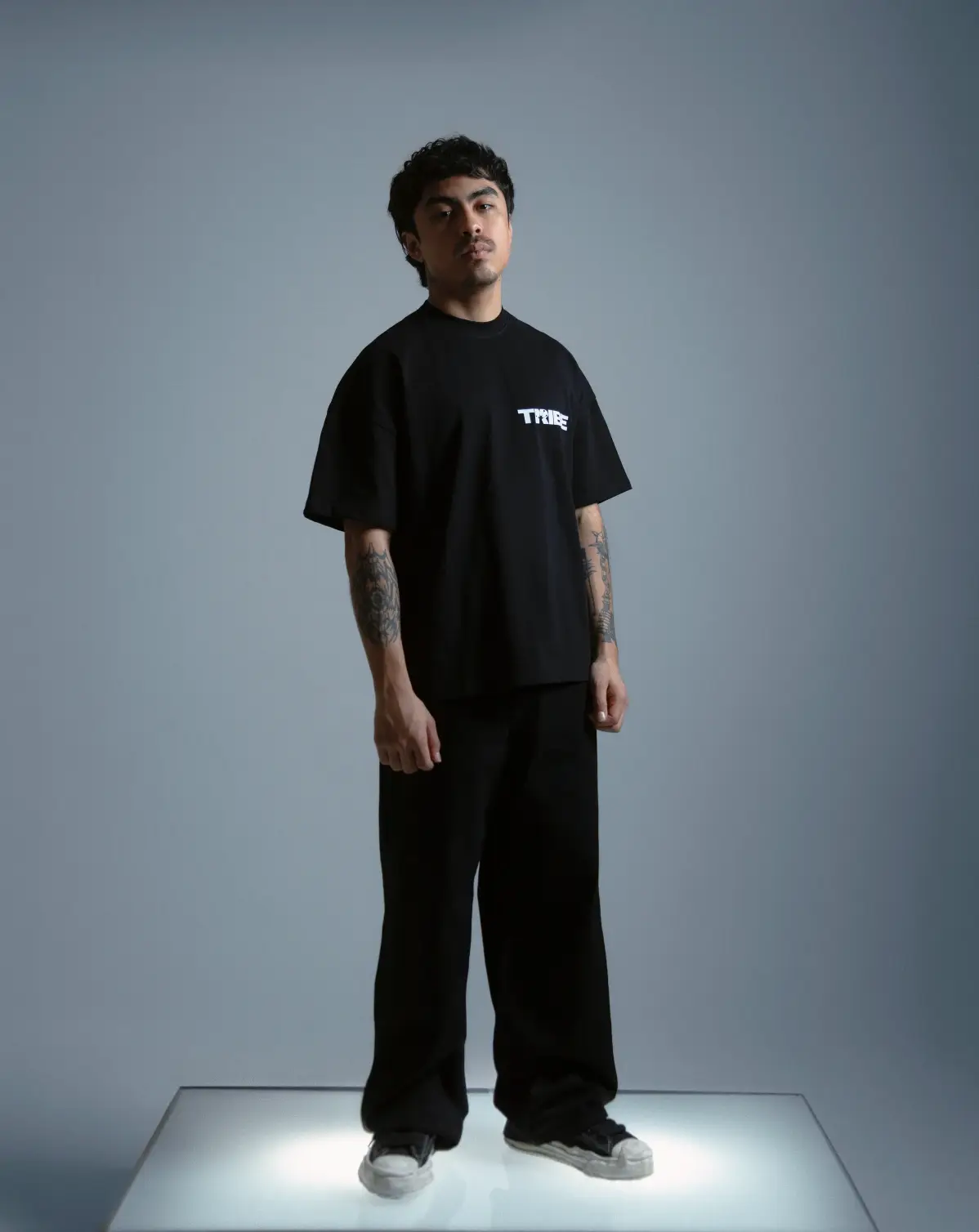
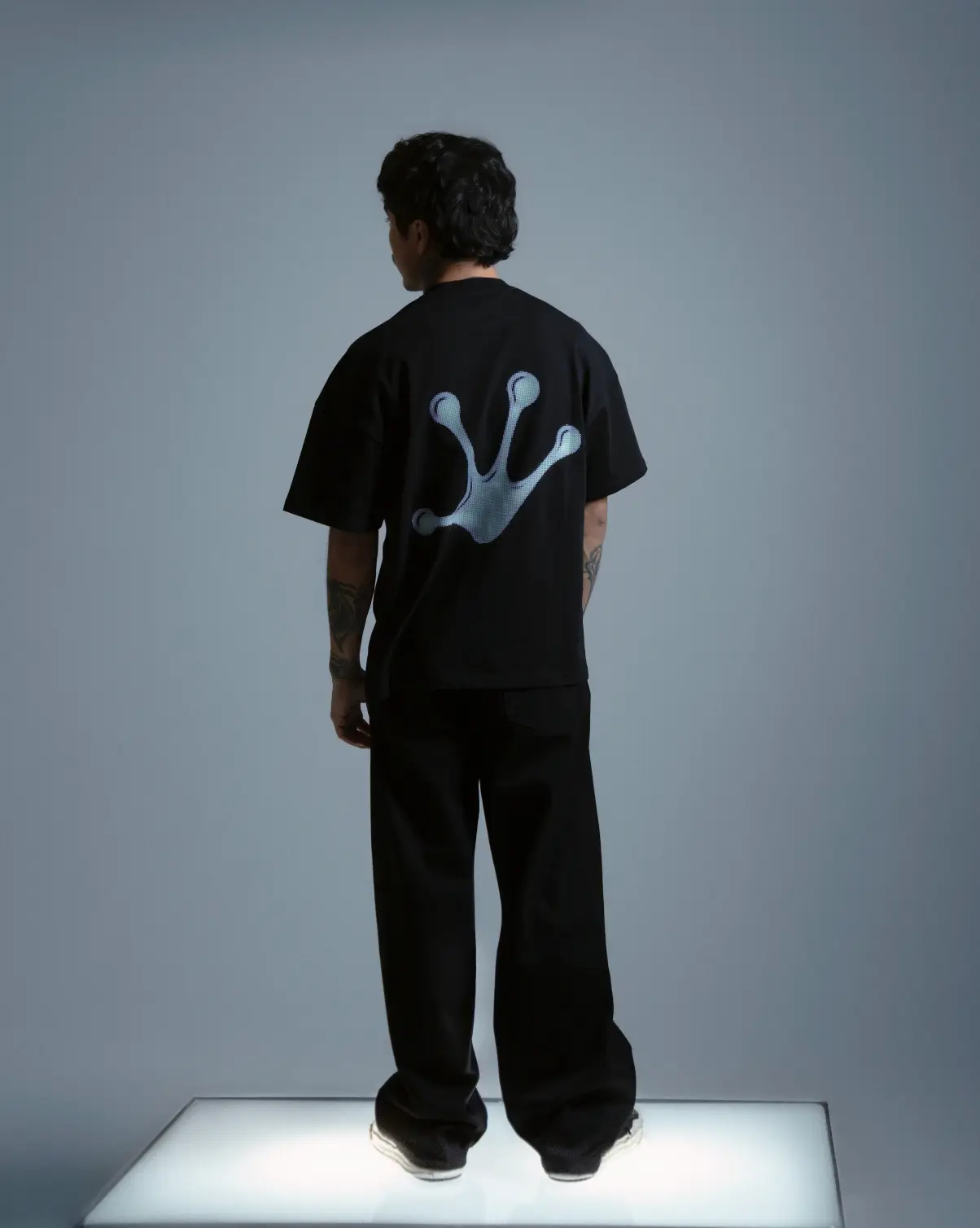
Relocating from Colombia to Berlin places you in the center of European club culture. How did this geographical shift directly influence your current production techniques?
Moving to Berlin didn't really change my production techniques in a technical sense. My setup is still very simple and I still make music pretty much the same way I always have. What changed was everything I was exposed to. Suddenly I was surrounded by so many different artists, clubs and sounds, and I was experiencing this music on dancefloors every weekend instead of mostly through my computer back home. I think that made me much more open as a producer. I'm less concerned with genres or where a track is supposed to fit and more interested in taking different influences and turning them into something that feels like me. Living between these different worlds also became part of the idea behind TRIBE and projects like LIFE. A lot of it is about discovering different sides of myself and finding a balance between them, both personally and creatively.
The LIFE EP marks a conscious step toward personal equilibrium after years of continuous shows. What specific touring experiences triggered this realization?
There wasn't one specific moment where everything changed. It was more the accumulation of years of constantly touring. After Phonky Tribu, everything accelerated extremely quickly, with weeks of two to four shows in different cities and countries, multiple flights, while still working on new music. For a long time, that became my normal. I loved it and I'm incredibly grateful for all the opportunities, but eventually I realised that if I want to do this for a long time, I also need to learn when to say no and give myself time to actually live outside of touring. That period definitely shaped LIFE, but the EP isn't about burnout or slowing down. It made me think more about balance and eventually became a much broader exploration of what makes life, life and what makes us human.
The track reborn (alma) explicitly deals with shedding an old identity. Which specific elements of your earlier musical approach did you intentionally discard while producing this record?
I wouldn't say I intentionally discarded a specific part of my old sound while making reborn (alma). The idea of being reborn was much more personal than musical for me. Of course my sound is changing as I change, and I think I've become more open and less concerned with whether something fits into a certain genre or into what people expect from Funk Tribu. But I don't want to reject the music I made before either. All of those different phases are part of how I got here. With reborn, it was more about allowing myself to move forward without feeling like I have to completely leave the past behind.
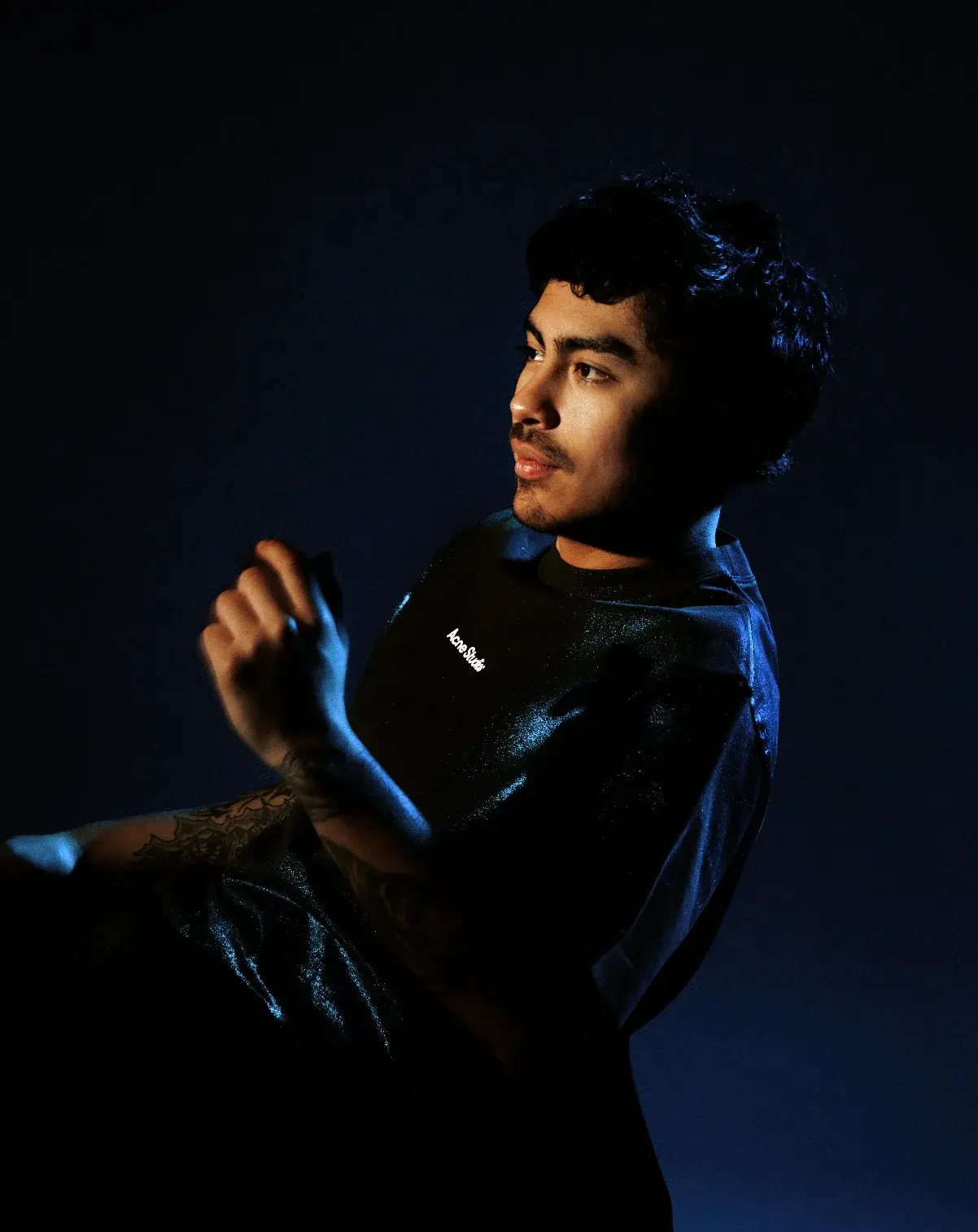
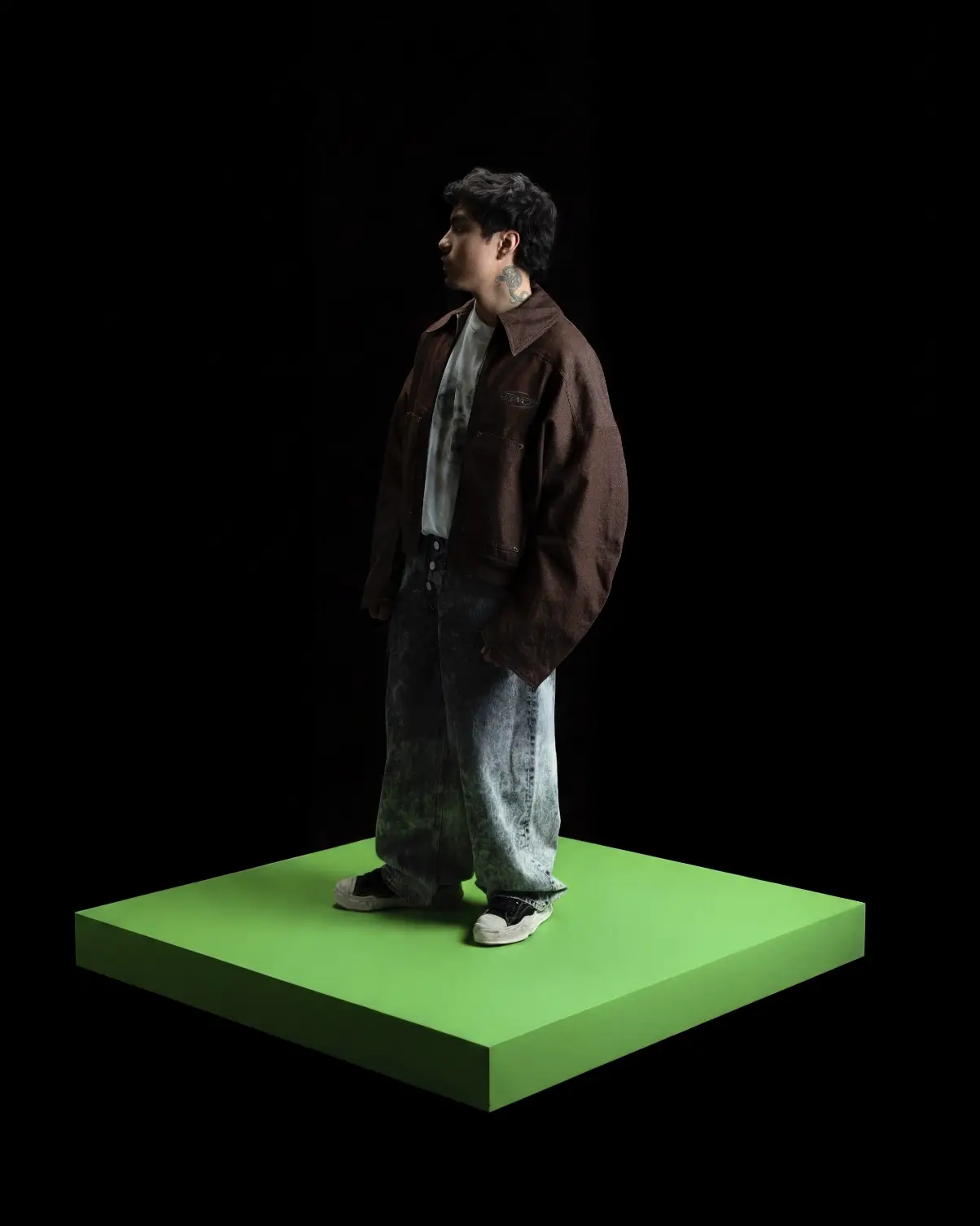
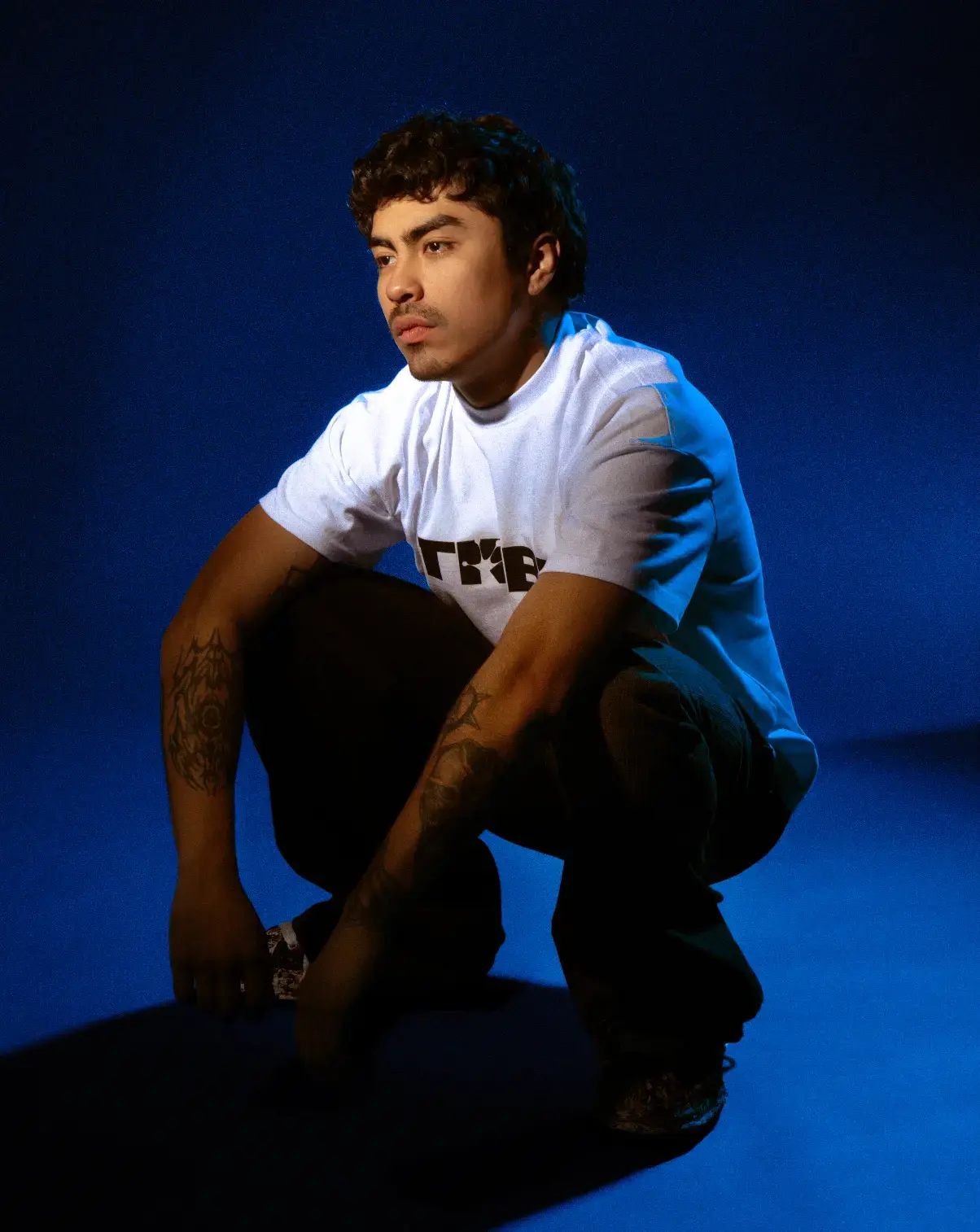
Establishing the TRIBE imprint grants you complete independence over your release schedule. What unexpected logistical challenges arise when you manage a label alongside your own artistic output?
The biggest challenge is simply dividing my attention. Touring already takes a lot of energy, and then there is TRIBE with all the music, releases, events and everything else we're building around it. Luckily, I have an amazing team who takes care of all the administrative work and keeps everything running behind the scenes. I definitely couldn't do it without them. That also allows me to focus much more on the creative side of the label, which is the part I really love. I'm constantly listening to demos, scouting new artists and looking for music that feels right for TRIBE. Discovering a track or an artist that really excites me and then being able to give them a platform is probably one of my favourite parts of running the label. The challenge is making sure I still protect enough time for my own music while giving the artists we work with the attention their projects deserve.
Building a strong creative community in Europe exposed you to diverse influences. How do your daily interactions with other artists translate into the structural rhythm of your tracks?
Being around different artists constantly reminds me that there isn’t one “correct” way to make a track. I’m always listening to what other people are doing, exchanging ideas and discovering different approaches to rhythm, arrangement and sound. That naturally feeds into my own music. I think the community around me has also made me more open to combining influences that might not traditionally sit together. I’m interested in that contrast, because it keeps the music feeling alive rather than following one formula.
This EP sets a clear sonic standard for the future of your label. What specific qualities do you look for when selecting other artists for the TRIBE catalog?
For me, the most important thing is that there’s emotion behind the music. I want artists who can create something that makes people feel something while still having the energy to take the crowd with you during your set. I also love when someone isn’t afraid to move between genres or bring unexpected influences into their sound. Nostalgic elements are something I naturally connect with, but I don’t want TRIBE to be defined by one genre or formula. More than anything, I’m looking for artists with their own identity, who are fearless creatively and understand that TRIBE is about building a community, not just putting out records.
Lorenzo de' Nobili
Music Editor
Lorenzo de’ Nobili is a sound designer and composer driven by a deep passion for urban culture and its evolving aesthetics. His work explores the intersection of music, fashion and sport, blending contemporary sounds with strong visual identities. Alongside his research in urban culture, he collaborates with contemporary dance artists, creating immersive sonic experiences that connect movement, space and emotion.
@sereno________________________Share this editorial
RELATED


AUDIO OBSCURA ADE 2026 AT G-STAR RAWFACTORY


OASIS ANNOUNCE TWO ROME CONCERTS FOR 2027
