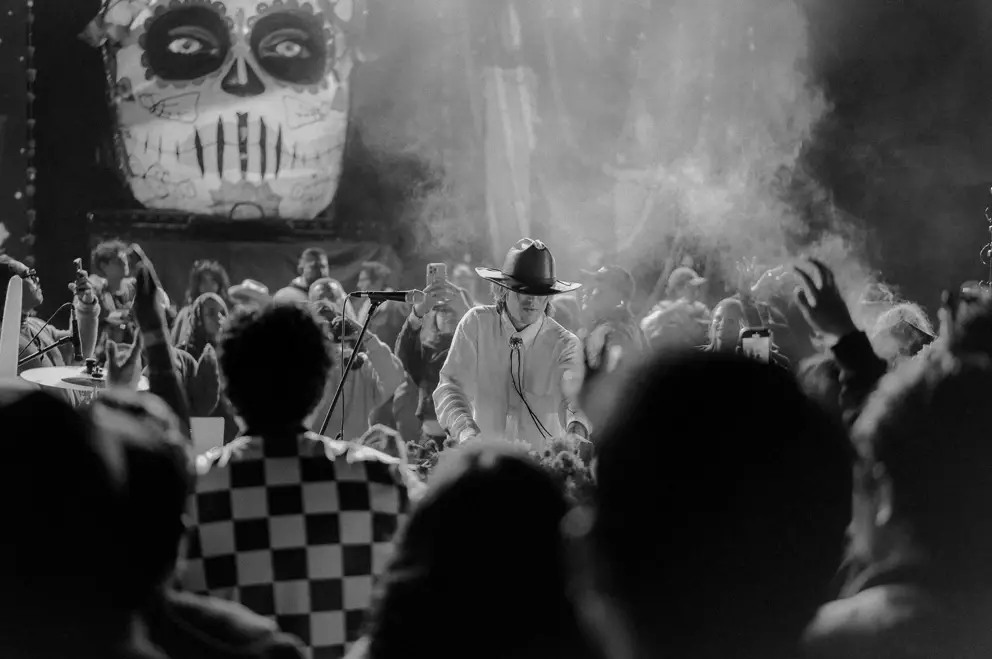
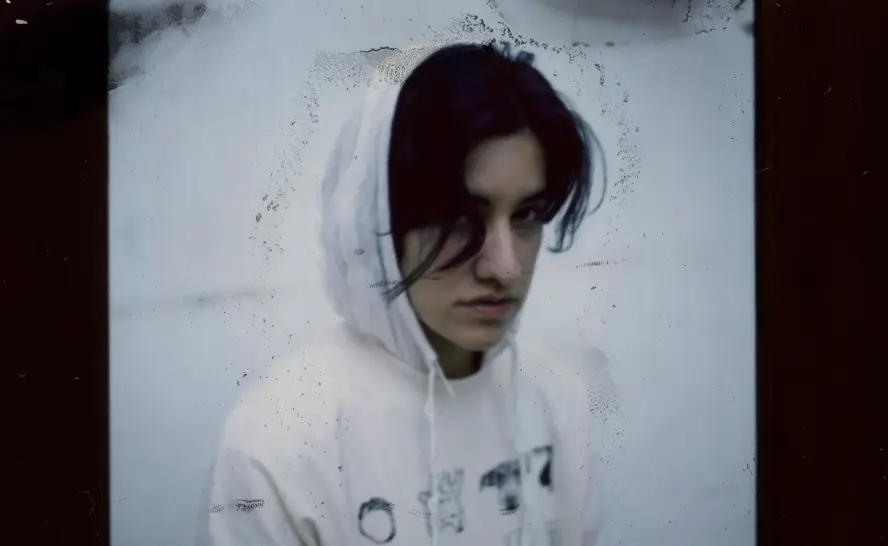
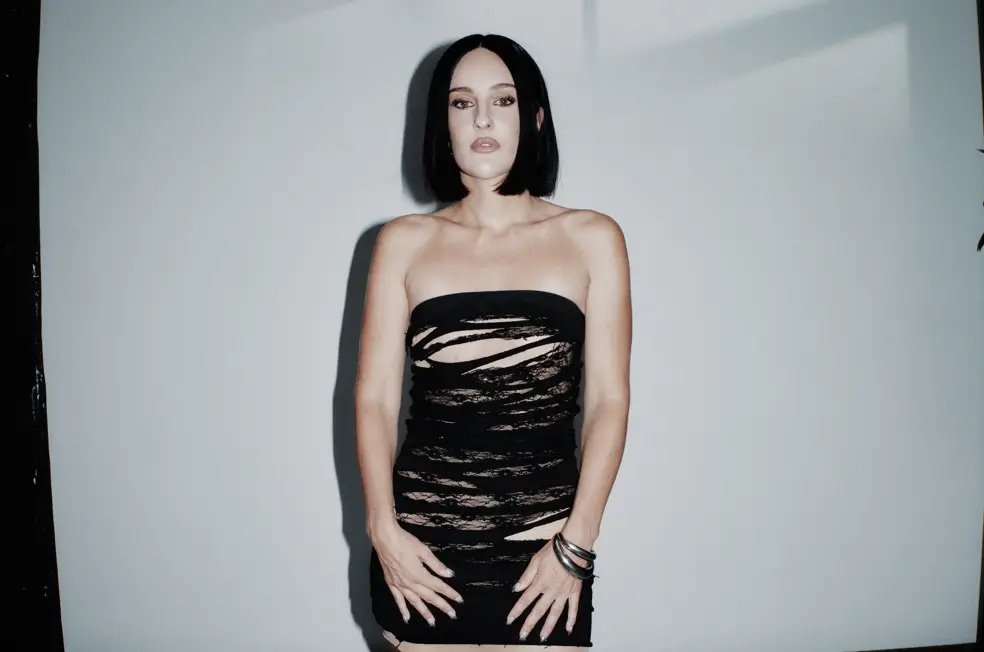
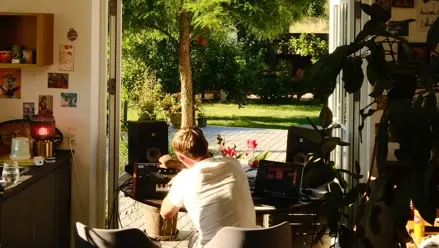
The electronic music industry demands constant travel, late nights, intense sensory stimulation, pushing the limits of the mind and body, forcing a shift in how performers manage personal care. Belgium’s Voodoo Village is at the forefront of a wave of festivals balancing partying with spaces for meditation, ambient stages and workshops, placing self care and wellness at the heart of the experience not just as an afterthought.
We interviewed NOHR, Mariona, Anetha, and Sinego ahead of Voodoo Village, asking them about their methods, the necessity of quiet backstage environments, the ways they protect their health while building a career.
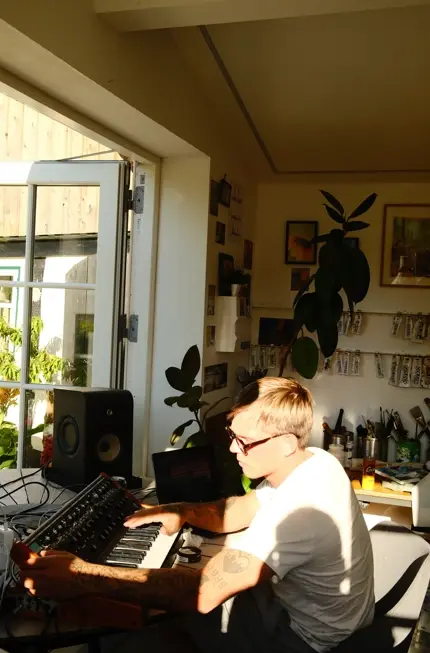
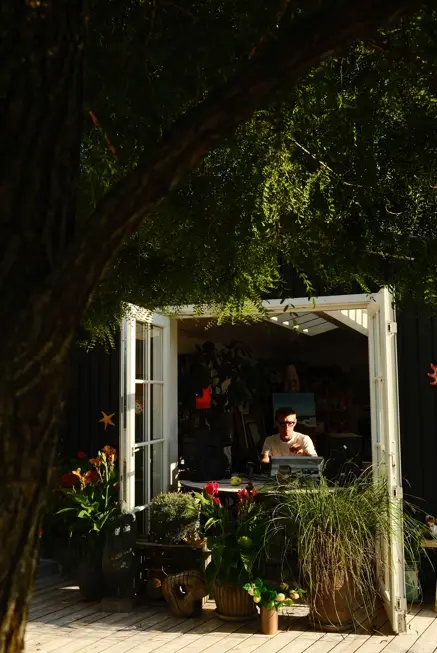
NOHR
Festivals are usually places of total sensory overload. How important is it for you as an artist to have access to calm restorative spaces backstage before a performance?
I personally love to attend festivals, but when it comes to performing there, i go there very differently. I spend the majority of the time before my show, in the backstage or artist spaces. There is usually a lot more quiet, and less people. Anything I need is right at hand. Water, lavatories etc. When i have to perform, the most important moment for me is the hour right before the show. That's when I usually need to get into my own space, so also being somewhere I can close a door and leave the world out for a moment is very important. Usually i have my carabiner (form climbing) in my pocket, anywhere i go, so i Can use it to move my focus. Kind of like a fidget spinner haha.
We are seeing more wellness elements like breathwork and meditation at events like Voodoo Village. Do you incorporate any specific mindfulness practices into your pre show preparation?
I think it's amazing to see that there is so much more focus on these kinds of events. They're so important. Personally, I've never had a proper 'meditation' routine, but I usually take a few minutes to plug in my airpods, close my eyes and just breathe. I remember my very first live show; I was so nervous I was about to pass out, but my good friend recommended me to get all of out the backstage and just take a few deep breaths, which I've done ever since.
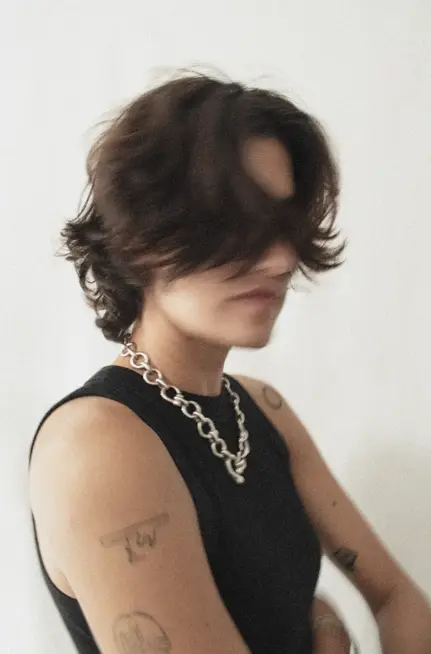
MARIONA
Touring naturally brings late nights, flights and irregular sleep schedules. How do you manage to keep a healthy routine and stay energized during the busiest months of the year?
I don’t tour internationally very often (yet), because I combine my DJing career with my other artistic practices - costume design for performances and films, and visual arts, particularly photography. So I do know what it’s like to be away from home for long periods. It is always hard to keep a routine, so eating as healthy as possible, getting enough rest and doing yoga are the things that keep me sane. I also try to be mindful with substances and learn when it’s time to leave the party. I think those small decisions make a big difference in how you feel over a long period of time.
What is one practical piece of advice you would give to up-and-coming DJs about protecting their mental health while building a career in this industry?
Protect your time, your sleep, your body and the relationships that matter to you. For me, having other creative practices gives me different ways of expressing myself and, importantly, gives me perspective.
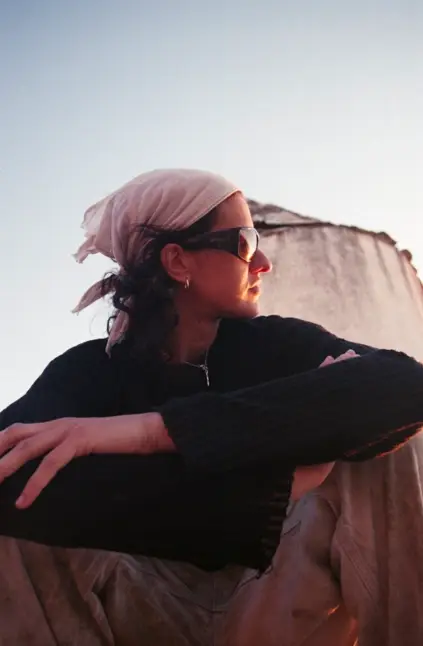
ANETHA
Your sets are incredibly high energy and you also run your own label. How do you physically and mentally reset after playing such intense shows weekend after weekend?
Honestly, the biggest shift was deciding to scale back. I went from around 100 shows few years ago to a max of 60. That alone changed everything for my body and my head. Beyond that, my daughter is a huge part of how I reset. Coming home to her puts everything back into perspective almost instantly, there’s no faster way to switch off from the show and switch back into real life.
You have always been vocal about a healthier and more sustainable approach to touring. What is the one self care routine you absolutely never skip when you are on the road?
Sleep, no matter what. I try to get 8 hours every single night on the road, even if it means turning down an afterparty or an early travel. And whenever I can, a bath. It sounds simple, but it’s the one thing that really lets the pressure drain out after a set.

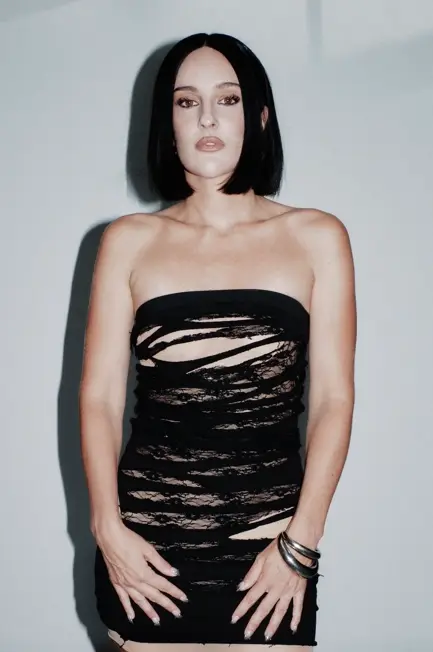
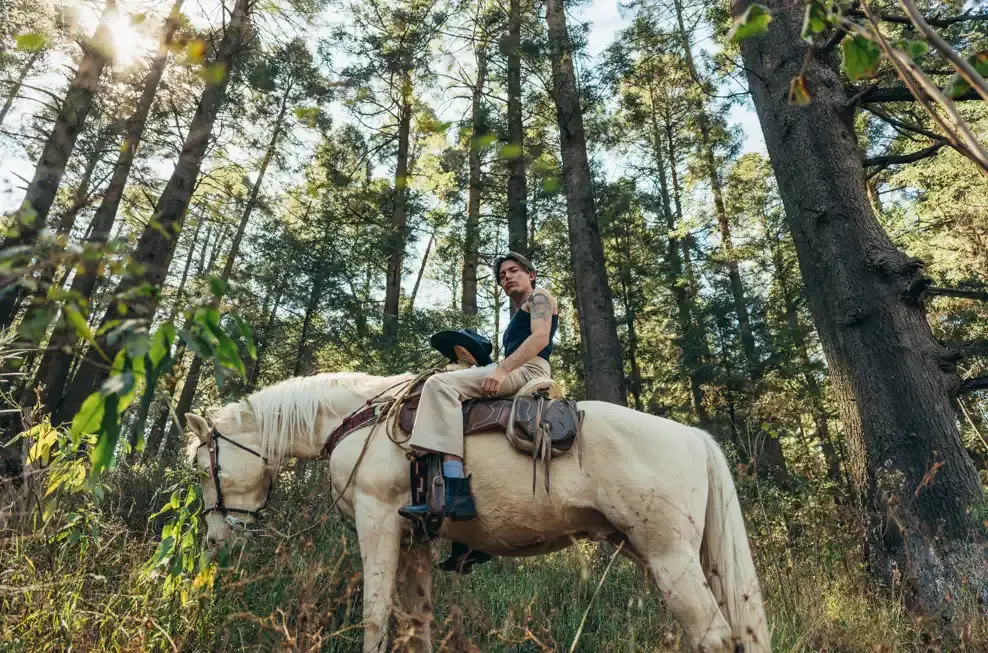
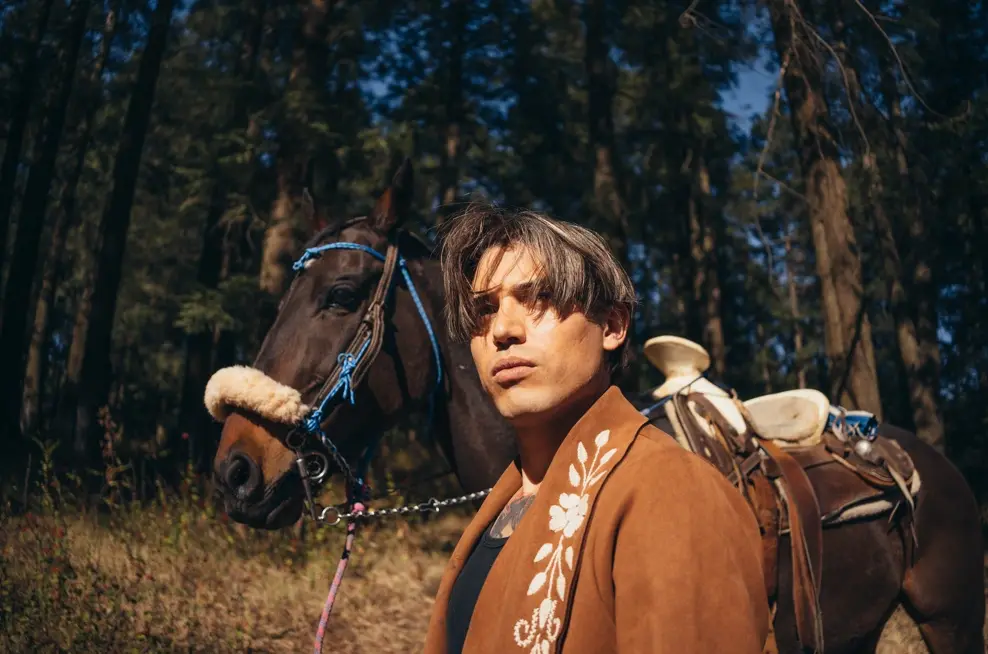
SINEGO
Your music carries a lot of emotion and is deeply tied to your Latin roots. Does staying connected to your cultural background help you maintain a sense of balance when touring far from home?
Staying connected to my culture while touring is one of my non-negotiables. I spend a lot of time in Europe, and I think there’s an interesting contrast between the way a lot of European electronic music is built and the music I grew up around in Latin America. European club music can be very minimal, while Latin music is often the opposite: maximalist, full of instruments, rhythmic changes, different timbres and sometimes a bit of chaos.
For Sinego, I’m always trying to find a balance between those two worlds. But if I spend too long immersed in the European scene, I can feel myself drifting too far in one direction. That’s usually when I know I need to go back to Mexico City, Bogotá, or somewhere in Latin America, listen to what people are playing, be around the language and the culture again, and almost recalibrate myself. It reminds me where the project comes from.
The electronic scene is finally talking more openly about mental health. What is your personal approach to finding quiet moments before stepping onto a massive festival stage?
For me, warming up my voice and my hands before a show has almost become a form of meditation. Because there are live vocals, guitar and percussion involved in the Sinego show, I need that time physically, but it also gives me a reason to disconnect from everything happening around me.
Before I perform, I’ll often ask everyone to leave the green room for a while and just spend some time warming up alone. Festivals can be incredibly stimulating: there are friends, artists, drinks, people coming in and out, and a lot of energy around you. But I’ve realized that the energy you bring onto the stage can easily become diluted by all of that.
I want to walk onstage feeling completely present. So those few quiet minutes beforehand are about stripping everything else away and making sure that whatever I give to the crowd feels as pure and intentional as possible.
Lorenzo de' Nobili
Music Editor
Lorenzo de’ Nobili is a sound designer and composer driven by a deep passion for urban culture and its evolving aesthetics. His work explores the intersection of music, fashion and sport, blending contemporary sounds with strong visual identities. Alongside his research in urban culture, he collaborates with contemporary dance artists, creating immersive sonic experiences that connect movement, space and emotion.
@sereno________________________Share this article
RELATED


AUDIO OBSCURA ADE 2026 AT G-STAR RAWFACTORY

