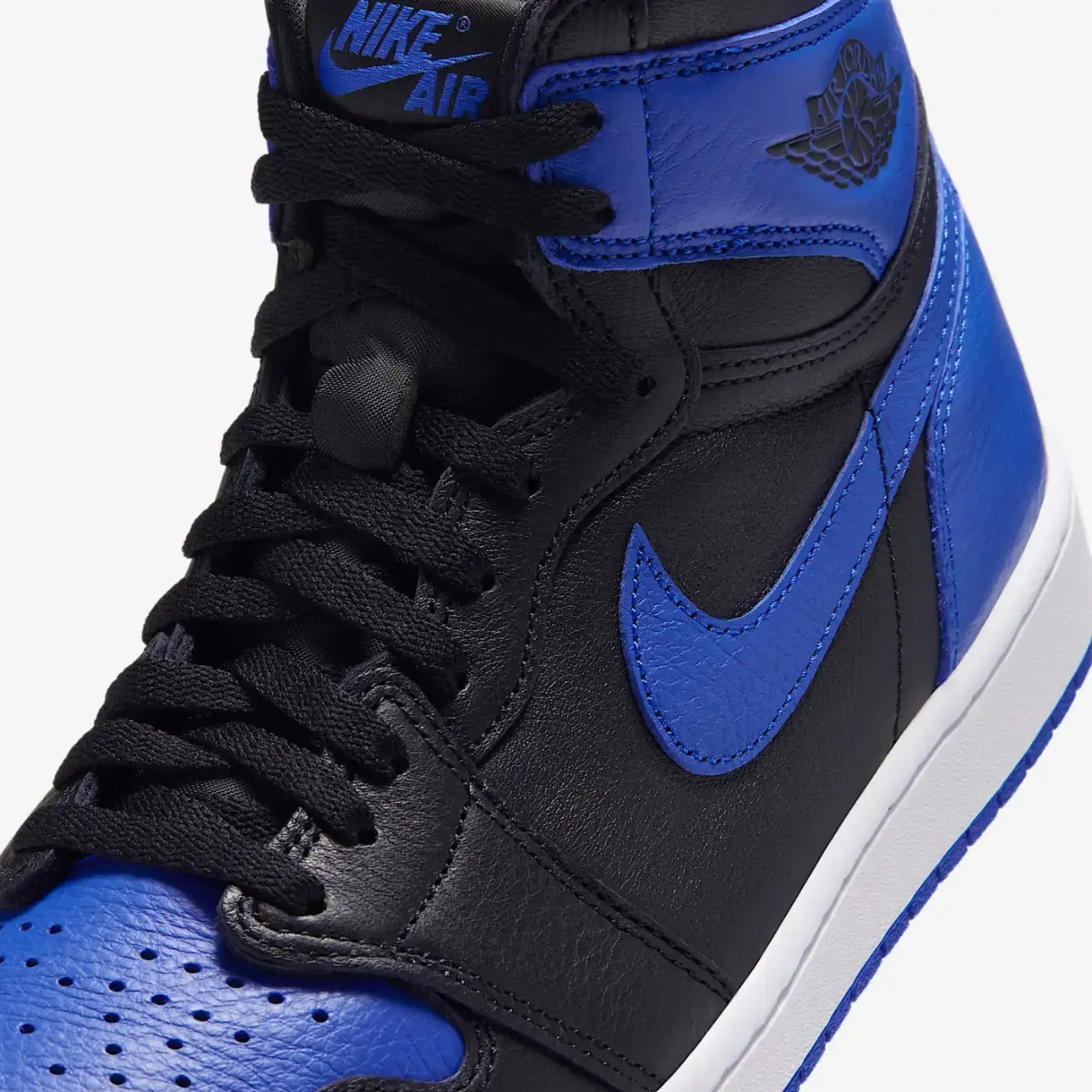
For decades, Jordan Brand has shaped Nike's identity and the way consumers see the brand. It anchored Nike in both sport and lifestyle culture, created desire and gave the wider brand direction.
The history of Nike and Jordan has always been intertwined, for better and for worse. In September 2026, after almost 18 years, Nike was removed from the S&P 100. A month later, Jordan Brand brought back the black and blue Air Jordan 1 "Royal". But days after release, pairs were still available in several sizes, with some trading below retail on the resale market.
For a silhouette that once stood for everything people wanted from sneaker culture, that is telling. It also points to a bigger issue both brands have been facing: too much reliance on what has worked before.
Did the halo start to fade?
For years, Jordan Brand was much more than a successful product franchise. When Nike is at its peak, its cultural resonance usually comes from one central product, and that has typically been Jordan Brand's retro business, as The Business of Fashion wrote in 2026.
The franchise had sporting credibility through Michael Jordan's legacy, but its cultural relevance went far beyond basketball. It represented aspiration, self-expression and status, and reached consumers who might never have stepped onto a basketball court. It spoke to performance-minded consumers and lifestyle audiences at the same time.
That kind of relevance is harder to sustain now. Younger consumers do not necessarily share the same connection to Michael Jordan or to the original era of sneaker culture. Heritage alone is no longer enough.
The numbers reflect that shift. In the first quarter of fiscal 2027, Jordan Brand represented 13% of Nike's global business, with revenue falling by mid-teens, as CEO Elliott Hill said in Nike's earnings call. On the same call, Hill said Nike will deliberately reduce the volume and frequency of specific Jordan retro launches, as it has done with the Air Jordan 1.
Scarcity won't fix this
When it comes to Jordan, and to some of Nike's classic silhouettes like the Air Force 1, the story is often one of mismanagement and commercial overexposure. Years of expanding the retro portfolio, increasing release frequency and putting more product into the market have diluted the excitement around individual drops. When everything is special, nothing really is.
Reducing release frequency is necessary, but it is not the answer. Scarcity can restore exclusivity, but it cannot create cultural relevance. Making an old silhouette harder to get does not automatically make a new generation want it.
The retro issue: overreliance on the past
In recent years, retro silhouettes have seen strong demand at Nike, as well as at brands like New Balance and adidas. But retro is not a silver bullet if it is not aligned with what is relevant today.
For younger consumers in particular, who do not necessarily have the same connection to Michael Jordan or the original sneaker era, the product needs a stronger reason to matter.
That is why the real question is not how to protect Jordan's legacy, but what Jordan should stand for next. The opportunity lies in reconnecting with what made it relevant in the first place: sport and culture.
How Jordan Brand can reconnect with sport and culture
First, reconnect with sport
Basketball may not be Nike's biggest revenue driver, but its cultural weight goes far beyond what it brings in directly.
Since taking over as CEO in 2024, Elliott Hill has rebuilt Nike around sport, a strategy the company calls the Sport Offense. It is a direction that could also give Jordan Brand a new sense of relevance and aspiration, by looking beyond Michael Jordan's legacy and investing in the next generation of basketball culture.
That means building around emerging players with real lifestyle pull. adidas Basketball's continued success with Anthony Edwards is a good example of how well that can work. Nike's recent launches with A'ja Wilson, Caitlin Clark and Paige Bueckers show that people are still willing to buy into the athlete, not just the shoe. Women's basketball is a real opportunity.
Then, reconnect with culture
When adidas Originals reimagined its Superstar campaign for spring 2026, it brought Samuel L. Jackson back alongside a new cast of Superstars, bridging an older generation and a new one.
Jordan's next breakthrough could come from a similar approach: looking beyond basketball and "classic sneaker culture" toward a different cultural intersection, whether that is music, design or another lifestyle category.
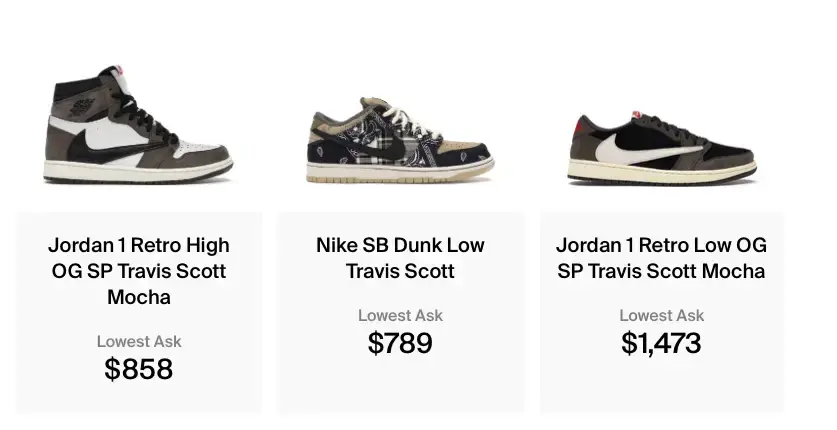
Some of Jordan's biggest cultural moments have come from connecting with personalities shaping lifestyle culture at exactly the right time. Travis Scott and Virgil Abloh's Off-White both bridged that intersection in a way that brought new audiences, creative credibility and cultural relevance into the brand.
Commercially, that matters. In 2020, StockX reported that 95% of Travis Scott merch resold above retail, and that his collectibles carried an average price premium of 130%.
The opportunity now is to identify who and what comes next. Not just celebrity collaborations, but emerging creatives, designers, artists and cultural innovators who are already shaping what people want to wear, listen to and be part of.
From protecting a legacy to creating the next one
Jordan shows that heritage only remains valuable when it continues to mean something to new generations.
For Nike, the challenge is to rebuild the cultural relevance of one of its most important brands.
But it goes beyond the franchise. It is a lesson in what happens when a brand leans too heavily on its own cultural capital and stops creating new reasons for people to care.
The opportunity is to use this case as a lens for Nike's wider brand strategy: not just to rebuild Jordan's relevance, but to keep Nike from facing the same problem on a broader scale.

Emma Luz Philipp
Contributor
Emma Luz Philipp is a Brand Strategist specialising in Sports & Lifestyle, with experience working with clients including adidas, Nike, The North Face, Bandit Running and Hugo Boss. Her work focuses on cultural insight and brand strategy, with a particular emphasis on how sport, lifestyle and community intersect.
She is currently a Community & Culture expert for adidas Running and is based in Berlin. Her interests include sport and lifestyle culture, music culture and travel.
@emma_luz_nefertari@a_convoLinkedInsubstack.comShare this article