
Summary:
- Prada adds Re-Cashmere and Re-Wool, two lines made from recovered fibres, to its ready-to-wear range.
- Prada says Re-Cashmere uses 100% recycled cashmere, while Re-Wool blends 50% virgin wool with recycled wool and cashmere.
- Pieces are made in Tuscany and Umbria and listed on Prada.com.
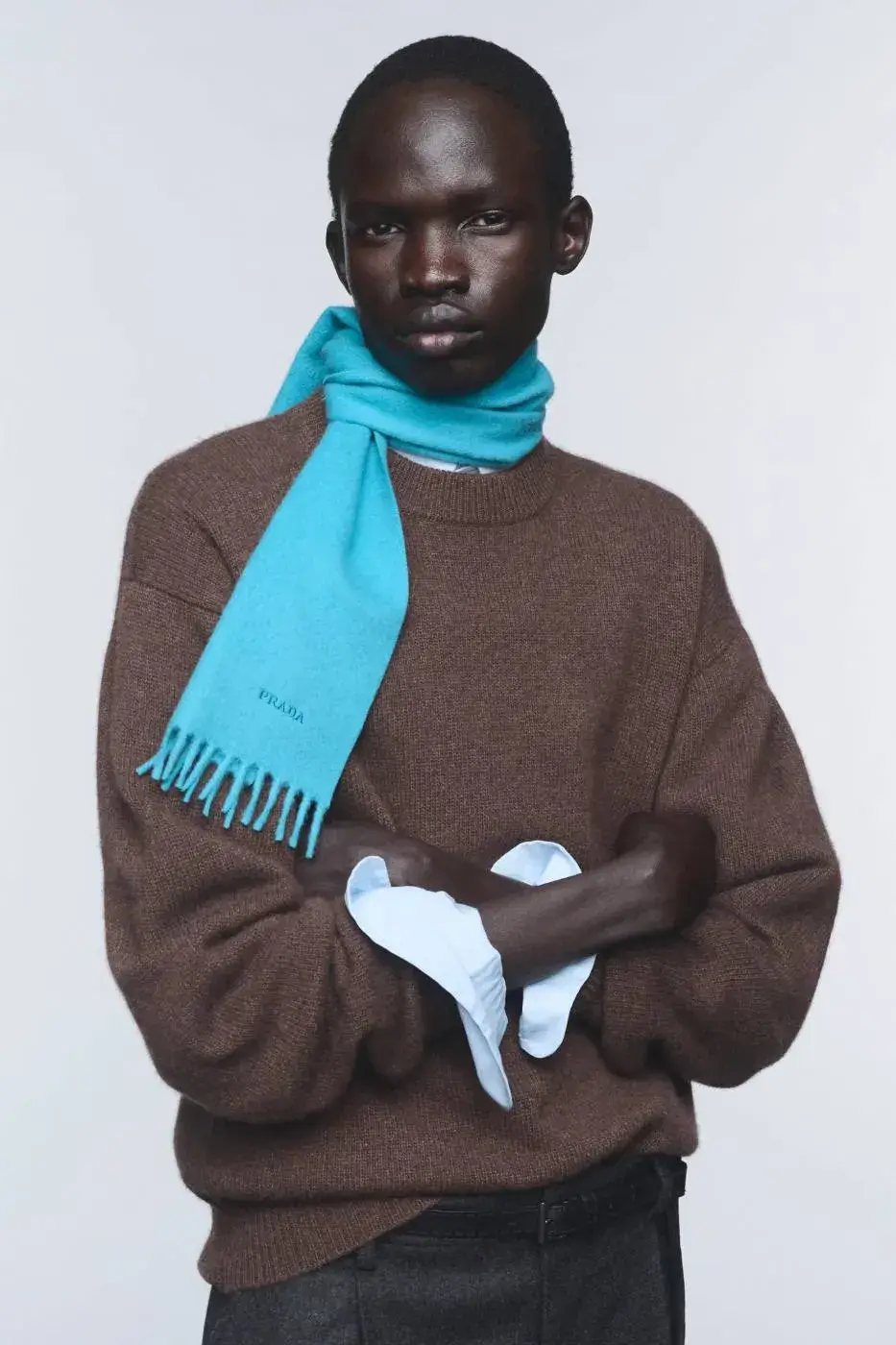
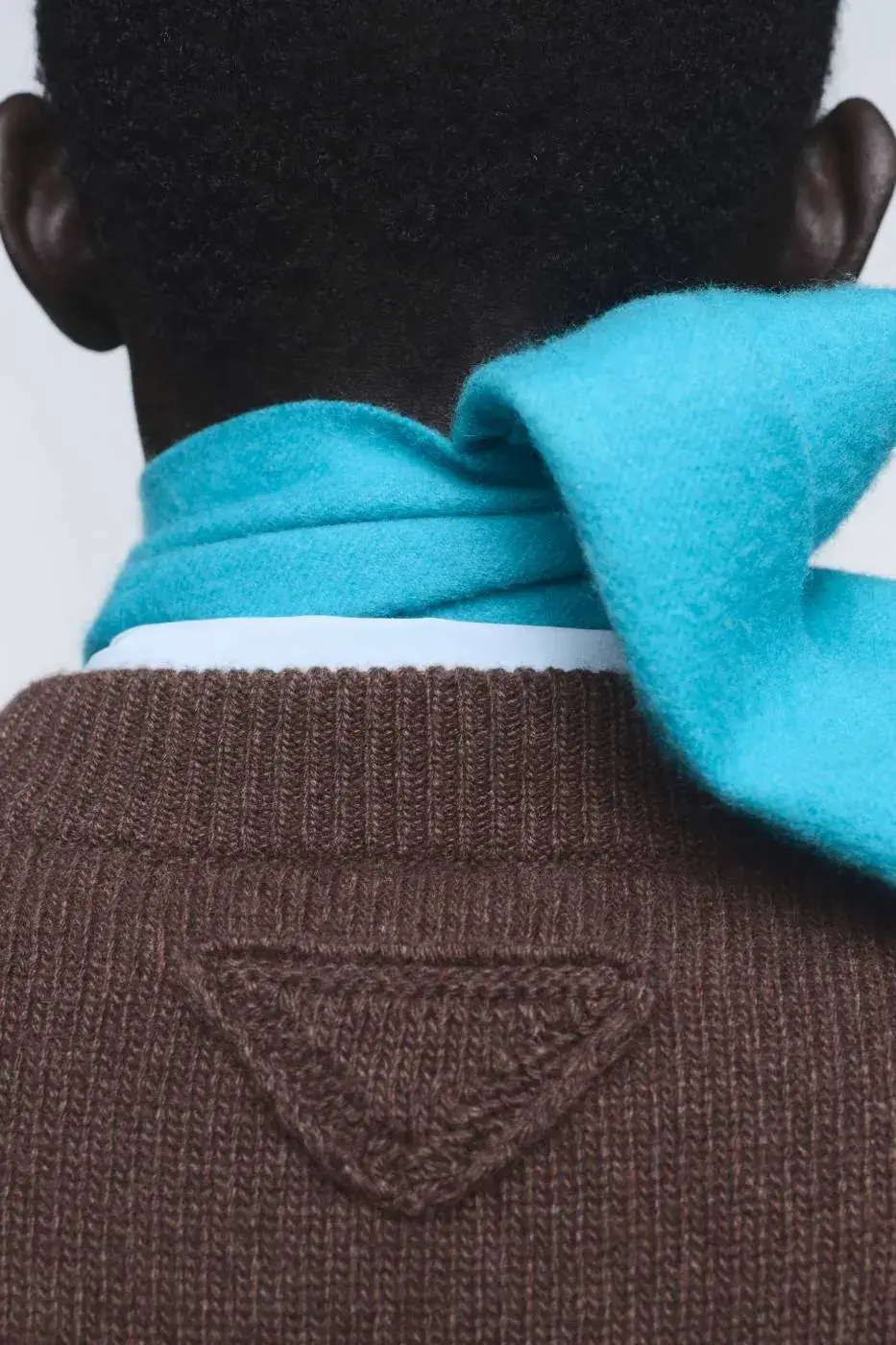
Prada has added Re-Cashmere and Re-Wool to its ready-to-wear range. Both lines include recovered animal fibres. They extend the circular approach of Re-Nylon, the regenerated nylon Prada introduced in 2019, from synthetics to wool and cashmere.
The two lines differ in composition. Prada says Re-Cashmere pieces use 100% recycled cashmere. Re-Wool combines 50% virgin wool certified to the Responsible Wool Standard with 40% recycled wool and 10% recycled cashmere. The recycled components carry Global Recycled Standard certification. Half of the Re-Wool yarn is virgin wool, so the line is not fully recycled. If you want to check the fibre content, each product page lists the exact percentages.
The raw material comes from pre-consumer waste. Prada says the programme draws on spinning residues and production offcuts, which are collected, sorted and returned to the supply chain as usable fibre. The supply of recovered yarn forms part of how Prada plans the assortment, so quantities follow the material on hand. For context, Prada Group reports sheep wool made up 4% of the materials it sourced in 2025, and 76% of this wool was covered by recognised certifications.
Production takes place in Tuscany and Umbria, two Italian regions with established knitwear and textile industries.
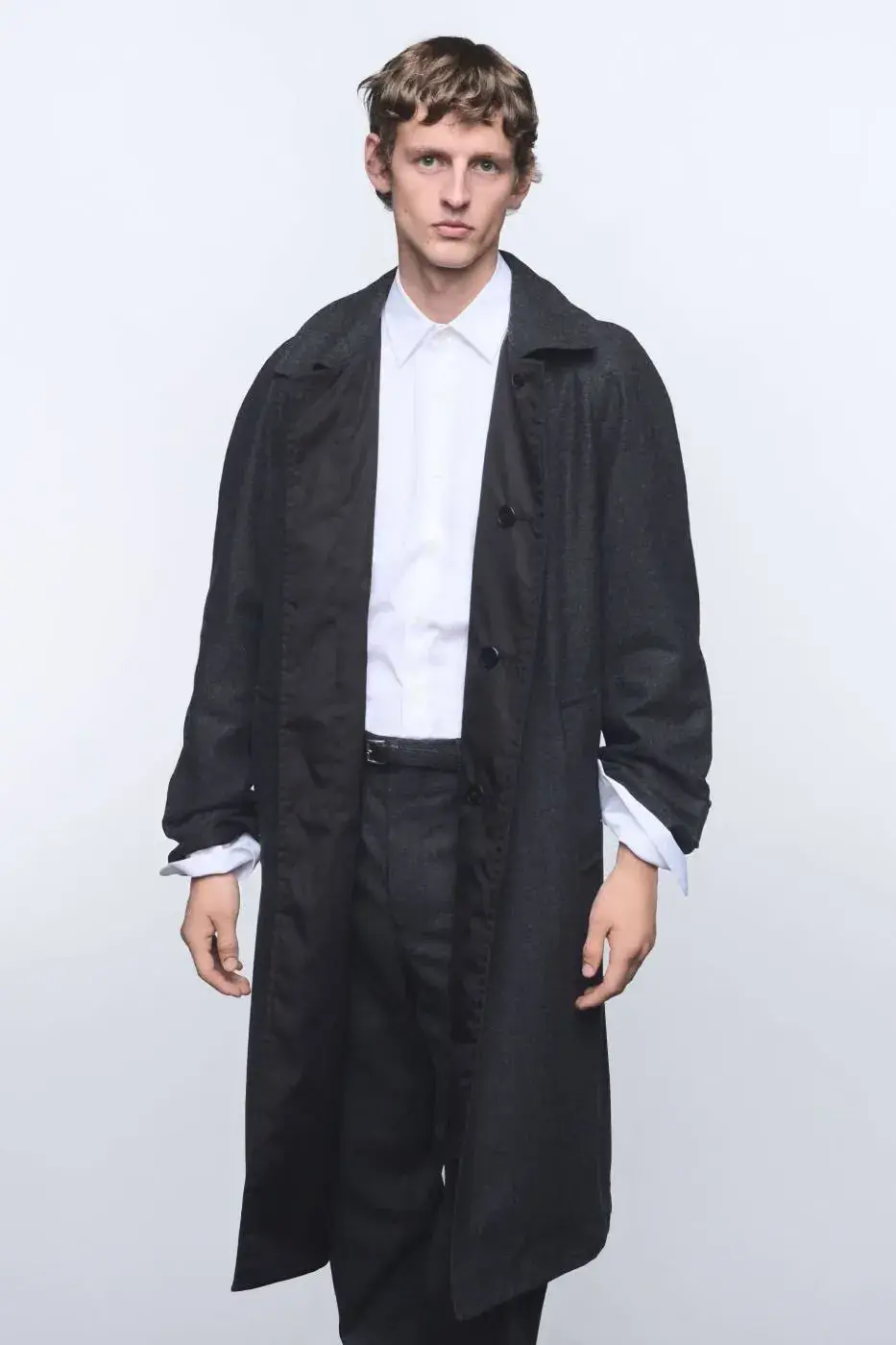
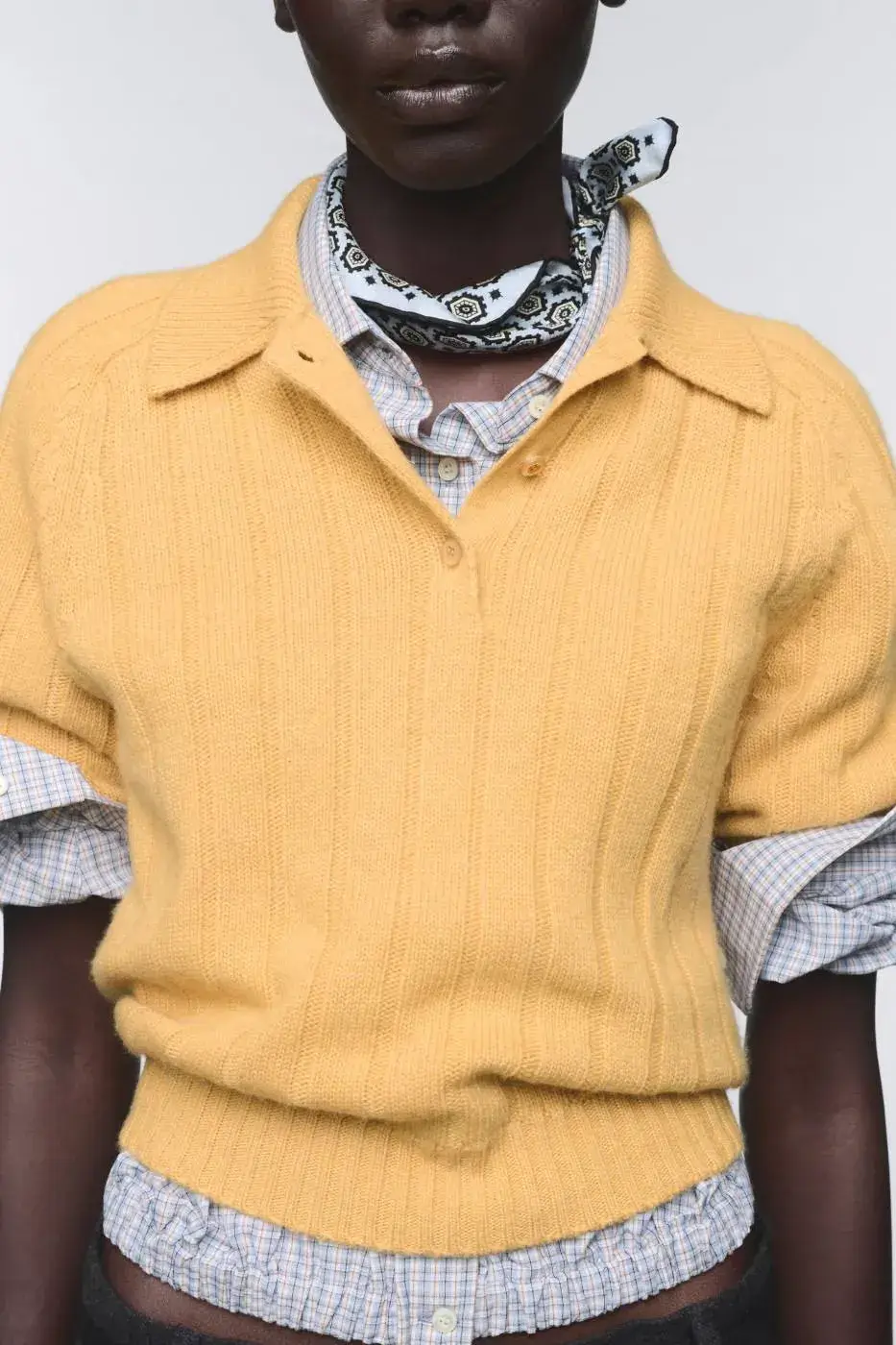
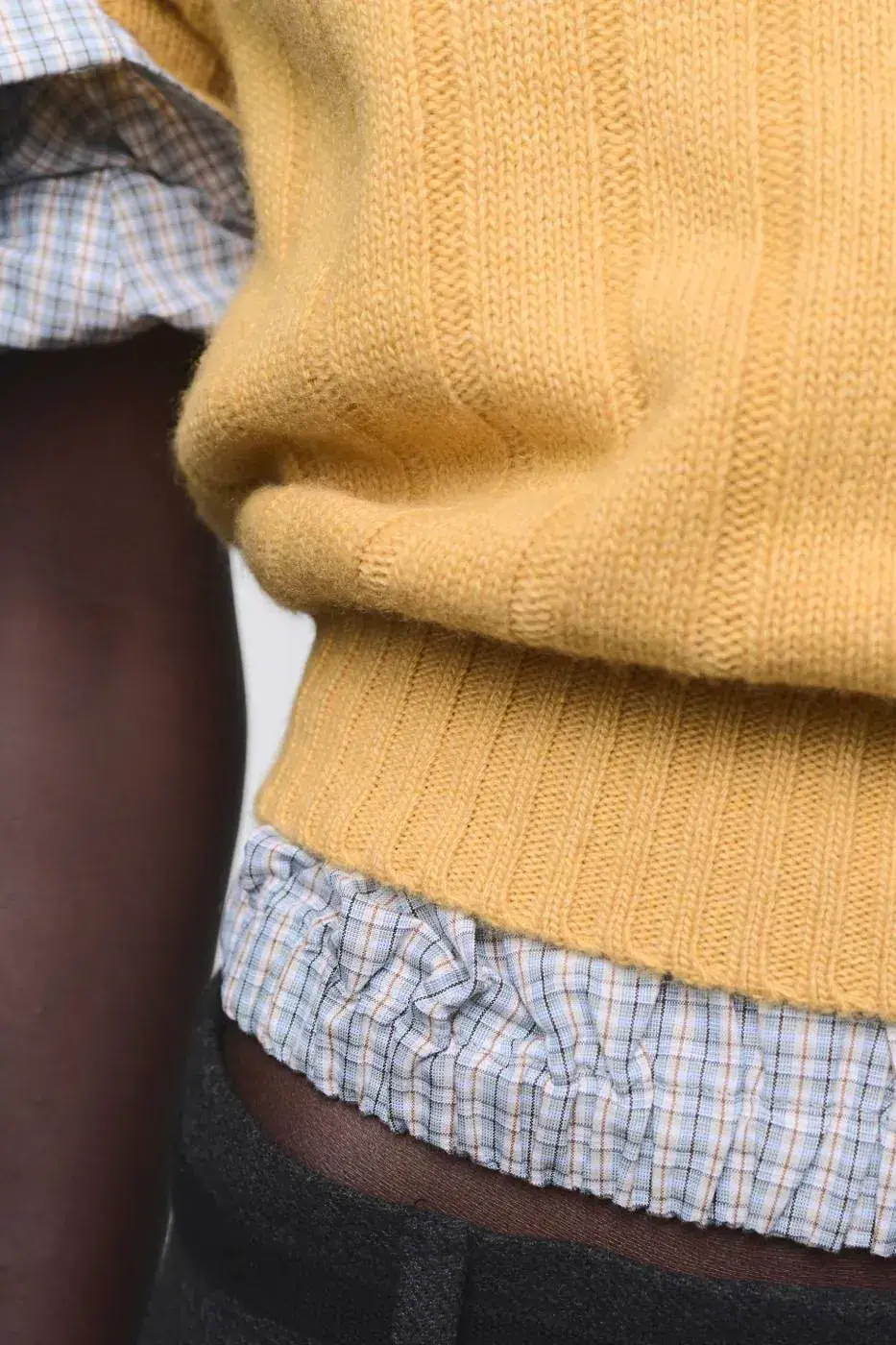
The range covers knitwear and tailoring. Re-Cashmere appears as sweaters and polos. Re-Wool appears as skirts, trousers and jackets, along with a shirt with outerwear details and a reversible coat. Prada tags the line as new on its website, and each product page lists sizing, fit and fibre content.
Eric Grischott
Born in Groningen in 1991, Eric Grischott is a linguist with a deep-rooted passion for art, music, and fashion. His academic journey led him to graduate in languages, further enriching his linguistic prowess. His thirst for knowledge and cultural immersion took him abroad, where he gained invaluable experience and insights. Eric’s linguistic expertise is not confined to just theory. He has honed his skills in French and German through specialized DELF and DELE courses, demonstrating his commitment to mastering these languages. His passions extend beyond languages, encompassing the creative realms of art, the rhythmic world of music, and the dynamic sphere of fashion.
Share this article
RELATED

MIISTA SPENDS A DAY TREADING GRAPES IN ALSACE

SATISFY AND OAKLEY RELEASE CHAPTER VIII

KITH, GIORGIO ARMANI AND ASICS REVEAL THE GEL-MAI 0.1

ADERERROR SIGNIFICANT AND ALPHA INDUSTRIES MA-1 JACKET

PERSPECTIVES CROISÉES PAIRS ATELIERS ALIX AND TIANXI
