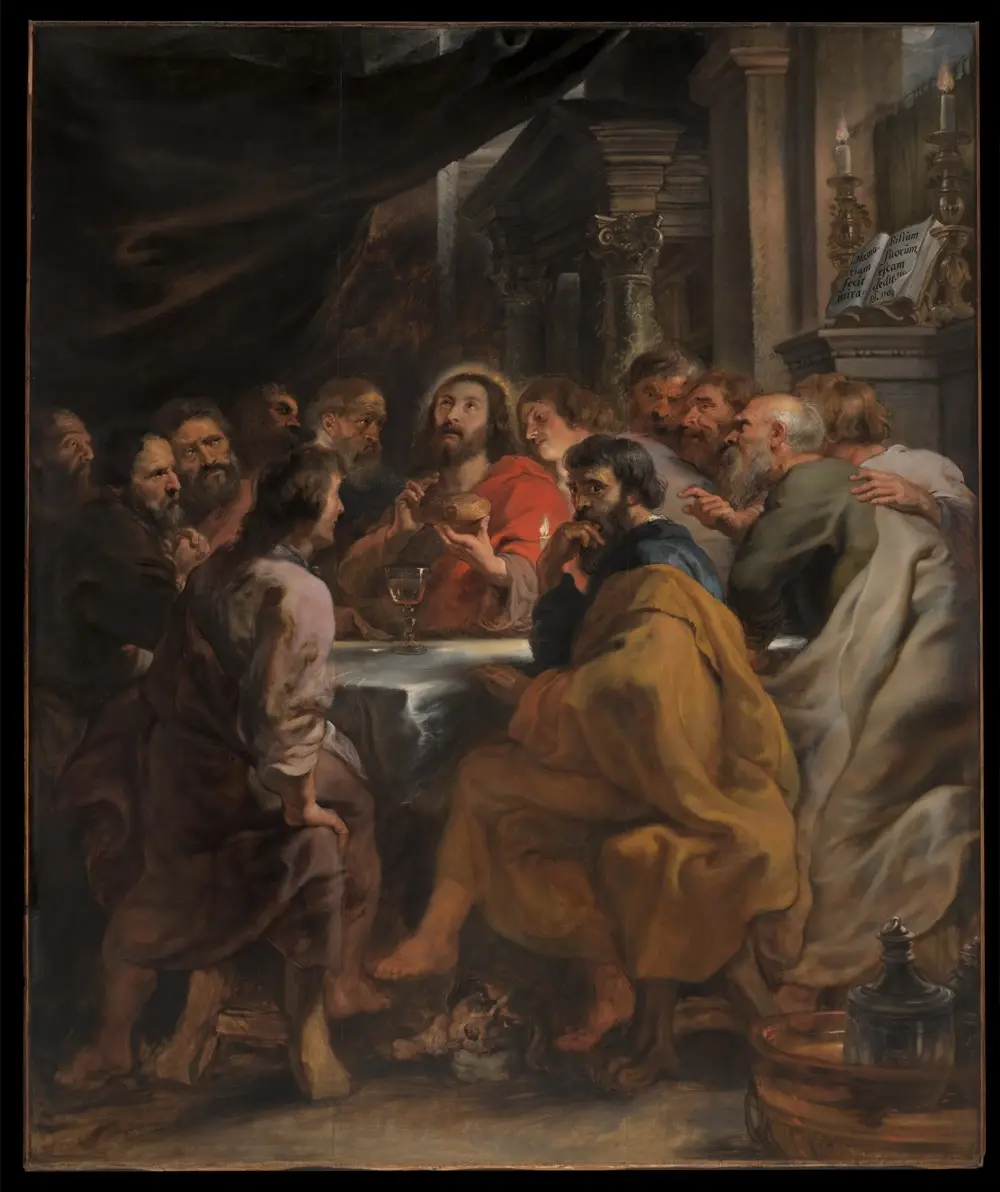
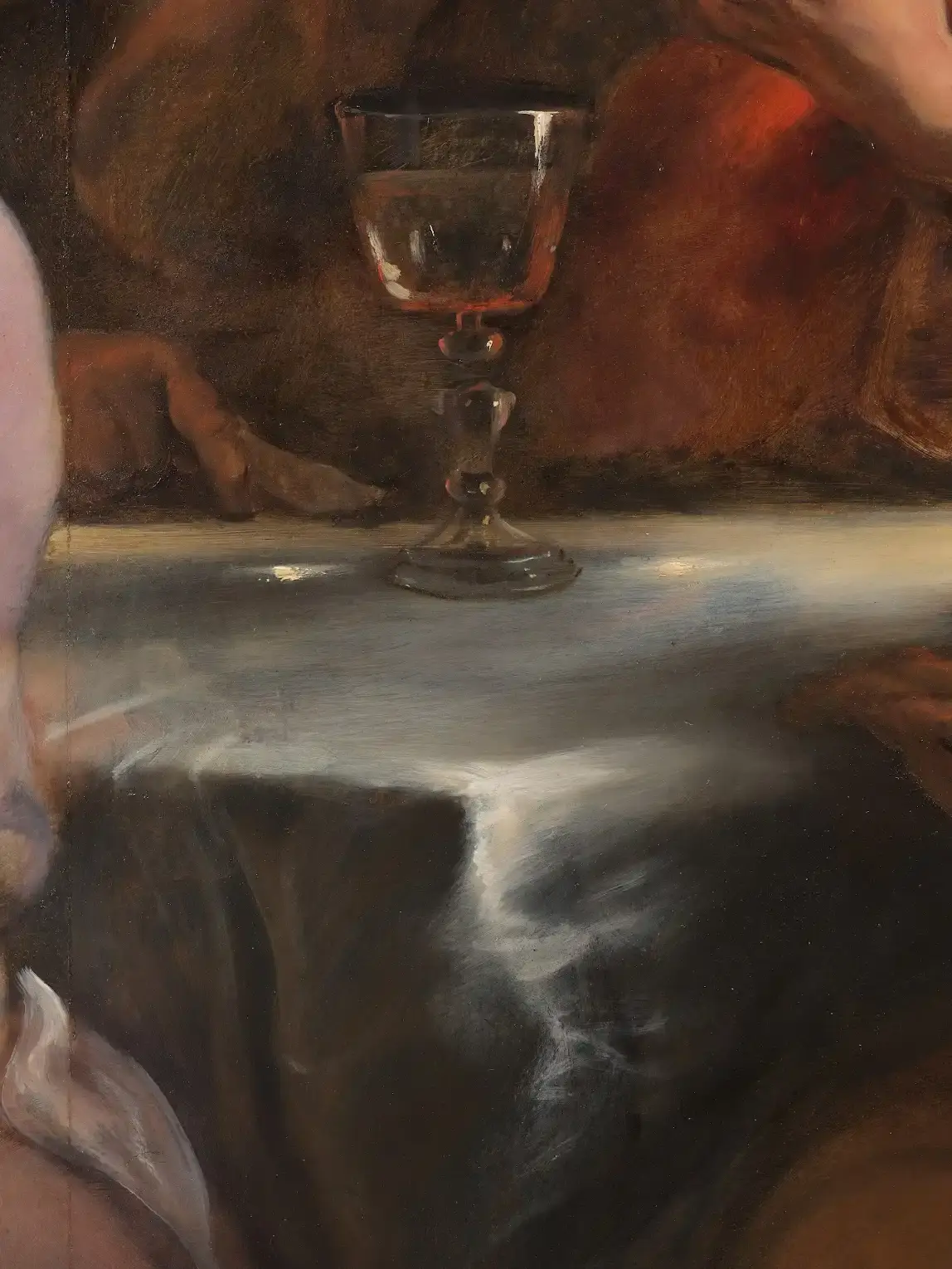
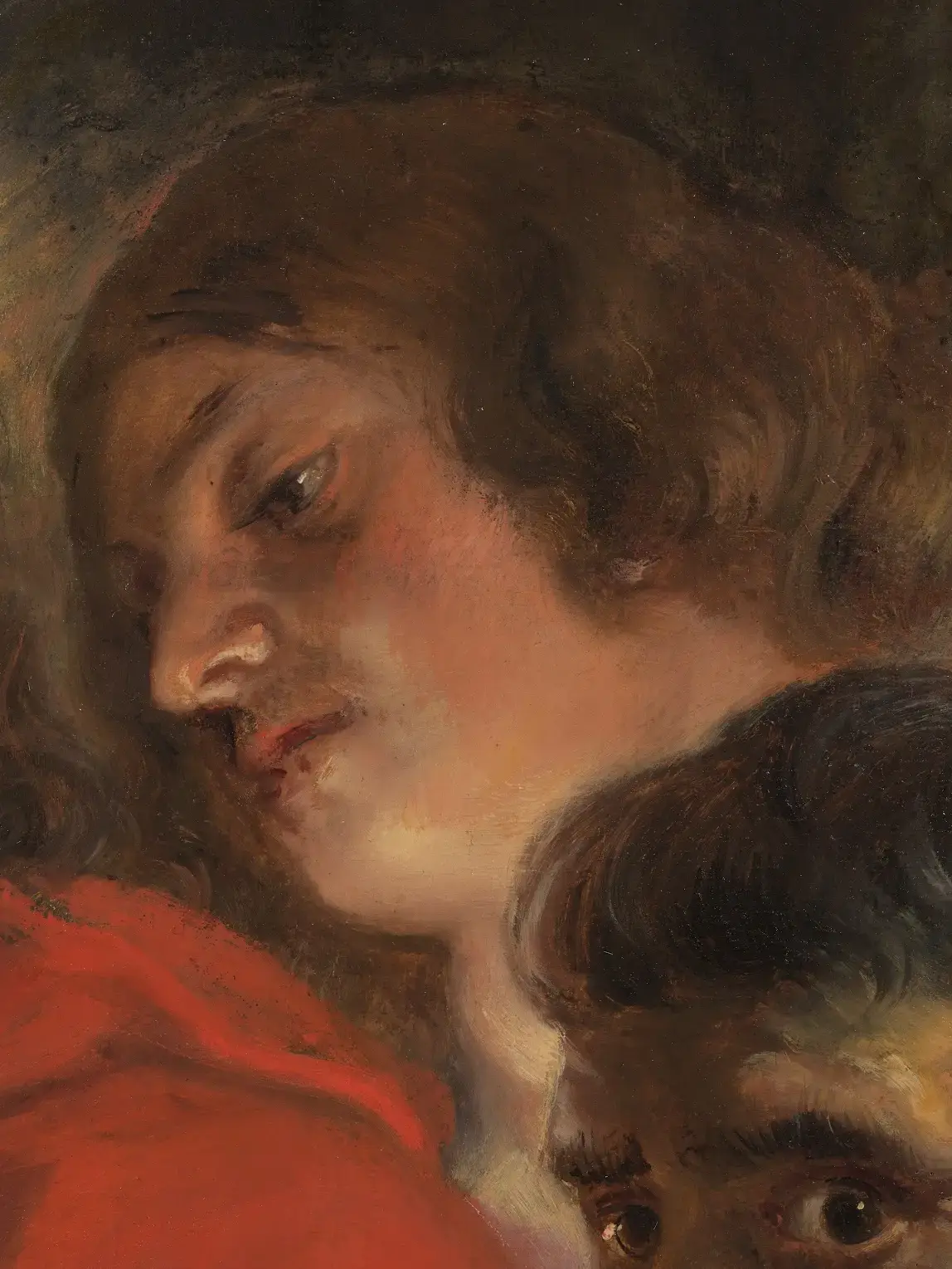
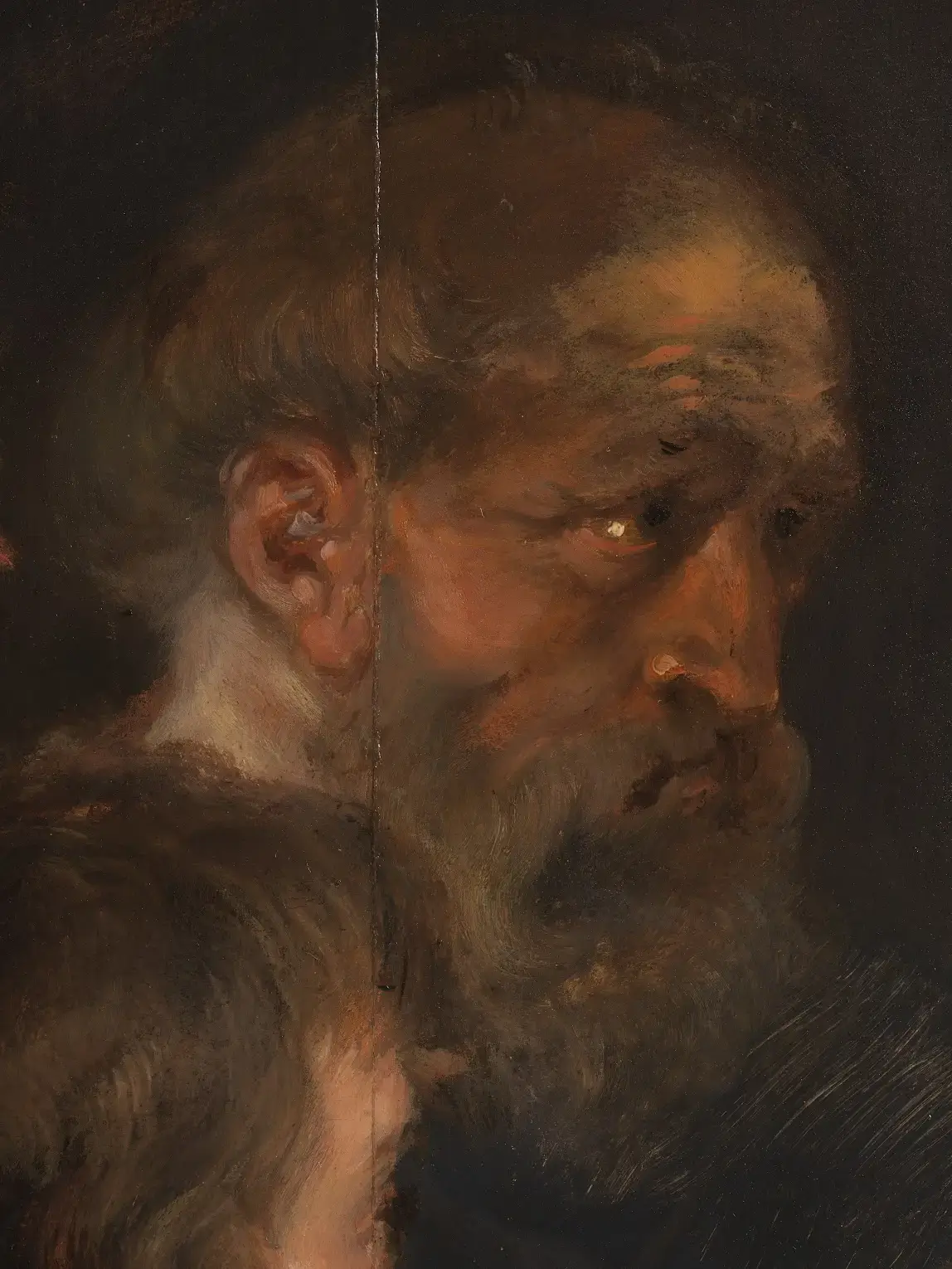
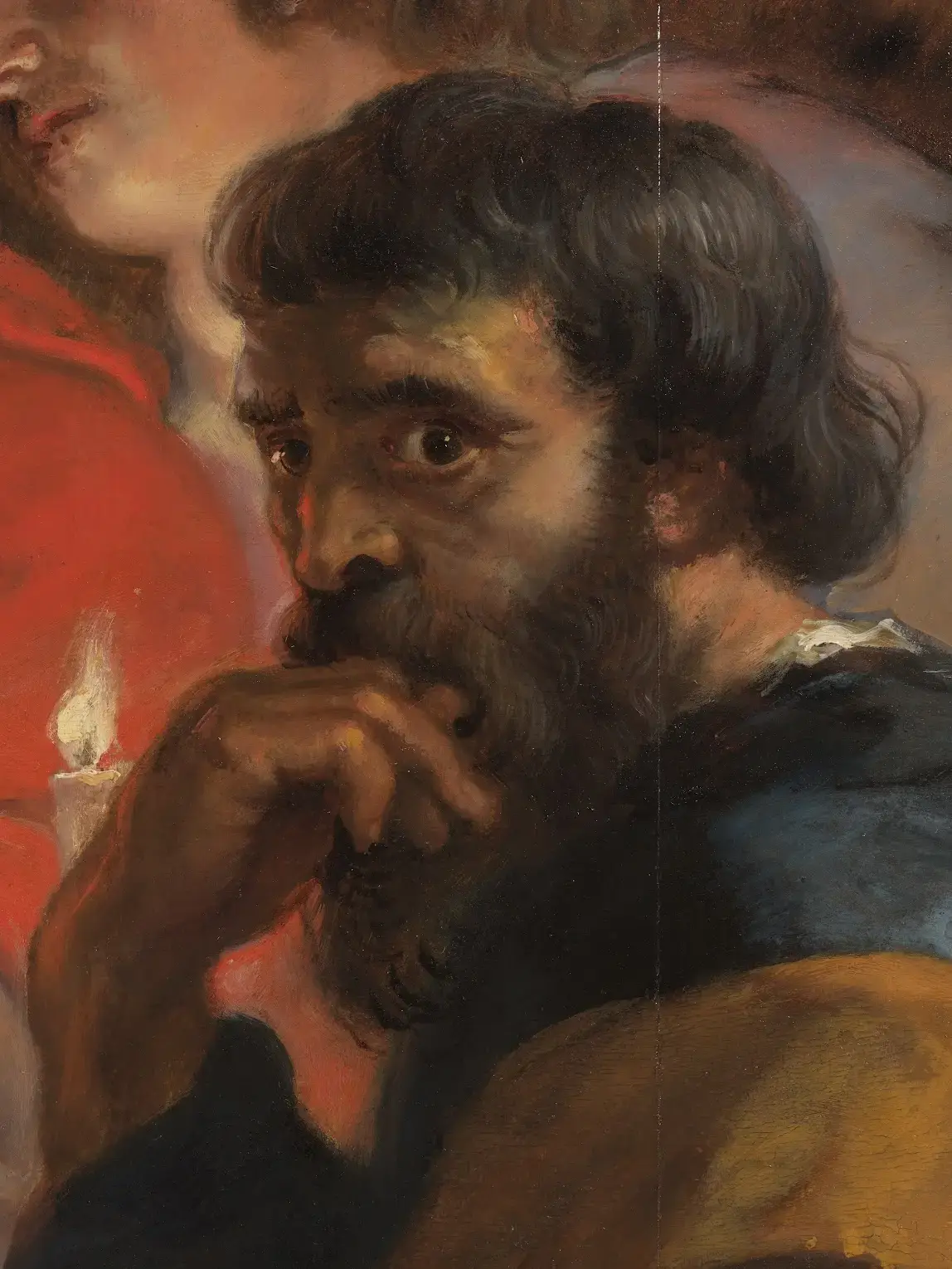
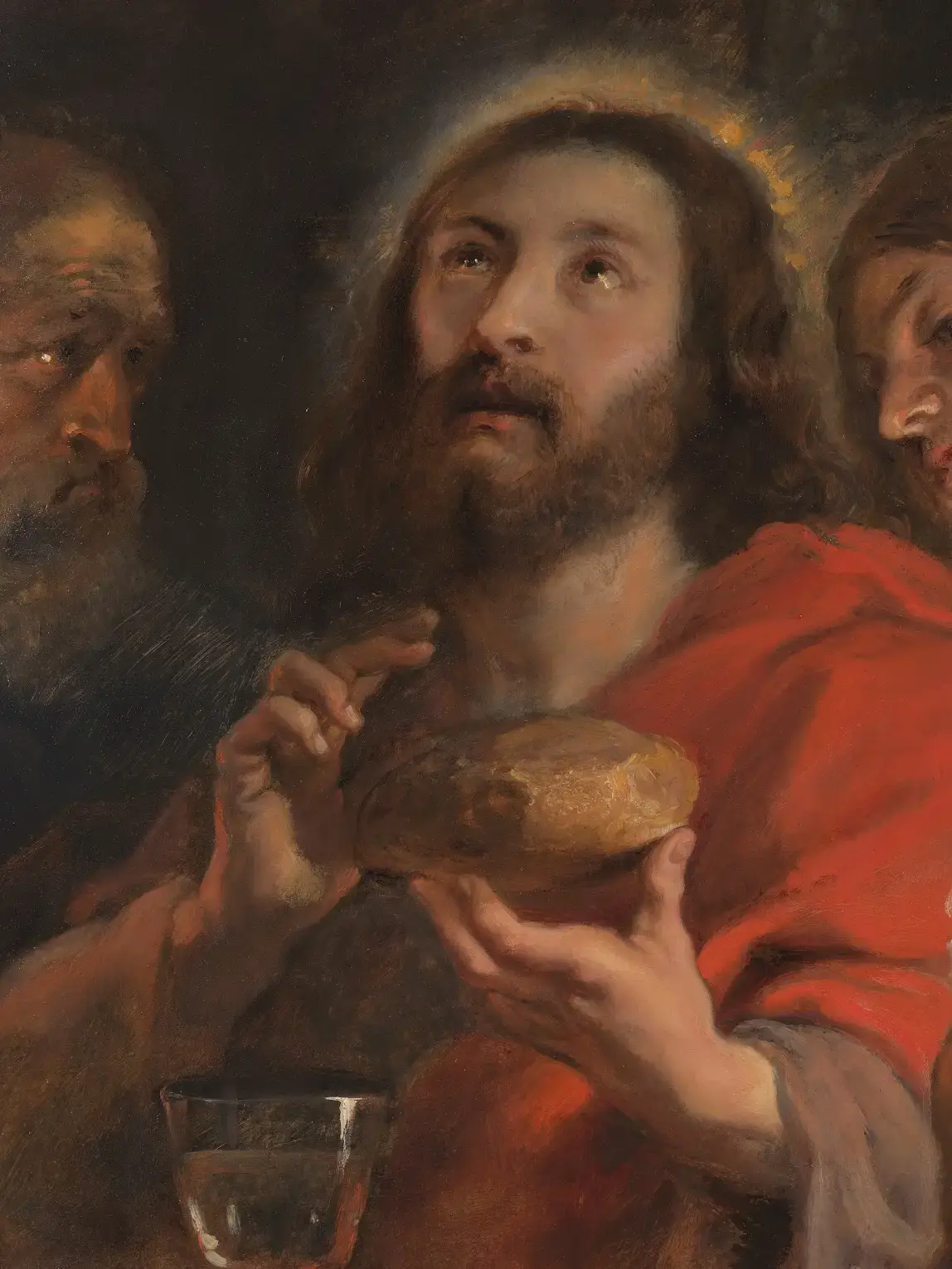
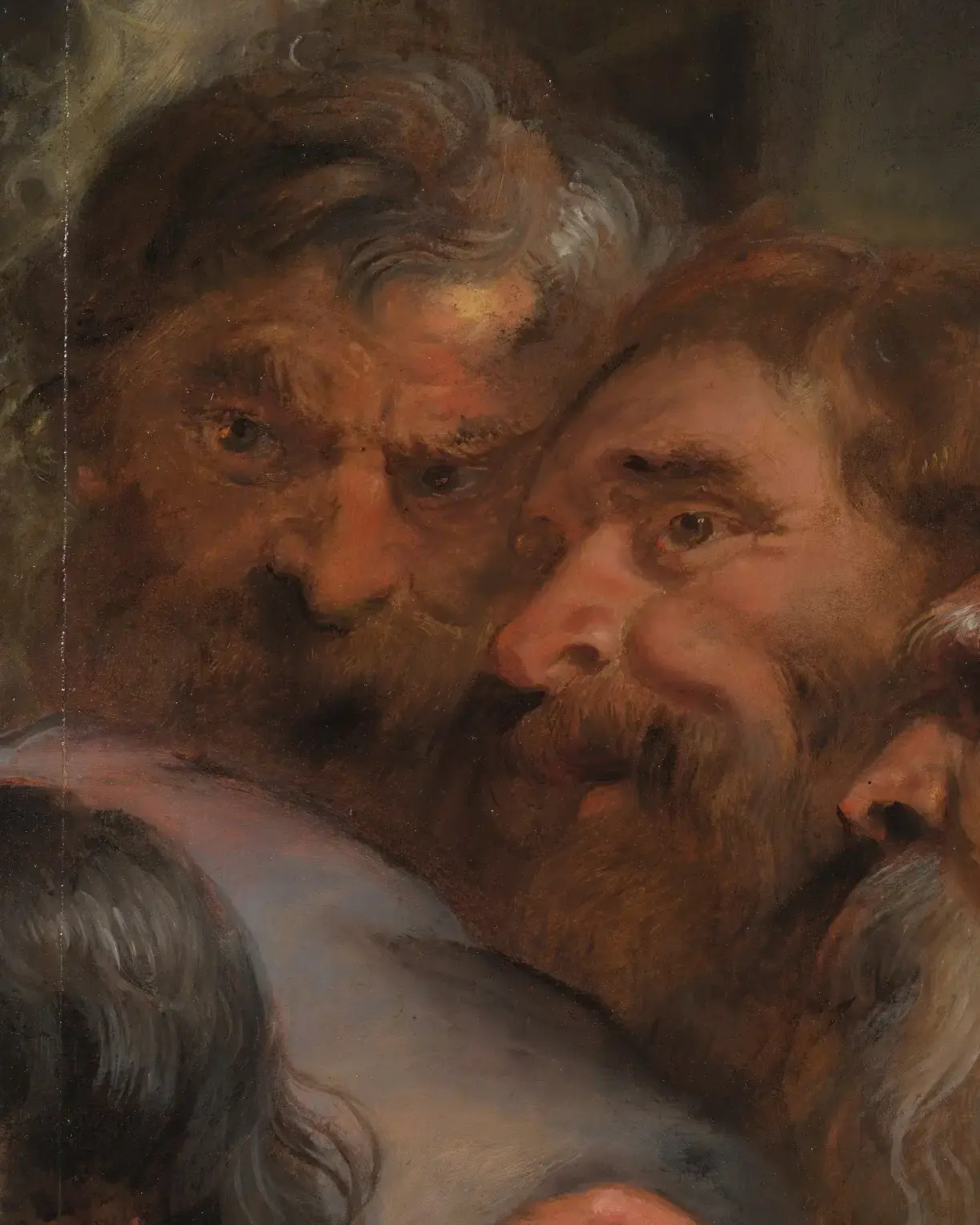
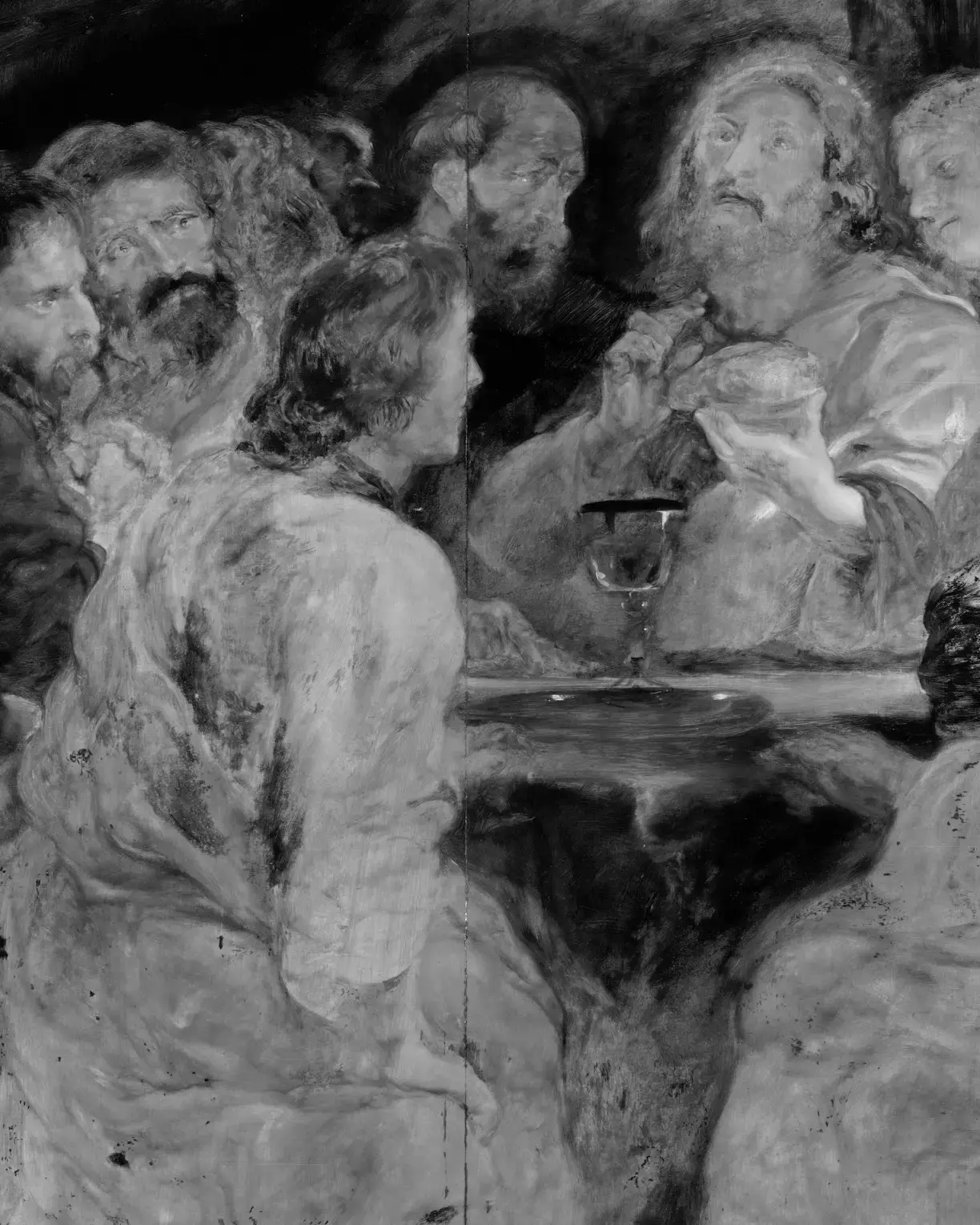
The Pinacoteca di Brera in Milan has presented the restoration of the Last Supper by Pieter Paul Rubens, together with the book Pieter Paul Rubens. Il Cenacolo e il suo restauro, edited by Andrea Carini and Francesca Debolini and published by Marsilio Arte. The work, supported by PwC Italia, has made the painting easier to read again, while scientific analysis has shown how Rubens and his workshop built it.
The history of Rubens' Last Supper
Rubens painted the altarpiece in 1631 for St Rumbold's Cathedral in Mechelen, when he was the most established painter in the Southern Netherlands. The oil on panel measures 302 by 250 centimetres. The Last Supper is shown as an intense drama centred on the Eucharist: the apostles react with different gestures and expressions, while Judas turns towards the viewer and draws them into the scene.
The painting was part of an altar complex that was later taken apart, and it arrived at Brera in 1813 through an exchange with the Louvre. New research by Nils Büttner in the archive of Mechelen cathedral has added details on the commission and on the craftsmen who worked on the altar.
What the restoration of the Last Supper revealed
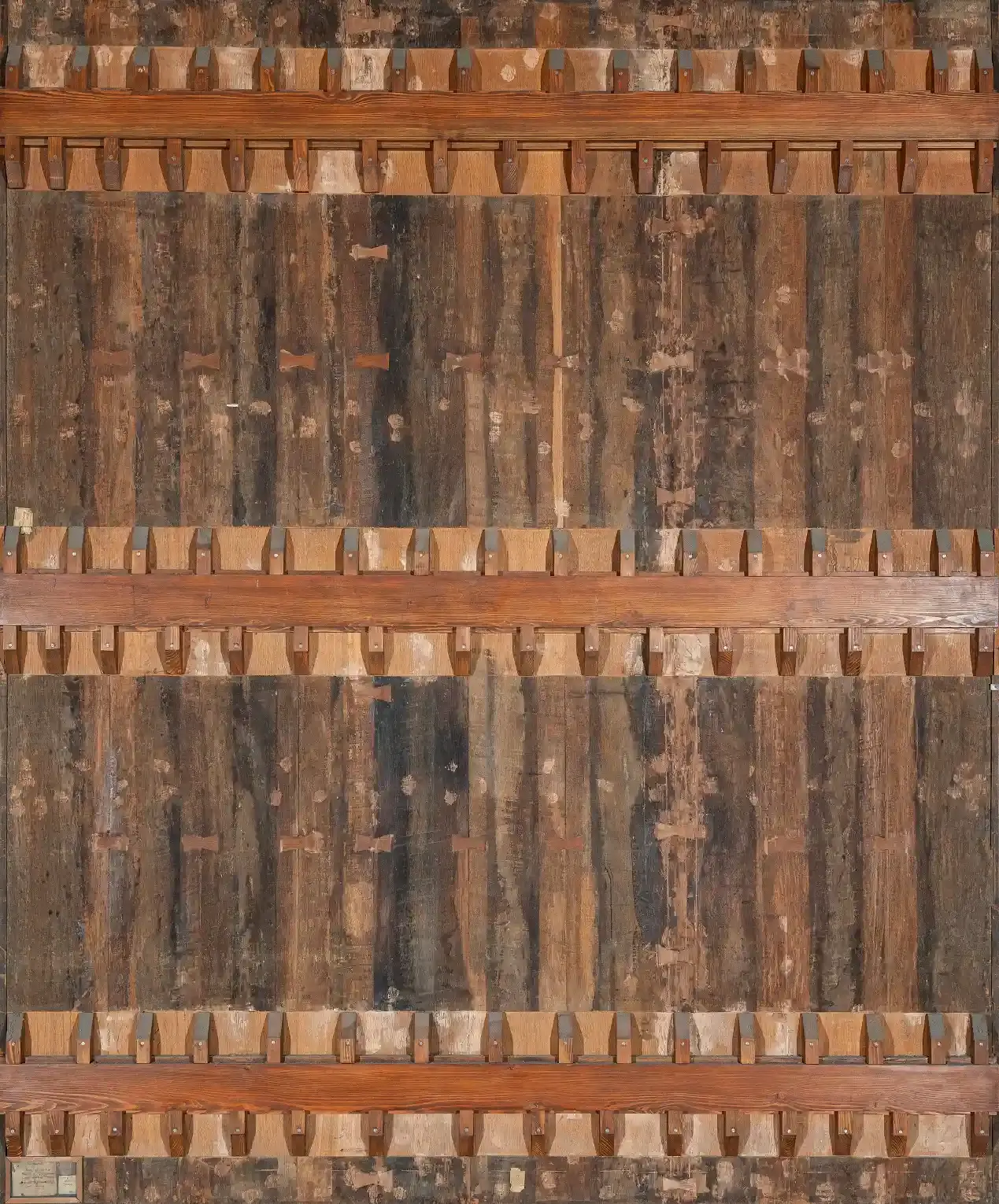
The restoration took place in 2025 and 2026, more than forty years after the previous one in 1984. Altered varnishes and retouches had flattened the colours and the depth of the darker areas, and the support, ten oak planks, had some weak points and lifting paint. The team removed the altered layers selectively and treated only what conservation required, bringing back the depth of the shadows and the contrasts of light.
The analysis, carried out with universities and research institutes, found pentimenti, the changes an artist makes while painting. The head of the fourth apostle from the left was first placed in a different position, and a plate on the table was later hidden under the paint of the tablecloth. The study also reconstructed the palette used for skin, drapery and other elements, and the main stages of the work, from the preparation to the last brushstrokes. A comparison with the preparatory sketch in the Pushkin Museum in Moscow helps separate the master's invention from the possible contribution of his assistants.
Visitors could follow the work in the Transparent Laboratory along the museum route, where the painting stood during the restoration. In April 2025 it also became the setting for Willem Dafoe's reading of Judas, the poem by Gabriele Tinti.
"Restoring a work like Rubens' Last Supper means giving it back its full legibility and questioning it again", said Angelo Crespi, director of the Pinacoteca di Brera. Giovanni Andrea Toselli, chairman and CEO of PwC Italia, said the project offered visitors a chance to see work that usually stays behind the scenes.
Who restored the Last Supper and where to see it
The restoration was carried out by the Pinacoteca's laboratory, with Andrea Carini, Valentina Balconi and Ilaria Negri, and Roberto Buda for the wooden support. The analysis involved the University of Milan, the conservation centre of La Venaria Reale, the University of Milano-Bicocca and 3A Laboratori – Lifeanalytics.
Where: Pinacoteca di Brera, via Brera 28, Milan
Book: Pieter Paul Rubens. Il Cenacolo e il suo restauro, Marsilio Arte

Staff
CASAWI Magazine: based in Milan, we celebrate youth culture, creativity, and community across fashion, sports, music, art, design & more.
@casawi.magazineShare this article