
Billyracxx is a rapper, visual artist and creative director who grew up between Eatonville, Florida, and Houston. Since his debut album Religion in 2019, he has built his projects as whole worlds of sound, image, fashion and performance. His new album, Alien In My City, came out on 13 November 2026 after two years of work, with features from Teezo Touchdown, Maxo Kream and Trae Tha Truth.
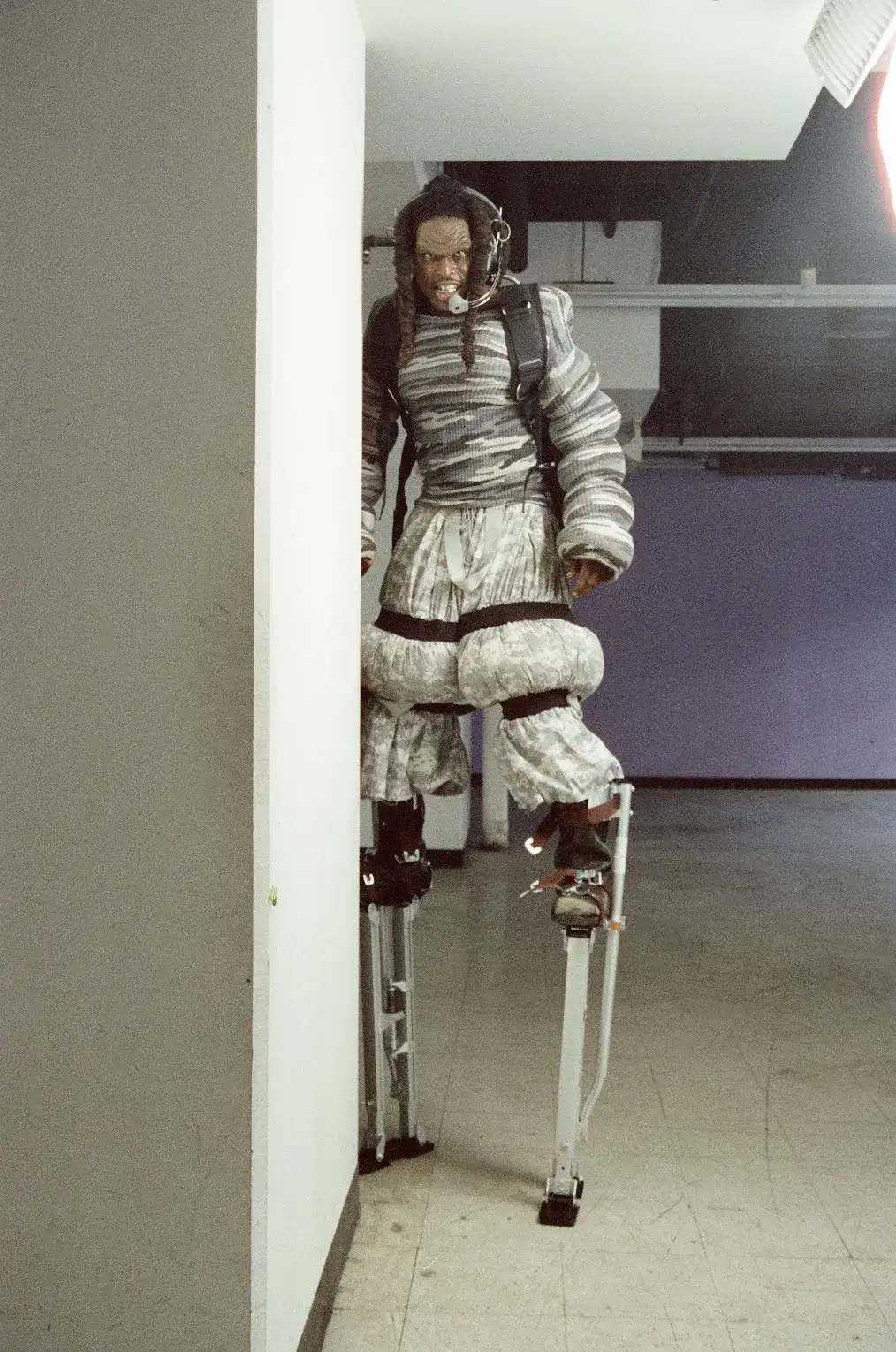
For those two years, Billyracxx also lived as the album’s main character, the Alien, appearing in public spaces with an alien prosthetic and filming the reactions. Now a new music video arrives every week for thirteen weeks, alongside a mini documentary. CASAWI first met him in Paris, in an interview with his creative partner Minzly. In this Billyracxx interview, he talks about feeling like an outsider, the line between mainstream and underground, and where the Alien goes next.
Billyracxx on Eatonville, Houston and becoming the Alien
Eatonville and Houston have both shaped you. What did each place give you, and when did you first feel like an “alien” among the people you grew up with?
Billyracxx: I think Eatonville and Houston gave me two very different pieces of my identity, and Alien In My City is really the collision of those two worlds. Eatonville gave me my foundation. Growing up in a smaller place taught me to observe, to pay attention to people, culture, and the things happening beneath the surface. It grounded me and gave me an appreciation for where I come from. But it also made me realize that sometimes your imagination can be much bigger than the environment you’re physically in.
Houston gave me expansion. It’s a universe of its own, full of individuality, creativity, culture, and people who aren’t afraid to create their own identities. Houston taught me that you don’t have to fit into someone else’s definition of who you’re supposed to be. You can build your own language, create your own world, and operate on your own terms.
I don’t think there was one specific moment when I first felt like an alien. It was more of a gradual realization that the way I processed the world, the things I was fascinated by, and the ideas I was pursuing didn’t always align with the environment around me. My imagination was constantly somewhere else, exploring different cultures, dimensions of creativity, technology, fashion, philosophy, and possibilities beyond what I could see immediately in front of me.
Eventually, I realized that the very things that made me feel different were probably the things I needed to embrace the most. That’s where the concept of being an alien comes from for me. It’s not about rejecting where I’m from. It’s about being deeply connected to a place while still feeling like your mind exists somewhere beyond it. I’ve also been through a lot of trauma that I began to turn into different forms of expression.
That’s really the foundation of Alien In My City. It’s about seeing your own environment through a different lens and creating something that reflects that perspective. I wanted to build a world where people who have ever felt misunderstood, out of place, or ahead of their surroundings could recognize themselves.
I don’t think the goal was ever to stop feeling like an alien. It was to create a world where being one was something to celebrate. Sometimes the place that makes you feel like an outsider is the very place that inspires you to create an entirely new world.
For two years you appeared in public spaces as the Alien, wearing a prosthetic and turning everyday encounters into part of the album. What did people’s reactions teach you, and when did the character stop feeling like a costume?
Billyracxx: I think the biggest thing I learned from those interactions is that people are a lot more open to the unfamiliar than we sometimes give them credit for. When I first started appearing in public as the Alien, I was interested in seeing how people would react to something that challenged their perception of what was normal. Some people were curious, some were uncomfortable, some were fascinated, and others completely embraced it. What was interesting was that every interaction became its own little social experiment. People weren’t just reacting to the prosthetics; they were reacting to the idea of something outside their everyday reality.
Over time, I started realizing that the Alien was becoming more than a character. It was a way to communicate without the limitations of my everyday identity. I could observe people, challenge social expectations, and create moments that wouldn’t have happened otherwise. The prosthetics were initially a physical transformation, but eventually the character became a creative extension of how I already saw the world.
I also think spending two years embodying the Alien allowed me to separate the idea from the appearance. Eventually, it wasn’t about putting on a costume; it was about stepping into a perspective. The Alien became a vehicle for storytelling, human connection, and exploring the relationship between identity and perception.
At some point, I stopped asking people to believe in the Alien and started using the Alien to get people to question what they believe about themselves, each other, and the world around them. That’s when I knew it had become something much bigger than a visual concept. It had become a living part of the Alien In My City universe.
Making Alien In My City and its 13-week rollout
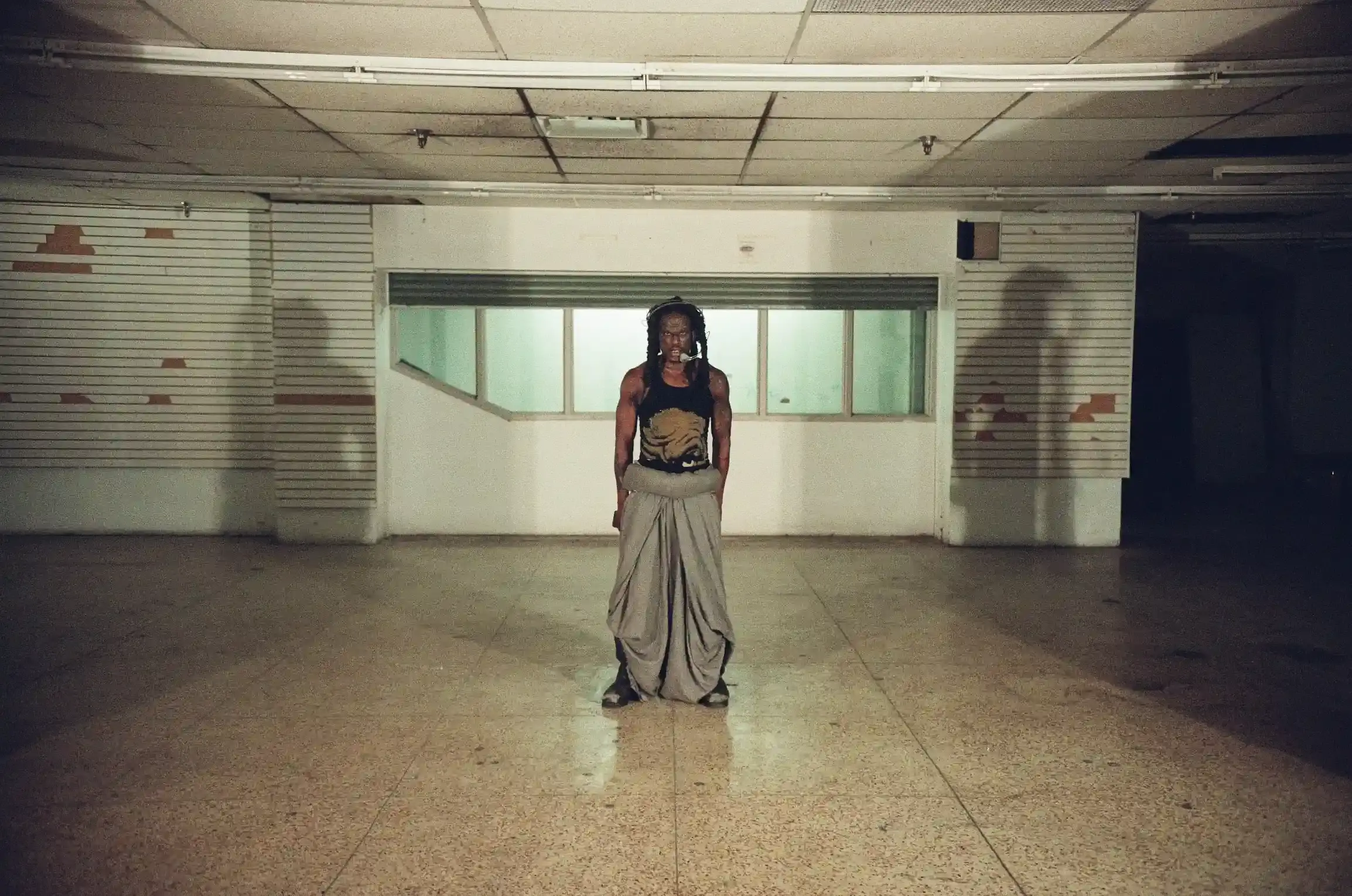
Alien In My City sits between the mainstream and the underground. How did you find that balance in the studio over the two years you spent making it?
Billyracxx: I never really approached the album with the intention of choosing between mainstream and underground. I wanted to create something that could exist in both worlds without being confined by either. The underground gives you freedom to experiment, break rules, and follow ideas that might not fit into a traditional formula. The mainstream challenges you to communicate those ideas in a way that connects with a wider audience. I think the most interesting space is where those two things intersect.
Spending two years making the album gave me the freedom to explore that intersection without rushing the process. I experimented with different sounds, textures, production styles, and songwriting approaches, but everything had to serve the larger vision. I wasn’t interested in making music that sounded underground just to be different or chasing what’s commercially popular just to be accessible.
For me, it always came back to world building. Every record needed to feel like it belonged to the same universe, even if it was coming from a completely different sonic direction. I wanted the album to be unpredictable but still cohesive, experimental but still emotionally accessible.
Ultimately, I think Alien In My City reflects how I see creativity: there shouldn’t be a ceiling on what something can sound like or who it can connect with. You can make something unconventional without sacrificing its ability to resonate with people. I wasn’t trying to find a place between the mainstream and the underground. I am creating my own space entirely.
The album features Teezo Touchdown, Maxo Kream, Trae Tha Truth and more. How did these collaborations come together?
Billyracxx: One thing I wanted to be intentional about with Alien In My City was bringing together artists who represent different parts of the musical and cultural landscape. I never wanted the collaborations to feel like features added simply for recognition or streaming appeal. Every artist needed to bring a perspective, energy, or personality that added something to the world we were building.
Having artists like Teezo Touchdown, Maxo Kream, and Trae Tha Truth on the project was exciting because they each occupy their own lane and we are all from Texas. Teezo brings such an unconventional creative identity and fearless approach to music. Him and I are easily evolving the way the world looks at black artists. Maxo represents a very distinct Houston sound and perspective, while Trae carries so much history, authenticity, and cultural weight. Having those different energies coexist on one project felt very natural to the concept.
I wanted the features to feel less like a collection of names and more like different characters entering the Alien In My City world, each bringing their own universe with them.
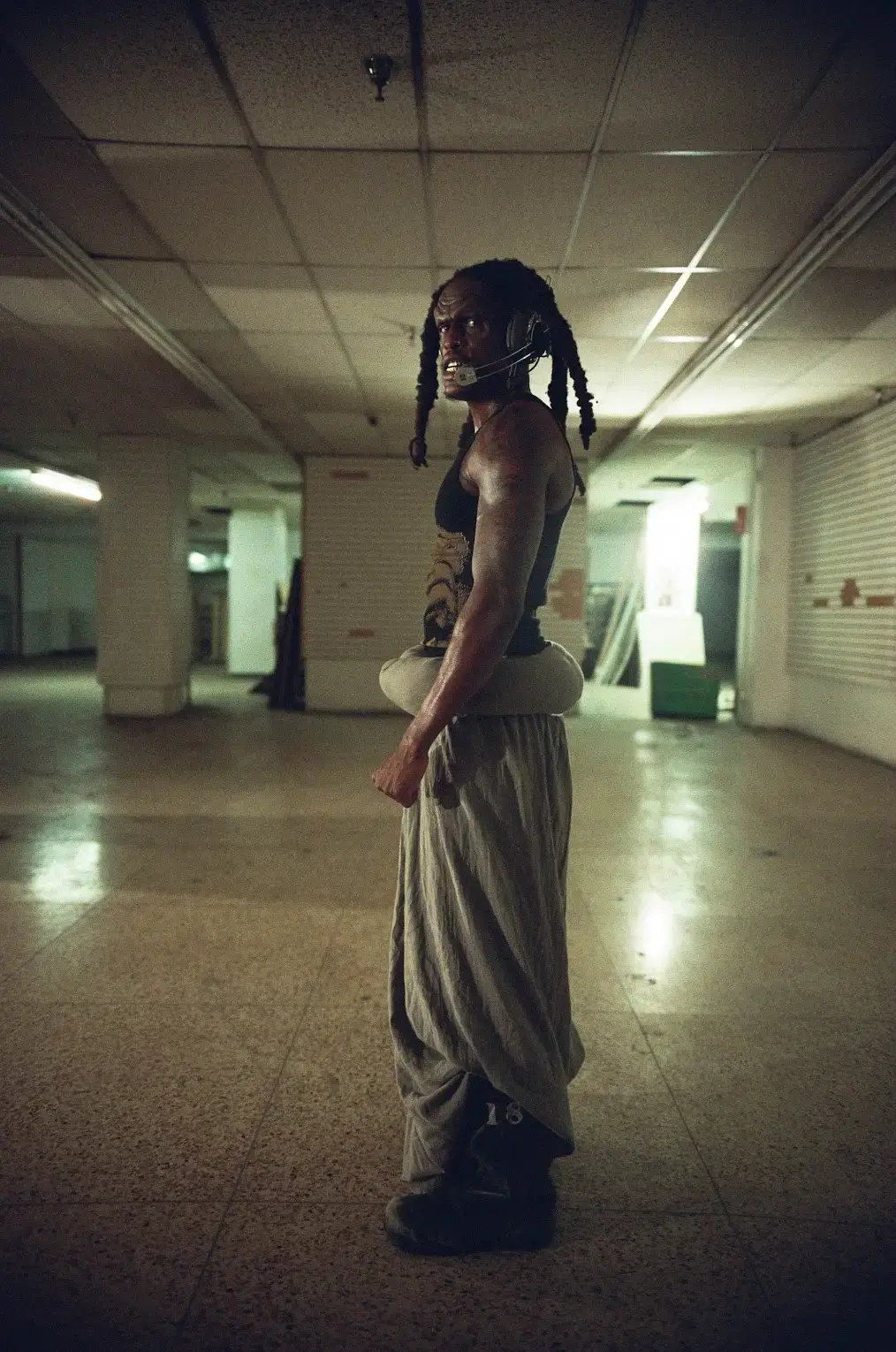
You are releasing a new music video every week for thirteen weeks, alongside a mini documentary. Why did you build the rollout this way, and what does the visual side add to the music?
Billyracxx: I wanted the rollout to feel like an experience rather than a traditional album release. We live in a time where music moves incredibly fast. An album can come out, have a moment online, and disappear from the conversation a week later. I didn’t want Alien In My City to have that kind of lifespan, especially considering how much time, creativity, and world-building went into making it.
The 13 week rollout gives every record its own moment to breathe. By releasing a new music video every week, we’re allowing people to experience different dimensions of the album while gradually uncovering the larger story. Each visual becomes another piece of the universe, almost like episodes in a series rather than standalone music videos.
The mini documentary adds another layer because I think it’s important for people to see the reality behind the imagination. It documents the process of building the Alien In My City world, including the guerrilla marketing campaign Billy took around the world leading up to the album. There’s a lot of intention behind the character, the visuals, and the way we introduced this concept into the real world. I want people to understand that this wasn’t just an aesthetic we created for an album cover; it was an entire experience we physically brought to life.
For me, the visual side gives people another way to enter the music. Sometimes a song communicates something emotionally that words alone can’t fully explain, and visuals allow you to build an environment around that feeling. They give context to the characters, the ideas, and the imagination behind the records.
Ultimately, I see Alien In My City as a multimedia experience. The music is the foundation, but the videos, documentary, fashion, character, and real-world activations all contribute to the same universe. I didn’t just want people to listen to an album. I wanted them to feel like they had discovered an entirely different world, and to give them 13 weeks to explore it.
Fashion, KMEWORLD and the future of the Alien
Fashion, merch and pop-ups are part of the Alien world too. What role does fashion play in it, and where do you want to take the Alien next?
Billyracxx: Fashion has always been a major part of how I communicate creatively. To me, it’s another form of world-building. The way you dress can communicate an entire identity, attitude, or perspective before you ever say a word. I’ve been blessed to be a muse for Kingminzly’s brand KMEWORLD, which pairs perfectly with my style, sound, and visual direction. With Alien In My City, I wanted the fashion and merchandise to feel like extensions of the universe rather than traditional artist merch. I wanted people to be able to physically embody the world, take a piece of it with them, and make it part of their own identity.
The pop ups in Paris and Tokyo were exciting because they allowed us to take something that started as an idea and bring it into completely different cultural environments. I love the idea of the Alien existing outside of music, connecting with fashion, art, toys, design, and street culture. Those spaces allow the universe to evolve organically and reach people who might discover the project through something other than a song.
As far as what’s next, I see the Alien becoming a much bigger creative universe. I want to continue expanding into fashion, collectibles, physical experiences, film, animation, and other forms of storytelling. I’m interested in building something that can exist across multiple mediums and continue evolving beyond the original album.
Ultimately, I don’t want the Alien to be limited to one character, one project, or one moment in time. I want it to become a symbol for individuality and creative freedom. Something people can interpret in their own way and make their own. The goal isn’t just to build a brand around the Alien. It’s to build a universe that people can actually become a part of.
Maya Torelli
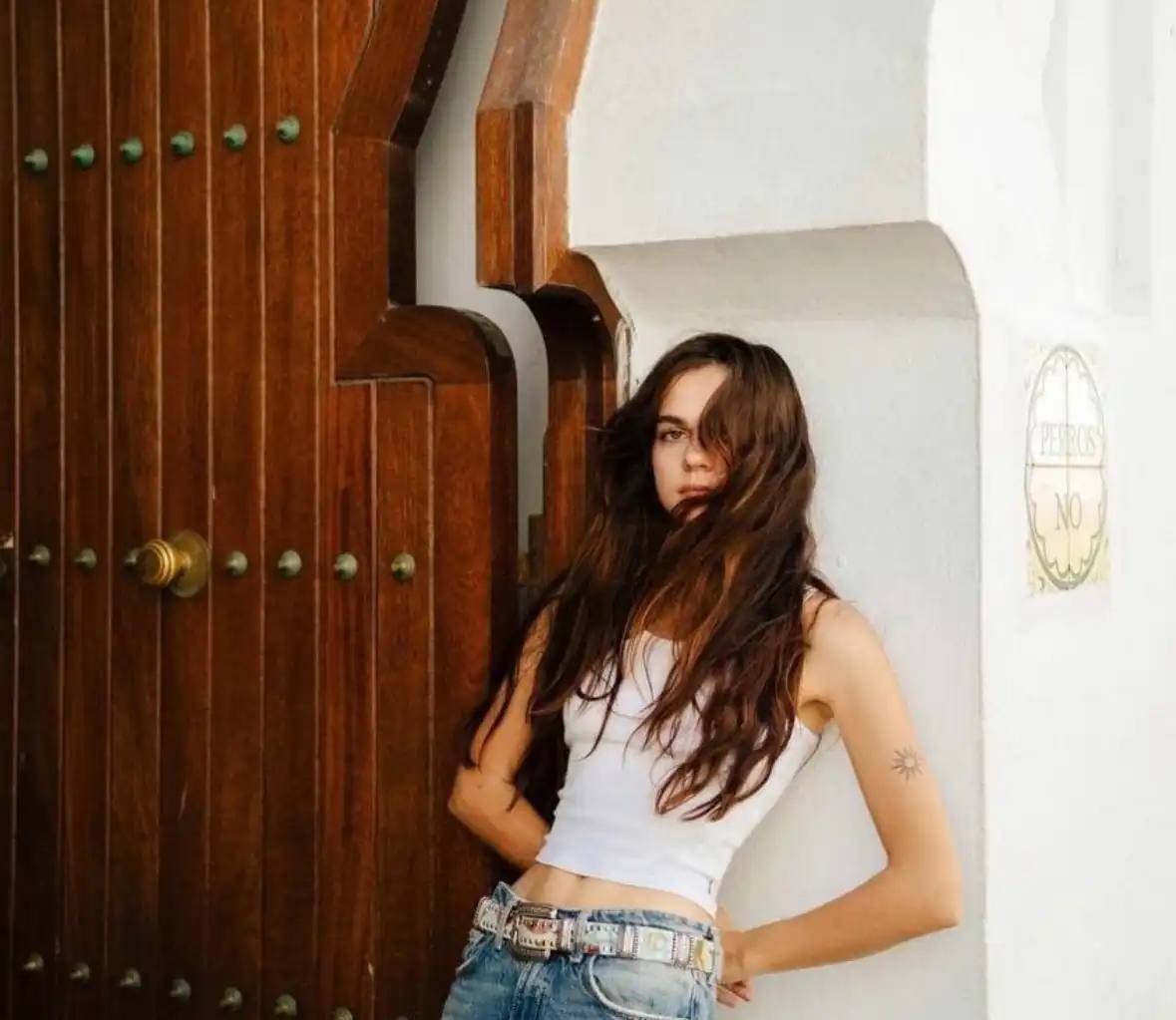
Straddling the worlds of art and communication, this creative professional established People in 2009, a content agency specializing in the fusion of words and visuals. Over the years, her work has spanned a variety of projects, including magazines and documentary films. Beyond her commercial endeavors, she dedicates herself to exploring the nature of imagery, with a particular focus on its interplay with other media forms, especially music. Her passion for music not only fuels her writing but also deeply influences her work as a filmmaker, shaping both her documentaries and video installations. With a voracious appetite for knowledge across philosophy, sociology, anthropology, and various scientific disciplines, she weaves these diverse interests into a unique, interdisciplinary approach to content creation, perspective-taking, and writing.
Share this editorial