
For Christina Seewald, the body isn't something a garment needs to fit into. It's where the design process begins.
Based in Vienna and working mainly with knitwear, the independent designer approaches clothing through touch, movement and the relationship between fabric and skin. A fitting can change an entire silhouette. A small adjustment in tension can transform how a garment feels. And something as familiar as a vest top can become an ongoing experiment in proportion and identity.
Her interest in the body goes beyond fashion. Anatomy, medicine and the gap between how we experience our bodies and how others see them all feed into her creative process. There's also a personal contradiction at the centre of her practice: despite building her work around knitwear, Seewald is allergic to wool and other animal fibres. It's one reason she is increasingly interested in developing new materials and questioning the pace of the traditional fashion system.
For the latest Meet the Creative Director, we spoke with Christina Seewald about designing for different bodies, the often invisible work behind an independent label, learning to say no and what comes after the runway.
Christina Seewald on the body and knitwear
Your work often plays with the tension between vulnerability, sensuality and strength. Do you design with a particular woman in mind, or are your collections a reflection of your own relationship with femininity?
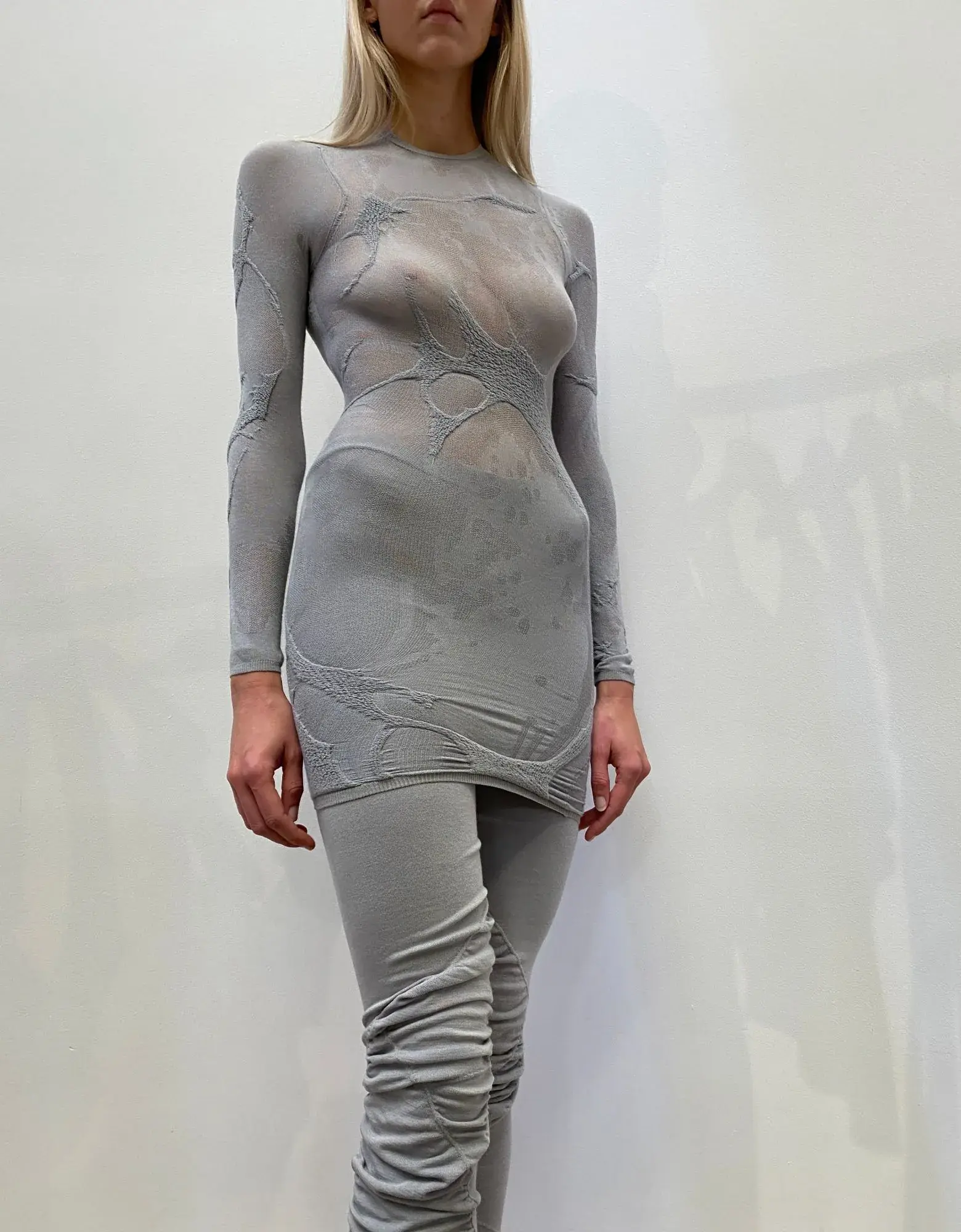
Christina Seewald: My own body is usually the starting point. I'll try a piece on and adjust how it sits, then fit it on a friend or colleague. Sometimes I think I've resolved the shape, and then I see it on someone else and want to go back to it. The Angie dress is named after a close friend of mine. I've fitted it on her many times, and seeing how she moves in it continues to inform how I develop it. When I think about who I design for, I often think of the people around me.
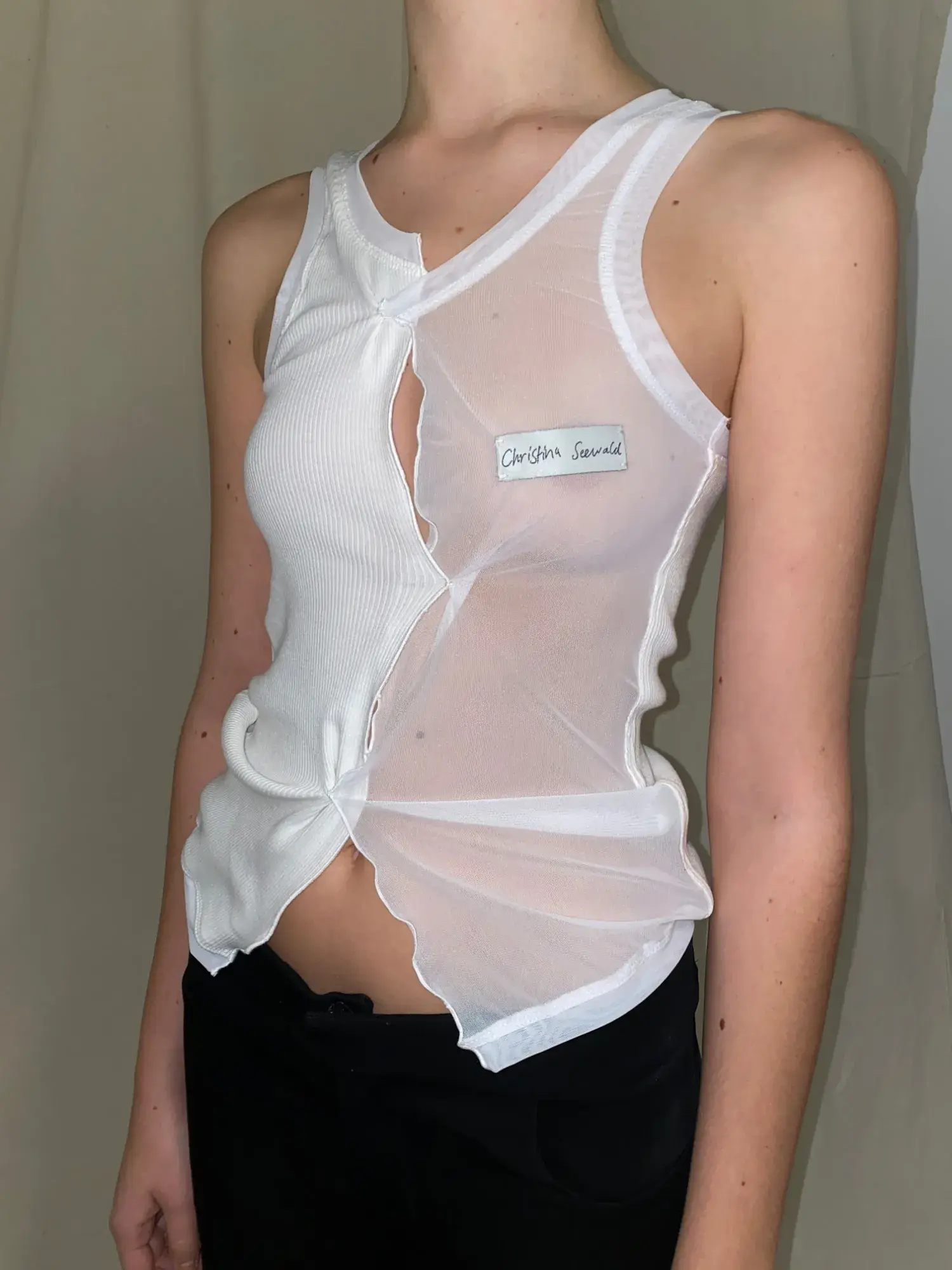
The vest top, which has become one of my signature pieces, began with something I wanted for myself. I wanted a piece I could work in all day and feel both comfortable in my body and feminine in. I'm interested in how differently people wear it across genders and body types. Some like it fitted closely at the waist, while others wear it quite loose. Each fit draws the eye to a different part of the body, and a small shift in proportion or layering can change how the piece works in different settings. That's what keeps me interested in everyday garments. A shape that looks simple on the hanger can take on quite different qualities depending on who wears it and how.
Fashion is often influenced by things happening outside of fashion. What's something you've recently experienced, watched, heard or discovered that unexpectedly found its way into your creative process?
Christina Seewald: Each collection begins differently. It might start with something I observe on the tram or a detail I come across in an article. These impressions often stay with me for some time, and I tend to recognise the connections between them once I'm working with the material.
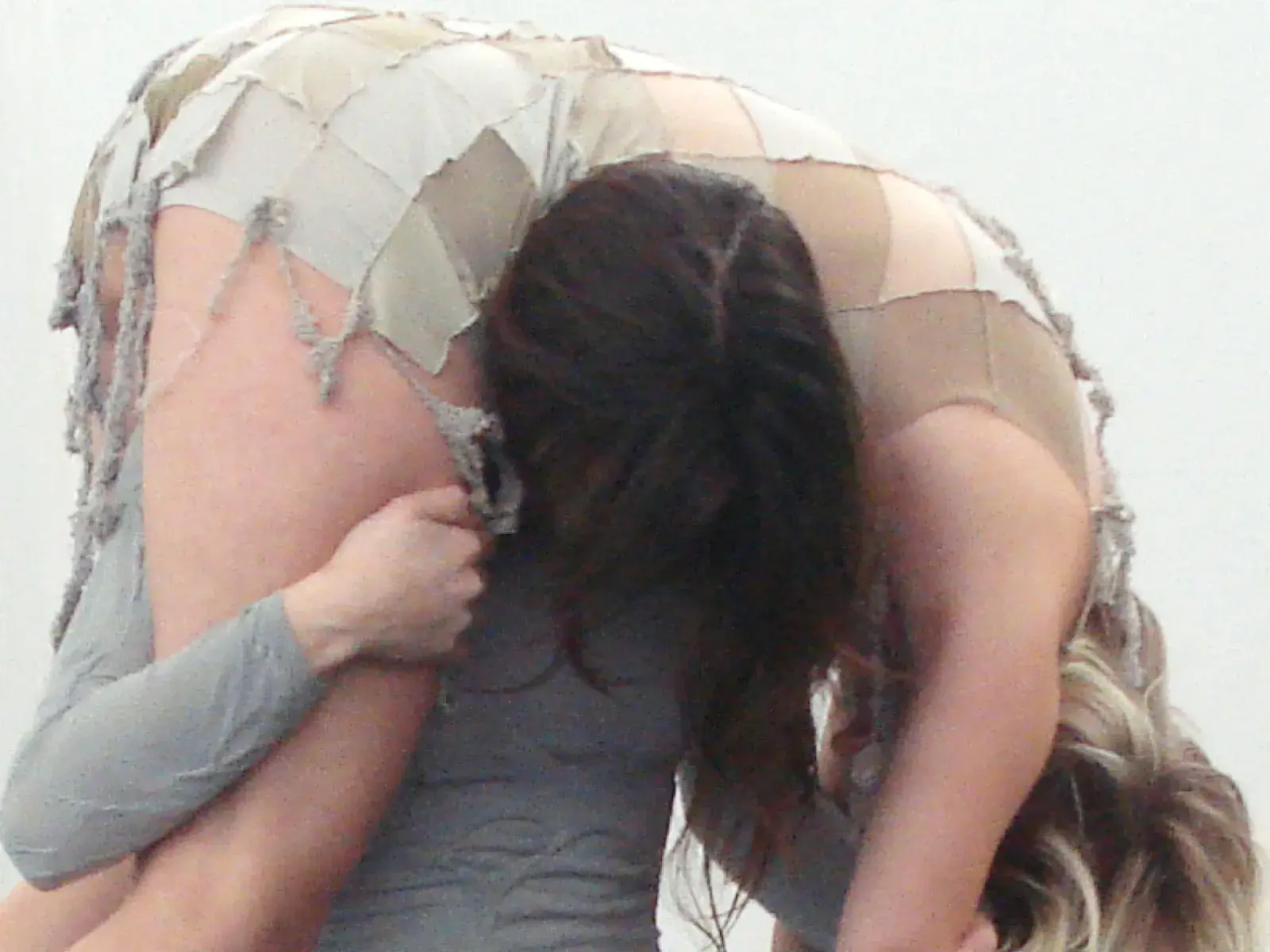
Medicine, especially in relation to the female body, is a recurring interest, particularly anatomy and diagnostics. I'm fascinated by what lies beneath the skin and how you piece together what's happening inside the body from what someone feels and what you can observe. My own experiences have shaped that curiosity, too. I think about the gap between how something feels in my body and how it might appear to someone else. That comes up in fittings as well. I can see where a piece sits or pulls, and then the person wearing it might tell me something about how it feels that changes what I do next.
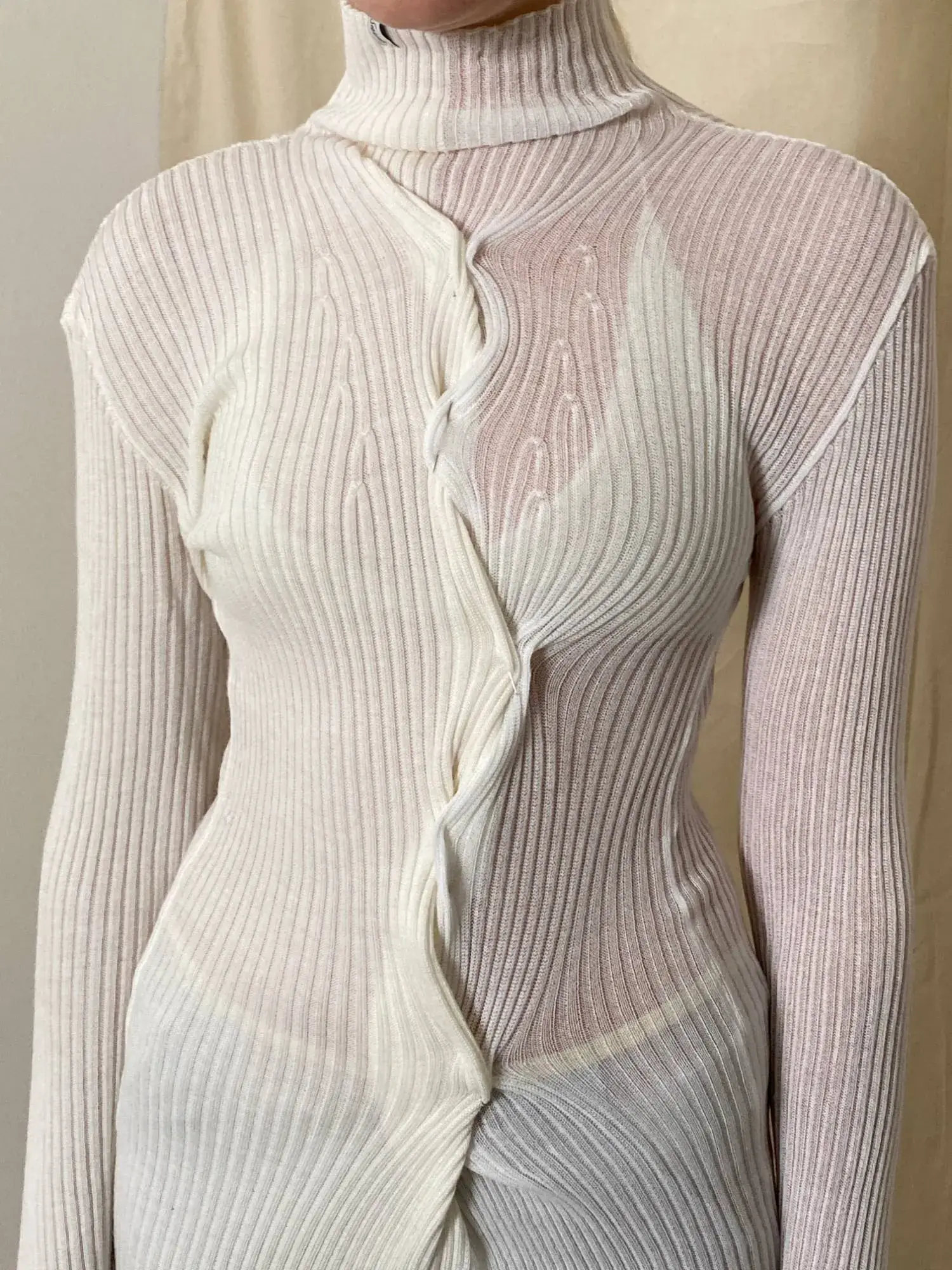
That's one of the reasons I keep coming back to knitwear. I can build stretch or structure into the fabric as I'm making it. A knit can follow the body quite closely in one place and give it room in another. Sometimes it's only when someone moves in a piece that I see where I want to change the tension or open up the stitch. As for what's inspired me most recently, you'll have to wait for the next collection to see.
The reality of running an independent label
You've spoken about the importance of collaboration and the people behind your brand. What's something about running an independent fashion label that people outside the industry rarely understand? And what's been the biggest lesson for you personally?
Christina Seewald: I think what's least visible from the outside is how much time craftsmanship requires. Running a small label means moving between research, sample development, preparing technical specifications, coordinating production and communicating the work. Within all of that, I have to make time for the work that happens between fittings, when a maker and I might revisit the tension of a knit or work out how to finish an edge so it sits properly on the body. Those decisions depend on the expertise of the people I work with. A lot of that knowledge is in the finished garment, even when the detail itself is barely visible.
The biggest lesson for me personally has been learning to say no, especially when an opportunity is genuinely exciting. I've become better at asking what a project would require of me and whether I can give it the time it deserves alongside the work I've already committed to. There's a question of self-worth in that, too. It took me a while to value my own time with the same conviction that I value the time and skill that go into making the clothes.
Beyond the runway and the fashion calendar
If you could take Christina Seewald completely outside the traditional fashion system, what kind of creative project would you love to build?
Christina Seewald: I think working outside the traditional fashion system is already something I'm moving towards. The pace of the collection calendar no longer feels right for the way I want to work. I'd love to spend that time on something I've wanted to do for years, which is to go deeper into textile research and collaborate with fibre developers to create new materials for knitwear.
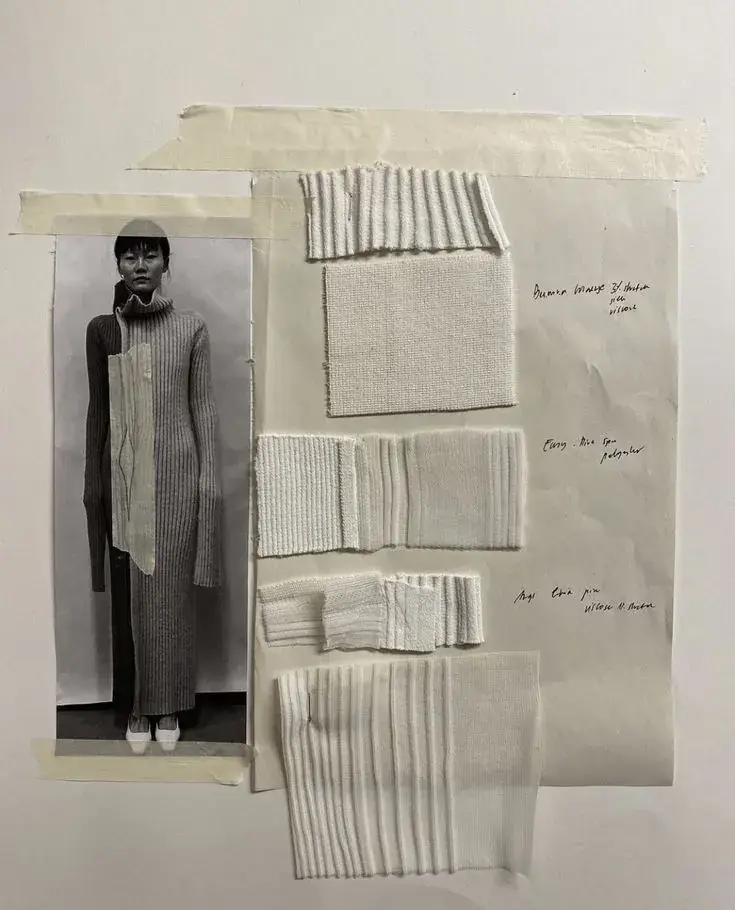
There's a bit of irony in it. I've built my practice around knitwear, and I'm allergic to wool and other animal fibres myself. That makes the question of what a material feels like against the skin quite personal for me. I'd love to work with a fibre from the earliest stages, knit it into swatches and see what happens when it's stretched, washed or worn for a whole day. I'm interested in how much of what I love about a knit, like the way it drapes or springs back into shape, can come from the way I construct it, and how much starts with the fibre itself.
I like the idea of giving a project that much time and having the material itself be the outcome. What it might eventually become is something I'd like to discover through making it.
Aldo Mazzilli
Curator
Share this editorial