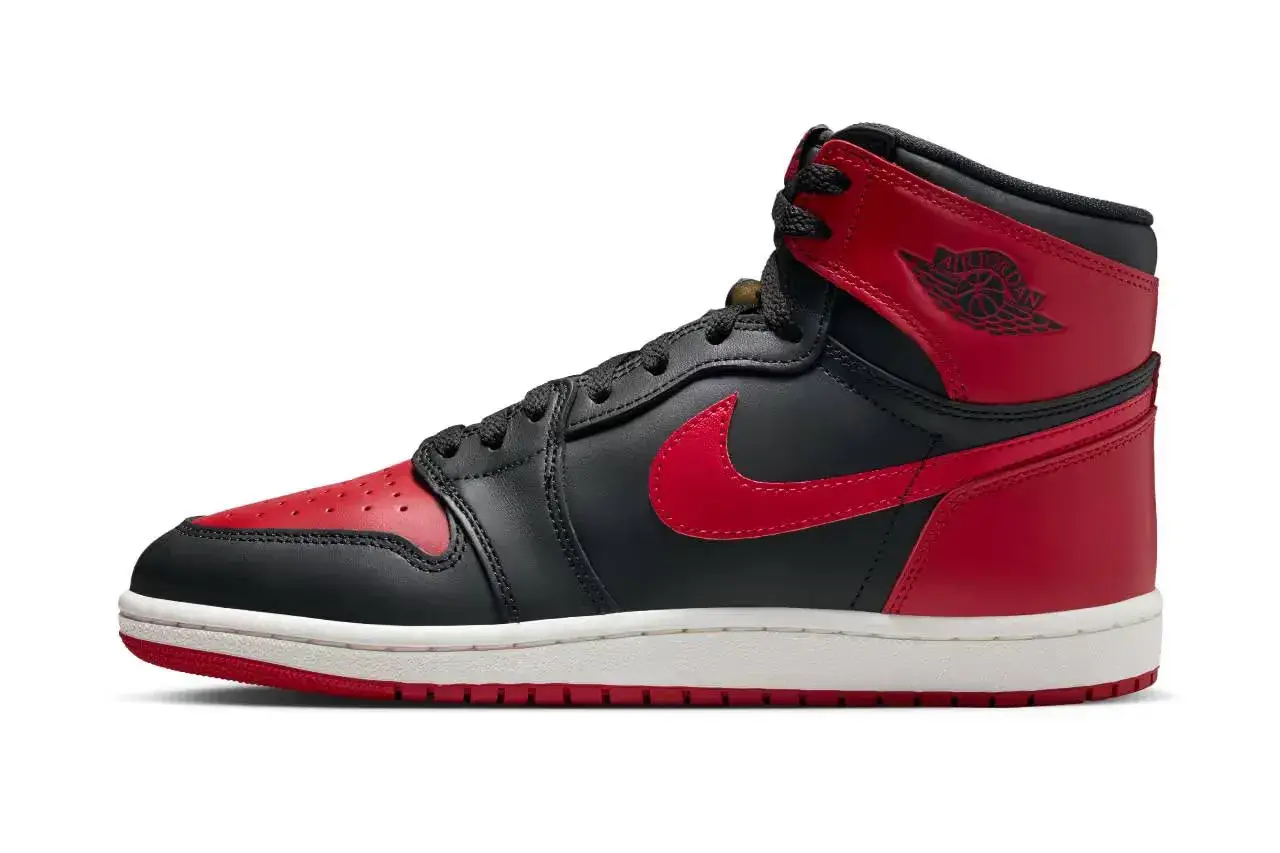
Summary:
- Nike will decrease the availability of Jordan Retro models.
- Executives aim to fix market saturation and restore product scarcity.
- The supply reduction policy will affect all Jordan Brand silhouettes.
Nike CEO Elliott Hill outlined a revised business plan during the first quarter fiscal 2027 conference call. The footwear brand intends to reduce the production volume of the Air Jordan Retro series. The company flooded the retail market with these specific sneakers over the past few years. Management seeks to rebalance supply and demand metrics across the globe. The new approach focuses on reducing physical retail inventory immediately.
Hill addressed the previous oversupply issues directly during the investor meeting. He noted the company pushed the Jordan franchise too far past standard production limits. The executive team wants to restore the original scarcity model previously associated with the brand. Nike previously relied on limited release schedules to build hype around the Jordan name. Oversupplying classic models damaged the cultural appeal of the shoes. Executives plan to stop relying on excess production runs. They will cut shipments to global retailers to avoid lingering unsold inventory.
Shoppers already see fewer Air Jordan 1 High models on store shelves today. The immediate supply restriction will soon expand across the entire Jordan product catalog. Nike aims to eliminate the frequent retail discounts seen over the last four financial quarters. Putting fewer pairs in circulation forces consumers to pay full retail price. The sports apparel giant expects these strict supply constraints to rebuild general brand prestige. You will find fewer pairs available at your local sneaker boutiques. Your chances of buying these sneakers on sale will decrease.
Sneaker culture relies heavily on exclusivity and limited access. High production numbers negatively impact the secondary resale market. Resellers lose interest when stores hold excess stock for weeks. Regular buyers delay purchases when anticipating future price markdowns. Nike recognized these negative trends affecting the Jordan division. Financial reports indicated dropping profit margins on clearance footwear. The brand must correct course to maintain premium pricing power. The strategy requires patience from shareholders while revenue from volume sales drops. Hill and the leadership team prioritize long term brand health over short term volume metrics. Decreasing the unit count ensures the Air Jordan stays a coveted cultural item.
Eric Grischott
Born in Groningen in 1991, Eric Grischott is a linguist with a deep-rooted passion for art, music, and fashion. His academic journey led him to graduate in languages, further enriching his linguistic prowess. His thirst for knowledge and cultural immersion took him abroad, where he gained invaluable experience and insights. Eric’s linguistic expertise is not confined to just theory. He has honed his skills in French and German through specialized DELF and DELE courses, demonstrating his commitment to mastering these languages. His passions extend beyond languages, encompassing the creative realms of art, the rhythmic world of music, and the dynamic sphere of fashion.
Share this article
RELATED

ISSEY MIYAKE SPRING SUMMER 2027


NIKE AND LISA LAUNCH 1971 MOON SHOE

