
In this interview, we delve into the world of Katsiaryna Sheliahovich, who share her inspirations and unique perspectives.
Introduce Yourself to the Casawi Community: What drives you? What's your artistic vision, and what sets you apart from the crowd?
My name is Kat-sia-ry-na She-lia-ho-vich. It is my Belarusian name, and its pronunciation often becomes the first point of friction in how I am introduced. I do not want to make it easier, for me, this is part of my own path of decolonisation from Russian oppressive influence.
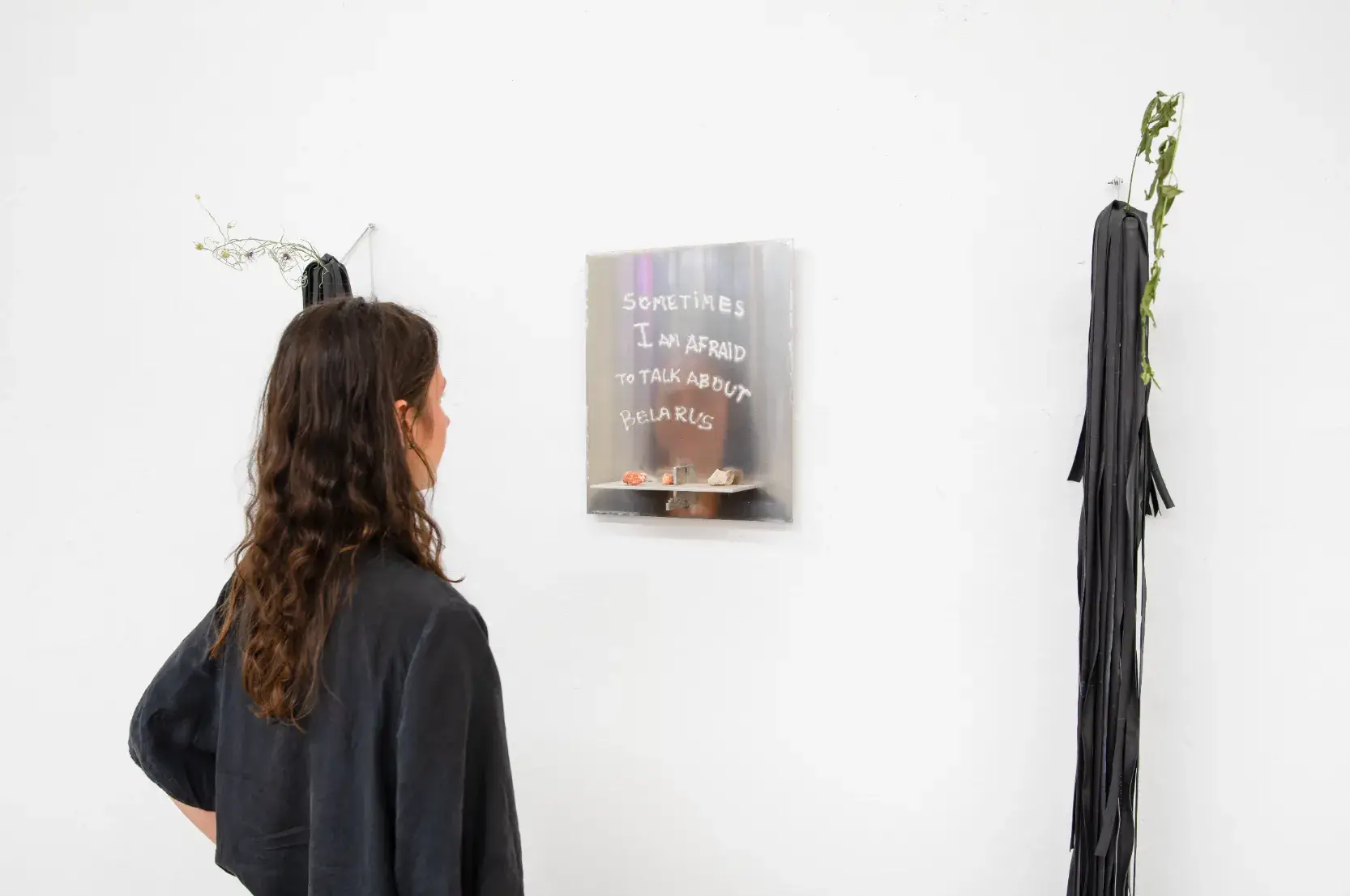
I am officially an immigrant and unofficially a refugee artist from Belarus, a country affected by Russia’s destructive pressure and by its own dictatorship. This is not the whole story of my practice, but it is one of the reasons I work with suppression, violence, ecological decline, and the refusal to accept them as inevitable.
My work begins from personal experience when it carries too much emotion. I am interested in the moment when a private story opens into a wider question. I try to transform these stories into forms that do not obey generally accepted logic anymore.
The feminist, ecological, political, and sacred are connected in my work. I see patriarchal political systems and the exhaustion of the planet as part of the same field of violence and neglect. This is also why I am drawn to feminine practices: they bring another kind of attention, resistance, and energy. I do believe women should run the world.
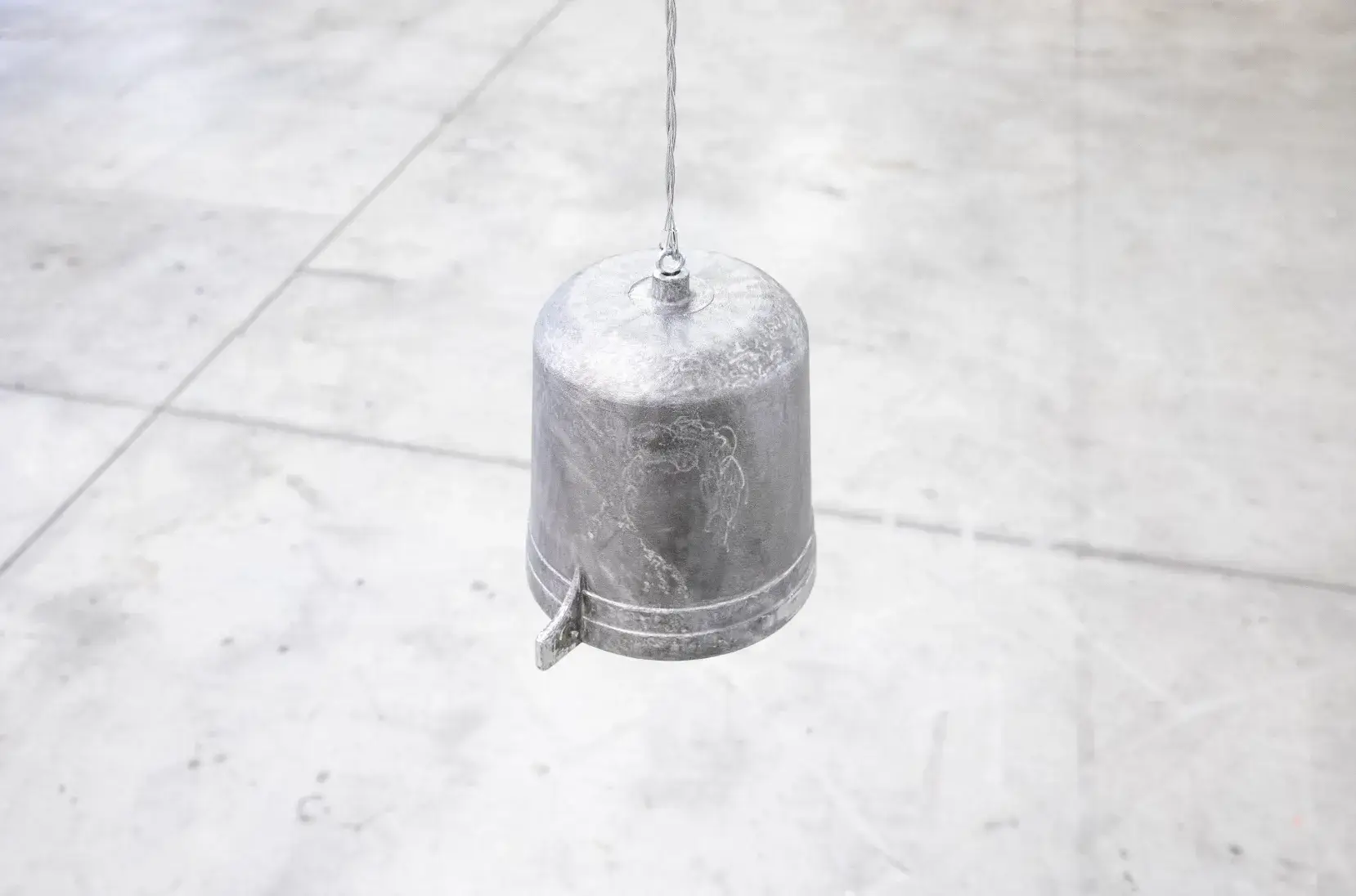
My background in furniture design gave me a strong relationship with materiality, objects, form, and construction. In my artistic work, these elements move away from function. A Soviet sink can become a bell. A flower can become sharp. An object can start to speak differently.
City Inspirations: How has your city influenced your artistic path? Share how its streets, culture, and energy have molded your work.
The first time I came to Milan was for Erasmus studies at Politecnico di Milano, but I was already quite familiar with Italy. From the age of eight, I used to go to Sardinia to stay with a local family as a “Child of Chernobyl” (through an organisation called “Children of Chernobyl”, which organised trips for Belarusian children in Europe). So when I arrived in Milan, I had a feeling that Italy was already part of me, and I felt somehow at home. This was never an easy feeling for me after thirteen years of migration.
Nine years later, I came back with the idea of finding the same energy, but Milan had changed. It still breaks my heart that places I loved no longer exist. RIP Macao, Standards, etc. Now I try to see the new Milan without too much melancholy. A lot of things became uglier, flatter, and more posh. I see less real support. Sometimes it feels like: “Oh, I didn’t know such shit happens in Belarus, what a pity”, while requests for real help are ignored. Quite often, politically and socially, Italy pisses me off.
At the same time, after two years of moving back here, I found some peace, living in an apartment in NoLo with my boyfriend and a very cute black cat. A sort of “boring life” became a place where I can rest and stop running. Maybe when I fully recover, I will find the power to organise something of my own.
There is definitely one thing I really love here: the expression of sexuality. It feels pretty juicy. I guess there is a connection between sexuality and self- possession, which can inspire change and give me access to a freedom I am not used to. On the other side, the constant news around femicides in Italy makes me pay attention to small patriarchal habits. To tell the truth, it piss me off too.
Creative Process: What fuels your creativity? Whether it's a ritual, a muse, or a moment of clarity, we're keen to learn.
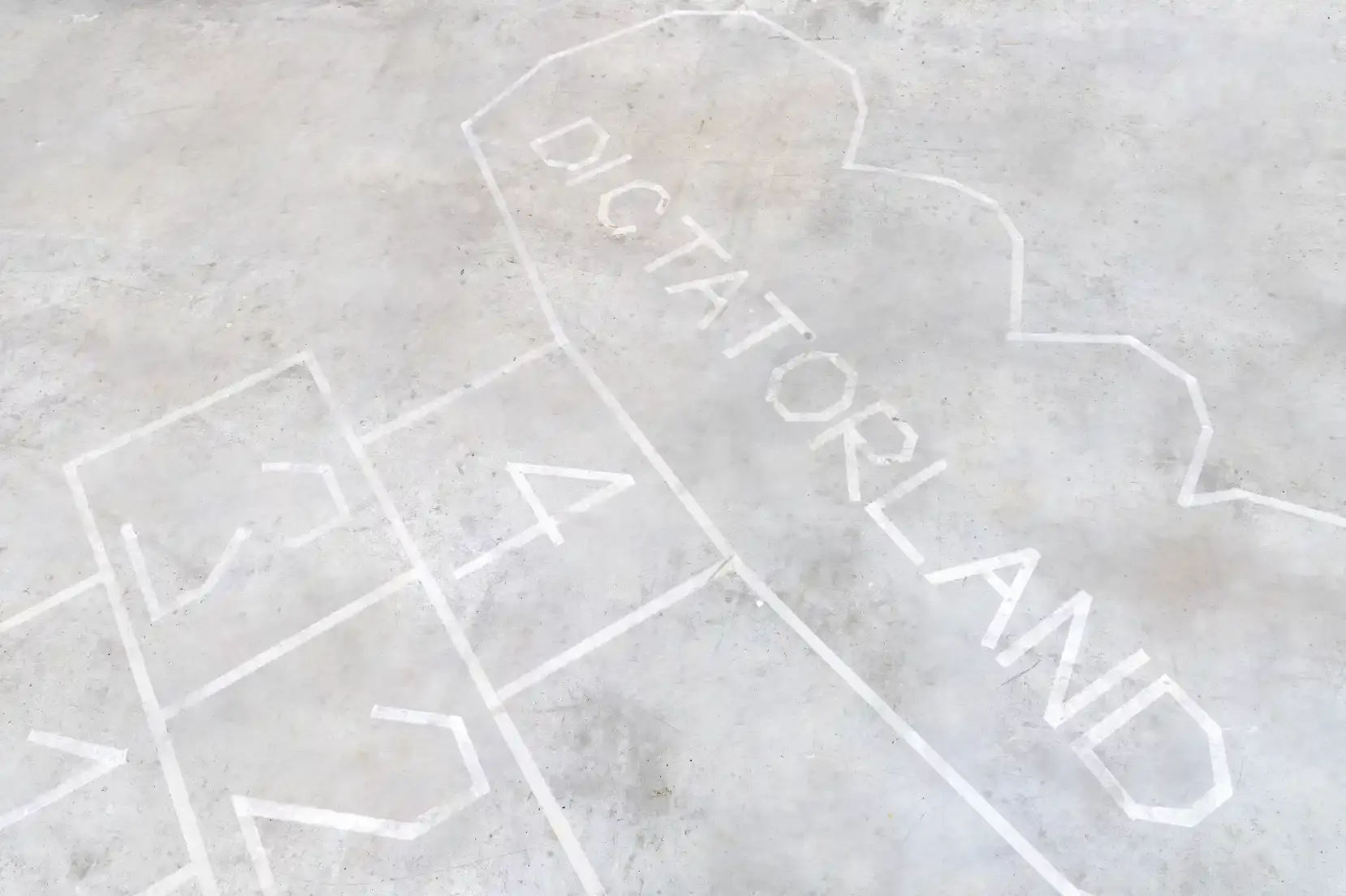
Hard question. For me, creativity is a connection between my unconscious making (either material or online) and a story I want to tell. Right now I have a few fields of interest: analysing self-organised children’s games, finding manipulation and at the same time anarchy inside them; telling stories of immigrant plants, and through their stories also telling my own; or simply excavating stories and symbols from my childhood, like speaking about the 90s in Belarus. All these works have a material body and a research soul.
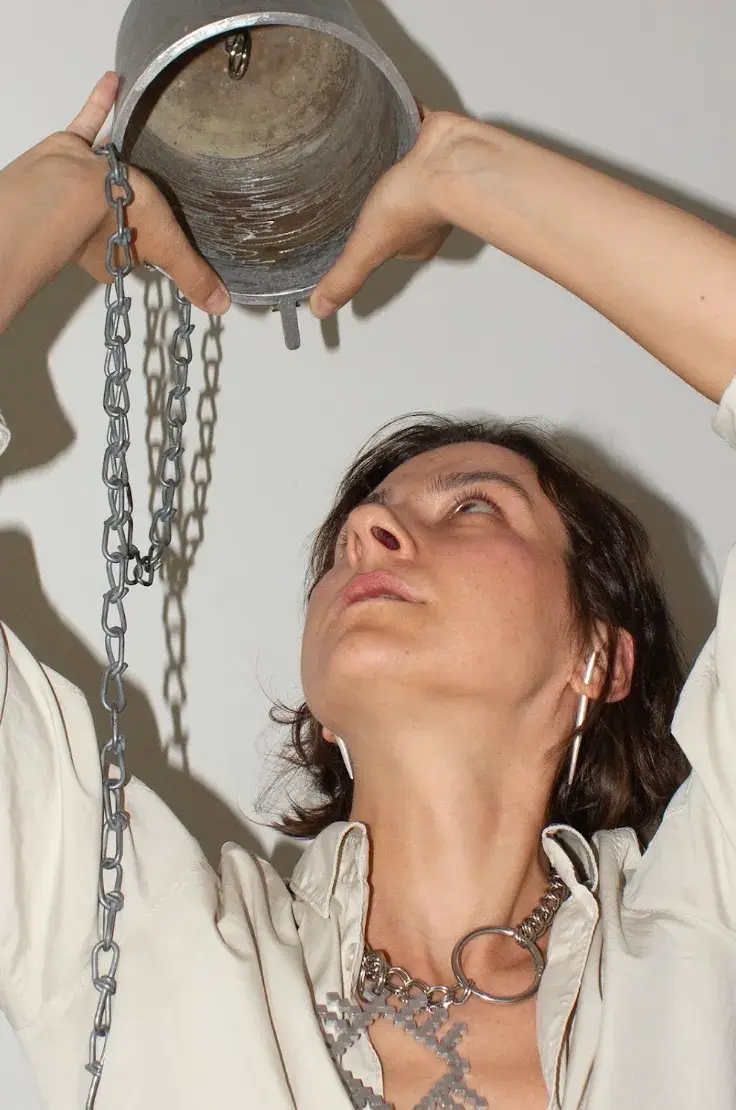
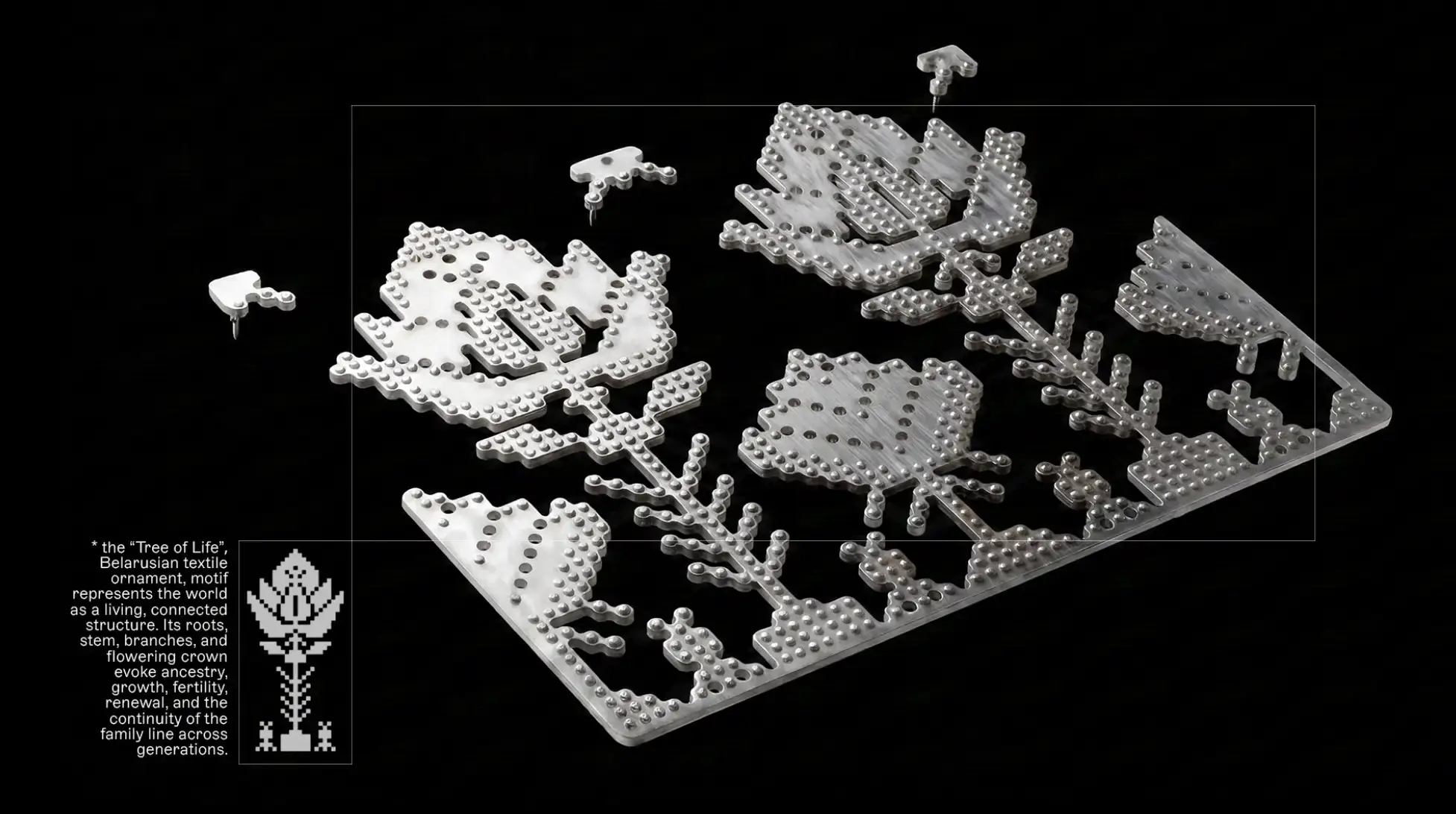
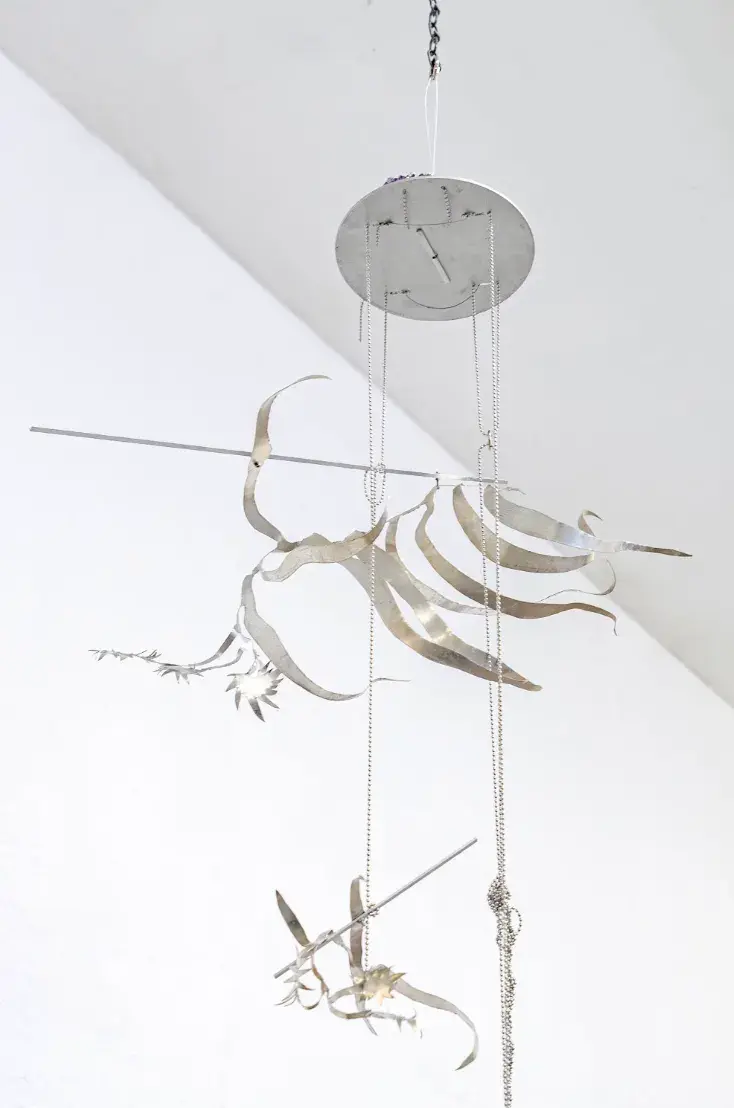
When I work with material, I cannot really explain it. It is a full experiment, sometimes with the failure of the work, and here the important thing is to know where to stop. I often work with aluminium, maybe because for me it is a kind of sacred, almost divine, new material. I cut it, polish it, and paint it by hand. I always have some injuries or cuts. On the other hand, I also like to work with textile. Here, I guess, my masculine and feminine parts come together.
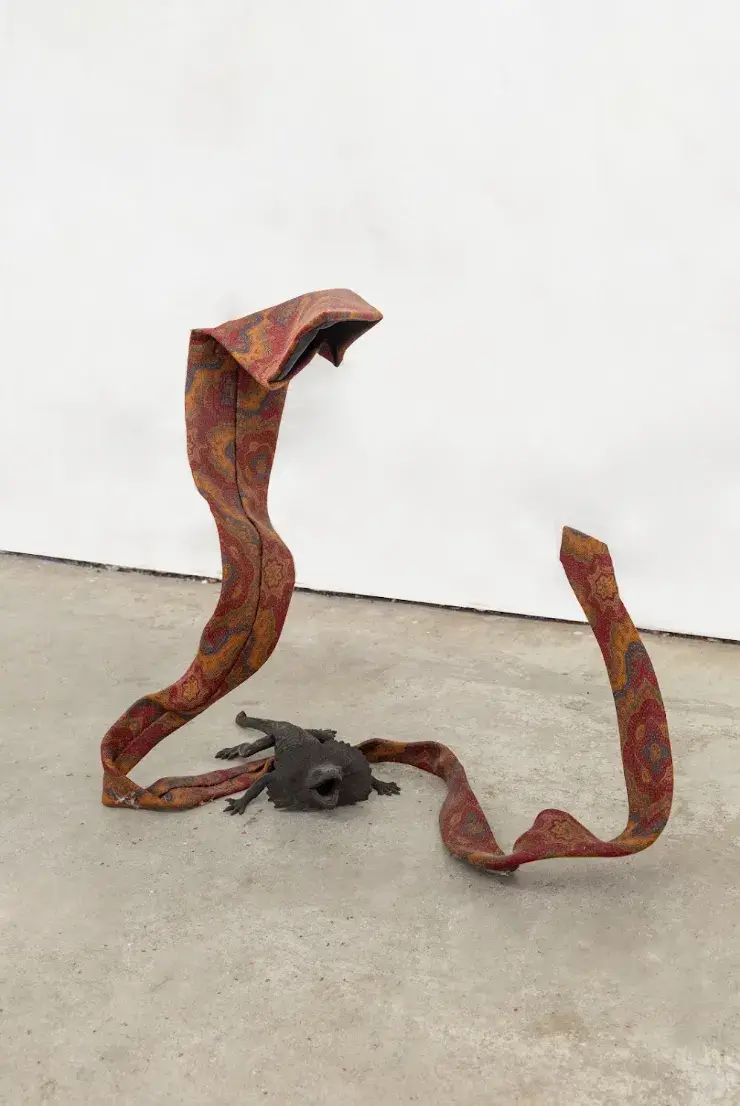
Material itself has a lot of meaning for me. Recycled materials carry for example an immigrant and feminine story, because in the 90s women in my family were recycling a lot. Light, sound, and movement are the keys that make the work alive. Somehow, still things do not feel alive enough.
Once, a curator told me that my art is full of pain. I would love to do pink things, but not now.
City Lifestyle and Art: How the places you lived influenced your career and work?
I lived in Belarus until I was 21, and for the last 13 years I have lived in Poland, Greece, and Italy. Each place gave me a different relationship to freedom, control, community, and artistic language.
Belarus is the place where I was born. It carries memory, pagan folklore, and the experience of dictatorship. It is also a distant home I cannot return to. Because of my public political position, I am separated from my family, and the fear that something may happen to them is always present. This is not only my story; it belongs to many Belarusians who left and cannot safely go back. Poland was the first place where I experienced a different kind of freedom. Poznań and Warsaw opened contemporary art to me in a way that Belarus never could. It was also the first place where I understood my position as an immigrant in a very physical way, including violence and hostility connected to my accent. That contradiction stayed with me: freedom and exclusion existing in the same place.
Athens gave me another kind of energy: activist life, public space, protest, intensity, light, and instability. It attracted me because it reminded me in some ways of Sardinia, but politically it was much more raw and present. It also brought disappointment, especially in how ideological spaces can reproduce their own blindness. I lived in a shared house with anarchists and activists, where a Swiss-Greek anarchist called me a Nazi because I am against Putin and support Ukraine. I find it pretty ridiculous. It is easy to talk and criticise when the discussion does not touch your own personal trauma. The skill of listening is very important, and I guess it always was.
Milan is the place where I am now, still searching for pieces of home: close friends, spaces, and ways to be heard.
One day I will get a dog.
Latest or Upcoming Projects: Give us a glimpse into your current endeavors and what lies ahead on your creative journey.
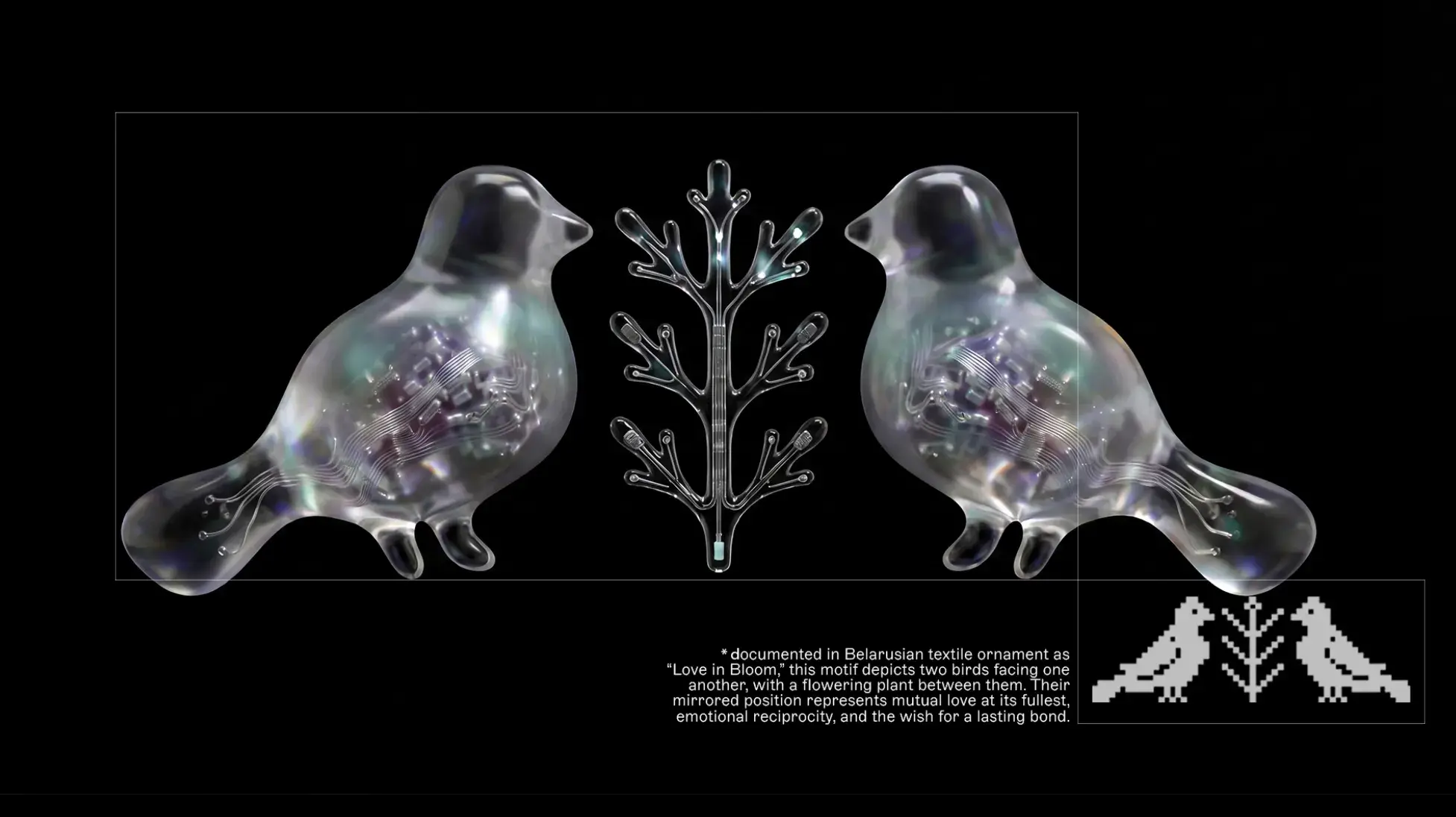
I am currently developing an Archive of Belarusian visual culture through new media. The project works with symbols, ornaments, folklore, images, objects, and digital transformation as a way to rethink Belarusian aesthetics from a contemporary position. For me, it is also a way to connect with my homeland, to approach something I am physically and politically separated from. A video work I made, “Onnenes”, based on the transformation of Belarusian ornament, has just been published by Musik der Jahrhunderte on Platform B.
Alongside my artistic practice, I am launching my studio, GELAMSTUDIO, a sort of collectible design studio focused on handcrafted objects, light, and accessories. The lamp MEŻA has aluminium flowers around it, and it is are also a way for me to tell the story of women in Belarus who went on the streets with flowers to protest against dictatorship.
I am continuously working on new pieces, and soon I am planning my second solo exhibition. More information will be announced on my Instagram.
++
Instagram: @gleamst________/
Staff
Casawi Magazine: based in Milan, we celebrate youth culture, creativity, and community across fashion, sports, music, art, design & more.
@casawi.magazineShare this editorial


