
There is a difference between expressing an emotion and speaking from one.
Many artists know how to create a feeling. They understand which words, images, or gestures trigger nostalgia, sadness, hope, or desire. But those moments do not always stay with you. You recognize the emotion, yet something feels rehearsed.
What stays is something else.
You are moved when you sense that a person is speaking from experience rather than performance. The words carry weight because they have been lived. Samuel Beckett did not write about failure because it sounded profound. He wrote about something he knew. You feel the difference.
The same is true in conversation. Many people talk about vulnerability, identity, or purpose. Few do it without trying to convince you of something. When someone speaks without asking for a reaction, their honesty often reaches further.
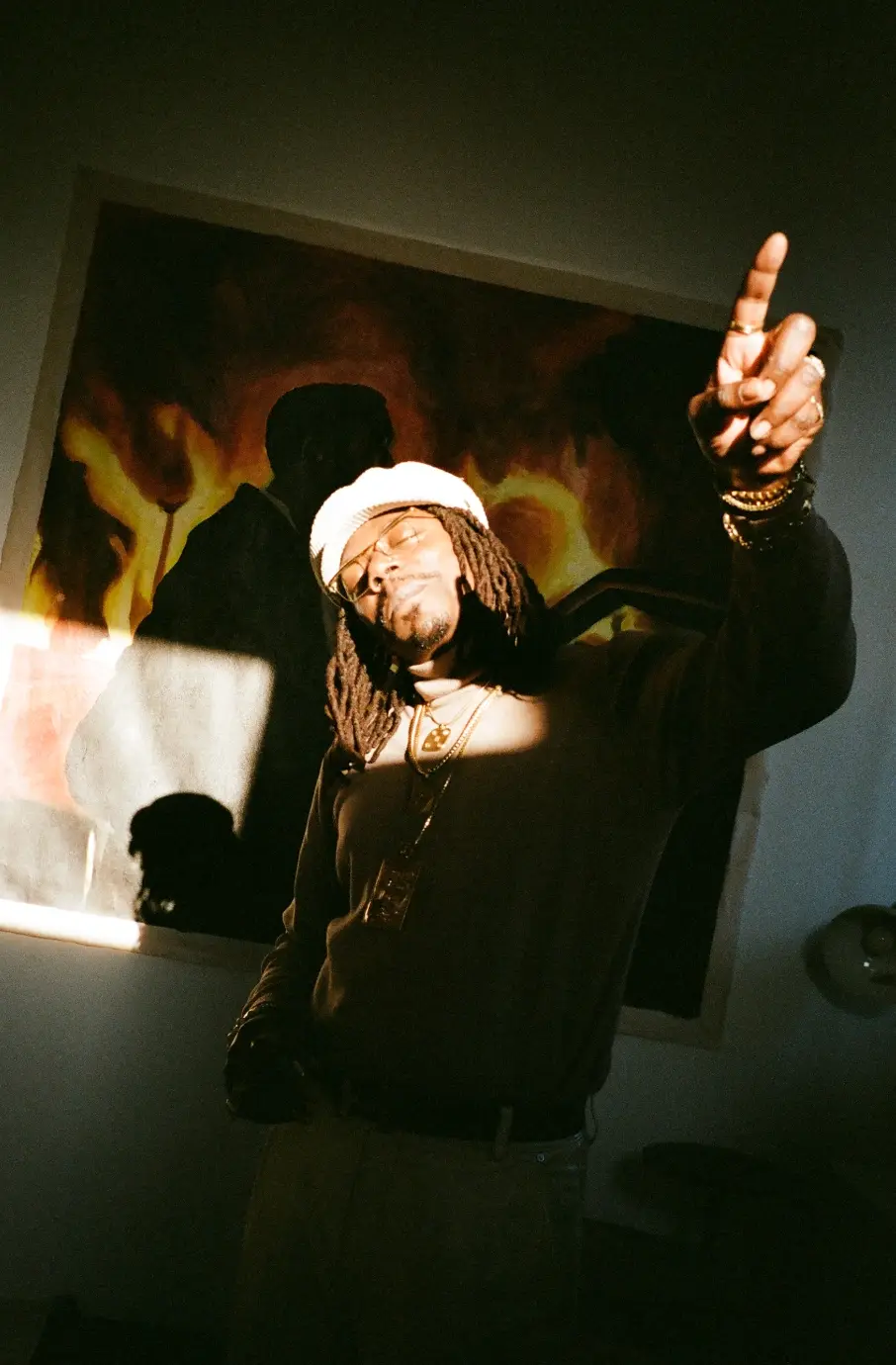
That was our experience meeting Mr Star City.
A few weeks have passed since we first encountered his work, yet the feeling has stayed with us. In a contemporary art world that often leaves space for ambiguity and interpretation, Mr Star City spoke with unusual clarity. Every piece felt intentional. Every explanation felt grounded in something personal rather than constructed.
We sat down with him to understand where that honesty comes from, the ideas behind his work, and why sincerity still has the power to move us.
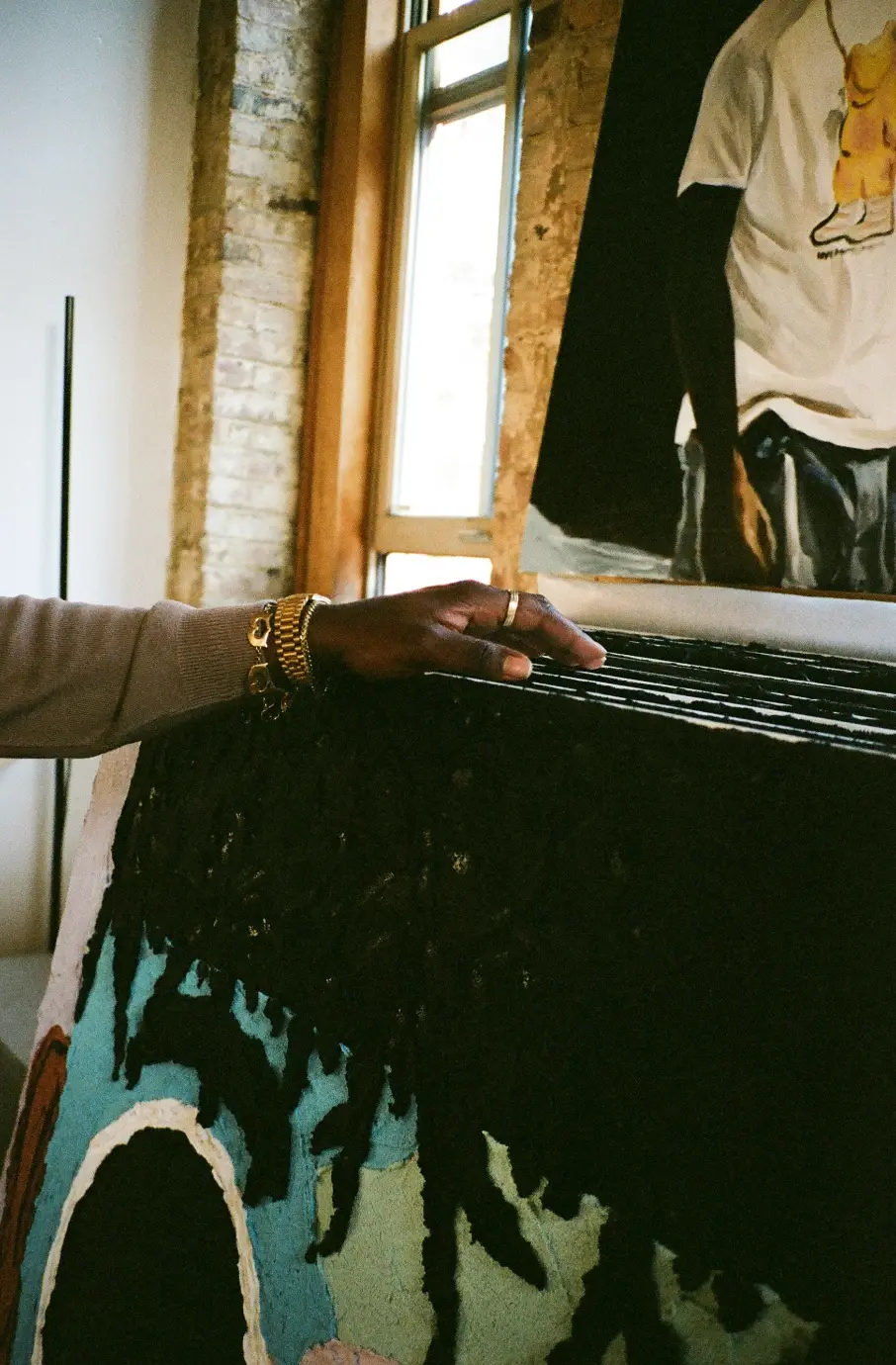
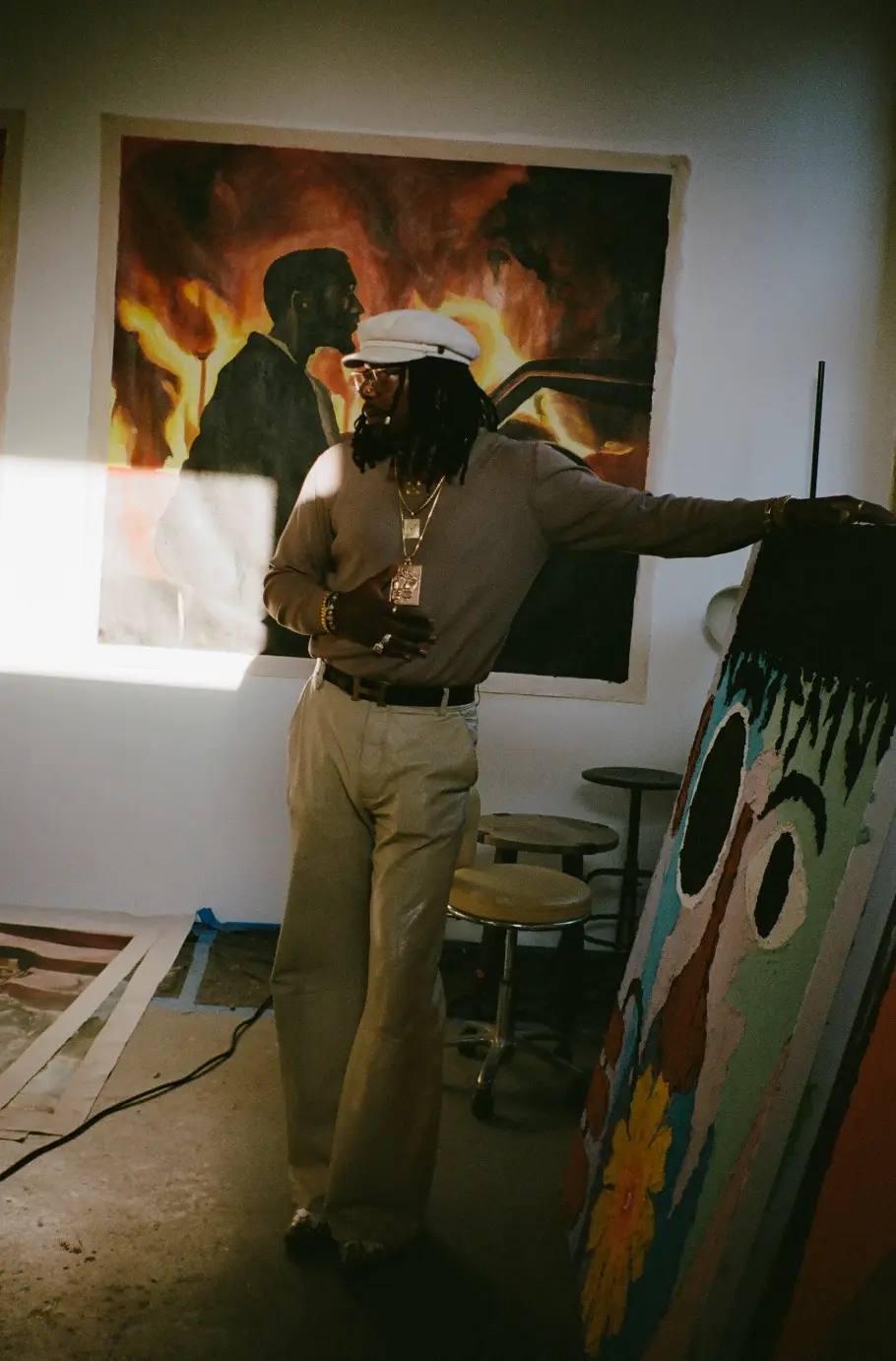
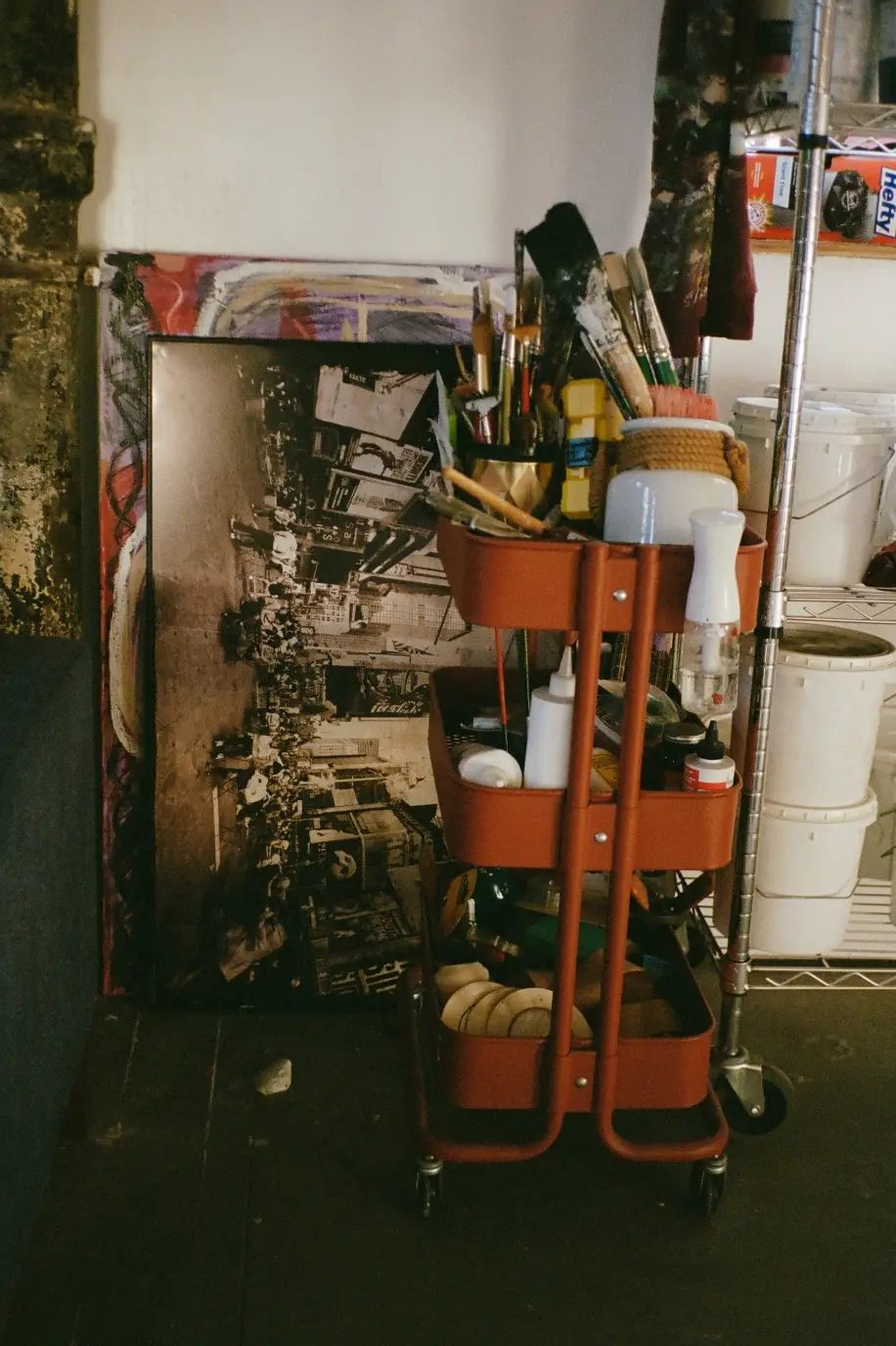
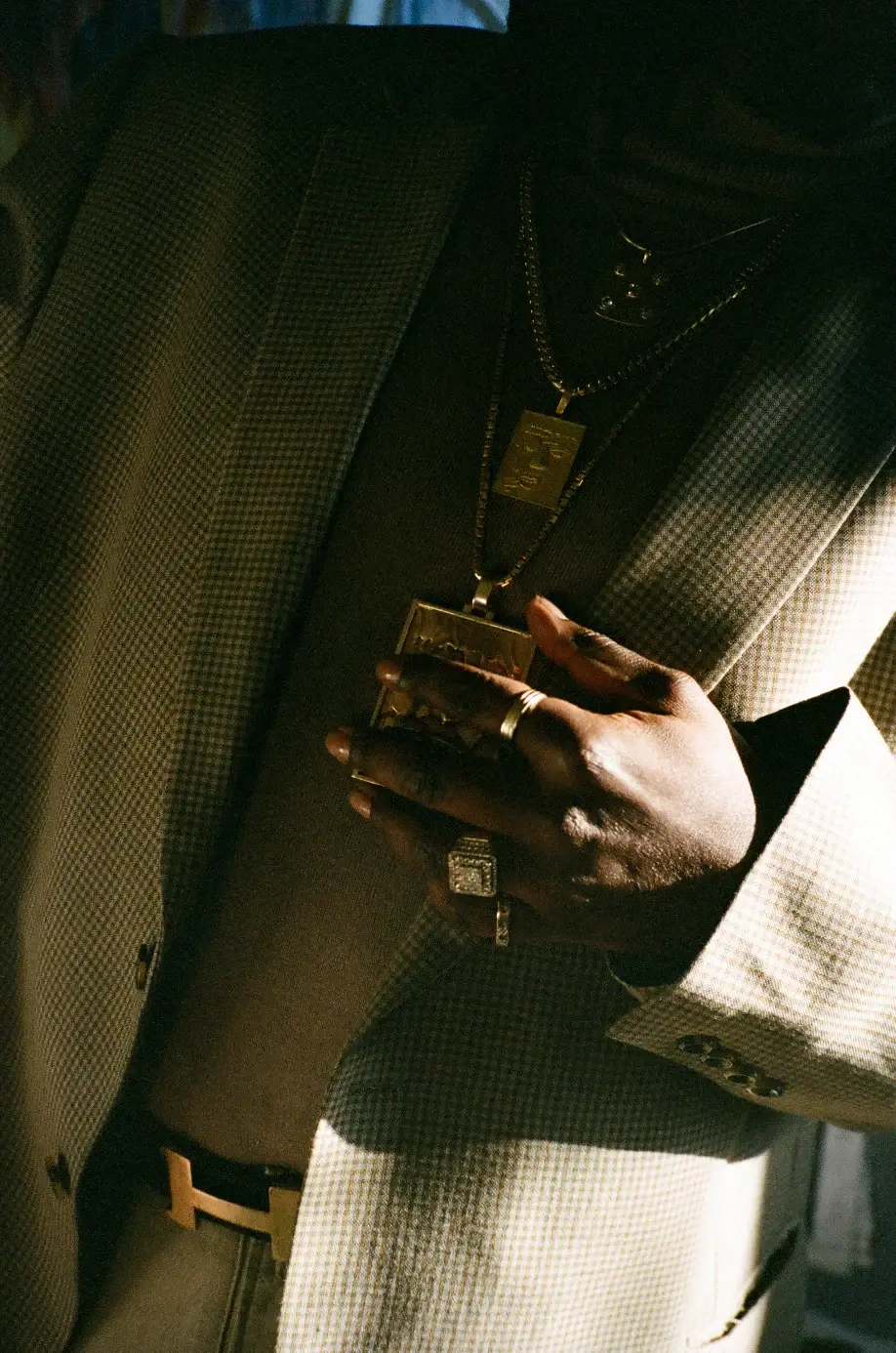
Your work often starts from a real story, but becomes something larger. How do you know when a personal experience is ready to become a painting?
Honestly, I don’t think I decide, the experience decides. There’s a moment where something stops just living in your body and starts asking to live outside of it. Like it’s outgrown you. I’ve learned to feel the difference between a wound that’s still open and one that’s ready to be witnessed. When I can look at what happened and see it as a story that belongs to more than just me, that’s when I know. Because at that point, it’s not about me releasing it anymore. It’s about offering it. The personal is just the doorway. What I’m really painting is the universal thing hiding behind it.
You said grief comes before awareness. What do you want people to feel first when they stand in front of this new series?
I want them to feel it in the chest before they understand it in the mind. That drop. That recognition, like when you see someone across a room and your body knows something before your brain catches up. Grief has that quality. It arrives before the explanation. And I think that’s actually where truth lives, in that split second before we start managing our feelings. I’m not trying to teach anybody anything. I just want to create a space where they can’t protect themselves for a moment. That vulnerability is the gift. Everything after that is theirs.
A lot of this work speaks about mothers, families, and the people left behind. Why was it important for you to focus on the pain people often do not see?
Because that’s where the real story is. The people left behind don’t get eulogies. Nobody writes songs about the mother who had to keep going after. Nobody frames the siblings, the partners, the children who reorganized their whole lives around a loss that the world moved on from in a week. That invisibility is its own kind of violence. I grew up seeing that pain go unacknowledged, and something in me has always wanted to hold a mirror up to it. Not to be heavy, but to say: I see you. What you’re carrying is real. That matters to me more than almost anything.
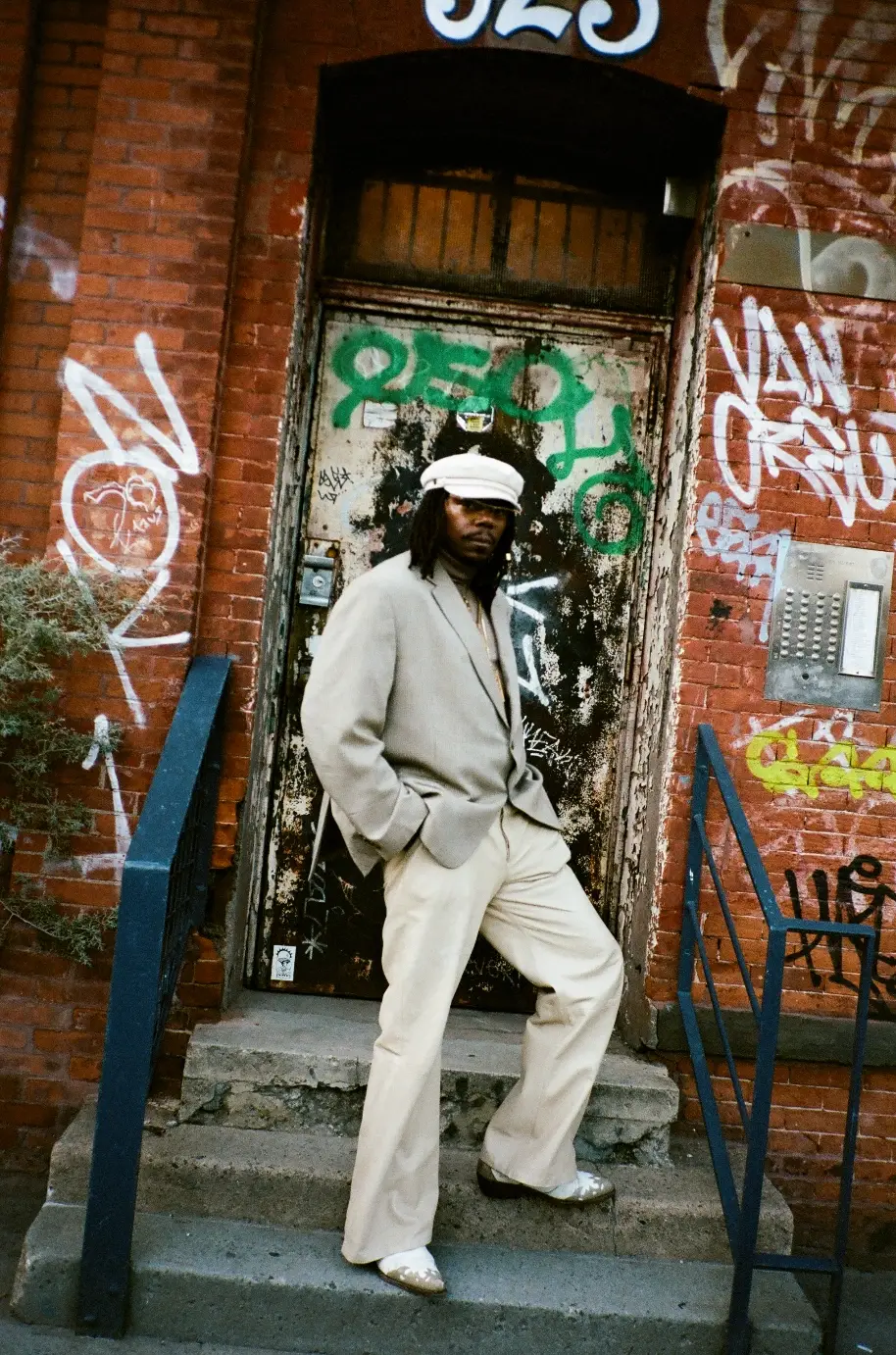
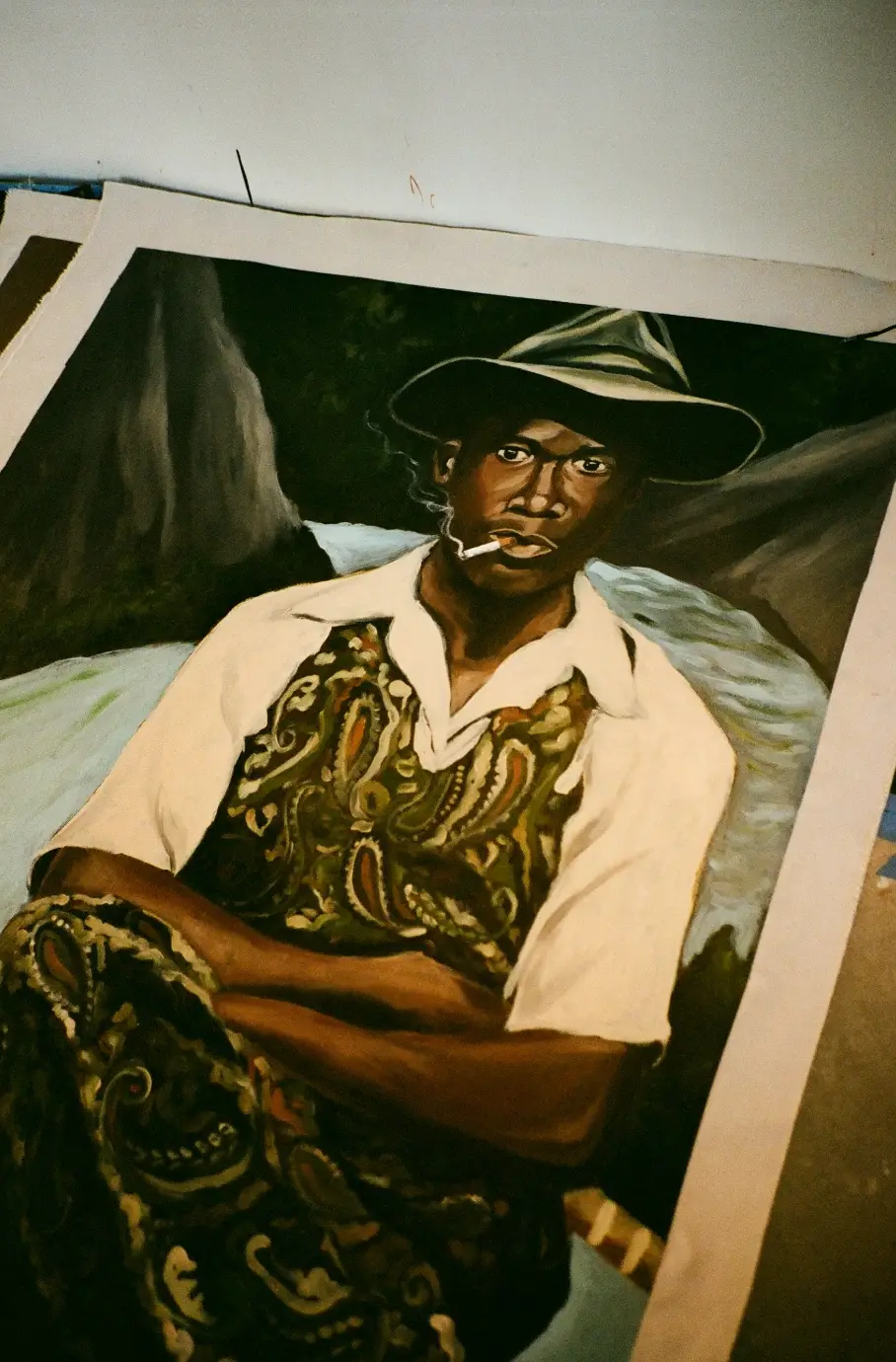
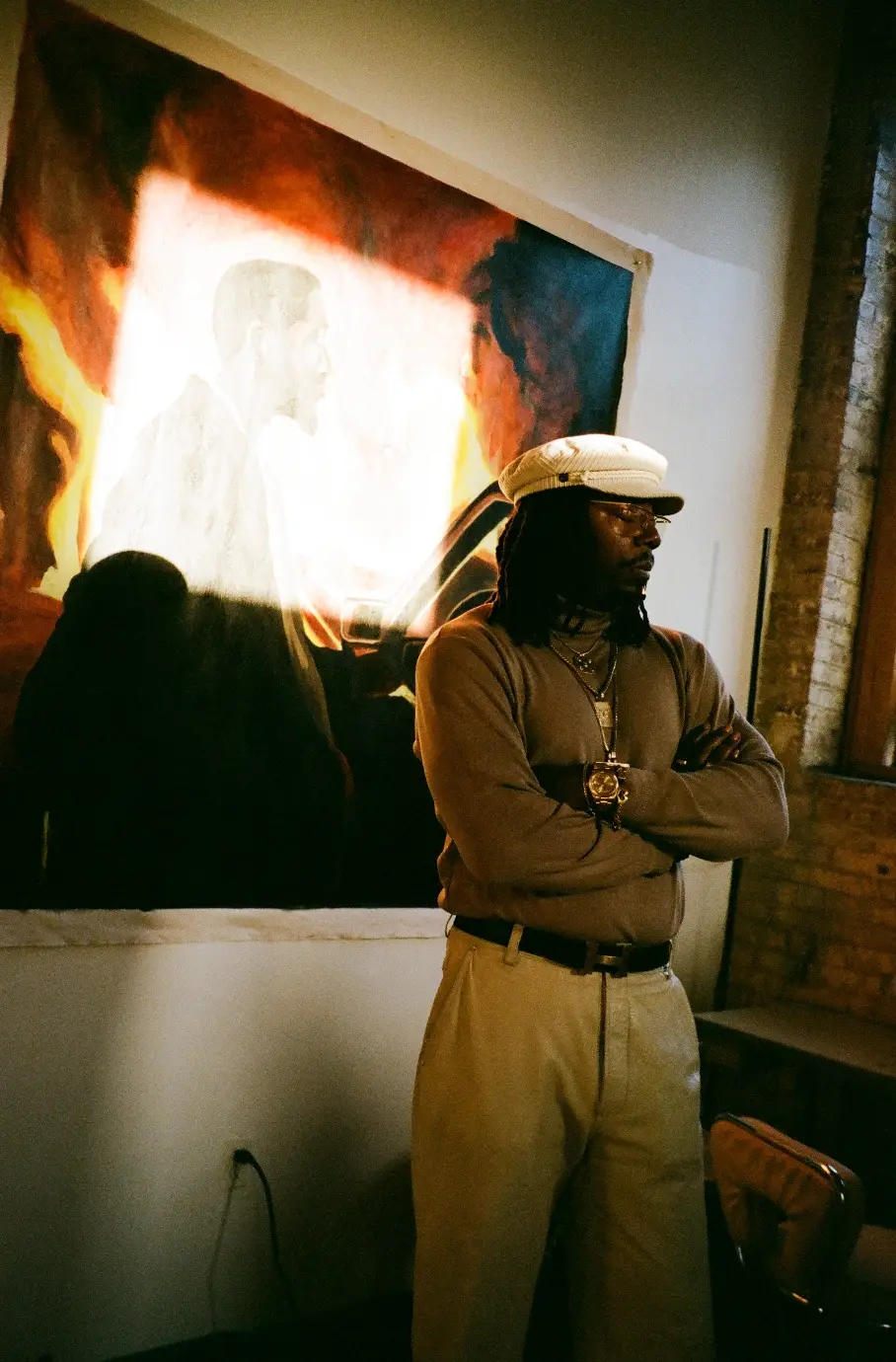
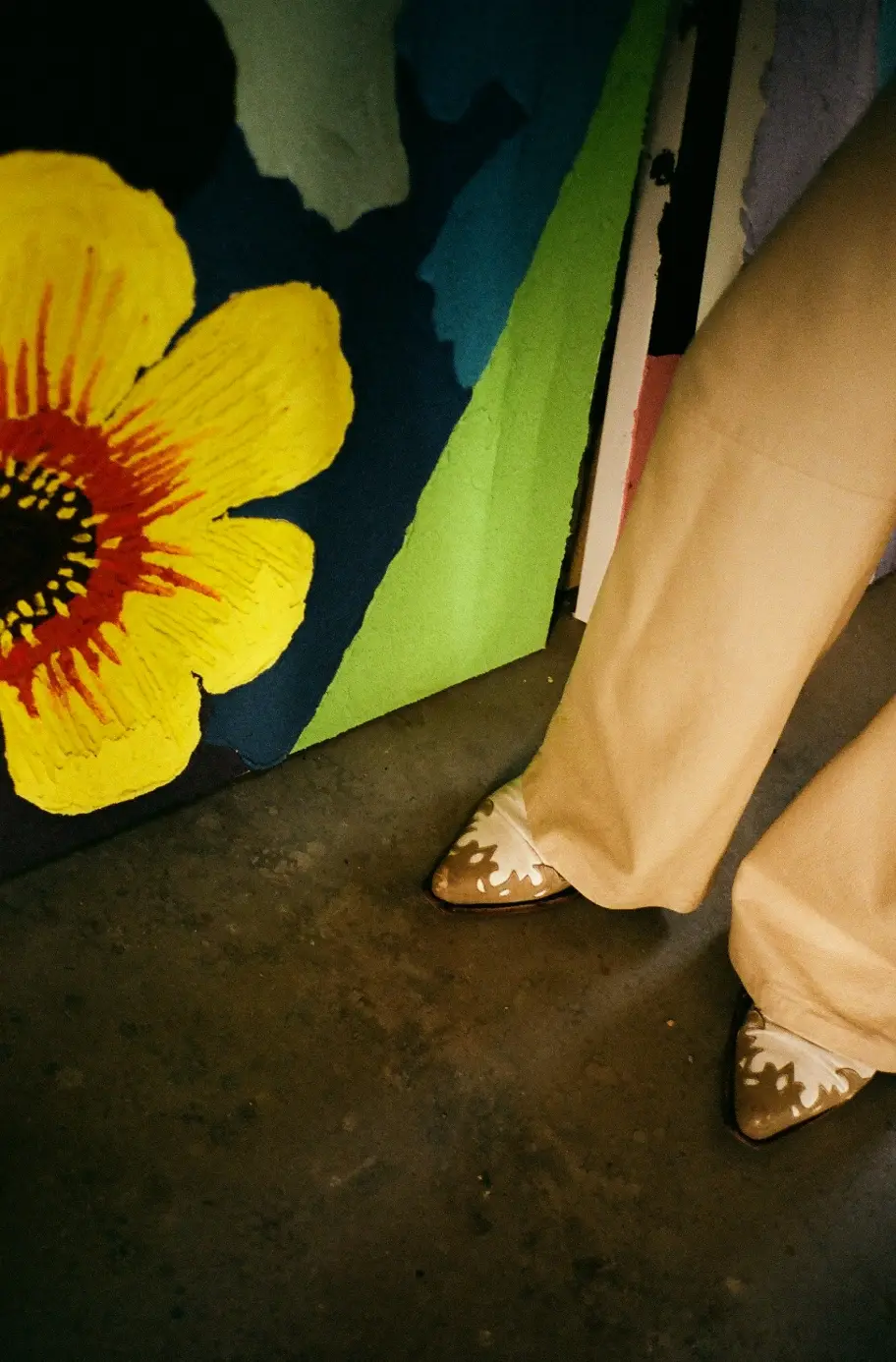
Your paintings use beauty, color, and flowers to carry painful subjects. Do you see beauty as a way to make people look closer?
Absolutely. Beauty is a Trojan horse. If I put grief in a gray box, people will walk by. But if it’s blooming, if it’s lush and alive and gorgeous, they’ll lean in. And then it’s too late, because now they’re already inside the feeling. That’s the strategy, but it’s also genuine. Because I do believe that grief and beauty are not opposites. They coexist. Flowers grow on graves. The most heartbreaking moments in life often have something achingly beautiful about them. I’m not softening the truth with color. I’m being more accurate. That’s what loss actually looks like when you stop being afraid of it.
You said every show begins as a poem, and each line becomes a painting. What comes first for you, the image, the sentence, or the feeling?
The feeling always comes first. Every time, without exception. It’s like a weather system. Something moves into me and I don’t have words or images for it yet, only pressure. Then comes the sentence, usually a fragment, something that doesn’t fully make sense yet but feels true. Then the image crystallizes around that. By the time I’m in front of a canvas, there are already three layers underneath what I’m making. The feeling, the language, the vision. The painting is the fourth translation of something that started much deeper. That’s why I think my work takes time to settle on people. You’re looking at the surface of something that has roots.
We had the pleasure of listening to the inspiration behind your Loverboy series. What does Loverboy represent for you, and why did this character become important in your practice?
Loverboy is me, but he’s also every man who ever loved too hard and traveled too far trying to outrun it. He’s a jazz musician, cursed by love, shaped by it, and he carries all the romanticism and all the sorrow that comes with being someone who feels deeply in a world that doesn’t always reward that. He became important because I needed a character who could hold the contradictions I live with. The beauty and the ache. The freedom of movement and the longing for roots. He can go places in the work that I can’t go as just "the artist." He’s a vessel. Through him I can explore love, not only romantic love, but love as a force, love as a wound, love as the thing that makes you most human and most vulnerable at the same time. He’s not finished yet. He’s still traveling. Just like me. Big Bless! ❤️
Share this editorial
RELATED


JIL SANDER AND THONET FURNITURE COLLECTION

WILDSIDE YOHJI YAMAMOTO BLACK BAMBOO CHAIR

MUJI LAUNCHES NEW MINIMALIST BIKE AND HELMET
