
What happens when a video game becomes more than entertainment, and turns into the starting point for new cultural and economic worlds? Grand Theft Auto VI arrives on 19 November 2026, and Miami is already living in Vice City: on 18 November the Miami Heat host the Milwaukee Bucks at the Kaseya Center for "A Night in Vice City". As gaming, music, social media and entertainment converge, players are taking a more active role, creating content, experiences and new forms of economic value around the GTA 6 universe.
According to Zach Hirsch, the young American entrepreneur, podcaster and content creator known as Mystic Zach, the biggest long-term winners of GTA 6 could be the people who build businesses around the game: modders, streamers and clippers. It is the central argument of his opinion piece, The Billion-Dollar Game: Why GTA 6's Biggest Winners Will Be Creators. From hosting a sports show on his school's Facebook page to co-founding Mozverse, a technology company focused on Web3 solutions, Zach has turned his passions into a career across content creation and digital entrepreneurship.
In this Zach Hirsch interview for CASAWI, we talked about his vision of the creator economy, gaming as a cultural and economic phenomenon, his personal journey and a generation that is rewriting the very idea of a career.
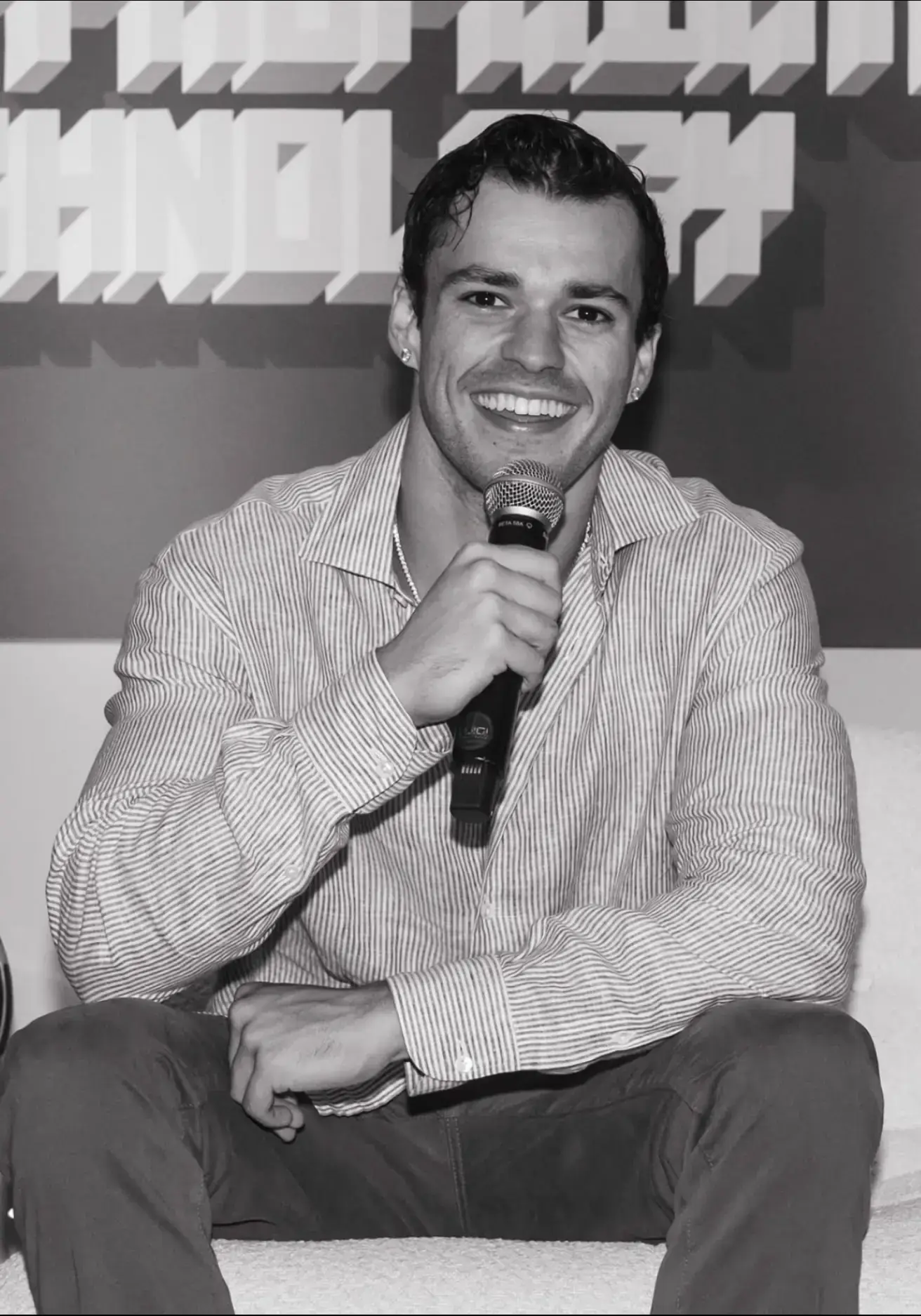
Zach Hirsch on GTA 6 and the creator economy
In your article, you argue that creators could be the biggest long-term winners of GTA 6. What makes this launch different from previous gaming releases, and where do you see the most significant economic opportunities for creators?
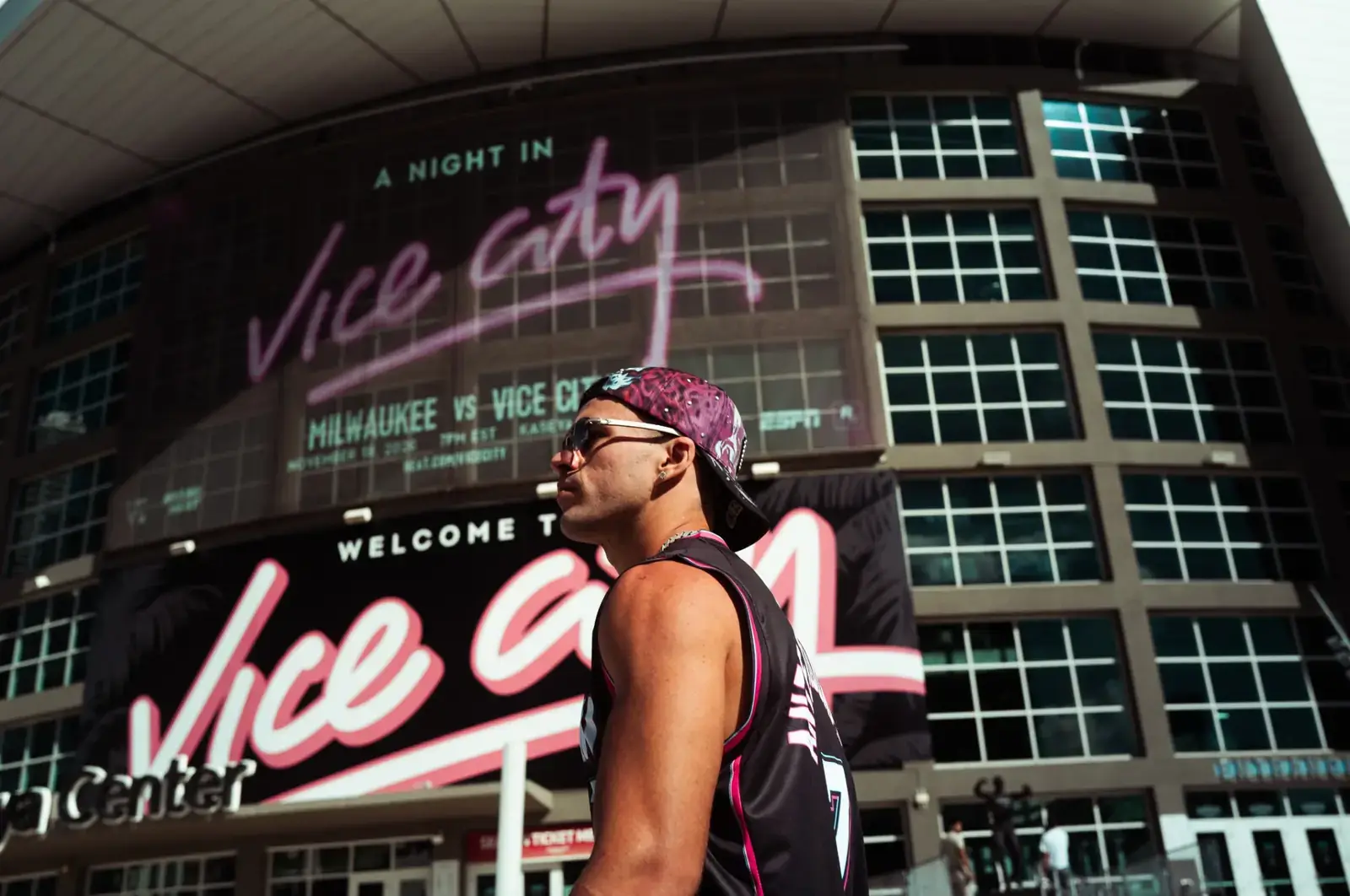
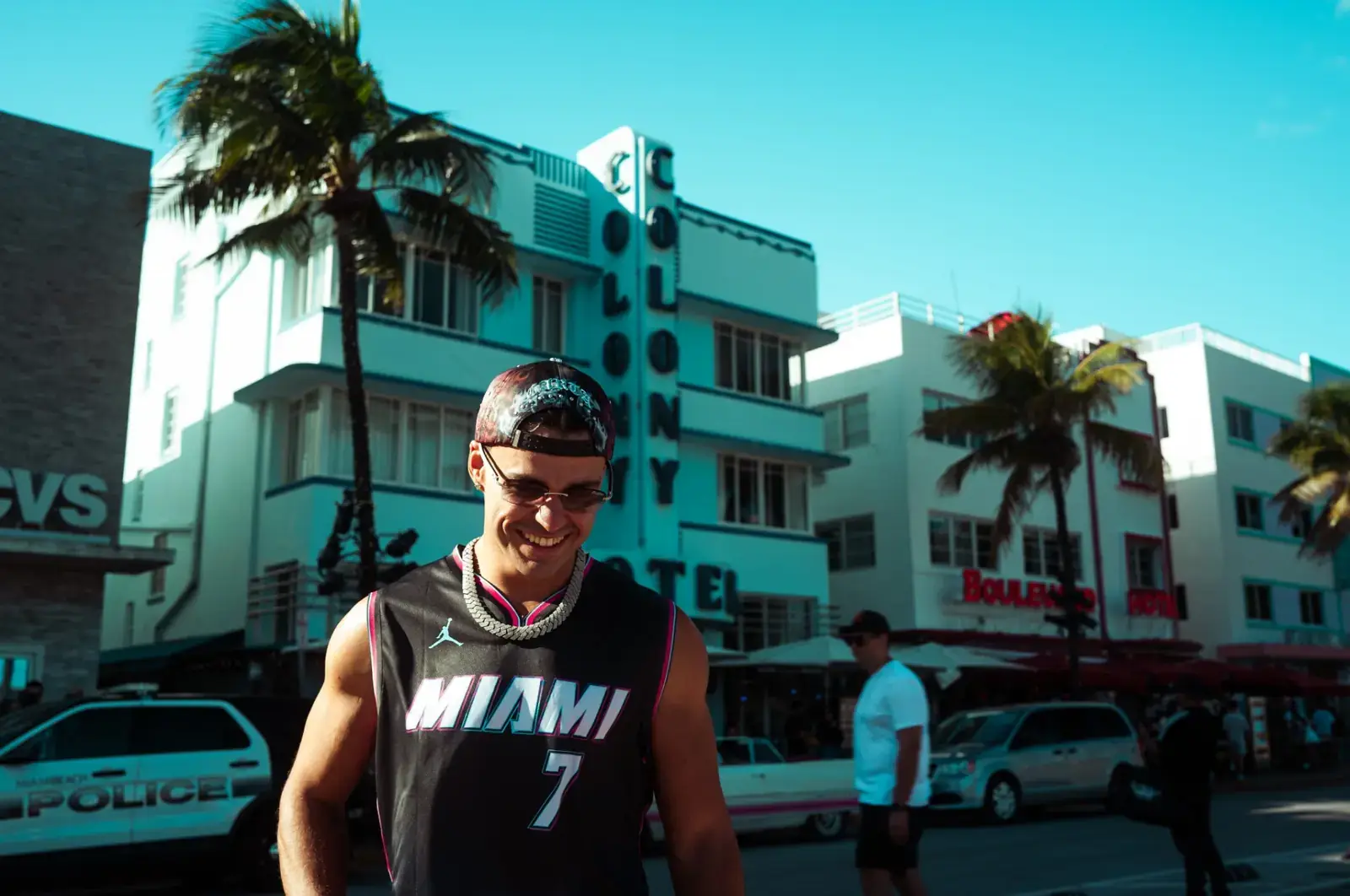
Zach Hirsch: The combination of the unprecedented scale of the GTA 6 launch and the ability for creators to build virtual businesses and monetize user-generated content, combined with the massive current popularity of both IRL streaming and clips on social media platforms, offers creators a much bigger opportunity than any previous game launch. I myself have already filmed in Miami at Vice City sponsored and inspired locations and will be sitting courtside for the GTA 6 NBA game collab tomorrow night. GTA 6 has literally taken over Miami with creators relocating here, just to be part of it. I think the biggest opportunities will be in streaming and clipping GTA 6 content to the tens of millions who'll immerse themselves in the game.
GTA has evolved into more than a video game: it's a cultural universe shaped by its characters, music, aesthetics and communities. Do you think the future of entertainment will increasingly depend on creating immersive worlds that audiences can engage with, contribute to and feel part of, rather than simply selling products? What role will creators and communities play in shaping these worlds?
Zach Hirsch: Yes, I thought that immersive entertainment was the future since I played VRChat with my brother as a kid and watched the movie Ready Player One in high school. I've been sure of it since the Travis Scott immersive show in Fortnite in 2020. Gen Z and Gen Alpha were raised on the confluence of media, entertainment and gaming. Kids rejected the contrived virtual lands, but love building their own and immersing in them. I think new young, virtual creators can build significant followings and monetize them with interactive experiences in and out of the games.
Rockstar has embraced the creator economy through initiatives like the Cfx Marketplace, but opportunities for GTA 6 modders remain uncertain, particularly with the game launching on consoles first. Who do you think will ultimately benefit the most from the economic value generated around GTA 6: the creators themselves, gaming companies, or the platforms that distribute their content? And how much control will creators actually have over their ability to monetize their work?
Zach Hirsch: I don't think it's a matter of who benefits the most. I think there will be great opportunities for creators to benefit from GTA 6. They won't individually be anywhere near the scale Rockstar Games reaps, but combined they may be, and we didn't individually have to invest a billion dollars and devote a decade to this endeavor. Sony, with the PS5 Pro, will benefit greatly. I think it will be massive for Twitch, Kick, YouTube, TikTok and Instagram as well. I think the whole ecosystem will benefit greatly, and creators will be a big part of it.

From a school sports show to WorldStar
Since GTA 5 was released in 2013, social media platforms have transformed how music reaches audiences. A song featured in a game can now gain visibility through TikTok, Twitch and YouTube. How might gaming communities and creators reshape music discovery and the relationship between artists, record labels and audiences?
Zach Hirsch: I think the relationship between artists, record labels and audiences has been shifting for some time now. I was co-hosting Kiss N The Myst on WorldStarHipHop in 2021, when Danny Cotton, the COO of WorldStar, led the launch of WorldStar Distro, giving independent artists a platform to release their music across all DSPs. Five years before that, Chance The Rapper charted and won a Grammy for his streaming-only album Coloring Book. Music released through games and popularized on social platforms is a natural next phase of that evolution. You don't necessarily need a label to go viral today, and we'll be even less reliant on them in the future.
Your career began with a sports show you created for a school project. You later built an audience on social media, launched podcasts and developed projects in media and entertainment. Looking back, what were the key turning points that allowed you to turn that initial passion into a business?
Zach Hirsch: I started with a Facebook sports show on my school's page. It was a very small school with about sixty students and only a handful of people watched my show. I was very knowledgeable and passionate about sports, but truthfully those early episodes weren't very good. I personally believe that if you really believe in yourself, and a few other people believe in you, you can accomplish anything. That's especially true in the creator economy. The school's founder Ali and Hunter, who leads the school's media program, both thought I had potential. My dad thought I was great and told me so every day. That made me believe in myself, and I decided to prove them right.
I practiced for three or four hours after school every day, recording myself with my iPhone on a tripod, pretending to interview athletes and influencers like Floyd Mayweather, Dez Bryant, Rashad Evans, Jake and Logan Paul and others. I would end up meeting Jake and Logan in California during Logan's training camp for his first pro fight with KSI. Soon I was actually interviewing them on my new Instagram and YouTube pages. The harder I worked, the luckier I got. I've interviewed literally everyone I pretended to interview years ago.
When the COVID pandemic hit, I did my senior year of high school virtually, and I got to learn from Jake and everyone I eventually met at Triller. I was introduced to Jadakiss to talk sports picks, and he agreed to do a podcast with me on WorldStar. I then co-hosted two podcasts a week for a couple of years, an NFL show with Pro Bowl cornerback Pacman Jones and an MMA show with UFC Hall of Famer Rashad Evans. I created my own show, Double Coverage, and it's a huge hit. I don't know exactly how I got here, but I'm so glad I did. I do know that once I believed in myself and totally dedicated myself to my passion, I got where I was supposed to be. The creator economy makes journeys like mine possible.
The future of creator careers
More young people are considering content creation and digital entrepreneurship as alternatives to traditional careers. Do you see this as a lasting transformation of the job market? Beyond traditional influencers and content creators, what new professional roles do you expect to emerge in the coming years?
Zach Hirsch: It's a good question and nobody really knows the answer. I think it's not easy, but it's an exciting and potentially rewarding career path now and in the immediate future. With AI rapidly improving, I'm not sure that one day all the biggest creators won't be virtual, but we're not there yet. I think lots of opportunities will lie in the confluence of gaming, entertainment and AI. Young engineers and imaginative vibe coders will create new immersive entertainment experiences, and the creators may not even be seen, like creators of today.
In an increasingly competitive market, what are the biggest opportunities and risks of building a career as a creator? And what advice would you give to people who want to build a career as content creators, whether in gaming, fashion, music or other industries?
Zach Hirsch: I think what makes you stand out is when you're a hundred percent authentic and you only create content you're really passionate about. The biggest risk is that you can't monetize what you create, and you do something else, maybe behind the camera, maybe in a whole different field. Yes, there is more competition today, but also many more opportunities.
My advice would be: do what you're most passionate about, be relentless in pursuit of your vision, be your authentic self. Don't let the outside noise have an effect on you, and surround yourself with other positive people who believe in you.
Magda Paladini
Journalist
Milan-based fashion journalist. I meet people, observe, ask questions and tell stories.
LinkedIn@magda_paladiniShare this editorial