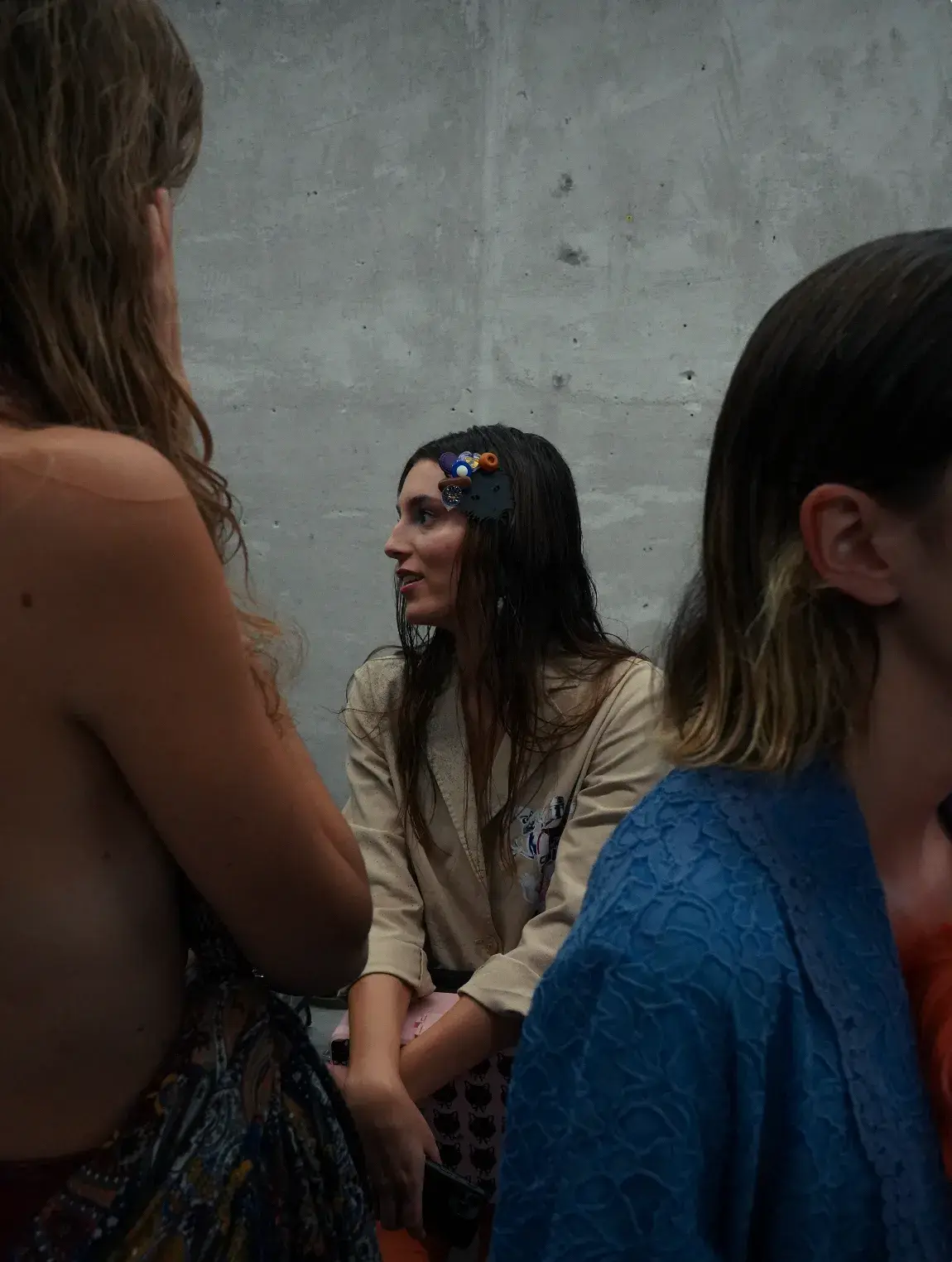
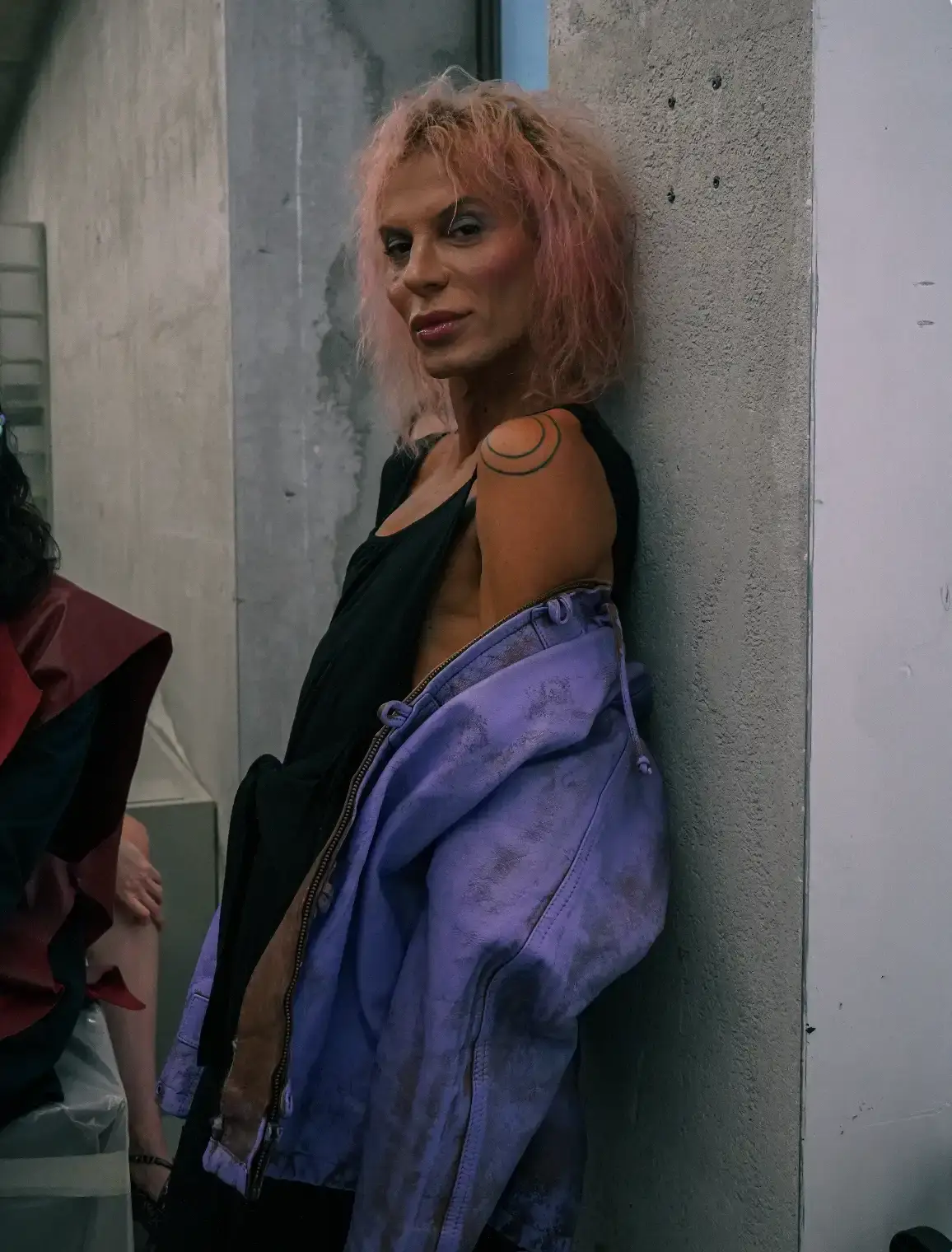
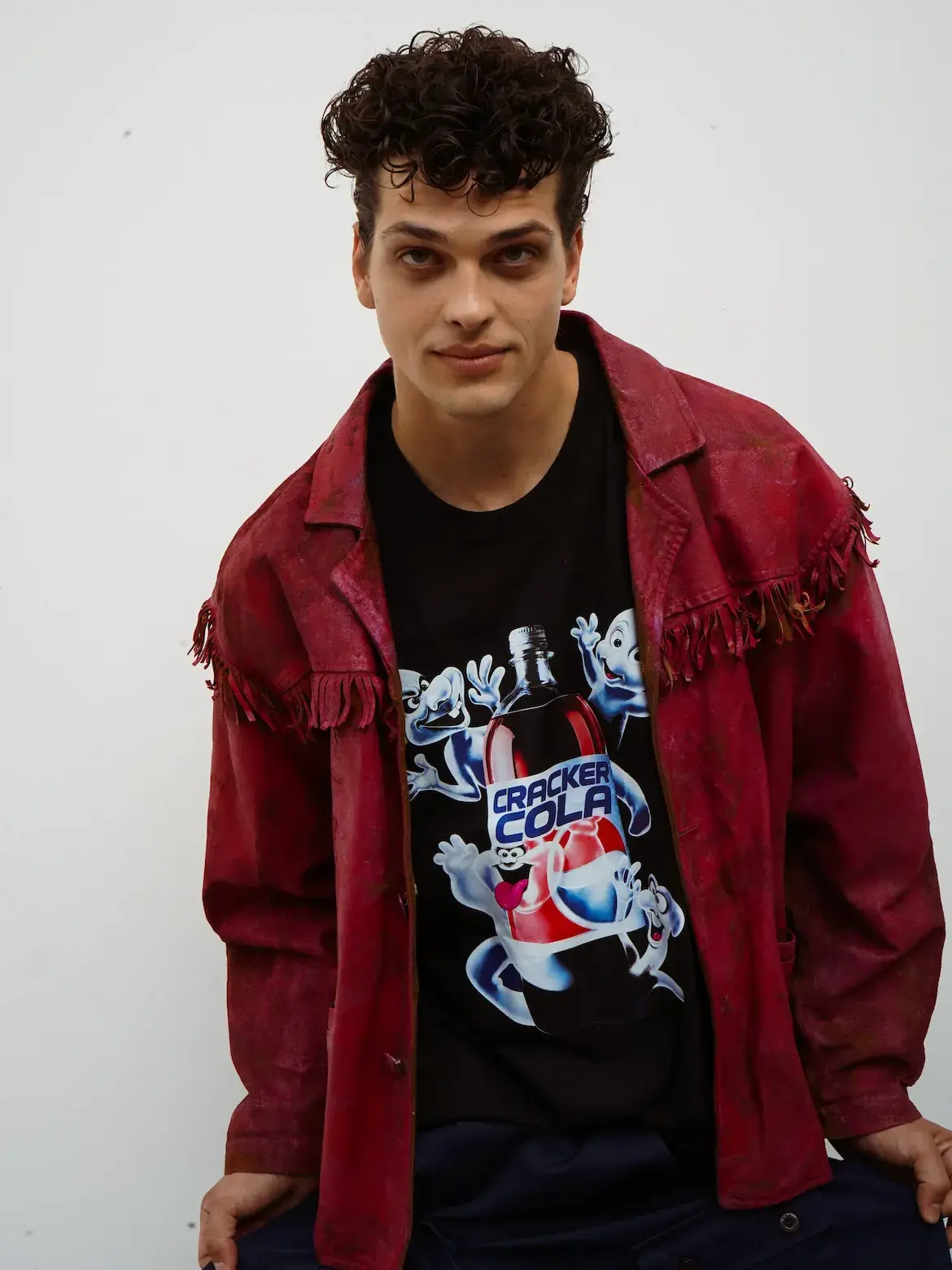
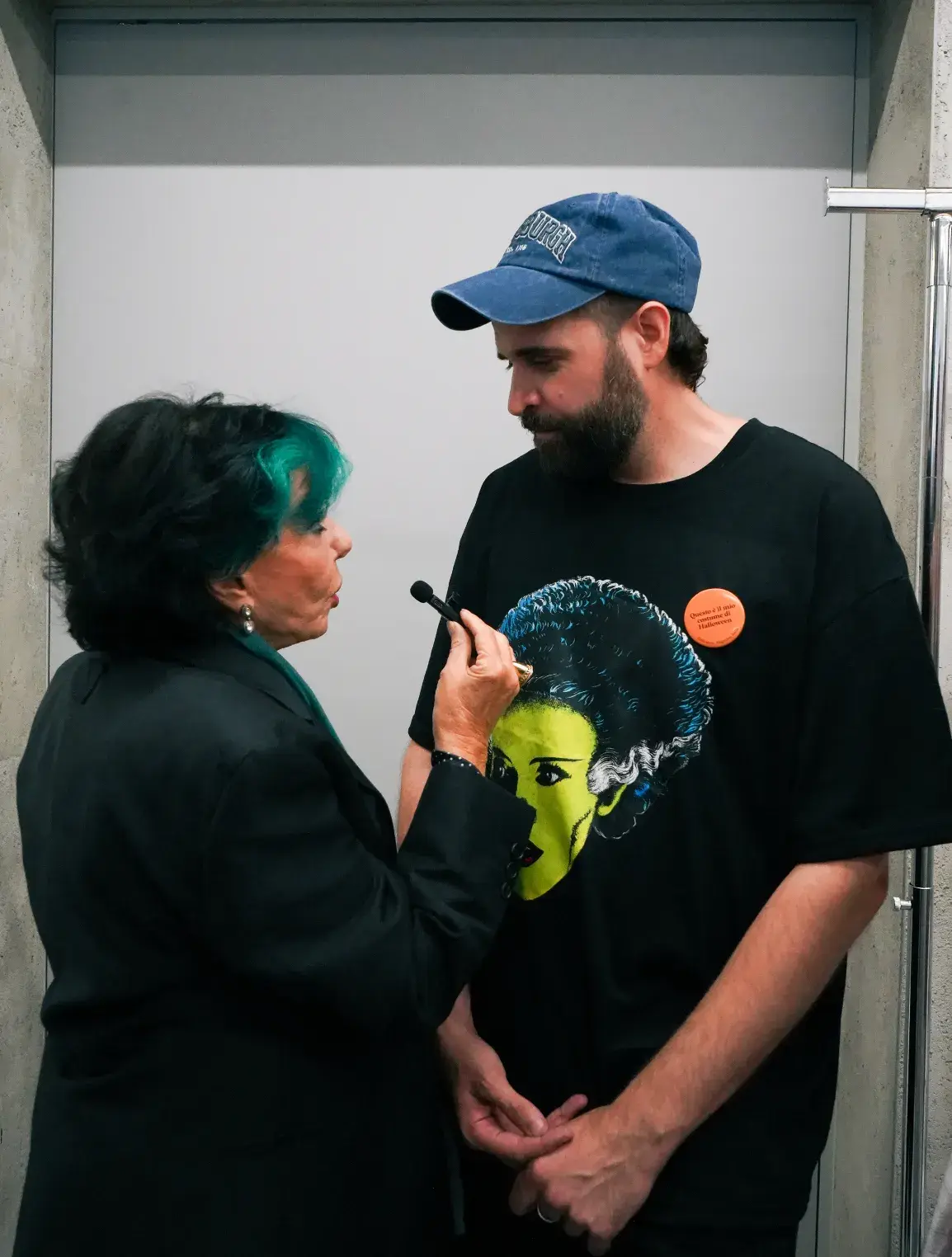
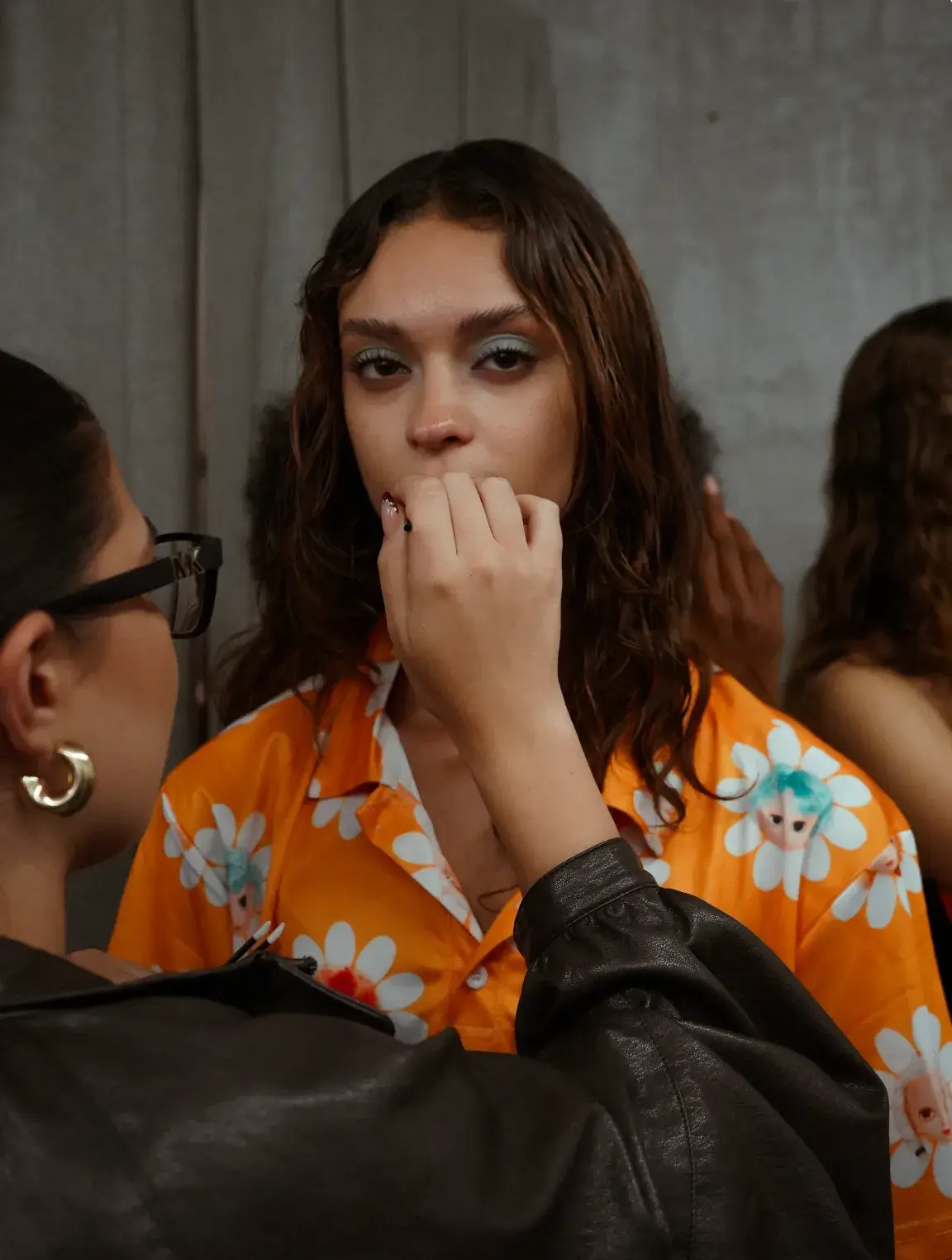
When we were kids, many of us raided our parents’ and grandparents’ wardrobes, tried unlikely combinations and invented characters of our own.
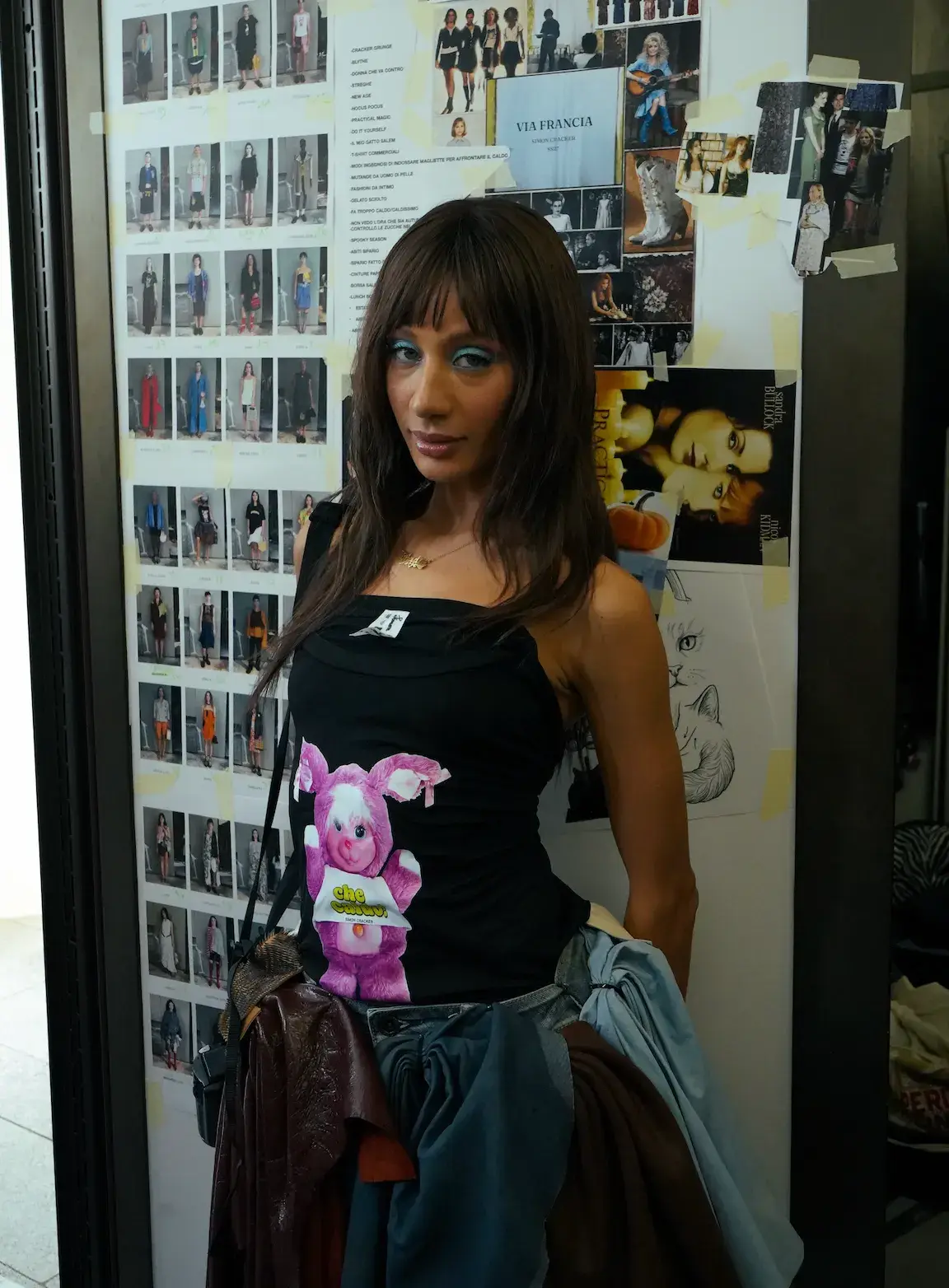
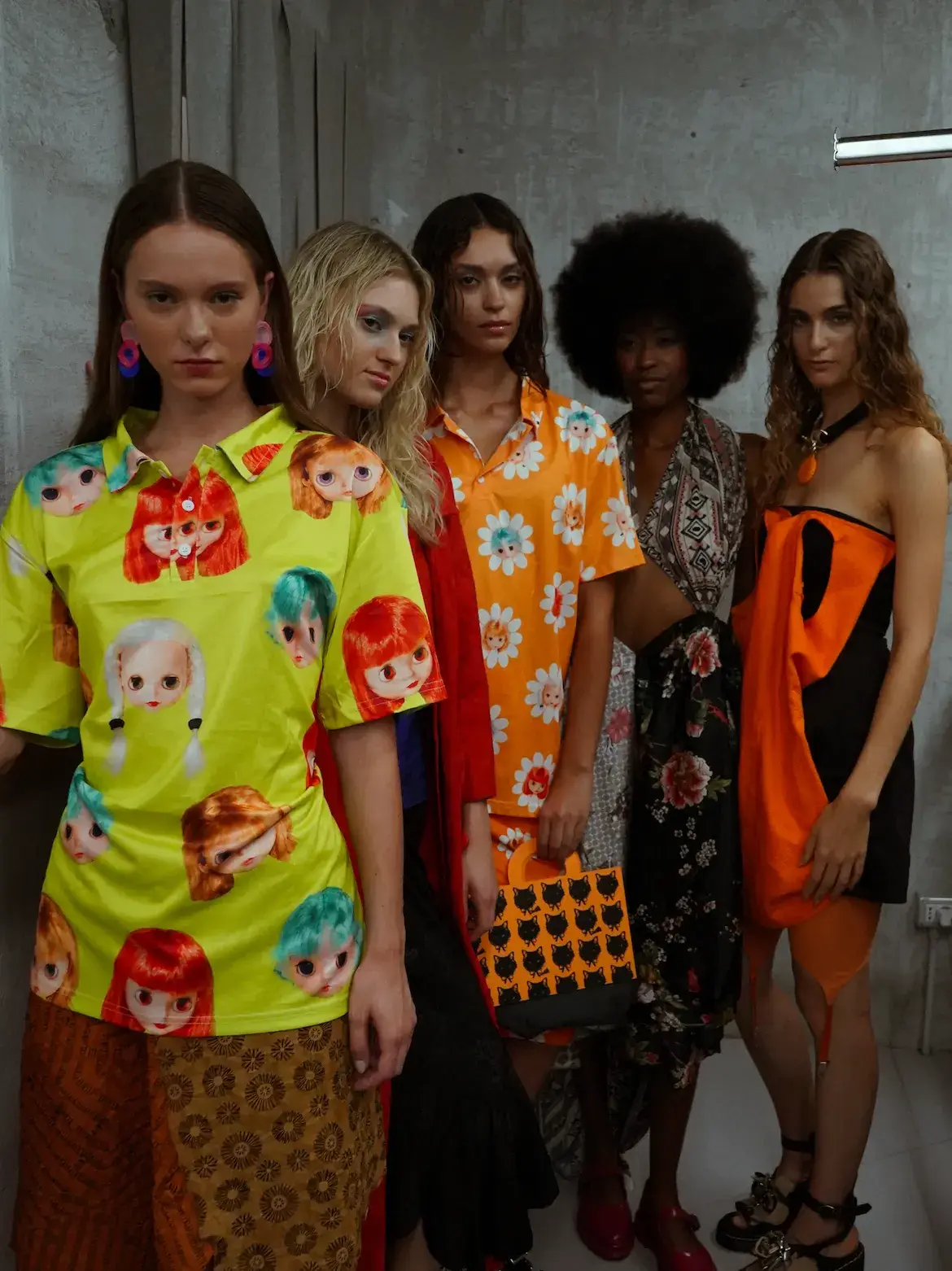
That childhood game is where Simon Cracker begins with Via Francia, the Spring/Summer 2027 collection presented during Milan Fashion Week. Founder Simone Botte draws on memories of summers spent in Romagna, on the street that gives the show its name.
But those memories do not become simple nostalgia. They become a creative method. The wardrobe turns into a kind of playground: a place to open, explore and transform.
Across the collection, that playful approach takes shape through unexpected combinations.
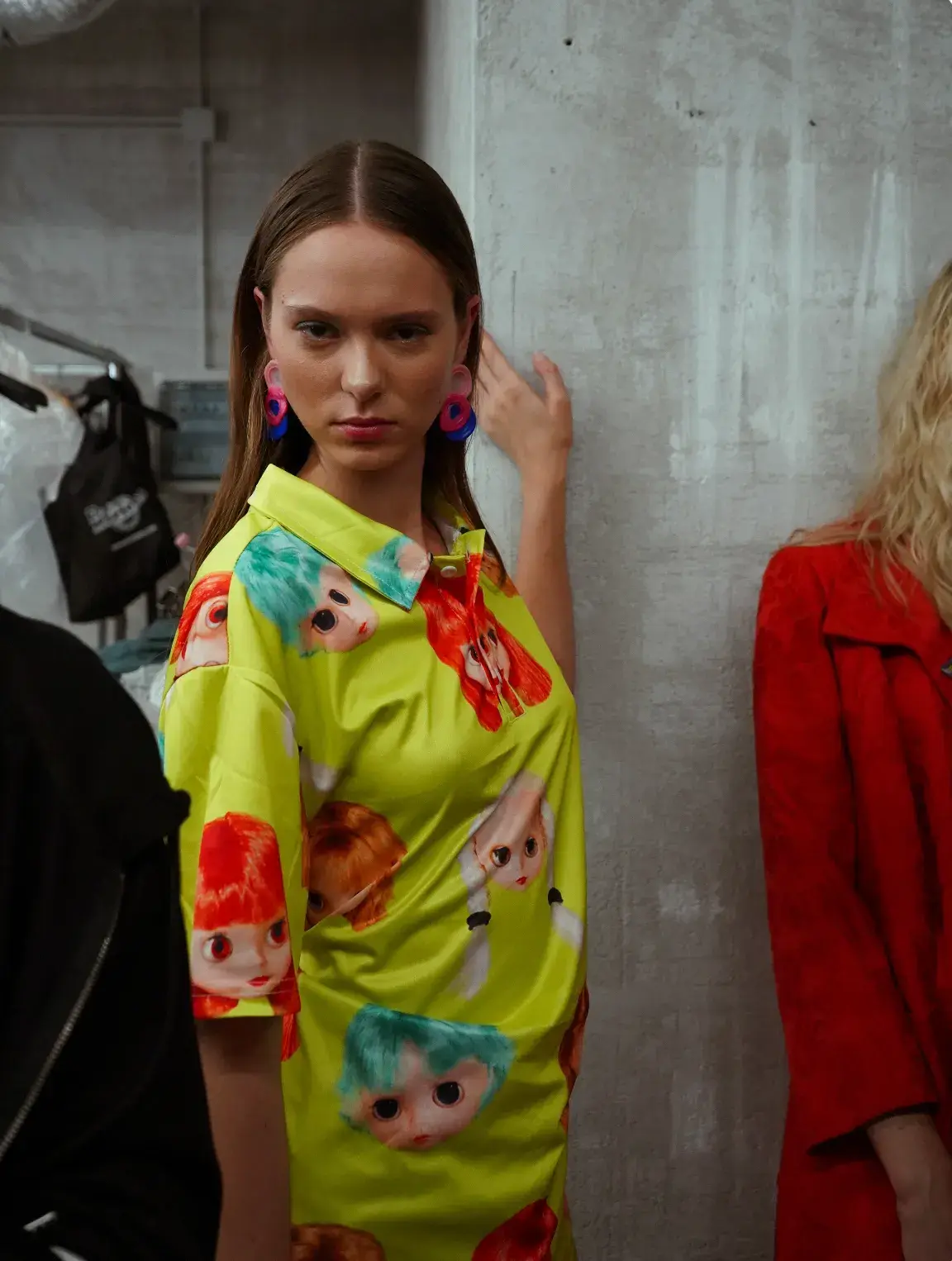
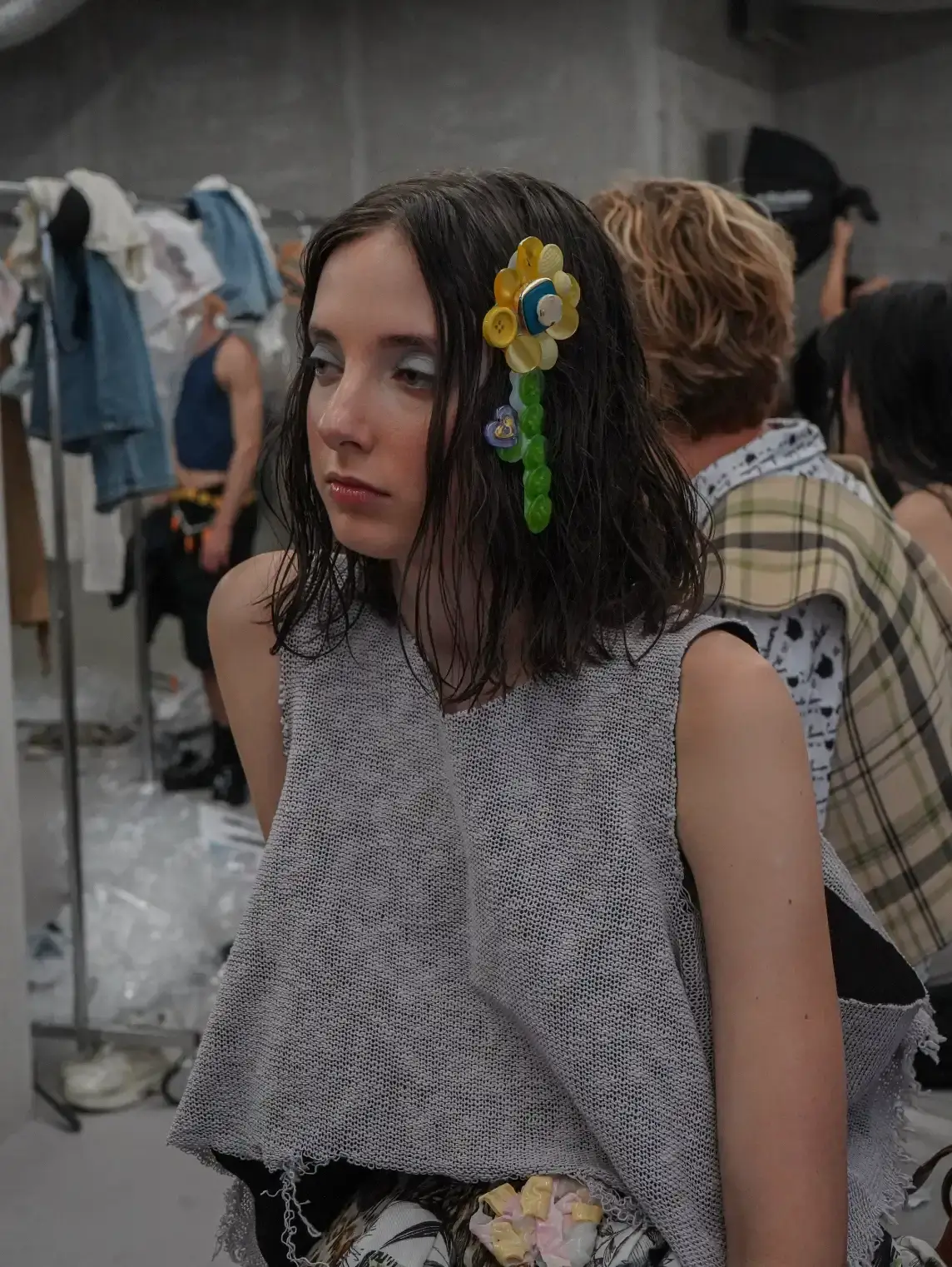
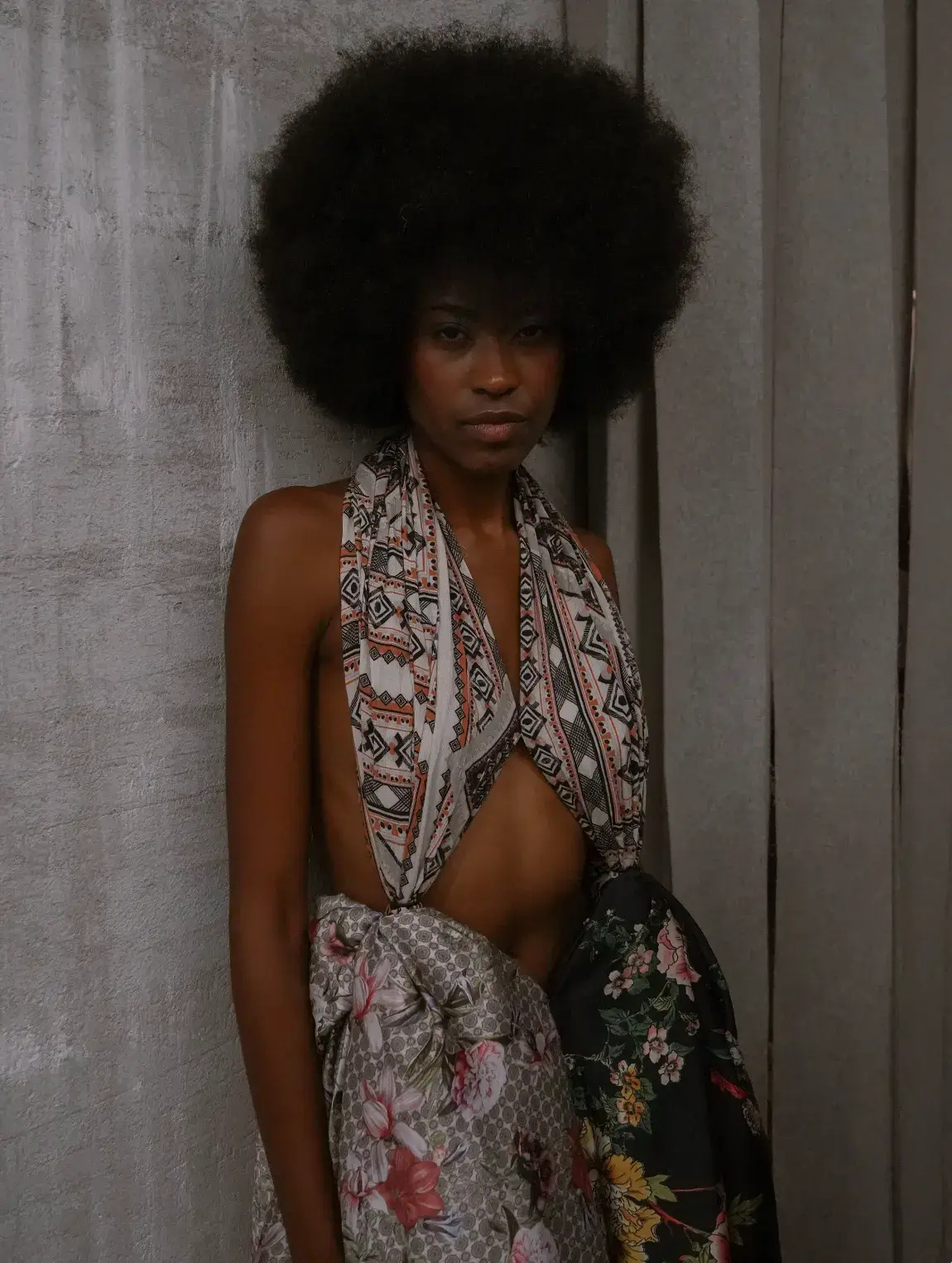
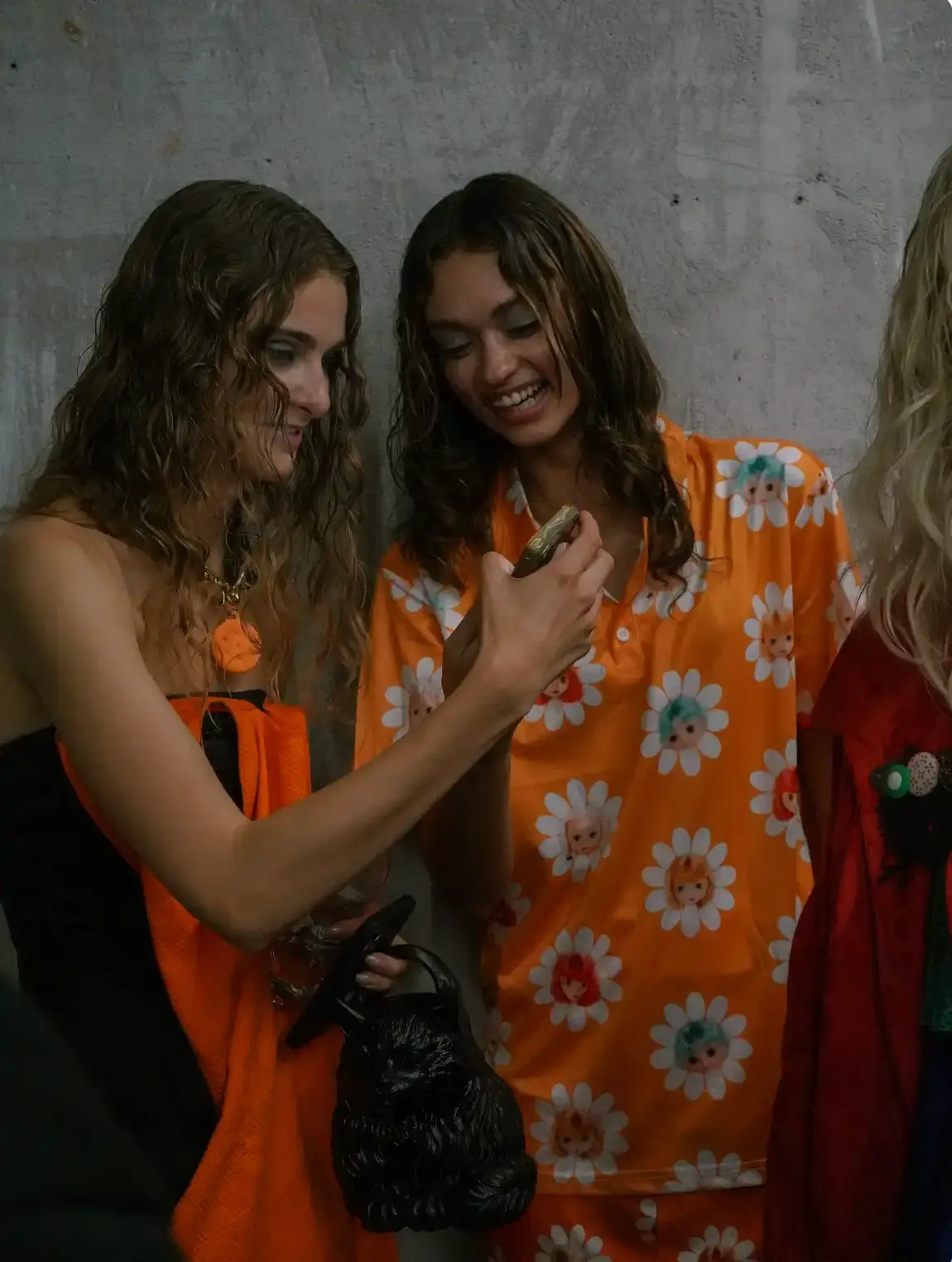
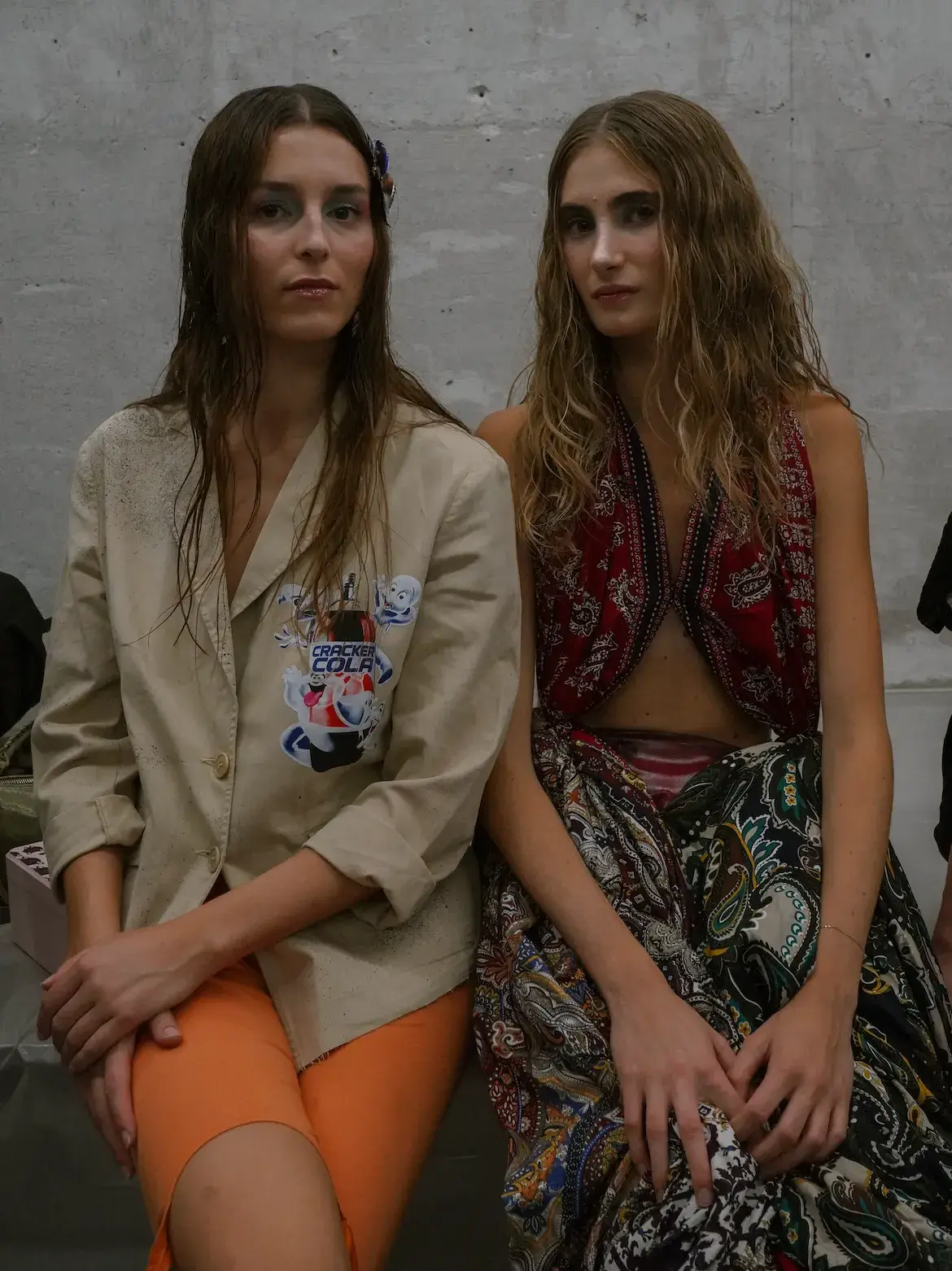
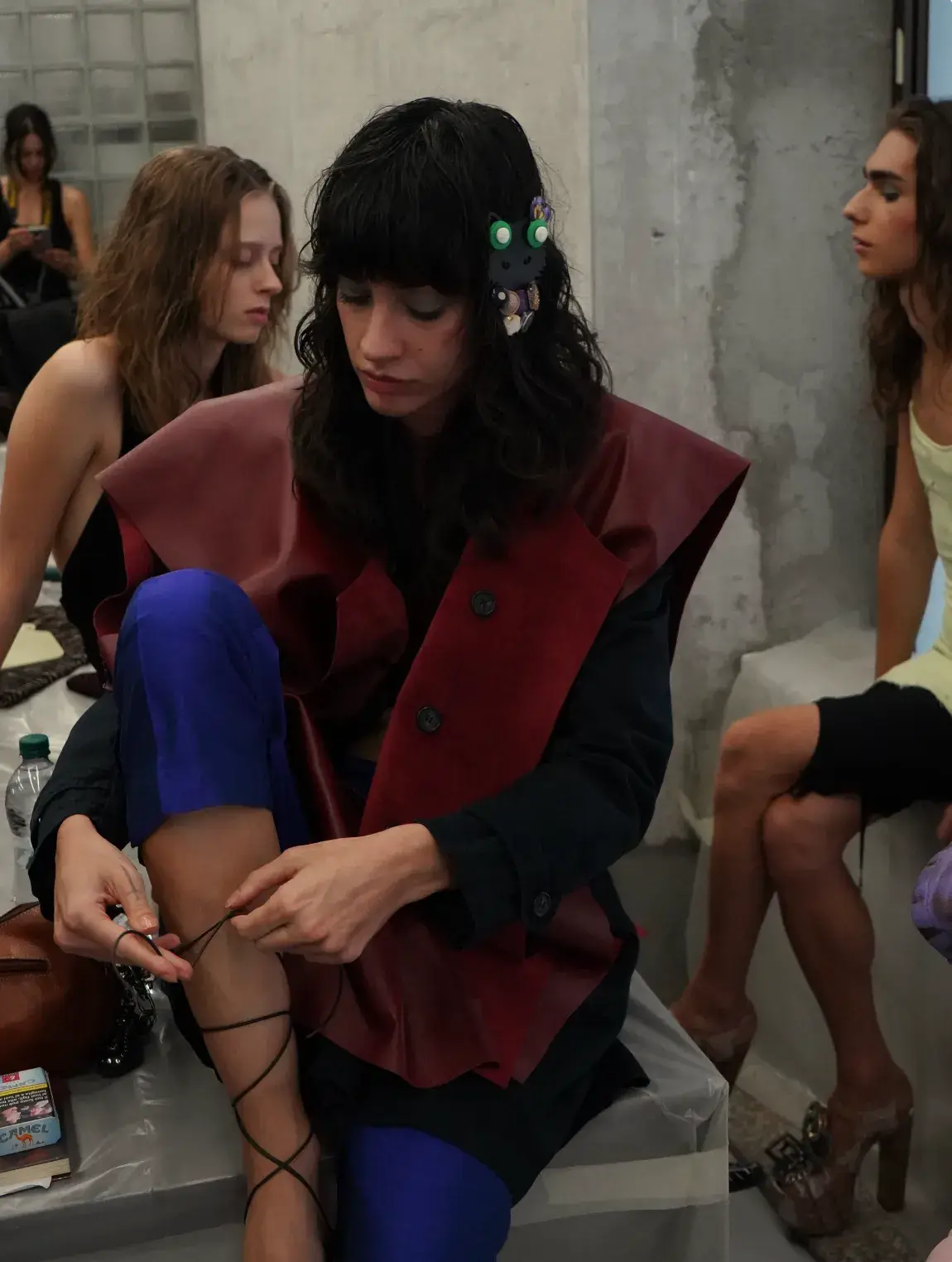
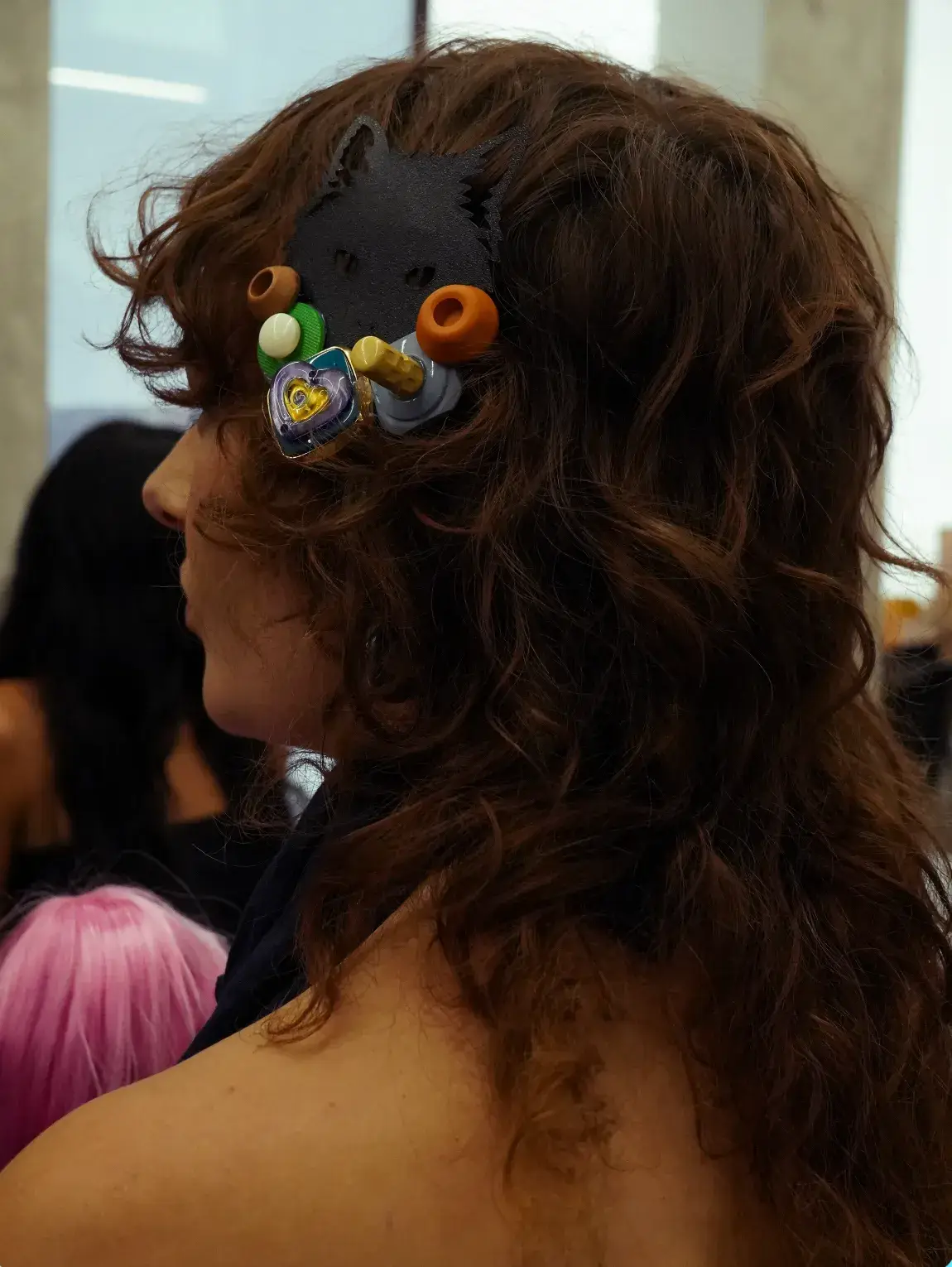
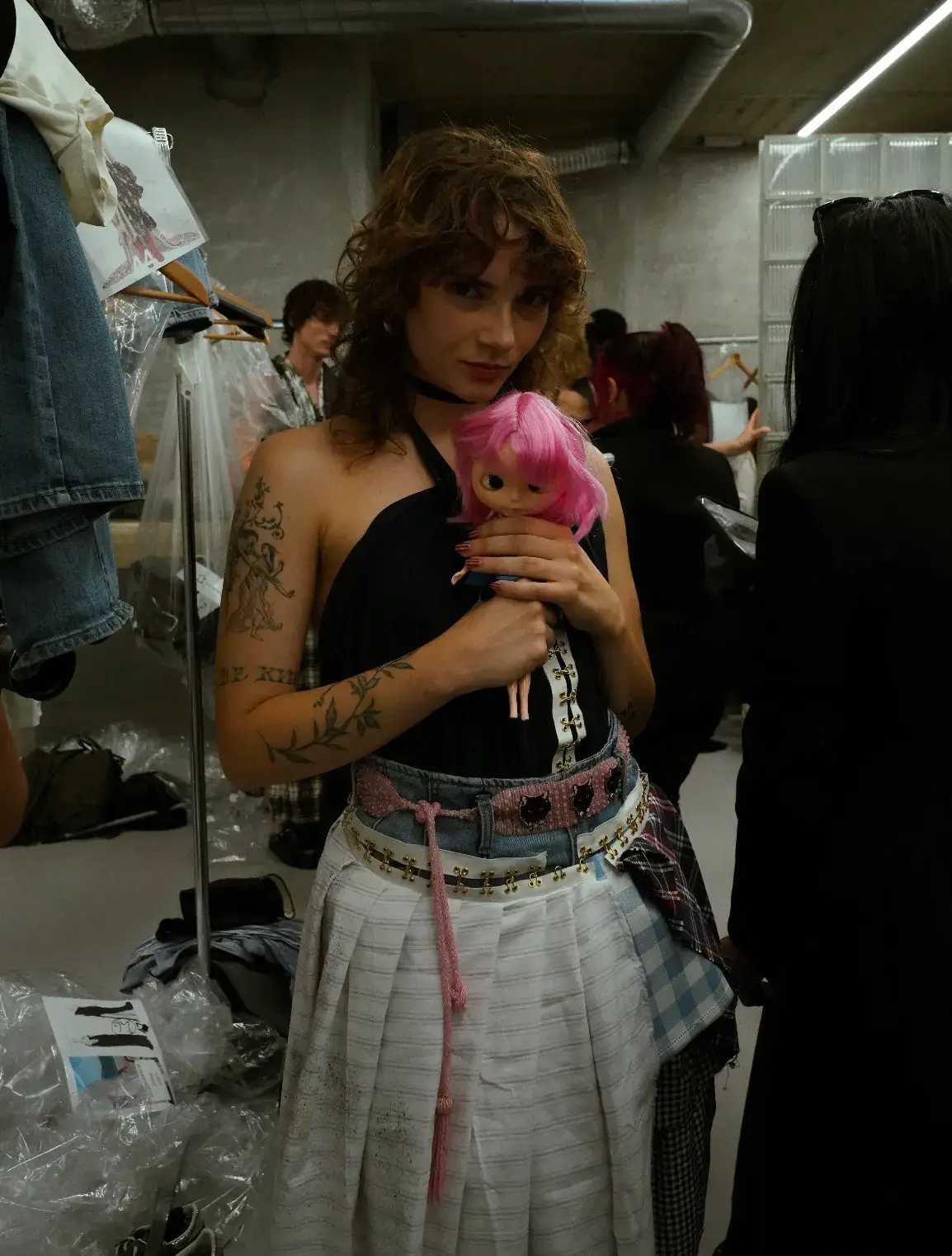
Tartan, floral prints, graphic T-shirts, more refined fabrics and grunge-inspired pieces are brought together in new ways. Silhouettes are built through layers, with panels of different fabrics, reconstructed skirts, statement coats worn over simpler pieces and details that seem to come from clothes that have already had a life of their own.
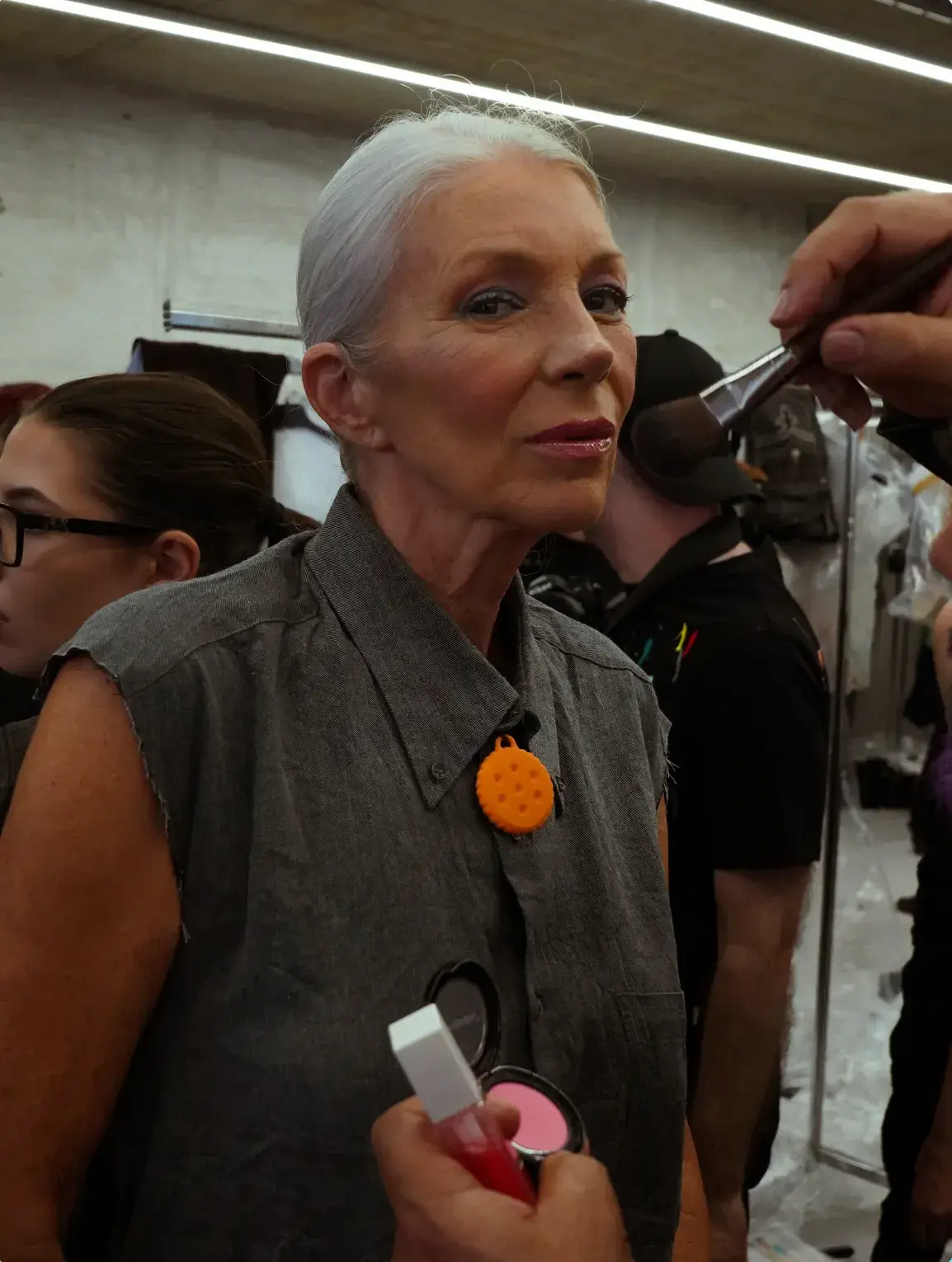
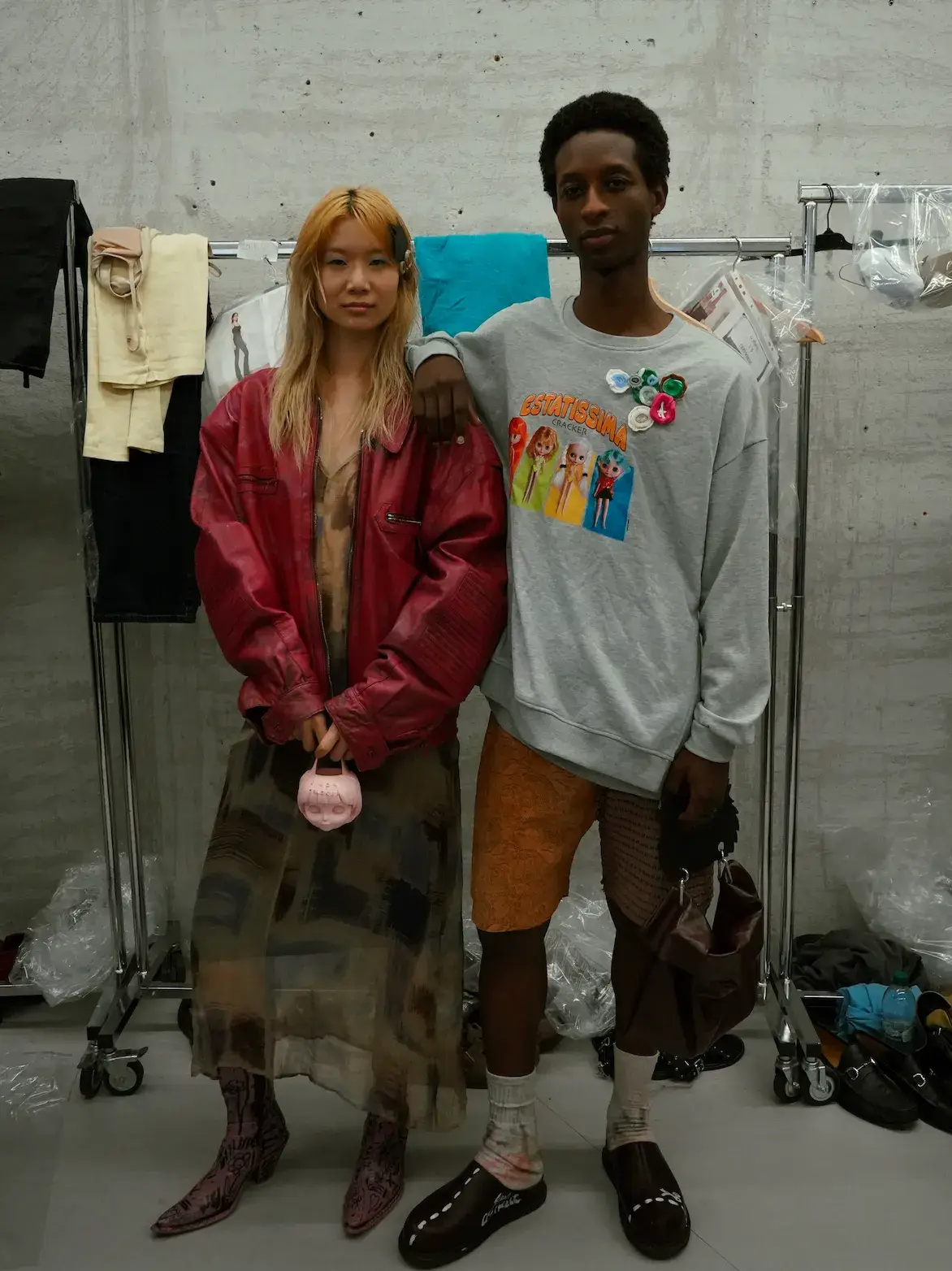
The same openness is visible in the casting. The world of Via Francia is not built around perfect characters, but around individuality. On the runway, there is no single idea of beauty: different heights, body types and ages become part of the collection itself. It feels consistent with the wider project, where the clothes do not ask the wearer to fit into a predefined role. Visually, Simon Cracker also works through contrast: punk attitude meets theatrical silhouettes, romantic details and references to different eras.
Play enters the collection in a more literal way as well. Blythe dolls appear in the models’ hands and across prints. Bright colours and almost childlike motifs sit alongside punk elements, tailoring and heavy footwear. In other looks, the process of reuse becomes more visible, with different materials brought together while still retaining traces of their previous life.
This is where Simon Cracker’s message moves beyond upcycling. It also questions the relationship between those who create fashion and those who engage with it. DIY takes on a broader meaning. Clothes can be altered, details can be moved, and existing pieces can be given a new purpose. Fashion becomes a creative act. If a garment is out of reach, there are still other ways to take part in fashion through reuse, transformation and personal invention.
In a fashion industry that is increasingly fast, driven by numbers and built around visibility, there is a growing need to reconnect with something more human. Not just clothes to look at or desire, but creations that still carry traces of the people who imagined, made and wore them. Perhaps this is where Simon Cracker finds its strength: in bringing fashion back to something more instinctive, imperfect and personal, where value comes not only from the finished product, but from the act of creating itself.
In this sense, the viewer is no longer just a consumer. They can become part of the process. The runway is not only about creating desire; it can also become a starting point for new ideas.
Another idea runs through Botte’s work: a rejection of sameness. Rather than seeking broad approval, he seems more interested in building a genuine connection with his audience. The aim is not necessarily to speak to everyone, but to reach those who recognise something in his creative language.
Individuality is central to the way Simon Cracker approaches the people wearing the clothes. The brand does not create rigid characters or impose a single identity. For the finale, the models were encouraged to be themselves and decide how they wanted to move on the runway.
Perhaps it is this human dimension that makes Via Francia feel especially relevant. The designer brings the focus back to the pleasure of making, transforming and experimenting. Imperfection is not hidden; it becomes part of the process.
At its core, the collection is about freedom: the freedom of the person who creates, the person who wears, and the person who looks. For Simon Cracker, fashion does not always have to be bought. It can also be invented.
Magda Paladini
Journalist
Milan-based fashion journalist. I meet people, observe, ask questions and tell stories.
@magda_paladiniMore from Magda Paladini
Share this article
RELATED

ZALANDO ANNOUNCES ACCESS ALL AREAS FESTIVAL IN BERLIN

PUMA AND LE PÈRE LAUNCH AW26 VINTAGE SPORTSWEAR COLLECTION

SSENSE BRINGS SALON DES REFUSÉS TO PARIS FASHION WEEK


ISSEY MIYAKE SPRING SUMMER 2027
